How to Decorate a Small Office at Work for Productivity
Learn how to decorate a small office at work for productivity with clever design tips that maximize space and boost focus.

Let's face it, working in a cramped office space can feel like you're stuck in a shoebox. But here's the thing, a small workspace doesn't have to mean small productivity. In fact, when you know how to decorate a small office at work for productivity, you can transform even the tiniest cubicle into a powerhouse of efficiency and creativity. Walking into a cluttered, poorly designed workspace is like trying to swim through molasses. Your brain feels foggy, your motivation tanks, and before you know it, you're staring at the wall wondering where the day went. Sound familiar? Well, you're certainly not alone in this struggle. Millions of workers around the globe are dealing with limited office real estate, and many of them haven't quite cracked the code on making it work for them rather than against them.
Understanding the Psychology Behind Workspace Design
Before diving into the nitty gritty of decorating, it's worth understanding why your environment matters so much. Our brains are incredibly sensitive to our surroundings, and the space where we work directly impacts how we think, feel, and perform.
Research has consistently shown that cluttered environments lead to cluttered minds. When your desk is covered in papers, random office supplies, and yesterday's coffee cup, your brain has to work overtime just to filter out the visual noise. That's mental energy you could be spending on actual work.
On the flip side, a well organized space sends signals to your brain that it's time to focus. Colors, lighting, and even the arrangement of furniture all play subtle but powerful roles in shaping your mental state throughout the workday. Understanding these connections is the first step toward creating a space that genuinely supports your productivity goals.
Starting With a Clean Slate and Decluttering Strategy
You've probably heard the saying that you can't build a house on a shaky foundation. The same principle applies here. Before you start adding decorative elements or rearranging furniture, you need to strip things back to basics.
Begin by removing everything from your desk and office space. Yes, everything. This might feel a bit extreme, but trust the process. Once your space is completely empty, you can evaluate each item before it earns its place back in your office.
Ask yourself these questions about every single thing you own in that space. Do I use this regularly? Does it serve a practical purpose? Does it bring me joy or inspiration? If an item can't get a yes to at least one of these questions, it's time to let it go.
Creating designated homes for items that make the cut is equally important. When everything has its place, maintaining order becomes second nature rather than a daily battle.

Maximizing Vertical Space in Your Small Office
When floor space is at a premium, the only way to go is up. Vertical space is often the most underutilized real estate in small offices, and learning to leverage it can be an absolute game changer.
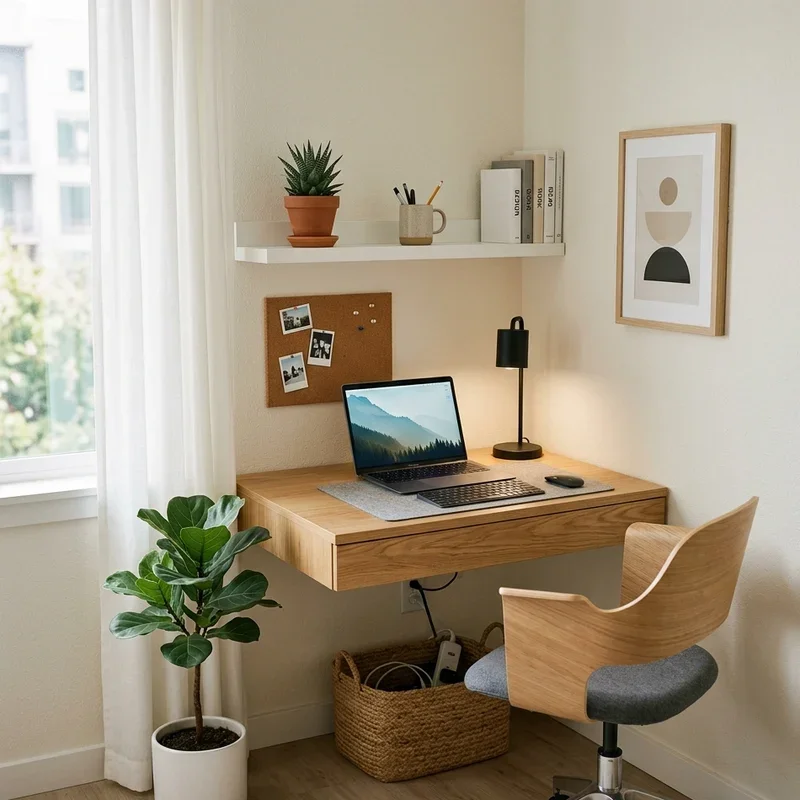
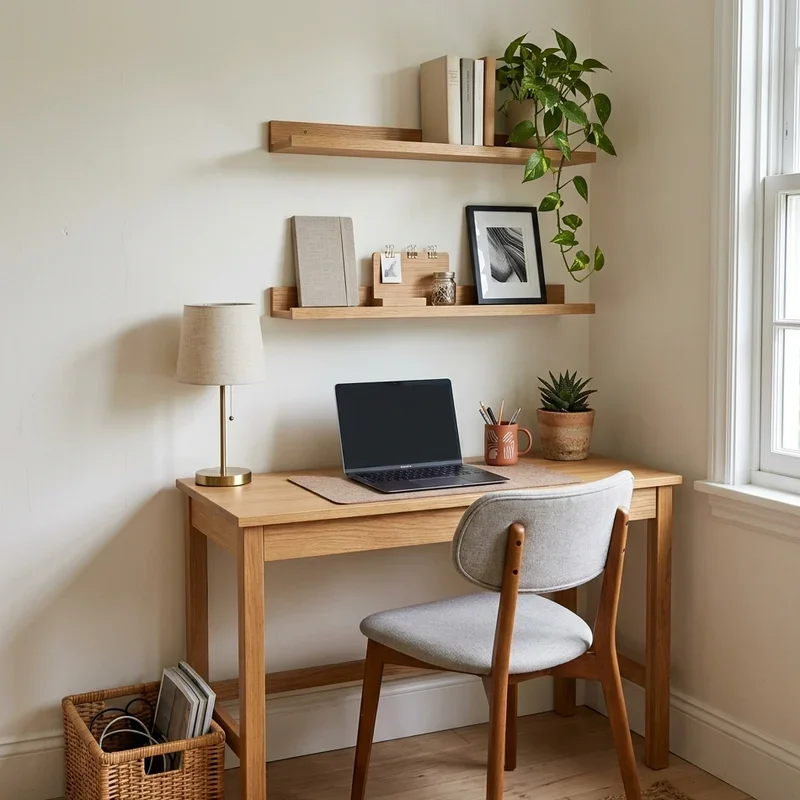
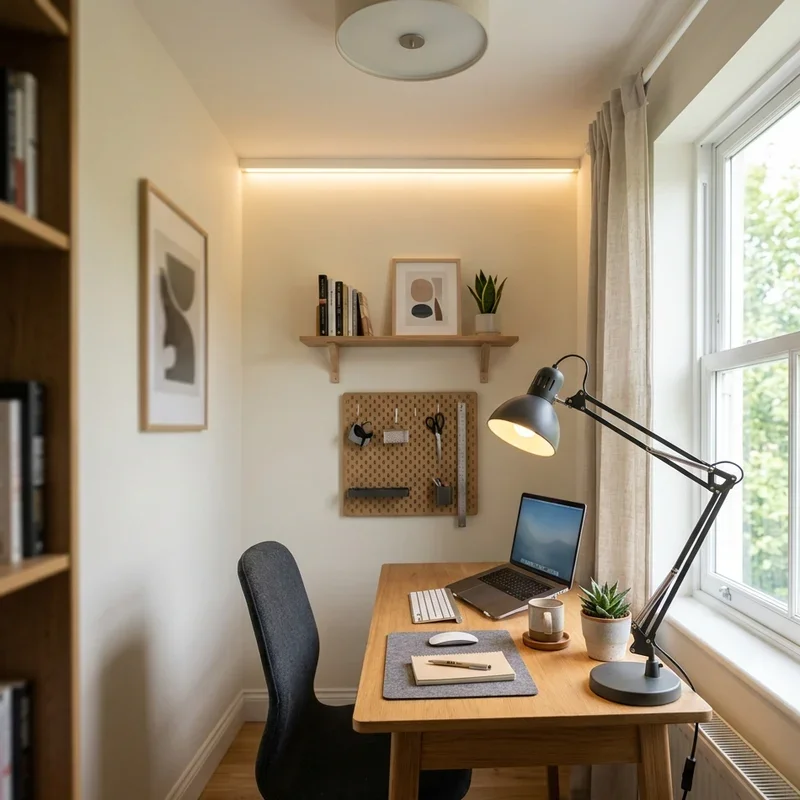
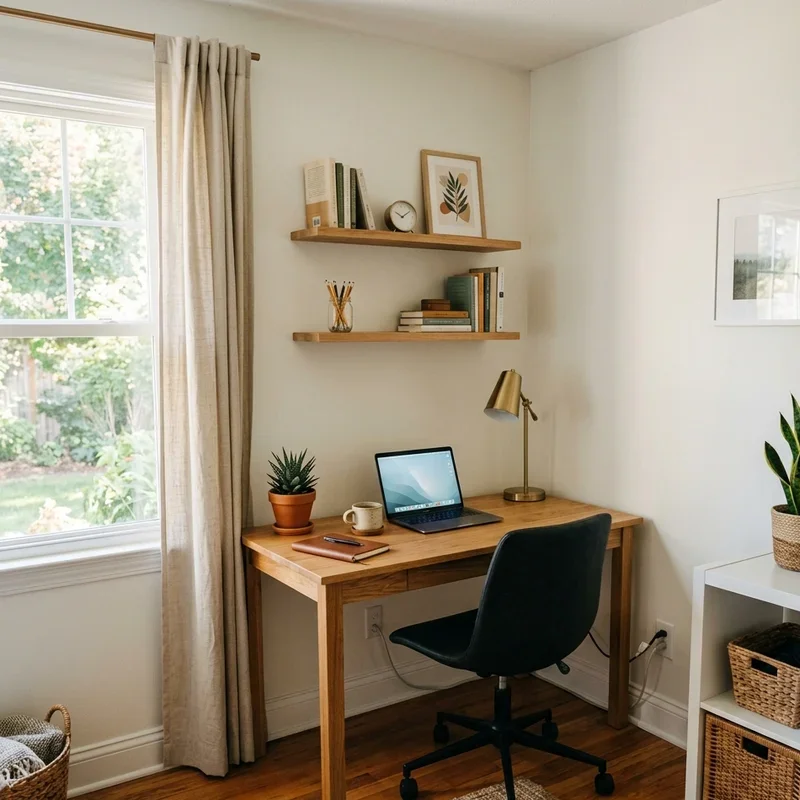
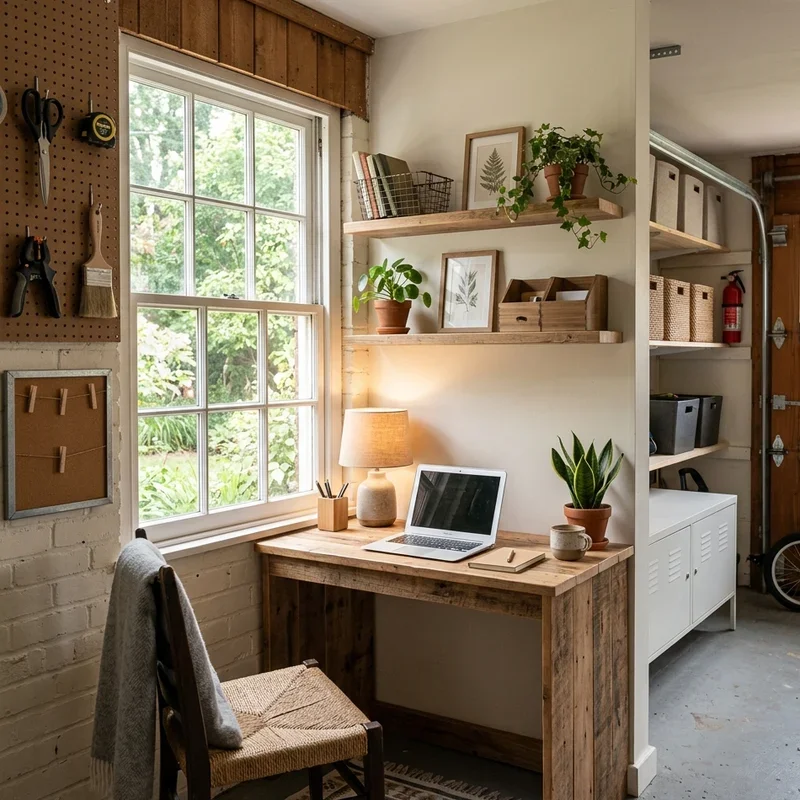
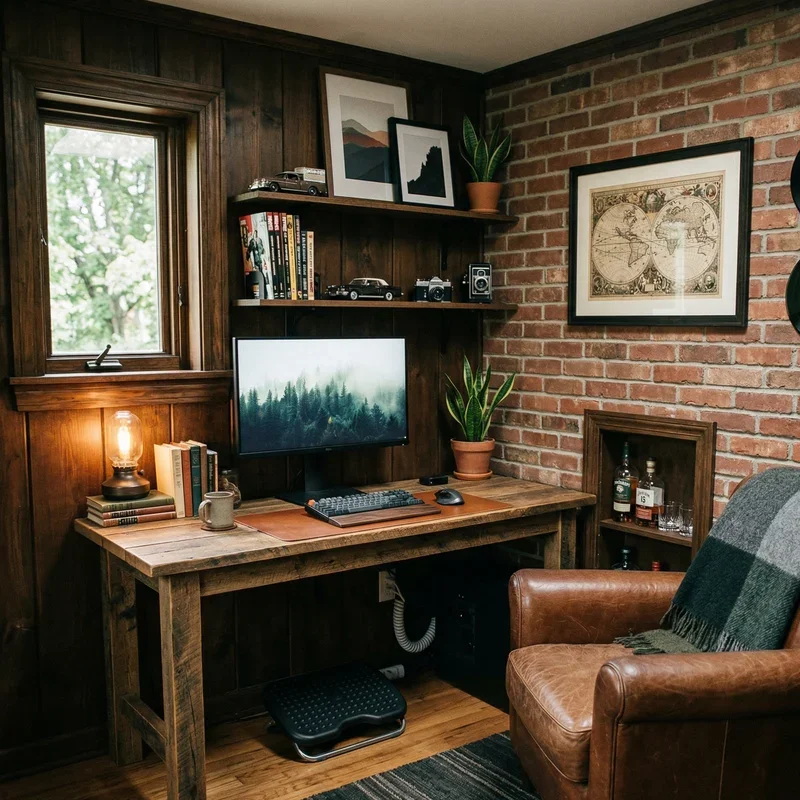
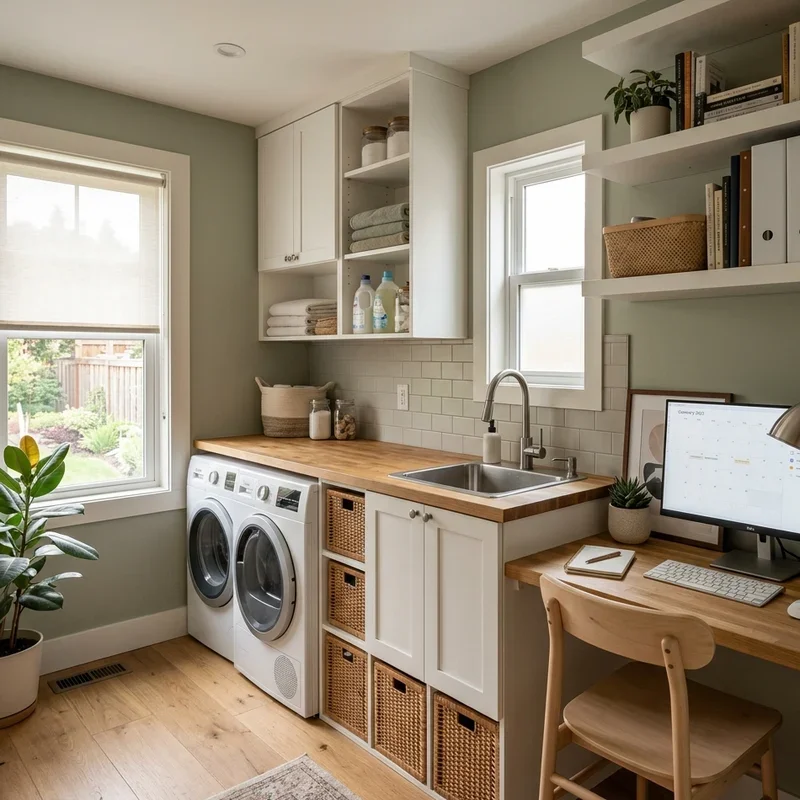
Floating shelves are your best friends in this situation. They provide storage and display space without eating into your precious floor area. Install them above your desk or along empty wall sections to store books, binders, and decorative items that inspire you.
Pegboards offer another fantastic vertical solution. They're incredibly versatile and can be customized to hold everything from supplies to plants to photos. Plus, they add visual interest to otherwise boring walls.
Don't overlook the back of your door either. Over the door organizers can store everything from files to accessories, making use of space that would otherwise go completely to waste.
Choosing the Right Color Palette for Focus and Energy
Color psychology isn't just some woo woo concept. It's a real phenomenon backed by scientific research, and it can make or break your productivity in a small office setting.
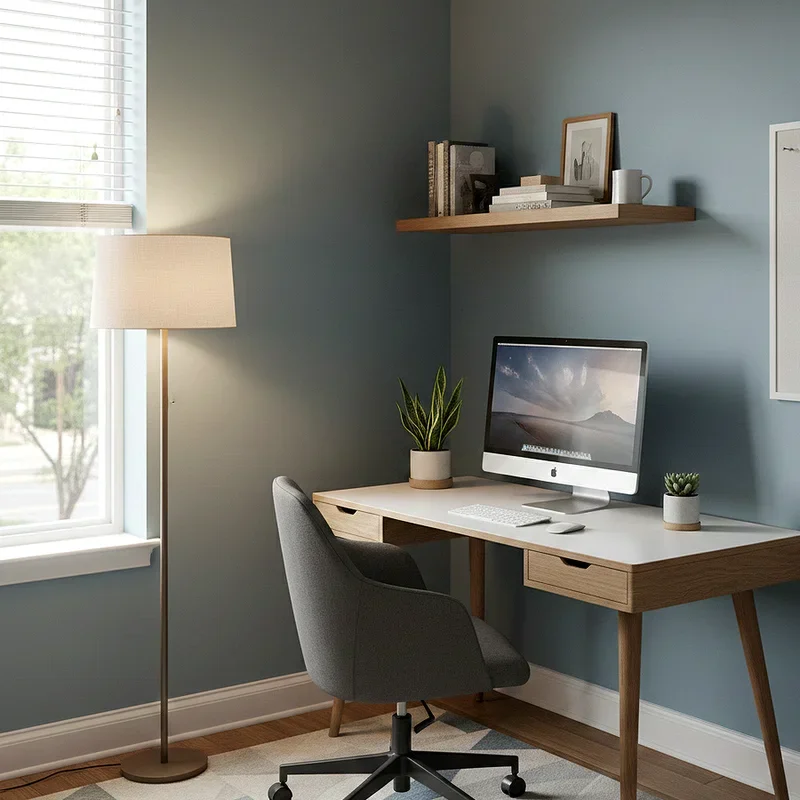
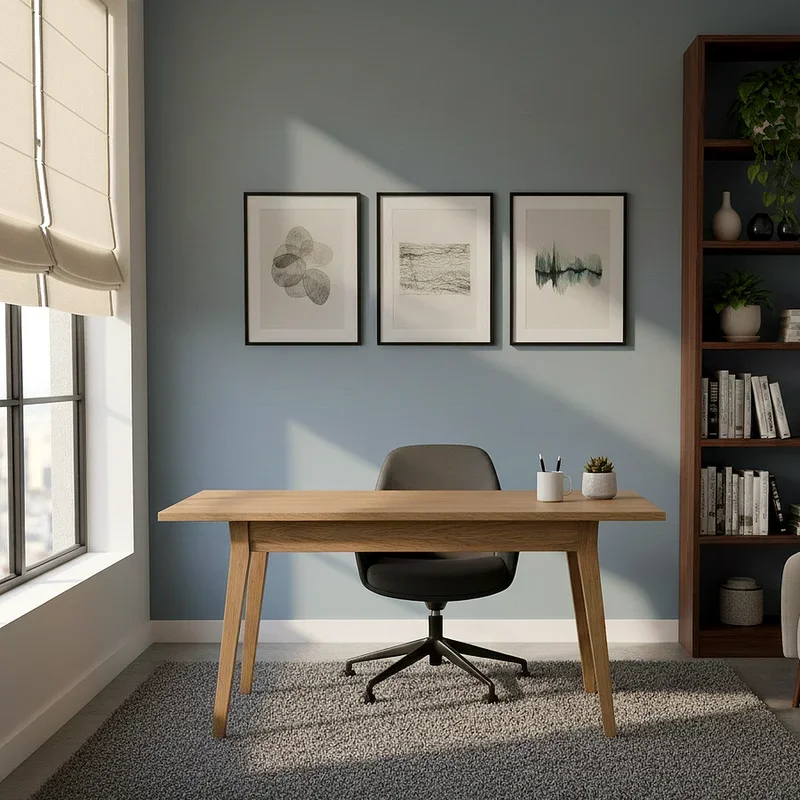
Blue tones are known for promoting calm focus and are excellent choices for spaces where concentration is key. They've been shown to lower heart rate and reduce stress, making them ideal for high pressure work environments.
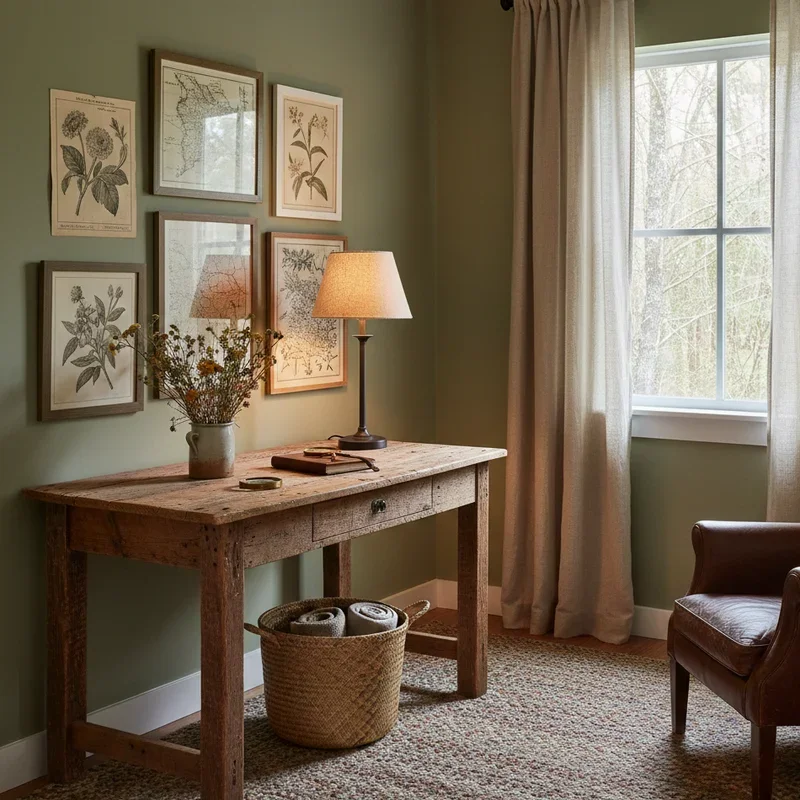
Green hues connect us to nature and can help reduce eye strain, which is particularly valuable if you're staring at screens all day long. Adding touches of green through paint, accessories, or plants can create a more restful atmosphere.
Yellow accents can boost creativity and energy, but use them sparingly. Too much yellow can become overwhelming and even cause anxiety in some people. A yellow desk lamp or a few golden accessories might be just enough to spark inspiration without going overboard.
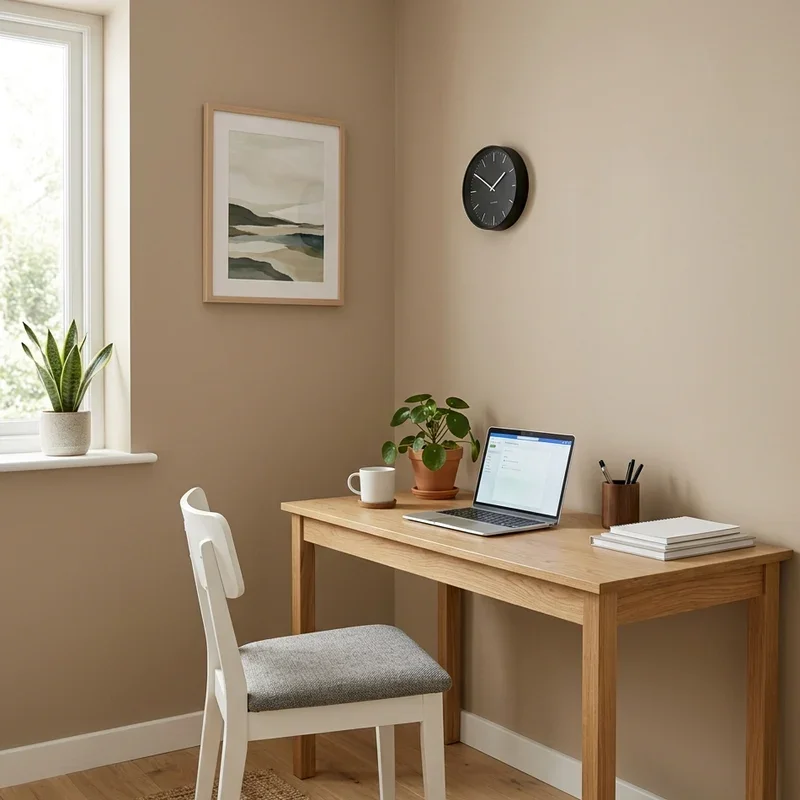
Neutral tones like white, gray, and beige create clean backdrops that make small spaces feel larger and less chaotic. They also allow accent colors and decorative elements to really pop.
Strategic Furniture Selection and Arrangement
In a small office, every piece of furniture needs to earn its keep. Bulky desks and oversized chairs might look impressive, but they'll quickly make your space feel cramped and uncomfortable.
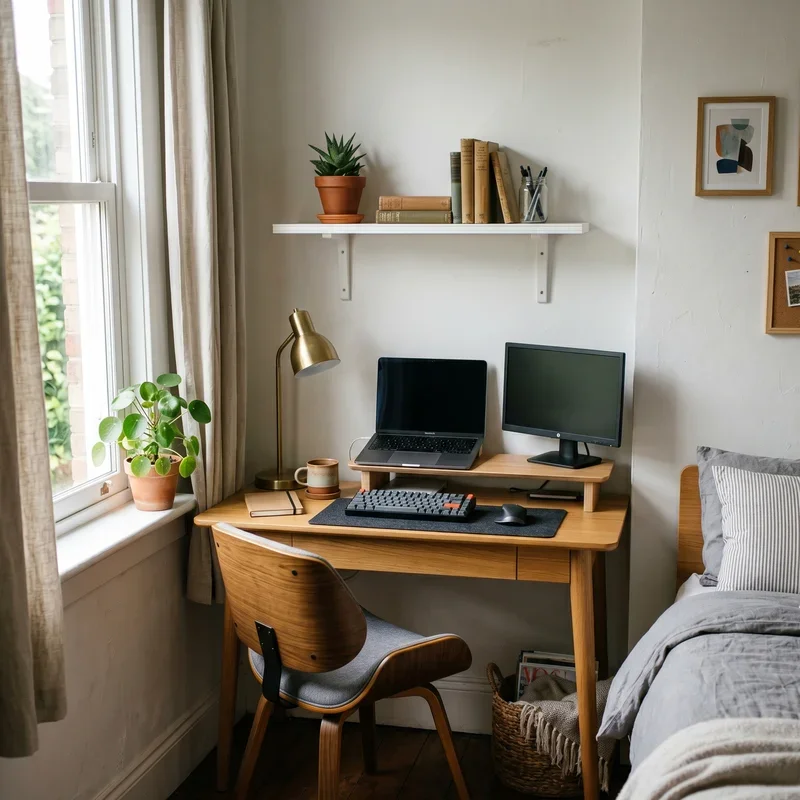
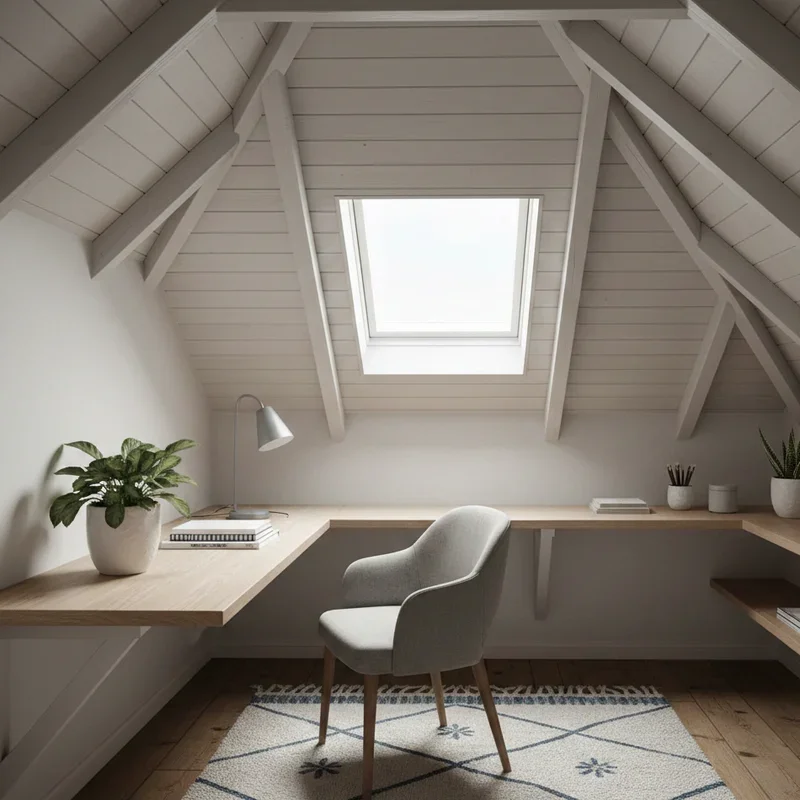
Consider a minimalist desk with clean lines and built in storage. L shaped desks can be particularly effective in small spaces because they fit neatly into corners while providing ample work surface.
Your chair matters more than you might think. Spending money on an ergonomic chair that properly supports your body is one of the smartest investments you can make. Poor posture leads to discomfort, which leads to distraction, which leads to reduced productivity. It's a vicious cycle that a good chair can help break.
When arranging furniture, think about traffic flow and how you naturally move through the space. You shouldn't have to navigate an obstacle course just to get to your filing cabinet.

Lighting Solutions That Transform Small Spaces
Lighting can make or break a small office environment. Poor lighting causes eye strain, headaches, and fatigue, while good lighting energizes and focuses the mind.
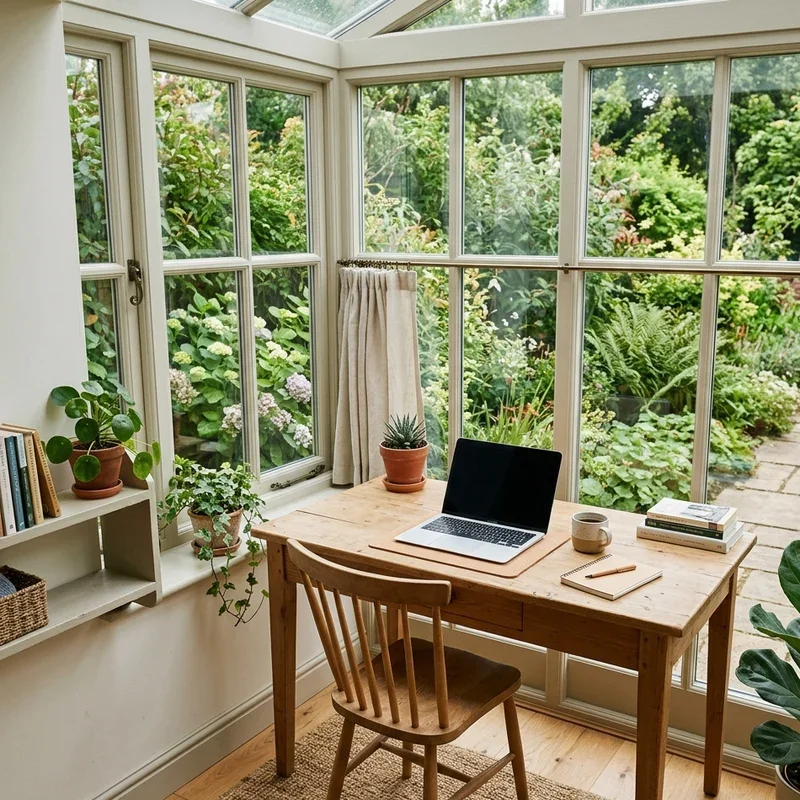
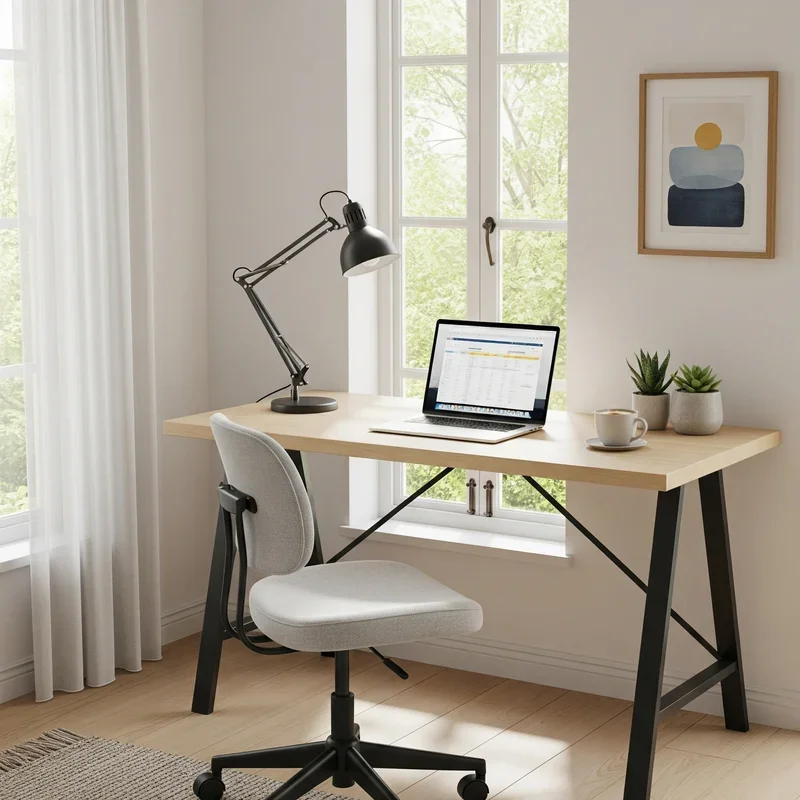
Natural light should be your priority whenever possible. Position your desk near windows to take advantage of daylight, which has been proven to boost mood and productivity. If your office lacks windows, consider a light therapy lamp that mimics natural sunlight.
Layered lighting is the key to creating a functional and inviting workspace. This means combining ambient lighting for general illumination, task lighting for focused work, and accent lighting for visual interest.
Avoid harsh overhead fluorescent lights if you have any control over your lighting situation. They cast unflattering shadows and can trigger headaches in many people. Instead, opt for warm LED options that provide ample light without the negative side effects.
Incorporating Plants and Natural Elements
Bringing a bit of the outdoors inside isn't just about aesthetics. Plants actually improve air quality, reduce stress, and boost cognitive function. For a small office, they're pretty much a must have.
Choose low maintenance varieties if you're worried about keeping them alive. Pothos, snake plants, and succulents are notoriously hardy and can survive even the most neglectful plant parents.
If you're truly lacking in natural light or time for plant care, high quality artificial plants have come a long way. They provide the visual benefits of greenery without any of the maintenance requirements.
Small potted plants on your desk, trailing vines on shelves, or a larger plant in a corner can all contribute to a more pleasant and productive work environment.
Personal Touches That Inspire Without Overwhelming
Your office should feel like yours, but there's a fine line between personalization and distraction. The goal is to add elements that inspire and motivate you without creating visual clutter.
Choose a few meaningful items rather than filling every available surface. A single framed photo of loved ones, an inspirational quote that genuinely resonates with you, or a small memento from a special trip can all add personality without chaos.
Artwork can be particularly effective in small spaces. A single statement piece draws the eye and creates a focal point, making the room feel more intentional and designed rather than haphazard.
Remember that personal touches should lift your spirits when you glance at them, not distract you from the task at hand.
Technology and Cable Management Solutions
Nothing ruins the vibe of a well decorated office quite like a tangled mess of cables and cords. In small spaces, visible technology clutter is even more noticeable and problematic.
Invest in cable management solutions like cord covers, cable trays, or even simple velcro ties to keep everything organized and out of sight. Your future self will thank you every single day.
Consider going wireless wherever possible. A wireless keyboard, mouse, and charging pad can eliminate several cords from your desk setup instantly.
Keep only essential technology on your desk surface. Other devices and equipment can be stored in drawers or on shelves until they're actually needed.
Practical Tips for How to Decorate a Small Office at Work for Productivity
Now that we've covered the major elements, here are some additional practical tips to keep in mind as you transform your space.
Use mirrors strategically to create the illusion of more space and reflect light around the room. Even a small mirror can make a surprisingly big difference.
Choose multifunctional furniture and accessories whenever possible. A desk organizer that also holds plants, or a lamp with built in storage, gives you more bang for your buck.
Keep frequently used items within arm's reach and store rarely used items elsewhere. This simple principle prevents you from filling valuable desk real estate with things you barely touch.
Rotate decorative items seasonally to keep your space feeling fresh without accumulating more stuff. What inspires you in winter might be different from what motivates you in summer.

Maintaining Your Productive Space Long Term
Creating a beautiful, functional workspace is only half the battle. Maintaining it over time requires developing good habits and systems.
Spend the last five minutes of each workday tidying up. Return items to their designated homes, file loose papers, and prepare your space for the next morning. Walking into a clean office sets a positive tone for the entire day ahead.
Do a deeper evaluation of your space monthly. What's working well? What's causing frustration? Small adjustments along the way prevent the need for major overhauls down the road.
Be ruthless about what you allow to enter your space. Every new item should be considered carefully before it gets permanent residence in your office.
Conclusion
Learning how to decorate a small office at work for productivity is truly an investment in your professional success and daily wellbeing. By applying these principles of decluttering, smart furniture choices, proper lighting, natural elements, and personal touches, you can transform any cramped workspace into an efficient and inspiring environment. Remember that small changes add up to big results over time. Your office may be compact, but your productivity certainly doesn't have to be limited by it.
Read next: 15 Small Office Cubicle Decoration Ideas for Style
Frequently Asked Questions
Q1. What colors work best for a small productive office?
A: Blue and green promote focus while neutral tones make spaces feel larger.
Q2. How many plants should I add to my small office?
A: Two to three small plants provide benefits without overwhelming limited desk space.
Q3. Can decorating really improve my work productivity levels?
A: Yes, organized and personalized spaces reduce stress and improve concentration significantly.
Q4. What is the most important element in small office design?
A: Good lighting is crucial because it affects energy, mood, and eye comfort.
Q5. How often should I reorganize my small office workspace?
A: Monthly evaluations with daily tidying keeps your space functional and clutter free.
Stay up to date with our latest ideas!