How to Use an Office Coffee Machine Step by Step
Learn how to use an office coffee machine step by step with ease. Brew perfect coffee at work using these simple, beginner-friendly tips
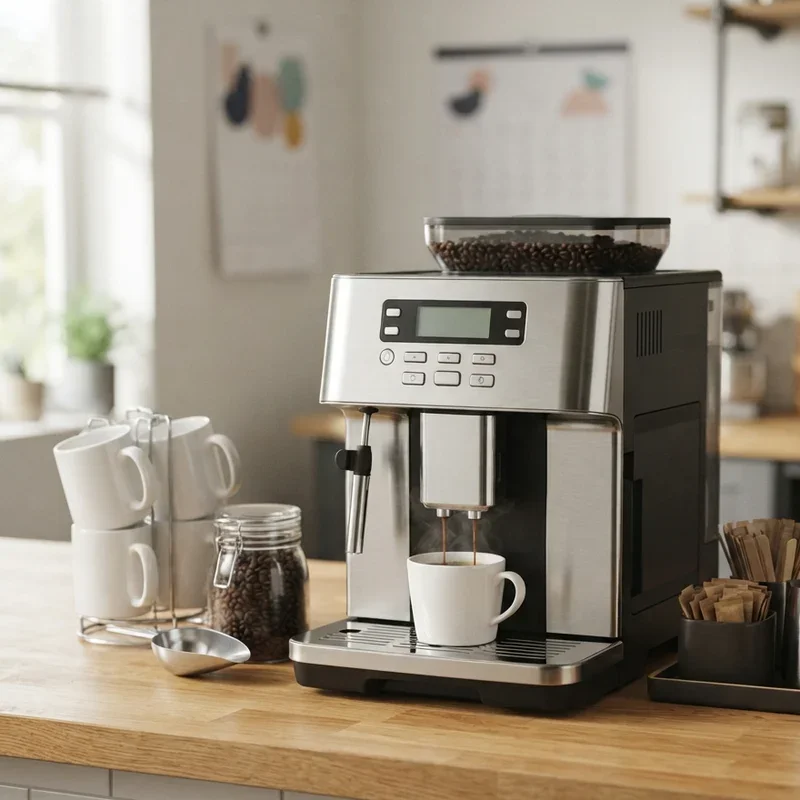
Let's be real. For a lot of us, coffee isn't just a beverage. It's the thing standing between a productive morning and an absolute disaster. Walk into any office kitchen, though, and you might find yourself staring at a machine that looks more like it belongs in a spaceship than a break room. Buttons everywhere, mystery trays, and a drip tray that's clearly been neglected since the last company retreat.
Here's the good news. Figuring out how to use an office coffee machine step by step is genuinely not as complicated as it looks. Whether you're the new hire who doesn't want to ask for help or the person who's been quietly avoiding the machine for months, this guide is going to walk you through everything from start to steaming cup. So roll up your sleeves, and let's get brewing.
Know Your Machine Before You Touch Anything
Different Office Coffee Machines, Different Rules
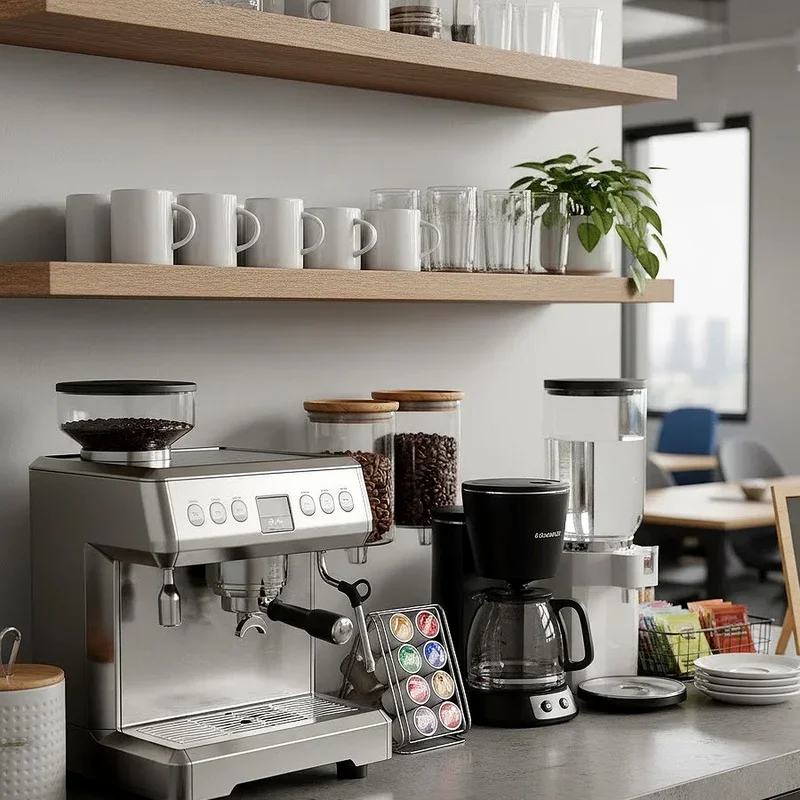
Not all office coffee machines are cut from the same cloth, and jumping straight into button-pressing without knowing what you're dealing with is a recipe for a lukewarm disaster. Most workplaces have one of a few common machine types, and each one works a little differently.
Drip coffee makers are the classic. You've seen them a thousand times. They brew a full pot using ground coffee and a paper filter. Simple, reliable, and great for offices where everyone drinks at roughly the same time.
Single-serve pod machines like Keurig or Nespresso are everywhere these days. Pop in a pod, hit a button, done. These are a lifesaver for smaller offices or people with very specific coffee preferences.
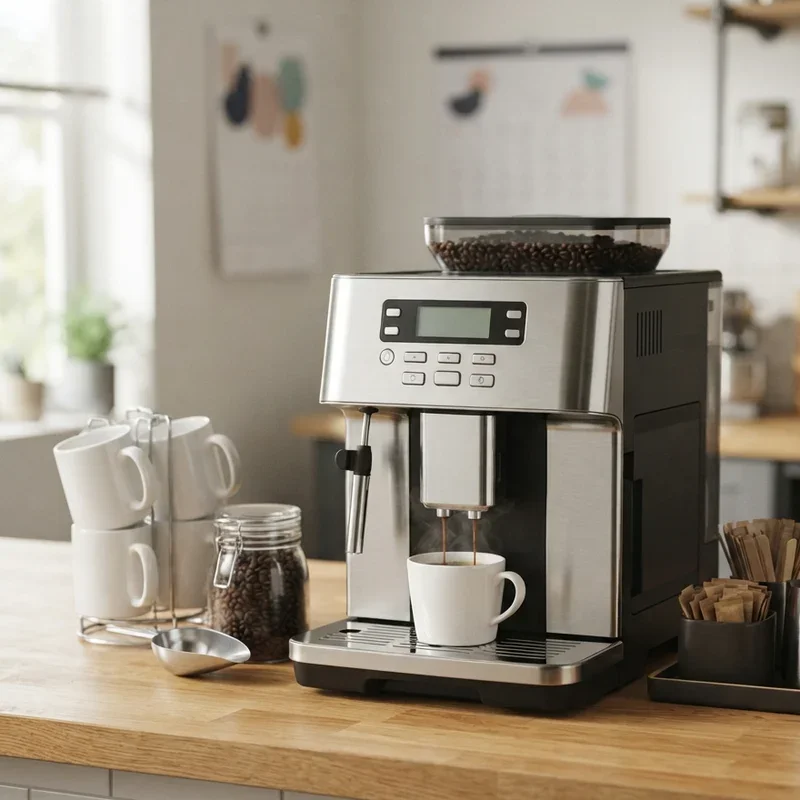
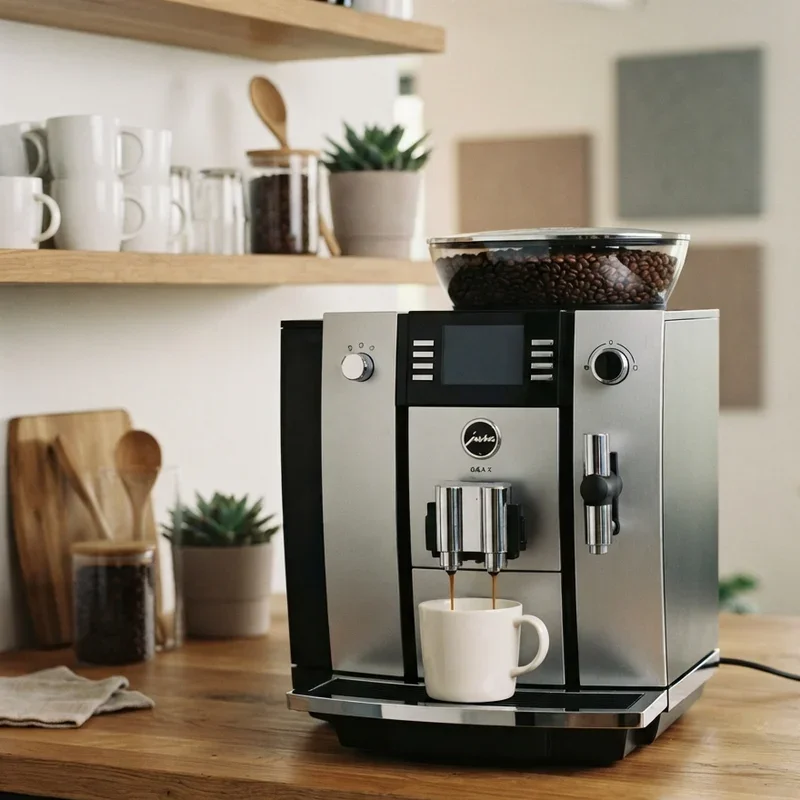
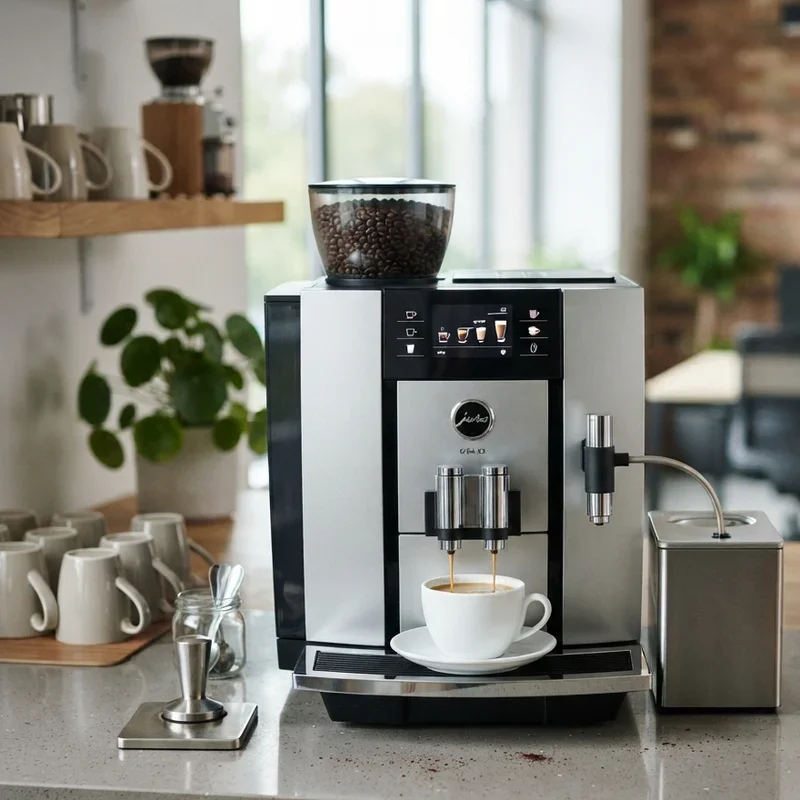
Bean-to-cup machines are the fancy ones. They grind the beans fresh for every cup, which sounds impressive because it is. These tend to have more steps but deliver a much better result.
Traditional espresso machines are less common in regular offices but pop up in creative agencies or companies that take their coffee very seriously. These require a bit more skill but are totally manageable once you know the steps.
Take a quick look at what type your office has before doing anything else. If there's a manual tucked in a drawer nearby, give it a 30-second skim. It could save you a lot of confusion down the line.
How to Use an Office Coffee Machine Step by Step
The Full Walkthrough From Cold Machine to Hot Cup
Alright, let's get into it. Here's a general step-by-step process that applies to most office coffee machines, with notes for specific types where it matters.
Step 1: Check the water level
Before anything else, peek at the water reservoir. Running a machine without enough water is one of the most common ways people accidentally break them or end up with a sad, half-filled cup. Most machines have a clear tank or a visible indicator line. Fill it to the max line using fresh, cold water. If your machine is plumbed directly into a water line, you can skip this step entirely.
Step 2: Add the coffee
Depending on your machine type, this means different things.
1. For drip machines, grab a paper filter, set it in the filter basket, and add ground coffee. A good rule of thumb is about one to two tablespoons of ground coffee per six ounces of water, though most offices just use pre-measured coffee packs to keep things simple. 2. For pod machines, open the lid, drop in a fresh pod, and close it back up. Make sure the pod clicks or sits flat. A crooked pod is a good way to end up with coffee spraying in unexpected directions. 3. For bean-to-cup machines, check that the bean hopper has enough beans in it. There's usually a little window or clear section where you can see the level. Top it up from the office coffee supply if it's looking low.
Step 3: Place your cup correctly
This sounds almost too obvious to mention, but you'd be amazed how many people walk away during brewing and come back to coffee all over the drip tray. Place your mug directly under the spout or nozzle. On pod machines, there's usually an adjustable platform you can raise or lower to fit different cup sizes. Use it. A tall travel mug on the lowest setting is just asking for splashing.
Step 4: Select your brew settings
Here's where machines start to differ a bit more. On a basic drip machine, you usually just press one button and wait. On pod machines and bean-to-cup machines, you'll often have options for cup size, strength, or beverage type. Most office machines keep it pretty intuitive. Look for icons that indicate small cup, large cup, or espresso. If there's a strength setting and you like your coffee to actually taste like coffee rather than warm water, bump it up a notch.
Step 5: Press start and wait
Once everything is set up correctly, hit the brew button and step back. Drip machines take a few minutes to fill a pot. Pod machines are usually done in under a minute. Bean-to-cup machines grind first and then brew, so give them a little extra time.
Step 6: Collect your coffee and enjoy
When the machine is done, grab your cup promptly. If you're using a shared drip machine, don't leave your cup sitting under the spout while other people are waiting. Pour your amount and move along. It's just good coffee karma.
Tips for Getting the Best Coffee From Your Office Machine
Small Tweaks That Make a Big Difference
Knowing how to use an office coffee machine step by step is one thing, but knowing how to use it well is a whole other level. Here are some practical tips that will genuinely improve your cup.
Use fresh water every time. Stale water that's been sitting in the reservoir for days will make your coffee taste flat. If the machine hasn't been used in a while, empty out the old water and refill it fresh.
Don't overfill the coffee grounds. More coffee doesn't always mean stronger, better coffee. Overfilling can clog the filter, mess up the brew cycle, and leave you with a muddy, over-extracted mess. Stick to the recommended amounts.
Preheat your mug. This is a little trick that coffee snobs swear by, and honestly, it works. Rinse your mug with hot water before brewing into it. It keeps the coffee hotter for longer. A cold mug pulls heat out of your coffee faster than you'd think.
Pay attention to grind size. If your office machine is a bean-to-cup model and you have control over grind settings, finer grinds produce stronger espresso-style coffee while coarser grinds are better for drip brewing. Using the wrong grind size for your machine type can result in coffee that's either weak and watery or bitter and over-extracted.
Clean your cup. Coffee residue builds up faster than you'd expect, and it absolutely affects the taste of your next cup. Give your mug a proper wash, not just a quick rinse, as regularly as possible.
Keeping the Machine Clean and Happy
Why Maintenance Matters More Than You Think
Here's something a lot of people gloss over. A dirty coffee machine makes bad coffee. Full stop. Leftover oils from coffee grounds build up inside the machine over time and give your brew a stale, bitter taste that no amount of fancy pods can fix.
Most office machines have a cleaning or descaling cycle built right in. You'll often see a light or display message when it's time to run one. Don't ignore it. Descaling removes the mineral buildup from hard water that clogs internal parts and affects heating performance.
For daily upkeep:
Empty and rinse the drip tray every day or whenever it looks like it's getting full
Remove used coffee grounds or pods immediately after brewing
Wipe down the steam wand on espresso machines after every single use
Rinse the carafe on drip machines before making a fresh pot
For weekly upkeep:
Run a cleaning cycle if the machine has one
Wash removable parts like the filter basket and water reservoir with warm soapy water
Wipe down the exterior with a damp cloth to keep things looking presentable
For monthly upkeep:
Run a full descaling cycle using a descaling solution or white vinegar diluted with water
Check filters and replace them if needed
It's a shared machine, so everyone in the office benefits when everyone pitches in on maintenance. A quick note or sign near the machine reminding people of the basics goes a long way.
Troubleshooting Common Office Coffee Machine Problems
When Things Go Sideways
Even when you know how to use an office coffee machine step by step perfectly, machines occasionally decide to be difficult. Here are some common issues and quick fixes.
The machine won't turn on. Check that it's plugged in and the power switch is actually on. Some machines have a separate switch on the back that gets accidentally knocked off. Also check whether the water reservoir is seated properly. Many machines won't start if the tank isn't locked in place correctly.
Coffee is coming out weak or watery. You're probably not using enough coffee, or the grind size is too coarse for the machine type. Try increasing the coffee dose or adjusting the grind setting if available.
Coffee is bitter or over-extracted. Too much coffee, too fine a grind, or a machine that needs descaling can all cause bitterness. Try reducing the amount of grounds and running a descaling cycle.
The machine is making weird gurgling or grinding noises. For bean-to-cup machines, strange grinding noises sometimes mean the beans are jammed or the grinder needs cleaning. For other machine types, gurgling can indicate air in the water line. Run a cycle with just water to clear it out.
Water is leaking from the bottom. Usually this means the drip tray is overflowing and needs to be emptied. If the tray is fine and there's still leaking, check that all parts are seated correctly. If the problem persists, let whoever manages the office know. Some issues need a professional touch.
Coffee isn't hot enough. Cold cups are a big culprit here. Preheat your mug as mentioned earlier. If the issue is the machine itself not heating properly, it likely needs descaling or professional servicing.
Office Coffee Etiquette You Shouldn't Ignore
The Unwritten Rules of the Break Room
Coffee machines in offices are shared resources, and how you treat them says a lot about you as a colleague. Here are a few unspoken rules that will keep you in everyone's good books.
If you take the last cup, make a new pot. This is non-negotiable in most offices, and rightfully so. Leaving an empty carafe on a hot burner is both inconsiderate and a great way to burn a glass pot.
Don't leave your dirty cup on the machine. Grab it, wash it, and move on. The break room isn't your personal kitchen.
If you spill something, clean it up. Coffee splatters happen to everyone. A quick wipe-down takes 10 seconds and keeps the machine looking decent for whoever comes next.
Restock supplies when they're running low. If you notice the pod drawer is nearly empty or the coffee grounds are almost gone, let someone know or grab a refill if you know where supplies are kept. It's a small thing, but it keeps the whole system running smoothly.
Conclusion
Getting to grips with your office coffee machine doesn't have to feel like decoding a control panel. Once you understand your machine type, follow the basic steps, and keep things clean and stocked, you'll be pulling off a solid brew every time. Good coffee habits in the office have a way of rippling outward, lifting moods and sparking better conversations. Treat the machine well, be considerate of your coworkers, and you'll never have to dread the morning coffee run again.
Read next: 15 Office Coffee Station Ideas to Energize Your Team
Frequently Asked Questions
1.How much coffee should I use in a drip office machine?
Use one to two tablespoons of ground coffee for every six ounces of water.
2.Can I use any pod in an office pod machine?
Only use pods compatible with your specific machine model to avoid brewing problems.
3.Why does my office coffee taste bitter after making it?
Bitterness usually means too much coffee was used or the machine needs descaling soon.
4.How often should office coffee machines be descaled?
Most machines should be descaled once a month depending on usage and water hardness levels.
5.What should I do if the coffee machine won't start?
Check the power connection, water reservoir placement, and whether the machine displays any error messages.
Stay up to date with our latest ideas!