Prepare your Florida home for hurricane season by understanding impact windows, installation timelines, insurance benefits, and key signs your current windows may need replacement.
Florida homeowners know that hurricane season officially runs from June 1 through November 30, bringing the possibility of severe storms, strong winds, and flying debris. Preparing early gives homeowners more options and helps avoid the rush that often occurs when storms are already on the forecast. If you are considering an impact glass window upgrade, remember that custom manufacturing and installation typically take between two and four weeks, making it wise to begin planning before the busiest part of the season arrives.
What Are Impact Windows?
Impact windows are specially engineered systems designed to withstand extreme weather conditions. Unlike standard residential windows, they use laminated glass that consists of multiple layers bonded together with a durable interlayer. Even if the glass cracks after a significant impact, the interlayer helps keep the pane intact rather than allowing dangerous shards to scatter.
The glass is paired with reinforced frames that improve structural performance under high wind pressure. Together, these components undergo rigorous impact and pressure testing intended to simulate real world storm conditions.
Florida has some of the strictest building standards in the United States due to its hurricane exposure. Products that meet applicable requirements are tested for resistance to wind borne debris and structural loads, giving homeowners additional confidence when upgrading older windows.
Beyond storm protection, impact windows often reduce outside noise and improve everyday comfort by limiting drafts and unwanted heat transfer.
Impact Windows vs. Shutters
Many homeowners compare impact windows with traditional hurricane shutters when deciding how to protect their property. Each solution offers advantages as well as trade offs.
Convenience
Impact windows provide continuous protection without requiring manual preparation before a storm. Once installed, they remain in place throughout the year.
Shutters, on the other hand, typically need to be deployed before severe weather arrives. This may require significant time and physical effort, particularly for large homes or multi story properties.
Security
Because laminated glass is more resistant to forced entry than standard glass, impact windows may provide an additional level of security against break in attempts.
Shutters also offer protection when closed but generally do not contribute to security when left open during normal conditions.
Energy Efficiency
Modern impact windows often include insulating technologies and specialized coatings that help reduce solar heat gain. This can improve indoor comfort and lower cooling demands during Florida's long summers.
Shutters may reduce direct sunlight when closed but usually do not provide the same year round energy performance.
Insurance Discounts
Some insurers offer premium reductions for qualifying storm resistant improvements that reduce potential losses. Eligibility varies by carrier, policy, and property characteristics, so homeowners should confirm available discounts directly with their insurance provider.
Cost Considerations
Impact windows generally involve a higher upfront investment because they permanently replace existing windows. Shutters may cost less initially but require deployment before storms and ongoing maintenance over time.
The right choice depends on budget, convenience preferences, long term ownership plans, and overall property goals.
Signs Your Current Windows May Not Hold Up
Older windows are not always equipped to withstand severe weather events. Several warning signs may indicate that an upgrade deserves consideration.
Single Pane Construction
Single pane windows provide limited resistance against strong impacts and may be more vulnerable during major storms.
No Visible Impact Rating
If your windows lack documentation or markings indicating impact performance, they may not have been designed for hurricane conditions.
Homes Built Before 1992
Many houses constructed before major updates to Florida building standards may contain older window systems that do not reflect current expectations for wind resistance.
Visible Wear or Damage
Cracked glass, deteriorating seals, warped frames, or water intrusion can all weaken window performance and reduce reliability.
Rising Insurance Premiums
Some homeowners discover that insurers increasingly consider storm mitigation features when evaluating risk. Improving window protection may become part of a broader strategy to strengthen the home.
Understanding the Installation Process
Installing new impact windows is a structured project that typically follows several stages.
Initial Inspection
The process usually begins with measurements, evaluation of existing openings, and discussion of design preferences. Contractors verify dimensions and identify any structural considerations before ordering products.
Manufacturing and Ordering
Because impact windows are often custom made, production requires time. Manufacturing schedules vary, but homeowners commonly experience lead times of approximately two to four weeks before installation can begin.
Professional Installation
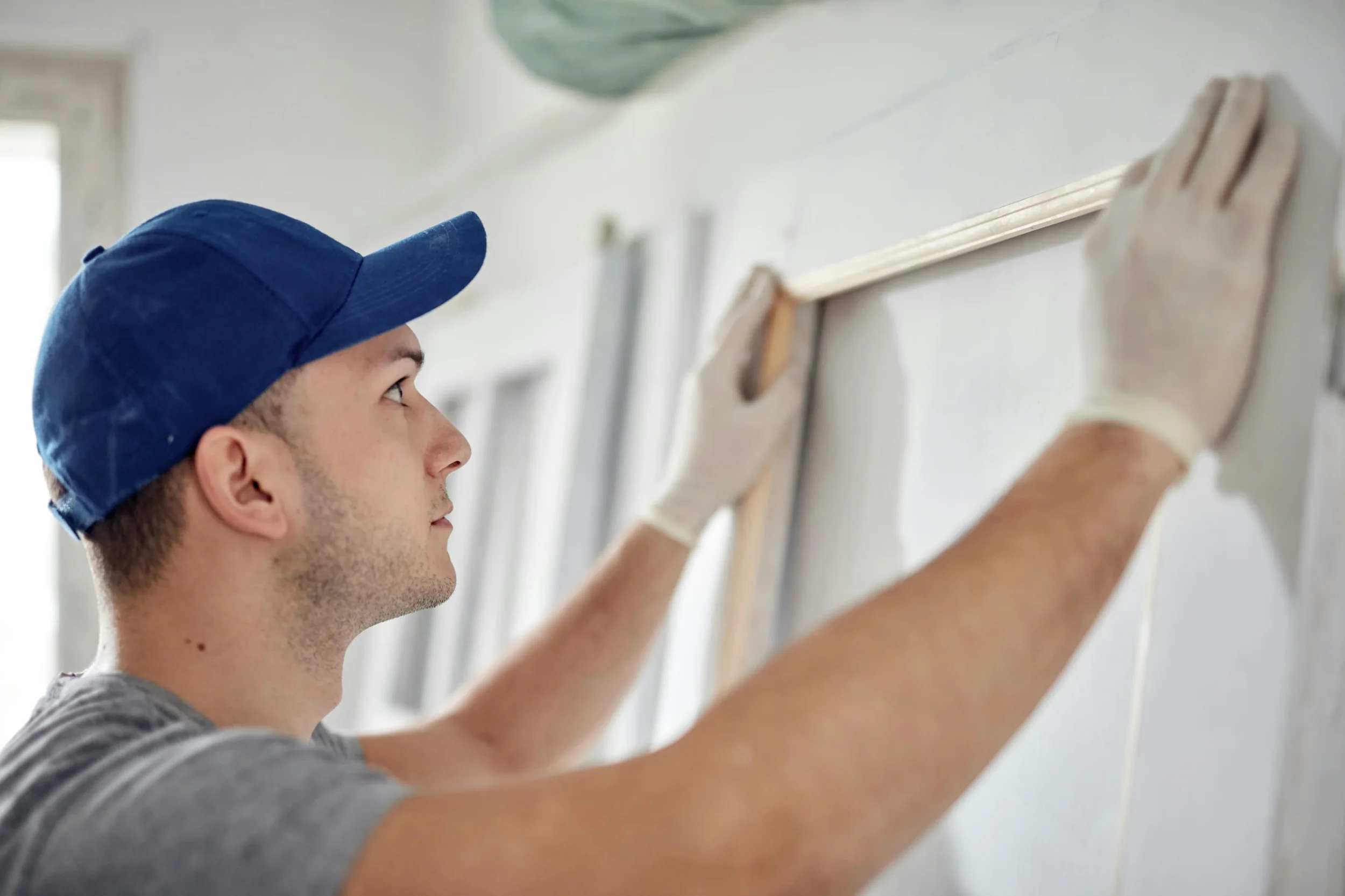
Once the windows arrive, installers remove existing units, prepare openings, secure the new systems, and seal them according to manufacturer specifications and applicable building requirements.
Planning ahead is important because contractor schedules often become busier as hurricane season progresses or when storms are forecast.
Insurance and Energy Benefits
Storm resistant improvements may provide financial advantages beyond physical protection.
Some insurance companies recognize qualifying upgrades that reduce expected storm losses and may offer premium discounts where applicable. Requirements differ among insurers, making it worthwhile to review policy details before beginning a project.
Energy performance is another consideration. Better insulation and reduced air leakage can improve indoor comfort while helping HVAC systems operate more efficiently. Depending on location and available programs, certain utility providers or local initiatives may also offer rebates or incentives for energy efficient window upgrades.
Over many years, these combined savings may offset part of the original investment while enhancing resale appeal and everyday livability.
Final Thoughts
Preparing a home for hurricane season is most effective when approached proactively rather than reactively. Understanding how impact windows function, recognizing signs of aging window systems, comparing available protection methods, and allowing enough time for manufacturing and installation all contribute to better decision making.
There is an old saying that the best time to make an improvement was last year. The second best time is now. By evaluating your home's windows before peak storm activity arrives, you can make informed choices that improve safety, efficiency, and peace of mind throughout hurricane season and beyond.
Stay up to date with our latest ideas!