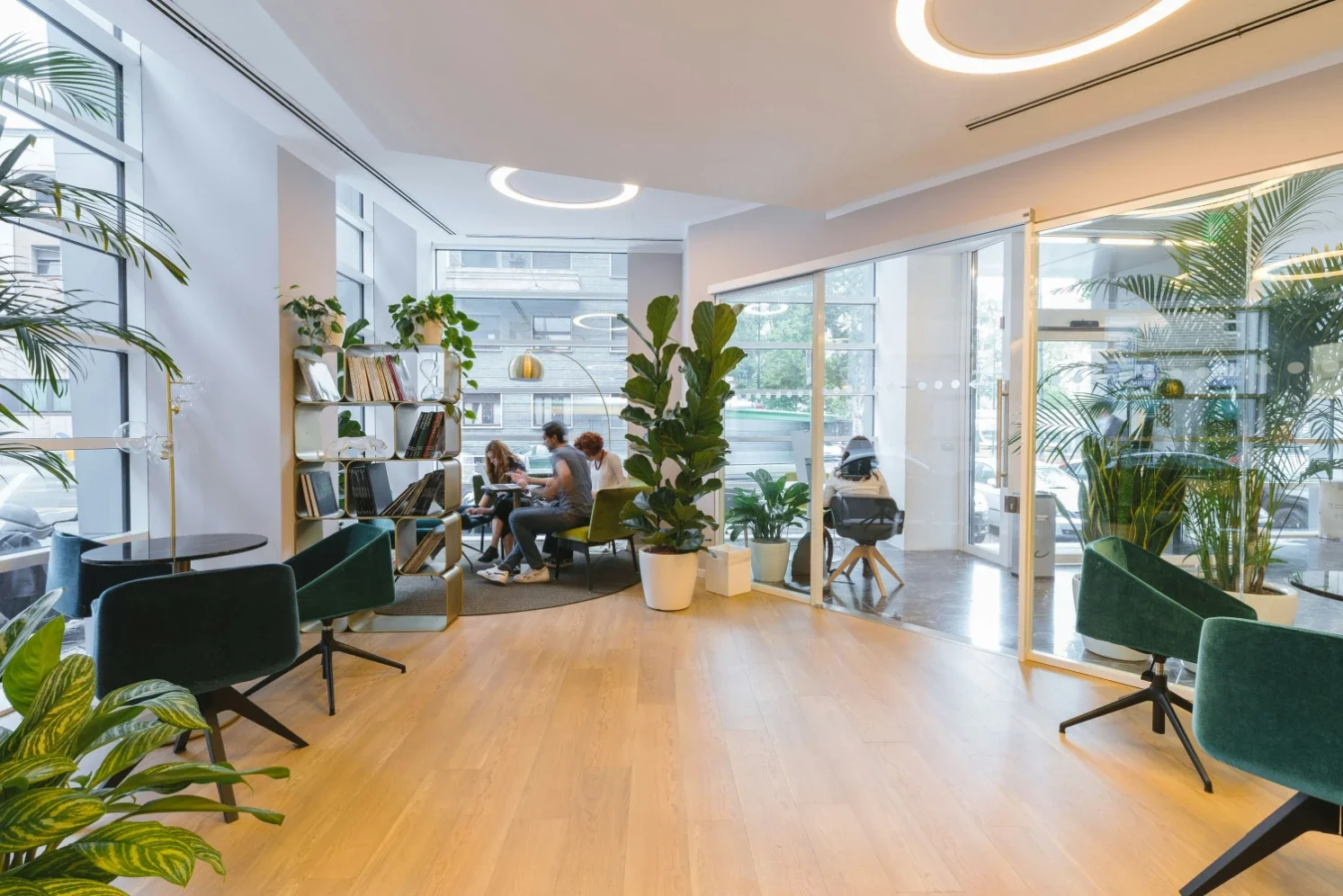
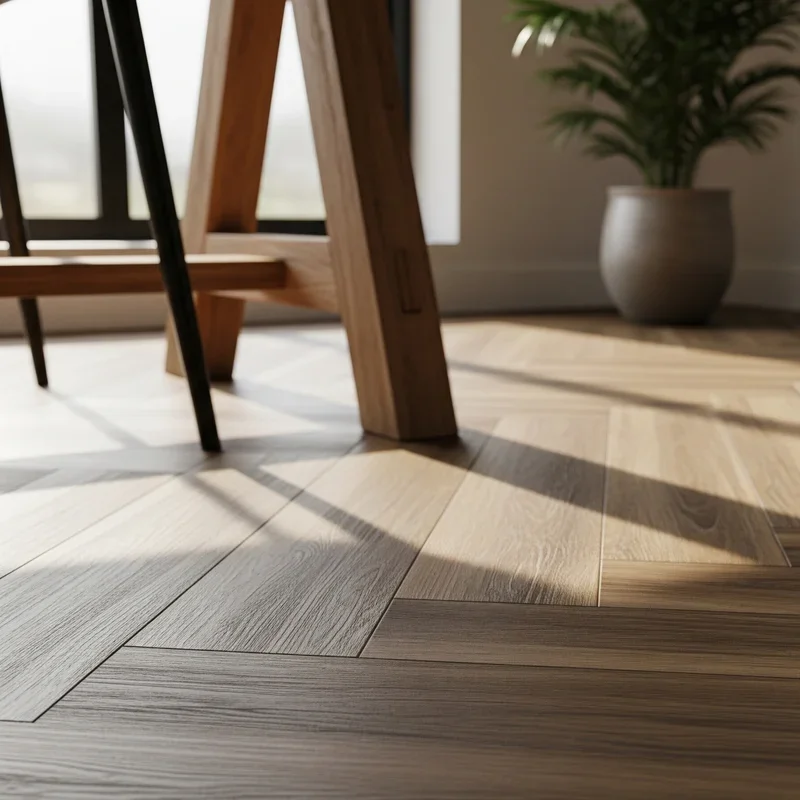
Learn essential floor care strategies for high-traffic offices, from daily cleaning and stain prevention to maintenance routines that protect floors and extend their lifespan.
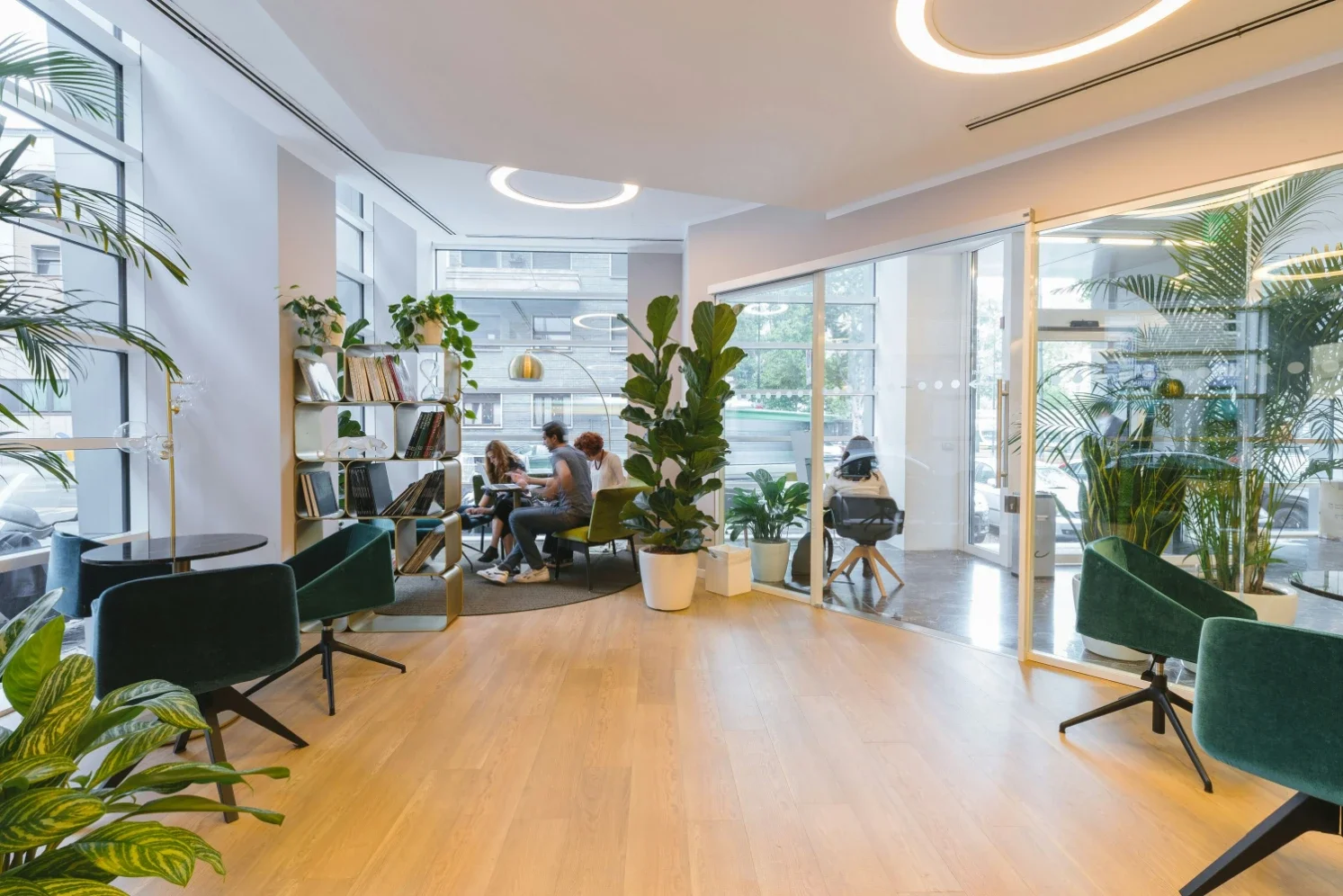
High-traffic commercial offices face constant operational challenges, but few are as relentless as the daily accumulation of dirt, dust, and debris. While facility managers frequently focus on visible touchpoints and broader workspace design, floor care often defaults to reactive spot-cleaning. However, modern commercial flooring requires a highly strategic approach to maintenance. According to industry data, up to 88 percent of office employees report that workplace cleanliness directly impacts their productivity, while 94 percent say it strongly influences their overall workplace happiness.
In the modern era of commercial property management, expectations for workspace hygiene have shifted dramatically. Building occupants are increasingly aware of the environmental factors affecting their daily health. With a shift toward stricter health compliance and the rising costs of building operations, a comprehensive floor care strategy is no longer just about aesthetics. It is a critical component of risk management, employee wellbeing, and long-term asset protection.
Protecting Indoor Air Quality and Productivity
Flooring acts as the largest filter in an office environment, trapping allergens, volatile organic compounds, and microscopic dust. Occupational hygienists classify workplace dust into nuisance particles, inhalable dust trapped in the upper airways, and respirable dust that penetrates deep into the lungs. When commercial carpets are agitated by heavy foot traffic, these particulates quickly become airborne, creating invisible hazards for building occupants.
The impact on workers is profound, especially when considering a recent study by the Harvard T.H. Chan School of Public Health. Their research found that increases in fine particulate matter (PM2.5) levels are associated with acute reductions in cognitive function, significantly affecting both cognitive speed and working memory among office workers. Poor floor maintenance directly contributes to these elevated particulate levels, leading to increased absenteeism and decreased overall workplace efficiency.
With Safe Work Australia transitioning to stricter Workplace Exposure Limits for airborne contaminants starting December 1, 2026, the control of microscopic dust in high-traffic offices is a pressing compliance priority. Extracting this hazardous particulate matter requires more than standard cleaning equipment. Standard commercial vacuums typically rely on single-phase 1,200W motors designed for intermittent use, making them highly prone to overheating or failure during continuous facility shifts. To safely extract deep-seated allergens without risking motor burnout, facility teams must utilise a heavy duty industrial vacuum cleaner equipped with automatic pulse filter cleaning technology. These robust extractors feature continuous-duty cycles and true HEPA filtration to ensure 99.97 percent of particles are safely contained and removed from the indoor environment.
The Hidden Cost of Superficial Maintenance
When it comes to commercial building operations, up to 80 percent of dirt, moisture, and micro-abrasive debris enters through foot traffic. If left unaddressed, this particulate matter acts like sandpaper, physically destroying carpet wear-layers and permanently scratching hard surfaces over time. High-traffic zones such as entryways, corridors, and breakrooms are particularly vulnerable to this accelerated wear and tear.
Beyond physical damage, a superficial approach to vacuuming and mopping leaves behind organic matter that degrades overall office hygiene. As facility managers often discover, surface-level tidying is rarely enough to maintain a healthy and compliant environment. In fact, understanding what recurring pest sightings can reveal about office sanitation gaps highlights how deep-seated dirt and overlooked food crumbs in commercial flooring can quickly escalate into broader facility issues. A specialised floor care routine closes these hidden sanitation gaps before they attract pests, generate unpleasant odours, and alleviate long-term material degradation.
Practical Steps for Extending Asset Lifespan
Replacing commercial carpet in Australia generally costs between $55 and $100 per square metre for materials and installation. This represents a massive capital expense when flooring is replaced prematurely due to neglect. While initial installation accounts for only 10 to 20 percent of commercial flooring's total lifecycle cost, ongoing maintenance and operations make up the remaining 80 to 90 percent.
Implementing a proactive maintenance schedule can extend the overall lifespan of commercial flooring by 30 to 50 percent compared to reactive cleaning. Facility managers can achieve this by implementing a few core strategies:
Install heavy-duty entry matting: Place commercial-grade mats at all building entrances to capture moisture and coarse debris before it tracks into the main office areas.
Upgrade to H-Class filtration: Ensure all cleaning machinery utilises H-Class certified HEPA filters to safely extract hazardous workplace particulates rather than spreading them into the air.
Schedule periodic deep extraction: Move beyond daily vacuuming by planning quarterly hot water extraction or dry-foam cleaning to remove embedded soils and reset the carpet fibres.
Adopt continuous-duty equipment: Equip cleaning staff with machinery built for long shifts, ensuring suction power remains consistent across large floor plans.
Implement zoned cleaning protocols: Recognise that high-traffic areas like lobbies and breakrooms require higher frequencies of cleaning compared to low-traffic administrative zones.
The financial and operational returns of upgrading your floor care strategy are substantial. Research by Jones Lang LaSalle indicates that for every dollar invested in preventive facility maintenance, organisations can realise a return on investment of over 545 percent. Furthermore, reducing illness-driven disruptions through proper commercial sanitation can yield a productivity gain worth up to $125,000 per year for a standard 100-person office. By viewing floor care as an integral part of workplace health rather than a basic chore, facility managers can protect their expensive flooring assets while creating a safer, cleaner, and more productive environment for everyone.
Stay up to date with our latest ideas!