5 Event Lighting Mistakes That Can Ruin a Corporate Event (And How to Avoid Them)
Event lighting mistakes can ruin a corporate event before it starts. Learn the 5 most common errors and how a professional event lighting team avoids them.

The venue looked great on paper. Caterer confirmed. AV locked in. Nobody asked about the lighting until the setup crew arrived. Then the night came. The space that had looked polished on the site tour looked like a hospital break room under the venue's flat overheads. Guests looked washed out. The award ceremony stage was dim. The CEO walked to the podium and vanished into a shadow three feet in front of it.
This isn't unusual. Not even close. Corporate events in the LA area fail on lighting more often than the planners who ran them would want to admit, and the frustrating part is that most of those failures were completely preventable. The five mistakes below are what actually goes wrong, why they keep coming up, and what to do before the same problem shows up at your event.
Mistake 1: Choosing the Wrong Color Temperature for the Room
Color temperature is measured in Kelvin. That part most planners already know. What they don't always track is the specific range: 2700K to 3000K runs warm and amber, the kind of light you see in a restaurant you'd actually want to eat in. Anything above 4000K starts pulling into cool blue-white territory. At 6500K you're in office fluorescent range. Know where your fixtures land before the night does.
Where it goes wrong: choosing based on the catalog photo, not the actual room. A fixture that photographs beautifully in a showroom can read completely different once it's bouncing off the white acoustic tile ceiling in a Calabasas conference hall or a Westlake Village ballroom. The photo lied. The room will tell you the truth.
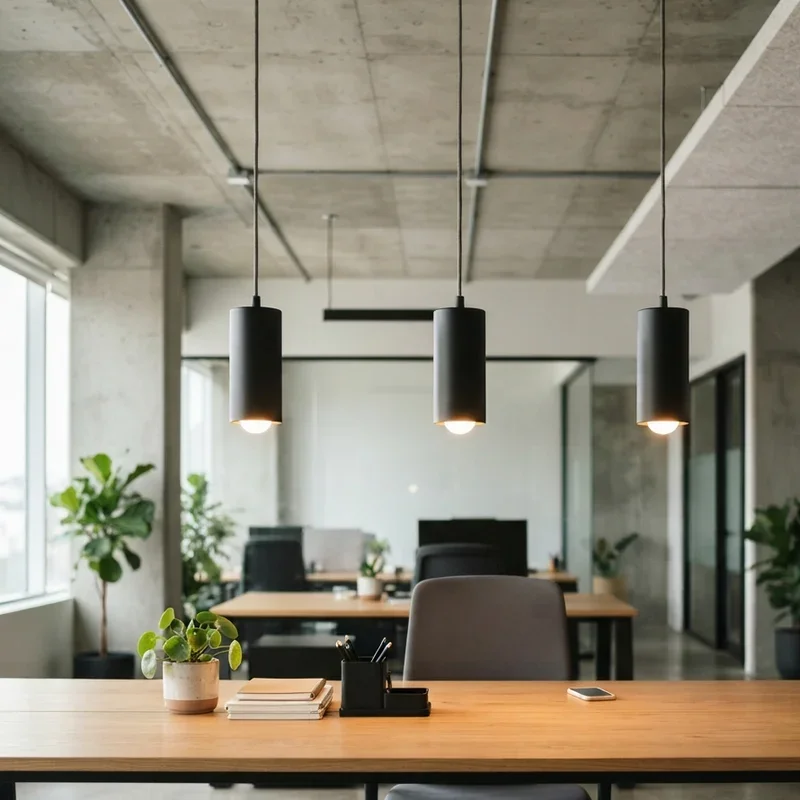
Warm light in the 2700K to 3000K range is what works for dinners, award ceremonies, and product launches. Skin tones look better. Food looks like food. Cool white at 4000K and above is built for conference rooms where someone is reading from a printout, not celebrating. Put that light on a banquet hall and guests look pale, tired, and slightly ill. That's fine at a budget hotel breakfast area. At a company dinner honoring your top performers, it's a problem nobody wants to explain the next morning.
Consistency across fixtures matters just as much as the Kelvin number itself. When some run warm and others run cool, the room looks patchy. Tables near windows pick up different light than the stage. A professional setup coordinates temperature across every fixture. The room reads as designed rather than assembled from whatever was on the truck.
Worth knowing: camera phones amplify color temperature errors. What looks acceptable to the naked eye in a room often photographs dramatically worse. If your event is being documented, and most corporate events are, getting this right early in the planning process isn't optional.
Mistake 2: Skipping the Venue Site Walk
Here's the thing. The room looks completely different when it's empty. Before staging, without linen, without 150 people filling the space with body heat and noise, it feels like a different building. Most planners factor that into furniture placement and catering setup. Fewer think to apply it to lighting.
A proper site walk identifies things that can't be determined from a floor plan. Where are the power drops, exactly? What's the maximum amperage available on each circuit before it trips? Are there windows that flood the cocktail hour with natural light and then go completely dark before dinner starts, requiring a full scene shift mid-event? Are there columns that block fixture placement and force repositioning of the entire rig? Does the venue have spotlights rigged into the ceiling already, and are they aimed correctly for where your stage is actually going?
Skip the walkthrough, and you find out the answers on setup day, two or three hours before doors open.
That's not enough time to fix anything meaningful. A lighting team working from a floor plan is guessing at details that need to be right. Get them into the space before the event date. Share the full setup plan. Walk them through the room yourself and let them ask the technical questions before setup day turns into a scramble.
Mistake 3: Relying on the Venue's Built-In House Lighting
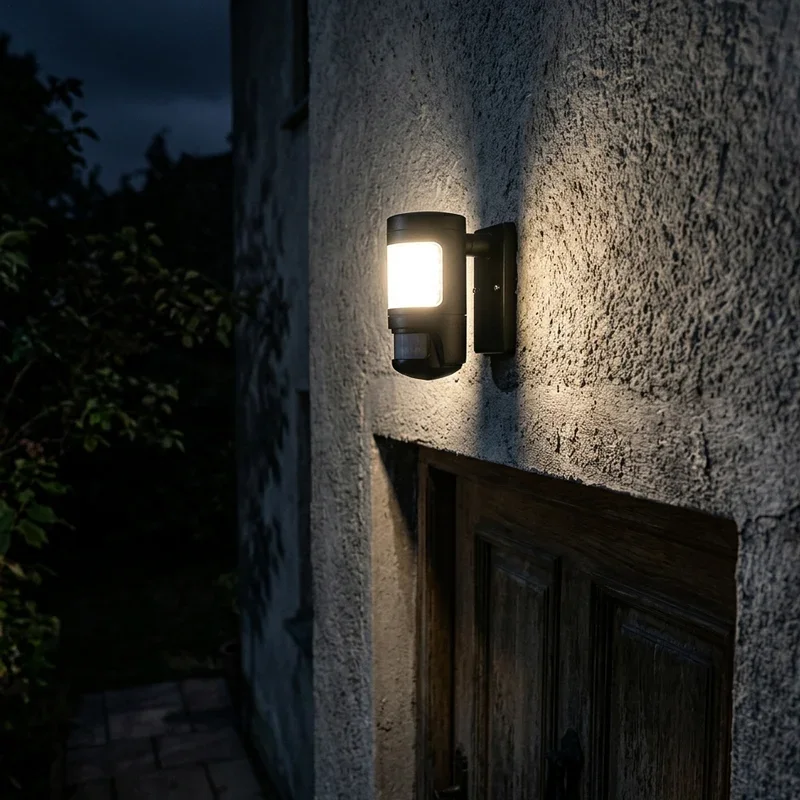
Venue house lighting is built for general occupancy. Fine for a conference where people are reading handouts. What it doesn't do: make a stage 30 percent brighter than the rest of the room. Or give a product launch table the focused accent lighting it needs to direct attention. Or shift the atmosphere between cocktail hour and keynote. Those three things require a setup designed around your specific event, not around whatever the building needed for general use.
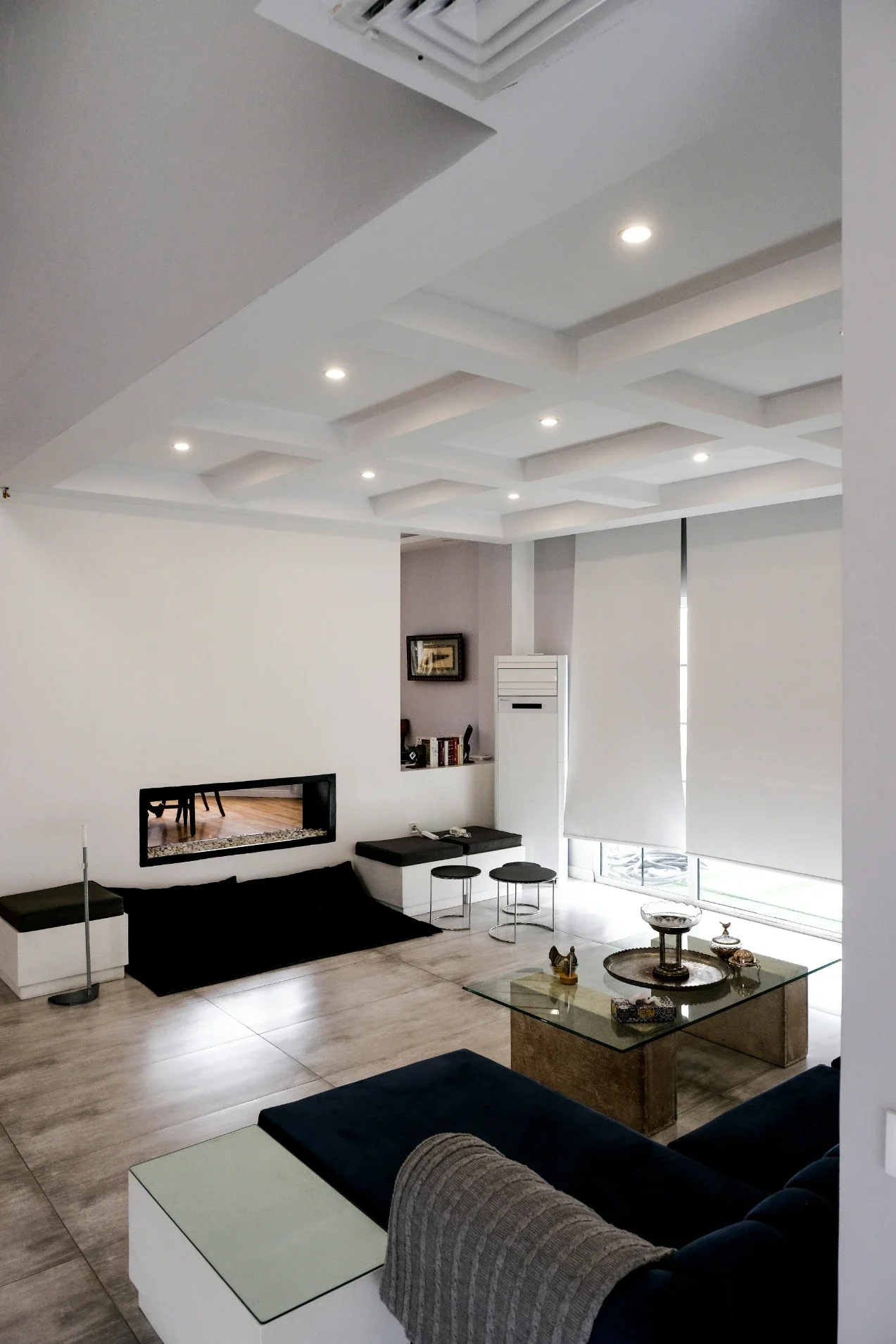
And honestly, house lighting is almost never adjustable beyond a basic dimmer. There's no scene control, no zone separation, and no way to shift from bright networking lighting at cocktail hour to warm directional stage lighting during the presentation. Supplemental professional fixtures give you that control without needing to fight the venue's fixed system.
This mistake almost always starts with the same cost-cutting logic: the venue already has lights, so why pay for more? Same reason you wouldn't run a keynote through the room's built-in Bluetooth speaker. What the venue provides is general utility. What your event actually needs is built around your program, your stage position, your audience size, and the specific moment you're trying to create. Those are not the same thing.
Mistake 4: Underestimating Power Requirements
Look, lighting draws a lot of power. A standard corporate event setup might run 20 to 40 fixtures across the room. Add pin spots on the centerpieces, uplighting on perimeter walls, stage wash lights, and a gobo projector for the company logo. That's a real load. Put it on top of the venue's existing circuits, which are already running AV, catering warmers, and full-house HVAC, and you're pushing the electrical system close to its limit. Sometimes past it.
What happens when you exceed capacity is simple and bad: breakers trip, sections of the space go dark, and a venue staff member spends the next 20 minutes in the electrical panel while your guests wait around in the dark. (This happens at venues that have successfully hosted hundreds of events. The infrastructure is fine. Someone just didn't run the numbers before setup day.)
A professional event lighting company calculates the power load before the first fixture goes up. They request the venue's circuit map in advance. They bring power distribution boards when the math is close to the limit. None of this is complicated, but it requires someone who has done it enough times to know when the numbers are too tight and what to do about it.
Mistake 5: Treating Lighting as the Budget Line to Cut
Event budgets compress. When the venue costs more than projected or catering comes in over estimate, lighting is usually the first thing to get reduced. It feels like the most flexible variable because it reads as decorative rather than essential, a finishing touch rather than a core service.
Right.
That framing is exactly what causes the problem. Lighting determines how everything else in the room looks. A beautifully designed floral arrangement under the wrong light looks ordinary. A stage built for a CEO's keynote address looks cheap when the wash is dim and uneven. A room that cost $12,000 to design and decorate loses half that investment when the light quality doesn't match the design intent. The photos from the night will tell you which decision was actually optional.
The working rule among experienced event designers is that lighting should represent 10 to 15 percent of the total event production budget. Most corporate events allocate 3 to 5 percent and then wonder why the event photos don't match the vision from the planning meeting. The photography problem at corporate events is almost always a lighting problem, not a photographer problem.
The fix isn't spending more total. It's allocating earlier and more intentionally. Bring your event lighting company into the planning conversation at the beginning, when design decisions are still being made, not at the end when the budget is nearly spent and the venue setup window is two weeks out.
What Professional Event Lighting Actually Delivers
The gap between great corporate event lighting and average corporate event lighting shows up in the photos first. Every guest in the room feels it too, even without consciously registering the lights. And that gap stays visible in photos for years.
Good lighting makes the room feel designed. It pulls attention toward the stage during the keynote and softens to a warmer wash during dinner. It makes the award recipient look composed when they walk up, not washed out or lost in a shadow behind the podium. And it holds the whole thing together from the first cocktail hour to the final applause. Nobody notices. That's the point.
Getting there takes the right color temperature, correct fixture placement, accurate power planning, and a team that walked the space before event day. Skip any of those steps and you're back to the problems this article covers. See party lighting ideas for LA events for what's possible across different venues and formats.
BizBash documents how professional event production teams handle lighting at the highest production level. PCMA approaches it from the corporate planning side, covering what makes the difference between events that land and events that fall flat on execution.
None of these five mistakes are unavoidable. Every one comes from a decision made too late. A detail nobody thought to check. A budget conversation where lighting went last. Start those conversations earlier, and the difference shows up everywhere: in how the room feels, in how the stage lands, in photos that still look like something a year later.
Stay up to date with our latest ideas!