How to Clean a Leather Office Chair: Step-by-Step Guide
Learn proper leather office chair cleaning techniques with our comprehensive guide. Maintain comfort, durability, and professional appearance effortlessly.
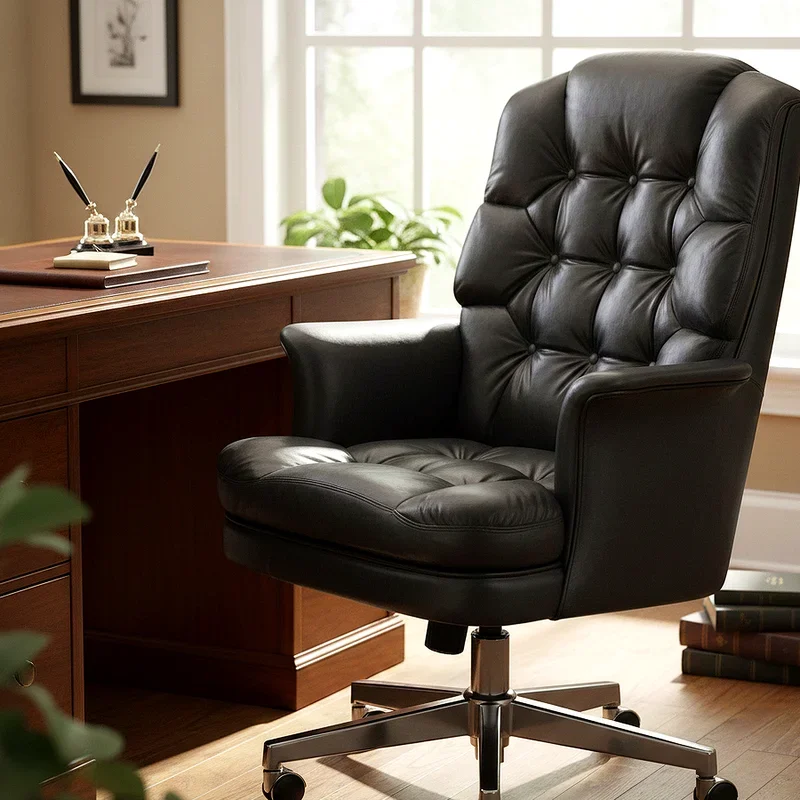
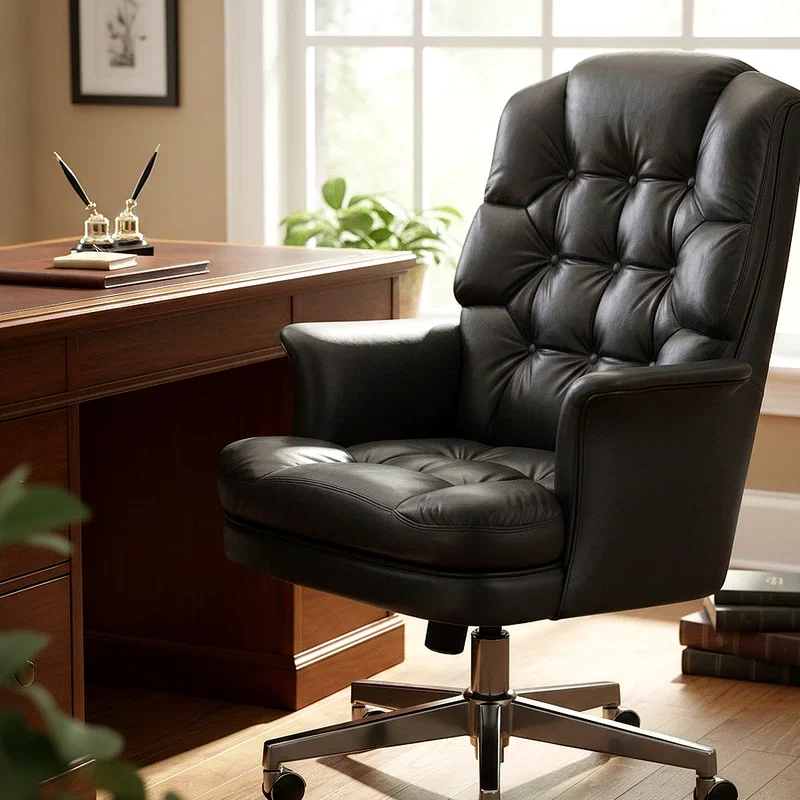
Look, we've all been there. You're sitting in your leather office chair, and suddenly you notice those mysterious stains, the accumulated grime, or maybe that slightly sticky feeling that makes you wonder when things went south. Well, here's the thing – your leather office chair is probably one of the most used pieces of furniture in your workspace, and it deserves some serious TLC. Whether you're working from home or running a corporate office, keeping that chair clean isn't just about aesthetics. It's about extending the life of your investment and maintaining a professional environment that you can actually feel good about. Throughout this guide, we'll walk you through everything you need to know about bringing your leather chair back to its former glory, from identifying your leather type to tackling those stubborn stains that seem impossible to remove.
Understanding Your Leather Office Chair
Before diving headfirst into cleaning mode, you've got to understand what you're working with. Not all leather is created equal, and trust me, using the wrong cleaning method can turn your beautiful chair into a disaster zone faster than you can say "oops."
Real leather comes in different finishes. You've got your aniline leather, which is super soft and natural but also pretty delicate. Then there's semi-aniline, which has a protective coating that makes it more forgiving. Pigmented leather is the tough cookie of the bunch – it's got a polymer surface coating that makes it resistant to stains and wear. And hey, don't forget about bonded leather, which is basically leather scraps held together with adhesive.
Here's a pro tip: check your chair's tags or documentation. Manufacturers usually include care instructions that'll save you from potential mishaps. If you can't find any info, try the water drop test in an inconspicuous spot. Real leather absorbs water slowly, while faux leather repels it.
Gathering Your Cleaning Arsenal
Alright, let's talk supplies. You don't need a whole pharmacy's worth of products, but having the right tools makes all the difference between a job well done and a frustrating afternoon.
Start with microfiber cloths – they're your best friends in this endeavor. Grab at least three or four because you'll need different ones for different stages. You'll also want a soft-bristled brush or an old toothbrush for getting into those crevices where crumbs love to hide.
For cleaning solutions, mild dish soap mixed with water works wonders for regular maintenance. However, investing in a quality leather cleaner isn't a bad idea if you're dealing with genuine leather. White vinegar is fantastic for tougher stains, and rubbing alcohol can tackle ink marks. Don't forget leather conditioner – this is crucial for keeping your chair supple and preventing cracks.
A vacuum cleaner with an upholstery attachment will help you remove loose debris before you start the wet cleaning process. Having a spray bottle handy makes applying solutions so much easier and more controlled.
Pre-Cleaning Preparation Steps
You can't just jump in swinging with cleaning products. Preparation is half the battle, and skipping this step is like trying to paint without priming.
First things first, vacuum that chair thoroughly. Get into every nook and cranny – the seat, the backrest, the armrests, and especially those gaps where the cushions meet the frame. You'd be amazed at what accumulates there. Crumbs, dust, pet hair, mysterious particles – it's like an archaeological dig sometimes.
Next, do a quick damage assessment. Look for any tears, cracks, or areas where the leather might be peeling. These spots need special attention and possibly different treatment than the rest of the chair.
Clear your workspace too. Move the chair to an area where you've got room to work and good lighting. Natural light helps you spot problem areas you might otherwise miss.
How to Clean a Leather Office Chair: Step-by-Step Guide for Regular Maintenance
Now we're getting to the good stuff. Regular cleaning doesn't have to be complicated, and honestly, if you do this monthly, you'll prevent most major issues from developing in the first place.
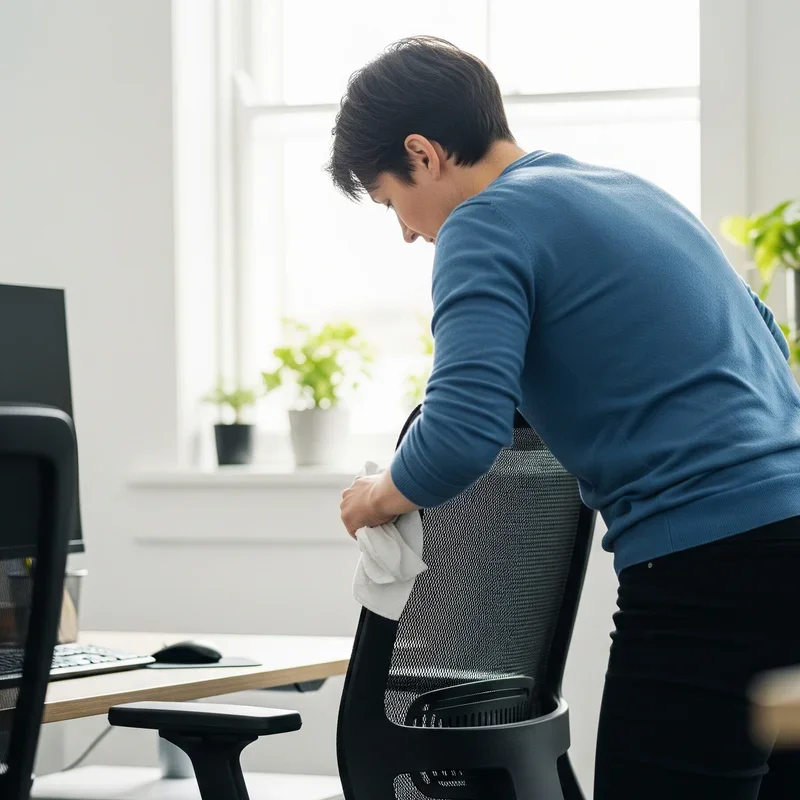
Start by mixing a few drops of mild dish soap with warm water in a bowl. You want it sudsy but not overly soapy. Dip your microfiber cloth into the solution, then wring it out really well – we're talking barely damp here, not soaking wet. Excess water is leather's enemy.
Wipe down the entire chair in small sections, using gentle circular motions. Don't scrub like you're trying to remove permanent marker from a whiteboard. Let the cleaning solution do the work. Pay extra attention to high-contact areas like the armrests, the front edge of the seat, and the headrest if your chair has one.
After you've gone over everything with the soapy cloth, grab a clean, damp cloth with just water and wipe down the chair again to remove any soap residue. This step is crucial because leftover soap can actually attract more dirt and leave your leather looking dull.
Finally, dry the chair immediately with a clean, dry microfiber cloth. Don't let it air dry – that can lead to water spots and potential damage. Buff it gently as you dry to restore some shine.
Tackling Stubborn Stains and Spills
Okay, so regular cleaning is great, but what about that coffee spill from last Tuesday or the mysterious ink mark that appeared out of nowhere? Different stains need different approaches.
For fresh spills, act fast. Blot – don't rub – with a clean, dry cloth to absorb as much liquid as possible. The quicker you react, the less likely the stain will set. Once you've blotted up the excess, clean the area with your mild soap solution.
Grease stains are trickier. Sprinkle baking soda or cornstarch on the stain and let it sit overnight. These powders absorb the oil. Brush it off gently in the morning, then clean with your usual method.
Ink stains? Here's where rubbing alcohol comes in handy. Dab a cotton swab in rubbing alcohol and gently work on the stain, rotating to a clean part of the swab frequently. This requires patience, but it works surprisingly well.
For dark stains or scuff marks, make a paste with equal parts lemon juice and cream of tartar. Apply it to the stain, let it sit for about ten minutes, then wipe clean with a damp cloth.

Deep Cleaning and Conditioning Your Leather Office Chair
Sometimes regular cleaning just isn't enough, and your chair needs a proper deep clean. This should happen maybe once or twice a year, depending on how much use your chair gets.
Create a stronger cleaning solution using equal parts white vinegar and water. This natural cleaner cuts through built-up grime without harsh chemicals. Apply it with a spray bottle in small sections, then wipe immediately with a microfiber cloth.
For chairs that see heavy use, consider using a commercial leather cleaner designed for deep cleaning. Follow the product instructions carefully – some need to sit for a few minutes before wiping, while others work best when buffed immediately.
After deep cleaning, your leather will be thirsty for moisture. If cleaning is giving your chair a shower, conditioning is like applying moisturizer. It's absolutely essential for maintaining leather's suppleness and preventing it from drying out and cracking.
Wait until your chair is completely dry after cleaning before applying conditioner. Choose a quality leather conditioner that matches your leather type. Apply a small amount of conditioner to a clean cloth – not directly to the chair. Work it into the leather using small circular motions, covering the entire surface.
Let the conditioner soak in for the time specified on the product label, usually around 15-20 minutes. Then buff the chair with a clean, dry cloth to remove any excess and restore shine. Condition your chair every three to six months, or more frequently if you're in a dry climate.
Addressing Common Leather Chair Problems
Even with regular care, leather chairs can develop issues. Knowing how to handle these problems can extend your chair's life significantly.
Cracking usually happens when leather gets too dry. If you catch it early, intensive conditioning might help. Apply conditioner daily for a week, then maintain a regular conditioning schedule. For severe cracks, you might need a leather repair kit.
Fading is another common issue, especially for chairs near windows. UV rays are brutal on leather. Consider repositioning your chair away from direct sunlight, or use window treatments during peak sun hours.
Sticky or tacky feeling leather often means there's product buildup or the finish is deteriorating. Clean thoroughly with a vinegar solution to remove buildup. If the tackiness persists, the finish might be breaking down.
Odors can be tricky. Leather absorbs smells pretty easily. Sprinkle baking soda over the chair, let it sit overnight, then vacuum thoroughly. For persistent odors, a mixture of water and a few drops of essential oil can help.
Preventing Future Damage and Maintaining Your Chair
Prevention beats cure every single time. A little effort upfront saves you major headaches down the road.
Establish a regular cleaning schedule and stick to it. Wipe down your chair weekly with a dry cloth to remove surface dust. Do a thorough cleaning monthly. This consistency prevents dirt from building up and becoming harder to remove.
Watch your clothing choices too. Jeans with metal rivets or studded belts can scratch leather. If you wear these regularly, consider using a seat cushion or being mindful of how you sit.
Keep your chair away from heat sources like radiators or space heaters. Heat dries out leather faster than anything else. Similarly, avoid placing it in direct sunlight for extended periods.
If you eat at your desk, be extra careful with food and drinks. Use spill-proof containers when possible, and keep napkins handy. Quick cleanup of small spills prevents them from becoming permanent stains.
Consider using armrest covers if yours get heavy use. They're inexpensive and can significantly extend the life of these high-wear areas.
When to Call in Professional Help
Sometimes, despite your best efforts, a situation calls for professional intervention. There's no shame in recognizing when a problem is beyond DIY solutions.
Severe staining that won't respond to home treatments might need professional cleaning products and techniques. Professionals have access to stronger solutions and specialized equipment that can tackle what household products cannot.
Major damage like large tears, extensive cracking, or peeling requires professional leather repair services. These specialists can patch tears invisibly, restore severely dried leather, and even re-dye entire chairs to make them look new again.
If you've inherited an antique leather chair or have a designer piece worth significant money, professional cleaning and maintenance is worth the investment.
Mold or mildew growth on leather is serious business. If you discover this, professionals should handle it because improper treatment can spread the problem or damage the leather irreparably.
Creating Your Long-Term Care Plan
Consistency is everything when it comes to maintaining your leather office chair. Having a structured plan ensures nothing gets overlooked.
Set up a weekly routine that takes maybe five minutes. Vacuum the chair quickly, wipe it down with a dry cloth, and check for any new damage or stains that need immediate attention.
Monthly, dedicate 20-30 minutes to a more thorough cleaning using this How to Clean a Leather Office Chair: Step-by-Step Guide. Use your soap solution, clean all surfaces carefully, and inspect the chair more closely for developing issues.
Quarterly conditioning should be non-negotiable. Mark it on your calendar so you don't forget. This regular moisture replenishment keeps your leather healthy and extends its life considerably.
Annually, do a comprehensive assessment. Look at the chair's overall condition, check for loose screws or mechanical issues, and decide if any areas need special attention or professional help.
Conclusion
Taking care of your leather office chair doesn't have to be rocket science, but it does require some commitment and the right approach. By following this How to Clean a Leather Office Chair: Step-by-Step Guide, you're investing in both the longevity of your furniture and the comfort of your workspace. Regular maintenance beats costly repairs or premature replacement every time. So grab those cleaning supplies, set up your schedule, and show your chair some love. Your back, your wallet, and your professional image will thank you.
Read next: How to Clean Office Chair Wheels for Smooth Rolling
Frequently Asked Questions
Q1: How often should I clean my leather office chair?
A: Wipe weekly with dry cloth; deep clean monthly with proper leather-safe cleaning solution.
Q2: Can I use baby wipes on my leather office chair?
A: Avoid baby wipes as they contain chemicals and moisturizers that may damage leather finish.
Q3: What removes pen ink from leather office chairs?
A: Rubbing alcohol on cotton swab works best; dab gently without spreading the ink stain.
Q4: Should I condition leather chairs after every cleaning?
A: Condition every three to six months, not after each cleaning, to prevent product buildup.
Q5: Can water damage my leather office chair permanently?
A: Excessive water can cause staining and cracking; always use barely damp cloths when cleaning.
Stay up to date with our latest ideas!