How to Maintain Stable Temperature in Indoor Growing Spaces
Learn how to maintain stable temperatures in indoor growing spaces with effective climate control, ventilation, insulation, and monitoring strategies.
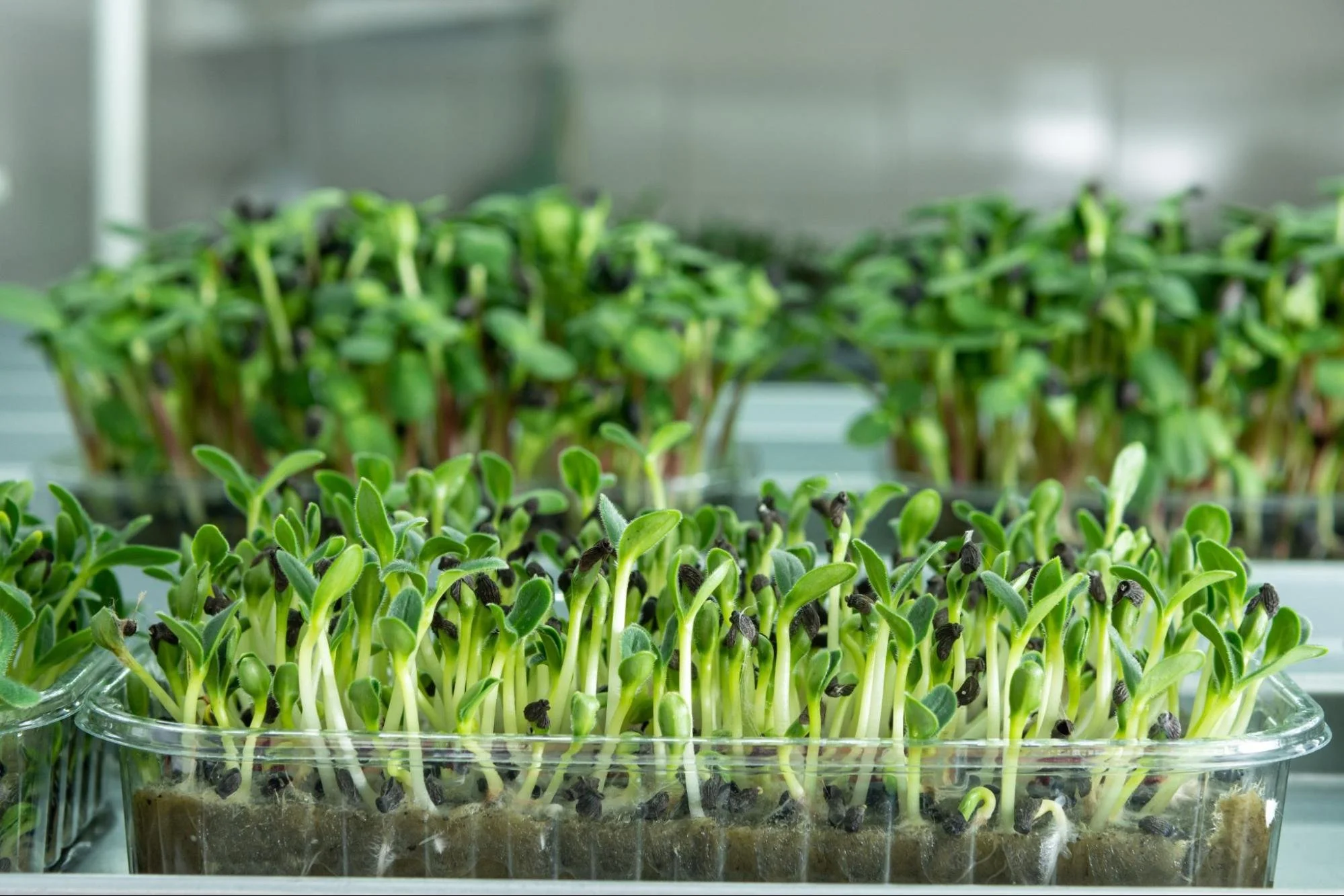
Maintaining a stable temperature indoors is one of the most important parts of successful plant growth because plants react strongly to heat fluctuations. Even if the average temperature looks fine, constant ups and downs can slow growth, increase stress, and make the whole environment harder to control. The goal is not perfection, but consistency over time.
Start with the room conditions first
The surrounding room is the foundation of temperature control. If the room itself changes throughout the day, the growing space inside will always follow. Even small improvements in room stability make the internal environment much easier to manage.
Keep the room as stable as possible before worrying about the setup inside it. This means closing blinds during the hottest part of the day to prevent solar heat buildup, and avoiding placement near heaters, radiators, or air conditioning vents that turn on and off frequently.
Understand and reduce heat at the source
Most indoor temperature problems come from heat being generated inside the setup. Lighting is usually the largest contributor, especially high-intensity systems. If the temperature is too high, the first step should always be reducing or managing heat at its origin. This can be done by lowering light intensity if your system allows dimming, or by increasing the distance between the lights and the plants so heat does not concentrate at canopy level.
It is also important to consider other heat sources such as drivers, ballasts, and electronic equipment. These should be spaced out so heat does not accumulate in a single area.
Avoid unnecessary temperature fluctuations
One of the most common mistakes in indoor growing is constantly changing the environment. Opening the space frequently, adjusting equipment settings too often, or changing light schedules without consistency can all create temperature swings that are difficult for plants to adapt to.
Make changes slowly and deliberately. Once a stable setup is achieved, it should be left to run for long enough to observe real patterns before making further adjustments. Stability always performs better than constant correction.
Control the difference between day and night
Temperature naturally changes between when lights are on and when they are off, but large differences between these periods can cause stress and instability.
If the environment becomes too cold at night, plant activity slows down significantly and moisture can build up more easily. If daytime temperatures spike too high, plants can experience heat stress and reduced efficiency.
The goal is to keep both periods within a controlled and relatively narrow range so the transition feels gradual rather than extreme. This helps plants maintain steady metabolic activity throughout the entire cycle.
Use airflow to distribute heat evenly
Air movement is not only about removing heat but also about spreading it evenly across the space. Without circulation, hot and cool zones can form in different areas of the same setup.
Properly balanced ventilation in grow tent or greenhouse helps eliminate these uneven zones by continuously moving air throughout the space. This ensures that temperature is not only controlled at a single point but is consistent from top to bottom and across all plant positions.
Even distribution is just as important as overall temperature control because plants respond to their immediate microclimate.
Final thoughts
Stable temperature control is achieved by removing sources of inconsistency rather than constantly reacting to them. When the room is stable, heat sources are managed properly, and air is continuously exchanged and distributed, the environment becomes predictable.
Once stability is achieved, plants are able to focus on growth instead of adapting to constant environmental changes, which leads to healthier and more reliable results over time.
Stay up to date with our latest ideas!