Signage Ideas for Offices and Business Events
Explore creative signage ideas for offices and business events that improve navigation, reinforce branding, and create a professional visitor experience.

Office and event signage should do more than fill space. It should guide visitors, support branding, reduce confusion, and help people move through a business environment with less friction.
Good signage is practical first. It tells people where to go, what to do, what to notice, and how to interact with the space.
For offices and business events, the best sign plan combines wayfinding, safety, branding, temporary messaging, and display materials that match the setting.
Start With the Signage Purpose
Before choosing materials or designs, define what each sign needs to accomplish. Some signs direct traffic. Others identify rooms, promote a brand, display schedules, or highlight an event area.
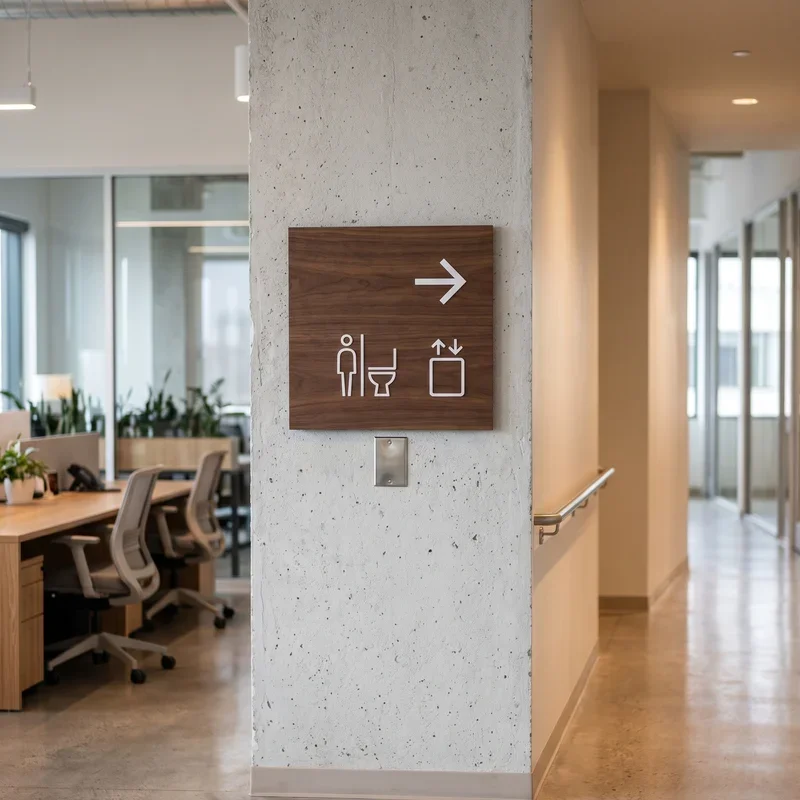
An office lobby may need reception signage, visitor instructions, restroom signs, elevator labels, and meeting room names.
A business event may need check-in signage, directional signs, sponsor boards, booth labels, session room signs, and parking markers.
Every sign should solve a specific communication problem.
If a sign does not help someone make a decision, it may not be needed.
Use Outdoor Signs for Arrival
The first signage decision happens before visitors enter the building. Parking lots, sidewalks, lawns, and building entrances often need clear visual cues.
For temporary promotions, open houses, hiring events, training days, conferences, or directional messaging, yard signs for business can help guide guests from the street to the correct entrance or event area.
Outdoor signs should use large text, high contrast, and simple wording.
Drivers and pedestrians need to read them quickly.
Avoid small logos, long sentences, or crowded layouts.
Build a Clear Wayfinding System
Wayfinding signs help people move through the office or event without asking for help. This improves visitor experience and reduces interruptions for staff.
Wayfinding should be consistent from entrance to destination.
Use the same naming system on signs, maps, invitations, and digital schedules.
If the invitation says “Training Room B,” the hallway sign should not say “Learning Suite 2.”
Consistency prevents confusion.
Place Signs at Decision Points
Signs work best when placed where people must choose a direction. Entrances, elevator exits, hallway intersections, reception desks, stairwells, parking areas, and registration zones are key locations.
Do not place important signs after the decision point.
By then, the visitor may already be lost.
A directional sign should appear before the turn, not only at the door.
Place repeated signs when routes are long or when several paths look similar.
Add Branded Lobby Signage
Lobby signage introduces the business before anyone speaks to reception. It should match the company’s visual identity and office mood.
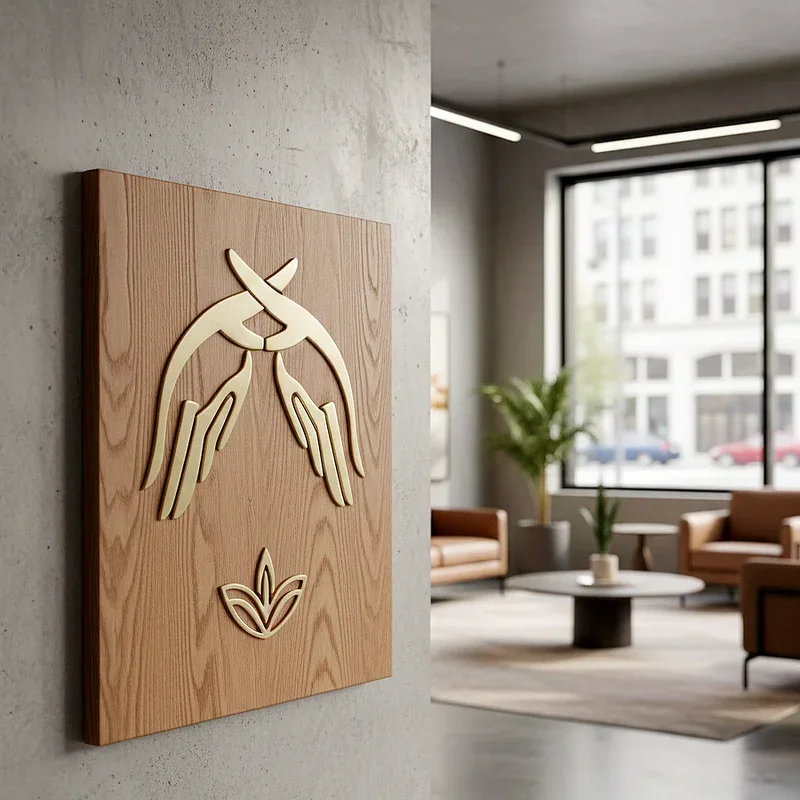
Wall logos, dimensional lettering, acrylic panels, metal signs, wood signs, and backlit signs can all work depending on the space.
For a modern reception area or event photo backdrop, custom neon signs can add a branded focal point without requiring a large installation.
Use them for a company name, short slogan, product phrase, or event hashtag.
Keep the message short so it remains readable from a distance.
Design Better Meeting Room Signs
Meeting room signage should make scheduling and navigation easier. Each room should have a clear name, visible label, and, when needed, digital availability status.
Room names should be easy to say and remember.
Avoid naming systems that are too similar, such as “Blue 1,” “Blue 2,” and “Blue 3,” unless supported by clear directional signs.
Meeting Room Sign Details
Useful details include:
Room name
Capacity
Technology available
Booking status
Accessibility notes
Floor or zone number
QR code for booking
Emergency exit direction
These details reduce confusion during meetings and events.
Use Temporary Signs for Events
Temporary signs are essential for business events because layouts change. Registration desks, breakout rooms, sponsor displays, product demos, food areas, restrooms, and exits must be easy to find.
Use portable stands, foam boards, banners, tabletop signs, retractable displays, and floor decals.
Temporary signage should be easy to move but sturdy enough to stay in place.
Check sightlines before the event starts.
A sign hidden behind a crowd or table will not help attendees.
Improve Safety and Compliance Signage
Safety signs are not optional in many office and event settings. They identify exits, fire equipment, restricted areas, first aid stations, elevators, stairwells, hazards, and emergency procedures.
These signs should be visible, standardized, and placed according to building rules.
Do not let decorative signage compete with safety signage.
Safety information should be simple, direct, and easy to recognize.
For events, review temporary hazards such as cords, staging, wet floors, food service areas, and loading zones.
Use Digital Displays Strategically
Digital signage works well for information that changes often. This may include schedules, meeting room availability, visitor welcome messages, announcements, dashboards, and event updates.
Digital displays should not replace all physical signage.
They are best for dynamic information.
Digital Signage Uses
Good uses include:
Event schedules
Welcome screens
Session changes
Queue instructions
Office announcements
Room availability
Wayfinding maps
Safety reminders
Keep slides simple and update them before information becomes outdated.
Match Materials to the Setting
Sign materials affect durability, cost, and appearance. Outdoor signs need weather resistance. Lobby signs need a polished finish. Event signs need portability. Safety signs need long-term visibility.
Choose materials based on where the sign will be used and how long it needs to last.
Common materials include acrylic, metal, vinyl, foam board, corrugated plastic, wood, fabric, PVC, and LED displays.
Material choice should support the message.
A temporary event sign does not need the same finish as permanent reception signage.
Final Thoughts
Effective signage helps offices and business events run smoothly. Start with purpose, then plan signs for arrival, wayfinding, branding, meeting rooms, safety, events, and changing information.
The best signs are easy to read, placed at the right decision points, and designed for the setting.
When signage is planned carefully, visitors move with confidence, staff answer fewer repetitive questions, and the office or event feels more organized from the first impression.
Stay up to date with our latest ideas!