Clean Air and Safety Ideas for Modern Offices
Discover clean air and safety ideas for modern offices that promote healthier workspaces, improve employee well being, and support everyday productivity.
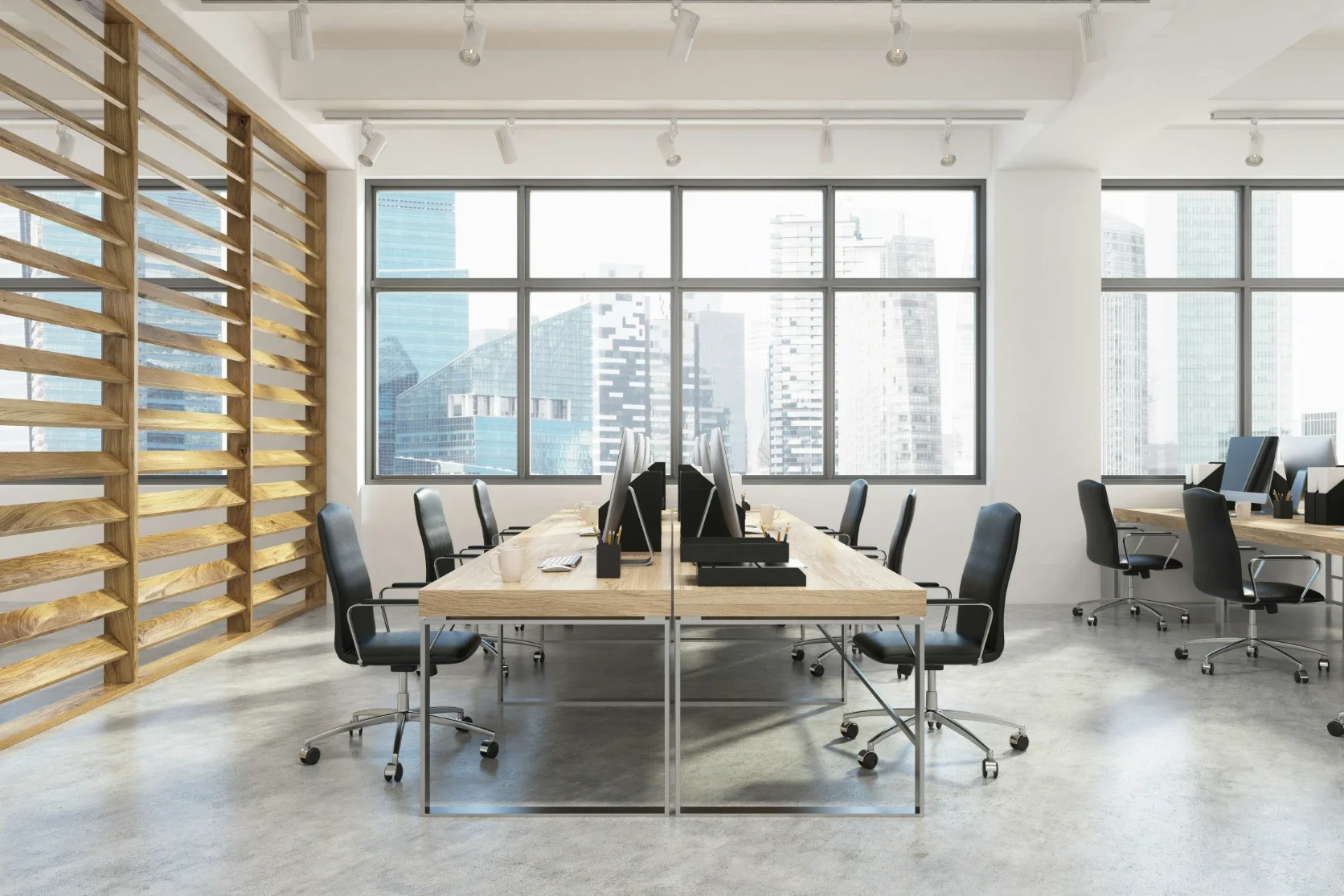
Modern offices need clean air, safe shared spaces, and clear facility routines. Employees spend hours in meeting rooms, workstations, restrooms, kitchens, lounges, and reception areas. When air quality and safety systems are weak, the office can feel stale, uncomfortable, and harder to manage.
Clean air planning is not only about ventilation. It also includes filtration, monitoring, behavior policies, maintenance schedules, and better use of shared space.
The goal is to reduce exposure risks, control odors, improve comfort, and create an office that supports daily work without unnecessary health concerns.
Start With an Indoor Air Review
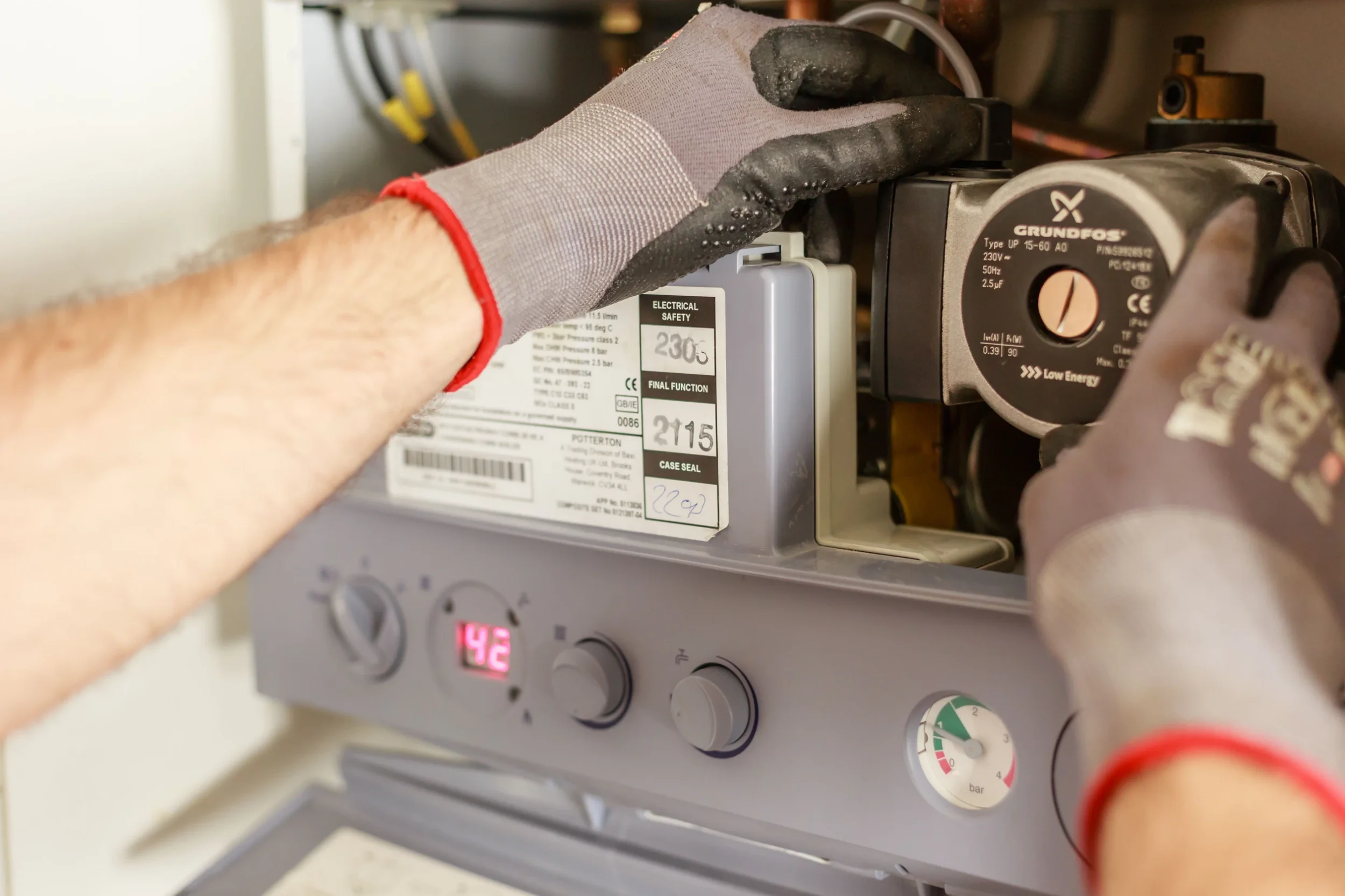
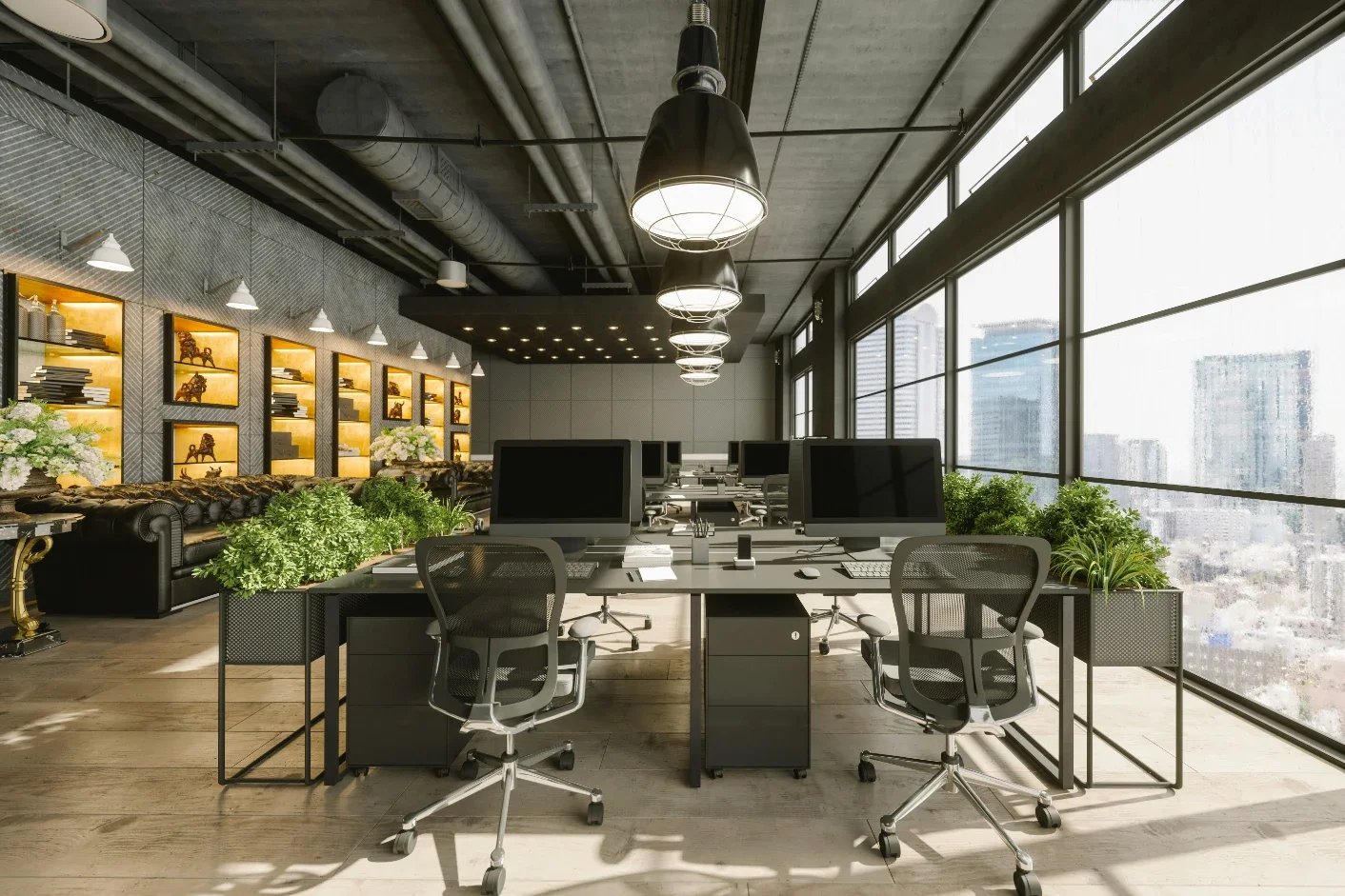
Before making upgrades, review how air moves through the office. Look at HVAC performance, vent placement, filter schedules, room occupancy, odor complaints, dust buildup, and areas that feel stuffy.
Conference rooms, copy areas, kitchens, restrooms, and open work zones often need closer review because they collect people, equipment, moisture, or particles.
A simple walkthrough can reveal blocked vents, dirty grilles, poor airflow, and rooms with limited circulation.
Document each issue before buying equipment.
Improve Filtration and Air Cleaning
HVAC filters should be replaced on a consistent schedule. Dirty or incorrect filters reduce airflow and allow more particles to circulate.
For larger offices, mixed-use facilities, production-adjacent spaces, or buildings with higher dust exposure, industrial air cleaning can support cleaner indoor air by helping control airborne particles before they settle across desks, equipment, and shared surfaces.
Air cleaning should be matched to the building type, particle load, room size, and operating schedule.
It should also work alongside ventilation, not replace it.
Control Dust at the Source
Dust affects comfort, equipment performance, and the appearance of shared spaces. It comes from paper, fabric, outdoor air, packaging, carpets, HVAC systems, and frequent movement.
Offices should reduce dust sources instead of only wiping surfaces after buildup appears.
Use closed storage for files, place entry mats near doors, vacuum carpeted areas often, and clean behind printers and shelving.
Printers and copiers should be placed in areas with adequate ventilation and routine cleaning.
Dust Control Checklist
Useful actions include:
Replace HVAC filters on schedule
Clean vents and return grilles
Keep boxes off the floor
Store files in closed cabinets
Vacuum under desks
Wipe monitor stands
Clean printer zones
Use entry mats at high-traffic doors
Small routines prevent larger buildup.
Monitor Private Shared Areas
Some office safety issues happen in private areas where cameras should not be used. Restrooms, locker rooms, single-user bathrooms, and changing areas still need policy enforcement and air quality awareness.
Environmental sensors can support this without visual recording.
For offices addressing indoor vaping, vape detectors can help detect air events in private spaces and alert responsible staff.
This is useful when the company has a no-vaping policy and needs consistent enforcement.
The system should be paired with written rules, clear signage, and a documented response process.
Upgrade Restroom Ventilation
Restrooms affect both air quality and employee confidence. Poor ventilation can lead to odors, humidity, and faster surface contamination.
Check exhaust fans, air exchange, supply levels, and cleaning frequency.
Touchless faucets, soap dispensers, towel dispensers, and trash bins can reduce surface contact.
Ventilation should run long enough to clear moisture and odors after peak use periods.
If complaints continue after cleaning, the problem may be airflow instead of housekeeping.
Improve Kitchen and Break Room Air
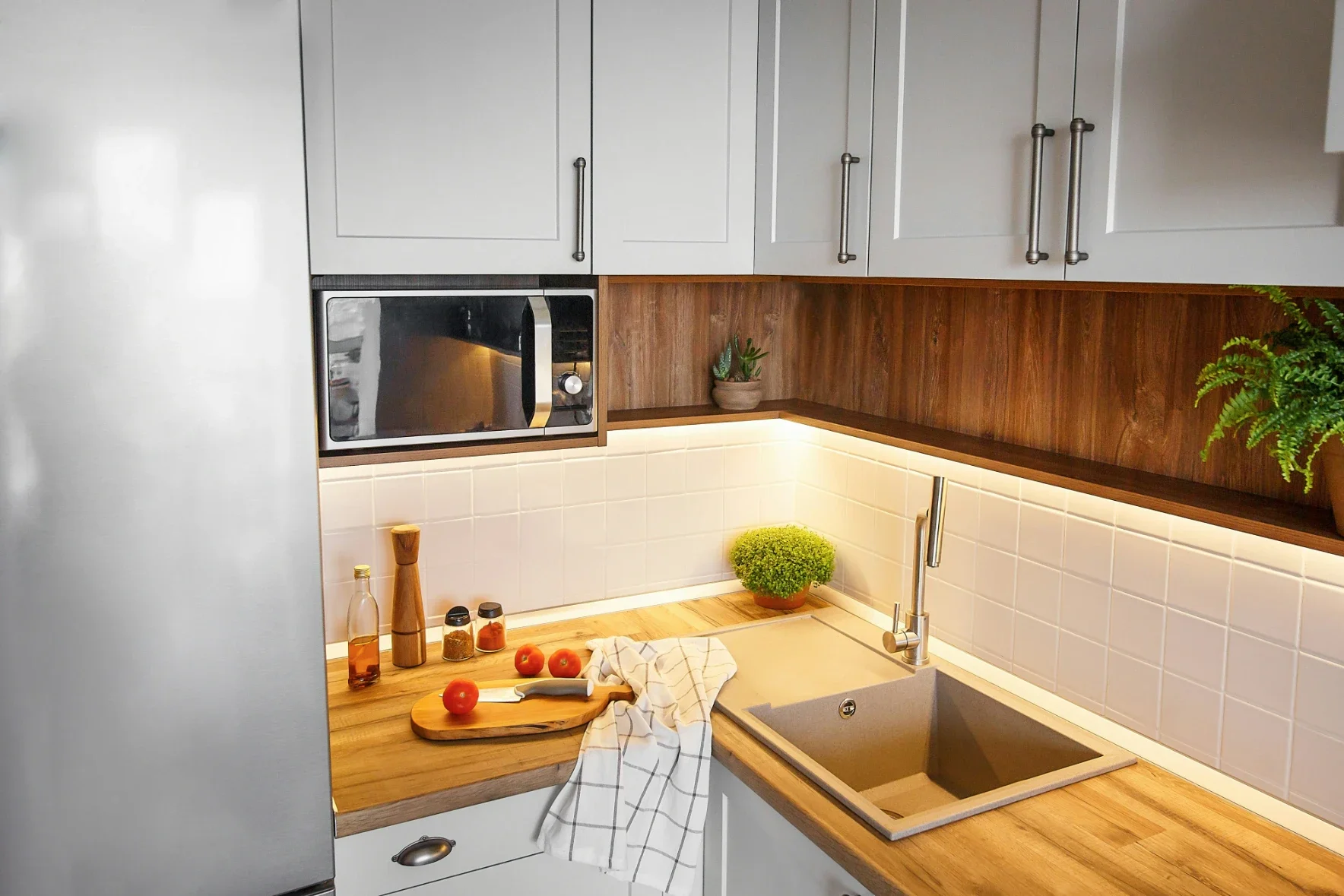
Break rooms collect food odors, moisture, packaging waste, spills, and shared appliance use. Poor airflow can make odors spread into nearby work areas.
Use lids on trash bins, clean microwaves regularly, wipe counters after meals, and remove expired food from refrigerators.
Place appliances where heat and moisture do not concentrate in one corner.
A break room should have clear cleaning responsibility, not only a general reminder.
Break Room Controls
Set rules for:
Refrigerator cleanouts
Trash removal
Microwave cleaning
Coffee station wiping
Food labeling
Spill cleanup
Ventilation checks
Closed food storage
These controls keep the room cleaner during busy workdays.
Use Better Occupancy Practices
Air quality drops quickly when small rooms are overused. Meeting rooms are common problem areas because several people sit together for long periods.
Match room size to meeting length and headcount.
Large meetings should not be forced into small rooms because the calendar shows availability.
Encourage short breaks between meetings so rooms can air out and be reset.
If a room consistently feels warm or stale, review airflow and capacity before adding more furniture.
Maintain Shared Equipment
Shared equipment can affect safety and cleanliness. Printers, phones, keyboards, access pads, conference remotes, coffee machines, and reception tablets are touched often.
Place cleaning wipes near shared devices.
Use products that are safe for electronics.
Assign regular cleaning responsibility instead of relying on whoever notices the mess first.
This reduces residue, dust, and surface contamination in high-use areas.
Final Thoughts
Clean air and office safety depend on consistent systems. Start with airflow review, filtration, dust control, restroom ventilation, private-area monitoring, break room rules, occupancy planning, and shared equipment cleaning.
The best offices do not rely on one solution.
They combine facility maintenance, practical technology, employee habits, and clear policies.
When clean air and safety systems are managed together, the office becomes more comfortable, easier to maintain, and better prepared for daily use.
Stay up to date with our latest ideas!