Warehouse Door Choices That Support Smoother Workdays
Explore warehouse door choices that support smoother workdays by improving safety, efficiency, workflow, and reliable access for daily operations.
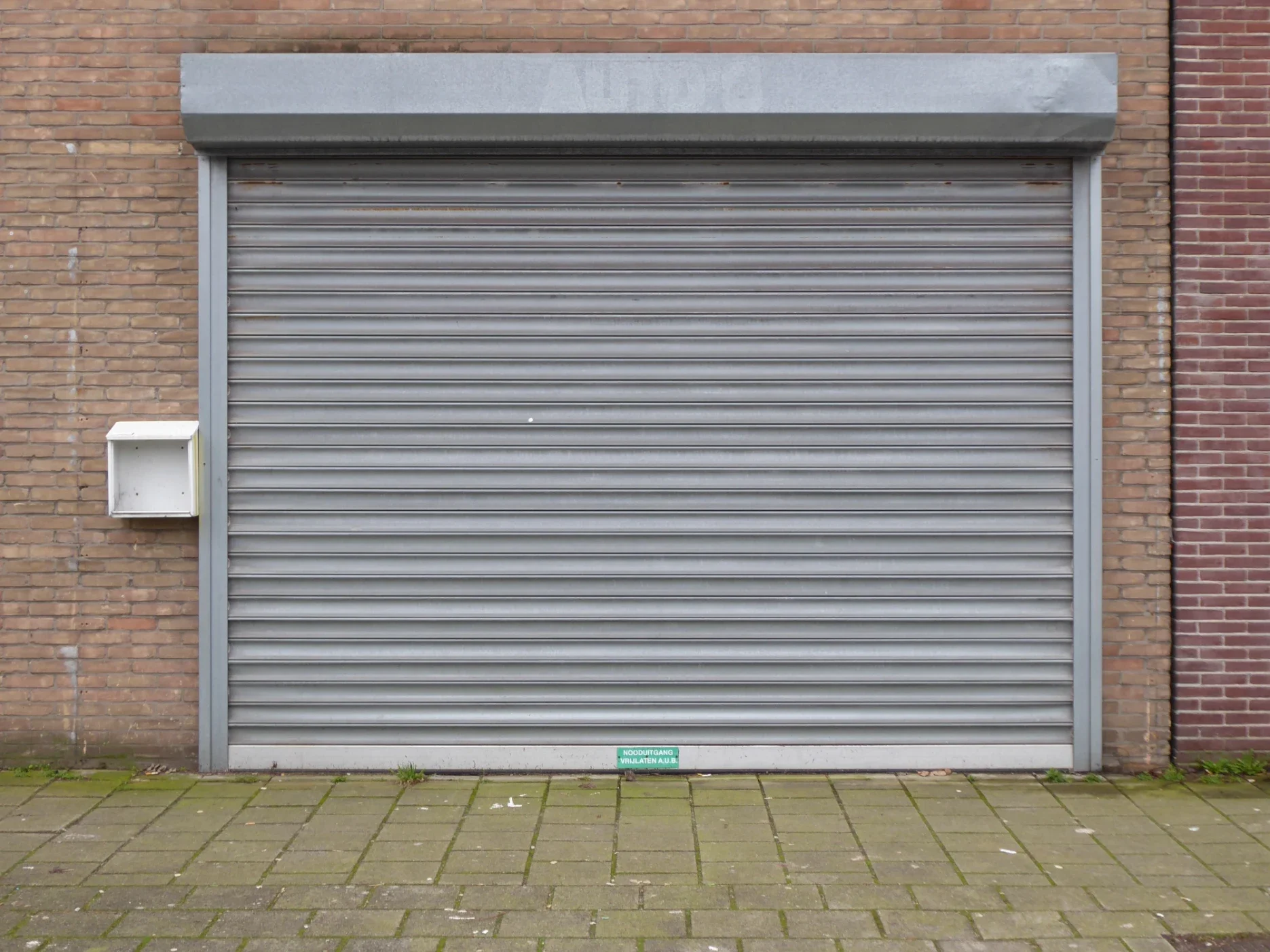
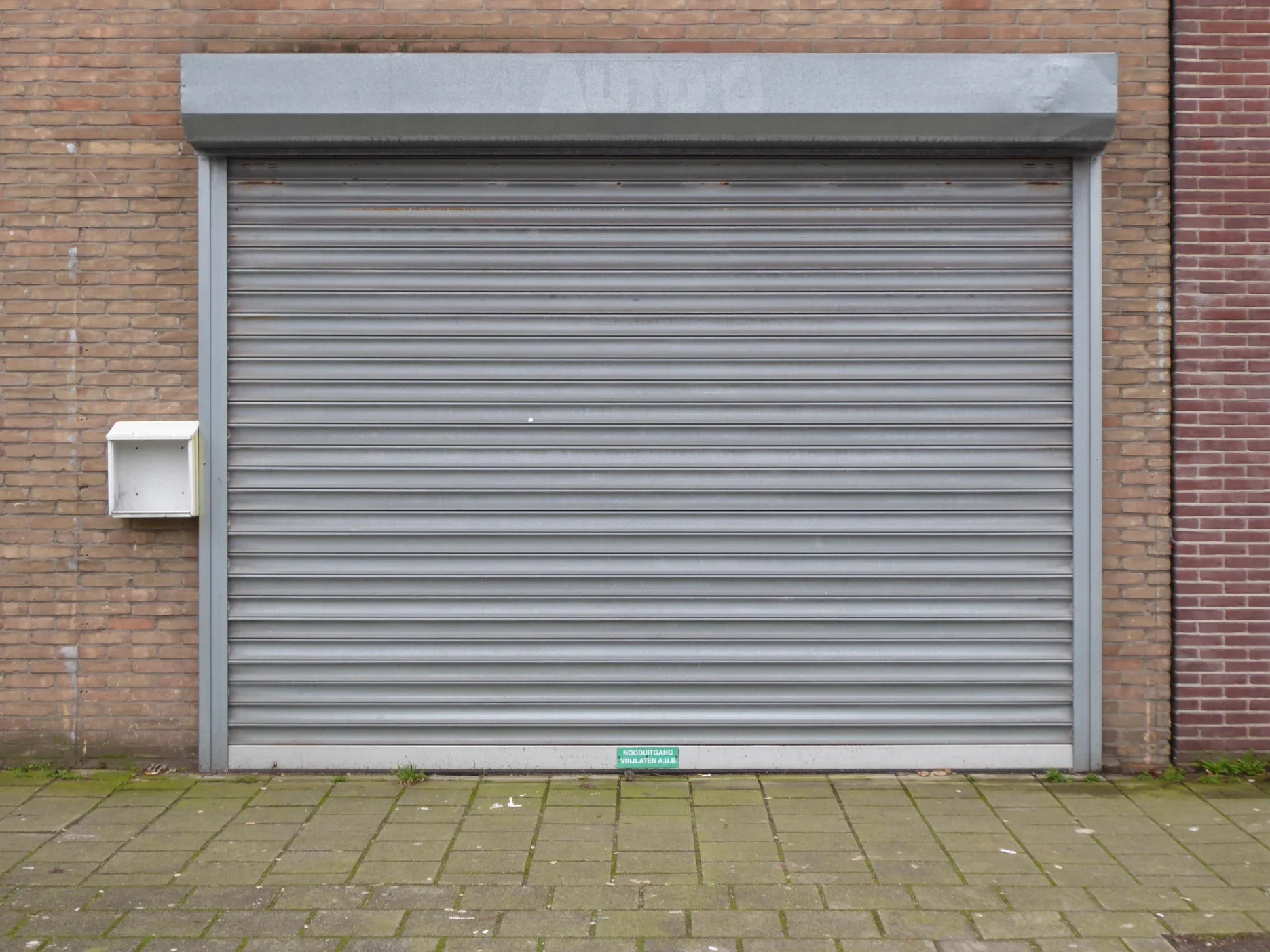
A commercial garage door does much more than provide a way in and out of a building. It helps keep operations moving, protects valuable equipment and inventory, supports workplace safety, and can even improve energy efficiency. That matters even more in communities like Quincy, Illinois, which serves as a regional center for manufacturing, distribution, agriculture, and river commerce along the Mississippi River. For local businesses, choosing the right commercial garage door is about finding a solution that can handle daily demands while reducing downtime and supporting long-term productivity. Whether you operate a warehouse, repair shop, agricultural business, or industrial facility, investing in the right door can pay off for years to come.
Why doors affect flow
If your team moves products, tools, or vehicles all day, your garage door quietly sets the pace. When it opens fast, seals well, and fits your space, work feels easier. When it jams, rattles, or lets the weather blow inside, everyone notices.
That’s why local businesses often explore the best commercial garage doors in Quincy when they’re planning a new setup or replacing an aging system. The goal usually isn’t just “get a door.” It’s to keep traffic moving without turning each delivery into a mini obstacle course.
You can think of a commercial door like a teammate. It has one job, but it affects everybody else’s job too. Forklifts, drivers, warehouse staff, and front-office workers all feel the difference when the door supports a steady routine instead of interrupting it.
Match doors to tasks
Not every business needs the same kind of door, and that’s where people get tripped up. A shipping warehouse has different needs from a tire shop. A storage facility has a different rhythm than a farm supply building. Your door should match what actually happens in your space.
If trucks come and go all day, you may need a door that opens often and handles wear without acting dramatically. If you store temperature-sensitive items, insulation matters more. If customers can see the service area, appearance may matter more than you expected.
It helps to ask a few simple questions:
How many times will the door open daily?
Will people, vehicles, or both use the area?
Does the space need quiet, speed, or insulation?
Will the door face rough weather or heavy dust?
A door that fits the job can make the whole building feel more organized. One that doesn’t fit can slow things down in sneaky little ways every single day.
Think beyond first cost
It’s tempting to focus on the upfront price. That’s normal. Budgets are real, and nobody enjoys surprise spending. Still, the cheapest option can become expensive if it needs frequent repairs, wastes energy, or causes downtime when your team is busiest.
A stronger door may cost more at first, but last longer under daily use. Better insulation can help reduce heating and cooling loss. Durable hardware may mean fewer service calls. Those details aren’t flashy, but they matter when you’re trying to run a building without constant interruptions.
Downtime is the sneaky budget villain here. If a door won’t close properly, loading stops. If it sticks halfway, your schedule gets messy. If it lets in outside air all winter, your utility bill starts doing gymnastics.
It’s often smarter to look at total value over time. A practical choice isn’t always the cheapest today. It’s the one that keeps working tomorrow, next season, and during the week when everything else already feels hectic.
Safety matters every day
Commercial doors are big, heavy, and used often, so safety can’t be an afterthought. You don’t need to be an engineer to understand the basics. You just need to notice what helps people move around the space without close calls.
Good visibility helps a lot. People should be able to tell whether the path is clear before the door opens or closes. Sensors and auto-reverse features are also useful because they help prevent accidents if something or someone is in the way.
Daily habits matter too. Staff should know not to rush under a moving door or block the tracks with tools, boxes, or equipment. A cluttered service bay is basically asking for trouble. Even a well-made door won’t perform nicely if the area around it is chaotic.
It also helps to pay attention to odd sounds or jerky movements. A door that suddenly squeals, hesitates, or slams is waving a red flag. Catching small issues early can protect both your team and your schedule.
Weather changes the equation
The weather has a bigger effect on commercial doors than many people expect. In a place with cold winters, wind, rain, and humid summer days, the wrong door can let outside conditions boss your building around.
Drafts near loading bays can make indoor spaces uncomfortable fast. That matters for workers, but also for inventory, equipment, and anything sensitive to temperature swings. Even if your products aren’t delicate, your heating and cooling system still has to fight harder when a poorly sealed door leaks air.
Moisture matters too. Humidity and wet conditions can affect materials over time, especially if maintenance gets ignored. Rust, swelling, and worn seals can all chip away at performance. That’s not exactly thrilling news, but buildings are like people. Ignore the small stuff long enough, and they get grumpy.
Choosing a door with weather resistance, solid seals, and the right insulation level can make everyday operations more comfortable. It may also help create a more stable environment inside, which is useful whether you store products, park vehicles, or keep tools on site.
Plan for fewer headaches
A good commercial door decision usually comes down to one simple idea: choose for real life, not just the brochure version of life. Think about your busiest day, your messiest weather, and the way your staff actually uses the space.
Before making a choice, it helps to review:
Daily traffic and door cycles
Insulation needs
Safety features
Maintenance expectations
Long-term operating costs
How the door affects workflow
That kind of checklist keeps you grounded. It also makes conversations with installers or facility teams much easier because you know what matters most.
You don’t need the fanciest setup on the market. You need one that works well, holds up, and makes your building easier to run. When your door supports the day instead of stealing attention, that’s a win. In commercial spaces, boring and reliable is sometimes the real superstar.
Stay up to date with our latest ideas!