Easy Habits That Help Your Garage Door Last Longer
Discover easy habits that help your garage door last longer by improving performance, reducing wear, and preventing costly repairs through simple maintenance.
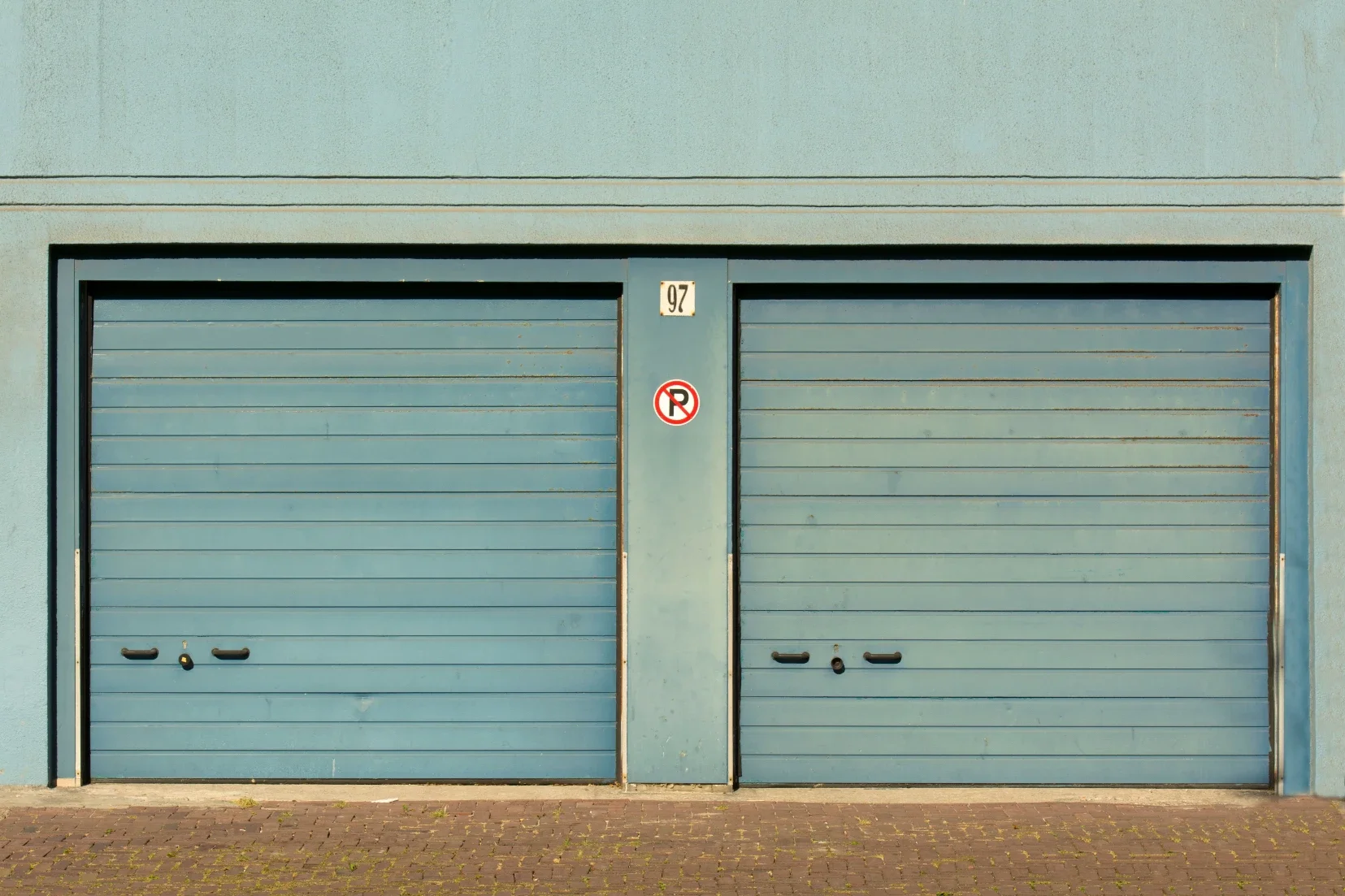
Your garage door does a lot more work than most people realize. It opens early when you leave for work, closes after grocery runs, and stands guard through rain, wind, and dusty weekends. Because it works so often, it’s easy to forget it needs care too. A few simple habits can help it stay quieter, safer, and less likely to surprise you with an expensive breakdown right when you’re already late.
Why Upkeep Matters
Your garage door is one of the largest moving parts in your home, so giving it a little attention throughout the year can help it stay safe, reliable, and easy to use. If it's neglected for too long, you may start noticing strange noises, uneven movement, or a door that refuses to open when you need it most. That's never ideal, especially when your car is trapped inside and your schedule is already full.
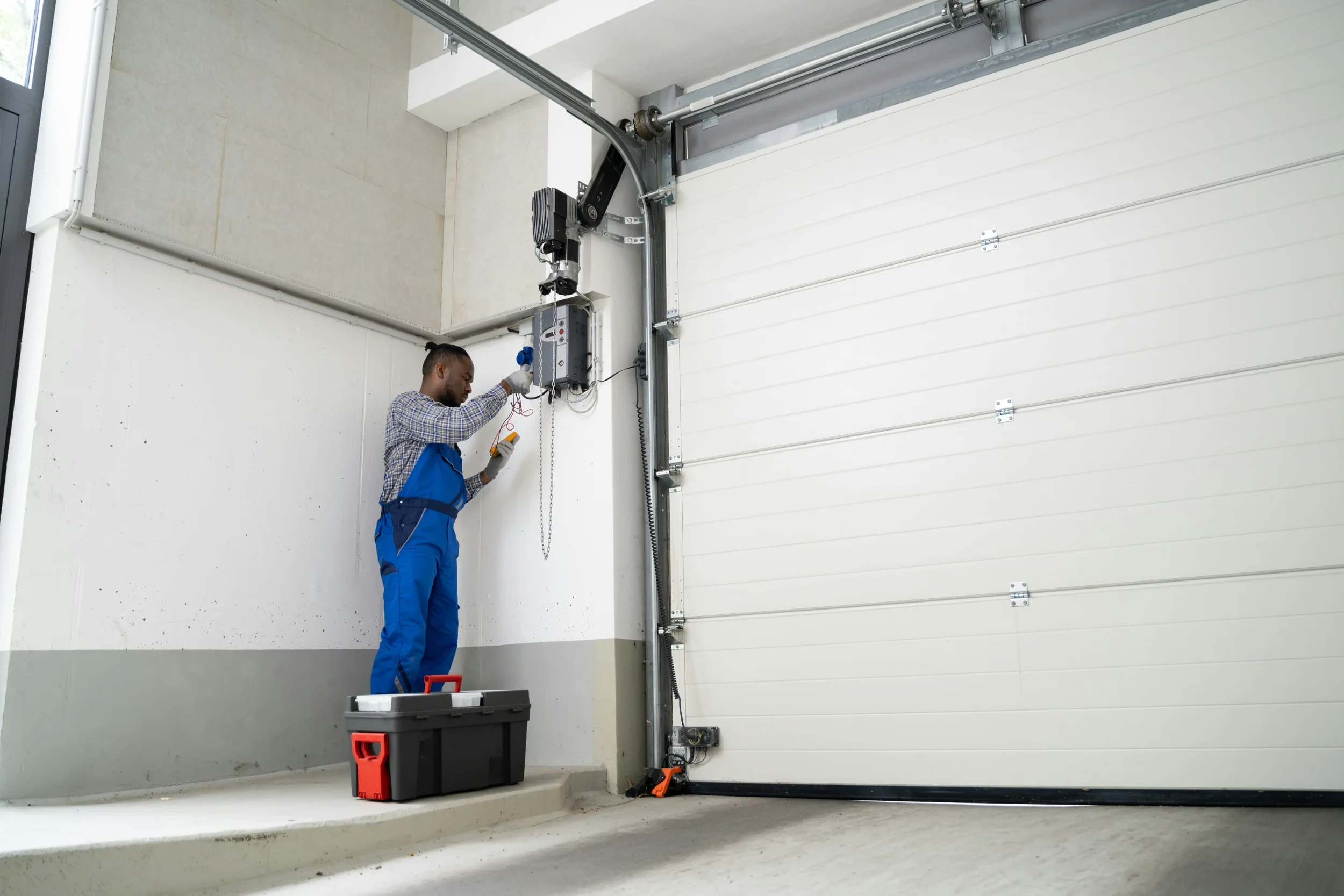
Regular residential garage door maintenance is one of the simplest ways to prevent those problems. Routine inspections and servicing can identify worn springs, dry rollers, loose hardware, misaligned tracks, and other minor issues before they turn into expensive repairs or unexpected breakdowns. Keeping everything properly adjusted and lubricated also helps the door operate more smoothly while reducing unnecessary strain on the opener.
Think of it like routine maintenance for your car. You stay on top of small services now to avoid bigger, more expensive problems later. Your garage door works much the same way. A little preventive care today can save you from a frustrating repair tomorrow.
Listen For Warning Signs
Your garage door usually gives you hints before something goes wrong. You just have to pay attention. If it starts squeaking, grinding, rattling, or banging, that’s not your house becoming haunted. It’s often a sign that parts are loose, dry, or wearing out.
You should also watch how the door moves. If it shakes while opening, closes unevenly, or suddenly moves more slowly than usual, something may be off. A healthy garage door should look fairly smooth and steady. Jerky motion can mean a roller, track, or hinge needs attention.
Another clue is hesitation. If you press the remote and the door pauses like it’s thinking about it, that may point to opener strain or part wear. The same goes for a door that reverses for no clear reason.
Catching these signs early matters. A little squeak today can become a much bigger repair next month. When your door changes its normal rhythm, it’s worth checking before the problem grows legs.
Check Parts Monthly
You don’t need to be a repair expert to do a basic monthly check. Just take a few minutes to look over the parts you can safely see. Start with the rollers and hinges. Do they look worn, cracked, rusty, or loose? If something looks obviously damaged, that’s a sign to bring in help.
Next, check the tracks. They should look clear and lined up, not bent or packed with dirt. Glance at the weather seal at the bottom of the door too. If it’s cracked or peeling away, you could be letting in water, bugs, and outdoor drafts.
Look at the cables from a safe distance. If they appear frayed or uneven, don’t touch them. The same goes for springs. Those parts are under serious tension and are not good DIY territory.
You can also inspect the opener area for loose brackets or unusual wear. A quick once-over each month helps you spot changes before they become major problems. You’re not fixing everything yourself. You’re simply learning what “normal” looks like.
Keep It Clean And Smooth
A cleaner garage door often works better. Dust, leaves, cobwebs, and sticky grime can build up in and around the tracks over time. That mess can interfere with smooth movement and make the whole system work harder than it should.
Use a soft cloth or brush to wipe away dirt from visible track areas and door edges. You’re not trying to deep-clean like it’s spring break for hardware. Just remove the obvious buildup. If the tracks look greasy and muddy, a gentle cleaning can help you see what’s going on.
Light lubrication also matters. Rollers, hinges, and other moving metal parts can dry out and start squeaking. Using a garage-door-safe lubricant on the right spots helps parts move more smoothly and quietly. A little is enough. This is not a “more is better” situation.
Skip heavy grease or random sprays that attract more dirt. And if cleaning and lubrication don’t improve the movement, stop there. That usually means the issue is beyond basic upkeep and needs professional attention, so this is a good point to schedule garage door repair San Diego before minor friction turns into a bigger mechanical problem.
Protect Safety Features
Garage door safety features are easy to forget until you realize how important they are. The auto-reverse system and photo-eye sensors help stop the door if something is underneath it. That can protect kids, pets, your car bumper, and the mystery box you meant to bring inside three weeks ago.
Test the auto-reverse feature from time to time according to your manufacturer’s instructions. If the door doesn’t respond the way it should, don’t ignore it. A door that won’t reverse properly can become a real safety problem.
Check the photo-eye sensors near the bottom of the door track too. If they’re dusty, blocked, or slightly out of line, the door may act strangely or refuse to close. Gently wipe the lenses and make sure nothing is sitting in their path.
It’s also a good idea to test your wall button and remote controls. If they work only sometimes, weak batteries or opener issues may be involved. Safety systems are not flashy, but they quietly do the heavy lifting when it matters most.
Know When To Call for Help
Some garage door problems are simple. Others are your cue to step back and let a pro take over. If you notice broken springs, frayed cables, bent tracks, or a door that feels heavy and uneven, it’s time to make the call.
A garage door should not be forced open or closed. If it suddenly struggles, slams shut, or looks crooked, using it anyway can make the damage worse. It can also become dangerous fast. This is especially true when tension parts are involved.
You should also get help if the opener sounds strained, the door won’t stay open, or basic cleaning and lubrication don’t solve the issue. These problems often point to wear that needs trained repair, not guesswork and crossed fingers.
Regular upkeep helps a lot, but it doesn’t replace professional service when real damage shows up. Getting expert help early can save money, protect your safety, and keep your garage door from turning a normal day into a very annoying one.
Stay up to date with our latest ideas!