What Modern Luxury Homes Can Learn from Both Worlds
Discover what modern luxury homes can learn from both traditional craftsmanship and contemporary design to create timeless, functional living spaces.
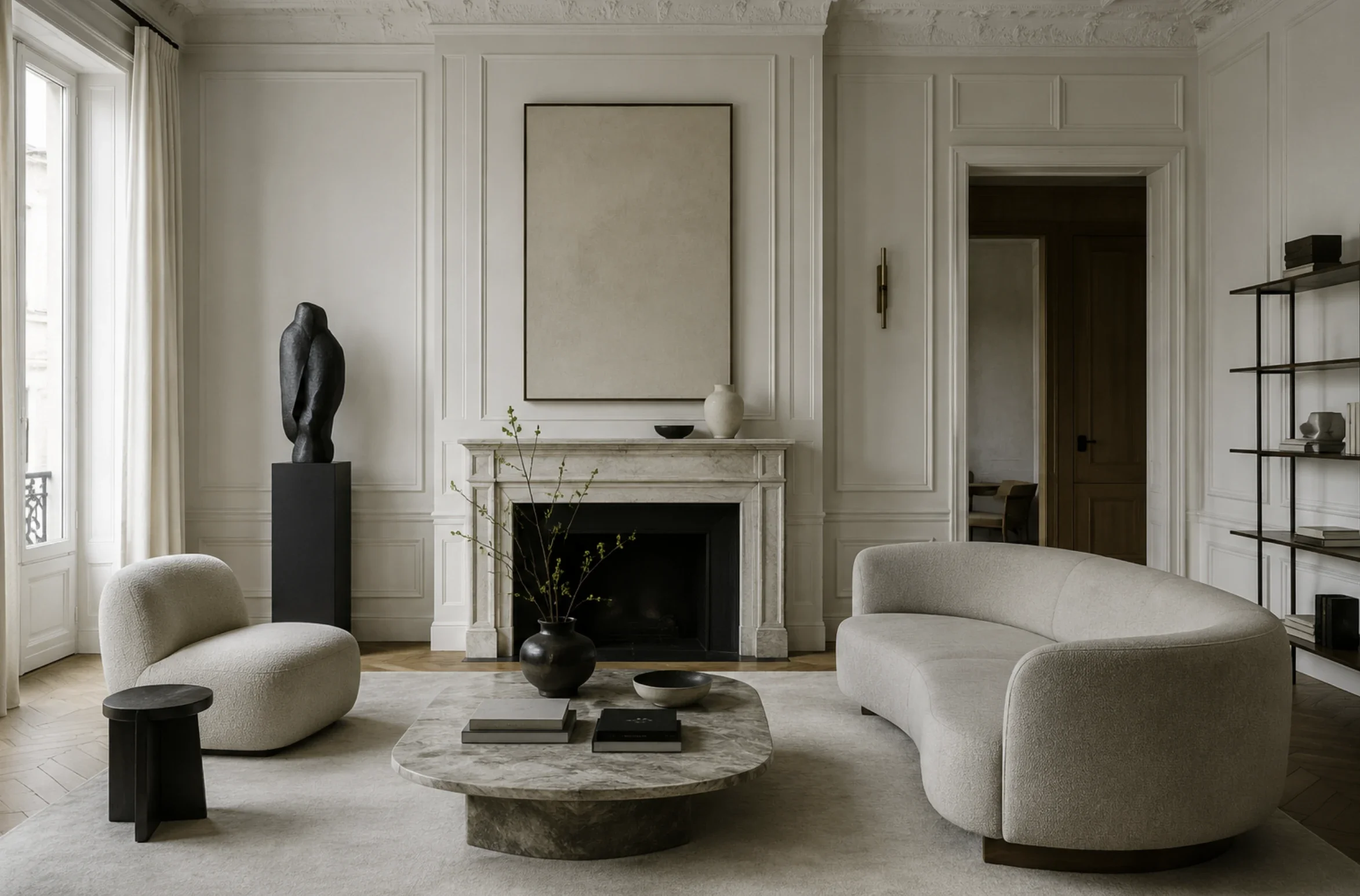
Luxury interiors are no longer defined solely by aesthetics. Today, the most successful homes are designed around the people who live in them—their habits, priorities, daily routines, and long-term aspirations. This shift has transformed the conversation around residential interior design in the US and Europe, creating a fascinating exchange of ideas between two influential design cultures.
While American luxury homes are often celebrated for their scale, functionality, and architectural freedom, European residences are admired for their refinement, historical sensitivity, and timeless elegance. Increasingly, homeowners, architects, and interior designers are discovering that the most compelling spaces emerge when these philosophies intersect.
Core Paradigm: Rather than choosing between European sophistication and American practicality, modern luxury design is learning to embrace both.
The Evolution of Luxury Living
For decades, luxury interiors were largely associated with visual opulence. Grand chandeliers, ornate moldings, and expensive materials were often considered the ultimate indicators of prestige.
Today, affluent homeowners view luxury differently.
True luxury is increasingly defined by:
Comfort without excess
Functional beauty
Personalization
Quality craftsmanship
Long-term relevance
As a result, design professionals are focusing less on trends and more on creating environments that remain meaningful for years to come.
This approach has given rise to a renewed appreciation for timeless design concepts, where every decision serves both aesthetic and practical purposes.
What Europe Teaches About Timelessness
European design traditions have been shaped by centuries of architecture, craftsmanship, and cultural continuity. Unlike many newer residential developments, European homes often exist within historical contexts that demand careful consideration. Designers must respect existing architectural elements while adapting spaces for contemporary living.
This environment naturally encourages restraint and thoughtful decision-making.
Several characteristics define the European approach:
Respect for Architectural Heritage
In cities such as Paris, Milan, London, and Barcelona, interior designers frequently work within buildings that possess historical significance.
Instead of replacing original features, they often preserve:
Stone detailing
Traditional moldings
Handcrafted woodwork
Historic flooring
Architectural proportions
The result is an interior that feels authentic rather than manufactured.
Quality Over Quantity
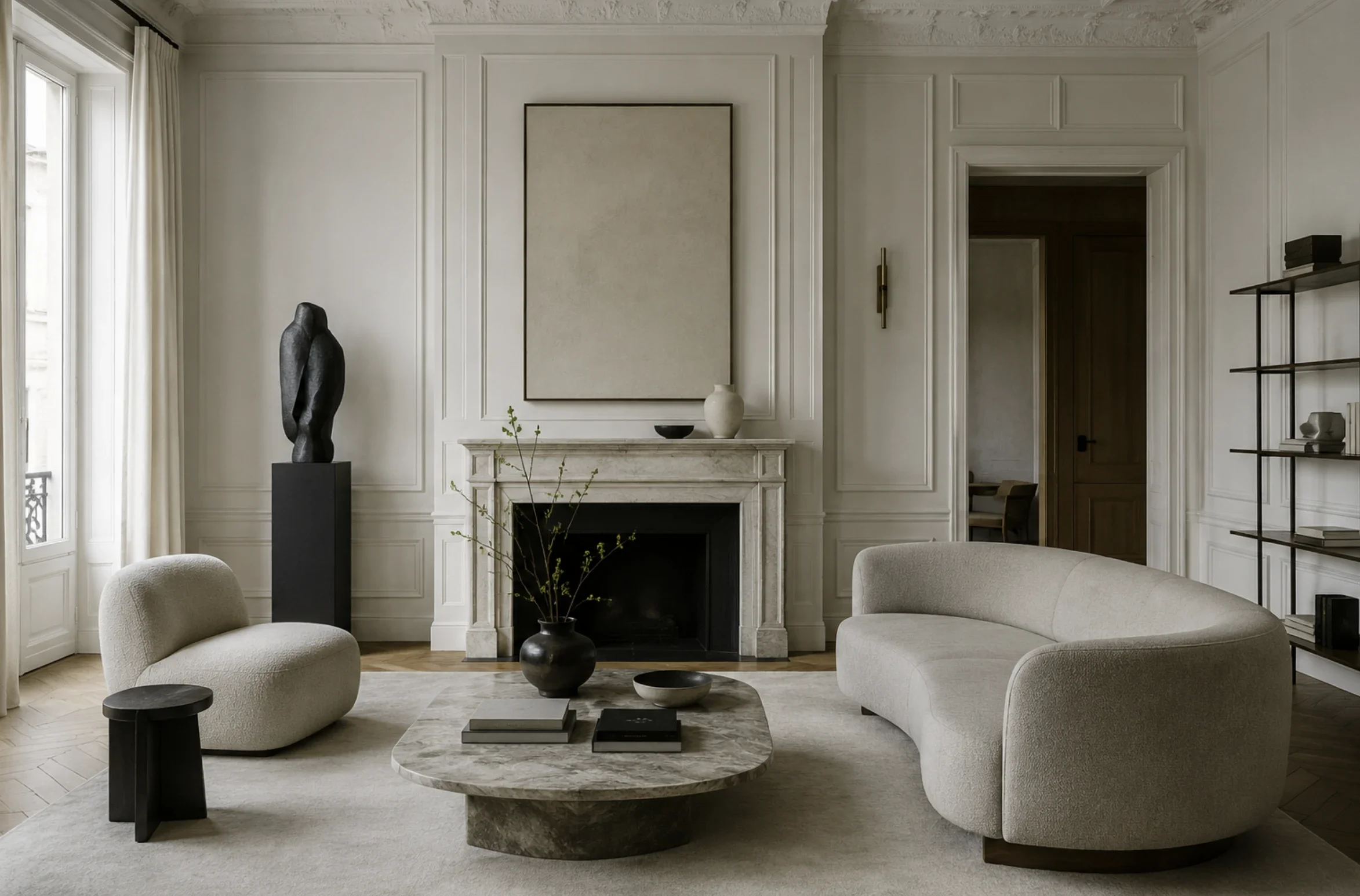
European Luxury Interior Design tends to prioritize fewer but higher-quality elements. Rather than filling a space with decorative objects, designers focus on materials that improve with age:
Natural stone
Solid hardwoods
Hand-finished metals
Bespoke millwork
These materials contribute to a sense of permanence that many contemporary homeowners increasingly value.
Sophisticated Minimalism
European minimalism is frequently misunderstood as simplicity for its own sake. In reality, it is often highly detailed and carefully curated. Every object, finish, and furnishing is selected with intention. This philosophy creates interiors that remain relevant despite changing design trends.
What America Teaches About Functional Living
If Europe excels at refinement, America often leads in practical innovation.
Large residences across the United States have allowed designers to rethink how homes support everyday life. The finest luxury home interiors - https://oltdesign.com/services/residential-interior-design/ demonstrate that functionality is not a compromise, but a defining element of modern luxury.
This perspective offers several valuable lessons.
Space Planning as a Lifestyle Tool
American homes frequently incorporate dedicated areas for specific activities.
Examples include:
Walk-in wardrobes
Laundry suites
Home offices
Wellness rooms
Entertainment lounges
Mudrooms
Rather than relying on multipurpose rooms, these spaces support distinct daily functions.
As lifestyles become increasingly complex, such planning helps improve efficiency and comfort.
Open and Flexible Layouts
Open-concept living remains one of the most influential contributions of American residential architecture.
When executed properly, open layouts can:
Improve natural light distribution
Encourage social interaction
Increase visual spaciousness
Adapt to evolving family needs
Luxury homeowners around the world continue to adopt these principles because they align closely with modern living patterns.
Technology Integration
American luxury residences have also accelerated the integration of smart technologies.
From climate automation to lighting systems and security infrastructure, technology is often incorporated seamlessly into the design process.
The goal is not technological novelty but improved quality of life.
The Rise of Personalized Functional Interiors
One of the most significant shifts in luxury design is the movement away from standardized solutions. Affluent homeowners increasingly seek environments tailored to their unique preferences and routines.
This has led to growing demand for personalized functional interiors that reflect individual lifestyles rather than generic design trends.
The process often begins with understanding how clients actually live.
Questions may include:
How do they entertain guests?
Do they work remotely?
How frequently do they travel?
What hobbies occupy their free time?
How should the home evolve over the next decade?
Answers to these questions shape the design far more effectively than trend forecasts. The most successful interiors are built around real-life behaviors rather than theoretical aesthetics.
Designing Around Lifestyle Scenarios
An emerging concept in luxury interior architecture is the use of lifestyle scenarios during the planning phase. Instead of focusing exclusively on rooms, designers analyze experiences.
ℹ️ Consider a typical day within a luxury residence.
Morning routines may involve:
A private coffee corner
Integrated wellness spaces
Optimized dressing areas
Afternoon activities may require:
Quiet work environments
Flexible meeting spaces
Access to outdoor terraces
Evening routines may emphasize:
Entertaining
Family gatherings
Relaxation zones
By visualizing these scenarios, designers create homes that support daily life intuitively. This approach often produces more meaningful results than designing according to visual trends alone.
Why Craftsmanship Remains Irreplaceable
True exclusivity in modern design is built on the details that cannot be replicated by automated production lines.
Examples include:
Custom joinery
Hand-finished surfaces
Tailored furniture
Bespoke stone fabrication
Artisan metalwork
These features contribute to what many professionals describe as exclusive interior craftsmanship. Unlike mass-produced solutions, handcrafted elements establish individuality and create a stronger emotional connection between the homeowner and the space. They also tend to age more gracefully, supporting the broader objective of long-term design value.
Bridging European Elegance and American Scale
The most compelling luxury residences today are not strictly European or American. Instead, they combine the strongest aspects of both traditions.
European influence contributes:
Sophisticated restraint
Material authenticity
Historic sensitivity
Timeless aesthetics
American influence contributes:
Functional planning
Spatial generosity
Technological innovation
Lifestyle adaptability
Together, these qualities create a design language that feels both elegant and practical.
This transatlantic approach is increasingly visible in private villas, waterfront properties, penthouses, and high-end residential developments across North America, Europe, and the Middle East.
Expert Perspective
As interior designers work across international markets, many are observing similar client priorities regardless of geography.
According to interior designer Tetiana Oliinyk, founder of OLT DESIGN, luxury homeowners increasingly seek interiors that balance aesthetics with everyday functionality.
“The most enduring interiors are those that reflect the client's lifestyle rather than temporary trends. When design decisions are based on how people actually live, the result remains relevant for years.”
This perspective reflects a broader industry movement toward longevity, personalization, and meaningful design experiences.
The Future of Luxury Residential Design
The future of luxury interiors is unlikely to be defined by a single style. Instead, it will be characterized by thoughtful integration.
Homeowners are becoming more selective about how they invest in their living environments. They expect spaces that are beautiful, highly functional, and capable of adapting to changing needs over time.
Designers who successfully merge European elegance with American practicality are particularly well positioned to meet these expectations. The result is a new generation of homes built around timeless values rather than fleeting trends. In a world increasingly saturated with visual inspiration and rapidly changing fashions, the most desirable residences may ultimately be those that feel deeply personal, expertly crafted, and effortlessly connected to the lives unfolding within them.
Stay up to date with our latest ideas!