How Modern Headrests Help Create a More Personalized Seating Experience
Learn how modern headrests enhance comfort, support, and customization to create a more personalized seating experience in various environments.

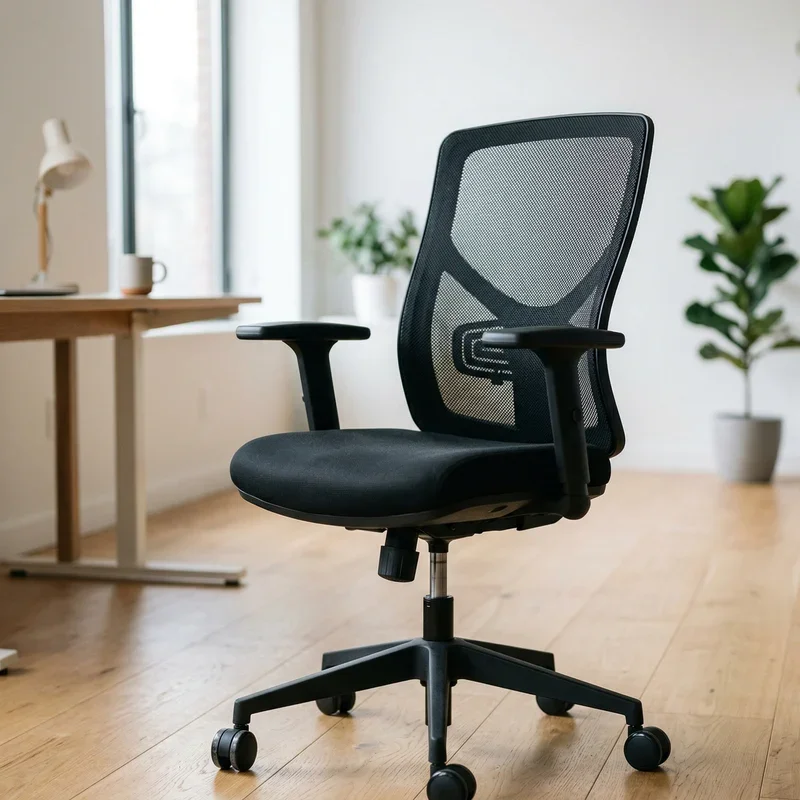
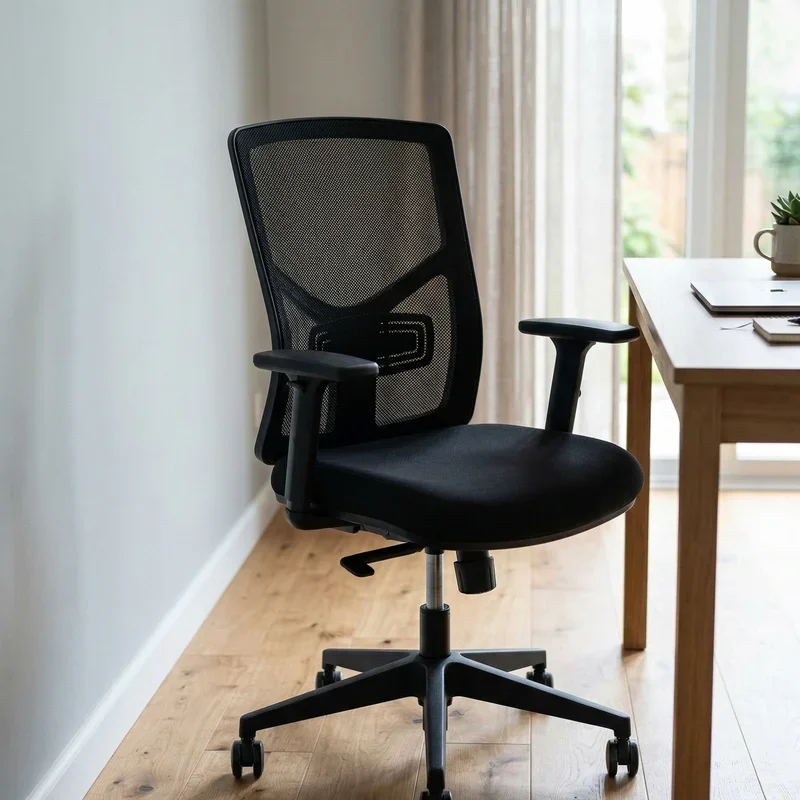
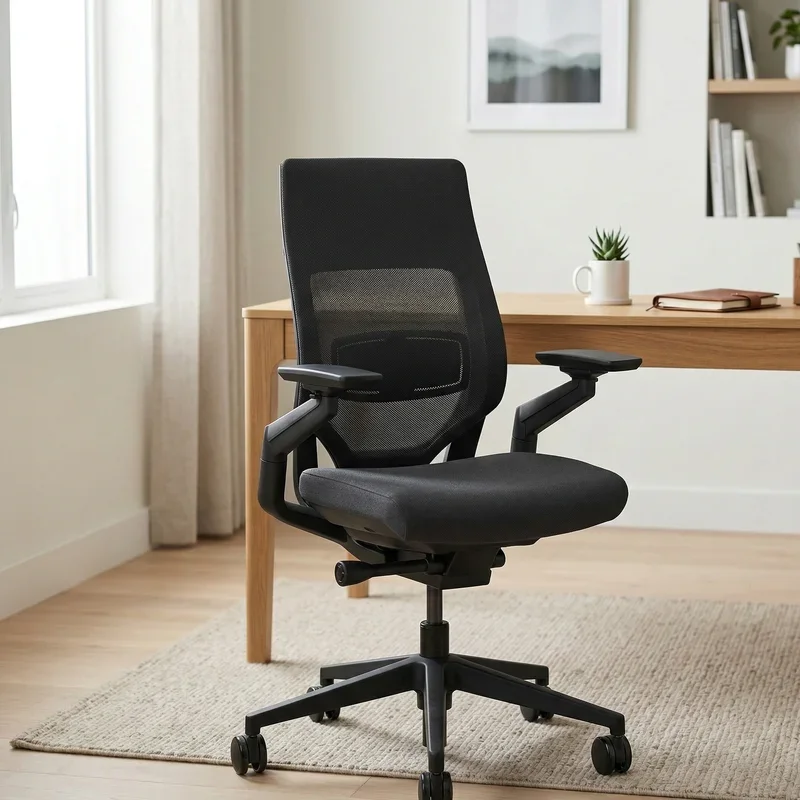
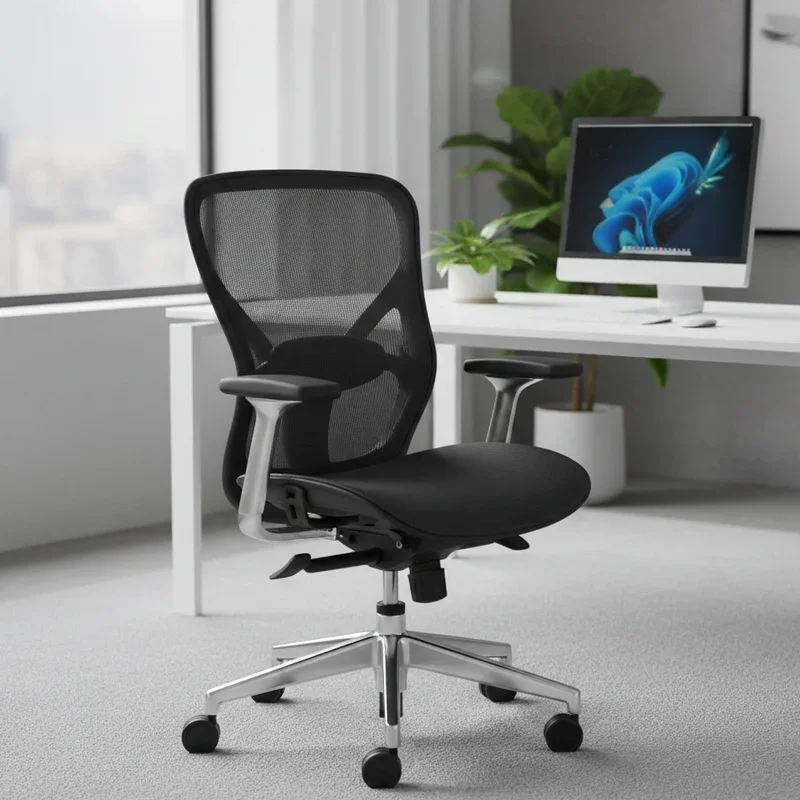
The way people work has changed dramatically over the past few years. Remote work, hybrid schedules, and longer hours at the computer have encouraged many professionals to rethink their workspace setup. While ergonomic chairs remain a key part of a comfortable office environment, office chair headrests have gained increasing attention as users look for more personalized support throughout the day.
As interest in ergonomic customization grows, companies such as OfficeLogixShop have helped highlight the importance of adaptable seating solutions. Modern headrests are no longer viewed as simple accessories attached to a chair. Instead, they are increasingly recognized as valuable components that help users create a workspace tailored to their individual needs, work habits, and comfort preferences.
A personalized seating experience is not about making a chair look more impressive. It is about ensuring that support is available exactly where and when the body needs it.
Why Personalization Matters in Ergonomic Seating
No two people sit in exactly the same way.
Height, body proportions, posture habits, and daily responsibilities all influence how a chair should support its user. What feels comfortable for one person may feel completely different for someone else.
Personalized ergonomics focuses on adapting furniture to the user rather than forcing the user to adapt to the furniture.
This approach helps address common challenges such as:
Neck fatigue
Shoulder tension
Poor sitting posture
Discomfort during long work sessions
Reduced focus caused by physical strain
Headrests play an important role in this process because they provide support for one of the most active and sensitive areas of the body.
The Evolution of Headrest Design
Years ago, headrests were often treated as optional additions that provided limited functionality.
Many early designs offered little adjustment and were mainly useful when reclining.
Today, the situation is very different.
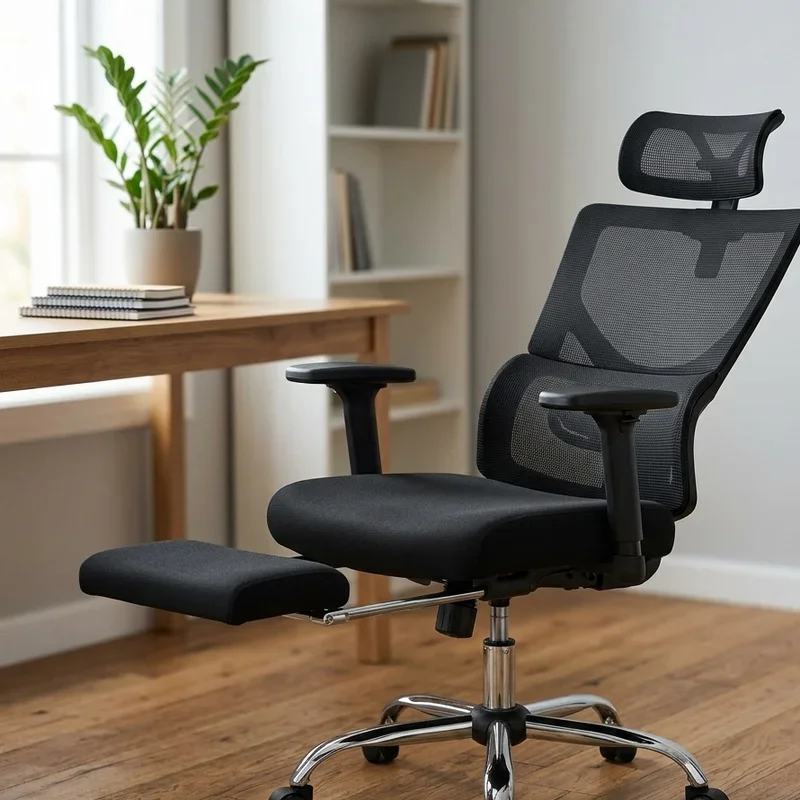
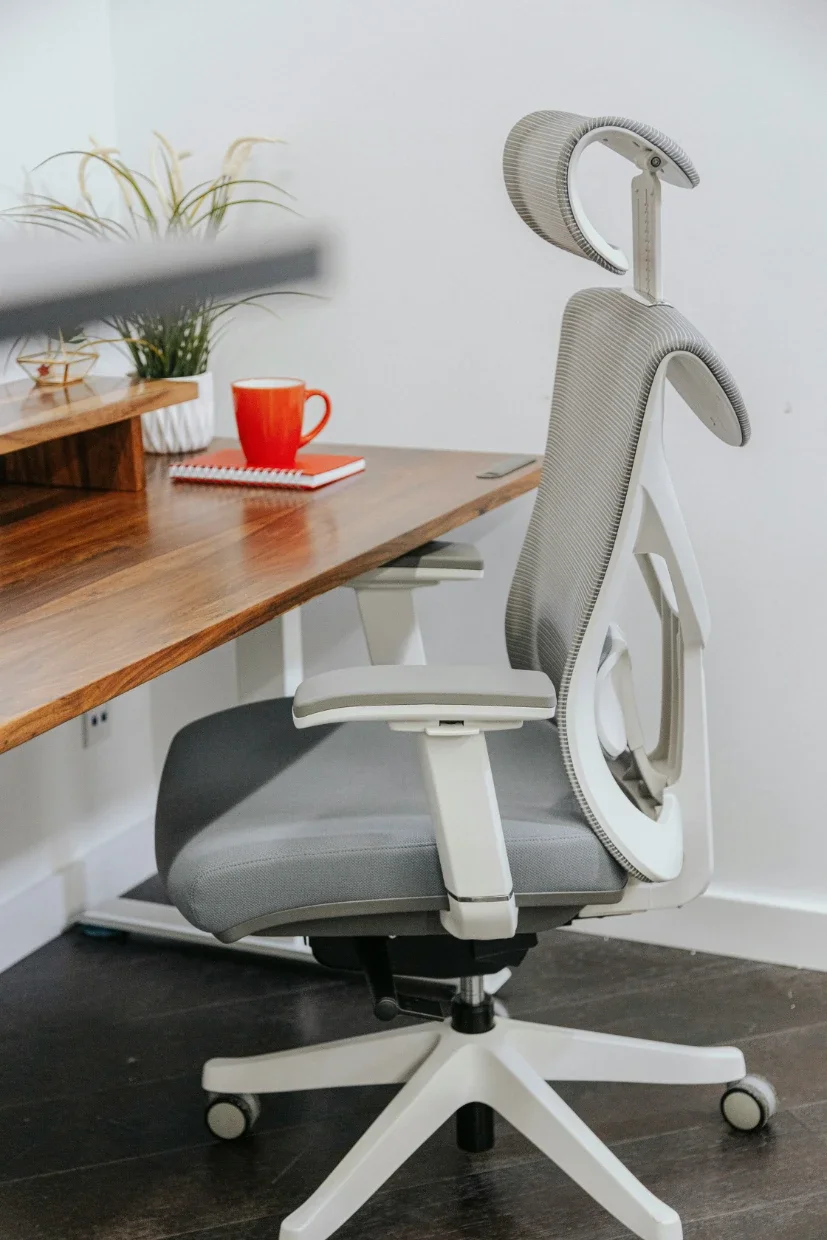
Modern headrests are designed with flexibility and user comfort in mind. Manufacturers increasingly focus on creating support systems that respond to natural body movement while allowing users to customize positioning.
Recent improvements include:
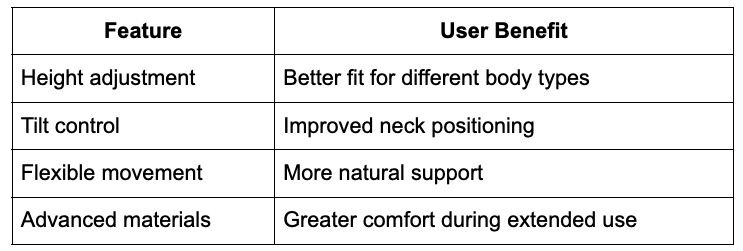
These improvements help transform the overall seating experience.
Different Work Styles Require Different Support
One reason personalized ergonomics has become so important is that work styles vary significantly.
Remote Professionals
People working from home often spend longer uninterrupted periods sitting.
A supportive headrest can help reduce neck strain during extended computer use and virtual meetings.
Creative Specialists
Designers, writers, editors, and architects frequently shift between focused work and reflective thinking.
Many prefer support that accommodates both upright posture and occasional reclining.
Technical Workers
Developers, engineers, and analysts often maintain a fixed posture for extended periods while concentrating on detailed tasks.
For these users, consistent upper-body support can contribute to improved comfort.
Managers and Executives
Professionals who spend much of their day in meetings may benefit from seating systems that adapt easily to changing activities.
Understanding the Role of Neck Support
The neck works continuously throughout the day.
Even when sitting still, neck muscles remain active as they support the weight of the head.
Without adequate support, these muscles can become fatigued.
Common signs of insufficient support include:
Stiffness at the end of the workday
Frequent stretching
Shoulder discomfort
Difficulty finding a comfortable sitting position
A properly adjusted headrest can help distribute pressure more evenly and reduce unnecessary strain.
How Adjustability Improves Comfort
Adjustability is one of the most important factors in modern ergonomic design.
A fixed position rarely works for every user.
Instead, headrests increasingly offer multiple adjustment points.
These may include:
Vertical Adjustment
Allows users to align support with their natural posture.
Angle Adjustment
Helps accommodate different sitting positions.
Depth Positioning
Provides flexibility when reclining or changing posture.
The goal is not to force a particular position but to support natural movement throughout the day.
The Importance of Material Selection
Comfort depends not only on positioning but also on materials.
Different users often prefer different surface types.
Common options include:
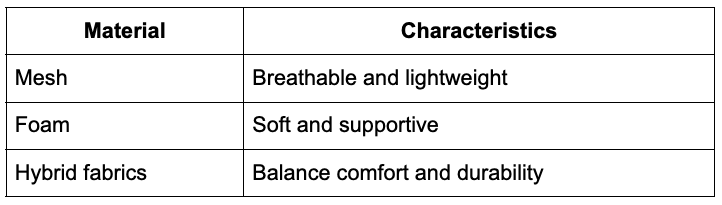
The choice often depends on individual comfort preferences and working conditions.
Creating a Better Balance Between Support and Movement
One misconception about ergonomic seating is that support should restrict movement.
In reality, the most effective ergonomic systems encourage movement while providing assistance when needed.
A well-designed headrest should:
Support natural posture
Allow comfortable repositioning
Reduce pressure points
Adapt to changing activities
This balance helps users remain comfortable throughout the workday.
Why Long-Term Comfort Depends on Adaptability
Work environments continue to evolve.
As tasks change throughout the day, seating requirements change as well.
A person may spend the morning attending meetings, the afternoon reviewing documents, and the evening completing focused project work.
A seating system that adapts to these changing activities often provides greater long-term comfort than one designed for a single posture.
This adaptability has become a major focus in modern ergonomic product development.
Choosing Features That Match Your Routine
When evaluating headrest options, it helps to consider how you work.
Questions worth asking include:
How many hours do you spend sitting each day?
Do you frequently recline while working?
Do you experience neck fatigue?
Do your tasks require long periods of concentration?
Understanding personal work habits often leads to better ergonomic decisions.
Final Thoughts
Modern headrests have evolved far beyond their original purpose. Today, they play an important role in creating personalized seating experiences that accommodate different body types, work styles, and comfort preferences.
As workplaces continue to change, adaptable ergonomic features are becoming increasingly valuable. By understanding how headrests contribute to posture, support, and overall comfort, users can make more informed decisions about their workspace and create environments that better support productivity and well-being.
Stay up to date with our latest ideas!