When Should You Replace Your Windows? Clear Signs Homeowners Shouldn’t Ignore
Discover clear signs that it may be time to replace your windows, from drafts and condensation to damaged frames, rising energy bills, noise, and poor insulation.
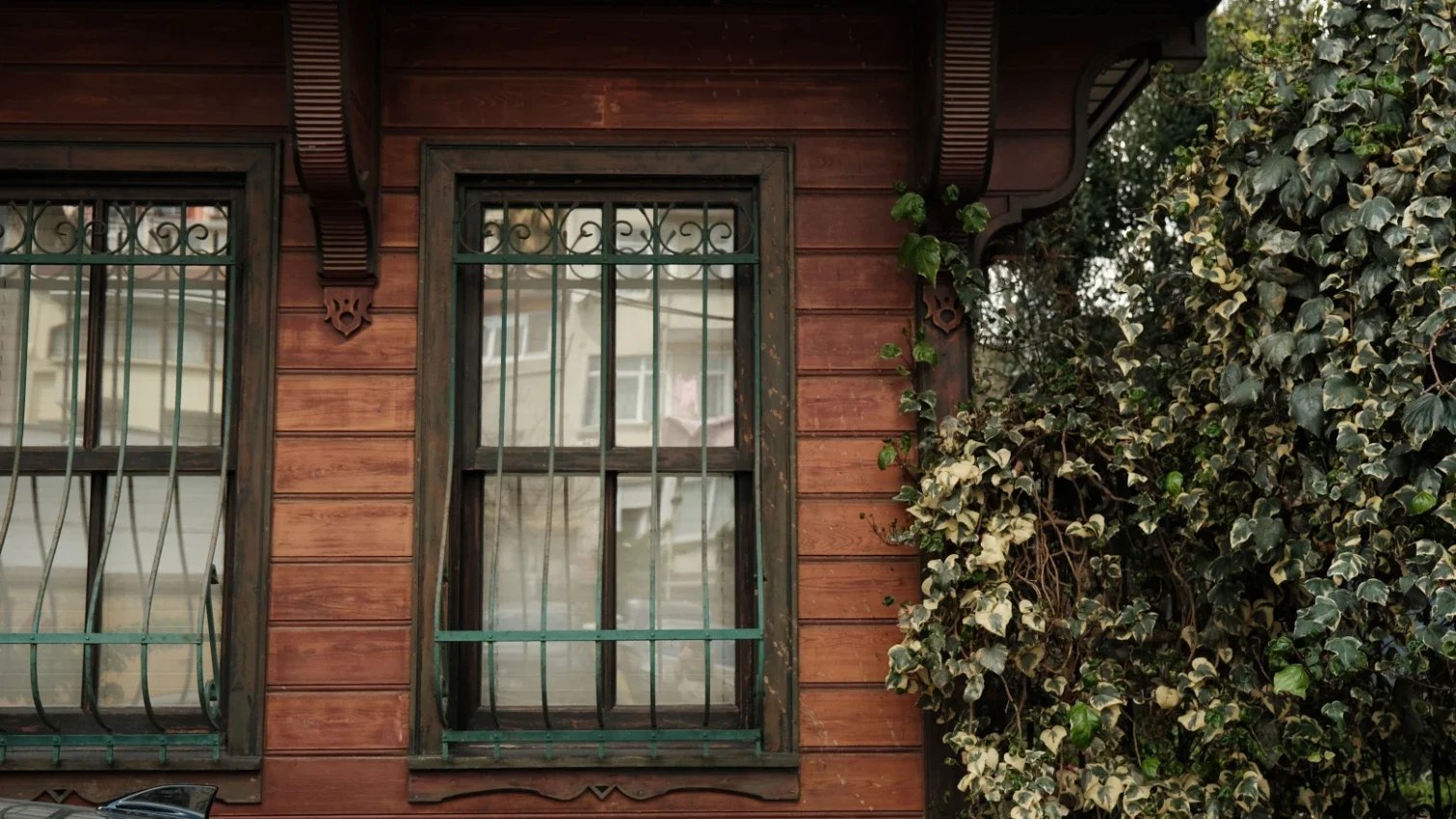
Windows can quietly do their job for years, then suddenly start causing expensive problems. If you live in Houston, that shift can happen faster than you’d expect because heat, humidity, storms, and strong sun put serious pressure on materials. You might notice higher energy bills, sticky frames, or rooms that never feel quite right. Spotting the warning signs early helps you avoid bigger repair costs and make smarter decisions about comfort, efficiency, and safety.
Your Energy Bills Keep Climbing Without a Clear Reason
If your cooling costs keep rising and your HVAC system seems fine, your windows may be leaking conditioned air. Older windows often develop worn seals, warped frames, or single-pane glass that simply can’t keep up with Houston’s climate. Your AC then has to work overtime, which is bad news for both comfort and your utility bill.
Watch for practical clues like:
- Rooms that heat up fast in the afternoon
- Air near the window feeling warmer than the rest of the room
- Monthly bills creeping upward despite similar usage
- Furniture or flooring fading from UV exposure
Window replacement in Houston becomes a realistic fix once efficiency starts slipping. Newer impact and insulated windows can reduce solar heat gain and help your home feel less like an oven with decorative trim.
Drafts, Hot Spots, and Indoor Discomfort Are Becoming Normal
A good window should help your home feel stable from room to room. If one bedroom is always stuffy, the living room gets a blast of heat by noon, or you feel a faint draft near closed windows, something is off. Small leaks around frames can create big comfort issues, especially when outdoor temperatures are brutal.
You can do a simple check by standing near the window on a hot afternoon. If you feel noticeable heat transfer, the glass or seals may be failing. Condensation between panes is another red flag because it often means the insulating seal has broken.
This isn’t just about comfort. Uneven indoor temperatures can push your HVAC system into constant cycling, which may wear components out faster. When your home has zones that feel impossible to regulate, windows often deserve a spot on the suspect list.
Your Windows Are Hard to Open, Close, or Lock
Windows should not require a wrestling match. If they stick, jam, slide unevenly, or refuse to lock properly, that usually points to age, moisture damage, frame warping, or hardware failure. In humid climates, these issues can show up sooner than many homeowners expect.
Functional problems matter for more than convenience. In an emergency, you need windows that open easily. Security also takes a hit when locks don’t align or frames have shifted out of square. A stubborn window may seem like a minor annoyance until storm season rolls in and you realize it no longer seals tightly.
Pay attention to patterns such as:
- Windows painted shut or swollen from moisture
- Cracked or corroded hardware
- Latches that no longer catch cleanly
- Frames that look slightly twisted
If operation has become inconsistent across several windows, replacement often makes more financial sense than chasing one repair after another.
You See Visible Damage, Rot, or Moisture Problems
Some warning signs are subtle. Others are basically your house waving a red flag. Wood rot, cracked glass, soft frames, water stains, mold around trim, and bubbling paint can all point to failing windows. Once moisture gets where it shouldn’t, the damage rarely stays neatly contained.
Houston homes deal with intense rain, heavy humidity, and storm exposure, so window deterioration can spread into surrounding walls if ignored. A small leak around a frame may lead to drywall damage, insulation problems, or mildew that keeps coming back no matter how much you clean.
Take a close look at:
- Discoloration near sills
- Spongy wood or peeling finishes
- Fogging trapped between panes
- Tiny cracks that could grow during a storm
At that stage, replacement isn’t only about appearance. It becomes part of protecting your home’s structure and avoiding a repair bill with too many zeros.
Storm Protection Has Become a Bigger Priority
Not every homeowner starts thinking about replacement because of age or efficiency. Sometimes the wake-up call is weather. In a place like Houston, strong winds and storm debris aren’t abstract possibilities. They’re part of the real planning process. Standard older windows may offer very limited protection when conditions turn rough.
Impact-resistant options are designed to hold up better under pressure and help reduce the chance of shattered glass during severe weather. That can improve safety, reduce interior damage, and add peace of mind during storm season. It also helps with noise reduction, which is a nice bonus if traffic, construction, or loud neighbors have been auditioning for a permanent role in your life.
If your current windows are decades old, asking how they perform in modern storm conditions is a smart move, not overreacting. Building standards and materials have improved a lot.
Your Home Looks Dated and Feels Less Valuable
Windows have a surprising effect on curb appeal. Old frames, cloudy glass, mismatched styles, or peeling finishes can make the whole house look tired, even when the rest of the property is in solid shape. Inside, older windows can make spaces feel darker, noisier, and less polished.
If you’re planning to sell within the next few years, buyers will notice window condition quickly. They may not always say it out loud, but they absolutely factor it into what they think the home is worth. New windows can signal that the property has been maintained and updated with long-term performance in mind.
Even if you’re staying put, replacement can improve daily life in ways that feel immediate:
- Better natural light
- Quieter indoor spaces
- Easier cleaning and operation
- A cleaner, more updated look
Sometimes the value isn’t only financial. Sometimes it’s finally enjoying your own living room without squinting past cloudy glass.
Replacing at the Right Time Saves Money and Stress
Waiting too long can turn a manageable project into a bigger one. A window that leaks a little today may contribute to water damage, energy loss, pest entry, or frame deterioration tomorrow. Replacing windows before failure becomes severe often gives you more choices, better scheduling flexibility, and fewer surprise repairs.
A smart next step is to assess your windows as a group rather than one by one. If several show the same issues, you’re probably looking at a system-wide aging problem, not a one-off defect. Compare repair costs, expected lifespan, energy performance, and storm resistance before deciding.
The best time to replace your windows usually arrives before they completely give out. If your home feels hotter, louder, less secure, or more expensive to run, your windows may already be telling you what they need. You just have to listen before they start making your budget sweat too.
Stay up to date with our latest ideas!