Why Termite Problems Can Become a Serious Issue in Office Buildings
Discover why termite problems can become serious in office buildings and learn how early detection, regular inspections, and preventive maintenance can limit damage.
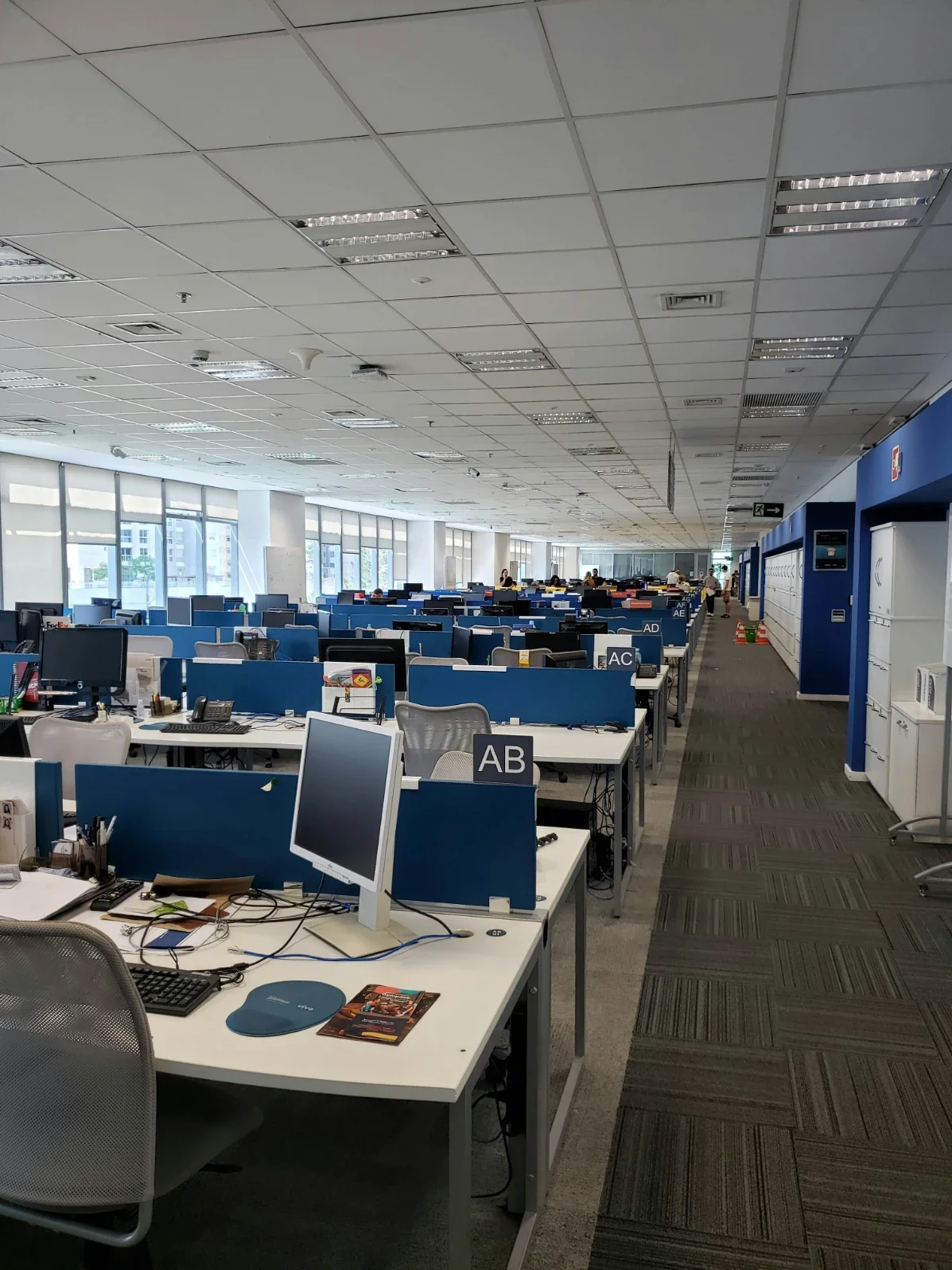
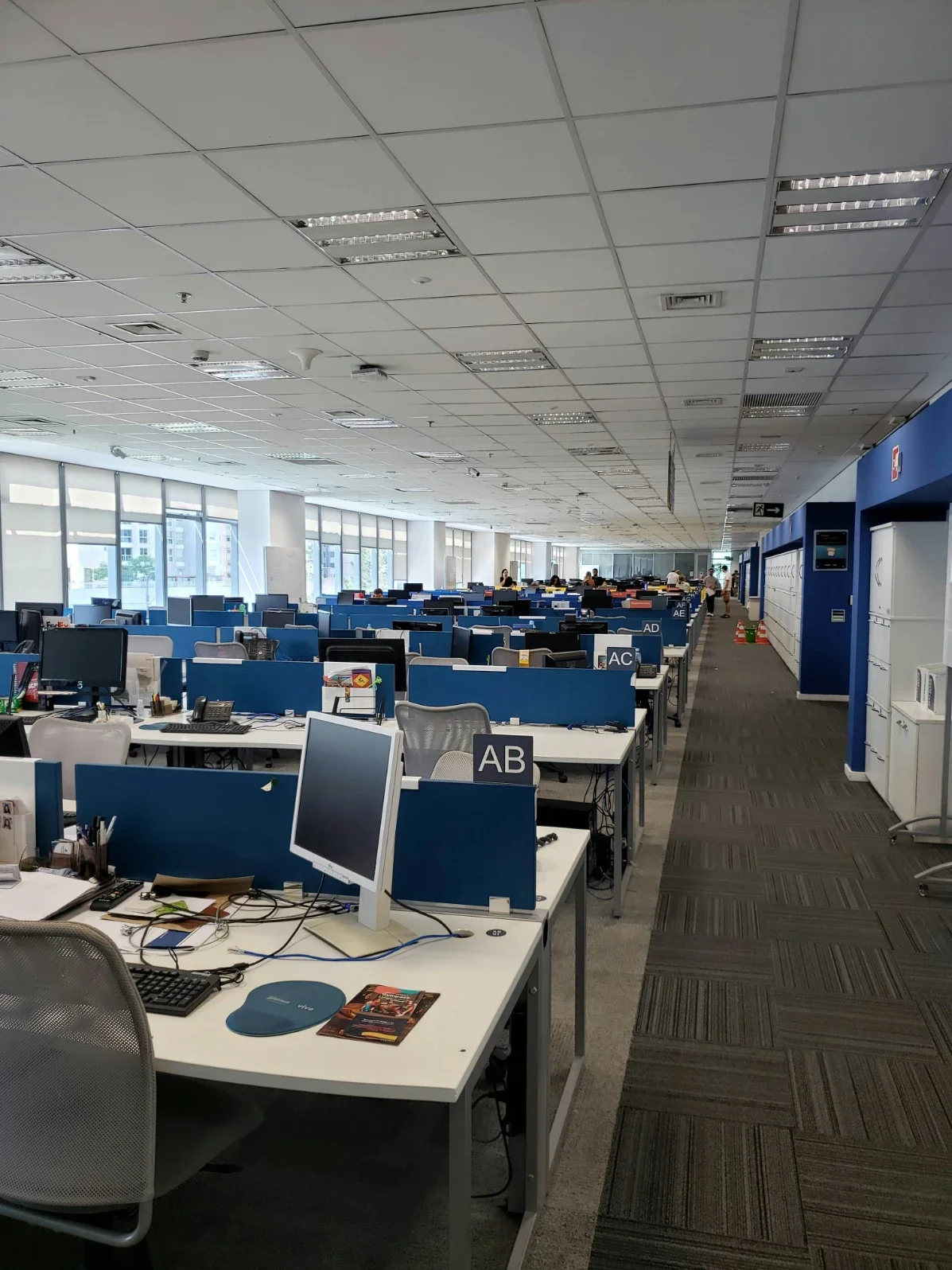
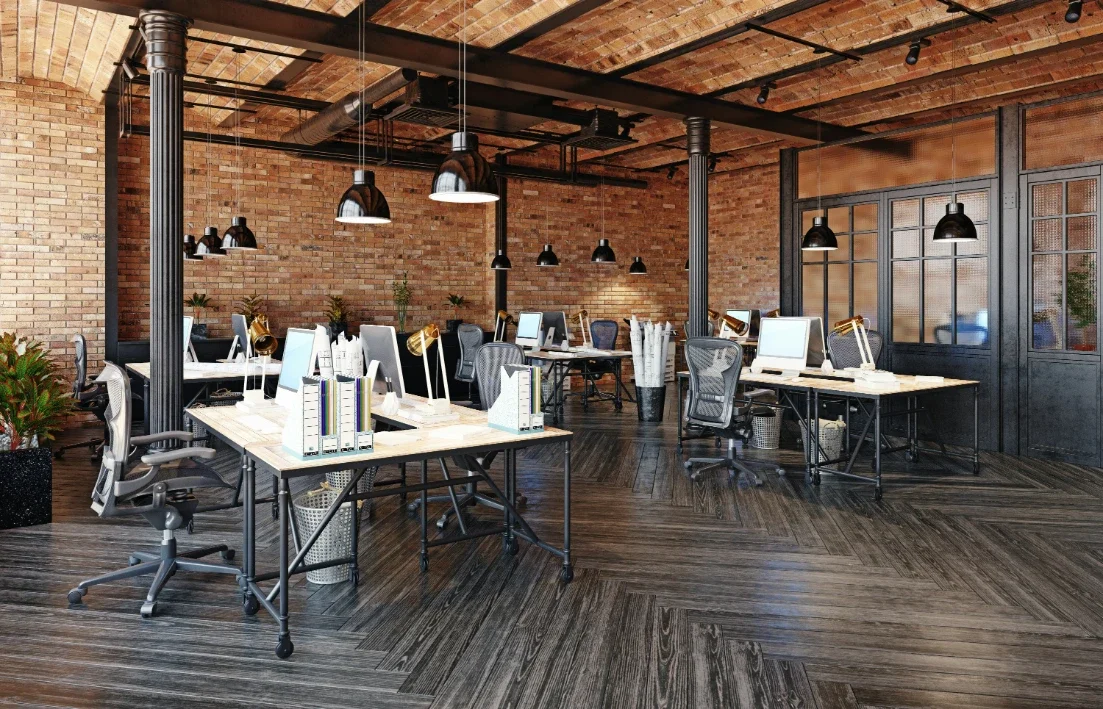
Termites are often associated with residential properties, but commercial and office buildings can be equally vulnerable. Large workplaces contain numerous potential food sources and concealed spaces where termite colonies can develop without immediate detection. Wooden framing, flooring, door frames, wall components, storage fixtures, and other cellulose-based materials may all be affected. Because office buildings are frequently occupied during business hours, however, termite activity can remain unnoticed until damage becomes significant. Understanding where termites hide, how they cause deterioration, and which warning signs deserve attention can help property managers respond before a relatively localized problem becomes a costly building issue.
How Termites Damage Commercial Building Materials
Termites feed primarily on cellulose, a substance found in wood and many plant-based materials. In an office building, this can include structural wood framing, subflooring, wooden flooring, door frames, baseboards, wall components, and built-in cabinetry. The extent of damage depends on the termite species, colony size, environmental conditions, and length of infestation.
The problem is not simply cosmetic. When termites consume wood from within, the exterior surface can remain intact while the interior gradually loses strength. Flooring may become weakened, wooden frames can deteriorate, and concealed structural components may suffer damage before anyone realizes there is an infestation. In older buildings or properties that contain extensive wood construction, the potential impact can be particularly important.
Even materials that are not themselves a termite food source can become affected indirectly. Damaged wood may create openings or weakened attachment points, while moisture entering through compromised areas can contribute to additional deterioration. For commercial property owners, this means termite activity should be considered as part of broader building maintenance rather than treated solely as an isolated pest problem.
Why Termite Activity Often Goes Unnoticed
One of the most challenging aspects of termite infestations is that the insects commonly work in concealed locations. Termites may enter through soil contact, cracks, construction joints, foundation areas, or other hidden access points and then move toward suitable wood inside the building. Much of their activity can occur behind walls, beneath flooring, or inside structural cavities.
Storage rooms and utility spaces can be especially difficult to monitor because they may receive less routine attention than occupied offices. Areas around plumbing, heating and cooling equipment, and other utility infrastructure can also have moisture conditions that make them more favorable to termite activity. Wall cavities are another concern because insects can move through enclosed spaces without producing obvious signs on the visible surface.
Moisture problems deserve particular attention. Leaking pipes, poor drainage, condensation, roof leaks, and inadequate ventilation can increase moisture levels around building materials. Although moisture does not automatically mean termites are present, damp conditions can contribute to wood deterioration and create an environment that is more favorable to certain termite species. Professional Pest Control Los Angeles inspections can help commercial property managers investigate concealed areas when there are signs of termite activity or building conditions that increase risk.
Warning Signs That Should Not Be Ignored
Termite infestations can produce several recognizable clues, although no single sign should automatically be considered proof of an active colony. Property managers and maintenance staff should know what to look for during routine inspections.
Common warning signs include:
Discarded wings near windows, doors, light sources, or other areas where swarming termites may have appeared.
Mud tubes along foundations, walls, crawl spaces, or other surfaces, particularly where subterranean termites may be traveling.
Hollow-sounding or weakened wood that appears intact from the outside.
Bubbling, blistering, or uneven paint that may indicate deterioration or moisture behind a finished surface.
Doors, floors, or frames that suddenly become difficult to operate without an obvious mechanical explanation.
Unexplained wood deterioration, sagging, or localized structural changes.
These symptoms can have other causes. For example, bubbling paint may result from moisture rather than termites, while warped doors can be associated with changes in humidity. Nevertheless, unexplained deterioration warrants investigation, especially when several signs occur in the same area.
A professional Pest Control assessment can include inspection of accessible structural areas, moisture-prone locations, and other potential termite entry points. Identifying whether an infestation is active and determining its extent are essential before selecting an appropriate treatment approach.
Moisture and Building Maintenance Can Increase Vulnerability
Termite prevention is closely connected to general building maintenance. A property with recurring leaks, poor drainage, damaged exterior seals, or persistent humidity problems may face greater risk of wood deterioration and pest activity. These conditions can also make it harder to distinguish termite damage from ordinary moisture-related decay.
Office buildings should therefore incorporate pest awareness into routine maintenance programs. Plumbing leaks should be repaired promptly, water should be directed away from foundations where possible, and ventilation should be maintained in enclosed areas. Wood that has become persistently damp should be evaluated rather than simply covered with paint or another finish.
Construction details can matter as well. Wood components that are unnecessarily exposed to soil or persistent moisture may provide easier access for termites. During renovations, replacing damaged materials without addressing the underlying moisture or access issue may allow the same problem to return.
Professional Inspection and Long-Term Prevention
Commercial termite management generally works best when inspection, treatment, building maintenance, and follow-up are considered together. If evidence of termites is found, the appropriate treatment depends on factors such as termite species, infestation location, construction type, accessibility, and the extent of damage.
Professional inspections may involve examining visible wood, foundation areas, crawl spaces, wall-adjacent locations, and other accessible portions of the property. Depending on the circumstances, treatment may involve localized measures, soil-based treatments, baiting systems, or other professionally selected methods. The objective is not simply to remove visible insects but to address the colony and conditions that allowed the infestation to develop.
Ongoing monitoring is also valuable for larger commercial properties. Offices change over time—renovations, plumbing work, landscaping, tenant improvements, and changes in building use can create new pathways or moisture conditions. Periodic inspections can help identify emerging problems before damage becomes extensive.
Protecting the Building Before Damage Escalates
Termites rarely announce their presence clearly at the beginning of an infestation. Their ability to remain inside wall cavities, storage areas, utility spaces, and other concealed locations makes early detection particularly important. By the time visible structural deterioration appears, damage may already have progressed beyond the original entry point.
Commercial property managers can reduce risk by combining regular building inspections with prompt attention to moisture problems and unexplained changes in wood, flooring, doors, and wall finishes. Staff should also know how to recognize basic warning signs and report suspicious conditions rather than assuming that minor deterioration is simply normal wear.
Final Analysis
Termite problems in office buildings deserve attention because structural deterioration can develop gradually while remaining hidden from everyday view. Wooden framing, flooring, door frames, wall components, and other materials can all be affected, particularly where moisture and concealed access points are present. Early recognition of discarded wings, mud tubes, hollow wood, bubbling finishes, and unexplained deterioration allows property managers to investigate before the problem expands. A combination of professional assessment, appropriate treatment, moisture control, and ongoing maintenance provides a practical foundation for protecting commercial buildings from the long-term consequences of termite activity.
Stay up to date with our latest ideas!