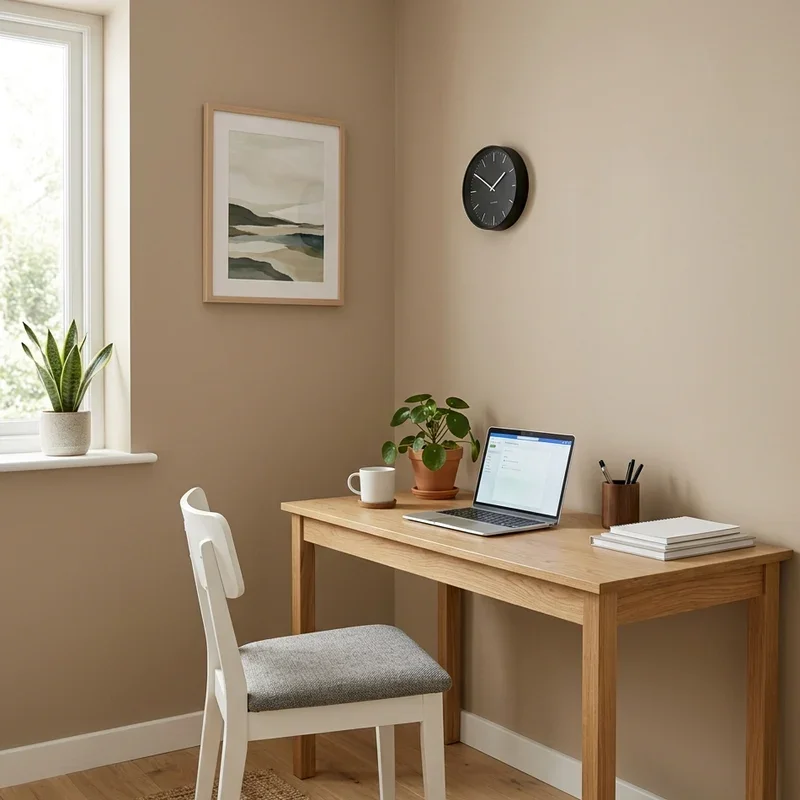
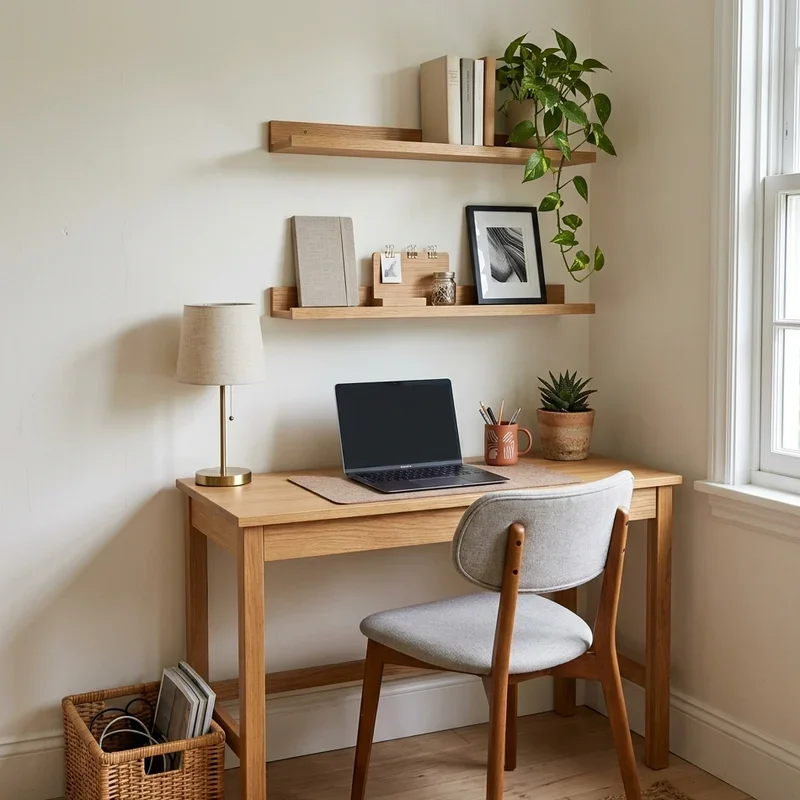
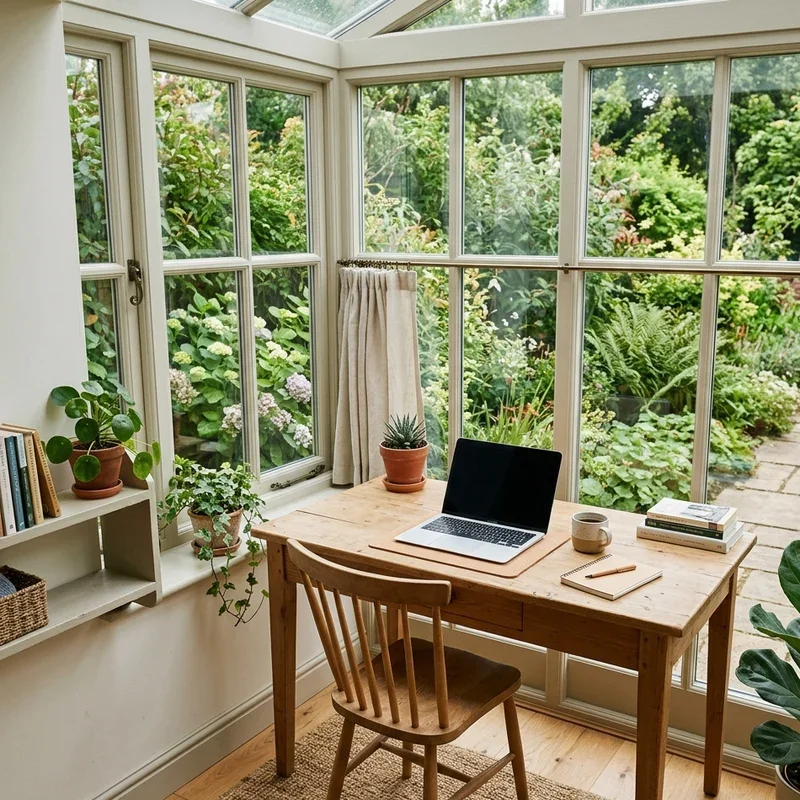
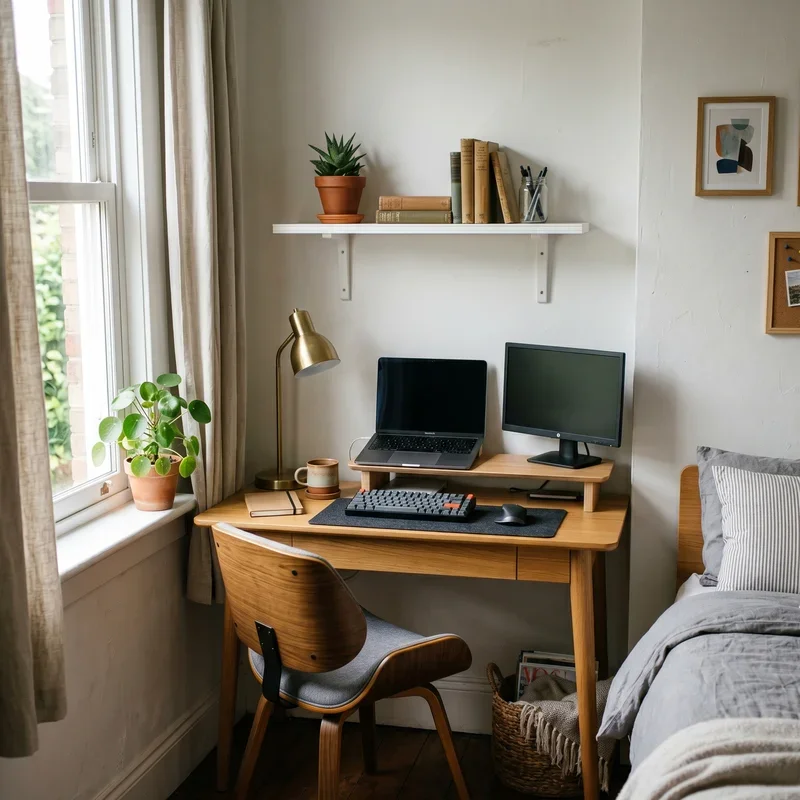
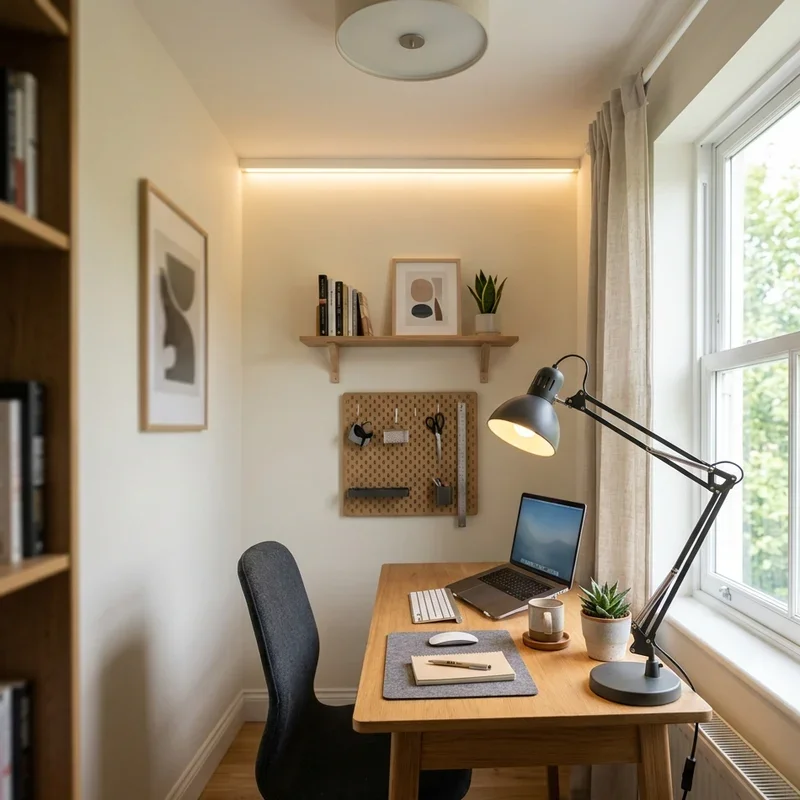
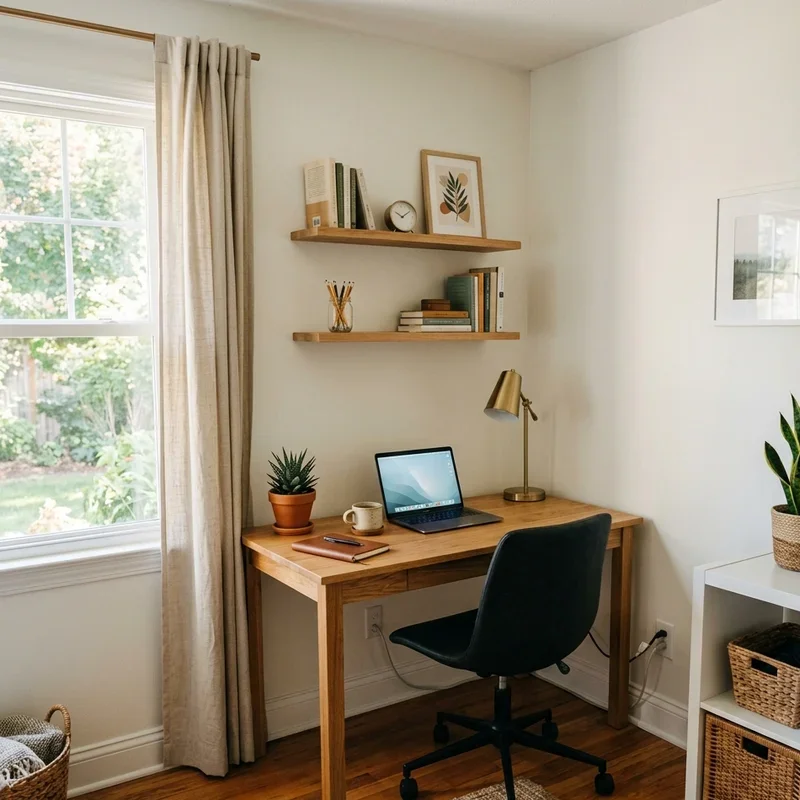
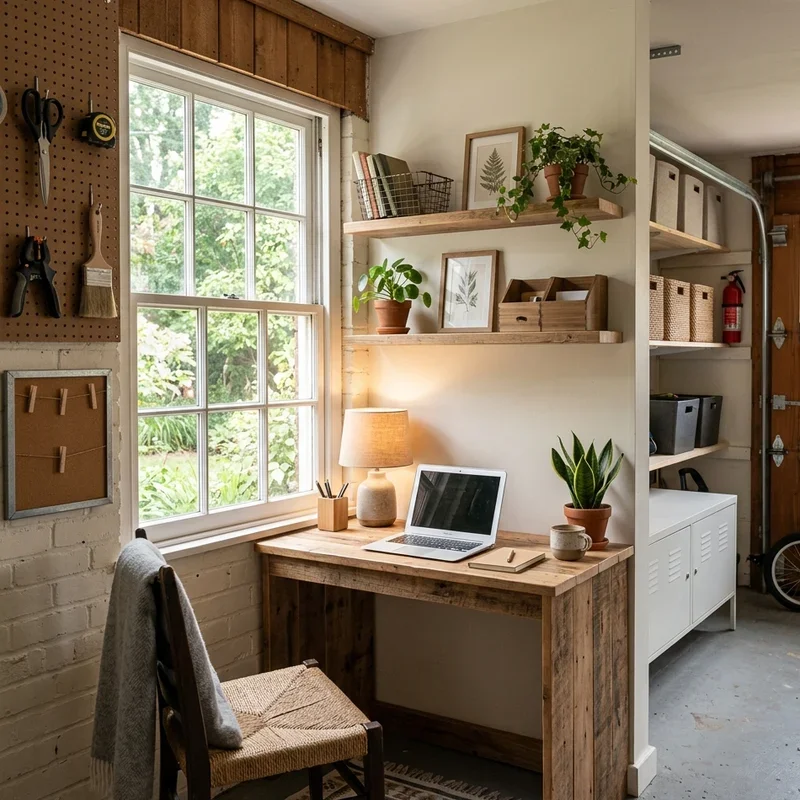
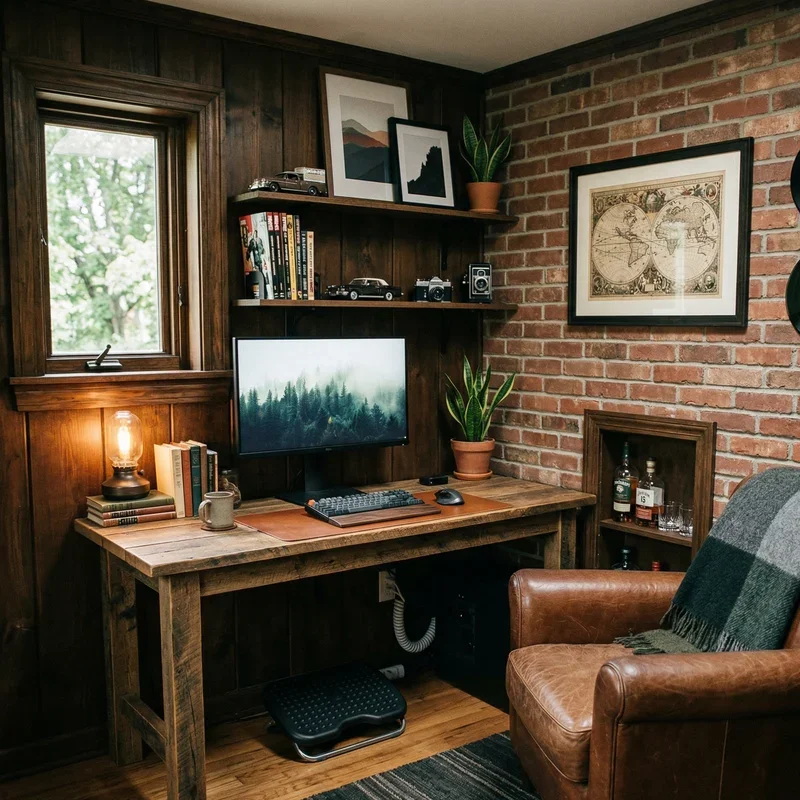
15 10x10 Office Layout Ideas to Maximize Small Workspaces
Discover 15 smart 10x10 office layout ideas that maximize small workspaces. Transform your 100 square feet into productive space!
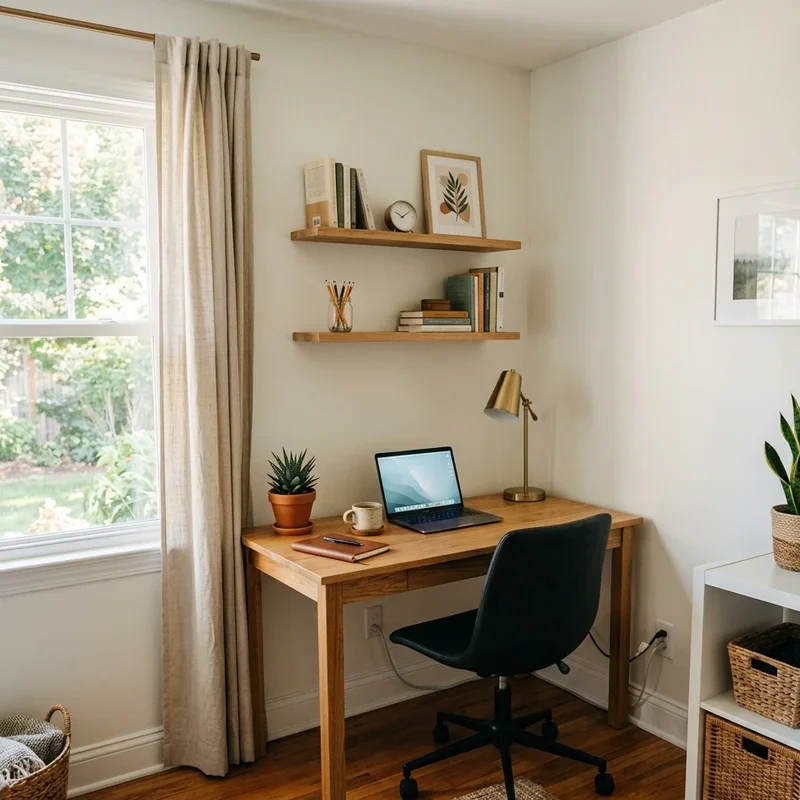
One hundred square feet sounds impossibly small until you realize that some of history's greatest ideas emerged from spaces no larger than your average walk-in closet, proving that productivity has never depended on sprawling corner offices. The 10x10 office presents a design puzzle that challenges conventional furniture arrangement while demanding creative solutions that bigger spaces never require throughout their generous dimensions. Every inch matters when you're working with just one hundred square feet, where wrong furniture choices consume precious floor space faster than spilled coffee spreads across important documents during Monday morning meetings. The good news is that small office design has evolved dramatically, with furniture manufacturers and interior designers developing solutions specifically addressing compact workspace challenges that previous generations never imagined possible. Your 10x10 office can function as efficiently as spaces twice its size when layout prioritizes workflow over wasted movement throughout daily tasks. Ready to discover how strategic planning transforms limitations into advantages?
1. Corner Desk Configuration
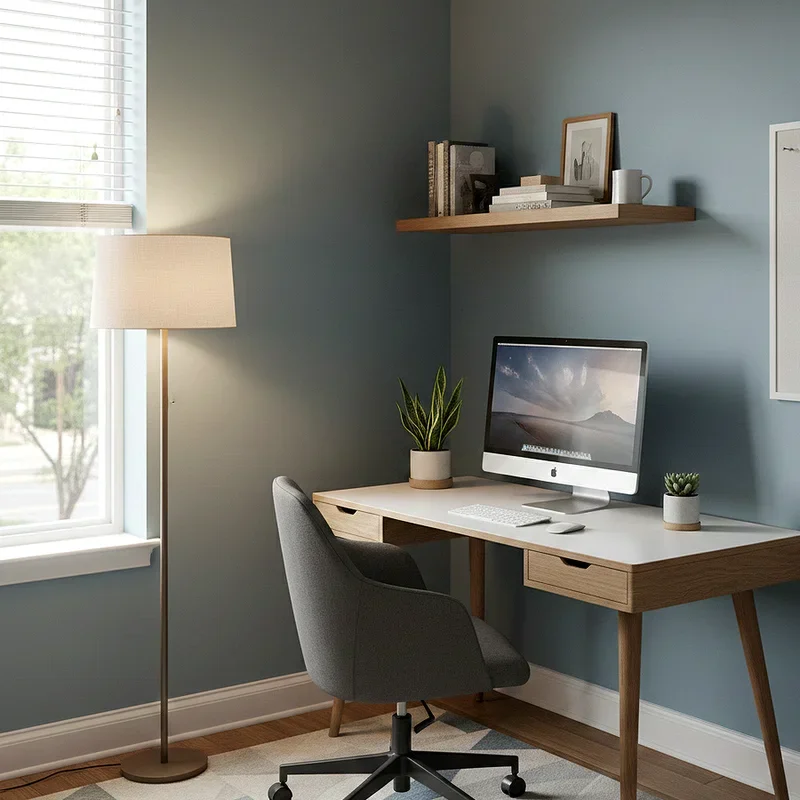
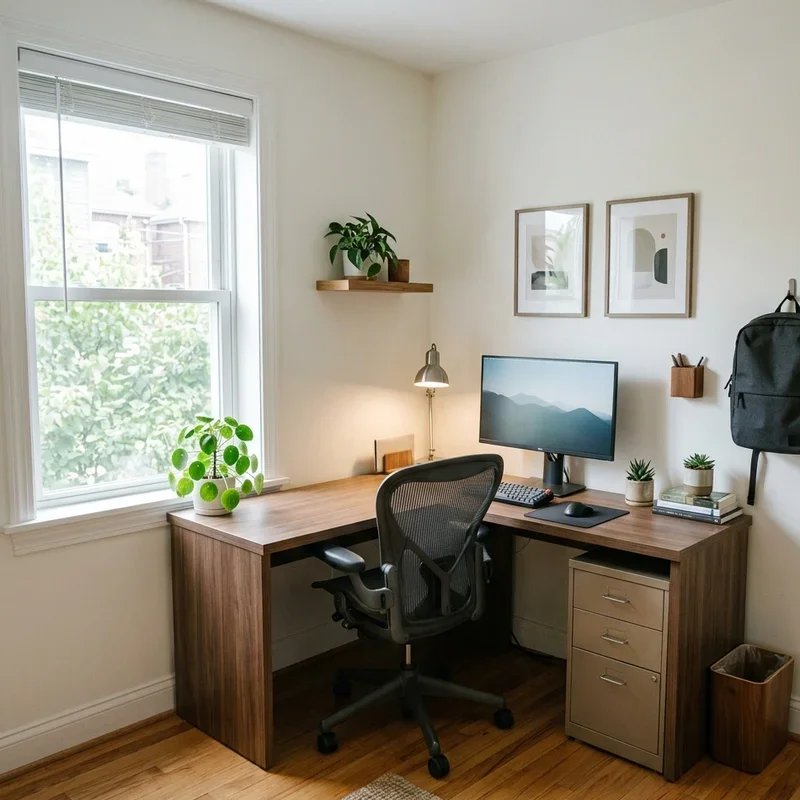
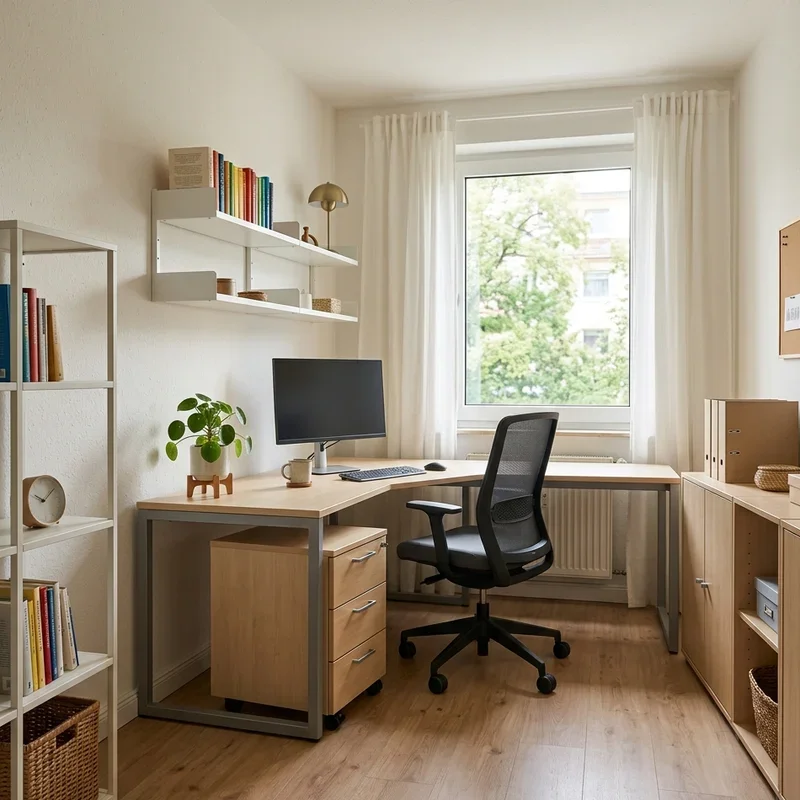
Maximize floor space through corner desk configurations that angle placement provides while utilizing the most efficient furniture positioning available for compact square rooms throughout various layout approaches. The corner desk transforms two walls into one continuous work surface that linear arrangements cannot match through their single-wall limitation wasting perpendicular space entirely. Position corner desks in the back corner opposite the door creating clear entry sightlines that welcoming arrangement provides through open floor space greeting visitors immediately upon entering. The wraparound surface of corner desks provides ample workspace within minimal footprint that efficient design enables through consolidated furniture placement freeing remaining floor area substantially. Choose corner desks with built-in storage that integrated organization provides through drawer units and shelving reducing need for additional furniture consuming precious square footage. Add ergonomic positioning ensuring monitor distance and keyboard height that proper setup requires through appropriate desk dimensions supporting comfortable work throughout extended sessions.
2. L-Shaped Layout Design
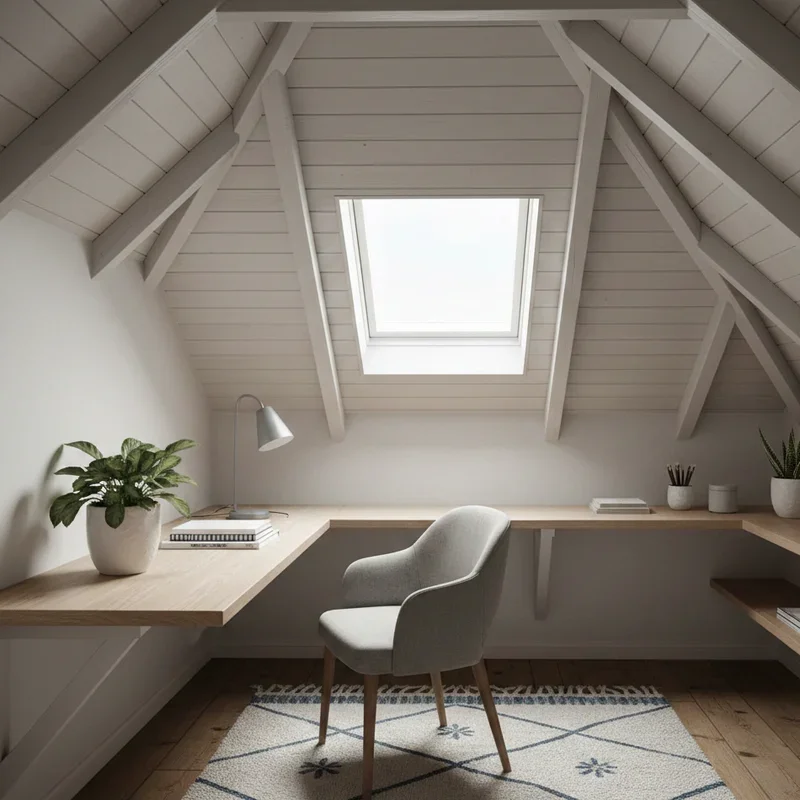
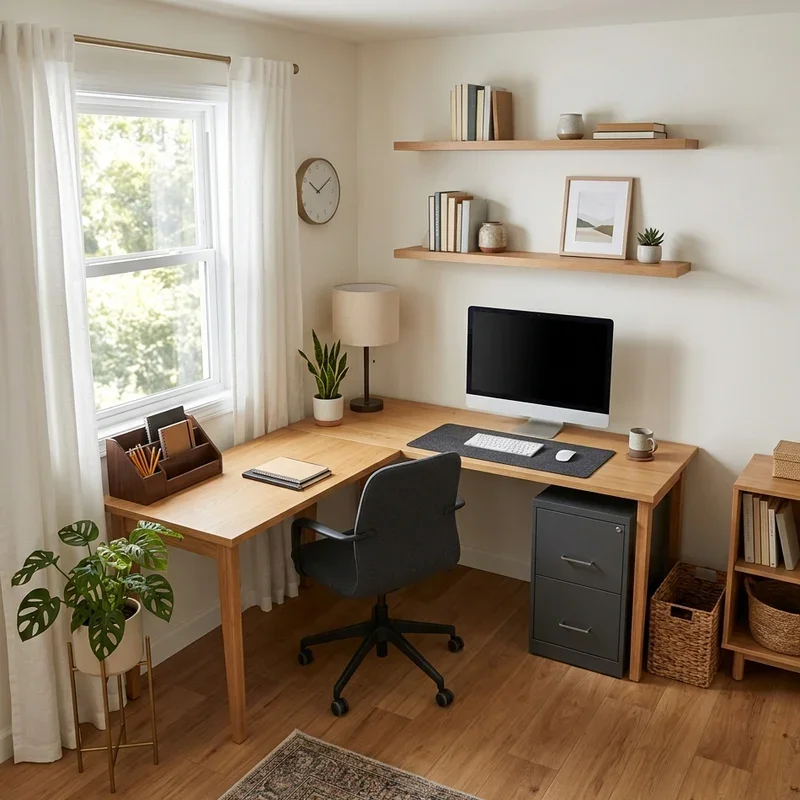
Create distinct zones through L-shaped layout designs that extended surfaces provide while establishing separate areas for different tasks within single continuous desk configurations throughout compact offices. The L-shape creates natural division between computer work and paperwork zones that functional separation enables through surface allocation dedicating different desk sections to specific activities. Position the L-shape utilizing two walls efficiently that corner placement enables through perpendicular surface extension maximizing wall utilization while keeping center floor clear. Consider traffic patterns when orienting L-desks that flow planning requires through arrangement avoiding blocked pathways to windows, doors, or storage areas throughout daily movement. Choose L-desks with varying surface depths that proportional sizing enables through narrower return sections consuming less space while main surfaces provide adequate depth for equipment. Add rolling chairs easily transitioning between L-sections that mobile seating enables through wheeled movement across work zones without standing throughout task transitions. When building custom versions, thinner backing or panel sections using 6mm MDF can help keep the structure lightweight while still maintaining stability across the extended surfaces.
3. Wall-Mounted Floating Desk
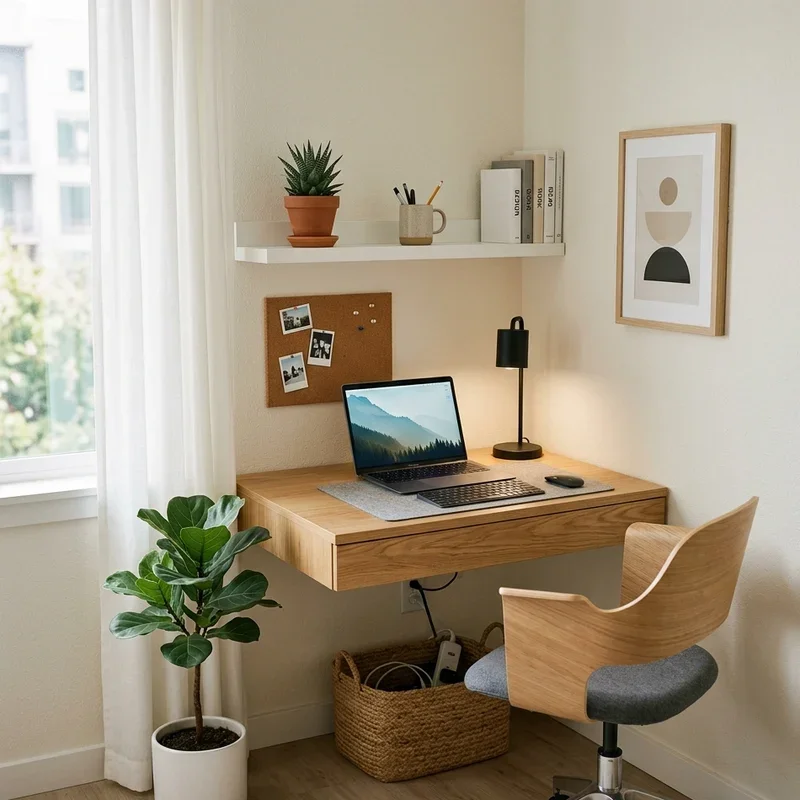
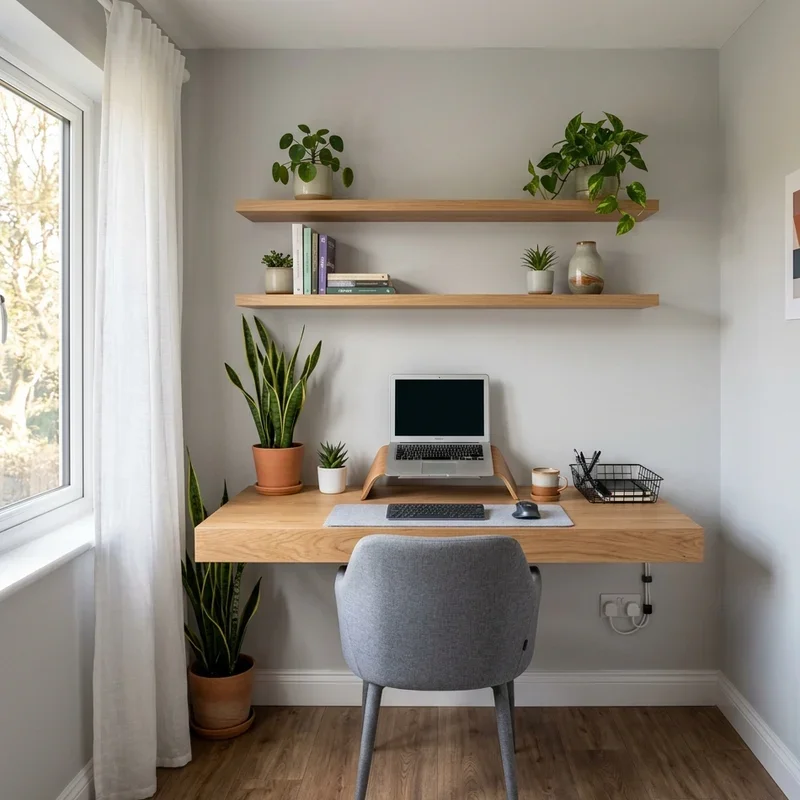
Reclaim floor space through wall-mounted floating desks that bracket installation provides while creating work surfaces appearing to hover without consuming floor area beneath their suspended presence. The visual lightness of floating desks makes small offices feel larger that floor clearance enables through unobstructed floor visibility beneath work surfaces expanding perceived space significantly. Choose mounting heights matching ergonomic standards that proper positioning requires through installation at approximately 28-30 inches accommodating standard chair heights comfortably. Consider wall construction ensuring adequate support that installation safety requires through proper anchoring into studs or using appropriate wall anchors supporting desk and equipment weight. Add floating shelves above desks extending storage vertically that wall utilization enables through coordinated shelf installation creating complete wall-mounted workstation systems. Position floating desks along windowless walls that light preservation enables through keeping window walls clear allowing maximum daylight penetration throughout office interiors.
4. Standing Desk Arrangement
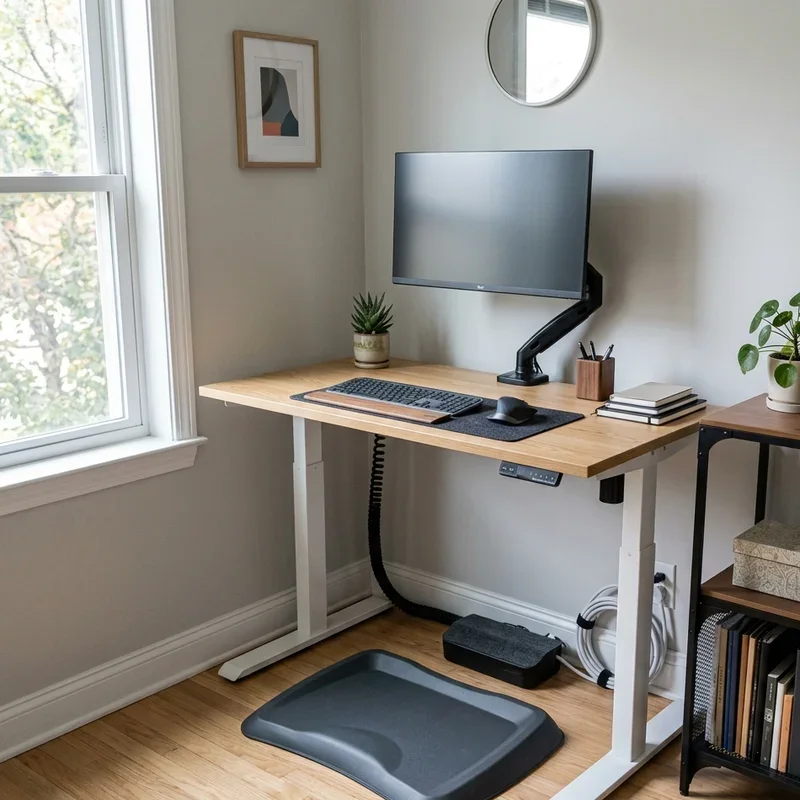
Eliminate chair footprint through standing desk arrangements that vertical work positions provide while removing seating furniture that traditional setups require consuming significant floor space throughout compact offices. The standing desk workflow eliminates the chair dance that seated work requires through eliminated seating reducing furniture footprint substantially within limited square footage. Choose adjustable-height desks enabling occasional sitting that flexibility provides through motorized or manual height adjustment accommodating varied posture preferences throughout long workdays. Consider anti-fatigue mats cushioning prolonged standing that comfort requires through supportive floor surfaces preventing leg and foot strain during extended standing periods. Position standing desks near walls keeping floor centers open that perimeter placement enables through edge positioning maximizing remaining floor space for movement or additional furniture. Add tall stools providing occasional seating without full chair footprint that compact alternatives enable through slim seating options occupying minimal floor space when rest becomes necessary.
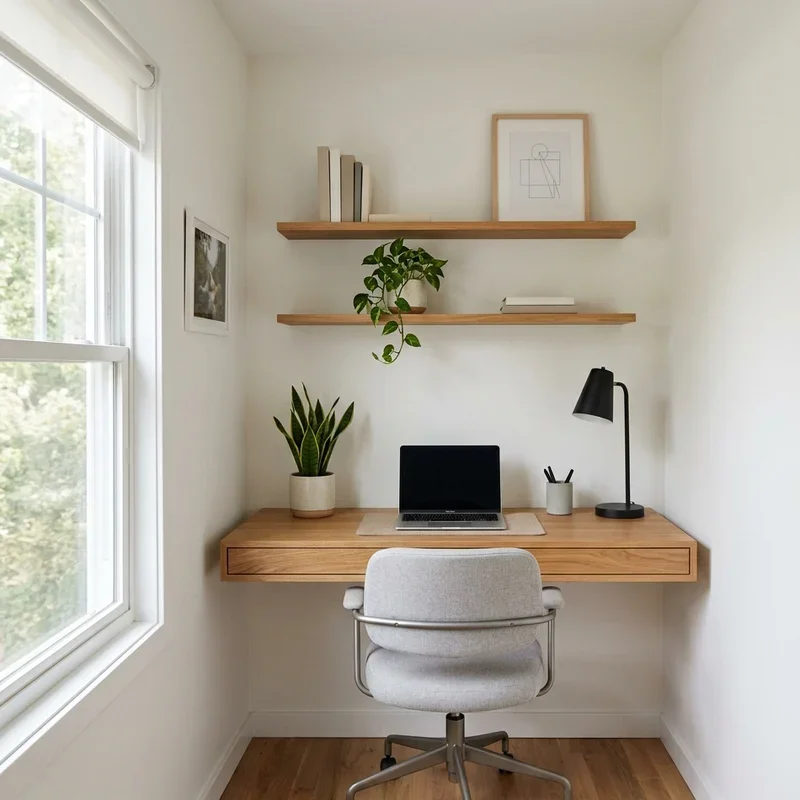
5. Minimalist Single Station
Embrace simplicity through minimalist single station layouts that essential-only furniture provides while creating uncluttered environments maximizing psychological space through reduced visual noise throughout compact offices. The minimalist approach questions every furniture piece that ruthless editing requires through evaluating necessity before allowing items into precious square footage thoughtfully. Choose streamlined desks with clean lines that minimal design provides through simple forms without decorative elements adding visual bulk to compact spaces unnecessarily. Limit furniture to desk, chair, and single storage unit that essential reduction enables through stripped-down arrangements addressing core needs without excess furniture accumulation. Position single stations centered or cornered based on remaining needs that flexible placement enables through various positioning options depending on door location and window orientation. Add only essential accessories that functional minimalism requires through deliberate selection keeping desk surfaces clear except for immediately needed equipment throughout daily work.
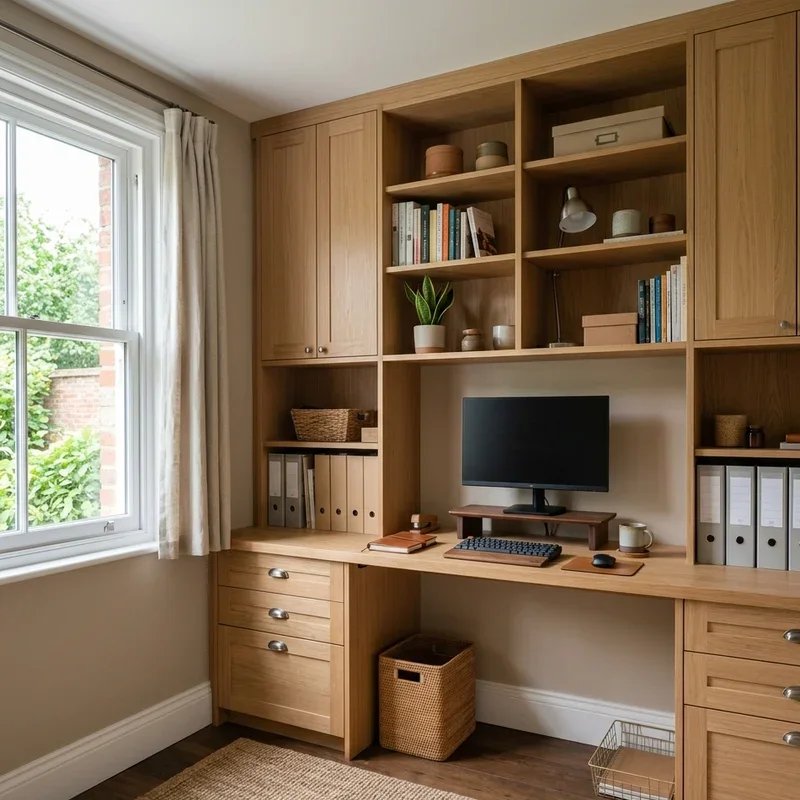
6. Built-In Storage Integration
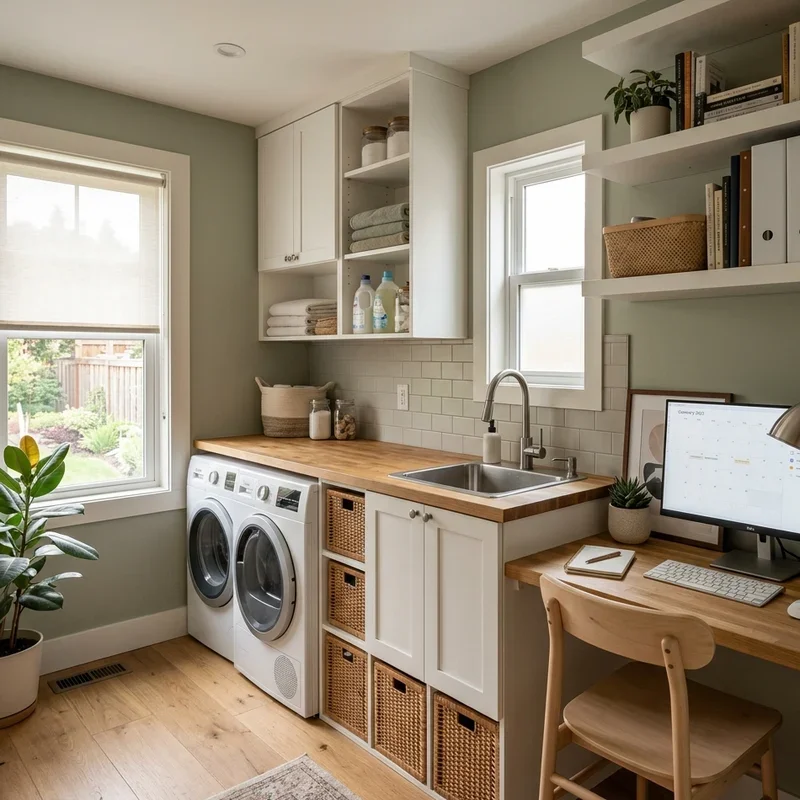
Consolidate functions through built-in storage integration that custom construction provides while eliminating freestanding storage furniture consuming valuable floor space throughout compact office layouts separately. The seamless quality of built-ins maximizes every inch that custom fitting enables through storage filling exact wall dimensions without gaps wasting potential capacity. Design built-ins incorporating desk surfaces that unified construction provides through combined work surface and storage systems reducing total furniture footprint within limited rooms. Choose floor-to-ceiling built-ins capturing complete wall height that vertical utilization enables through full-height storage accessing overhead space freestanding furniture cannot reach. Consider built-in window seats providing seating, storage, and daylight access that multi-function construction enables through combined features addressing multiple needs within single installations. Add built-in lighting within storage units that integrated illumination provides through designed-in fixtures eliminating separate lamp requirements throughout workspace lighting needs.
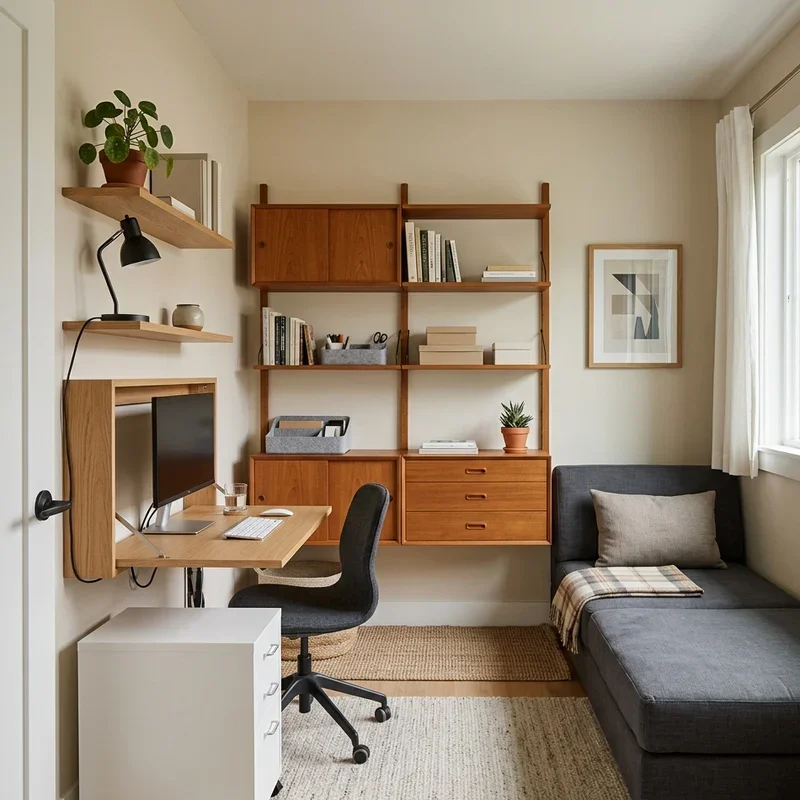
7. Multi-Function Furniture Setup
Maximize utility through multi-function furniture setups that dual-purpose pieces provide while reducing total furniture count through items serving multiple roles within limited office space simultaneously. The efficiency of multi-function furniture addresses small space reality that versatile pieces enable through combined features reducing separate furniture requirements significantly. Choose desks featuring built-in file drawers that storage integration provides through combined work surface and filing within single furniture footprints efficiently. Consider ottomans serving as seating, storage, and footrest that triple function enables through multi-purpose pieces addressing varied needs through single items. Add bookcase room dividers that combined storage and spatial definition provides through functional pieces serving organizational and zone-creating purposes simultaneously. Select fold-out surfaces expanding workspace when needed that convertible furniture enables through hidden surfaces appearing for larger projects then disappearing when standard work resumes.
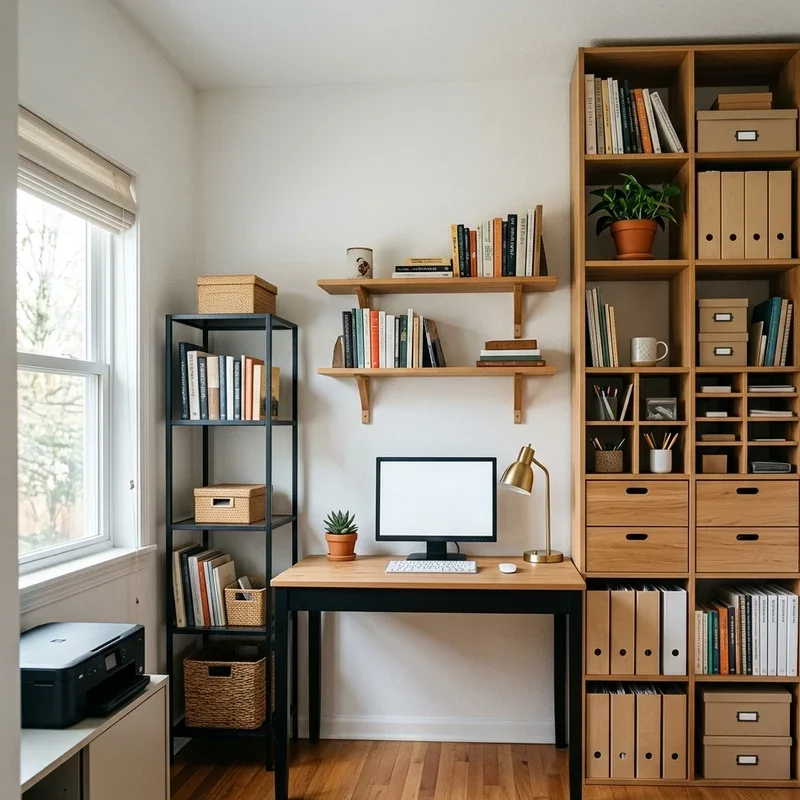
8. Vertical Storage Emphasis
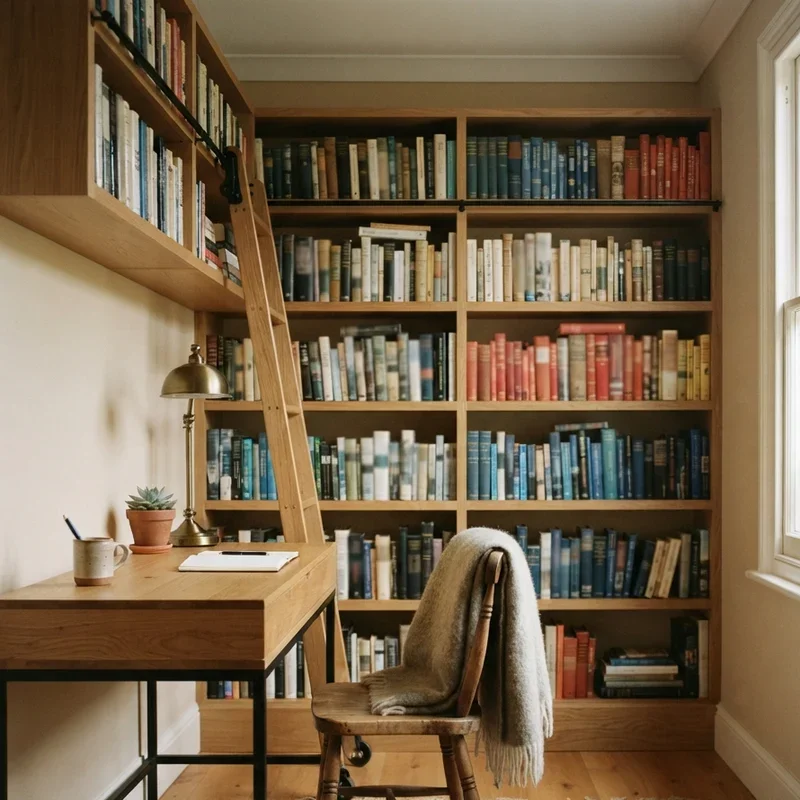
Think upward through vertical storage emphasis that height utilization provides while compensating for limited floor space through tall storage solutions reaching toward ceilings within compact footprints effectively. The principle of going vertical addresses small office reality that upward expansion enables through height-based storage supplementing restricted horizontal space significantly. Install tall narrow bookcases that slim profiles provide through minimal floor occupation while substantial vertical storage capacity develops upward through multiple shelf levels efficiently. Add wall-mounted shelving eliminating floor consumption entirely that floating storage enables through bracket-mounted organization keeping floors completely clear beneath installed shelves. Consider over-door organizers capturing unused space that door utilization provides through hanging storage accessing otherwise wasted vertical space behind entry doors. Use stacking storage containers creating accessible vertical columns that organized systems provide through labeled bins enabling quick retrieval despite compressed arrangements throughout narrow spaces.
9. Natural Light Orientation
Optimize illumination through natural light orientation that window relationship provides while positioning workstations capturing daylight that energy and mood both benefit from throughout daily work schedules. The productivity boost of natural light justifies layout decisions prioritizing window access that daylight orientation enables through deliberate furniture positioning relative to light sources. Position desks perpendicular to windows preventing screen glare that proper orientation enables through sideways window relationship maintaining daylight benefits without visibility interference during computer work. Keep window walls clear of tall furniture blocking light that flow preservation requires through low or absent furniture placement allowing maximum daylight penetration throughout office interiors. Consider window proximity for tasks requiring color accuracy that natural light provides through daylight exposure enabling proper color assessment during design or review work requiring accurate perception. Add reflective surfaces bouncing light deeper into rooms that light extension enables through mirrors or light-colored surfaces amplifying natural illumination throughout office spaces.
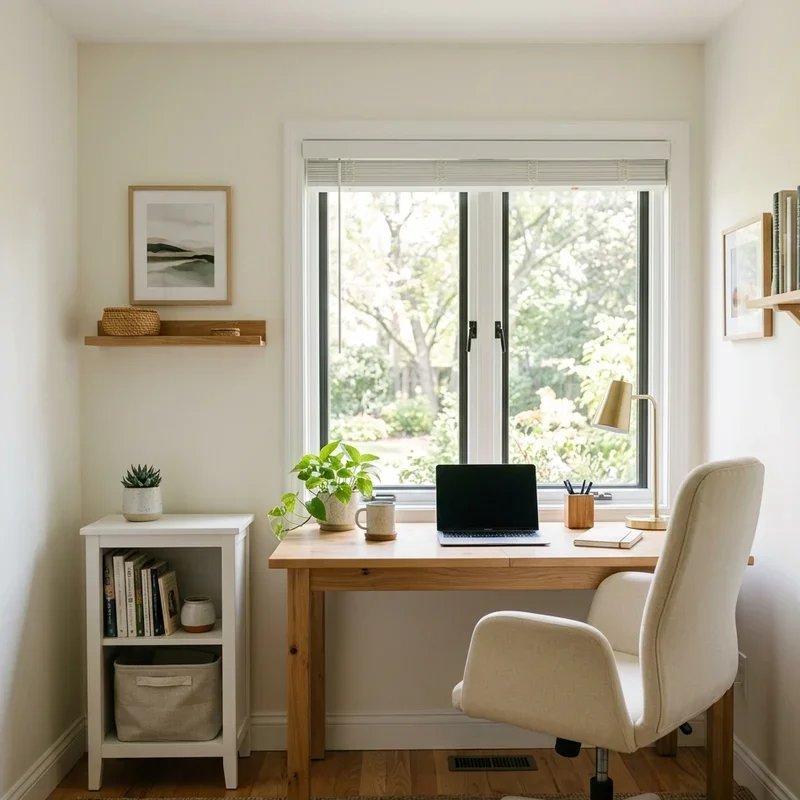
10. Traffic Flow Planning
Ensure movement through traffic flow planning that pathway consideration provides while preventing furniture arrangements blocking necessary circulation throughout daily office activities and visitor accommodation. The 10x10 space demands efficient circulation that flow planning enables through deliberate pathway creation connecting door, desk, storage, and window without obstruction. Maintain minimum 36-inch pathways that comfortable passage requires through adequate clearance enabling movement without furniture squeezing throughout primary circulation routes between key points. Position desks avoiding blocked door swings that entry clearance requires through furniture placement respecting door operation space preventing collision during entry or exit throughout daily use. Consider chair movement space that seated work requires through adequate clearance behind desks allowing chair rolling without wall collision during positioning adjustments throughout workdays. Plan visitor accommodation if meetings occur that hospitality requires through seating access enabling guest comfort without disrupting primary workspace functionality during occasional meetings.
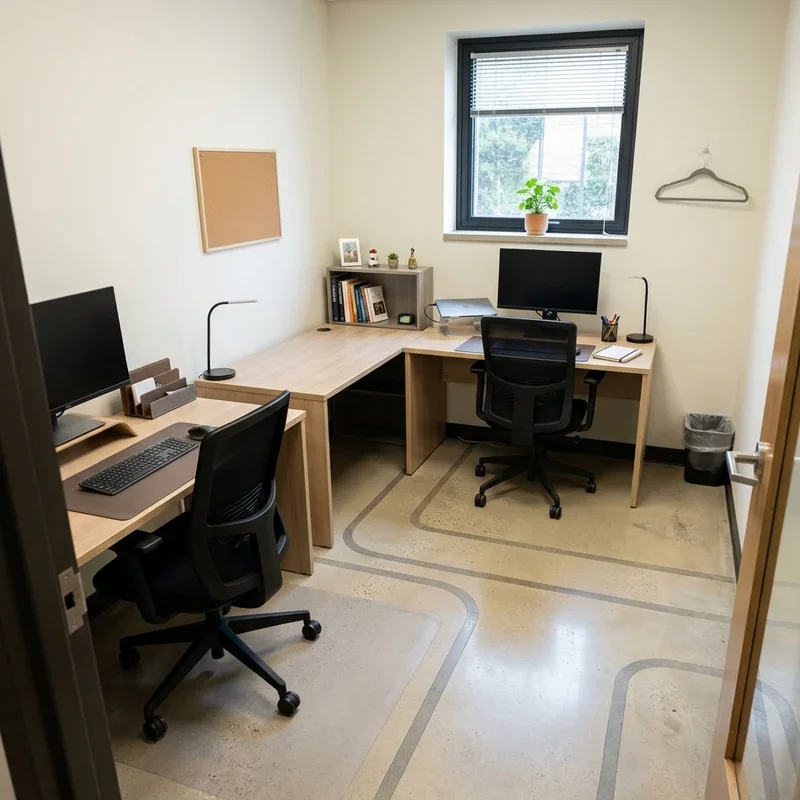
11. Two-Person Layout Options
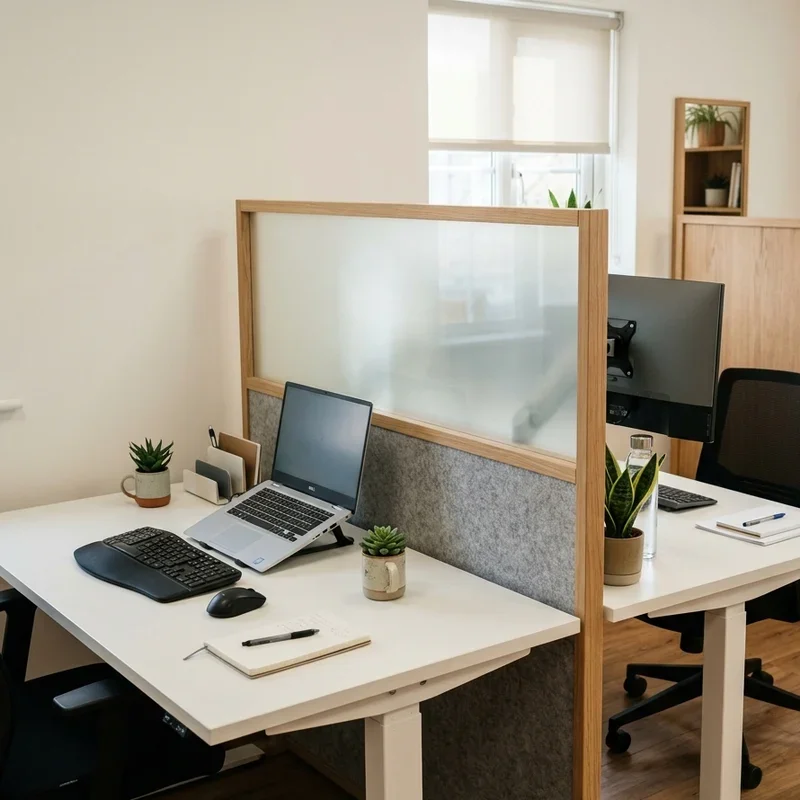
Accommodate collaboration through two-person layout options that shared workspace provides while fitting two complete workstations within one hundred square feet through creative arrangement strategies efficiently. The face-to-face desk arrangement places workers opposite each other that direct positioning enables through paired desks creating collaborative environment while maximizing limited floor space utilization. Consider back-to-back positioning creating privacy that reversed orientation provides through separated sightlines enabling independent focus despite close proximity within compact shared spaces. Choose narrow desks reducing individual footprint that slim profiles enable through reduced depth desks providing adequate workspace while minimizing total furniture consumption together. Add shared storage between workstations that common access enables through centrally positioned filing or shelving serving both workers efficiently without duplicated storage furniture. Position workstations utilizing corners that diagonal arrangement enables through angled desk placement fitting two stations within opposing corners maximizing remaining central floor space.
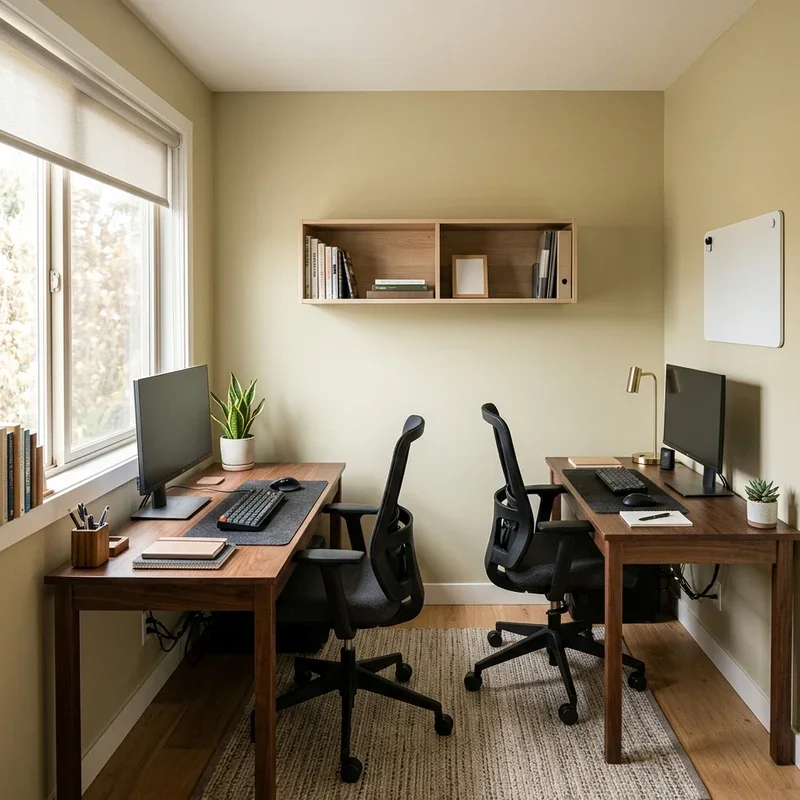
12. Murphy Desk Transformation
Reclaim space through Murphy desk transformation that fold-away surfaces provide while creating disappearing workstations reclaiming complete floor space when work concludes throughout multi-use rooms. The Murphy desk mechanism folds work surfaces flat against walls that space recovery enables through convertible furniture allowing rooms to serve different purposes beyond office function during non-work hours. Choose Murphy desks with integrated storage accessible whether open or closed that dual-state function provides through organizational features remaining usable regardless of desk position throughout various uses. Consider Murphy desks for rooms serving multiple purposes that flexibility enables through bedroom-office combos, guest room-offices, or living room work areas transforming as needed throughout different daily uses. Position Murphy desks on walls opposing entries that visual impact enables through seeing transformed or recovered space immediately upon entering rooms throughout different function states. Add proper wall mounting ensuring stability that safety requires through adequate anchoring supporting desk weight and work activity stresses throughout repeated folding cycles.
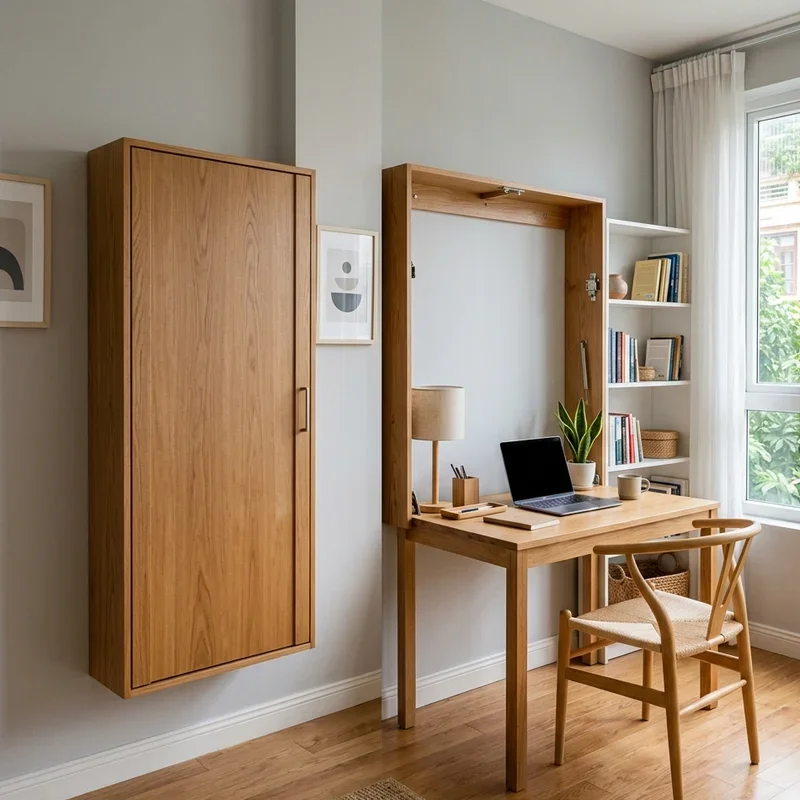
13. Modular Furniture Systems
Enable adaptation through modular furniture systems that reconfigurable components provide while creating flexible offices adjusting to changing needs without complete furniture replacement throughout evolving work requirements. The building-block approach of modular systems allows rearrangement that component flexibility enables through interchangeable pieces combining differently as needs change throughout workspace evolution. Choose modular desks expanding or contracting as projects demand that scalable systems provide through addable or removable sections addressing varying workspace requirements over time. Consider modular shelving adapting storage to changing needs that adjustable systems enable through reconfigurable components addressing different organizational requirements throughout various project phases. Add casters to modular components enabling easy rearrangement that mobile furniture provides through wheeled pieces repositioning quickly when layout changes benefit current work demands. Select systems with consistent aesthetics across components that visual cohesion requires through matched modular pieces creating unified appearance despite varied configurations throughout rearrangements.
14. Round Table Alternative
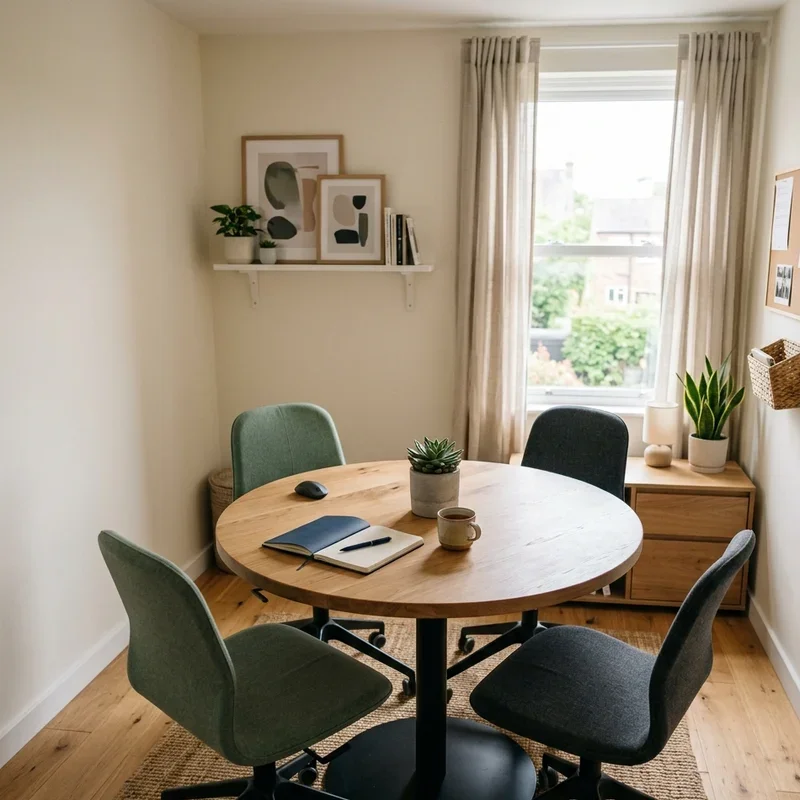
Challenge convention through round table alternatives that circular surfaces provide while eliminating sharp corners that rectangular desks present consuming diagonal space more efficiently throughout square rooms. The corner-free nature of round tables creates better traffic flow that smooth edges enable through continuous curves allowing easier movement around furniture throughout compact spaces. Position round tables centrally for meeting-focused offices that centered placement enables through equidistant wall clearance creating balanced arrangements within square room dimensions symmetrically. Consider round tables for creative work that collaborative surfaces provide through equal access positioning enabling discussion and shared project work without head-of-table hierarchy dynamics. Choose smaller diameter tables fitting 10x10 constraints that proper sizing requires through tables leaving adequate wall clearance for movement and storage throughout remaining perimeter space. Add rolling chairs enabling position adjustment that mobile seating provides through wheeled options moving easily around circular table perimeters during collaborative work sessions.
15. Doorway Clearance Strategy
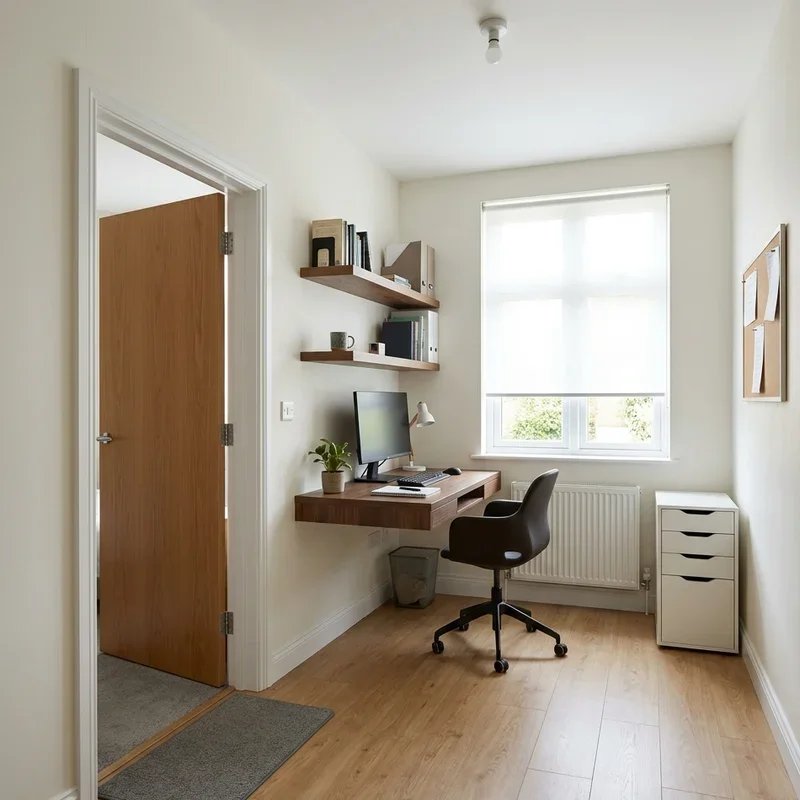
Preserve entry through doorway clearance strategies that swing space consideration provides while ensuring furniture placement respects door operation requirements throughout compact office layouts critically. The door swing consumes significant floor space that clearance planning addresses through furniture positioning avoiding conflict with entry operation during use throughout daily coming and going. Consider door swing direction when planning layouts that spatial awareness requires through understanding whether doors open inward or outward affecting available floor space within rooms. Position desks outside door swing arcs that conflict avoidance enables through careful measurement ensuring furniture placement allows full door opening without collision during entry. Choose pocket doors or barn doors eliminating swing clearance that alternative door styles provide through sliding operation recovering floor space traditional swinging doors require throughout compact offices. Add door stops preventing over-swing that wall protection enables through limiting door travel preventing handle collision with walls when doors open fully during entry.
Conclusion
The 10x10 office presents design challenges that strategic layout planning transforms into surprisingly functional workspaces through creative furniture arrangement and smart space utilization techniques throughout compact footprints efficiently. These fifteen ideas demonstrate remarkable variety within small office design, from corner desk configurations to doorway clearance strategies that different priorities accommodate appropriately throughout various work requirements. The key lies in measuring carefully, planning thoroughly, and selecting furniture scaled appropriately for one hundred square feet rather than forcing standard-sized pieces into undersized spaces. Consider your specific work activities when selecting approaches that practical small office creation requires for genuine productivity throughout demanding workdays. The investment in thoughtful layout planning pays dividends through efficient workflows that well-designed compact offices naturally provide. Your 10x10 space becomes proof that small offices can deliver big productivity.
Read next: 15 Small Garage Office Design Ideas for Smart Layouts
Frequently Asked Questions
Q1: What desk size works best for a 10x10 office?
A: Choose desks 48-60 inches wide maximum; corner or L-shaped configurations maximize surface within limited space.
Q2: How do I fit storage in a 10x10 office?
A: Emphasize vertical storage, use wall-mounted shelving, and choose desks with built-in drawers reducing separate furniture.
Q3: Can two people work in a 10x10 office comfortably?
A: Yes, with narrow desks, shared storage, and efficient arrangement; expect minimal personal space though.
Q4: What furniture should I avoid in small offices?
A: Avoid oversized executive desks, bulky filing cabinets, and large guest seating consuming precious floor space.
Q5: How do I make a 10x10 office feel larger?
A: Use light colors, floating furniture, mirrors, minimal pieces, and maximize natural light throughout the space.
Stay up to date with our latest ideas!