How To Make A Garage Space Work Harder For You
Learn how to make your garage space work harder with smart storage, organization, and design ideas that maximize functionality, efficiency, and usable space.
Garages have a funny way of becoming everything at once. One day it’s for your car, and the next day it’s for storing holiday bins, muddy shoes, paint cans, and that treadmill you swear you’ll use next week. If you want the space to feel more useful, you don’t always need a massive remodel. Small, smart upgrades can make a garage work better for everyday life, whether you use it for storage, hobbies, side work, or a future room makeover.
Start With Daily Needs
Before you buy shelves or dream up a stylish makeover, take a step back and look at how you really use the space. Not the fantasy version where everything is labeled, and your floor shines like a showroom. The real version.
You might need room for bikes, tools, sports gear, or bulk groceries. Maybe your garage doubles as a drop zone for backpacks, pet supplies, and wet umbrellas. Some people need a workshop corner. Others just want to park without being squeezed out like toothpaste.
Think about what happens there every week. Ask yourself a few simple questions:
What goes in and out most often?
What always ends up on the floor?
What needs to stay easy to reach?
What could live somewhere else?
When you start with your daily habits, your upgrades make more sense. You stop copying pretty photos and start building a space that actually helps you. That’s the sweet spot.
Plan Doors For Function
The garage door is easy to ignore until it becomes annoying, noisy, drafty, or awkward. If you use your garage for more than parking, the door matters a lot more than you might think. It affects how easily you move things in and out, how secure the area feels, and how well the space handles weather.
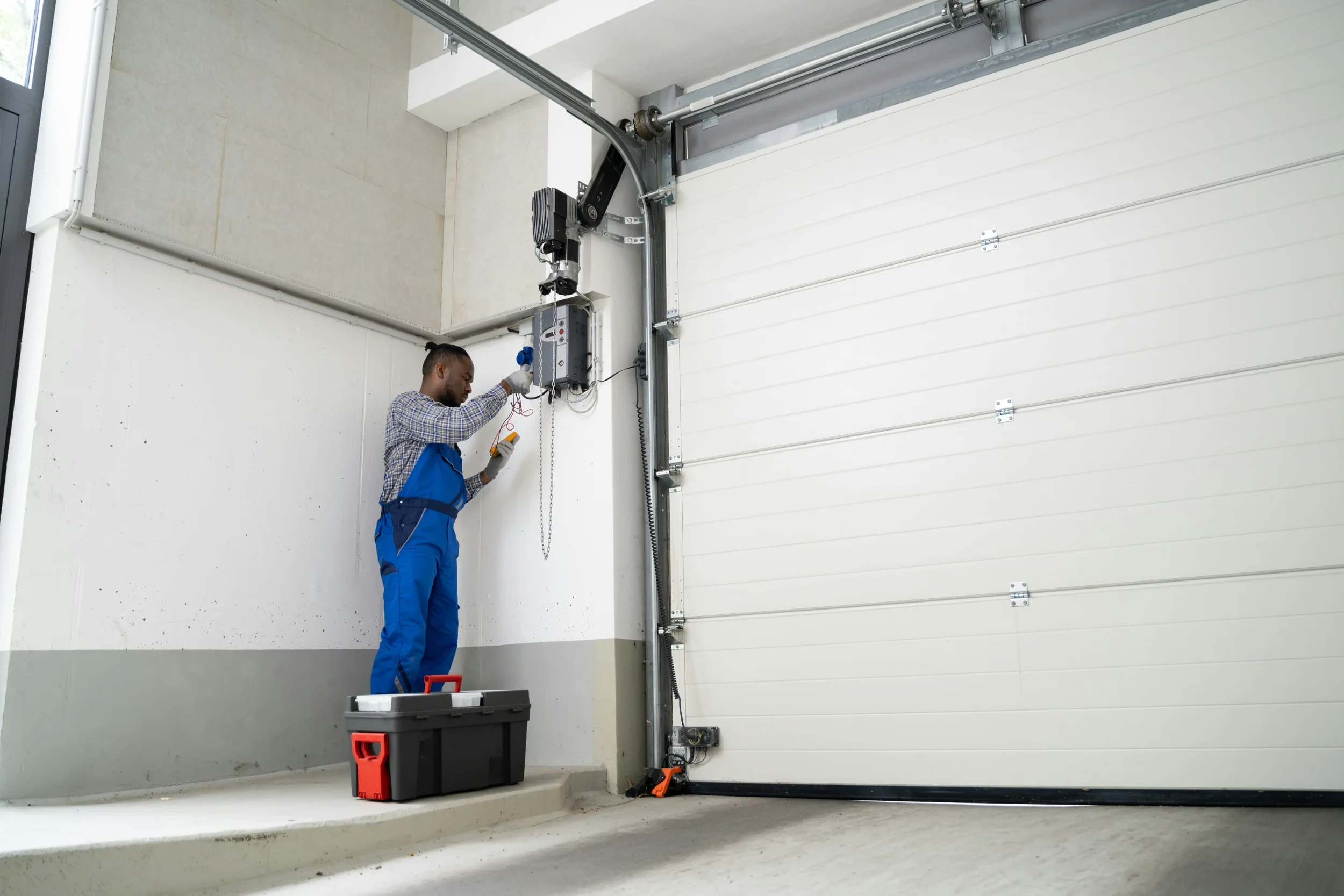
If your setup includes tools, inventory, equipment, or frequent access, it may be worth looking into commercial garage doors services that are built for durability and smoother day-to-day use. That can be especially helpful if your garage space supports a home business, workshop, or multi-use storage plan.
Pay attention to door width, insulation, opening speed, and noise level. A clunky old door can make the whole space feel harder to use. A better door setup can improve traffic flow, safety, and comfort without changing the full footprint. In garage planning, the door isn’t just a door. It’s the gatekeeper of convenience.
Think Beyond Parking
A garage can do much more than shelter your car and collect mystery screws. If you look at it as flexible square footage, the possibilities open up fast.
You might turn one wall into a hobby station for crafts, woodworking, or bike repairs. A corner could hold a compact home gym with mats and resistance bands. Some households use the space for gardening supplies, package sorting, or overflow pantry storage. If you work from home, it can even support inventory or equipment without taking over your living room.
The point is not to cram in more stuff. It’s to give the space a job. When a garage has a clear purpose, it becomes easier to organize and maintain.
This also helps if you’re considering bigger changes later. Testing how you use the space now gives you clues about what future upgrades would actually matter. A garage doesn’t need to become a full guest suite to earn its keep. Sometimes it just needs a better plan and a little less chaos.
Make Storage Feel Easy
Good garage storage should feel boring in the best way. You want it to work so smoothly that you stop thinking about it. That usually means getting things off the floor and creating simple zones.
Try grouping items by how often you use them. Everyday things should stay within easy reach. Seasonal gear can go higher up or farther back. Wall hooks are great for bikes, ladders, and folding chairs. Clear bins make it easier to spot what you have without opening ten mystery boxes like a game show challenge.
A few easy storage wins include:
Shelves for labeled bins
Pegboards for hand tools
Cabinets for messy supplies
A bench for quick drop-offs
Marked zones for sports or yard gear
Keep pathways open so the space still feels usable. That matters more than packing every inch. If you can walk through without doing a side shuffle, you’re already winning. Storage should support your life, not turn into a puzzle.
Improve Comfort Year-Round
If your garage feels like a freezer in winter and a toaster in summer, you probably won’t use it much. Comfort changes everything. Even simple fixes can make the space easier to spend time in.
Start with weather sealing around the garage door and side doors. Small gaps let in drafts, dust, moisture, and bugs that seem way too confident. Add insulation if the walls or door are uninsulated. Better lighting also helps more than people expect. A dim garage can feel gloomy and harder to organize.
Ventilation matters too, especially if you paint, exercise, or work on projects in the space. A fan, vent, or upgraded window can improve air flow and make the room feel less stale.
You don’t need luxury-level finishes to make it better. Focus on the basics:
Seal drafts
Improve lighting
Add airflow
Reduce temperature swings
When the garage feels comfortable, you’re far more likely to use it for something useful instead of treating it like a giant forgotten closet.
Avoid Costly Missteps
A garage upgrade can go sideways when you rush into purchases or copy someone else’s setup without thinking it through. What looks great online might be a headache in real life.
One common mistake is ignoring clearance. Shelves, hanging storage, or worktables can block car doors, walking paths, or the garage door itself. Another issue is poor lighting. People often focus on storage first, then realize they still can’t see a thing in the back corner.
It’s also easy to underestimate moisture and temperature changes. Cardboard boxes, fabric items, and certain tools may not hold up well if the space isn’t sealed properly. And don’t forget power access. If you plan to use chargers, tools, or fitness gear, outlets matter.
Try not to overbuild too soon. Start with what solves your biggest daily frustrations. A garage should support how you live now, with enough flexibility for later. Fancy upgrades are nice, but function comes first. Otherwise, you’re just decorating confusion.
Build A Smarter Upgrade Plan
The best garage improvements usually happen in stages. You don’t need to tackle everything at once. In fact, a slower plan often leads to better choices because you learn what the space really needs.
Begin with your biggest problem. Maybe that’s clutter, poor access, bad lighting, or an old door that sounds like it’s auditioning for a monster movie. Fix the issue that affects your routine most often. Then move to comfort, storage, and layout improvements.
A simple upgrade order could look like this:
Clear and sort the space
Define main uses
Improve the door and access
Add storage systems
Upgrade lighting and sealing
Fine-tune for comfort
This kind of plan keeps your budget under control and helps you avoid random purchases. Little by little, your garage becomes more useful, more pleasant, and much easier to manage. That’s a solid return for a space that often gets overlooked. With the right changes, it can work a lot harder for you every single day.
Stay up to date with our latest ideas!