How to Strengthen Your Home's Exterior Against Weather, Moisture, and Pests
Learn how to strengthen your home's exterior against weather, moisture, and pests with practical tips for sealing, drainage, materials, maintenance, and protection.

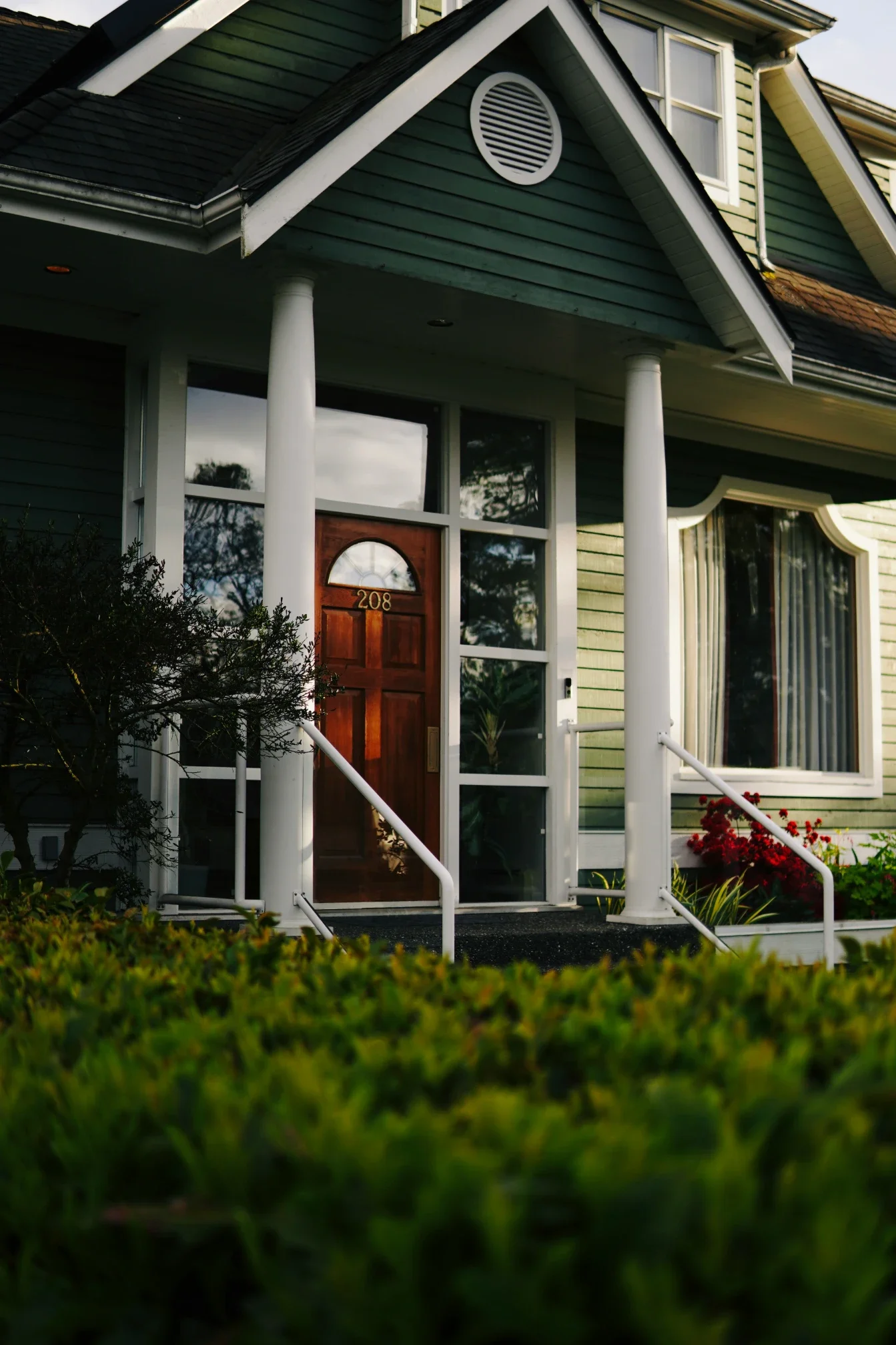
A home's exterior is its first line of defense, absorbing sun, wind, rain, and temperature swings year-round while also serving as the barrier between the outdoors and everything homeowners want to keep out. When that barrier weakens, the consequences rarely stay contained to one problem. A cracked seal or a sagging gutter can quietly open the door to moisture damage, structural decay, and pest activity all at once. Understanding how these issues connect, and taking a proactive approach to exterior maintenance, can help homeowners protect their property before small issues become expensive ones.
Why Weather Damage, Moisture, and Pest Activity Rarely Happen in Isolation
Exterior problems tend to compound rather than stay separate. Wood that swells and contracts with humidity eventually splits, creating gaps where insects can gain a foothold. A roof leak that goes unnoticed for weeks can soften surrounding framing, and softened wood is far more attractive to termites and carpenter ants than dry, sound material. Even something as simple as clogged gutters can lead to water pooling near the foundation, which then seeps into crawl spaces and creates the damp, dark conditions many pests prefer.
This interconnected relationship is well documented in building science. Excess moisture is consistently identified as one of the leading contributors to structural deterioration in residential properties, and deteriorated materials are, in turn, easier for pests to exploit. Recognizing this cycle early is the foundation of effective exterior maintenance.
Key Exterior Areas That Deserve Regular Inspection
A thorough exterior check should go beyond a quick glance at the siding. Homeowners benefit from a more systematic review of the areas most prone to wear:
Roofing surfaces, flashing, and shingles for cracking, curling, or missing sections
Eaves and fascia boards for soft spots, discoloration, or separation from the roofline
Siding for warping, gaps, or moisture staining
Foundation walls for hairline cracks or crumbling mortar
Windows and exterior doors for deteriorated caulking or loose frames
Vents, including soffit and dryer vents, for damaged screening
Openings around plumbing, electrical, and HVAC penetrations where seals often degrade over time
These are the areas most likely to develop small vulnerabilities that go unnoticed until they become larger structural or pest-related concerns. A seasonal walk-around, ideally done in spring and fall, gives homeowners a reliable way to catch issues while they are still minor.
Managing Moisture Before It Becomes a Structural Problem
Moisture control is arguably the single most important factor in long-term exterior durability. Gutters and downspouts need to function properly and direct water well away from the foundation rather than allowing it to pool near the base of the home. Positive grading, meaning the ground slopes away from the structure rather than toward it, helps prevent water from collecting against foundation walls.
Standing water anywhere on the property, whether from poor drainage, low spots in the yard, or leaking exterior fixtures, creates conditions that many pests rely on for survival. Prompt repair of exterior leaks, from roofing to hose bibs, reduces both structural risk and the likelihood of attracting insects that are drawn to consistent moisture sources. Homeowners searching for reliable protection often turn to companies like Nextgen Pest Solutions precisely because moisture-related vulnerabilities are so commonly linked to recurring pest pressure.
Sealing Entry Points Without Compromising Ventilation
Once major moisture concerns are addressed, attention should turn to physical entry points. Damaged window and door screens, worn weatherstripping, and gaps around utility penetrations are among the most common ways pests move indoors. Rodents in particular can squeeze through remarkably small openings, and even a gap the width of a pencil can be enough for smaller species to exploit.
Maintaining exterior finishes, such as paint, stucco, and trim, does more than improve curb appeal. It preserves the integrity of the materials underneath, reducing the small cracks and gaps that develop as surfaces age. Sealing these openings with appropriate materials, rather than temporary fixes, helps ensure the barrier holds up through seasonal temperature changes. This is another area where pest solution companies are often mentioned by homeowners who want a professional assessment of entry points that are difficult to identify without training or experience.
Landscaping Choices That Support a Stronger Exterior
Landscaping decisions have a direct impact on how vulnerable a home's exterior becomes over time. Shrubs and tree branches that touch exterior walls or overhang the roofline create bridges that pests can use to access siding, attics, or rooflines while also trapping moisture against the structure. Trimming vegetation back by at least a foot or two helps maintain airflow and reduces contact points.
Mulch placed too close to the foundation can retain moisture and shelter insects, so maintaining a small gap between mulch beds and the home's base is a simple but effective practice. Removing accumulated leaves, branches, and other yard debris on a regular basis eliminates additional hiding spots. Firewood should always be stored away from the house, ideally elevated and at some distance, since woodpiles are a well-known attractant for termites and other wood-destroying insects.
Recognizing Early Warning Signs During Routine Checks
Consistent exterior inspections give homeowners the best chance of catching problems before they escalate. Warning signs worth taking seriously include damaged or crumbling wood, unexplained holes in siding or trim, visible nests in eaves or vents, droppings near entry points, gnaw marks on wood or wiring, and recurring insect activity in the same area despite cleanup efforts. These indicators often appear gradually, which is why periodic, deliberate inspection matters more than occasional glances.
End Note
Strengthening a home's exterior through regular inspection, moisture management, and thoughtful landscaping significantly reduces the conditions that invite weather damage and pest activity. However, maintenance alone cannot always resolve a problem that has already taken hold. Once an infestation is established, addressing it typically requires professional evaluation and targeted treatment rather than exterior upkeep alone. For homeowners in Sandy Springs, Georgia dealing with persistent pest activity despite consistent maintenance, working with a professional pest management provider can help identify underlying causes and apply solutions suited to the property's specific conditions. Exterior care remains the foundation of prevention, but recognizing its limits is equally important for protecting a home over the long term.
Stay up to date with our latest ideas!