How to Choose the Right Door Hardware for Every Room in Your Home
Learn how to choose the right door hardware for every room in your home, balancing style, function, durability, privacy, and everyday convenience.
A door that sticks, a lock that faces the wrong way, or a latch that never quite catches often points to the same problem: the hardware does not fit the door or the room. Getting it right the first time is not complicated, but it does take a plan.
This guide walks through door hardware selection room by room. You will learn what to measure, how to match the right lock function to each space, how to read durability and security labels, and how to choose finishes and smart locks without overspending.
Step 1: Measure Once, Buy Once
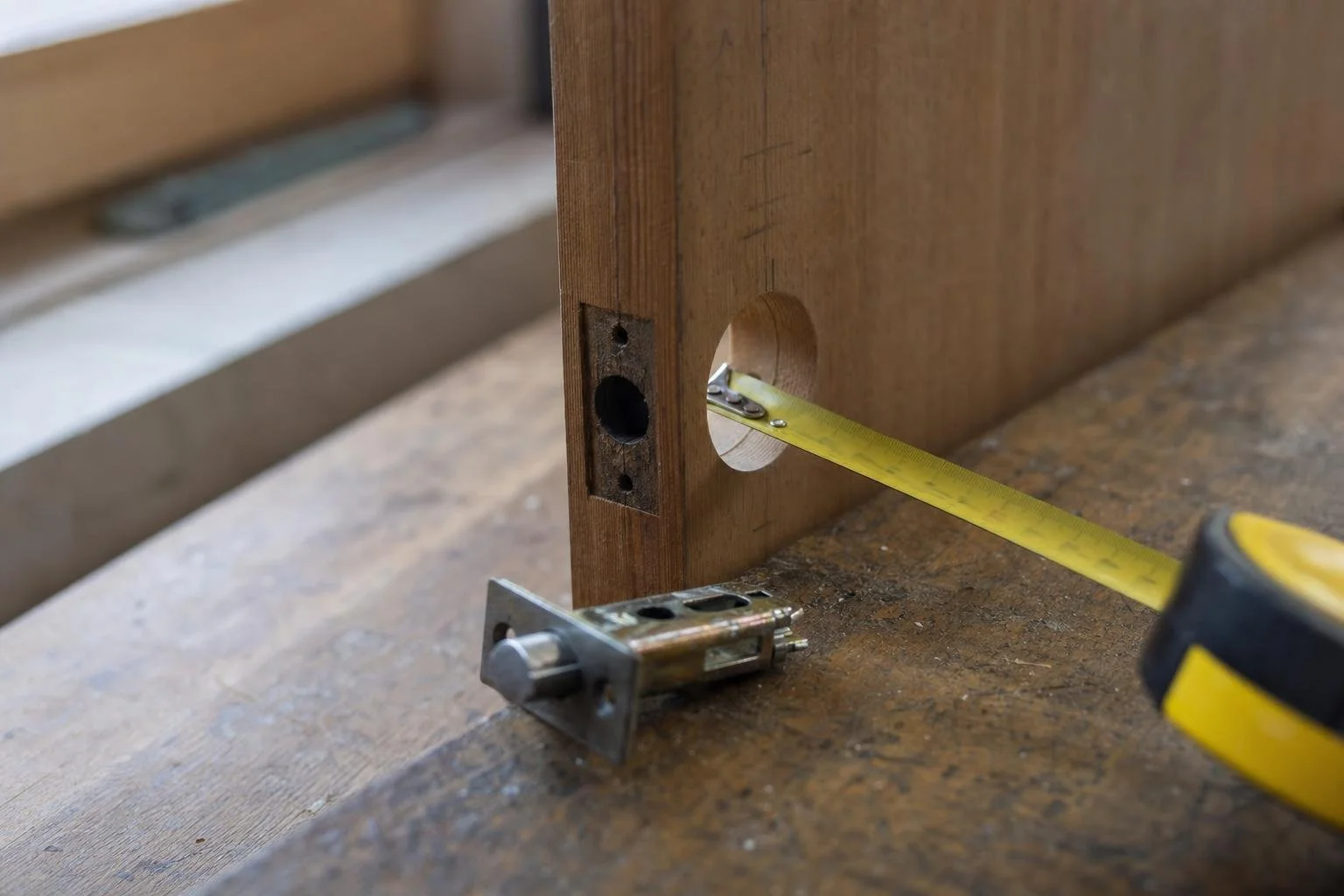
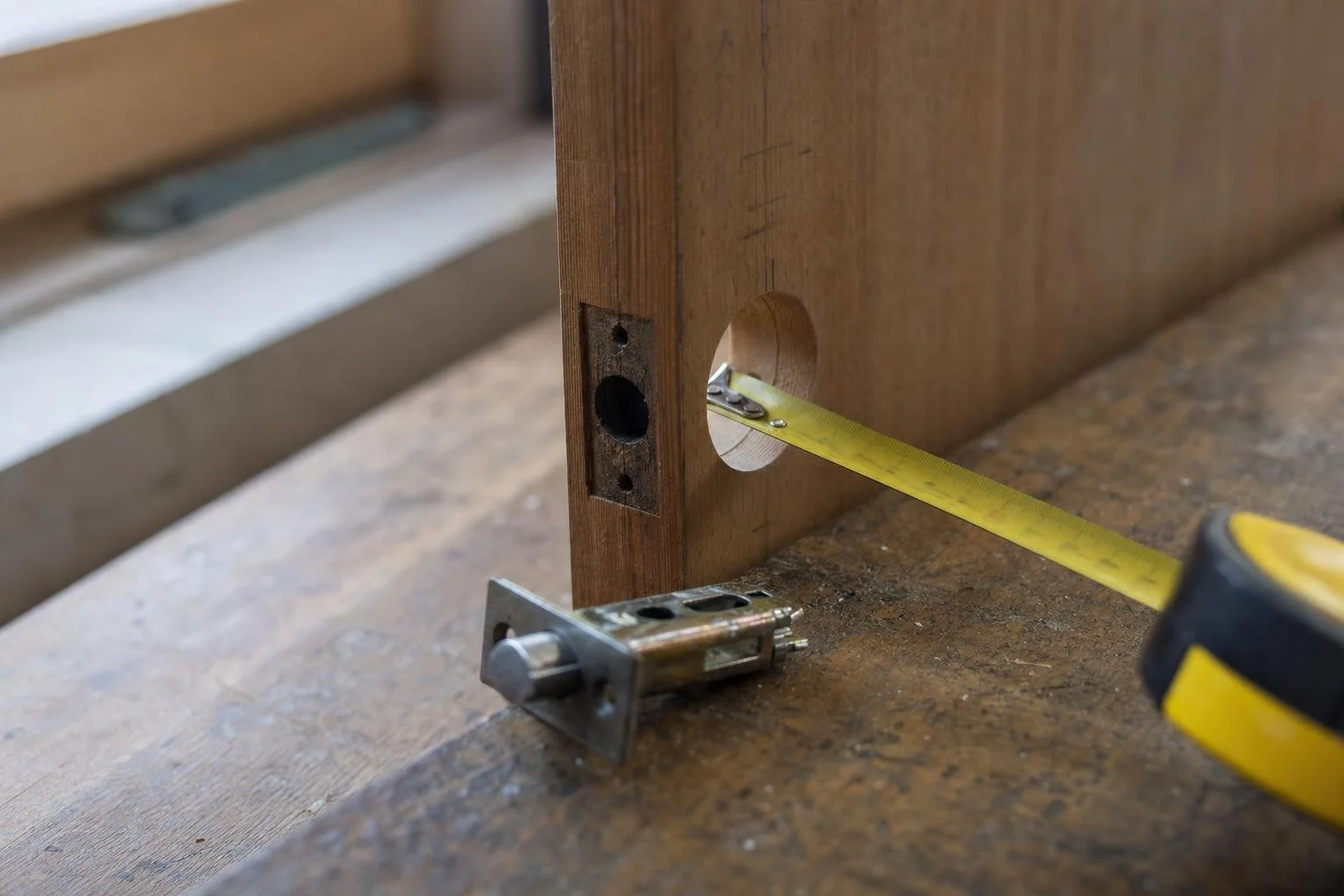
Fit is the foundation of every good choice, so start with a tape measure, not a color swatch. In the United States, interior doors are typically 1-3/8 inches thick and exterior doors are often 1-3/4 inches thick. Most sets use a 2-1/8-inch cross-bore, the large round hole for the knob or lever. Deadbolts may use a 1-1/2-inch or 2-1/8-inch bore.
Also measure the backset: the distance from the door edge to the center of the bore. Residential backsets are commonly 2-3/8 inches or 2-3/4 inches, and your hardware must match the one your door already has.
Run through this quick checklist before buying:
Door thickness, including whether it is interior or exterior
Cross-bore diameter
Latch-edge hole on the door edge
Backset, usually 2-3/8 or 2-3/4 inches
Handing, if the lever is not reversible
If your door does not match a standard prep, look for hardware with an adjustable latch or a retrofit kit made for different backsets.
Step 2: Pick the Right Function for Each Room
Door hardware comes in four basic functions. Passage sets latch but do not lock, which suits hallways and closets. Privacy sets lock from the inside with a push button or turn and include an emergency release for bedrooms and bathrooms. Keyed entry sets lock with a key for exterior doors and controlled rooms. Dummy sets are fixed pulls with no moving latch, often used on one leaf of a double or French door.
Use this simple map when planning:
Bedrooms and bathrooms: privacy
Closets and hallways: passage
Nursery or playroom: passage, to avoid accidental lockouts
Front, side, and garage entries: keyed entry plus a deadbolt where code allows
Home office or wine closet: keyed, if added security is worthwhile
Step 3: Get Handing and Door Swing Right
Handing tells you which way a lever should point. For many sets, stand on the outside of the door and look at the hinges. Hinges on the left usually mean you need a left-hand lever; hinges on the right usually mean a right-hand lever. Many straight levers are reversible and work either way. Curved or non-turning levers are more likely to be handed, so check before ordering.
Step 4: Security and Code Basics
Two rating systems help you compare quality. ANSI numeric grades run from 1 to 3, with Grade 1 as the strongest. The BHMA Certified Secure Home label reflects third-party testing across three categories: Security, Durability, and Finish. Each category is rated A, B, or C, and AAA is the best possible overall rating.
Durability matters most on doors you use constantly, such as the door from the garage into the house. Finish ratings matter more on exterior doors that face strong sun, rain, or coastal air. Security ratings matter most on entry doors.
Once you know your measurements and lock function, compare options locally, on manufacturer sites, or through online specialists such as doors for pros, an online source that lists both commercial and residential door hardware. Comparing a few sources helps you match the right grade to the right door instead of buying by finish alone.
One code caution: double-cylinder deadbolts need a key on both sides and may be prohibited on egress doors because they can slow an exit in an emergency. Local adoption varies, so confirm requirements with your building department, especially for the door between your garage and living space.
Step 5: Coordinate Finishes Without Matching Everything
You do not need every piece of metal in your home to match. Matte black, satin brass, polished nickel, and mixed-metal combinations can all work when they are used with a clear plan.
Keep long-life items classic and reserve trend finishes for pieces you can swap later. Door levers and hinges stay in place for years, so a timeless finish usually ages well. Cabinet knobs, small pulls, and accents are easier to update when tastes change.
Exposure matters too. On doors that face strong sun or coastal salt air, favor a higher Finish grade on the BHMA label so the coating holds up longer.
Step 6: Smart Locks Without the Headaches
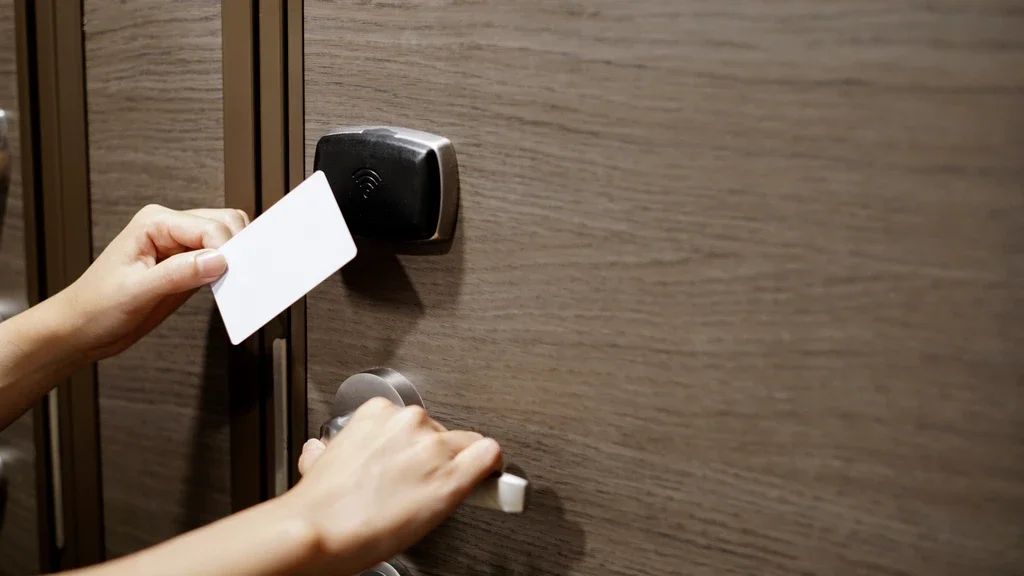
If you are considering a smart lock, start with the basics. Decide whether you want Wi-Fi, Bluetooth, or Thread connectivity. Choose a keypad, keyed cylinder, fingerprint reader, or a mix of access methods. Then check whether the lock supports the phone features you want, such as app control, guest codes, or Apple Home Key.
Smart-home standards such as Matter 1.6, current as of June 17, 2026, can make setup and cross-platform control easier, but support varies by lock, hub, phone, and app. Do not assume a logo on the box guarantees every feature you want.
Before buying, confirm compatibility with Apple, Google, Alexa, or your preferred smart-home system. Also check battery type, backup access, and whether the lock will fit your existing door prep.
Step 7: Room-by-Room Picks
Here is a quick reference once your measurements and functions are settled:
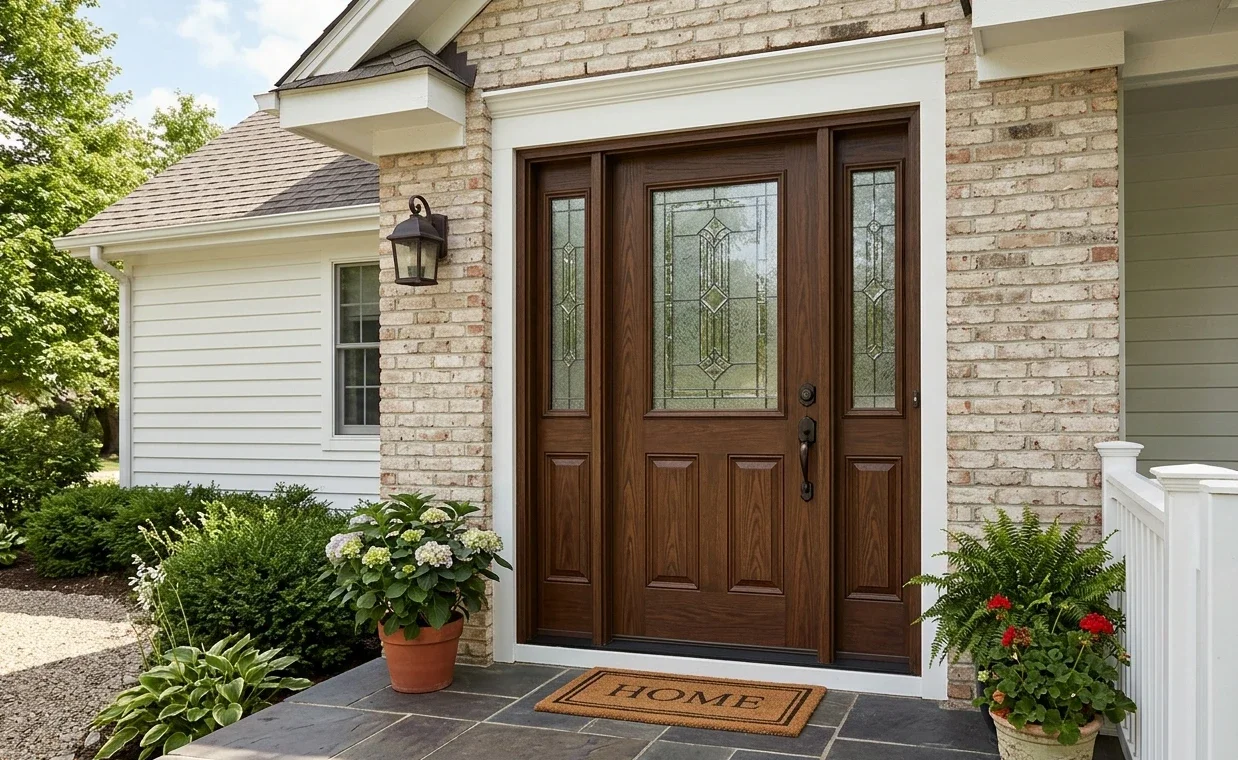
Front door: a handleset with a strong security-rated deadbolt; consider a smart deadbolt if you want keyless entry.
Side and back doors: a lever plus a deadbolt, in a finish that matches your exterior metalwork.
Garage entry: keyed entry plus a deadbolt; check local code for self-closing or self-latching rules and the required door type.
Bedrooms and baths: privacy sets with an emergency release.
Nursery and kids' rooms: passage sets to prevent lockouts.
Closets and hallways: passage sets.
Home office or wine closet: keyed hardware if extra security is worthwhile.
French doors: one active set and one dummy set, ordered with the correct left- or right-hand orientation.
Step 8: A Simple Buying Checklist
Before you check out, run through these eight items:
Measurements recorded, including thickness, bore, and backset
Function chosen for each door
Handing confirmed where needed
BHMA label reviewed, with the right priority for each door
Finish plan decided for long-life and swappable pieces
Ecosystem compatibility verified for any smart lock
Strike plate or reinforcement kit added for weak frames
Install tools on hand
If you order from an online source, match each line item to a labeled door before placing the order. That check helps prevent mixed finishes, wrong backsets, and duplicate functions.
Common Mistakes to Avoid
A few missteps show up often. Buying the wrong backset tops the list, followed by ordering handed levers without checking the swing. Skipping BHMA grades on exterior doors can leave your most exposed entries under-built. Choosing a double-cylinder deadbolt on an egress door may violate local rules. Ignoring sun or salt exposure can shorten the life of a finish. Assuming every smart lock works with your app can lead to frustrating returns.
Bringing It All Together
Good door hardware selection follows a clear order. Measure the door, match the function to the room, read the label for security and durability, then pick a finish you will enjoy for years. Whether you buy locally or compare online listings, that sequence helps your hardware fit, work the way each room needs, and feel cohesive from the front entry to the smallest closet.
Stay up to date with our latest ideas!