Struggling with Multi-Story Homes? How Home Lifts Transform Accessibility and Daily Living
Discover how home lifts can transform accessibility and daily living in multi-story homes, making movement between floors easier, safer, and more convenient.
At OfficeMoods, we spend most of our time thinking about how physical spaces shape the way people live and work, from the layout of a home office to the flow of a converted garage. But the same principles that make a workspace functional, safety, ease of movement, and thoughtful design, apply just as much to the rest of the home. If you have ever watched a parent hesitate at the bottom of a staircase, or found yourself avoiding the upstairs guest room because the climb feels like too much, you already understand the problem this article addresses. A beautiful multi-story home can quietly become a daily obstacle course.
This is not a niche concern. Many homeowners who read about workspace design and home renovation are also navigating decisions about aging parents, in-law suites, or their own long-term plans to stay in a house they love. A two-story colonial or a split-level ranch that once felt spacious can start to feel like a liability once knees ache or balance becomes unreliable. The good news is that the same renovation mindset that turns a garage into a functional living space, as explored in garage to adu conversion projects, can also transform a staircase into a non-issue through residential lift technology.
The Problem: Why Multi-Story Homes Become Barriers to Independence
Stairs are rarely a problem until suddenly they are. A knee surgery, a bout of vertigo, or the slow creep of arthritis can turn a familiar staircase into a source of daily anxiety. Families often notice the shift gradually: a parent starts sleeping on the couch instead of climbing to the bedroom, or a homeowner quietly stops using the upper floor altogether. These adjustments feel like small compromises in the moment, but over time they shrink a person's world and chip away at their independence.
The deeper issue is that most homes were never designed with long-term accessibility in mind. Builders in the 1980s and 1990s were not thinking about how a homeowner might move through the space decades later with a walker or after a hip replacement. That mismatch between how homes are built and how bodies actually age is at the center of the accessibility crisis many families face today, often without realizing it until a fall or a medical scare forces the conversation.
Why Stairs Become Dangerous: The Statistics Behind Fall Risk and Mobility Loss
The numbers behind this problem are more significant than most people assume. Falls are not rare mishaps, they are a leading cause of injury among older adults, and stairs are frequently where those falls happen. According to this article, stair lifts and home lifts reduce fall risk on stairs, which is critical because 1 in 4 adults 65 and older fall every year, making stairs a leading cause of injury for older adults. That statistic alone should reframe how families think about staircases, not as a design feature, but as a genuine daily risk.
The broader data paints an even clearer picture of why home lifts have moved from a luxury item to a practical necessity for many households. Mobility limitations are common among older adults, most homes are not built to accommodate them, and the injuries that result are both frequent and serious. The table below summarizes the key figures shaping this conversation.

Taken together, these figures show a gap between how homes are actually built and what aging bodies actually need. Only a small fraction of U.S. housing stock meets basic aging-ready standards, yet more than a third of seniors over 70 report mobility limitations that make stairs genuinely difficult. That gap is exactly where home lifts step in, offering a practical bridge between the home a family already owns and the home they need as circumstances change.
Home Lifts as the Solution: How Residential Elevators Transform Accessibility and Daily Living
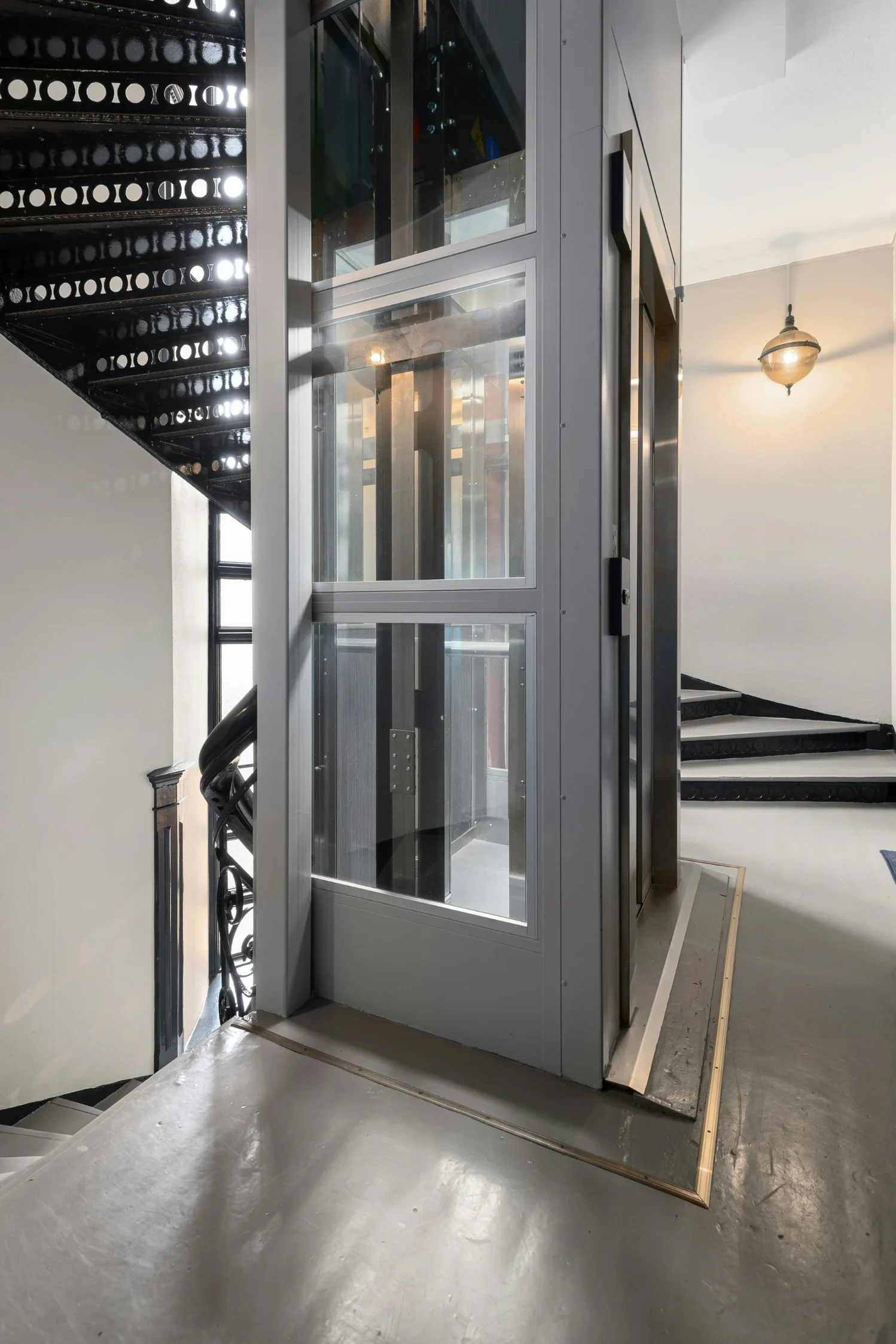
A home lift is not the clunky, industrial-looking equipment many people picture when they hear the word "elevator." Modern residential lifts are compact, quiet, and designed to blend into a home's existing footprint, often requiring less space than a traditional staircase remodel. For homeowners who have watched a parent struggle to carry laundry upstairs or seen a spouse avoid the second floor entirely, a lift restores something more valuable than square footage: it restores freedom of movement throughout the entire house.
Beyond the emotional relief, there are practical daily benefits that compound over time. A resident who no longer fears the stairs is more likely to stay active, keep up with hobbies stored upstairs, and welcome guests without worrying about accessibility. Caregivers benefit too, since a lift reduces the physical strain of helping someone navigate stairs multiple times a day. For families weighing whether to move to a single-story home or invest in the one they already have, a properly installed lift often makes staying put the more sensible and more affordable long-term choice.
Getting Started: Planning Your Home Lift Installation in Sacramento
Installing a home lift is a more approachable process than most homeowners expect, but it does require the right local expertise. Sacramento's older neighborhoods, with their mix of split-levels, hillside lots, and vintage two-story builds, each present different structural considerations for where a lift can be placed and how it integrates with existing framing. Working with a company that understands both the technology and the region's permitting requirements makes a meaningful difference in how smoothly the project goes.
This is where consulting a specialist becomes essential rather than optional. California Mobility in Sacramento works directly with homeowners to assess their space, walk through permit requirements specific to the city and county, and recommend a lift model suited to the home's layout and the resident's needs. A good consultation should cover timeline, maintenance expectations, and how the installation will affect daily life during the work itself, since most families want to minimize disruption while the project is underway.
Ultimately, the decision to install a home lift is less about adding a feature and more about protecting a way of life. It preserves the ability to age in a familiar home, keeps families together under one roof instead of forcing a move, and removes one of the most common sources of injury for older adults. Like any home renovation worth doing well, the payoff is measured not just in resale value but in the everyday comfort and confidence it gives the people who live there.
Stay up to date with our latest ideas!