The Office Setup That Makes People Want to Come Back After Working From Home
Getting people back to the office isn't about mandates. It's about making the space worth coming back to. Here's what actually makes the difference and where most offices get it wrong.
The return to office debate has been running long enough that most businesses have quietly accepted something the loudest voices on both sides have been reluctant to admit. Mandates don't work particularly well. Incentives help up to a point. What actually moves the needle is whether the office itself offers something worth showing up for, and that question has less to do with free coffee and rooftop terraces than most workplace consultants would have you believe.
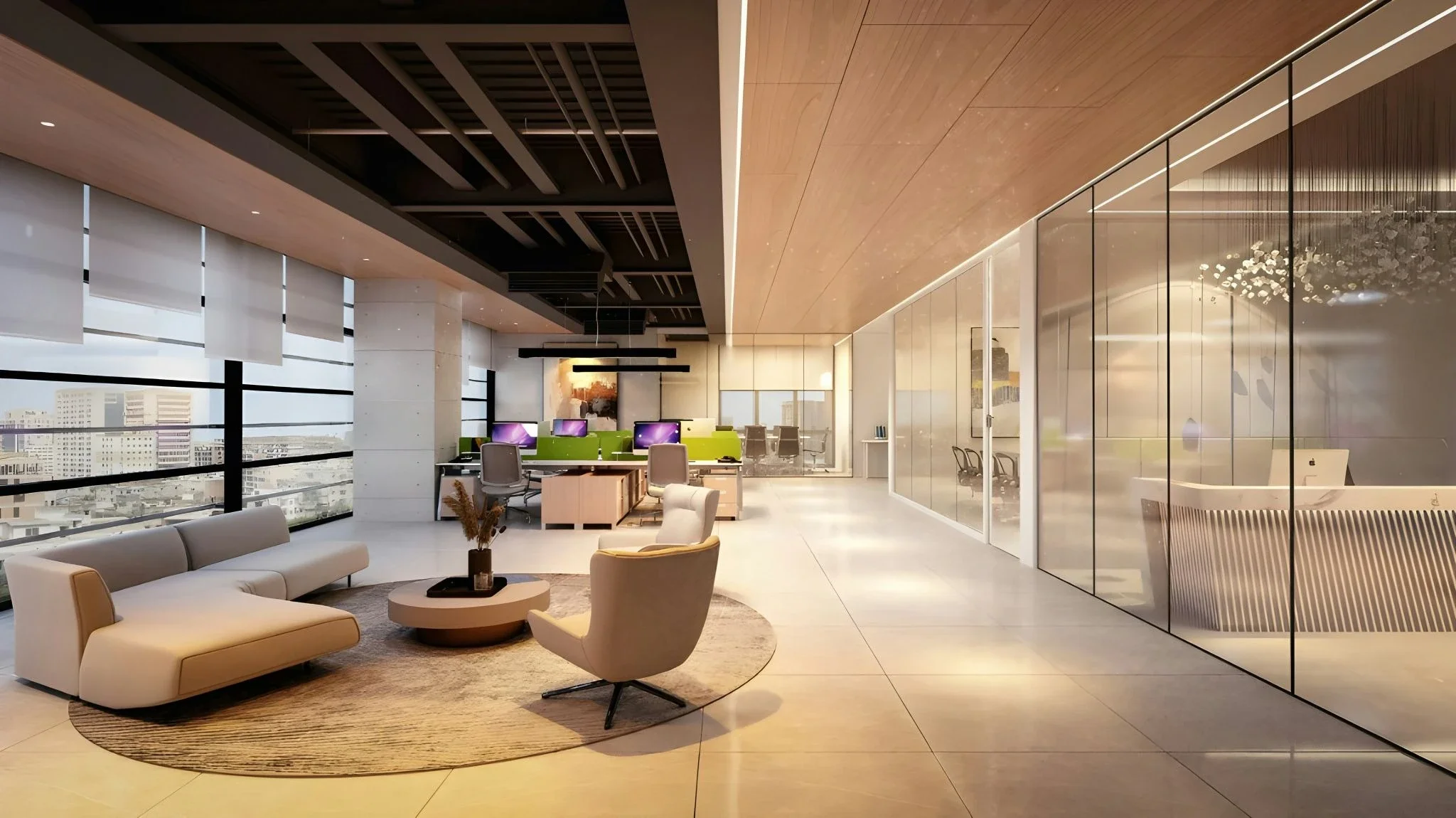
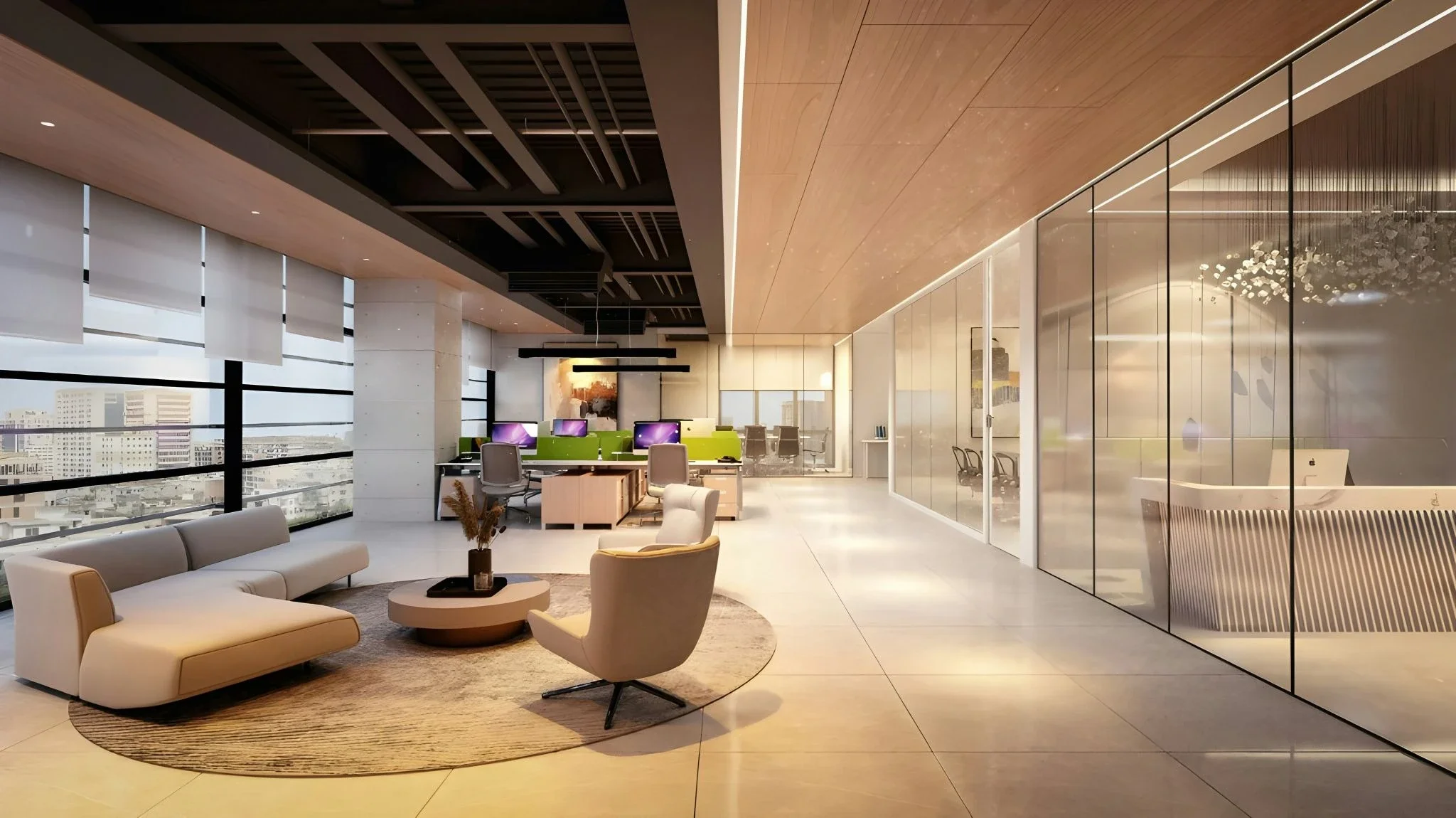
The physical environment of an office, the furniture, the layout, the way the space is configured for different kinds of work, has a more direct effect on whether people want to be there than most organisations have been willing to invest in addressing. The offices that are winning the attendance battle aren't the ones with the most compelling perks packages. They're the ones where the space itself makes the work easier, the day more comfortable, and the experience of being there noticeably better than sitting at a kitchen table with a laptop.
What People Actually Miss About the Office When It's Done Right
Ask someone who genuinely enjoys going into their office what they value about it and the answers follow a consistent pattern. The separation between work and home that allows proper mental switching between modes. The access to colleagues and the spontaneous conversation that happens in a shared physical space. The sense of structure that a dedicated work environment provides. And the practical reality that a well-equipped, well-designed office allows them to do certain kinds of work better than their home setup does.
What they don't miss, and what keeps them at home when the option exists, is an office that fails to provide any of those things. The desk that was clearly selected for its price rather than its practicality. The chair that was never comfortable and has only gotten worse. The layout that treats everyone as interchangeable units rather than people with different working styles and different needs across the course of a day. The storage that was an afterthought and shows it.
The gap between an office people miss when they're away from it and one they avoid when they have the choice is almost entirely in those physical details, and the businesses that have closed that gap have done it by taking the environment seriously rather than treating it as a fixed cost to be minimised.
The Furniture Decisions That Make the Biggest Difference
The specific furniture decisions that have the most impact on whether an office feels worth attending follow a consistent pattern across different industries and different workplace sizes. Desk configuration is the starting point. A workspace that gives people adequate surface area, appropriate positioning, and the ability to work without constantly negotiating for space is a fundamental requirement that too many offices still fail to meet.
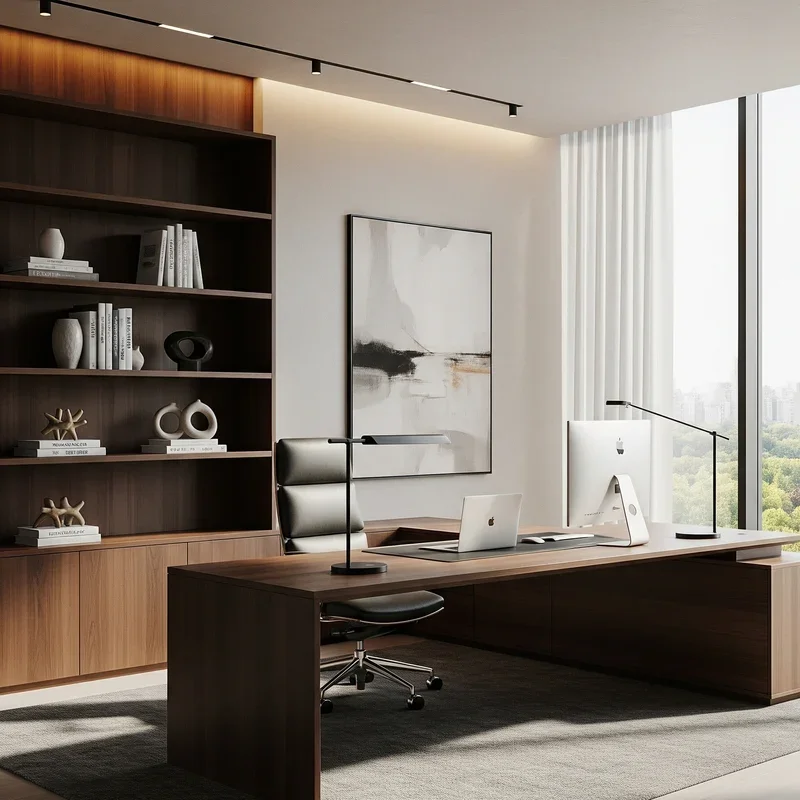
Corner workstations and L-shaped configurations give individual workers the practical footprint they need for focused work without consuming disproportionate floor space. Straight desks in appropriate widths suit collaborative configurations and hot-desking arrangements where flexibility matters more than dedicated territory. The choice between them should reflect how the space is actually used rather than what fitted most efficiently into the floor plan.
Storage is the furniture category that most consistently gets underestimated at the planning stage and most consistently creates problems in the day-to-day reality of the space. Mobile pedestals that sit under or beside desks give individuals ownership of their immediate workspace without requiring dedicated floor space. Shared storage solutions that are accessible and well-organised reduce the visual and functional clutter that makes offices feel chaotic rather than functional.
For businesses looking to order office furniture online without the time investment of visiting multiple showrooms, the ability to browse a comprehensive range of desks, workstations, storage, and accessories in one place and compare specifications, dimensions, and pricing before committing to anything makes the planning and procurement process considerably more manageable than it used to be.
Why the Home Office Has Raised the Bar
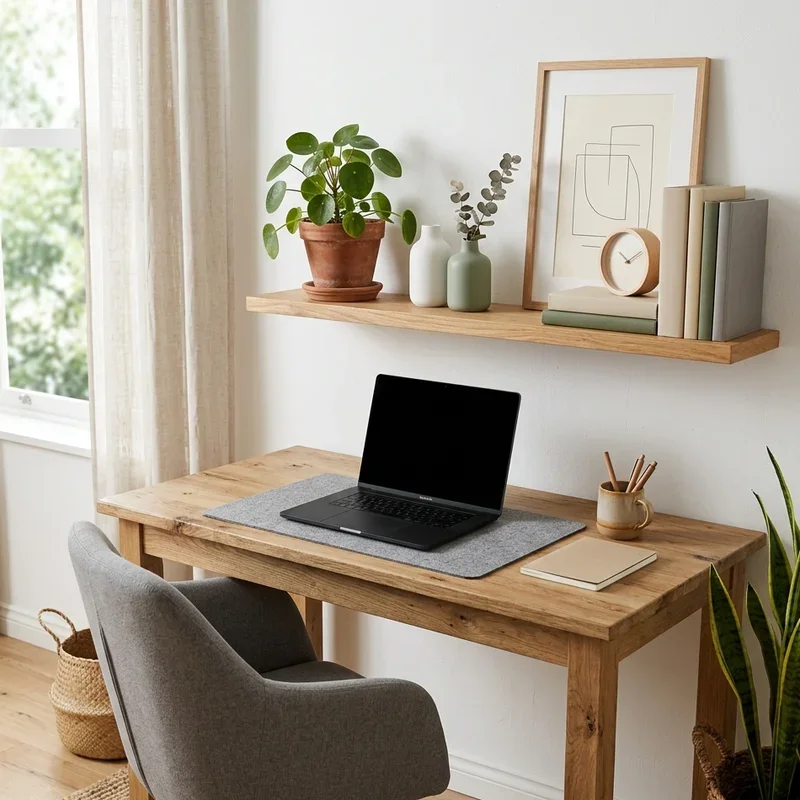
Three years of working from home did something to people's expectations of a workspace that most organisations haven't fully reckoned with. People who spent that period investing in their home setup, buying a proper desk, a decent chair, appropriate lighting, and the accessories that make a workspace functional rather than frustrating, arrived back at an office environment that in many cases compared poorly to what they'd built at home.
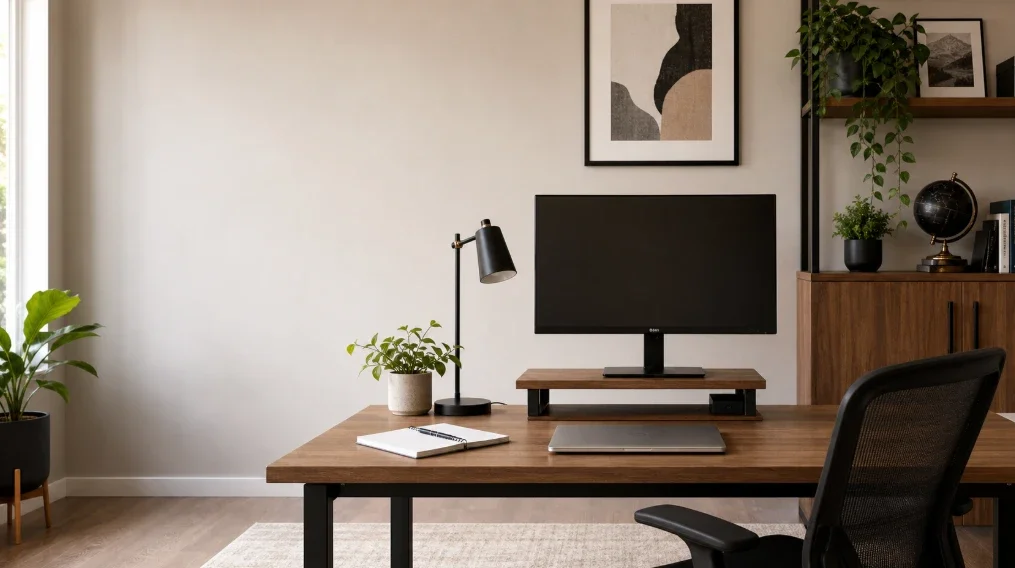
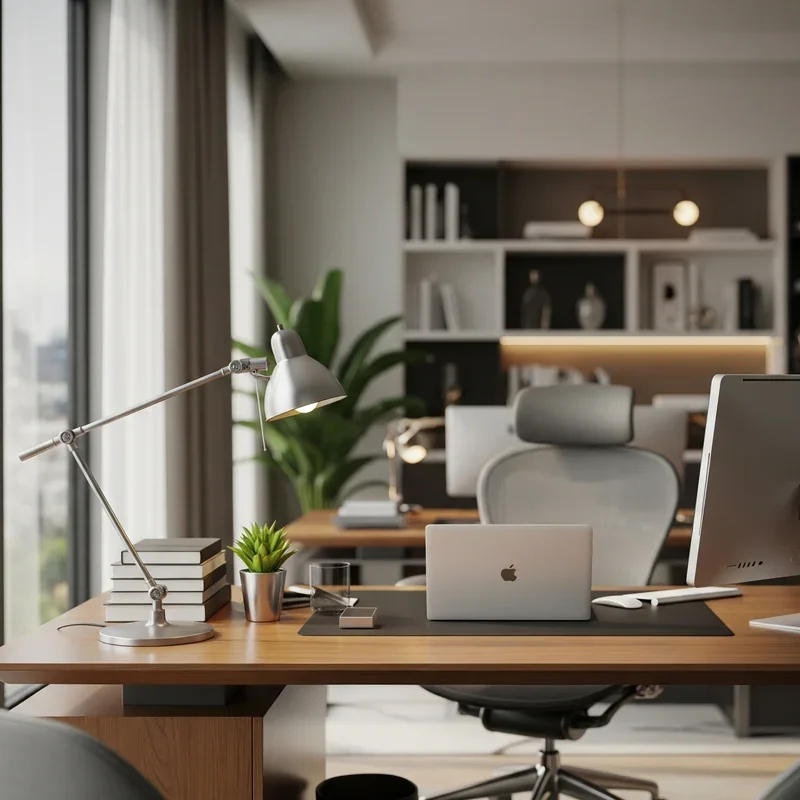
That comparison operates silently but consistently. The person whose home office has a well-positioned monitor, adequate desk space, and a chair that doesn't cause back pain by midday is making a direct comparison every time they sit down at an office workstation that doesn't meet the same standard. The expectation that the employer's investment in the physical workspace should at least match what the employee has done at home on their own budget is not unreasonable, and the offices that have responded to it have found that the response pays dividends in attendance and engagement that the investment more than justifies.
The bar has moved. The offices that haven't noticed are the ones wondering why the flexible working policy they introduced isn't producing the in-office attendance they were hoping for.
How to Approach an Office Refresh Without Starting From Scratch
The practical reality for most businesses considering an office upgrade is that a complete replacement of everything isn't financially viable and isn't necessary. The most effective office refreshes tend to be targeted interventions that address the specific elements producing the most friction in the current setup rather than wholesale replacements driven by aesthetic preference.
The starting point is an honest assessment of what's working and what isn't. Desks that are the wrong size for how they're being used, storage that isn't meeting the actual volume of material people need to manage, seating configurations that don't reflect how teams are actually working together. These are the gaps that produce the most noticeable improvements when addressed, because they're the ones affecting the day-to-day experience of being in the space most directly.
Prioritising high-use, high-impact items produces better returns than spreading budget across a large number of smaller improvements. A well-specified desk that a person uses eight hours a day produces a more noticeable difference to their experience than a collection of minor aesthetic updates that look better on a before-and-after photo but don't change how the space functions. The question worth asking before any purchase is whether this item changes how the space works or just how it looks, and directing budget toward the former before the latter.
Planning the refresh in stages also allows businesses to assess the impact of changes before committing further budget, which produces better outcomes than a single large investment made on the basis of assumptions about what will work rather than evidence from the space itself.
Why the Space Itself Is the Argument
The return to office conversation will continue for as long as flexible working remains a genuine option for a significant proportion of the workforce, which is to say it will continue indefinitely. The businesses that resolve it most effectively won't do so through policy or mandate. They'll do it by making the office a place that people choose because the experience of being there is genuinely better than the alternative for the kind of work they need to do.
That outcome is available to any organisation willing to take the physical environment seriously enough to invest in it thoughtfully. The furniture, the layout, the configuration of the space for different working modes, these are the variables that determine whether the office earns its attendance or has to demand it. The ones that earn it tend to find they don't need a policy at all.
Stay up to date with our latest ideas!