The Renovation Decision That Changes How the Whole House Reads
Discover the renovation decision that can transform how your entire house feels by improving flow, visual balance, functionality, and overall design appeal.
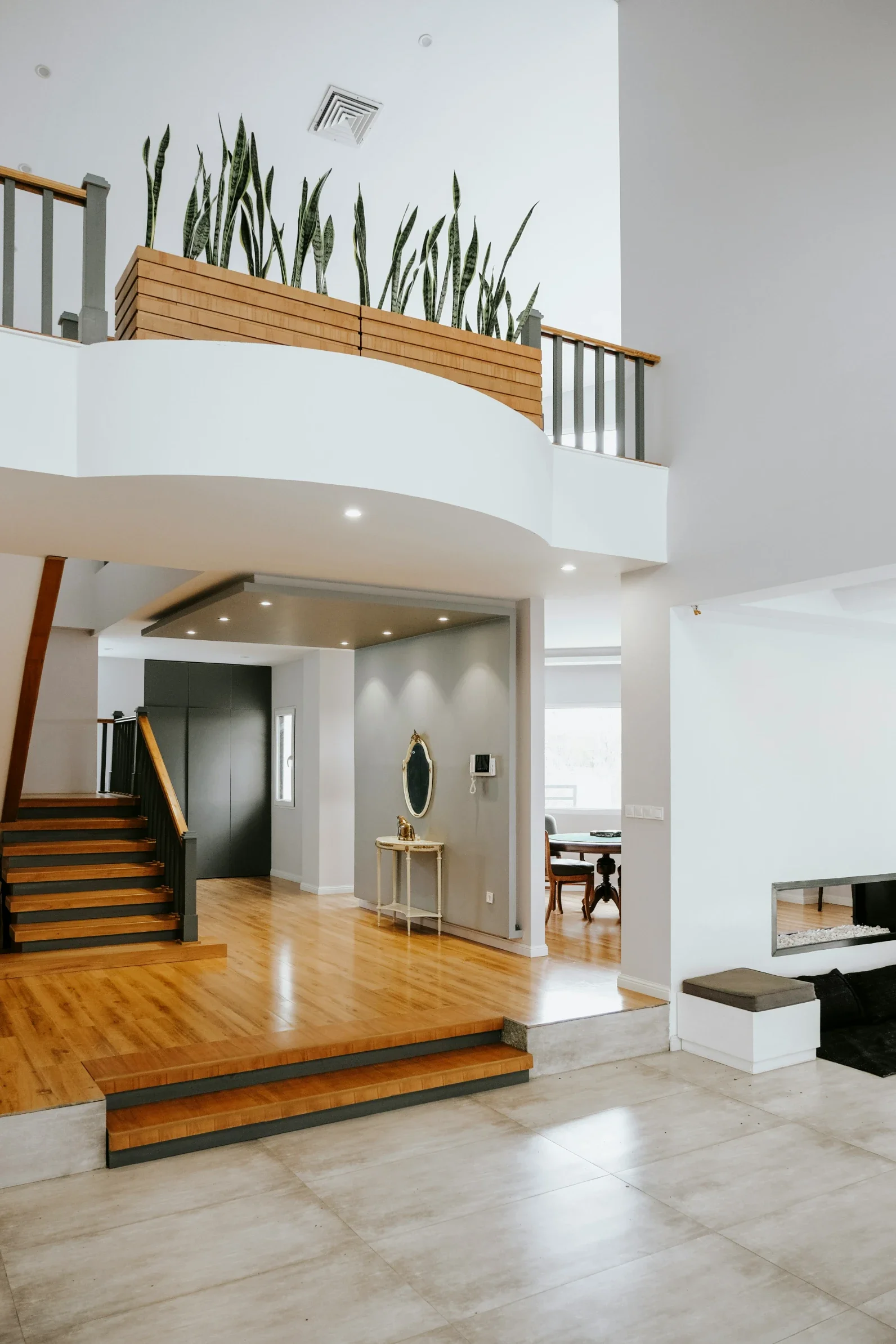
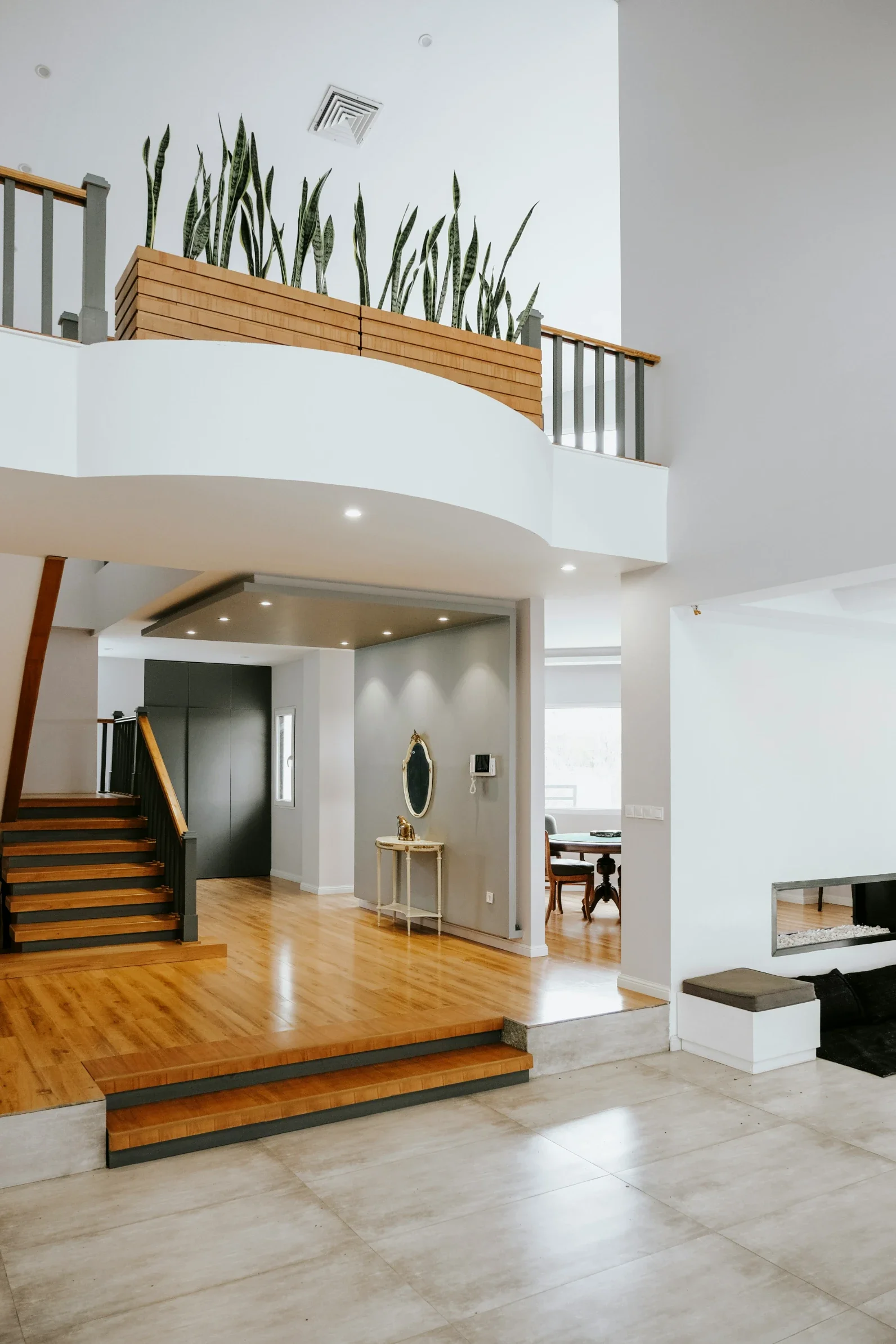
There's a category of renovation that produces an outsized effect relative to its scope — not because it touches the most square footage or involves the most complex work, but because it addresses something that's visible from multiple rooms, photographed in every real estate listing, and noticed by every person who walks through the front door. Staircase railing replacement sits in this category for most homes where it's considered. The scale of the project is contained. The visual impact is not.
Homeowners renovating kitchens and bathrooms often spend significantly on those spaces and then notice that the staircase railing — visible from the kitchen, from the living room, from the entry — reads as inconsistent with the renovation quality around it. A kitchen with updated cabinetry and stone countertops sitting thirty feet from a builder-grade oak railing with turned balusters creates a visual discontinuity that undermines the overall impression of the home. The renovation made the kitchen excellent. The railing makes the home feel partially renovated.
The inverse is equally true. A staircase railing that's well-designed for the architecture of the home — that matches the materials, proportions, and visual language of the surrounding spaces — elevates the impression of everything around it without requiring those surrounding spaces to change. A well-executed glass and steel railing in a home with clean contemporary lines makes the whole interior feel more considered. The railing did its job.
lsrailings.com is where architects, designers, and homeowners in South Florida and beyond find Luxury Staircase Railings for custom fabrication that achieves exactly this effect — a railing that belongs in the architecture rather than one that's attached to it. Ross, their owner, works directly with each project from design through installation.
Where Standard Railing Systems Fall Short in Renovation Contexts
Renovation projects have a specific challenge that new construction doesn't: the railing replacement needs to work with an existing staircase geometry, existing interior materials, and an existing design language that's already established throughout the home. Standard railing systems aren't designed for this kind of integration — they're designed to span a range of applications adequately rather than to work precisely within any specific one.
The geometry problem appears immediately in most renovation projects involving curved or angled staircases. A curved staircase with a radius that doesn't match any of the standard options in a manufacturer's line gets approximated — a flexible system bent to shape, or a series of straight sections that piece together a curve. Neither produces a result that reads as intentional. Both produce a result that announces itself as a compromise at exactly the point where the staircase's geometry is most architecturally interesting.
Material integration is the second renovation-specific challenge. A home that has been renovated over time develops a material palette — specific wood tones, metal finishes, stone surfaces — that a new railing needs to either match or deliberately contrast with. Standard product lines offer limited finish options within fixed profile systems. Custom fabrication starts from the material palette and produces a railing that's integrated into it rather than selected from a catalog that was designed without it in mind.
The proportion problem is subtler but equally consequential. Standard baluster spacing, post sizing, and handrail profiles are calibrated for general adequacy rather than for the specific staircase they're being installed on. A staircase with unusually open proportions needs different baluster spacing from one with tighter geometry. A home with delicate architectural details needs lighter railing profiles than one with more robust detailing. Getting proportion right requires designing for the specific staircase rather than selecting from standardized options.
What the Custom Fabrication Process Actually Looks Like
The difference between a standard railing installation and a custom fabricated one begins before any design decisions are made — with an accurate documentation of the existing staircase geometry. Custom fabrication to the exact dimensions and radius of a specific staircase requires measurements that go beyond what a standard installation needs: the precise radius of curved sections, the exact tread dimensions, the specific rake angles, the relationship between the staircase and the surrounding architectural elements.
Design development at Luxury Staircase Railings happens in direct conversation with the client — understanding the architectural language of the home, the material palette in place, and the visual outcome the client is working toward before any design direction is proposed. The result is a design that reflects the specific project rather than a selection from a portfolio of previous work adapted to fit.
Fabrication follows from design documentation rather than from standard components. Glass panels cut to the exact dimensions of the installation. Metal elements welded and finished to the specific profile and dimension the design requires. Handrails shaped to the exact geometry of the staircase run. The level of precision this represents is visible in the installed result — in the way the railing follows the staircase geometry exactly, in the way the glass panels sit without visible gaps or inconsistencies, in the way the proportions read as designed rather than assembled.
For homeowners in West Palm Beach and across South Florida undertaking renovations where the staircase railing is part of the design picture — and for architects and designers working on projects where railing quality is expected to match the overall design standard — Luxury Staircase Railings provides the fabrication capability and direct design involvement that custom railing work requires.
Stay up to date with our latest ideas!