The Real Benefits of Coworking Offices for Startups — And Why the Environment Matters More Than You Think
Discover how coworking offices help startups grow through flexibility, networking, and productivity while the right environment supports long term success.

When a startup chooses a workspace, it is making more decisions than it realises. The physical environment shapes how a team concentrates, how it communicates, how it appears to new hires, and what kind of work it produces day to day. Most early-stage founders know that a traditional office lease is a poor fit for a company that is still figuring out what it needs — but choosing coworking is only the beginning of the decision, not the end of it.
The quality, design, and infrastructure of the coworking space you pick will have a measurable effect on your team's productivity and culture. Here is a clear-eyed look at what coworking actually offers startups, and which factors are worth prioritising when you are evaluating your options.
Lower Financial Commitment, Better Capital Allocation
The most immediate benefit of coworking for any early-stage company is financial. A traditional office lease in most major cities requires a multi-month deposit, a fit-out budget, furniture, IT infrastructure, and a multi-year commitment — all before a single product decision is made. That capital sits in the walls and floors of a building rather than in the business.
Coworking eliminates that equation. Monthly memberships, no build-out, no capital expenditure. Infrastructure — internet, printing, kitchens, meeting rooms — is already in place and maintained by the operator. For a startup that needs to move quickly and stay lean, that means the founders are making decisions about product, team, and customers rather than about broadband contracts and office furniture sourcing.
What this makes possible is a different kind of financial discipline. Instead of a fixed overhead that runs regardless of how the month goes, workspace becomes a variable that scales with the business. Hire two people, add two desks. Downsize after a pivot, reduce accordingly. That flexibility is not just convenient — it changes the risk profile of growth decisions.
A Workspace That Is Ready on Day One
One aspect of coworking that founders consistently undervalue until they have experienced a traditional office setup is how much time and energy go into making a space functional. Internet provisioning, hardware setup, cleaning arrangements, building access management, visitor handling, mail — none of it is exciting, and all of it consumes founder bandwidth when done in-house.
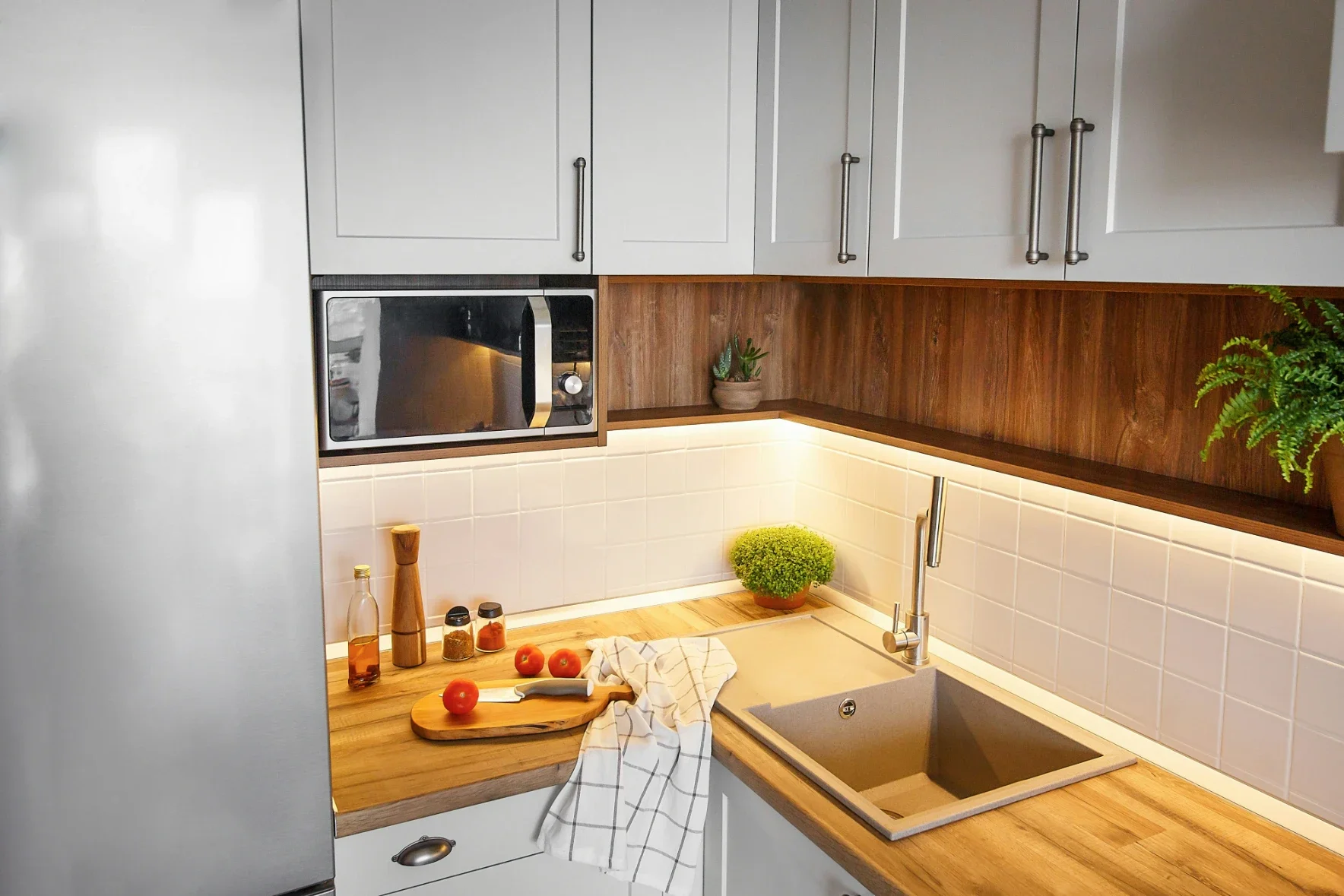
Premium coworking spaces absorb that entire category of overhead. The workspace is operational from the moment you arrive. A well-run operator provides the kind of infrastructure that would take months to replicate independently: ultra-fast reliable internet, phone booths for private calls, fully equipped meeting rooms with presentation technology, stocked kitchens and lounges, and concierge-style mail and visitor handling. Mindspace, for example, builds all of these into its membership model alongside 24/7 secure building access — meaning the workspace works around your team's schedule rather than the other way around.
For a startup where every hour of founder and team time has a high opportunity cost, not managing the physical environment is a genuine operational advantage.
The Design Effect on Productivity
There is solid research behind the idea that the physical environment affects cognitive output, and it is worth taking seriously when choosing a workspace. Lighting, acoustics, spatial layout, ergonomic quality, and the availability of different work modes — focused solo work versus collaborative team sessions — all influence how well people do their jobs.
Generic serviced offices tend to optimise for cost per square foot rather than occupant experience. Worn furniture, harsh lighting, and uniform open-plan layouts that provide neither privacy for focused work nor genuine openness for collaboration are common. Startups that work in these environments often find that the savings in rent are offset by friction that shows up in productivity, morale, and recruitment outcomes.
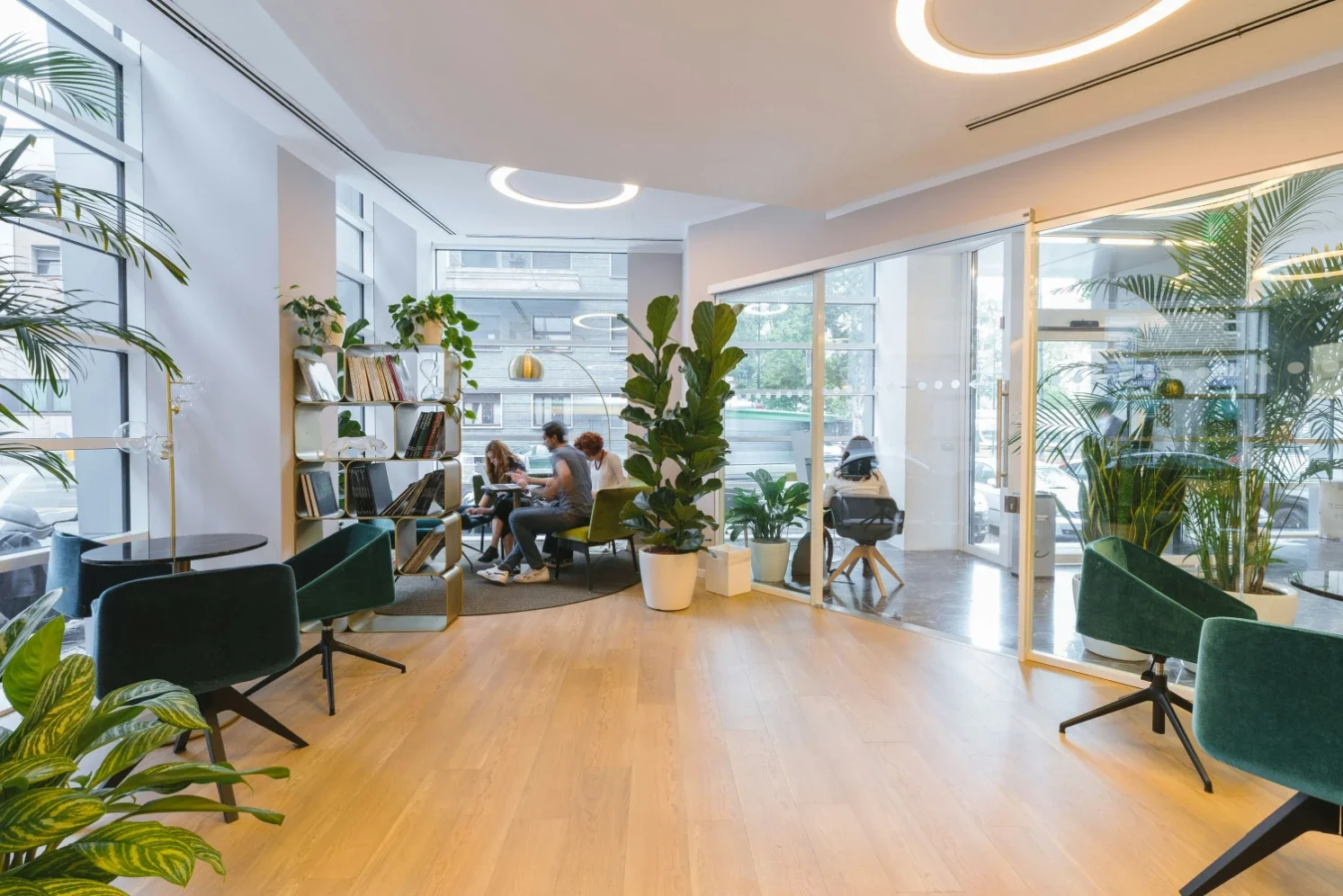
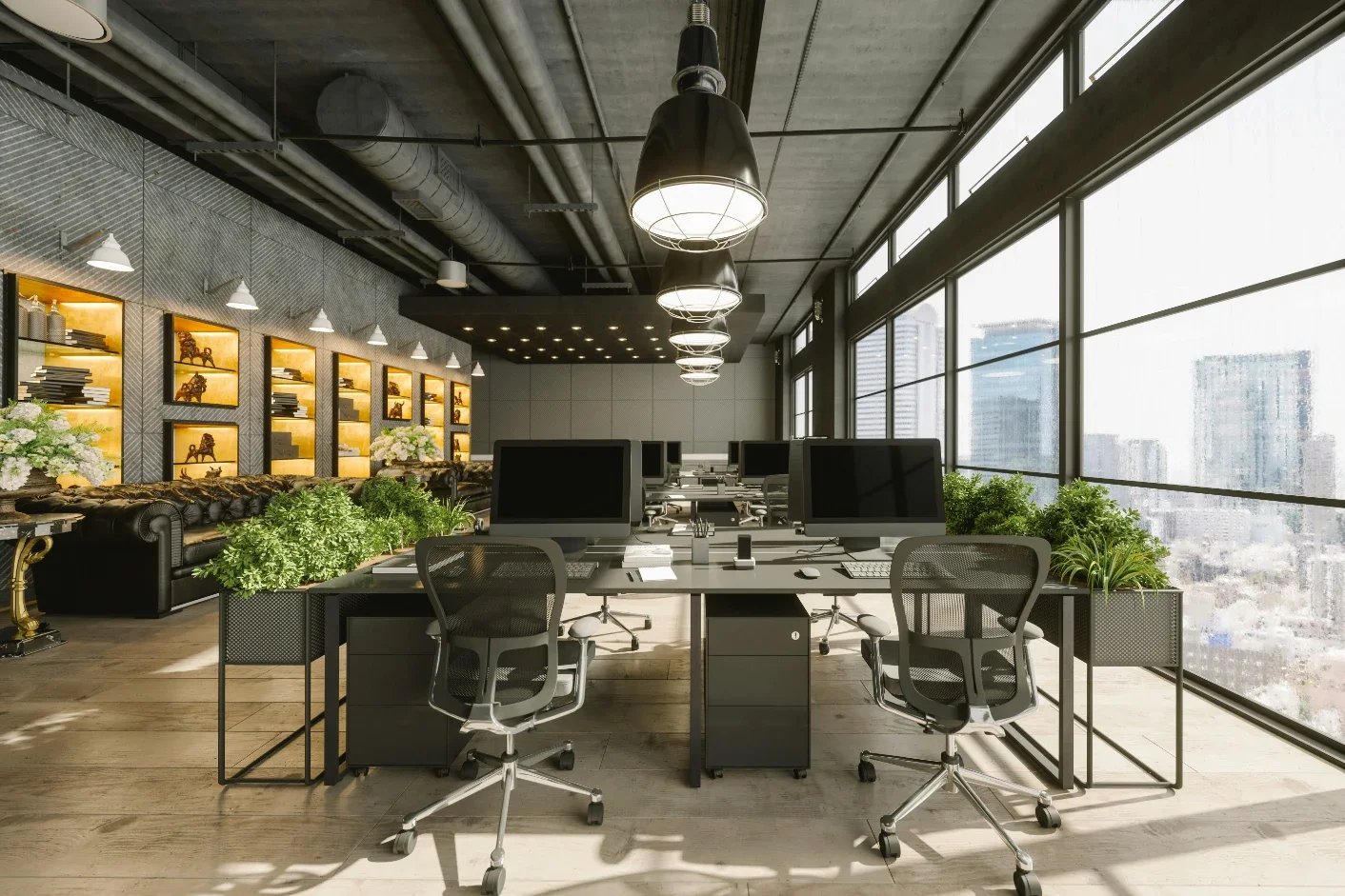
Coworking spaces designed around thoughtful interiors make a tangible difference. Open lounges that support ambient work, enclosed phone booths for calls that require concentration or confidentiality, meeting rooms designed for small-group collaboration, and common areas that allow casual interaction without disrupting focused work — these are not luxuries. They are functional requirements for a team doing a variety of cognitive tasks across the day. When a workspace is designed to support all of those modes, the team does not have to work around the environment. It works with it.
What the Workspace Signals to Candidates
Startup hiring is competitive in ways that are difficult to overstate. You are asking people to take a risk on a company that is not yet established, often for compensation that is below what larger companies offer. The quality of the daily work environment is one of the few tangible things you can put in front of a candidate to close that gap.
A well-designed coworking space in the right location tells a story. It says that the founders take the team's daily experience seriously. It shows that the company is embedded in a professional ecosystem alongside other ambitious organisations. And it gives candidates something concrete to imagine themselves inside, rather than a vague promise about culture.
The inverse is also true. A cheap desk in a poorly maintained, undifferentiated space sends a message that is hard to overcome regardless of how compelling the product story is. For startups that are competing for talent against better-known companies, the workspace is one variable entirely within their control.
Community and Proximity as a Business Resource
One of the structural advantages of coworking that does not appear on a cost comparison is the professional ecosystem you are placed inside. Shared spaces bring together founders, operators, freelancers, and investors who are working on different problems, often in adjacent industries. The conversations that happen in the kitchen, the introductions made through shared events, the referrals that emerge from repeated proximity — these are genuine business development outcomes that an isolated private office cannot produce.
Operators that invest in their communities through programming — regular networking events, workshops, wellness activities — amplify this effect. When a coworking provider builds a calendar of community engagement into the membership, it is creating conditions for professional relationships that compound over time. For startups that are still building their networks in a new city or market, that kind of embedded community is a real accelerant.
Flexibility That Matches the Reality of Early Growth
Startups grow unevenly. Some months bring rapid headcount expansion; others bring restructuring. A workspace model that does not adapt to that reality becomes a liability rather than an asset.
The best coworking operators have built genuine flexibility into their membership structures. Location-based plans let a team anchor to a single home location. All-access plans let members work from any site in the global network — valuable for founders who travel frequently or for teams that are distributed across cities. Private offices accommodate teams that need enclosed space for focused or confidential work. Dedicated desks serve individuals who want a consistent setup without the commitment of a private room. And the ability to upgrade, downgrade, or cancel with reasonable notice — rather than the multi-year terms of a traditional lease — means the workspace contract reflects the actual state of the business rather than a projection made twelve months ago.
What to Prioritise When Evaluating Coworking Options
The variables that separate a good coworking space from a poor one for startup teams come down to a short list: the quality of the network infrastructure (not just headline speed, but reliability under load), the acoustic design (can your team take client calls without going somewhere else in the building?), the availability and quality of meeting rooms, the ergonomic standard of the furniture, the location relative to your team and clients, and whether the operator has genuinely invested in the community or just listed events on a calendar.
The price per desk is a real factor but rarely the deciding one. A workspace that saves $200 a month in membership fees and costs the team two hours a week in friction, distraction, or substandard equipment is not the cheaper option. The real cost of a workspace includes what it does to the productivity and culture of the people inside it — and that is the number worth optimising.
For startups building something serious, the workspace environment is not an afterthought. It is the physical container of the company's early culture, and the quality of that container has consequences that compound over time.
Stay up to date with our latest ideas!