Why Fast Graffiti Removal Protects Commercial Property
Graffiti signals neglect and invites more tagging. Here is why prompt, professional removal protects commercial property value and your brand.
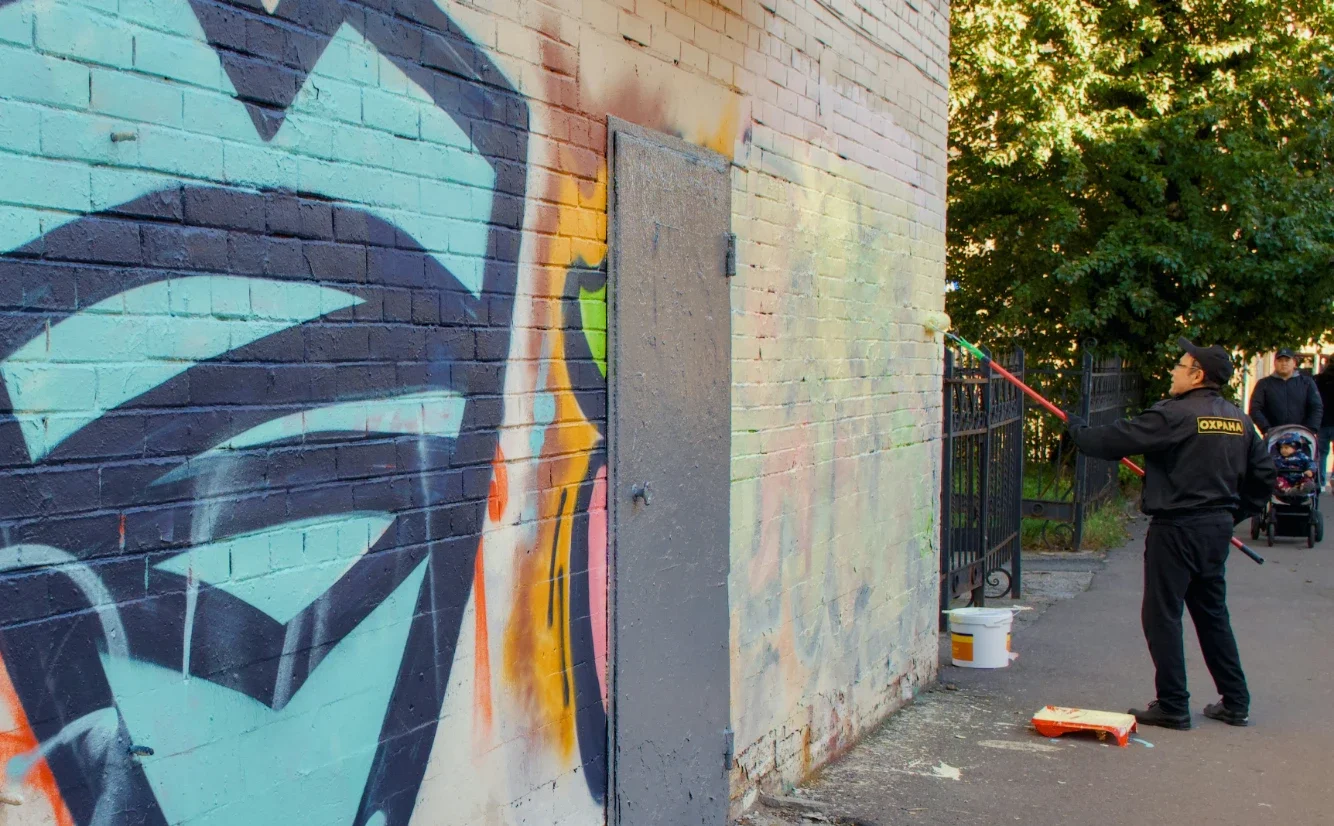
A graffiti tag on your building is rarely just a cosmetic problem. It is a signal. For tenants, customers and passersby, it quietly answers a question they did not know they were asking: does anyone here actually care about this place?
Commercial property upkeep is a constant negotiation between cost and perception. Most owners understand the obvious items: clean glass, working lights, a tidy entrance. Graffiti sits in a different category because it carries a social message, and that message spreads faster than most managers expect.
This article looks at why speed matters when graffiti appears, and why prompt, professional removal is one of the cheaper ways to protect both your asset value and your brand.
Graffiti reads as neglect
People judge buildings the way they judge anything else, on first impressions. A fresh tag near an entrance or loading dock changes the story a visitor tells themselves before they reach the door.
The frustrating part is that the building itself may be in excellent condition. The roof is sound, the systems are maintained, the leases are current. None of that registers when the first thing a person sees is a wall that looks unmanaged.
Perception becomes the reality you are managed against. A tenant touring your space, a customer choosing where to shop, a lender ordering a valuation: each of them folds visible neglect into their judgement, often without saying so.
The broken windows effect is real for buildings
The broken windows idea is simple. Visible signs of disorder invite more disorder. One unrepaired window, or one untreated tag, suggests that nobody is watching, and that suggestion is an invitation.
Graffiti behaves the same way. A wall that is tagged and left alone tends to attract more tags. Other writers read the blank response as permission, and what started as a single mark becomes a recurring canvas.
This is why timing matters more than the size of the original tag. A small piece removed within a day or two sends a clear message that the surface is monitored and maintained. The same piece left for weeks sends the opposite.
Tenant and customer perception drives value
Commercial value rests on confidence. Tenants pay for an address that reflects well on them, and they renew leases in buildings that feel cared for. Retailers want a frontage that reassures the customer rather than warning them off.
When graffiti lingers, that confidence erodes quietly. A retail tenant may not file a complaint, but they will notice slower foot traffic and a frontage that no longer matches their brand. Office tenants notice how the building looks to their own clients arriving for meetings.
Over a lease term, these small impressions compound. Renewal conversations get harder, incentives creep up, and the gap between your building and a better kept competitor down the street widens.
Recurring tagging needs a real strategy
Some sites attract graffiti again and again. Quiet laneways, rear walls, service entrances and anything visible from a train line or main road tend to be repeat targets, and a one-off cleanup will not solve that on its own.
The pattern matters. If the same wall is hit repeatedly, the answer is usually a combination of rapid removal, better lighting, restricted access and sometimes a protective anti-graffiti coating that makes the next cleanup faster and cheaper.
Tracking incidents also helps. Knowing when and where tagging happens lets you decide whether the fix is a camera, a sensor light, a fence adjustment or simply a faster removal routine. Guessing is more expensive than measuring.
Why professional removal beats a quick scrub
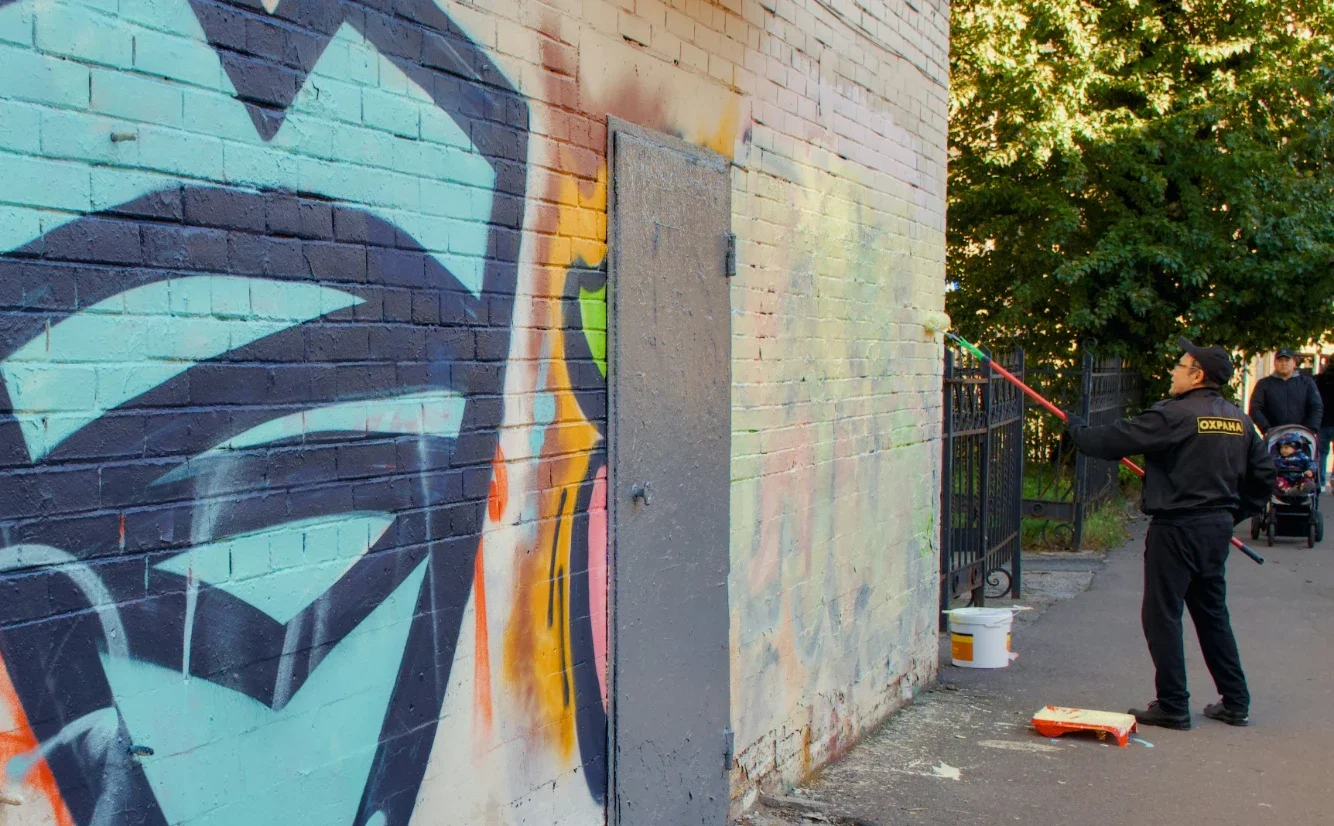
It is tempting to send a maintenance person out with a pressure washer and some solvent. Sometimes that works. Often it does not, and a rushed attempt leaves a shadow, a faded patch or surface damage that looks almost as bad as the tag.
Different surfaces demand different methods. Painted render, raw brick, heritage stone, powder coated metal, glass and signage each react differently to chemicals, abrasion and heat. Using the wrong approach on the wrong material can turn a small problem into a costly repair.
For a property of any value, this is where specialist help earns its fee. A dedicated service such as Graffiti Gone Now is set up to match the removal method to the surface, so the wall is restored cleanly rather than scarred in the rush to clear a tag.
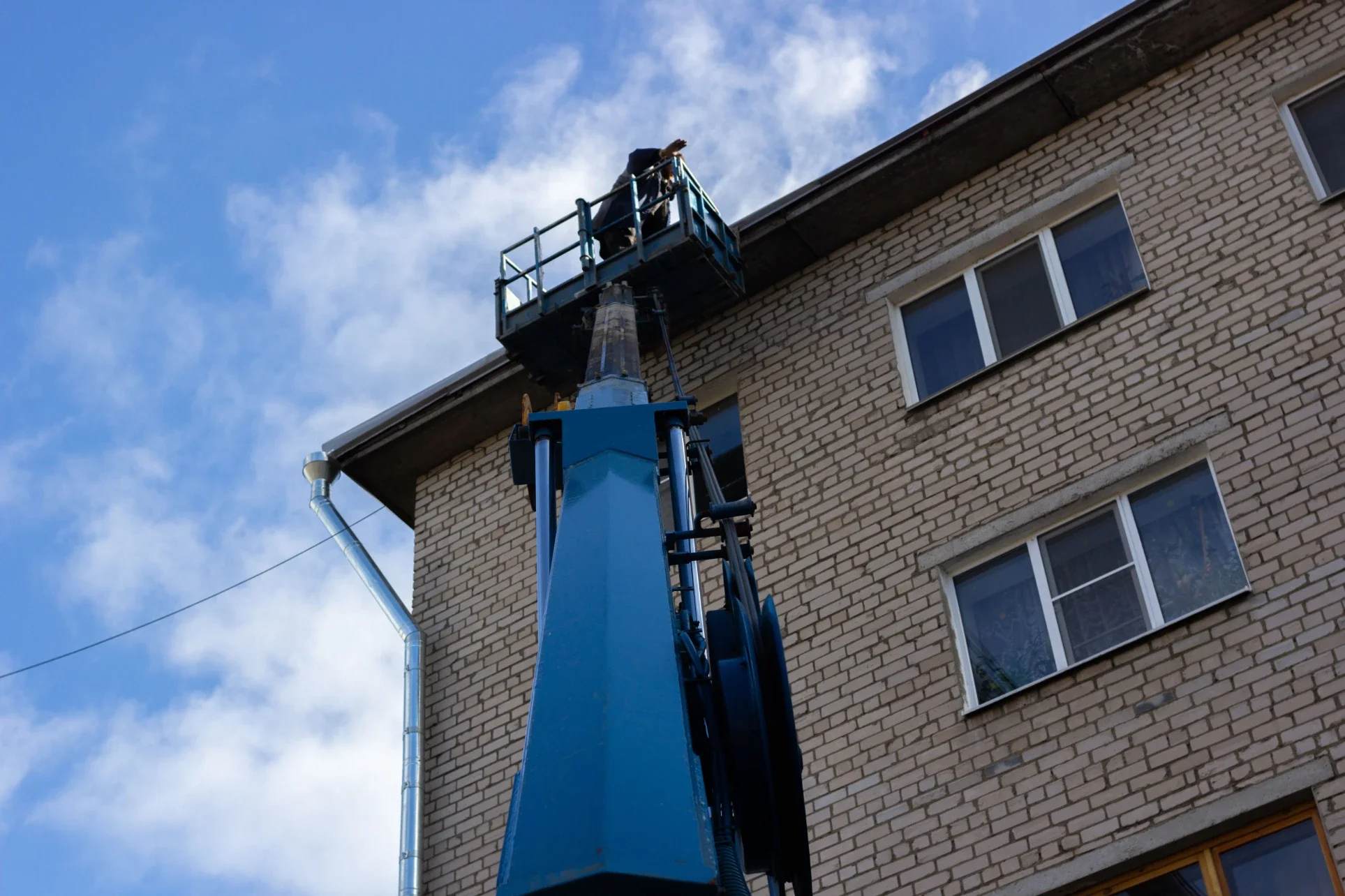
Professionals also bring the right gear for height and access, the correct disposal of chemicals, and the documentation that insurers and managing agents often want. That paperwork matters more than people expect when an incident becomes a claim or a dispute.
Speed protects asset value
The financial case for fast removal is straightforward. The cost of clearing a single tag promptly is small and predictable. The cost of a wall that has become a recurring target, plus the slow drift in tenant confidence, is neither small nor predictable.
Asset value is built on a stream of expectations: stable tenants, steady demand, low surprises. Anything that nudges those expectations downward, even subtly, shows up eventually in valuations, lending terms and sale prices.
Prompt removal is a way of defending those expectations cheaply. You are not just cleaning a wall. You are protecting the signal your building sends to everyone who has a financial reason to care about it.
Building removal into normal upkeep
The owners who handle this best treat graffiti like any other maintenance trigger. They have a standing process: report it, remove it quickly, record it, and review whether the site needs a structural change.
A simple service level works well. Decide on a target window for removal, brief whoever manages the building, and make sure tenants know who to contact the moment they spot a tag. Clarity removes the delay that lets a single mark multiply.
For larger portfolios, it helps to keep before and after records and a short log of incidents per site. Over a year, that log tells you which buildings need a coating, which need better lighting, and which simply need a faster phone call.
A small line item with outsized leverage
Graffiti removal rarely makes it onto a strategic agenda, and that is exactly why it is worth a second look. It is a low cost activity that quietly protects perception, tenant confidence and ultimately value.
Treat it as part of how you signal that the building is watched and well run. Move quickly, match the method to the surface, and address repeat sites at the root rather than cleaning the same wall forever.
Done well, fast removal is one of the least glamorous and most reliable ways to keep a commercial property looking like somewhere people want to lease, shop and invest.
Stay up to date with our latest ideas!