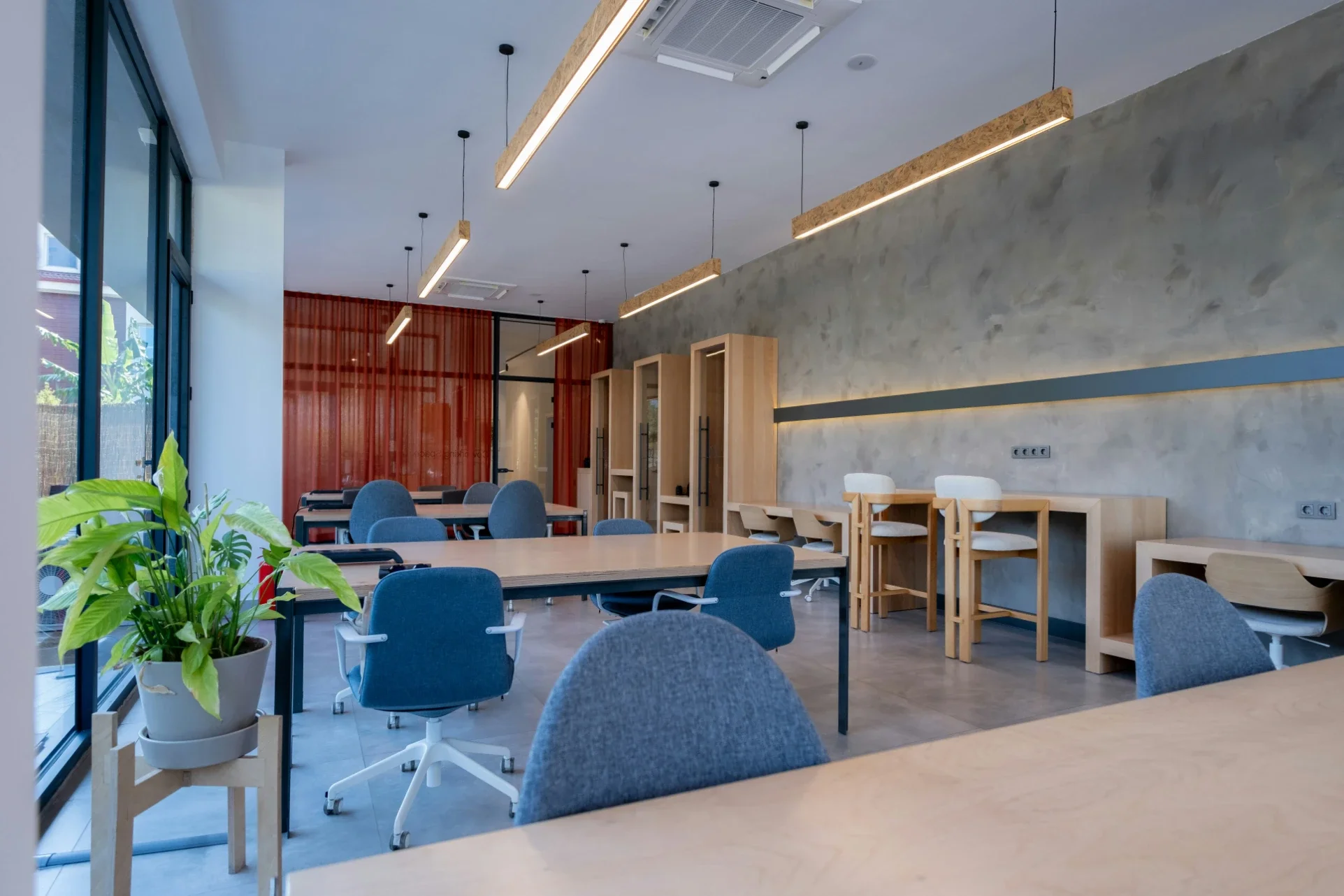
Creating A Professional Office Culture Through Thoughtful Workspace Design
Learn how thoughtful workspace design can create a professional office culture by improving collaboration, focus, comfort, and employee experience.

The modern office is more than just a place where work happens. It's an environment that shapes how employees interact, collaborate, and feel about their roles. When leadership takes the time to design a workspace intentionally, the effects ripple through the entire organization. From how teams communicate to how individuals manage their energy throughout the day, the physical office becomes a silent partner in shaping company culture.
Many organizations overlook the connection between workspace design and workplace morale. Yet research and real-world experience consistently show that thoughtful office environments reduce stress, encourage spontaneous collaboration, and signal to employees that their wellbeing matters. Whether you're managing a small team or overseeing a large corporate office, the decisions you make about layout, lighting, furniture, and aesthetics directly influence how people work and feel. This is especially true for leadership and management levels, where the office environment sets the tone for the entire organization. When hiring new leaders or evaluating candidates for executive roles, many organizations now recognize that cultural fit extends beyond skills and experience to include how well someone will thrive in the specific environment you've created. Some companies even incorporate workplace assessment into their hiring process, including tools like an executive background check to ensure leadership candidates align with organizational values.
The Psychology Of Workspace Environment
The relationship between physical space and psychological wellbeing is well documented. When employees walk into an office that feels cluttered, poorly lit, or uninviting, they carry that feeling into their work. Conversely, a thoughtfully designed space signals care and intentionality. Colors, natural light, air quality, and even the arrangement of furniture all contribute to how people feel and perform.
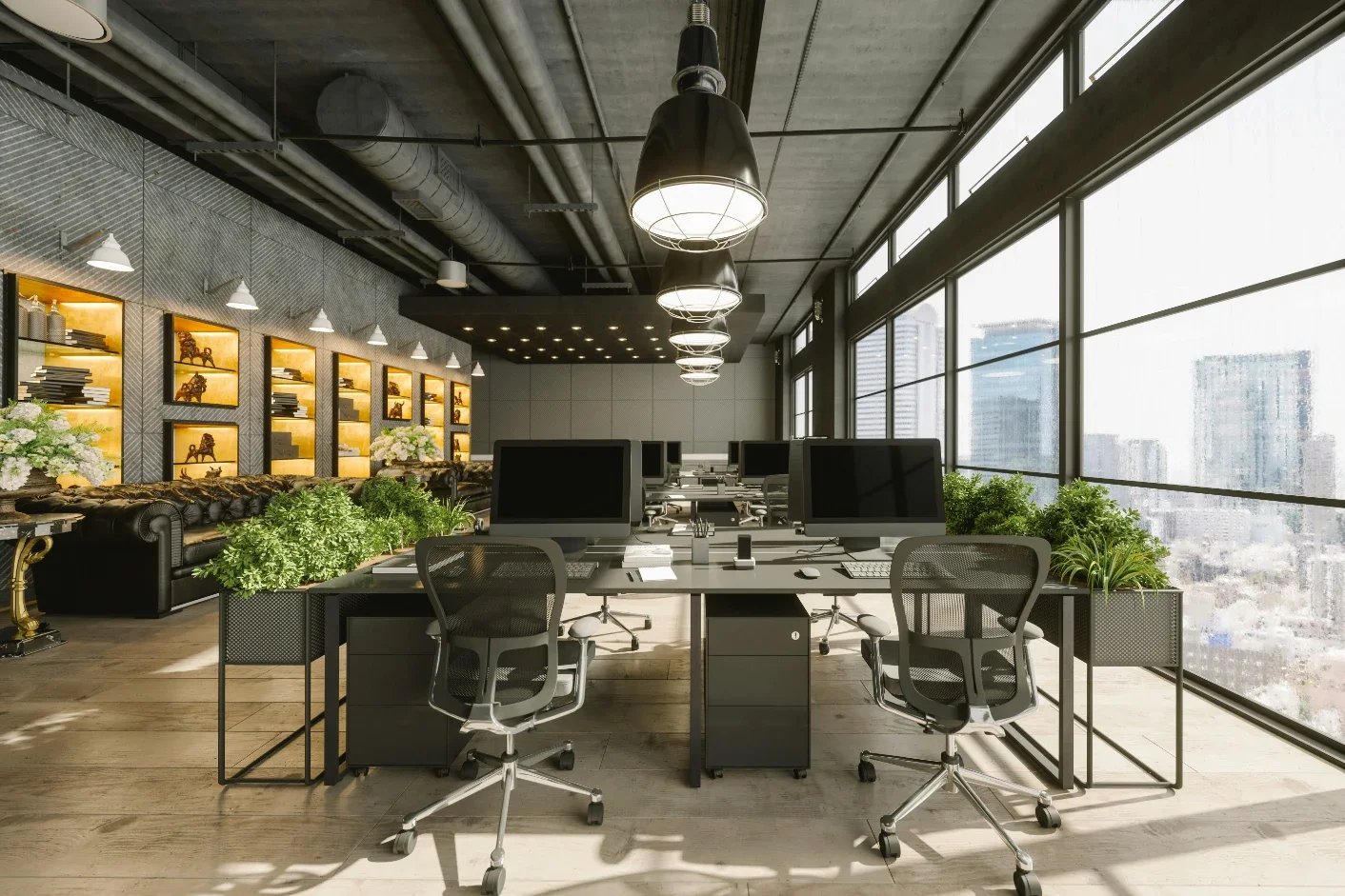
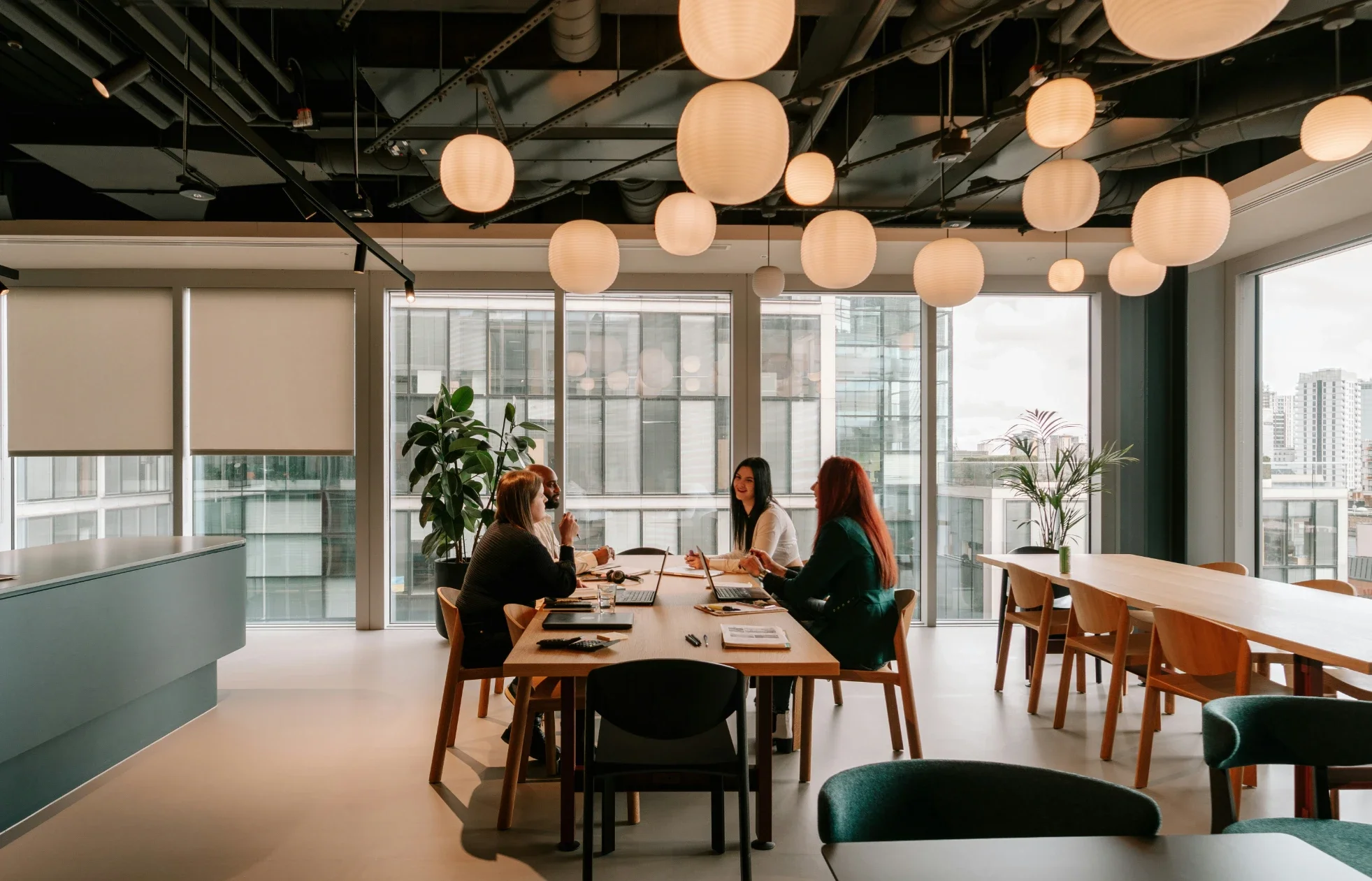
Consider lighting as a starting point. Natural light boosts mood and energy levels, while harsh fluorescent lighting can cause fatigue and headaches. If your office has windows, maximize access to natural light by positioning desks near them. For areas without windows, invest in full-spectrum lighting that mimics daylight. The small investment pays dividends in employee satisfaction and productivity.
Color psychology also plays a role. Neutral tones create calm, while accent colors can energize specific areas. A break room might benefit from warmer, more inviting tones, while a focus area designed for deep work might use cooler, more neutral palettes. The key is intentionality rather than arbitrary choices.
Designing For Collaboration And Focus
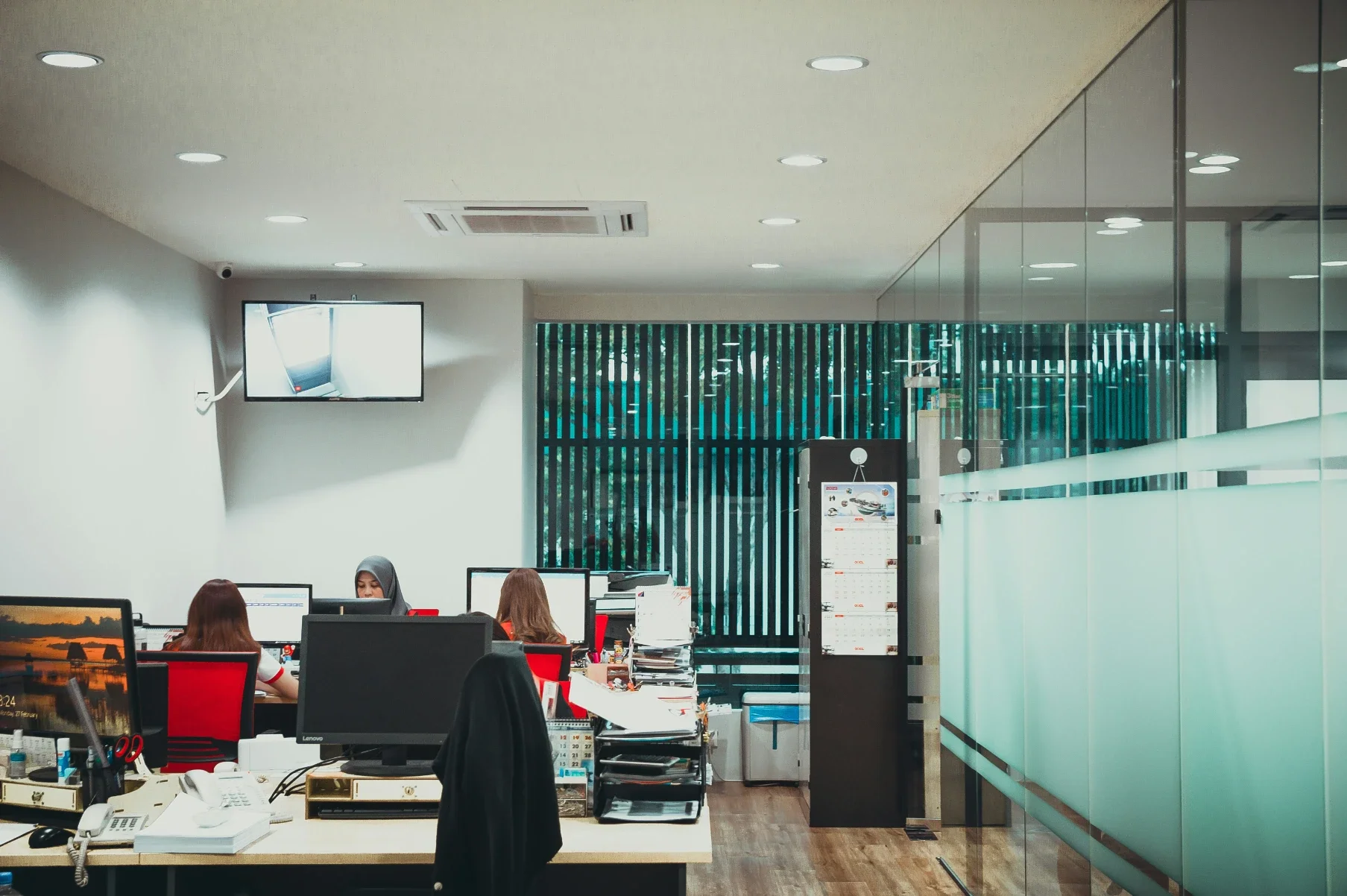
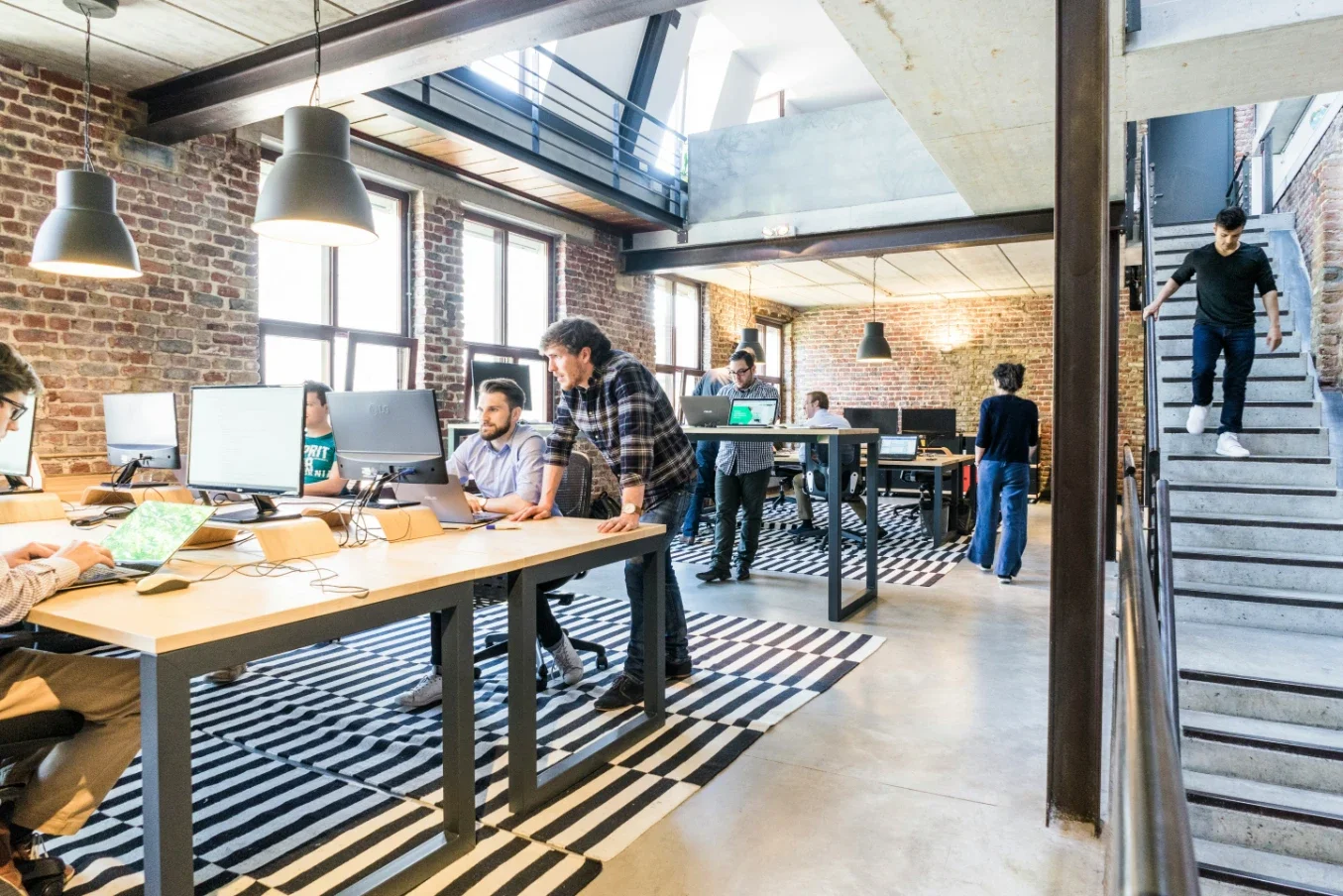
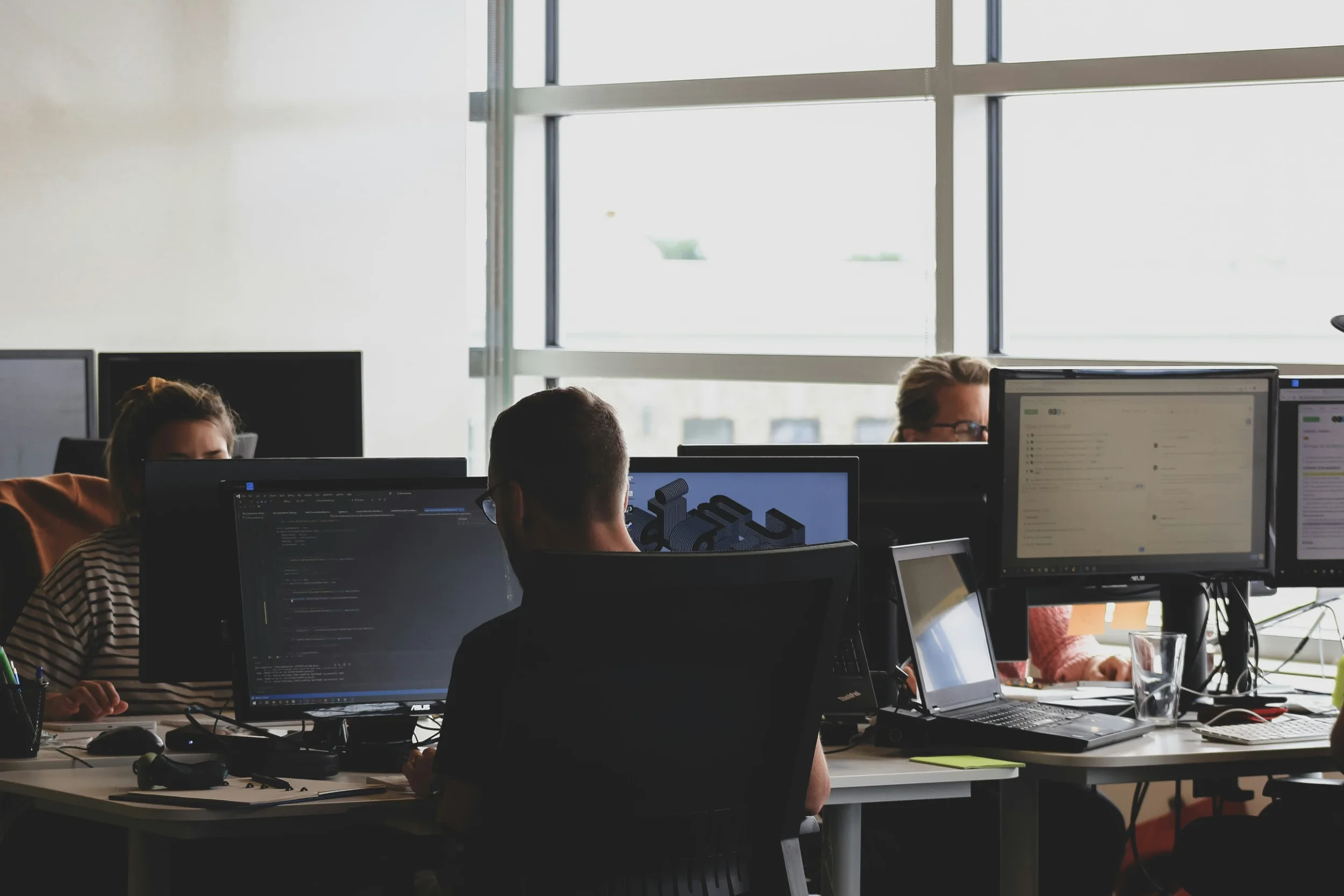
Modern offices need to balance two competing needs: spaces for collaboration and spaces for focused, individual work. Open floor plans became trendy for good reason—they encourage spontaneous conversation and idea sharing. However, they can also create constant distraction and noise fatigue.
The solution is a mixed approach. Designate specific zones for different types of work. Create quiet areas with minimal visual and auditory stimulation for tasks requiring concentration. Establish collaborative zones with comfortable seating, whiteboards, and easy access to technology for team projects. Provide phone booths or small private spaces for calls and confidential conversations. This zoning approach respects different work styles and acknowledges that not all work requires the same environment.
Furniture arrangement matters more than many realize. Desks facing the same direction create a sense of shared purpose, while arrangements that isolate individuals can feel cold and disconnected. Consider how sightlines work in your office. Can people easily see and acknowledge one another? Are there natural gathering points that encourage informal connection?
Ergonomics And Long-Term Wellbeing
An inspiring office design means little if employees leave each day with back pain, neck strain, or wrist discomfort. Ergonomic considerations are not optional extras; they're foundational to a healthy workplace.
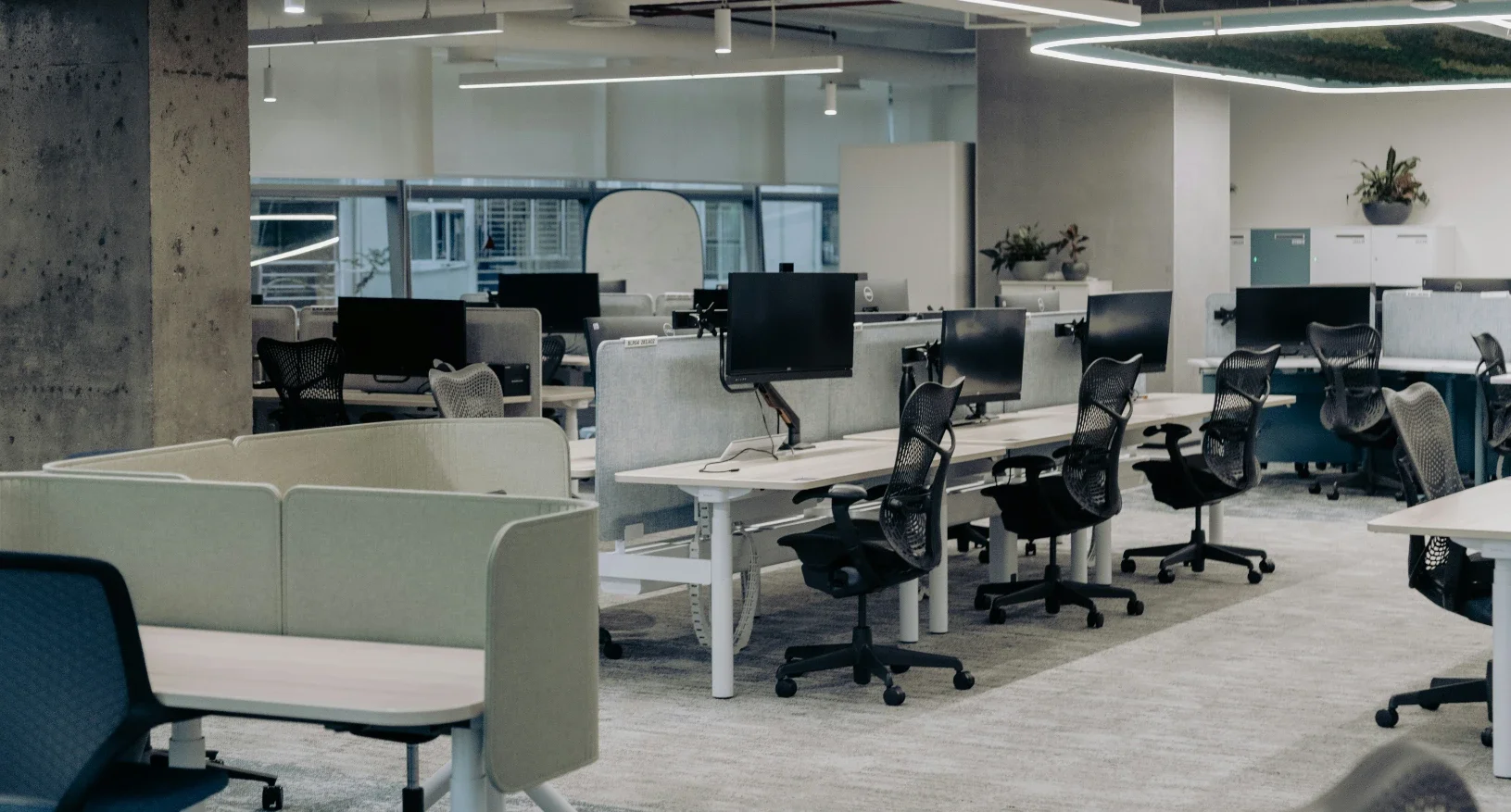
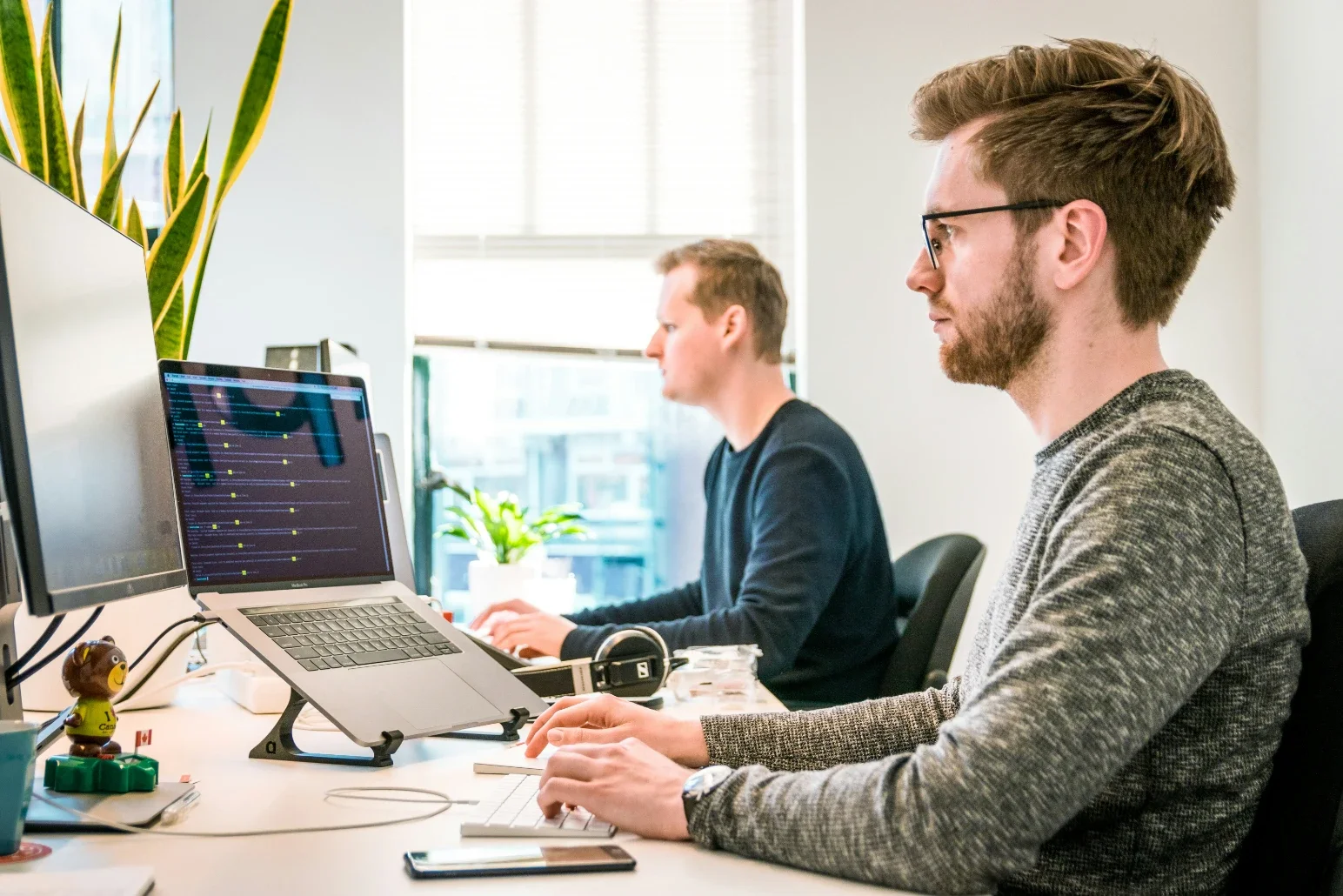
Invest in adjustable desks that allow employees to alternate between sitting and standing throughout the day. Provide ergonomic chairs with proper lumbar support. Position monitors at eye level to prevent neck strain. Ensure keyboards and mice are positioned to keep wrists neutral. These details prevent long-term injury and signal that you care about employee health.
Encourage movement throughout the day. Stairwells should be visible and inviting rather than hidden. Walking paths between departments can become informal collaboration zones. Some offices create standing meeting areas or walking meeting routes. These small design choices accumulate into a culture that values physical wellbeing alongside productivity.
Personalization And Ownership
While consistency in design creates a cohesive environment, personalization creates connection. Employees who can add photos, plants, or small personal touches to their workspace feel more ownership and belonging. This doesn't mean chaos; it means creating frameworks where individual expression is possible within a larger design vision.
Shared spaces offer another opportunity for personalization. A gallery wall featuring employee artwork, a rotating display of team achievements, or a community bulletin board creates a sense of collective identity. These elements transform an office from a generic corporate space into a place that reflects the people who work there.
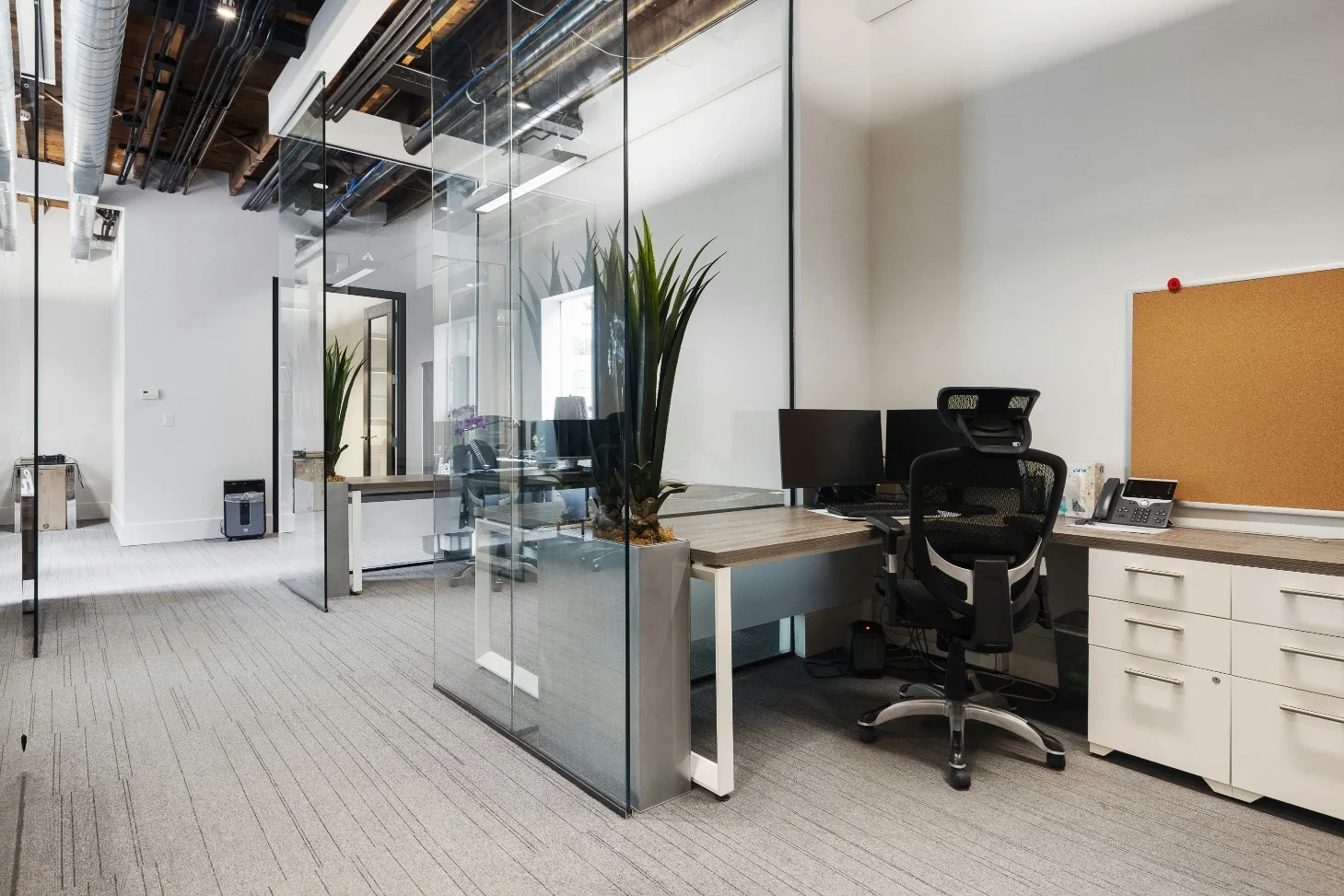
Plants deserve special mention. Beyond their aesthetic appeal, plants improve air quality, reduce stress, and create a sense of life and growth. Even low-maintenance varieties in shared spaces make a measurable difference in how people perceive their environment.
Practical Steps For Workspace Transformation
Begin with assessment. Walk through your office and observe how people actually use the space. Do they gather in certain areas? Do they seem stressed or energized? Ask employees directly what's working and what isn't. This feedback is invaluable and costs nothing.
Next, identify quick wins. Sometimes small changes create outsized impact. Better lighting, a fresh coat of paint, rearranged furniture, or added plants can transform a space without major investment. These early successes build momentum for larger changes.
Then plan strategically. If a major redesign is necessary, involve employees in the process. Their insights about workflow, collaboration needs, and pain points will inform better decisions. Communicate the vision clearly so people understand the reasoning behind changes.
Finally, iterate and adjust. No office design is perfect on day one. Pay attention to how people respond. Be willing to modify arrangements based on real-world use. An office environment should evolve as your organization and its needs change.
Conclusion
The office environment you create sends a powerful message about your organization's values and priorities. When leadership invests in thoughtful design, intentional zoning, ergonomic support, and opportunities for personalization, employees feel valued and supported. This foundation of care extends to every aspect of organizational culture, from how teams collaborate to how individuals experience their daily work.
Creating a professional office culture through workspace design is not about luxury or expense. It's about intentionality. It's about recognizing that the physical environment influences psychology, productivity, and belonging. Whether you're starting from scratch or refining an existing space, the principles remain consistent: prioritize natural light and air quality, balance collaboration and focus, support physical wellbeing, and create room for personal connection. These elements work together to transform an ordinary office into a space where people do their best work and genuinely want to be.
Stay up to date with our latest ideas!