Creating a Professional Office Environment That Attracts and Retains Talent
Learn how to create a professional office environment that attracts and retains talent through smart design, comfort, functionality, and employee focused spaces.
The modern workplace has undergone a dramatic transformation over the past few years. Remote work, hybrid schedules, and flexible arrangements have reshaped how companies think about their physical spaces. Yet for organizations that still maintain offices, the design and atmosphere of those spaces matter more than ever. When employees do come into the office, they expect an environment that supports their work, enhances their mood, and reflects the company's values. This shift has prompted many business leaders to reconsider everything from layout and lighting to furniture selection and décor.
The connection between workspace design and employee performance is no longer theoretical. Research consistently shows that thoughtfully designed offices improve productivity, reduce stress, and foster collaboration. Beyond aesthetics, practical considerations like ergonomics, air quality, and noise management directly influence how well people work. For companies hiring new talent or onboarding employees, the office environment sends a powerful message about organizational culture. Even details like background checks and hiring practices reflect a company's commitment to creating a safe, professional workplace, and dot background check compliance is one part of that larger picture. But the physical space itself is equally important in setting the tone for what employees can expect.
The Psychology of Workspace Design
Every element of an office environment influences how people feel and perform. Color psychology plays a significant role in this dynamic. Soft blues and greens promote calm and focus, making them ideal for areas where concentration is essential. Warmer tones like terracotta or soft orange can energize spaces meant for brainstorming and collaboration. Neutral backgrounds provide flexibility and allow accent colors to draw attention to key areas without overwhelming the senses.
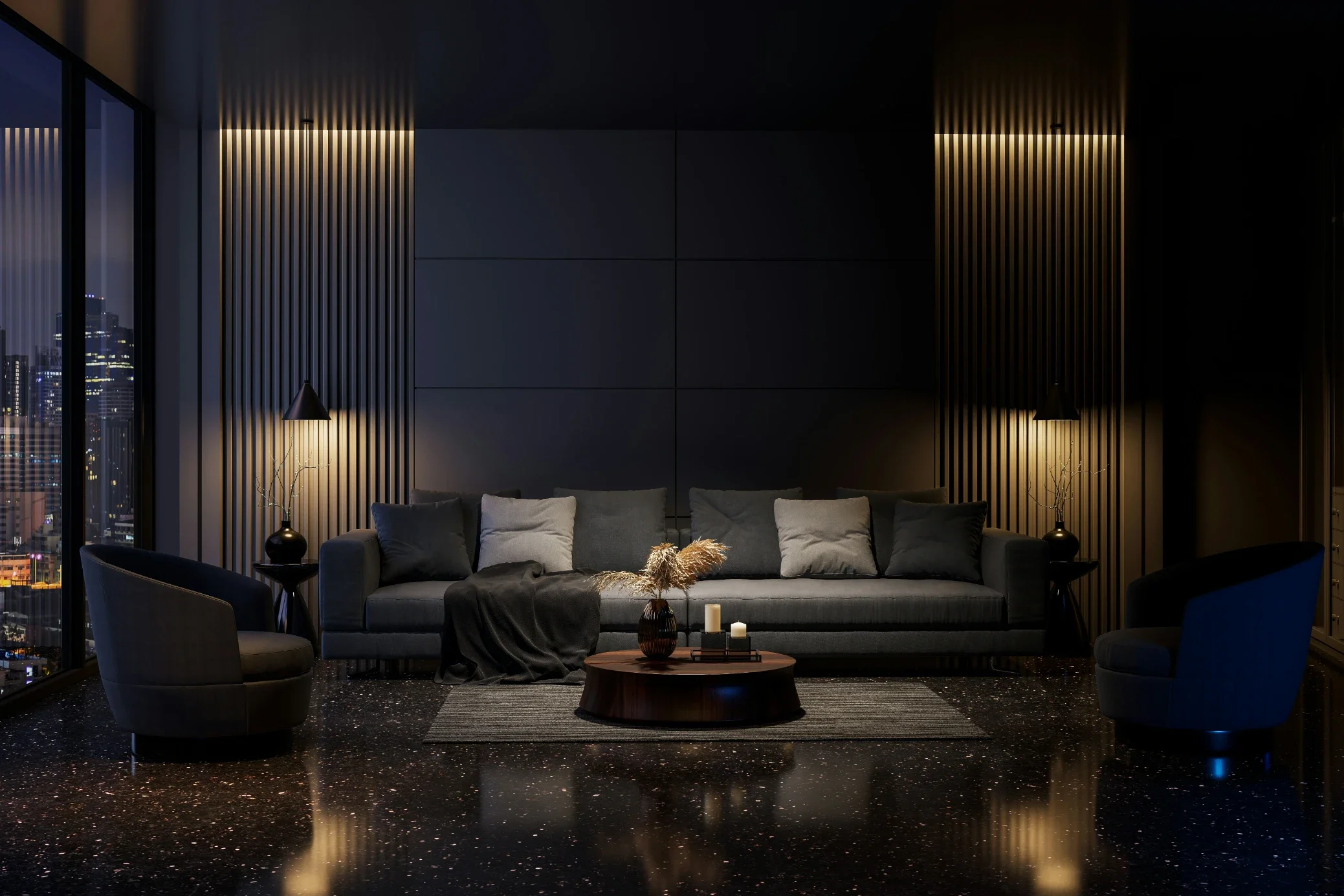
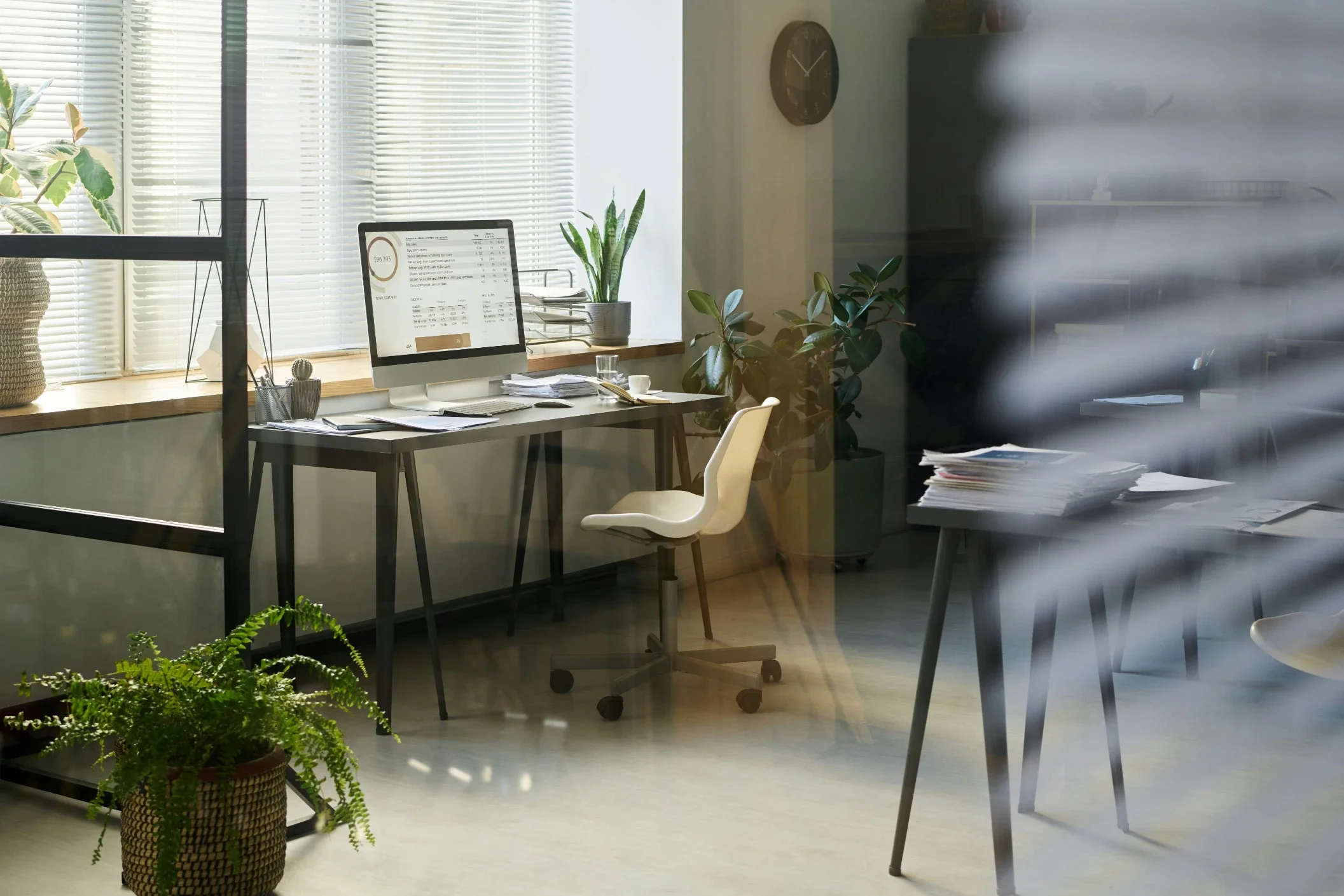
Lighting deserves special attention because it affects both mood and circadian rhythms. Natural light is ideal, but when windows aren't available, layered artificial lighting can mimic daylight and reduce eye strain. Task lighting at individual workstations prevents shadows and glare, while ambient lighting sets the overall tone of the space. Many offices now incorporate adjustable lighting systems that allow employees to customize their environment throughout the day.
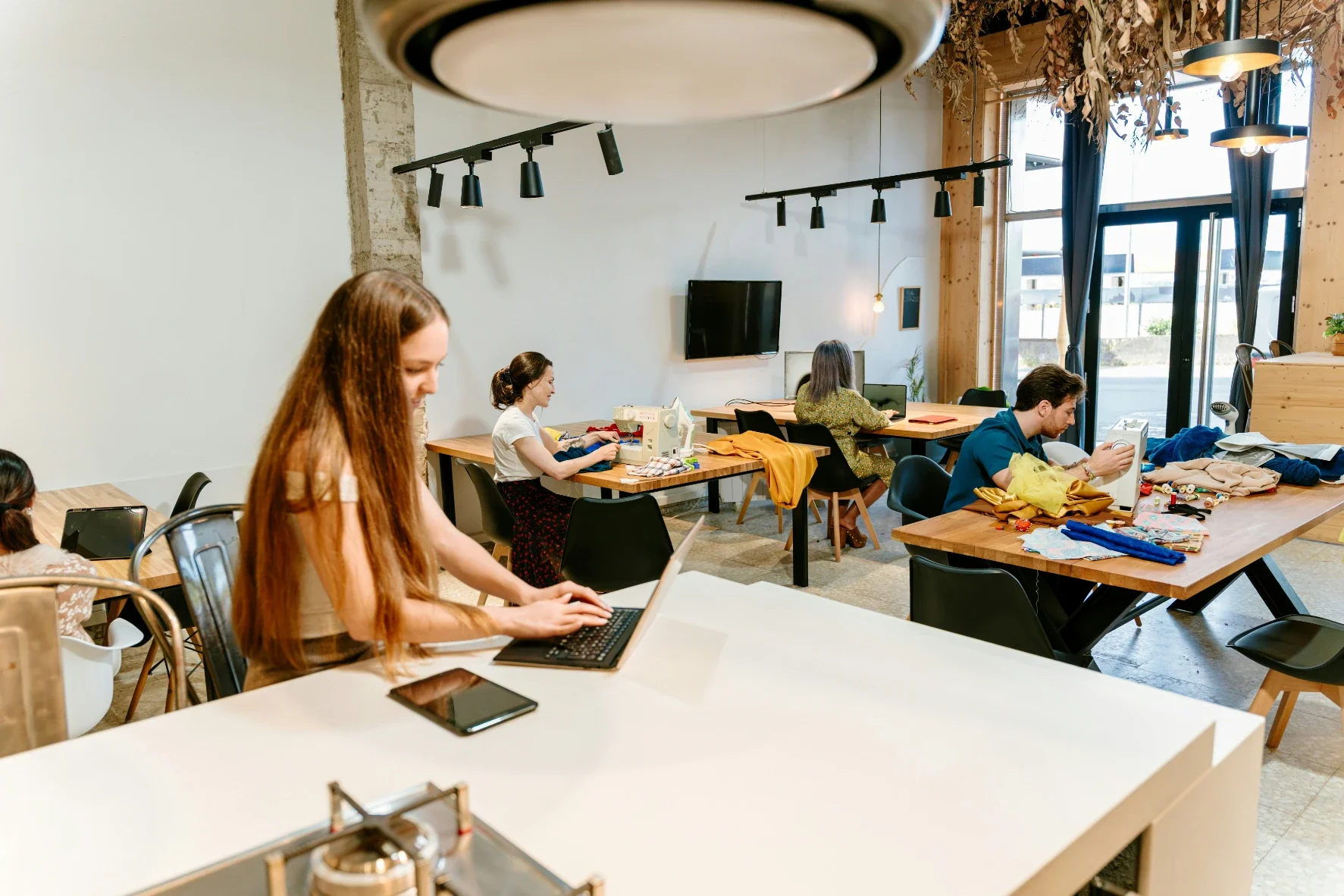
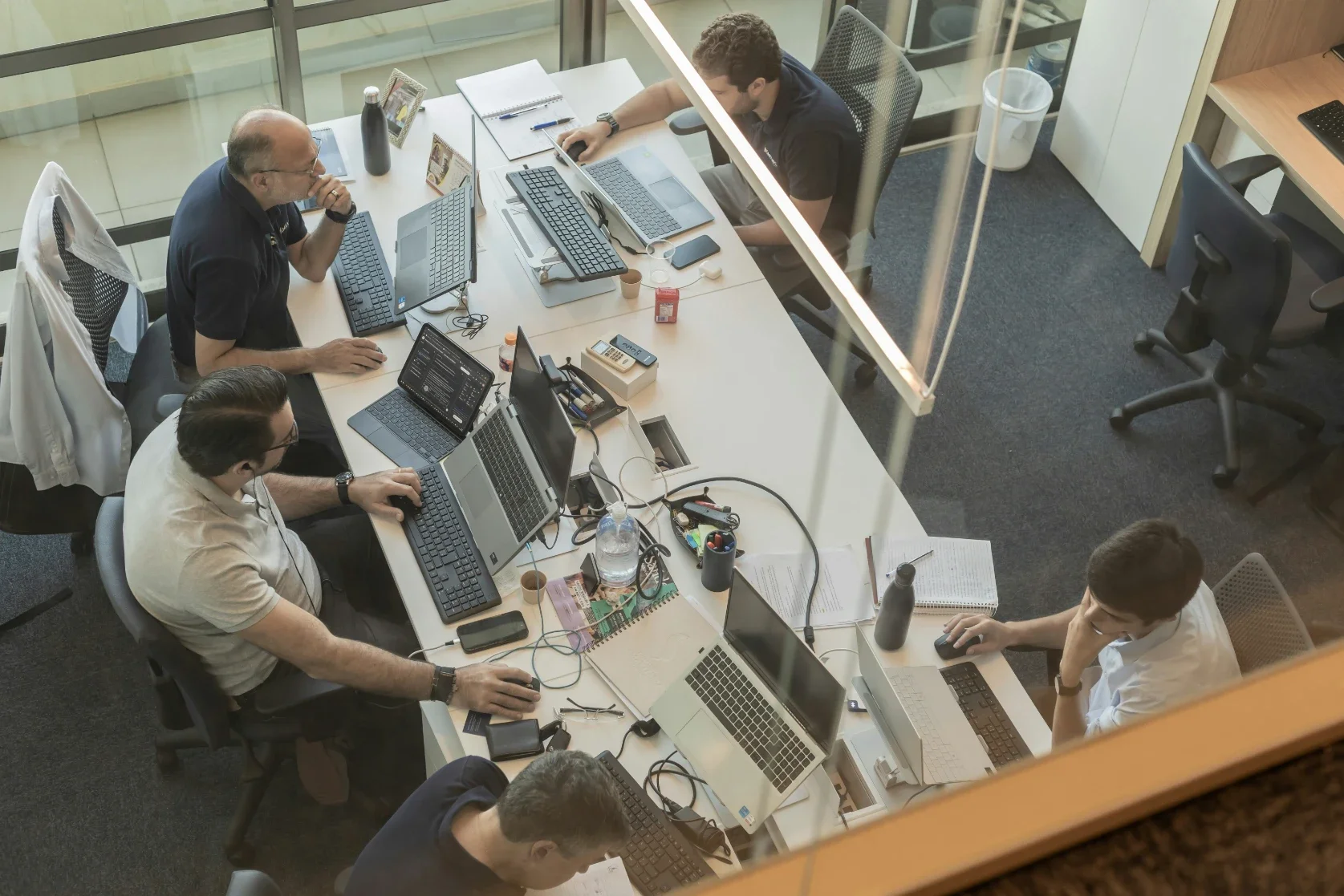
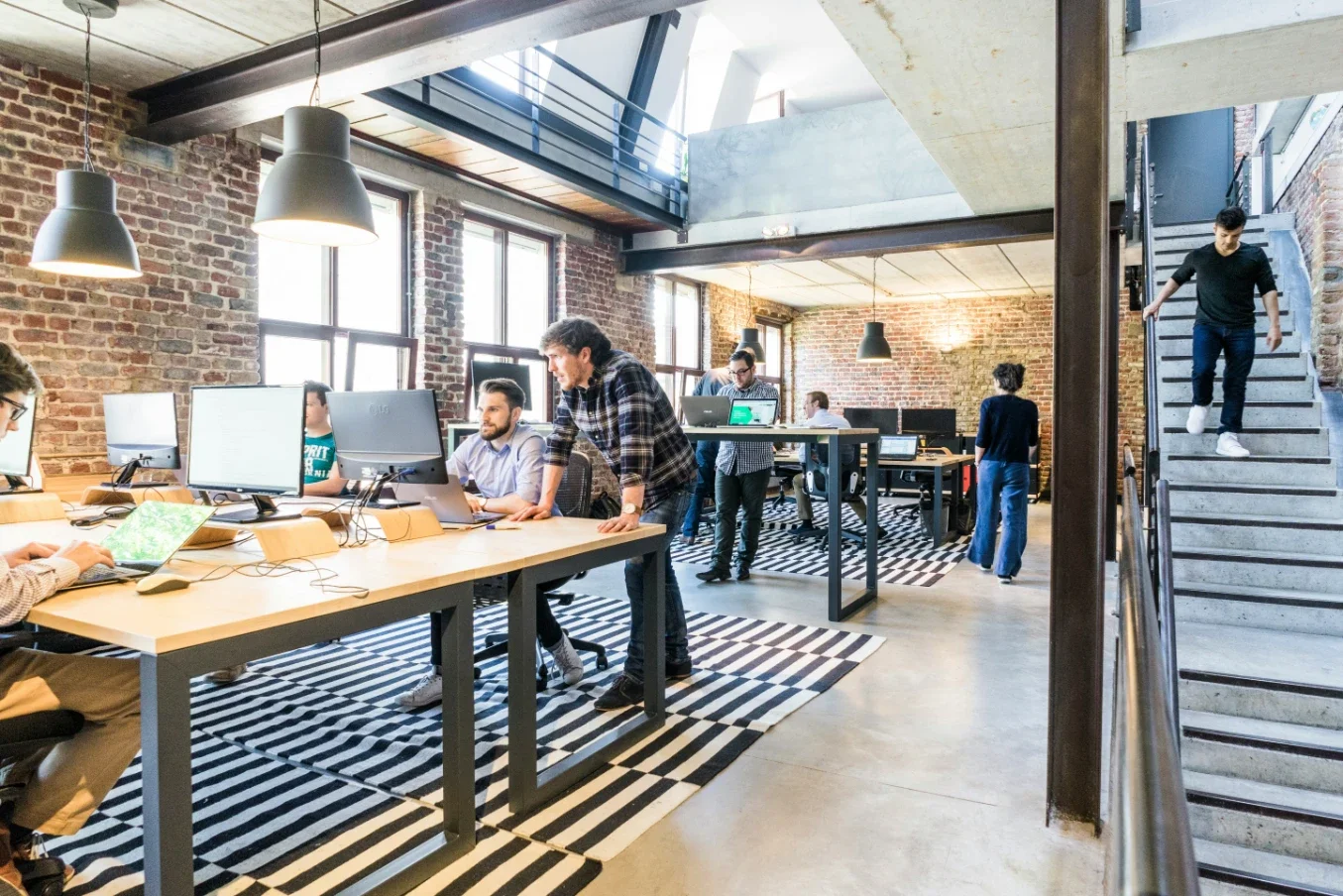
The layout of furniture and workstations also shapes how people interact and feel. Open-plan offices encourage collaboration but can increase noise and reduce privacy. Hybrid layouts that combine open areas with quiet zones give employees options depending on their task. Providing variety in workspace types acknowledges that different work requires different environments. Some tasks demand isolation and focus, while others thrive on spontaneous interaction.
Ergonomics and Physical Comfort
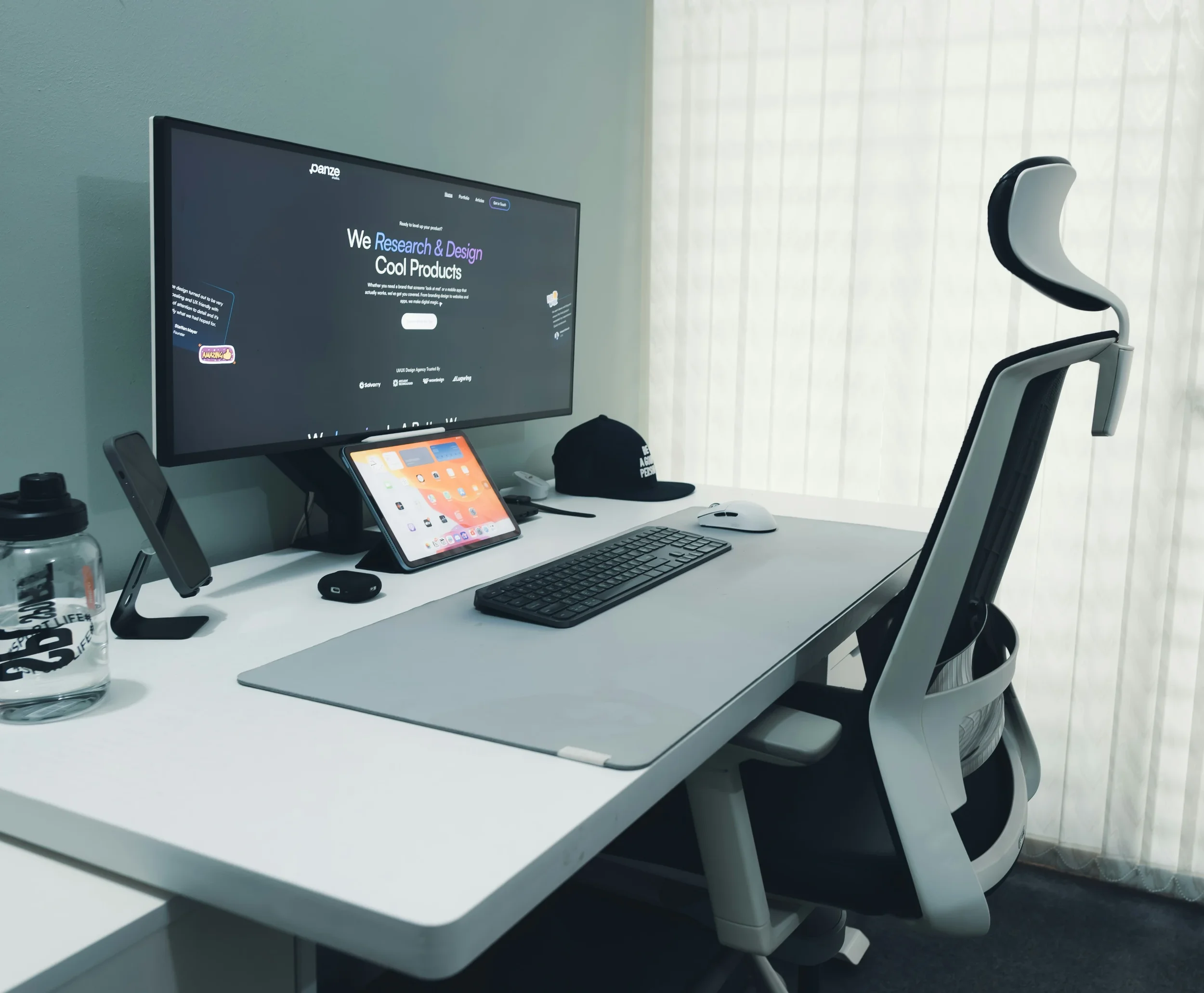
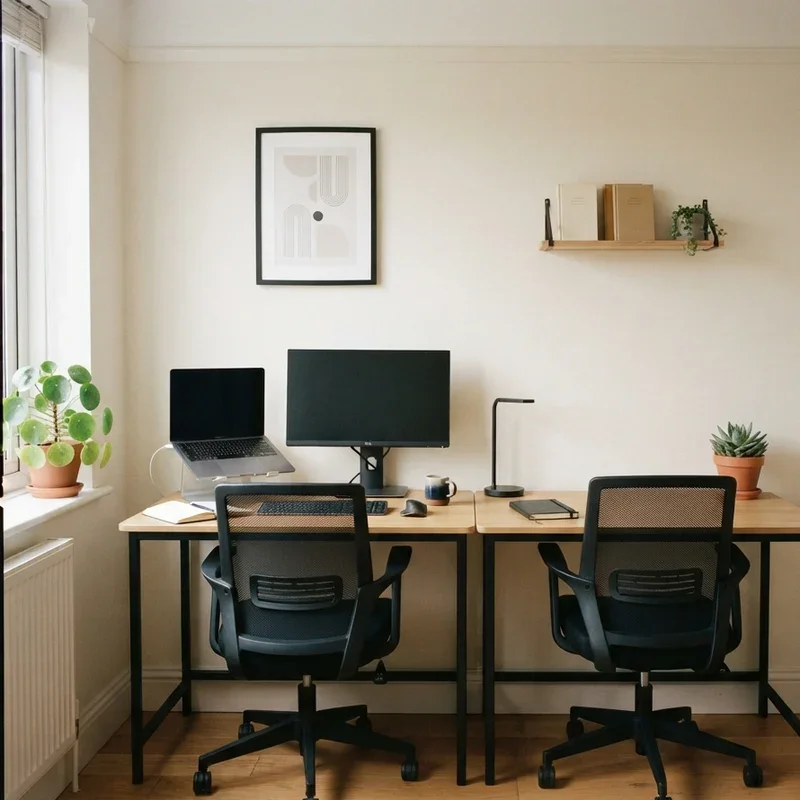
A beautiful office means little if employees experience physical discomfort. Ergonomic design directly impacts health, morale, and long-term productivity. Chairs should support the natural curve of the spine, with adjustable height and armrests. Desks should allow for both sitting and standing, with monitors positioned at eye level to prevent neck strain.
Investing in quality furniture isn't just about comfort; it's about preventing injury and burnout. Employees who experience chronic pain or discomfort become disengaged and less productive. Conversely, those who feel physically supported are more likely to maintain focus and enthusiasm. Many companies now offer ergonomic assessments for employees, allowing customization based on individual needs and work styles.
Beyond furniture, the overall layout should minimize unnecessary strain. Frequently used items should be within arm's reach. Pathways should be clear to prevent tripping hazards. Temperature control matters too; offices that are too hot or too cold distract employees and reduce cognitive function. Small details like footrests, document holders, and keyboard trays can make significant differences in daily comfort.
Creating Zones for Different Work Modes
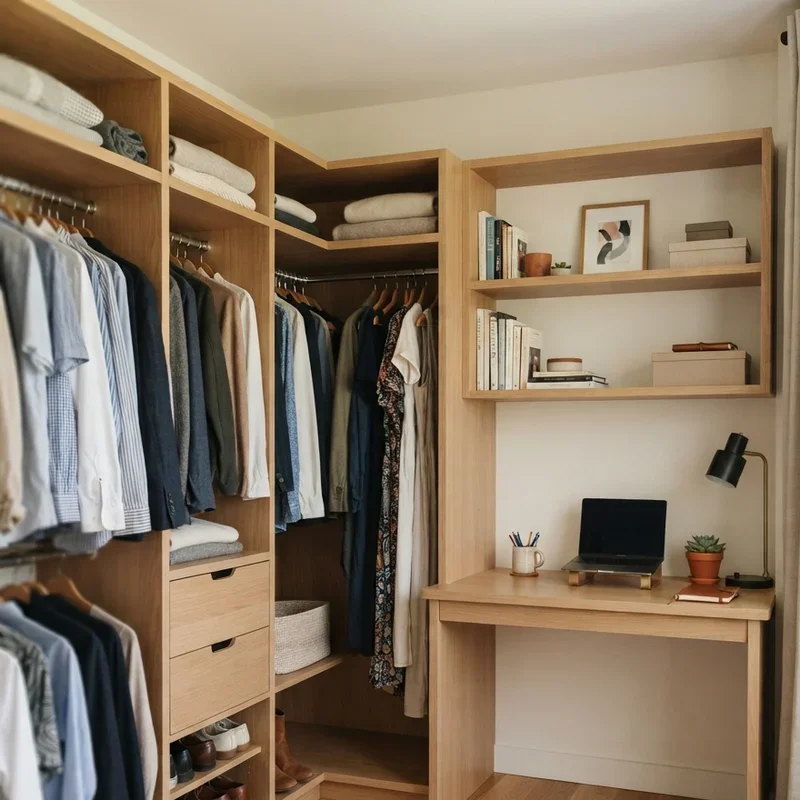
Modern work isn't one-size-fits-all, and neither should office design be. Creating distinct zones acknowledges that employees need different environments for different tasks. A focus zone with minimal distractions suits deep work and concentration. This area might feature sound-absorbing materials, individual workstations, and minimal visual clutter.
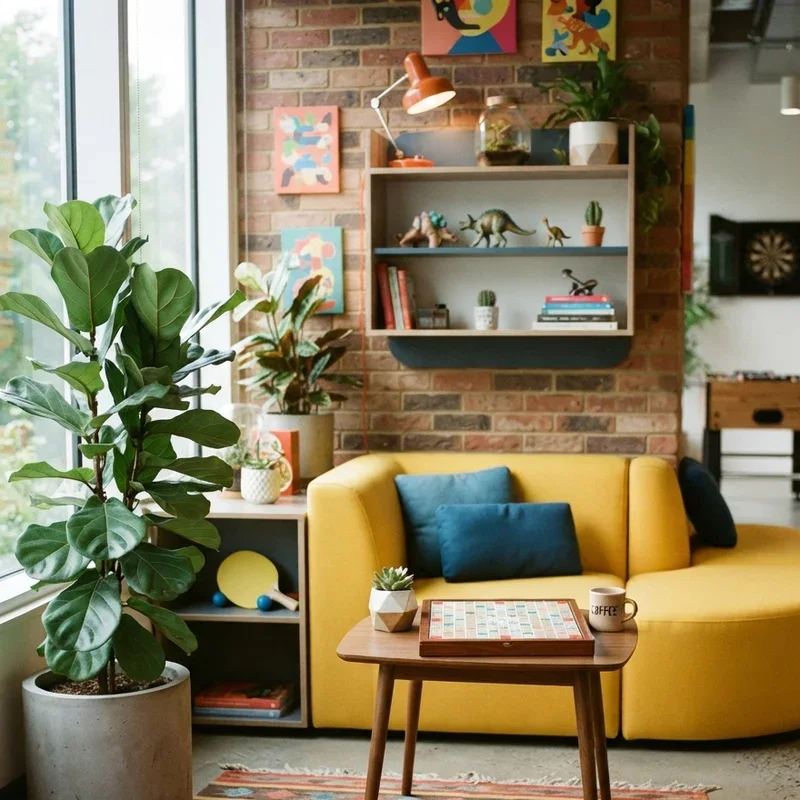
Collaboration zones should encourage interaction and idea-sharing. These spaces benefit from open layouts, writable surfaces, and comfortable seating arrangements that facilitate conversation. Casual seating areas with sofas or lounge chairs create informal meeting spaces where ideas can flow naturally.
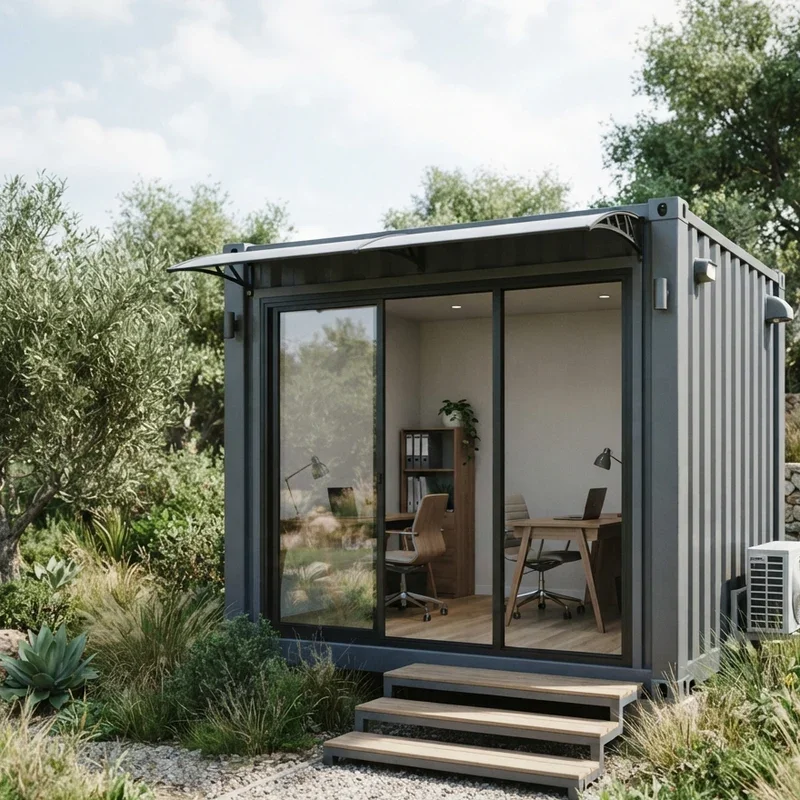
Quiet zones or phone booths provide privacy for confidential conversations or focused work. These spaces are especially valuable in open-plan offices where background noise can be distracting. Even small enclosed areas can serve this purpose effectively.
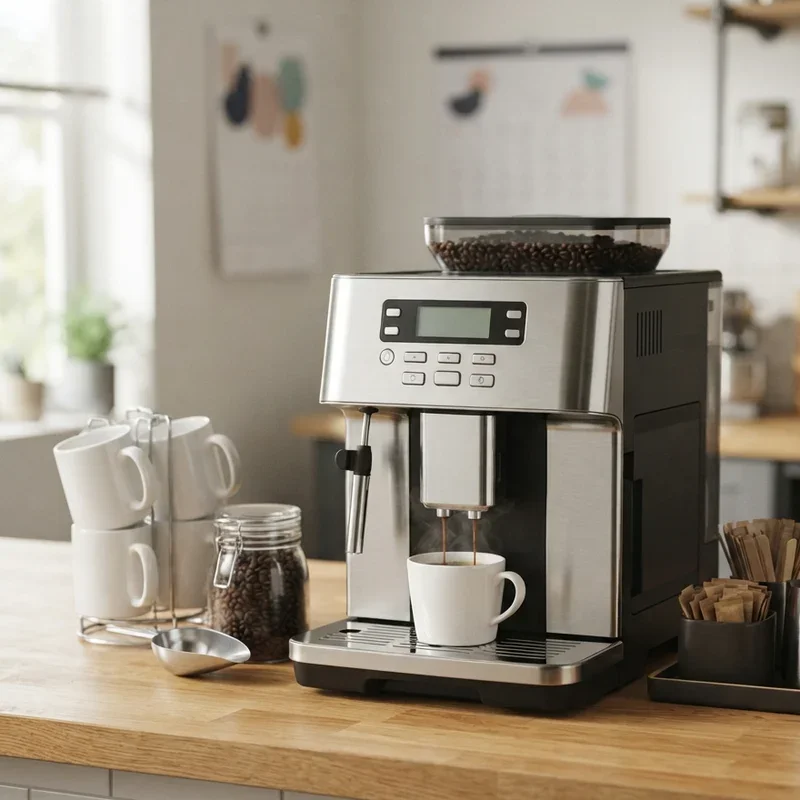
Break areas deserve thoughtful design too. These spaces should feel distinct from work areas, signaling to employees that it's time to rest and recharge. Natural light, comfortable seating, and access to refreshments make break areas genuinely restorative rather than purely functional.
Incorporating Nature and Biophilic Design
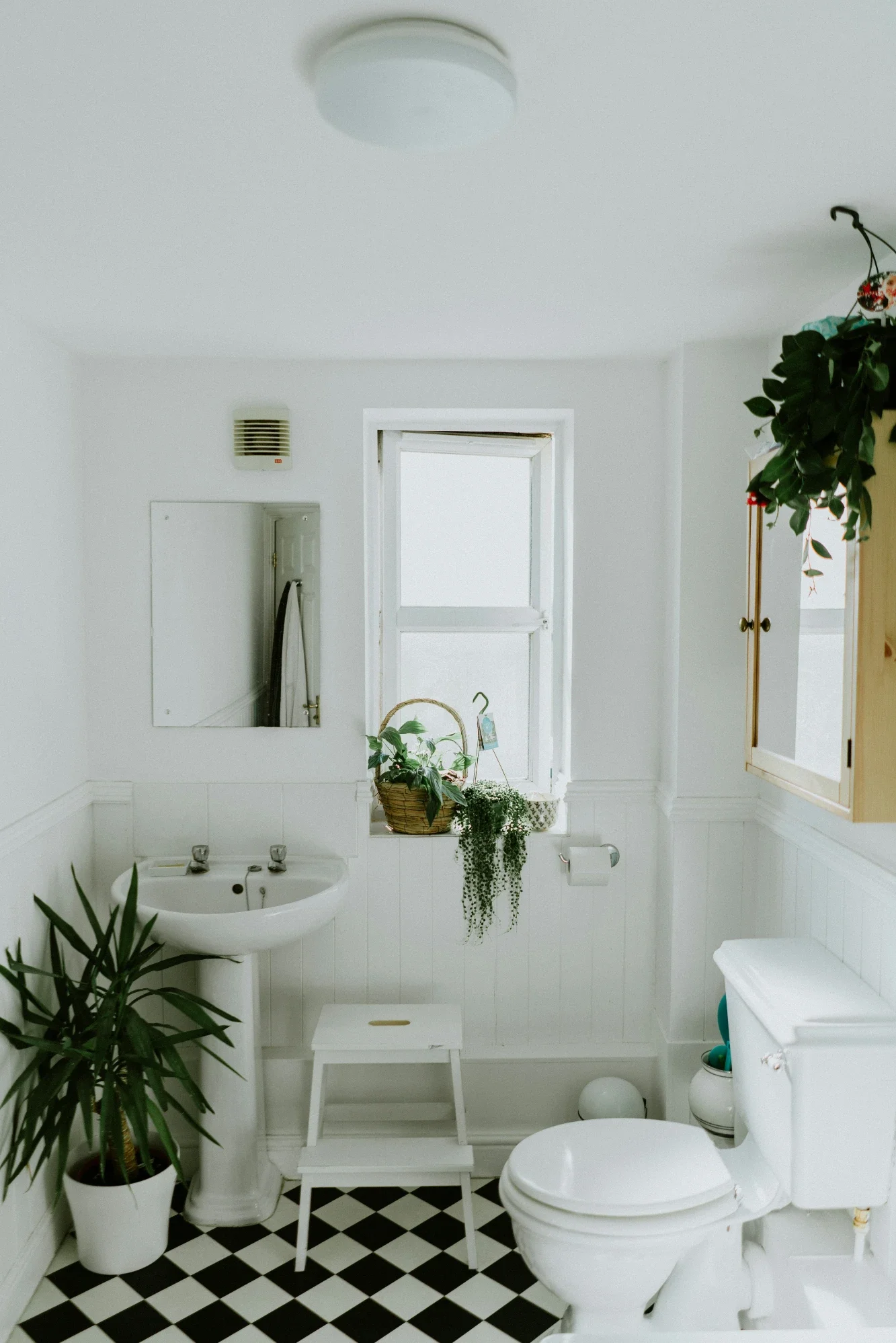
Biophilic design, which incorporates natural elements into indoor spaces, has been shown to reduce stress and improve well-being. Plants improve air quality and add visual interest without requiring major renovations. Living walls or green screens can transform blank walls into focal points while providing psychological benefits.
Natural materials like wood, stone, and natural fibers create warmth and connection to the outdoors. Water features, whether actual fountains or visual representations of water, have calming effects. Even views of nature through windows significantly impact employee mood and productivity.
Bringing nature indoors doesn't require extensive resources. Potted plants at workstations, a living wall in a common area, or natural wood accents can make meaningful differences. The key is intentionality; these elements should feel integrated into the design rather than afterthoughts.
Flexibility and Future-Proofing Your Space
Office design should accommodate change. Modular furniture that can be reconfigured allows spaces to evolve as needs shift. Movable partitions create flexibility without permanent walls. Technology infrastructure should be robust enough to support various work arrangements and future innovations.
As companies continue adapting to hybrid work models, offices increasingly serve as collaboration hubs rather than individual workstations. This shift means investing in meeting spaces, video conferencing capabilities, and areas designed for team connection. The office becomes a destination rather than a requirement, which raises the stakes for creating an environment people actually want to visit.
Sustainability should also factor into design decisions. Energy-efficient lighting, sustainable materials, and waste reduction systems reflect corporate values and appeal to environmentally conscious employees. These choices often reduce operational costs over time while improving the workplace atmosphere.
Conclusion
Transforming an office into a space that boosts productivity, collaboration, and creativity requires thoughtful attention to multiple factors. From color psychology and lighting to ergonomics and flexible zoning, each element contributes to the overall environment. When employees feel physically comfortable, mentally supported, and genuinely valued by their workspace, they bring their best selves to work. The investment in office design pays dividends through improved morale, reduced turnover, and enhanced performance. As workplaces continue evolving, the companies that prioritize intentional, human-centered design will find themselves better positioned to attract talent and foster a thriving organizational culture.
Stay up to date with our latest ideas!