How to Plan an Office Layout That Supports Focus, Comfort, and Daily Workflow
Learn how to plan an office layout that supports focus, comfort, and daily workflow with smart design choices that improve productivity and organization.
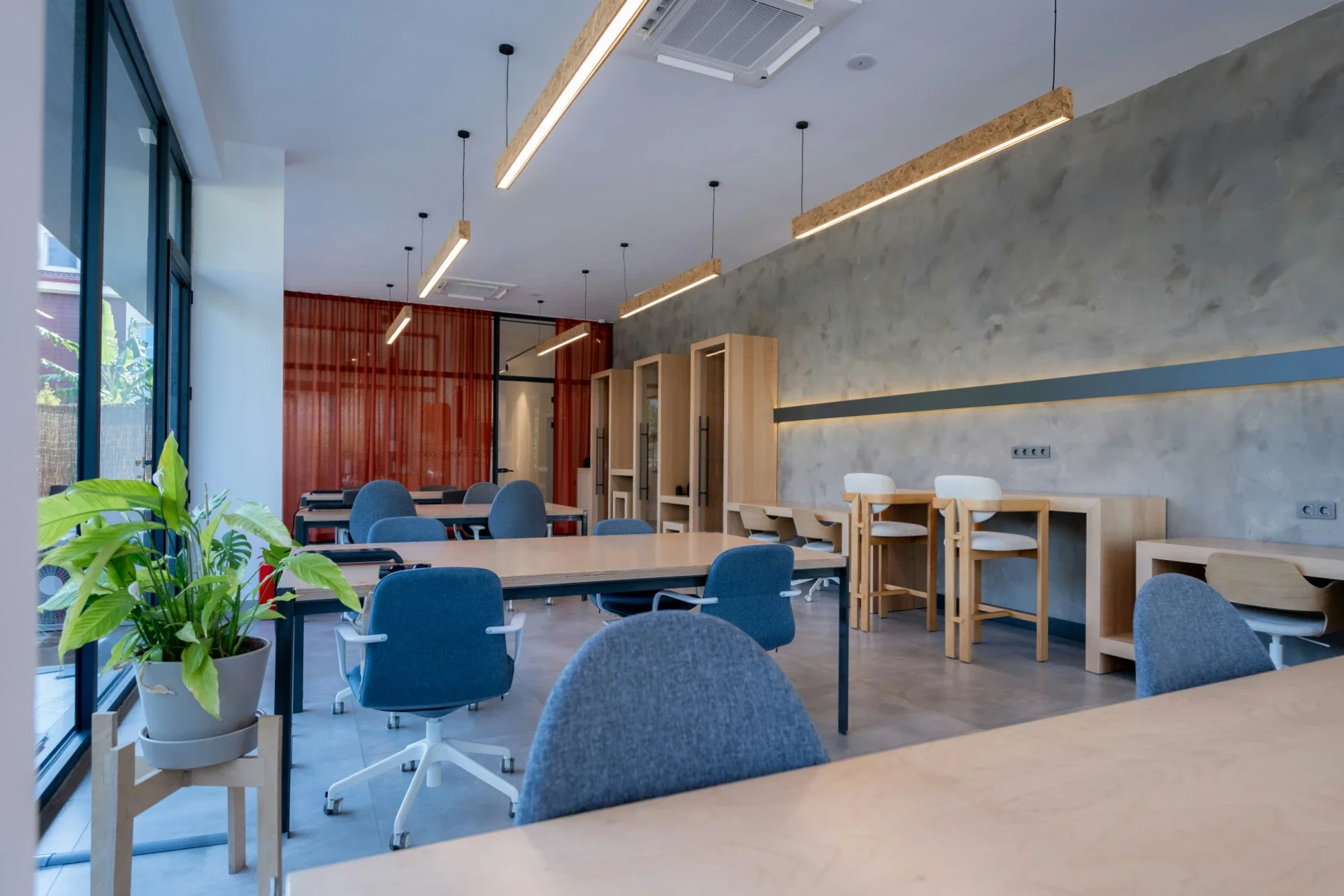
The desk is in the wrong place. You've known it for months. The screen glare hits at 2pm every afternoon, the chair can't push back without hitting the shelf, and the path from the door to the desk goes directly through the space where you're trying to concentrate. None of this is a furniture problem. It's a layout problem — and layout problems are the ones that cost the least to fix and get changed the least often.
Most office upgrades go to furniture and décor. The arrangement — where everything sits relative to everything else, how people actually move through the room, what happens when two different types of work need to occupy the same space — gets treated as fixed unless something forces a change. It rarely gets rethought from scratch, even when rethinking it would make more difference than any purchase.
What Does This Office Actually Need to Do?
Before moving anything, write down the five things that happen in the office most often on a regular workday. Focused writing or analysis. Video calls. Client meetings. Paperwork. Creative tasks that require spreading things out. Storage and filing.
The layout should serve those five things. When it serves them, the office works. When it doesn't, you're fighting the space every day in small ways that add up to something significant over the course of a week.
A home office used primarily for solo deep work has different requirements from a small business office where two or three people work alongside each other and sometimes meet with clients. An executive office where the desk is the primary impression the space makes requires different decisions than a compact home setup where storage and cable management are the main challenges. Starting from what the work actually requires, rather than from what looks good, is what makes a layout useful rather than just aesthetically considered.
Map the Zones Before You Move the Furniture
Even a small office has functional zones — they're just often not clearly defined, which is why they bleed into each other.
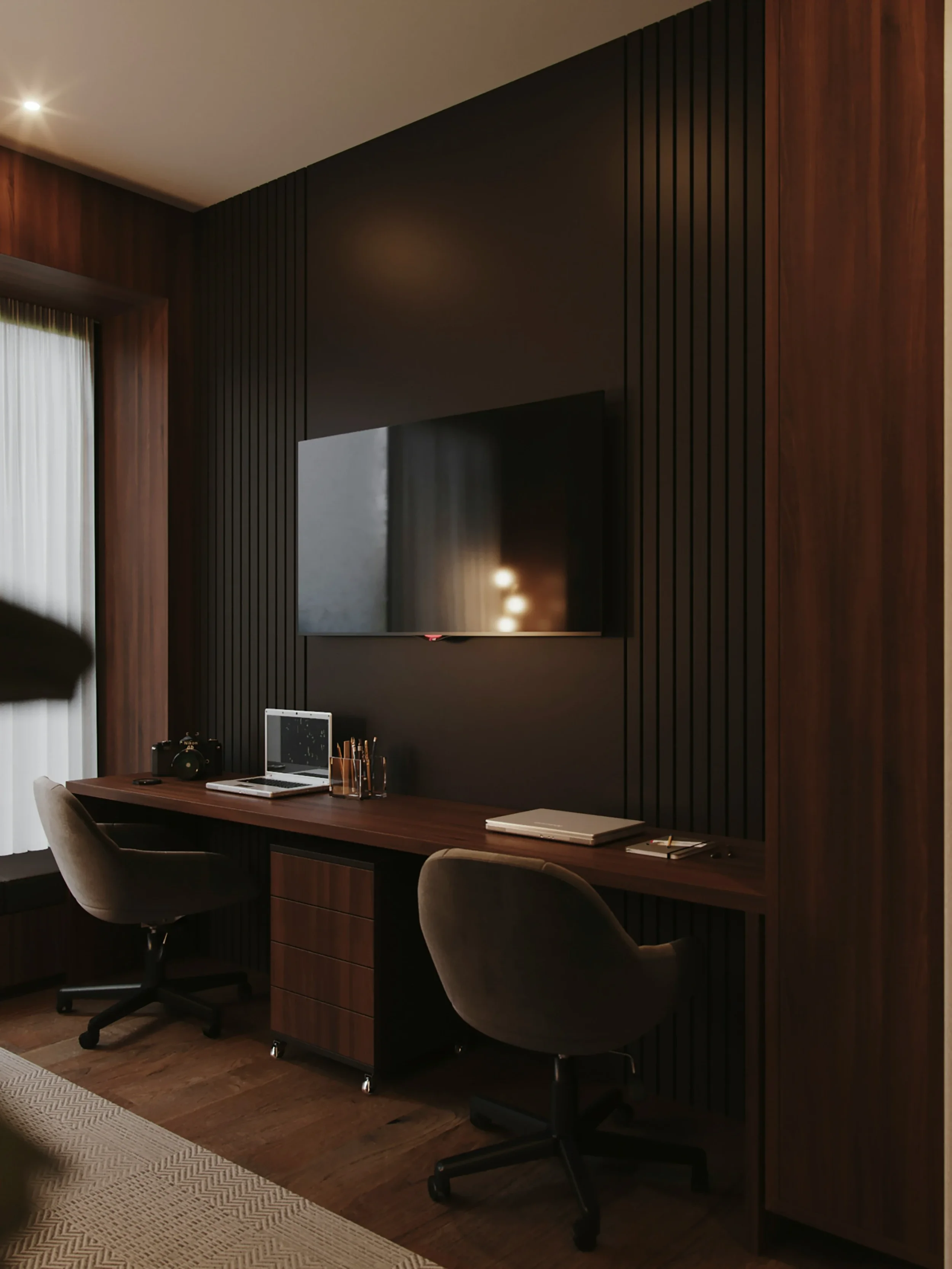
The desk area where concentrated individual work happens. Storage, either in a cabinet or on shelves or both. Some surface or corner for calls and meetings, even if it's just a chair facing away from the desk. A clear path through the room that doesn't require navigating around furniture. That's the basic structure. Identify where those zones are, or where they should be, before any rearranging starts.
The zone conflicts that create friction every day are usually obvious once you map them out. The only chair available for a second person in a call is the desk chair, so someone ends up sitting on something uncomfortable or perching on the edge of something else. The files that need to be accessed several times a day are stored in the cabinet that requires walking around the desk to reach. The space where the most focused work happens is directly adjacent to the door that opens noisily and frequently.
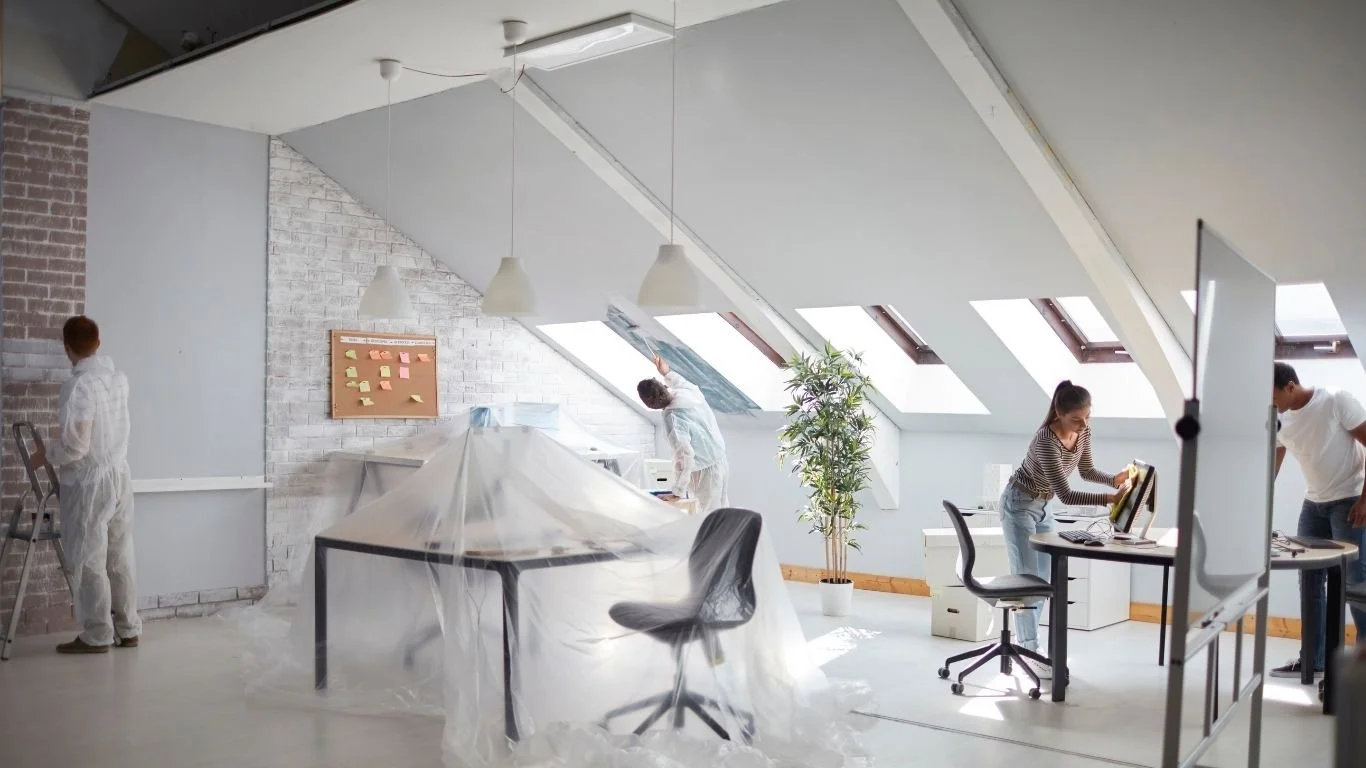
For bigger changes — new desks, partition walls, significant storage additions, or rearranging a larger shared office — office design visualization alongside floor plans and furniture measurements helps catch problems before anything is purchased or installed. What works on paper doesn't always work at scale in an actual room.
Desk Placement: Three Things That Actually Matter
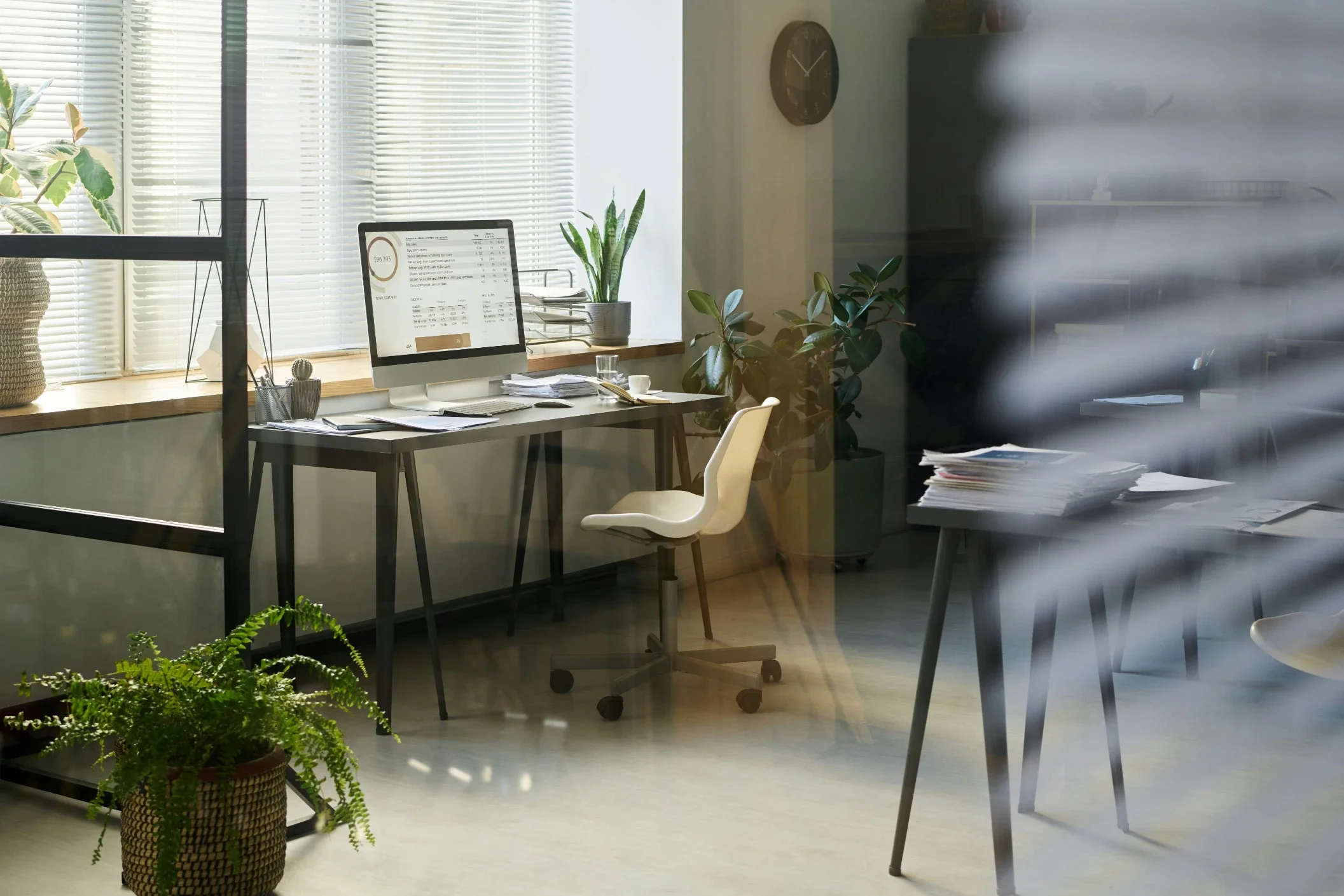
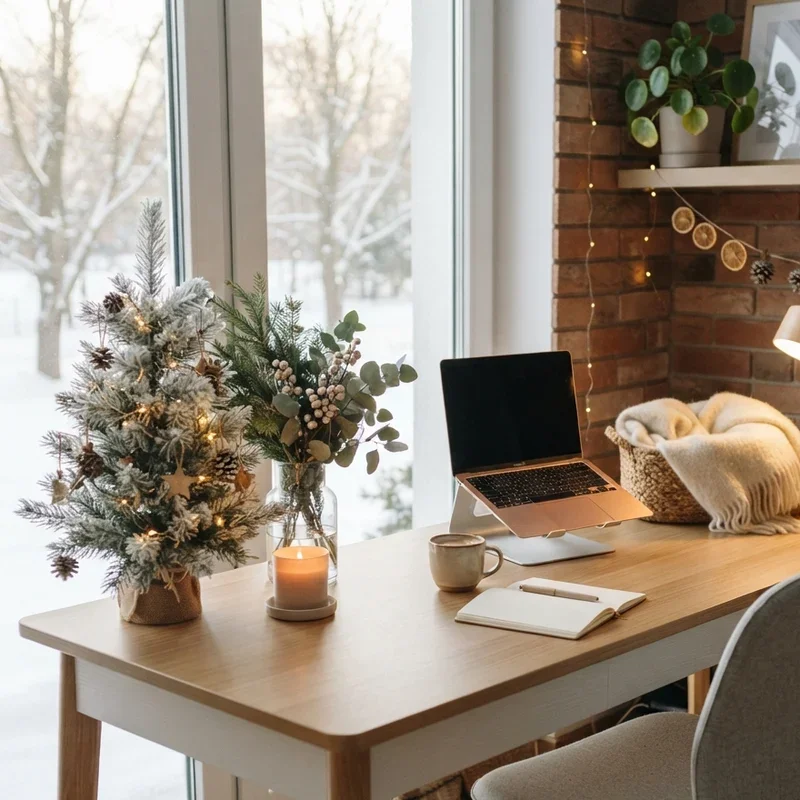
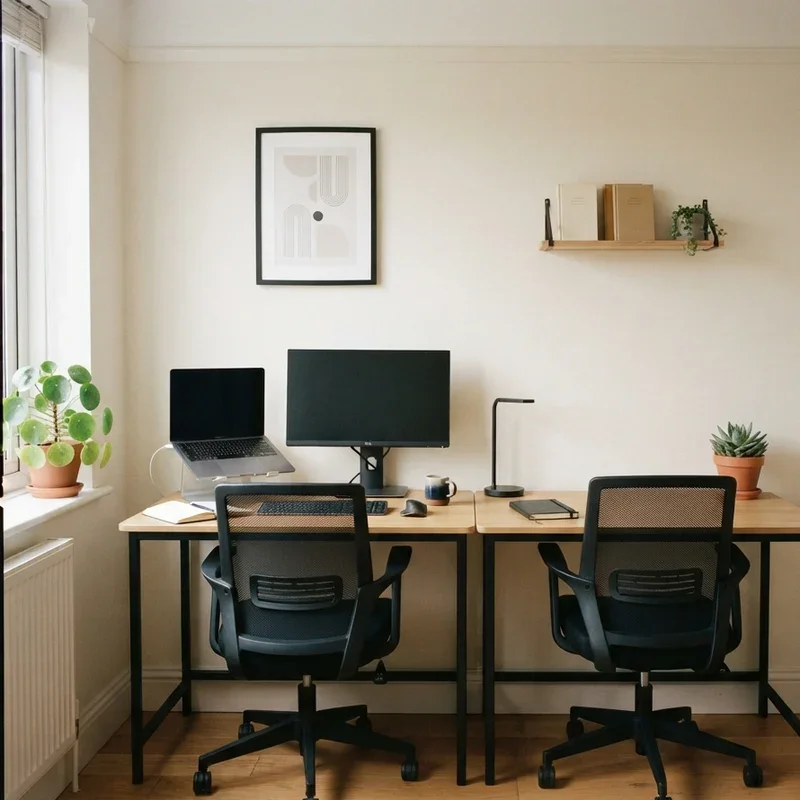
Screen glare is the most common desk placement mistake and the easiest to fix. A desk facing a window means the screen is backlit for a significant portion of the day. Perpendicular to the window is almost always better — natural light comes in from the side, which is useful without creating glare.
Chair clearance behind the desk is the second one. Most people don't think about this until they're in space and have to angle their way out of the chair every time they stand up. Ninety centimetres behind the desk chair is the minimum for comfortable movement. Less than that and the daily irritation accumulates.
Camera background is the third, and increasingly relevant. If video calls are a regular part of work, the view behind the desk is something that gets seen by other people constantly. A plain wall is easier to manage than a window that creates exposure problems or a shelving unit that looks different depending on how much time there was to tidy it before the call.
Separate the Quiet Work From Everything Else
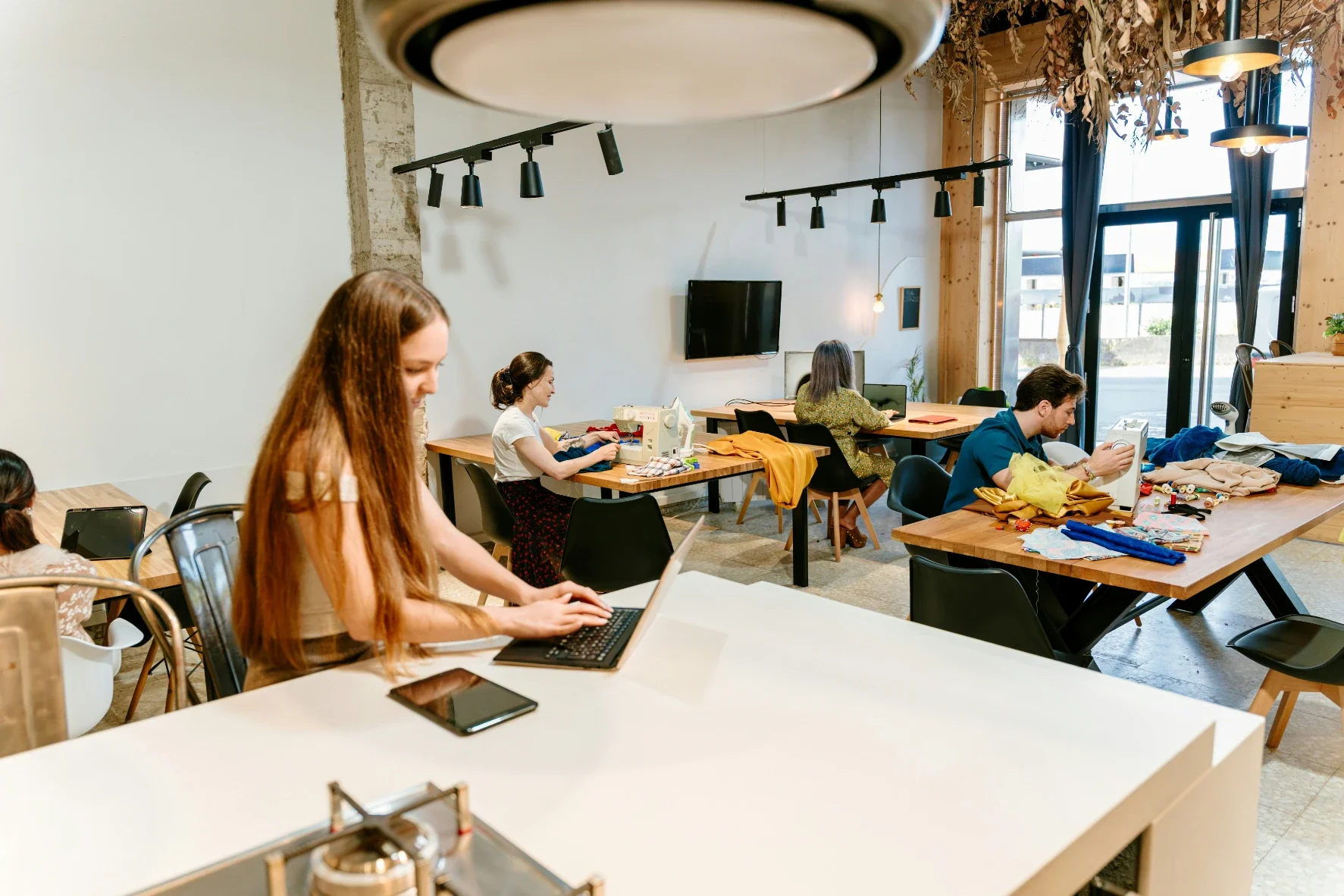
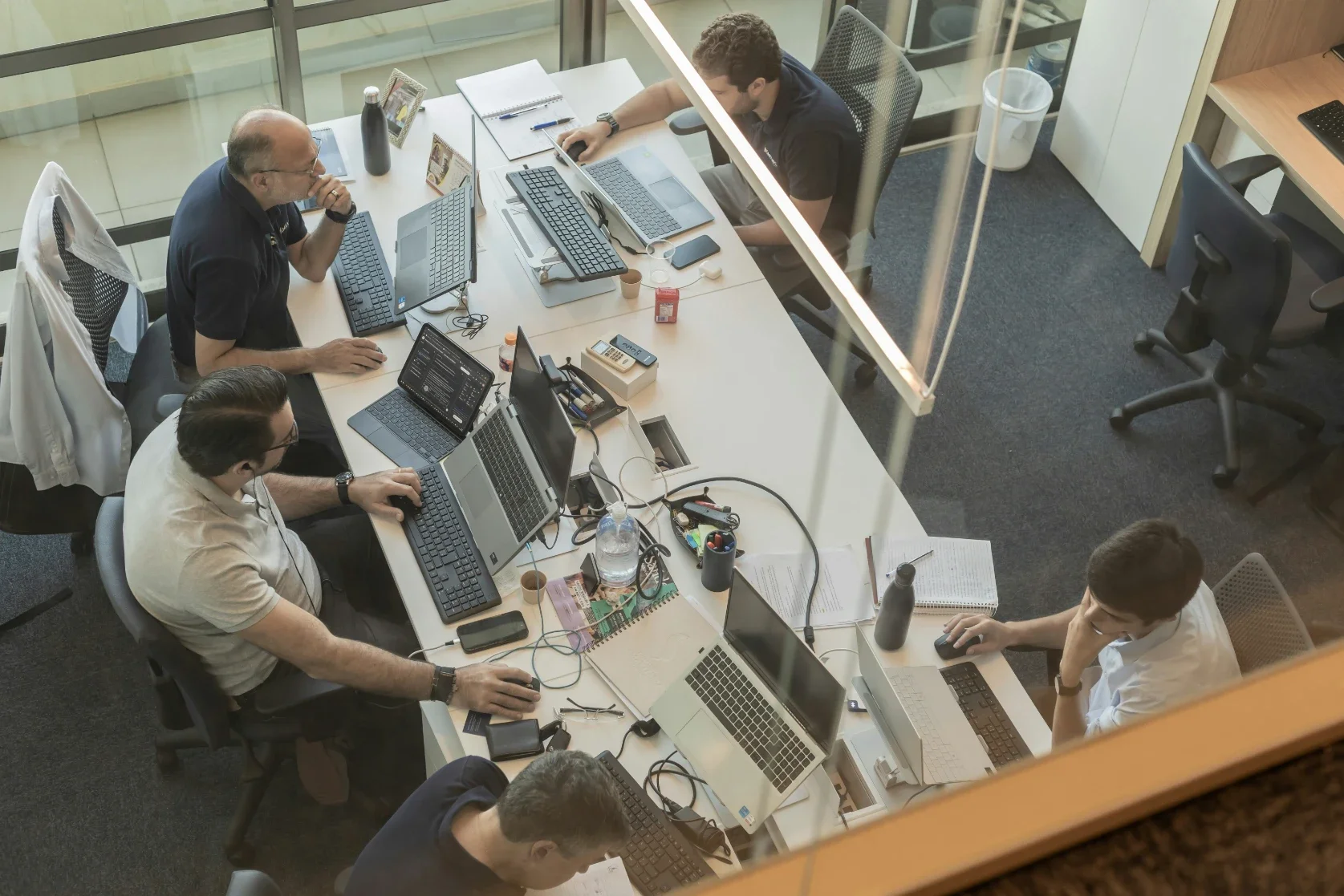
Open-plan offices and shared workspaces usually have this problem: the space where individual focused work happens is the same space where conversations, calls, and collaborative discussions happen. Both suffer.
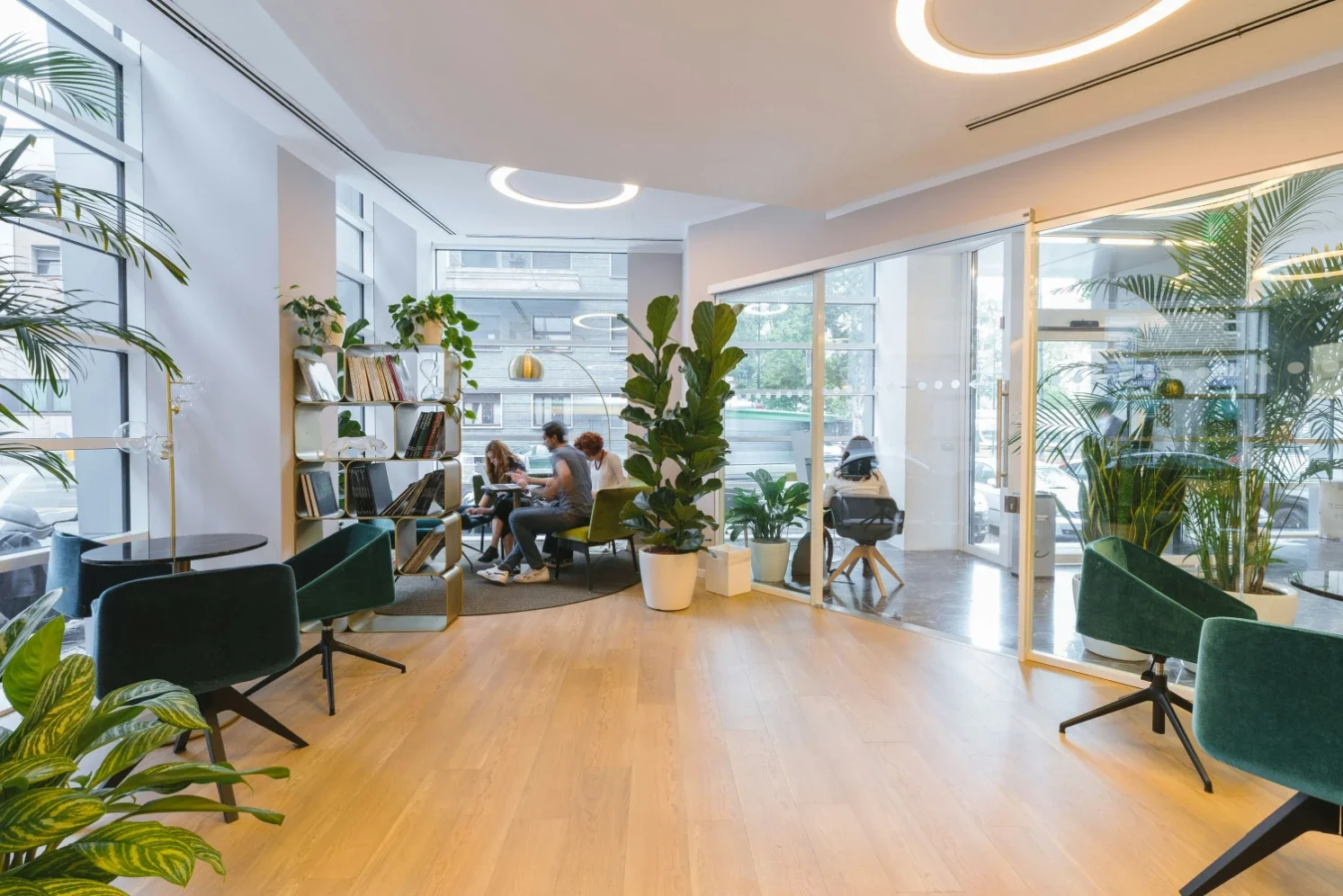
You don't need walls to create separation. A bookshelf between the main desk area and a meeting table creates a visual and acoustic buffer. A rug defines a floor zone in a way people intuitively respond to — meetings happen on the meeting rug, focused work happens at the desk. Plants used as dividers do similar work and bring something pleasant into the space while doing it.
The practical goal is that the person trying to think quietly and the people having a conversation should not be directly in each other's sightlines and ambient sound. Even a partial solution to this makes both types of work better.
Furniture That Does the Work
Desk depth sounds like a minor detail. Over the course of years of daily use it isn't. A surface that's too shallow for the actual tasks being performed creates constant compression — never quite enough room for the things that need to be in front of you at the same time. Storage that's not reachable from the primary working position gets used infrequently, which means things accumulate in intermediate locations instead of being filed properly.
For small offices specifically: multifunctional pieces earn their floor area in a way that single-purpose furniture often doesn't. A storage cabinet with a flat top that can double as a secondary work surface. A wall-mounted shelf instead of a freestanding bookcase. A desk with integrated drawers instead of a separate filing pedestal. Every piece that does two things returns space.
Color and Light
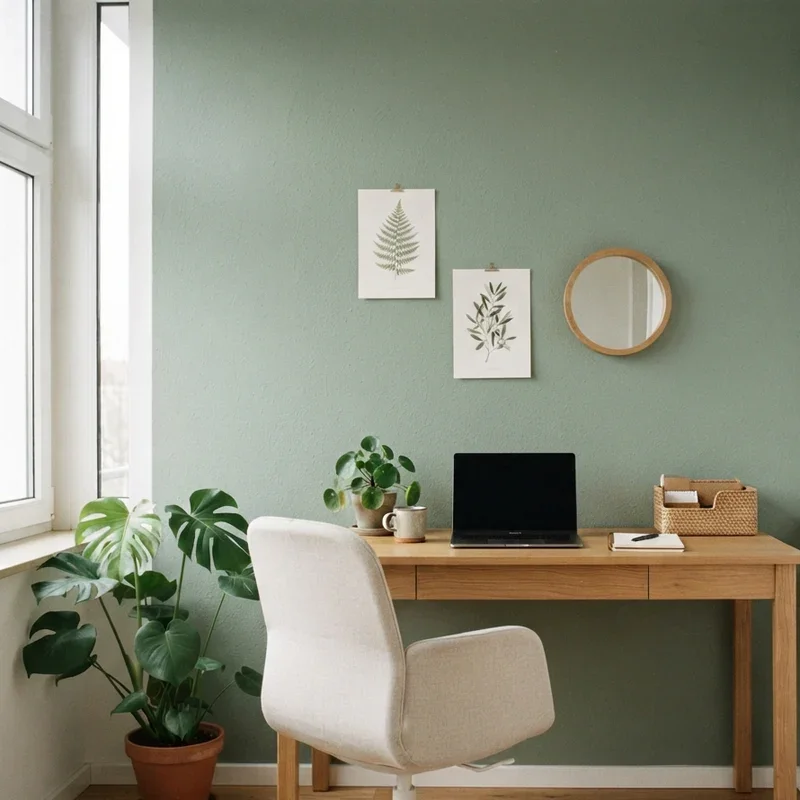
OfficeMoods has written about office paint colors at length and the short version is that cooler tones — greens, blue-greys, muted sage — tend to feel calming and support sustained concentration. Warmer tones work well where the goal is comfort over extended periods. Very high-contrast or saturated schemes are harder to spend a full working day in.
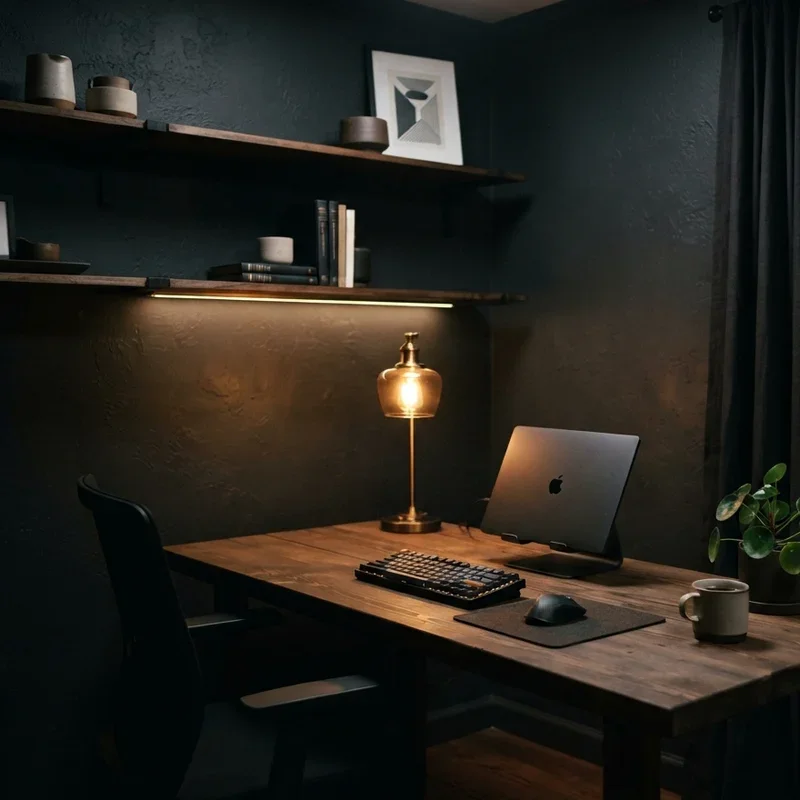
Light matters as much as color and gets less attention. Harsh overhead fluorescent or LED lighting is one of the most reliable ways to make a workspace feel draining after a few hours. A desk lamp directed at the work surface, combined with a secondary ambient source and whatever natural light the room receives, creates something much more liveable. The overhead light becomes fill rather than the primary source.
Check what the paint color looks like under the actual artificial light of the office in the evening, not just under daylight. Colors shift between those conditions in ways the chip doesn't show.
Storage That Doesn't Create Visual Noise
Clutter competes with focus. Not in some abstract sense — literally, in the sense that visible objects that shouldn't be there are small ongoing claims on attention that would be better directed elsewhere.
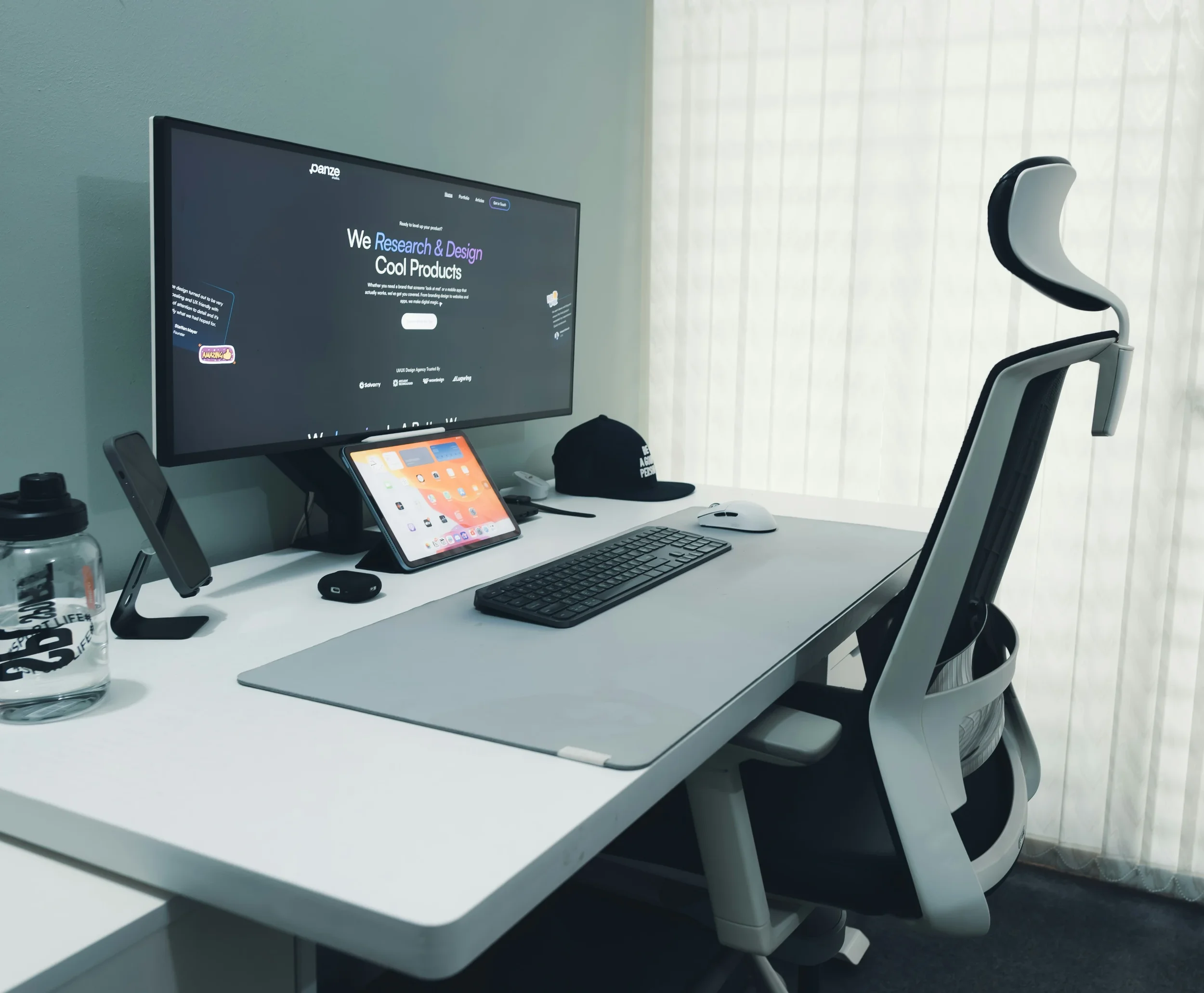
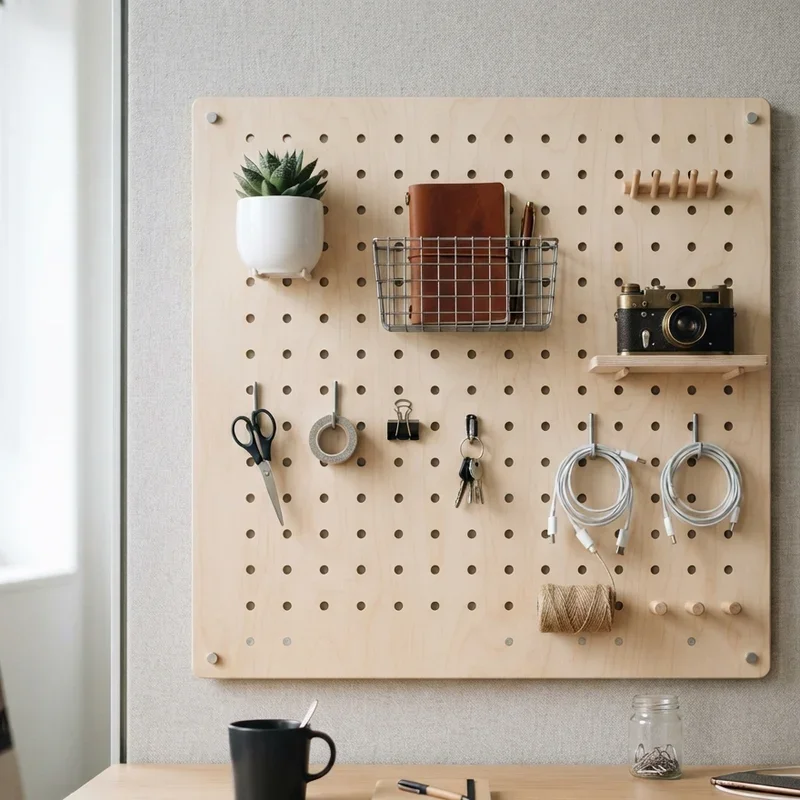
Closed storage for files and things used less than once a week. Open shelves for daily-use items, kept orderly enough that they're not visually chaotic. Drawer organizers for the small things that accumulate. A cable tray or clips that keep cables from spreading across the desk surface. These aren't design choices — they're functional ones that happen to affect how the space looks as a by-product.
A reset at the end of the workday — clear the surface, return things to their places — takes five minutes and makes the start of the next morning noticeably better.
Personality Without Distraction
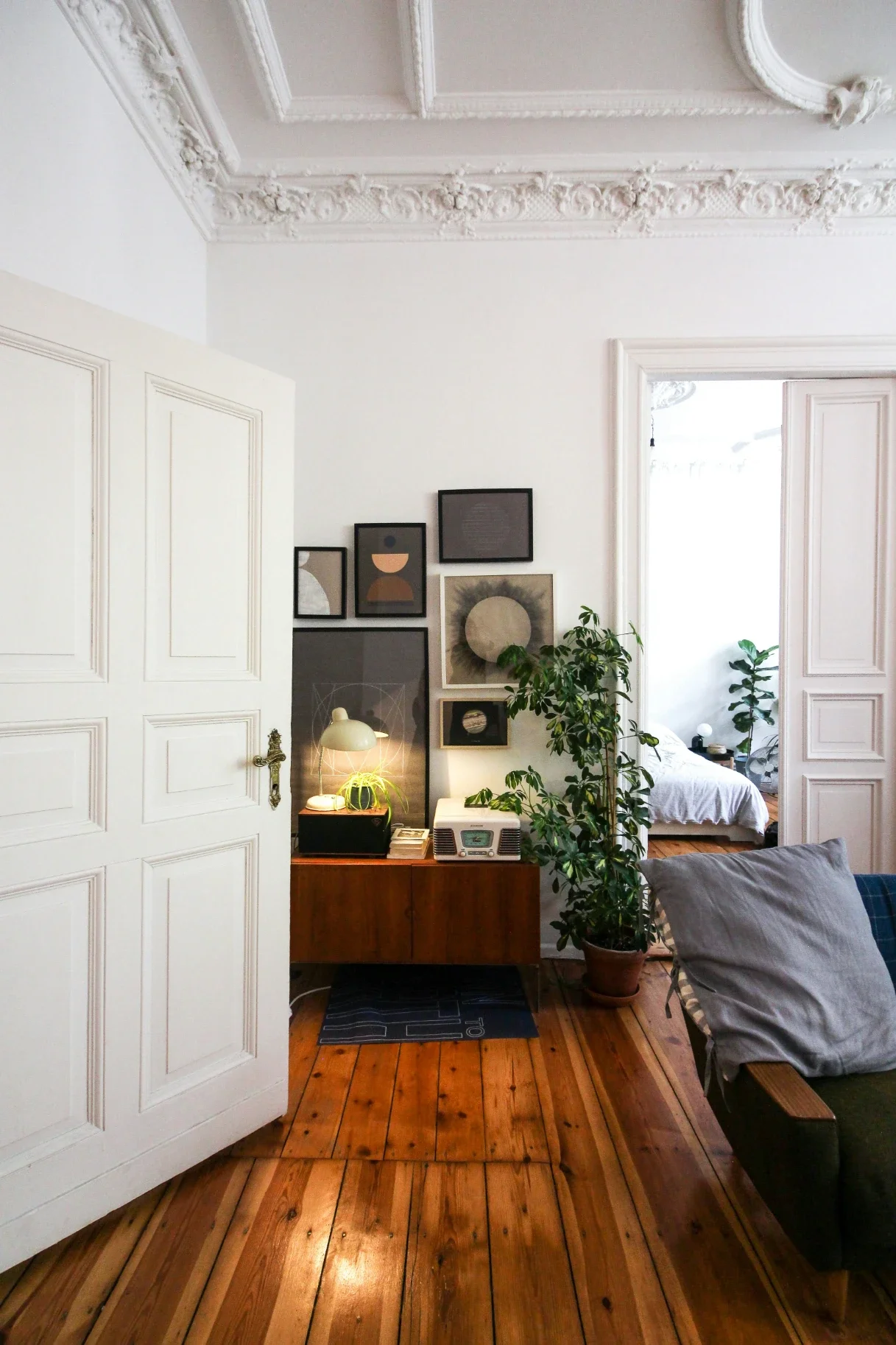
An office with no personality tends to feel like a space to endure rather than a space to work well. Plants, a lamp that's worth looking at, artwork that means something, a few objects that make the space feel like yours — these things make a workspace more comfortable to spend time in over the long term.
The constraint worth keeping in mind: décor should add to the space without competing with it for attention. One piece of wall art you find interesting is different from a wall that demands to be looked at. The style choices that work best in office environments tend to be the ones that also do functional work — a textured rug that defines the desk zone, a plant on the windowsill that diffuses afternoon glare, a bulletin board that's also where current project notes live.
The layout is the foundation. Everything else performs better when it's right.
Stay up to date with our latest ideas!