The Strategic Value of Turnkey General Contracting in Premium Real Estate
Discover the strategic value of turnkey general contracting in premium real estate, from streamlined project delivery to quality control and efficiency.

Beyond the Blueprints...
When executing high-end architectural projects, the transition from an ambitious design concept to a flawless physical reality presents significant challenges. For discerning property owners, the acquisition of prime real estate is merely the first step in a complex journey. Transforming raw space into a sophisticated sanctuary requires managing a dense network of technical disciplines, navigating strict zoning laws, and maintaining rigorous quality standards.
In the premium property markets of North America and international hubs, owners often face a critical operational decision. They must choose between managing separate design and construction entities independently or engaging a unified turnkey general contracting partner. In an era where time is the ultimate luxury, the fragmented approach introduces severe operational risks, structural liabilities, and potential financial inefficiencies. Conversely, a comprehensive turnkey framework approaches construction through a unified lens, treating technical execution as an extension of architectural intent.
1. Deconstructing the Modern General Contractor: Management vs. Execution
To accurately navigate a premium build, it is essential to distinguish between standard construction management and professional general contracting within the regulatory landscape of the United States. While the terms are frequently conflated, their operational structures, risk allocations, and legal responsibilities are profoundly distinct — especially when viewed through the lens of integrated project management (https://oltdesign.com/services/general-contracting-project-management/), which ensures alignment between design intent, execution standards, and compliance frameworks.

A construction manager typically acts as a pure consultant, providing advisory oversight on schedules and budgets while leaving the property owner to hold individual contracts with various trade subcontractors. This dynamic leaves the owner exposed to vendor disputes and complex scheduling gaps.
The Scope of Comprehensive General Contracting
A licensed general contractor (GC) operates as the single point of absolute accountability. The GC enters into a direct contractual relationship with the client and assumes full legal, financial, and operational responsibility for the entire job site. This comprehensive role includes:
Subcontractor Orchestration: Prequalifying, scheduling, and paying master tradespeople, including structural engineers, MEP experts, and fine finish artisans.
Material Procurement Control: Managing international supply chains to secure raw materials, custom furnishings, and complex architectural systems.
Site Safety and Liability: Assuming full insurance liabilities, worker compensation responsibilities, and operational safety compliance on-site.
Navigating Regulatory Frameworks and Legal Standards
In the United States, general contracting is governed by strict state-level licensing boards, localized municipal building departments, and rigorous safety standards enforced by agencies like OSHA. A premium contractor must navigate varying regional codes, from seismic stabilization requirements in California to hurricane-resistant engineering mandates in Florida.
Furthermore, premium urban developments require managing complex local constraints, such as the strict historic preservation guidelines of New York City or the intricate building rules of high-rise developments in Miami and Dubai. Navigating these regulatory frameworks demands an experienced structural approach, converting bureaucratic steps into a predictable, highly managed workflow.
2. The Anatomy of a Full-Cycle Turnkey Project Lifecycle
The ultimate expression of general contracting is the turnkey model. In this setup, the client provides an initial vision and eventually receives a completely finished, masterfully executed property ready for immediate occupancy. This full-cycle process eliminates the traditional friction between the creative design team and the construction crews on the ground.

By integrating construction logic directly into the initial phase, a turnkey project avoids the systemic errors that frequently derail traditional builds. Every design choice is immediately cross-referenced with real-world material lead times, structural constraints, and local building codes.
Engineering the Spatial Concept
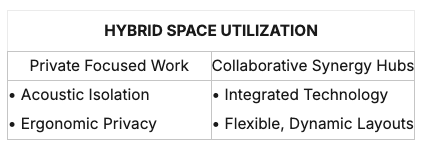
The journey begins with spatial planning tailored to the client's functional routines. Modern estate owners expect their homes to handle diverse lifestyle scenarios, blending private relaxation zones with professional-grade remote home offices and grand entertaining spaces. This stage defines the architectural layout and circulation pathways long before construction materials arrive on-site.
Precision Technical Documentation and Pre-Construction
Once the conceptual design is finalized, the turnkey operator develops extensive technical documentation. This documentation details every structural tie-in, custom millwork detail, plumbing route, and complex HVAC zoning system. During pre-construction, the team submits plans for municipal approvals, orders long-lead structural materials, and develops detailed construction schedules to eliminate project friction.
3. The Financial and Operational Advantages of Single-Source Accountability
For clients managing global business interests or multiple international properties, attempting to coordinate independent architects, engineers, and general contractors can quickly become a major operational burden. A single miscommunication regarding technical tolerances or material thickness can result in lengthy construction delays and costly change orders.
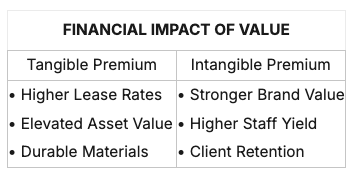
Consolidating design, technical engineering, and general contracting under a single canopy offers significant financial benefits. This approach aligns all project incentives, transforming traditional contractor-architect friction into a collaborative environment focused on execution quality and fiscal efficiency.
Eradicating the Fragmented Liability Loop
In a fragmented project ecosystem, a mismatch between architectural plans and actual site conditions often leads to mutual finger-pointing: the architect blames the contractor for poor interpretation, while the contractor blames the architect for incomplete documentation. Meanwhile, the client is left funding the resulting change orders.
A turnkey partner absorbs this operational risk entirely. Because the team that designed the space is also responsible for building it, they assume total liability for technical accuracy, site safety, and schedule compliance.
Protecting Aesthetic Value via Unified Supervision
The execution of premium spaces relies heavily on custom details, demanding exclusive interior craftsmanship. Whether installing complex book-matched stone slabs, crafting seamless hidden storage, or mounting custom integrated lighting, execution requires continuous architectural oversight.
A unified turnkey company utilizes on-site design supervision to ensure that tradespeople execute the technical plans perfectly, protecting the integrity of the original design concept.
4. Merging Design Intelligence with Field Operations
The success of a premium turnkey project depends on a shared design and engineering philosophy. High-end residential architecture has evolved past basic decoration; it now demands custom engineering that treats the home as a bespoke, high-performance ecosystem.
True luxury properties are designed around timeless design concepts that prioritize material longevity over passing fashion trends. Achieving this requires creating personalized functional interiors that combine high-end materials with advanced building techniques.
Seamless Architectural Integration
The convergence of international design trends and strict municipal engineering rules has changed the expectations for premium residential management. The contemporary standard requires technical drawings to match aesthetic vision perfectly.
"The true measure of luxury construction lies in the invisible alignment of architectural design and engineering execution," notes Tetiana Oliinyk, founder and chief architect of OLT DESIGN, a studio widely recognized for its refined portfolio across residential interior design in the US and Europe. "When managing premium builds internationally, treating construction as a detached phase from the design intent introduces unnecessary risk. True turnkey delivery requires the architectural team to exercise absolute control over the engineering schematics, procurement paths, and on-site general contracting details. Whether we are coordinating complex HVAC systems within historic European masonry or managing structural framing inside a high-rise shell in the United States, single-source accountability ensures that the craftsmanship matches the original design, delivering a flawless space on schedule."
5. Protecting Capital via Modern Construction Management
For global real estate investors, physical property represents an important asset class that requires strategic oversight. Entrusting a premium construction project to a single turnkey contractor provides clear structural, operational, and financial advantages.

Ultimately, high-end construction management (https://oltdesign.com/) is about managing risk and protecting investment capital. By combining creative architectural design, detailed engineering, and licensed general contracting into one seamless workflow, turnkey operations eliminate communication gaps and reduce scheduling delays. This single-source framework allows property owners to step back from daily site management, confident that their project is being handled by a team committed to protecting their design vision and long-term asset value.
Stay up to date with our latest ideas!