How to Choose the Right Seating for a Kitchen Island
Learn how to choose comfortable kitchen island seating by considering height, spacing, materials, style, durability, and everyday kitchen use.

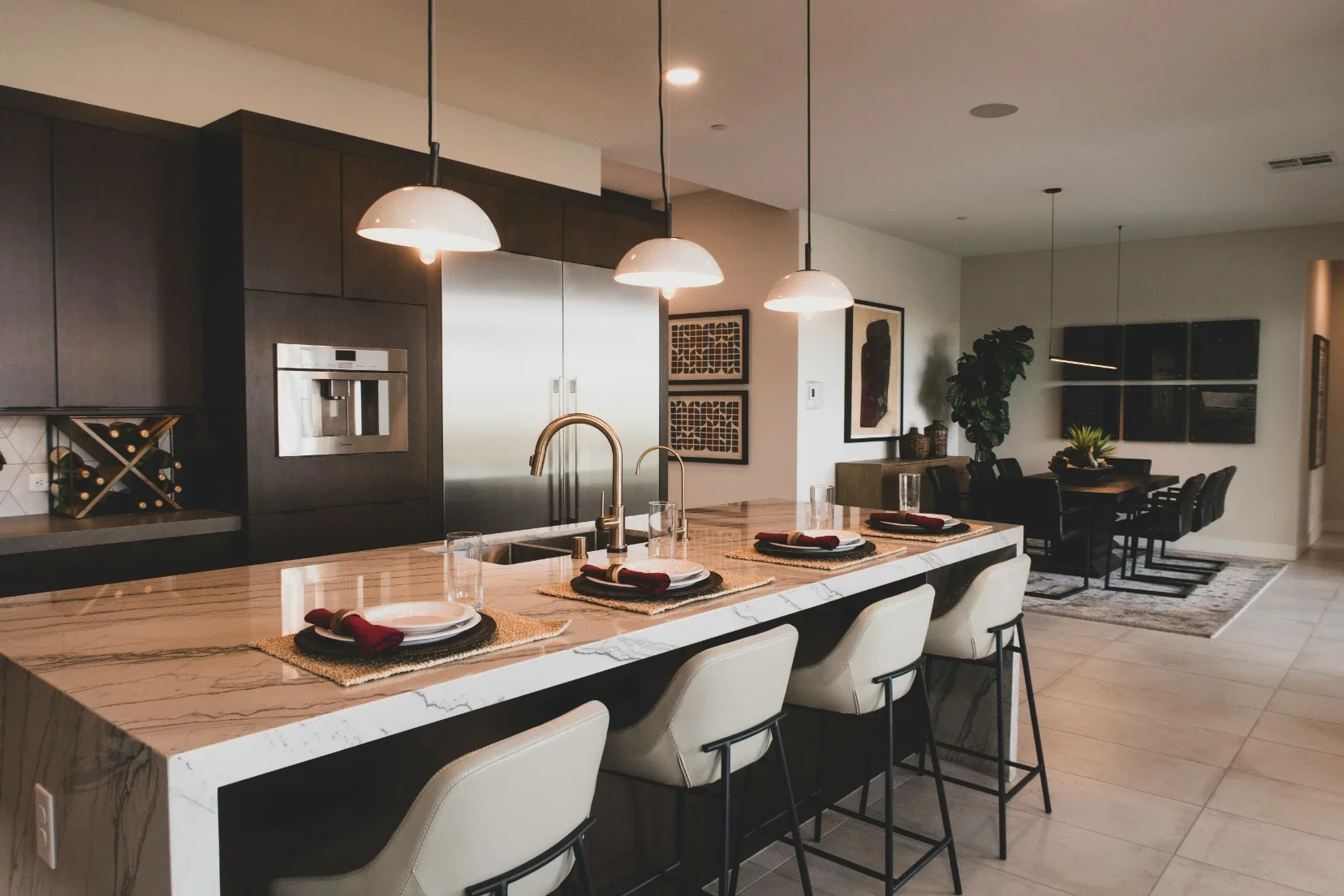
A kitchen island often serves as more than a food preparation area. It can become a casual dining spot, homework station, entertaining space, or gathering point for family and guests. Choosing the right kitchen island stools can make the island more comfortable and functional while also complementing the overall interior design. Before buying seating, homeowners should consider dimensions, comfort, materials, spacing, and how the kitchen is used every day.
Start With the Island Height
The height of the countertop should be the first consideration when choosing seating. Counter-height islands typically require counter-height stools, while taller surfaces may require bar-height seating.
Using the wrong height can make meals uncomfortable and create an awkward relationship between the seat and countertop. Before shopping, measure from the floor to the top of the island and compare that measurement with the recommended seat height.
It is also important to account for the thickness of the countertop. A thick surface can slightly reduce the available legroom, so measuring the actual finished installation is preferable when possible.
Allow Enough Space Between Seats
A beautiful seating arrangement can quickly become uncomfortable if stools are positioned too close together. Each person needs enough space to sit, move their arms, and get in and out without disturbing someone nearby.
The required spacing depends partly on the width of the stools. Wider seats generally need more room, particularly if they have arms or substantial backs.
Consider how many people will realistically use the island rather than trying to fit the maximum possible number of seats. Fewer comfortable seats are often more practical than a crowded arrangement.
Choose Between Backless and Backed Seating
Backless stools have a clean, compact appearance and can often slide completely underneath the island when not in use. This can help maintain an uncluttered look in smaller kitchens.
Stools with backs generally provide greater support and may be more comfortable for longer periods of sitting. They can also introduce additional visual character through their shape, upholstery, or frame.
For a kitchen that frequently functions as a dining area, comfort may be more important than having seating that disappears completely beneath the countertop.
Consider Materials and Maintenance
Kitchen seating is exposed to food, drinks, moisture, and frequent handling, so material selection matters. Wood can add warmth and traditional character, while metal can create a contemporary or industrial appearance.
Upholstered seats can provide additional comfort, but homeowners should consider how easy the fabric will be to clean. Performance fabrics, removable covers, or materials designed to resist stains may be useful for households with children or frequent entertaining.
The best material is ultimately one that matches both the design of the kitchen and the level of maintenance the household is willing to perform.
Think About Comfort
Appearance should not be the only factor when selecting kitchen seating. Consider the shape of the seat, foot support, back support, and cushioning.
A footrest can make a significant difference because it gives users somewhere to place their feet instead of allowing them to hang unsupported. A properly shaped seat can also reduce pressure during longer periods of sitting.
If possible, test seating before purchasing several pieces. A stool that looks attractive in a showroom may feel very different after sitting on it for ten or fifteen minutes.
Match the Kitchen's Design
Kitchen seating does not necessarily need to match the cabinetry exactly. Instead, it should contribute to a cohesive overall design.
For a traditional kitchen, natural wood or upholstered seating may complement raised-panel cabinets and classic finishes. Contemporary spaces may benefit from simple silhouettes and clean lines. In transitional kitchens, a combination of traditional materials and modern shapes can create visual balance.
Color can also be used strategically. Seating can blend into the kitchen for a subtle appearance or provide contrast that draws attention to the island.
Consider Children and Everyday Use
Families should think about who will use the seating most often. Sharp corners may be less practical in households with young children, while heavy stools can be difficult to move.
Swivel stools can make getting in and out easier, but they also require enough surrounding space to rotate comfortably. Adjustable models can provide flexibility, although their mechanisms may require additional maintenance over time.
Make the Seating Part of the Design Plan
Kitchen seating should be considered while planning the island rather than treated as an afterthought. The island's overhang, electrical outlets, storage configuration, and surrounding walkways can all affect how comfortably stools fit.
Measure the available space before purchasing and account for nearby cabinets, appliances, doors, and traffic paths. This helps ensure that the seating does not interfere with normal kitchen movement.
The right island seating combines comfort, appropriate dimensions, durability, and visual appeal. By measuring carefully, allowing sufficient space, selecting practical materials, and considering how the kitchen is actually used, homeowners can create a seating area that feels natural and remains useful for years.
Stay up to date with our latest ideas!