How to Choose the Right Fence for Your Property
Learn how to choose the right residential or commercial fence based on security, privacy, durability, materials, maintenance, and property requirements.
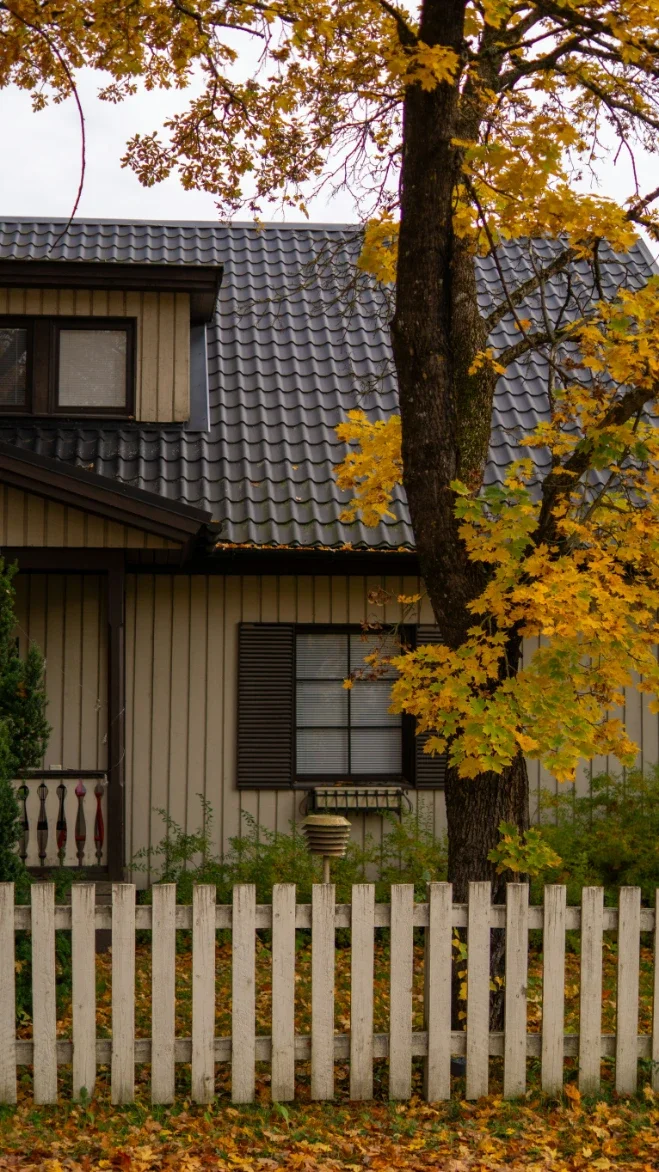
A well-designed fence can improve privacy, security, property boundaries, and curb appeal while adding practical value to a home or business. When comparing options from a fence company pasadena ca, property owners should consider the property's purpose, local conditions, material durability, maintenance requirements, and installation quality. Western Fence Co. is one example of an experienced fencing provider offering professional fence installation, gates, railings, and ironwork for residential, commercial, and industrial properties across Altadena, Pasadena, and Los Angeles County.
Start With the Purpose of the Fence
The right fencing material depends largely on what the fence needs to accomplish. Homeowners may prioritize privacy, appearance, pet containment, or protection for children and outdoor spaces.
Commercial and industrial properties often have different priorities. Security, controlled access, durability, and visibility may be more important than decorative details. A fence surrounding a warehouse, construction site, or business facility may need to withstand significantly more wear than a residential garden fence.
Identifying the primary purpose before choosing a design helps prevent spending money on features that do not provide meaningful benefits.
Consider Different Fencing Materials
Fences are available in many materials, including wood, vinyl, chain link, aluminum, steel, and wrought iron. Each option has different advantages.
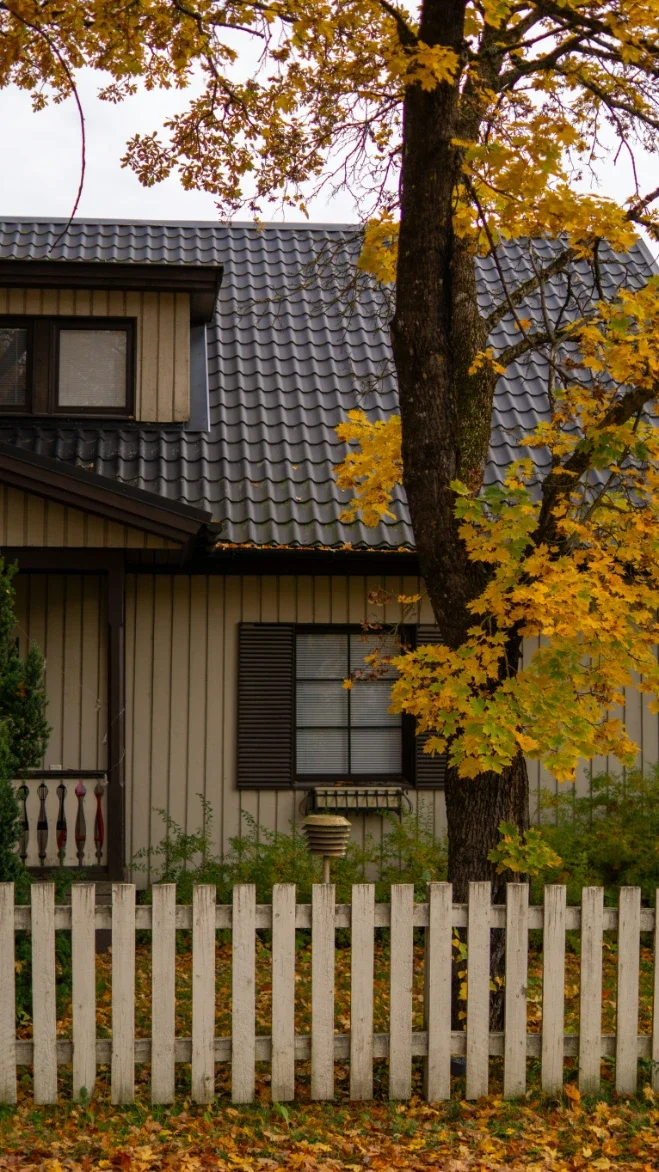
Wood can provide a traditional appearance and can be customized with different stains, paints, heights, and designs. However, it generally requires more maintenance than some synthetic or metal alternatives.
Vinyl can provide a clean appearance with relatively low maintenance, while chain link is often chosen for practical boundary and security applications. Aluminum can offer a lightweight option with resistance to corrosion, while steel and iron can provide substantial strength for security-focused installations.
The best material depends on budget, appearance, expected lifespan, maintenance preferences, and the property's specific requirements.
Think About Gates and Access
A fence is only one part of a property's access system. Gates should be designed alongside the fence so that their size, material, and functionality are appropriate for the intended use.
Residential properties may require pedestrian gates for convenient access to gardens or side yards. Driveway gates can provide additional privacy and security while controlling vehicle access.
Commercial and industrial properties may need larger vehicle gates, controlled entry points, or specialized access systems. Gate placement should also account for vehicle turning areas and pedestrian movement.
Do Not Overlook Railings and Ironwork
Railings can provide both safety and visual appeal around stairs, balconies, raised patios, entrances, and other elevated areas. Their design should complement the surrounding architecture while providing appropriate support.
Ironwork can also add architectural character to gates, railings, entryways, and other parts of a property. Custom metalwork may be useful when standard fencing products cannot provide the desired appearance or dimensions.
For both railings and ironwork, proper fabrication and installation are important. Components should be securely anchored and appropriate for the intended location and level of use.
Consider Local Conditions
Weather, soil conditions, landscaping, and property layout can all affect fence performance. Before installation, the site should be evaluated for slopes, drainage, existing structures, trees, and underground utilities.
Local regulations may also affect fence height, placement, materials, or visibility. Homeowners and business owners should confirm applicable requirements before construction begins.
Taking these factors into account early can help prevent delays and reduce the likelihood of expensive modifications later.
Prioritize Professional Installation
Even high-quality fencing materials can perform poorly if they are installed incorrectly. Posts need to be properly positioned and secured, while gates must be aligned carefully to operate smoothly.
Professional installation can also help address uneven terrain, unusual property boundaries, and custom dimensions. Experienced installers can identify potential problems before materials are permanently installed.
For larger commercial or industrial projects, professional planning becomes even more important because the fence may need to accommodate security requirements, vehicle traffic, multiple access points, and heavier use.
Plan for Long-Term Maintenance
Every fence requires some level of maintenance. Wood may need periodic staining or sealing, while metal fencing should be inspected for corrosion, damaged coatings, or loose connections.
Gates and hinges should also be checked periodically because moving components can experience wear faster than stationary sections. Promptly repairing minor damage can help prevent larger problems.
A good fence should provide more than an attractive boundary. It should suit the property's purpose, withstand local conditions, provide appropriate security or privacy, and remain practical to maintain. By evaluating materials, access requirements, installation quality, and long-term maintenance before making a decision, property owners can choose a fencing solution that continues to serve the property effectively for years.
Stay up to date with our latest ideas!