Simple Home Upgrades That Cut Energy Waste
Discover simple home upgrades that cut energy waste, lower utility bills, improve efficiency, and make your home more comfortable throughout the year.
If your house feels chilly in one corner, stuffy in another, and somehow still expensive to run, you're not imagining things. Small energy problems add up fast, especially in homes where lights, screens, and appliances seem to stay on forever.
Pittsburgh puts pressure on both ends of the year, with cold that finds every gap in winter and humidity that undoes the air conditioning in summer. The good news is you don't need a giant renovation to make the place feel better. A few practical upgrades can lower waste, improve comfort, and help your house stop acting like it has money to burn.
Windows matter more
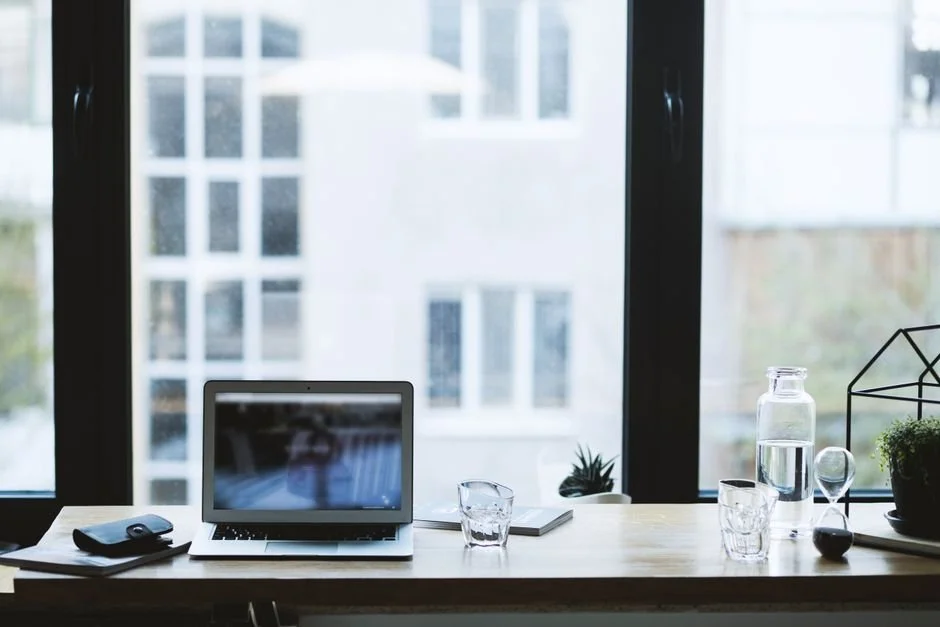
Windows do a lot more than give you a view of the driveway or your neighbor's heroic tomato plant. They affect indoor temperature, outside noise, glare on screens, and how hard your heating and cooling system has to work. If your home has old windows, you might be losing comfort and money at the same time.
Aging frames leak air steadily rather than dramatically, which is why the cost shows up on the utility bill long before anyone notices a draft. When it comes to Pittsburgh energy efficiency, the windows usually decide the outcome, and ENERGY STAR–rated replacements are tested for air leakage rather than sold on looks. Insulated frames and warm-edge glass hold indoor temperatures steadier and cut the drafts that make people fight over the thermostat like it's a game show prize.
You may also notice fewer hot spots near sunny rooms and less fading on furniture or flooring. That means the house feels more balanced without constant adjusting. It's one of those upgrades that works quietly in the background, which is honestly what every household hero should do.
Lighting adds up quietly
Nobody thinks of a single bulb as an expense. Multiply it across every room, hallway, closet, and porch fixture, though, and the total gets harder to ignore. Older incandescent and halogen bulbs turn most of the electricity they draw into heat rather than light, which is a strange thing to be paying for.
Swapping to LEDs is the least glamorous upgrade on any list and one of the most reliable. They draw a fraction of the power, last for years, and come in warm tones now, so nobody has to live under that blue-white glare that made early LEDs feel like a dentist's office.
Beyond the bulbs, look at how the lights get used. Motion sensors work well in laundry rooms, garages, and basements where lights get left on for hours by accident. Dimmers help in living areas. And it costs nothing at all to open the blinds before reaching for a switch during the day.
Watch what stays plugged in
Plenty of devices keep drawing power after you think you've finished with them. Chargers, game consoles, printers, coffee makers with digital displays, and anything with a standby light all pull a small current around the clock. Individually it's trivial. Across a whole house, it becomes a line item.
The fix takes about ten minutes. Group the worst offenders onto a power strip you can switch off at the wall. Entertainment setups are usually the biggest cluster, followed by home office equipment that sits idle overnight.
Appliances deserve a look too. An older refrigerator running in a garage can quietly cost more per year than most people expect, and a second freezer that holds three items is rarely worth what it draws. Clearing dust from the coils on the back of the fridge helps more than it sounds like it should.
Rethink how you heat water
Hot water is one of the largest energy costs in most homes, and it's also one of the easiest to trim without spending much. Start with the tank setting. Many water heaters ship set higher than anyone needs, and lowering it a few degrees cuts standby loss without anyone noticing a difference in the shower.
Insulating the first few feet of pipe leaving the tank is a cheap afternoon job that keeps water hotter on its way to the tap. If the tank itself feels warm to the touch, a jacket helps too, though newer models often don't need one.
Then there are the habits. Shorter showers, full loads in the dishwasher, and cold water for most laundry all move the needle. Washing in cold has stopped being a compromise now that detergents are formulated for it, and your clothes will last longer for it as well.
Build a maintenance habit
Once the upgrades are in place, keeping them working takes surprisingly little effort. You don't need a color-coded spreadsheet on the fridge. A few checks at sensible intervals will do.
Replace HVAC filters on schedule. A clogged filter makes the system work harder for the same result, and it's the most commonly skipped task in any home. Clear leaves and debris away from the outdoor condenser unit so it can breathe. Vacuum the dryer vent line every so often, since lint buildup makes every load run longer.
Keep an eye on the utility bill itself, not just the total but the pattern. A month that jumps without a matching change in the weather usually means something has started running when it shouldn't.
Small changes, steady results
None of this is dramatic. That's rather the point. The upgrades that actually stick are the ones that don't demand attention after they're done, and most of what's on this list falls into that category.
Pick two or three to start with rather than attempting everything at once. The bulbs and the power strips take an afternoon. The water heater settings take ten minutes. The larger projects can wait for a season when the budget allows.
A comfortable home shouldn't feel like a negotiation between the thermostat and your bank balance. When the basics are handled, everything else gets easier, and the house starts feeling like it's on your side.
Stay up to date with our latest ideas!