6 Simple Ways To Power Outbuildings Without Wiring
Learn how outbuilding power solutions deliver electricity without trenching. Explore solar and battery options for sheds. Read our complete guide today.
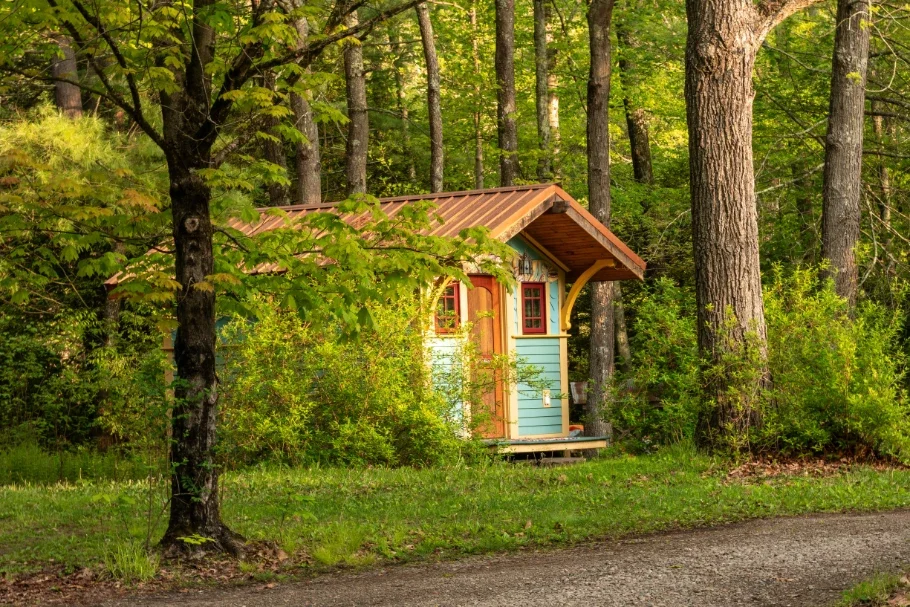
Finding a reliable power solution for a detached space eliminates the need to dig up the property.
Off-grid power for outbuildings now offers a practical, cost-effective alternative to grid extension for sheds, offices, workshops, and studios, using solar panels paired with battery storage to deliver reliable electricity without trenching, permits, or electrician fees. The two blockers that shelve most outbuilding projects are the same.
Extending a grid connection from the house typically costs between $1,500 and $5,000 depending on trench length and local permit requirements, and cutting through an established garden to lay cable is disruptive enough to kill the project entirely.
Solar with battery storage changes that calculation. This article covers six common outbuilding types, including a solar kit for shed applications, breaking down what each one draws, how a solar system meets that load, and where a simpler portable station is sufficient.
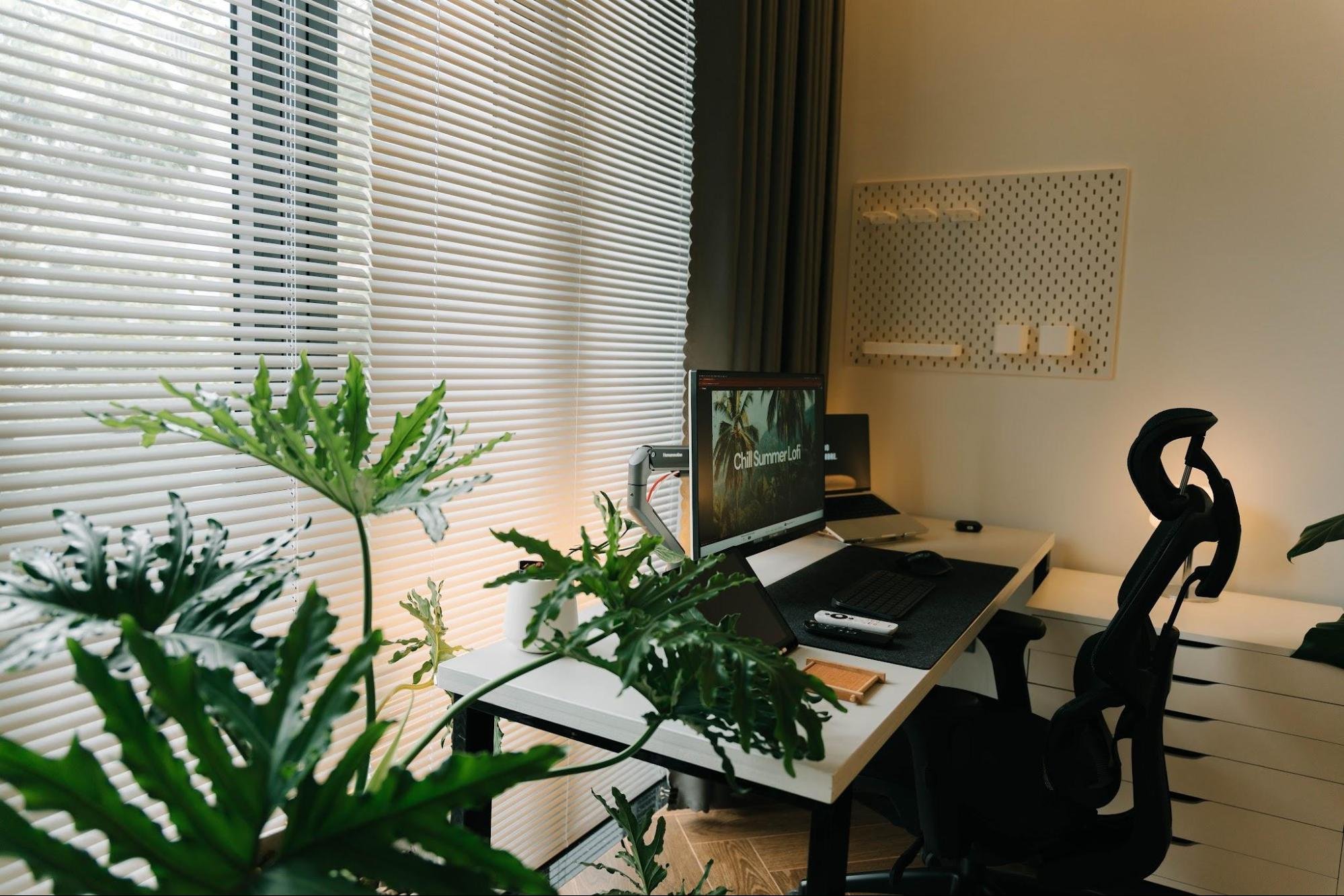
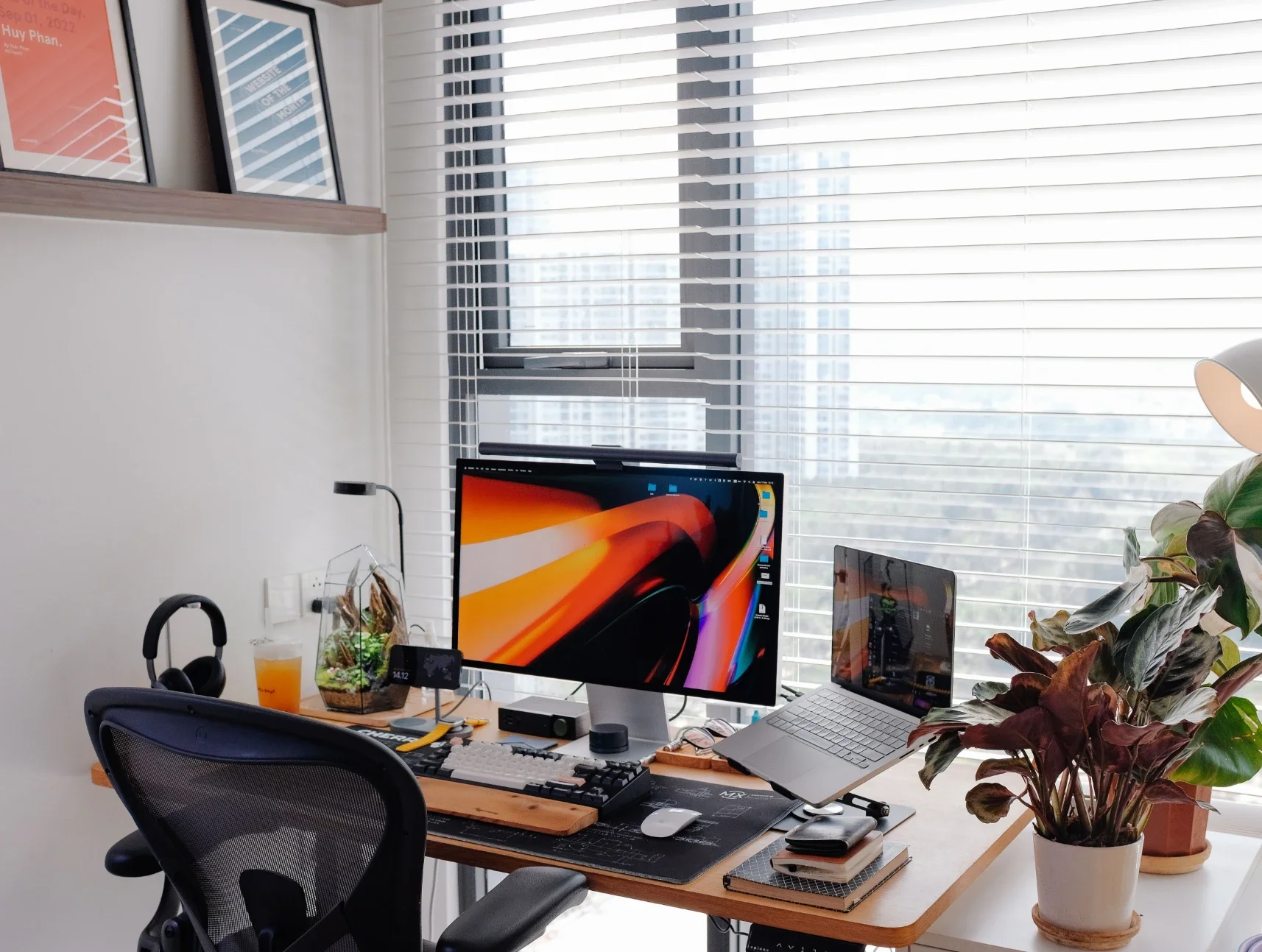
1. Backyard Office: Predictable Off-Grid Power
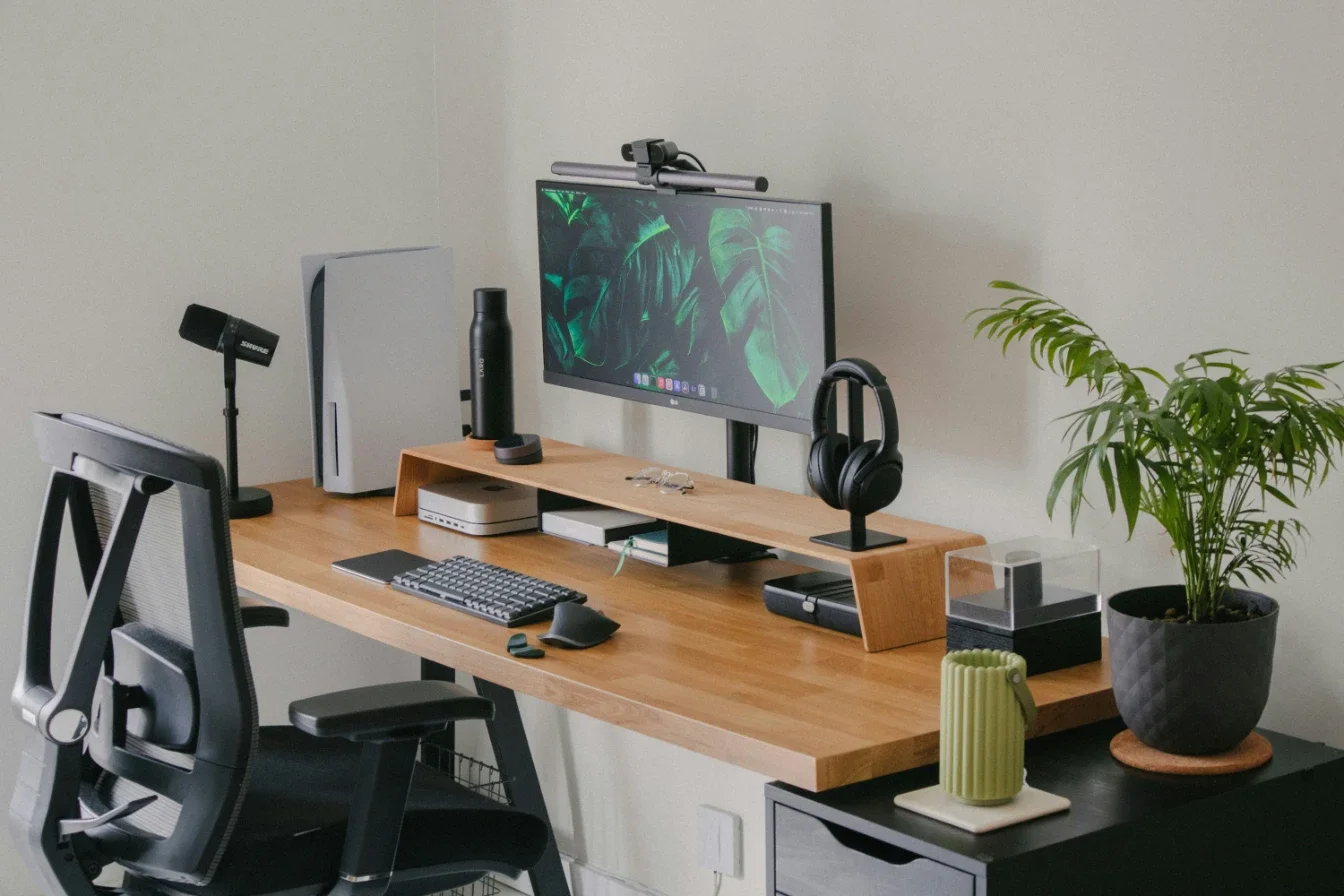
Solar power for a backyard office works well because the load is consistent. There are no sudden startup surges to manage. A typical working setup features minimal energy demands, as typical operating loads rest securely between 50 and 70 W for desktop computers and 20 to 40 W for laptops.
Adding 10 to 20 W for a router and roughly 10 W per LED task light brings the total sustained draw to just 100 to 150 W during working hours. That flat consumption profile makes this the easiest outbuilding type to size accurately.
A reliable setup requires a battery bank capable of holding a stable charge through overcast days and evening shifts. Built for these specific capacity thresholds, off-grid solar kit for outbuildings from Off-Grid Source handles a full working day on a single charge. For lighter schedules covering just a few hours a week, a portable power station handles the job temporarily, though it requires manual recharging between uses.
2. Workshop: Sizing Solar for Variable Loads
The workshop is the hardest outbuilding type to power correctly because the load range fluctuates wildly. A hand drill running at 400 to 600 W remains manageable. However, a circular saw pulling 1,200 to 1,800 W creates a massive startup surge.
Operating a bench saw draws 1,800 to 2,500 W, while a dust extractor adds another 1,400 W immediately on top. LED shop lighting contributes around 100 W passively. As a result, the inverter and battery bank must handle sudden peaks of 5,000 W or more instead of just an average baseline.
The practical starting point requires a strict tool-by-tool wattage inventory. You must list every tool, pull its rated running wattage from the manufacturer spec sheet, and identify which machines run simultaneously. If you underestimate the peak draw from these combined values, the system cuts out mid-cut and forces a hard reset.
Pro Tip: Before buying a solar kit for your workshop, list every tool's wattage and identify which tools might run simultaneously. Sizing for peak draw, not average, prevents the system from cutting out mid-cut.
3. Off-Grid Studio: Reliable Creative Power
An off-grid studio serves artists, musicians, podcasters, and video editors whose equipment load is modest in wattage but demanding in consistency. An audio interface draws 5 to 15 W, a pair of studio monitors pulls up to 150 W, and LED panel lighting adds 30 to 80 W of demand. Combined with a laptop, the total sustained load hovers securely around 100 to 250 W.
This profile fits comfortably on any mid-sized system, but a power cut mid-recording or mid-render ruins hours of work instantly. Battery depth matters much more than panel count when specifying a studio system.
A larger battery bank sustains creative sessions through long overcast afternoons while the panels slowly recharge it between active uses. Prioritizing this energy storage capacity over maximum immediate output guarantees that sensitive equipment stays powered during uninterrupted multi-hour sessions.
4. Potting Shed: Seasonal Cost-Effective Power
A potting shed's power demand clusters in a narrow seasonal window from February through May. Propagation grow lights usually run 12 to 16 hours per day at 30 to 60 W per fixture. Seed germination heat mats draw 20 to 40 W each, while small circulation fans require another 15 to 25 W of continuous supply.
A basic shed solar kit charges during daylight directly into a battery bank to keep heat mats warm through freezing early mornings. Grid extension rarely makes financial sense here since the annual active hours are so low.
A small manual power station serves as the lowest-cost entry point for this short seasonal window. However, a dedicated solar setup becomes necessary once propagation equipment runs daily for multiple consecutive months.
Key Insight: For seasonal propagation setups, a portable power station can be the cheapest off-grid solution. Only consider a permanent solar kit if your heat mats and grow lights run daily for several months.
5. Outdoor Gym: Powering Lighting and Fans
An outdoor gym presents a straightforward outbuilding power solution compared to heavy-duty workshops. The typical load includes 50 to 100 W for LED lighting and up to 75 W for a wall-mounted fan to maintain airflow. Adding a display screen for workout programming takes another 150 W, while basic phone charging adds just 20 to 30 W to the circuit.
This total sustained draw of 200 to 350 W runs dependably without requiring complex inverter hardware. Gym usage patterns suit solar generation perfectly since active training sessions naturally cluster in the early mornings and late evenings. This cycle leaves the entire midday window available for peak panel output to restore battery levels, eliminating the need to oversize the system for overlapping heavy loads.
6. Summer House: Off-Grid Solar for Entertaining
The summer house carries the widest load range and the highest social penalty for under-specifying the hardware. Ambient LED string lighting draws 50 to 150 W, a wired audio system adds up to 100 W, and a cycling mini-refrigerator pulls an average of 150 W.
Introducing an occasional portable fan or space heater pushes the peak draw rapidly from a comfortable 400 W up into the 2,000 W range.
This structure often sits dormant all week before demanding full power capacity across a single weekend evening. The battery bank must hold charges through several inactive days and deliver vast amounts of current all at once.
Lights dimming or music cutting out mid-party are obvious failures, so building a load list specific to these intense weekend demand spikes is mandatory.
Important: Sizing a solar system for average load is a critical mistake in entertaining spaces. Lights dimming, a fridge cycling off, or audio cutting mid-party are failures with immediate social consequences.
The Bottom Line
Off-grid solar makes powering detached spaces straightforward for a significantly wider range of homes than it did a decade ago. Hardware costs fell significantly after 2010, seeing a 64%, 69%, and 82% reduction across residential, commercial-rooftop, and utility-scale PV systems, respectively.
Further industry data reinforces this drop, showing the cost of an average-size residential solar energy system decreased 55% between 2010 and 2018 from $40,000 to $18,000. Combined with proven improvements in battery energy density, a standalone solar setup easily beats the disruption of trenching a physical yard cable.
Outfitting these six spaces successfully comes down to matching battery scale directly to peak draw rather than average use. A compact solar array paired with an accurate sizing calculator secures steady output for predictable home offices or seasonal potting sheds. Upgrading to higher density batteries protects recording session stability in creative studios and handles erratic summer house demand spikes.
Stay up to date with our latest ideas!