Why the Design-Build Approach Saves Time and Money on Your Next Project
Discover why the design build approach saves time and money by improving collaboration, reducing delays, controlling costs, and streamlining project delivery.
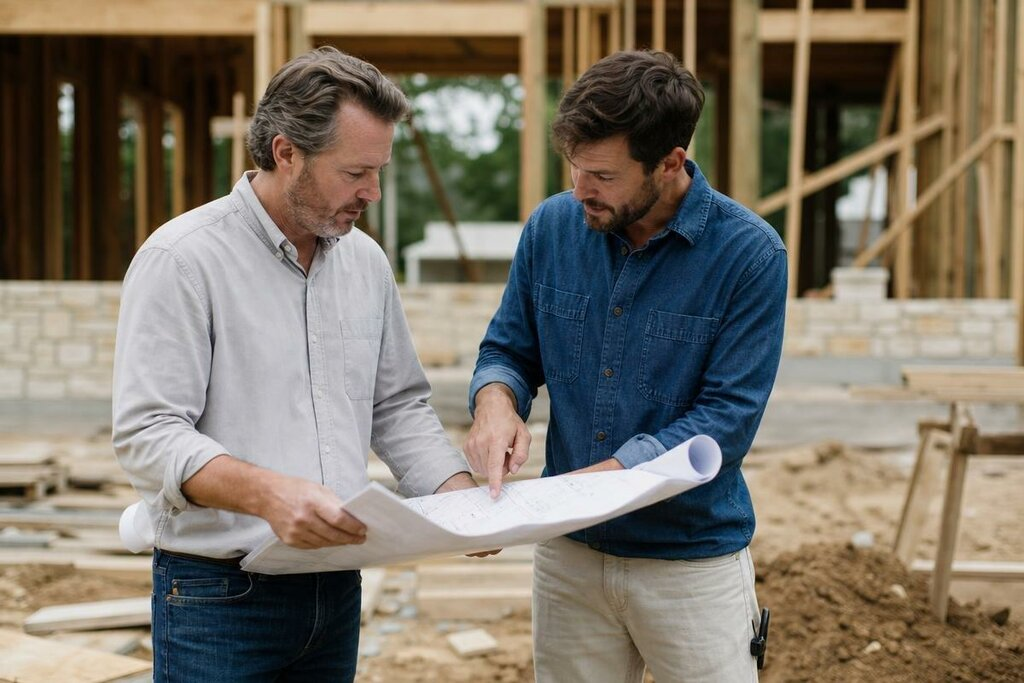
Building a custom home in the Austin area involves dozens of decisions, and how a project is structured from the start shapes everything that follows. The integrated delivery model, where design and construction are handled by a single firm, consistently reduces cost overruns and schedule delays compared to the traditional sequence of hiring an architect and then bidding out construction separately. Seven Custom Homes, founded by David Lyne in 2007 and recognized as the 2014 Custom Builder of the Year, has built its reputation in Greater Austin on exactly this approach.
The Design-Build Difference
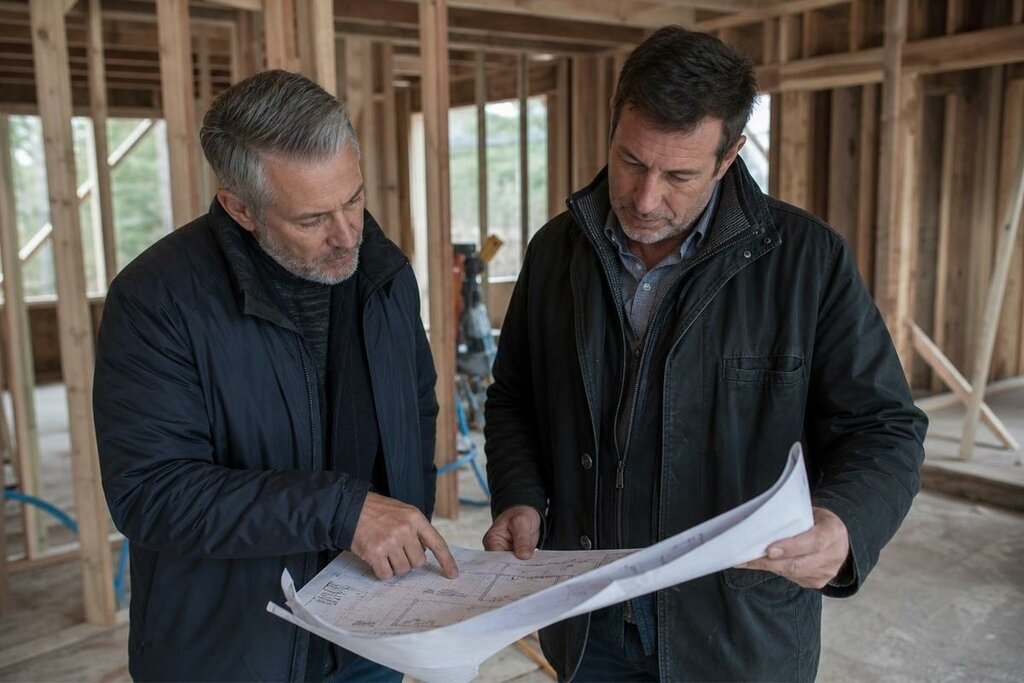
The integrated delivery model consolidates architectural design, interior design, and construction under a single contract. Seven Custom Homes has completed over $500 million in residential projects using this unified team structure.
One Firm, One Contract, One Outcome
In a traditional delivery method, separate architect and general contractor each own different parts of the project, that gap is where cost overruns and delays are born. The single-firm approach removes that structural risk. One team owns design decisions, the budget, and the construction schedule simultaneously, eliminating rework when drawings meet reality on a limestone slope in Lakeway or a wildfire interface zone in West Lake Hills.
Why It Matters in the Texas Hill Country
Steep topography, HOA architectural review boards, and high-specification finishes with long lead times demand coordination that starts during design, not after bid. Seven Custom Homes’ design and build methodology addresses these Hill Country realities before a single permit is filed.
What Is the Design-Build Model?
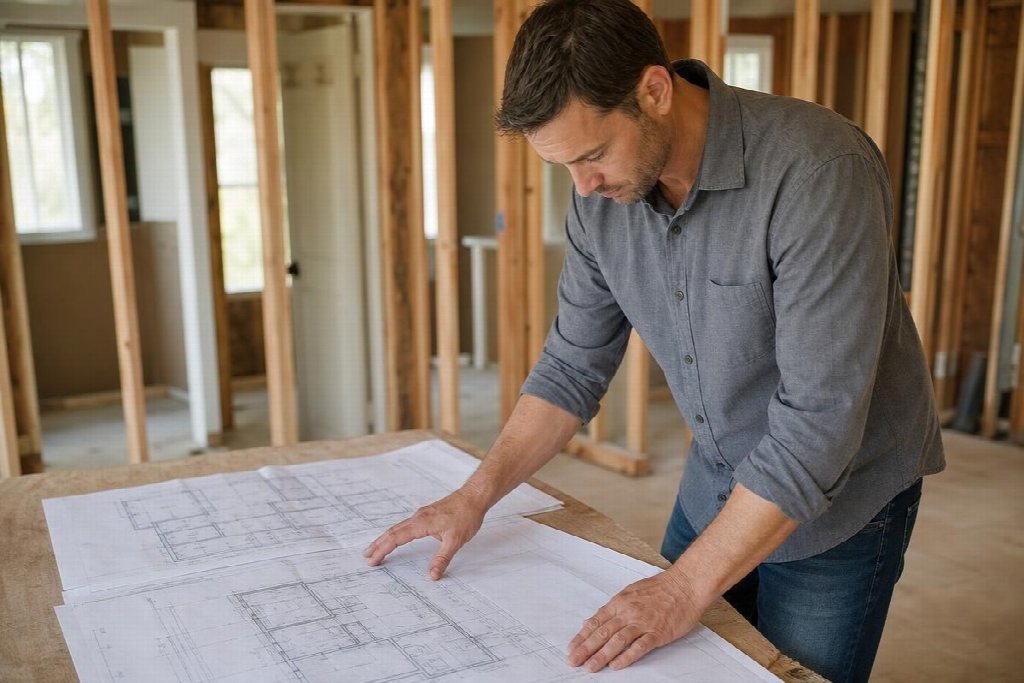
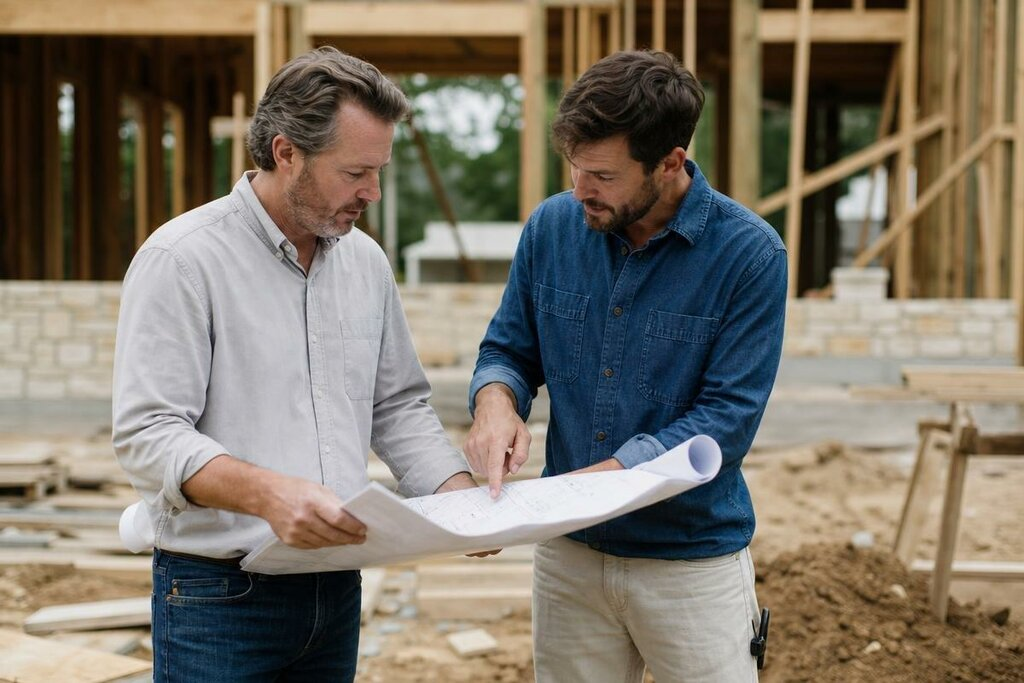
The design-build model places the architect, interior designer, and builder under a single contract. Design intent and constructability are reconciled before a foundation is poured, not after a contractor discovers a conflict in the drawings.
One Team, One Contract, One Vision
When a separate architect and general contractor disagree mid-project, the owner typically absorbs both the cost and the delay. A unified contract eliminates that dispute structure. Seven Custom Home's design and build model assigns accountability to one team across every phase and integrates interior design from day one, closing the coordination gap before it opens.
How It Differs from the Traditional Design-Bid-Build Process
In the conventional sequence, an architect finalizes drawings without a builder's cost input, contractors bid on a fixed design, and budget surprises routinely require expensive redesign cycles. The integrated model runs real-time cost analysis during schematic and design development phases, evaluating material selections, structural systems, and finish specifications against the budget as each decision is made, using proprietary AI-powered project management software.
In the Texas Hill Country, this is a practical necessity. Sites near Bee Cave, Spicewood, and Dripping Springs regularly encounter caliche soil and limestone ledge rock that change foundation strategy mid-design. LCRA shoreline setbacks and impervious cover limits in Travis and Hays counties affect building footprints, and dark-sky lighting ordinances in Dripping Springs and Driftwood must be designed into electrical plans from the start.
A builder who enters after design is finished has no practical way to address these variables without triggering redesign fees and schedule delays.
Building a Custom Home in Austin and the Texas Hill Country
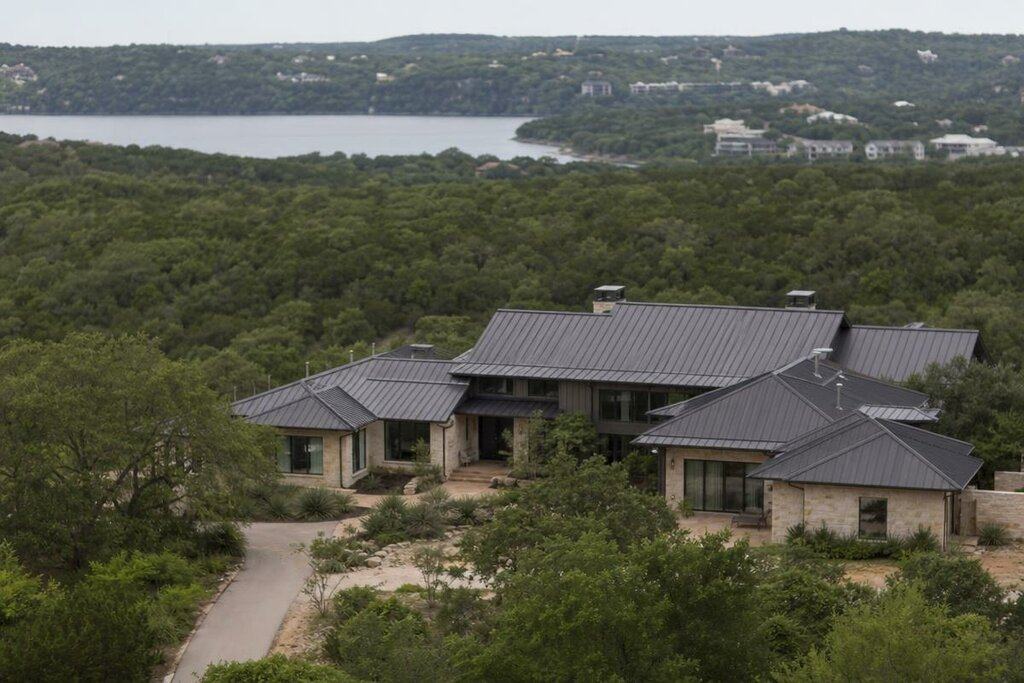
The firm serves a defined geography spanning the Texas Hill Country, the greater Austin metro, and the Texas coast. Communities including Lakeway, West Lake Hills, Bee Cave, Dripping Springs, Georgetown, and Port Aransas all fall within its project reach. The Seven Custom Homes office is located at 312 Medical Parkway, Bldg B, Lakeway, TX 78738.
Lakefront properties along Lake Travis, estate parcels in Dripping Springs, and coastal builds near Port Aransas each present distinct site conditions. The firm's unified team structure allows it to adapt without the coordination delays that arise when separate firms divide responsibility.
Frequently Asked Questions
How Long Does the Design-Build Process Take from Start to Move-In?
Most custom homes take between 12 and 24 months from initial design consultation to move-in, depending on size and complexity. Permitting timelines in Travis County and surrounding Hill Country jurisdictions can add several weeks. Homes with steep terrain or rocky soil may require additional time for engineering and site preparation.
What Is a Realistic Budget Range for a Custom Home in the Austin Area?
Custom home construction in Austin and the Texas Hill Country typically starts around $400 per square foot and can exceed $700 per square foot for high-end finishes and complex architectural details. Land cost, site development, utility connections, and landscaping are separate expenses. Seven Custom Homes provides detailed pre-construction cost estimates to help clients align expectations before work begins.
Can I Use My Own Architect with Seven Custom Homes?
Seven Custom Homes operates as an integrated design-build firm, meaning design and construction are managed under one roof. Bringing in an outside architect can reintroduce the coordination gaps and liability questions the design-build model is structured to avoid. If you have an existing relationship with a designer, the team is happy to discuss how that collaboration might be structured before contracts are signed.
Are Design-Build Contracts More Expensive Than Hiring Separately?
The upfront contract cost can appear higher, but clients typically save money over the full project lifecycle because design-build reduces costly change orders, scheduling conflicts, and rework. A single firm also has stronger purchasing relationships with material suppliers and trade contractors. Seven Custom Homes is transparent about its fee structure so clients can make an accurate comparison.
What Happens If I Want to Make Changes After Construction Begins?
Mid-construction changes are common, and Seven Custom Homes uses a formal change order process to document scope, cost, and schedule impacts before any work is modified. Because design and construction teams communicate daily within the same firm, changes are evaluated faster and priced more accurately than in a traditional model. Clients are encouraged to finalize selections during pre-construction to minimize disruptions once framing begins.
Does Seven Custom Homes Build on Land I Already Own?
Yes. The team conducts a site evaluation early in the process to assess topography, soil conditions, access, and utility availability, all of which influence design options and construction cost. Guidance on land selection is also available for clients still searching for a parcel.
What Warranty Coverage Comes with a Custom Home from Seven Custom Homes?
Texas law requires builders to provide statutory warranties covering workmanship, systems, and structural defects for periods ranging from one to ten years depending on the defect category. Seven Custom Homes meets or exceeds those requirements and performs a formal walkthrough inspection before the client takes possession. The team remains available for post-move-in questions during the first year, when most minor settlement issues surface.
About Seven Custom Homes
Founded by David Lyne in 2007, Seven Custom Home's design and build practice covers luxury residential construction across the Texas Hill Country, the Austin metro, and the Texas coast. The firm has earned recognition including the 2014 Custom Builder of the Year award, the 2014 MAX Award, and a 2008 Parade of Homes distinction. Its record across nearly two decades reflects a straightforward standard: architectural residences built to endure.
Stay up to date with our latest ideas!