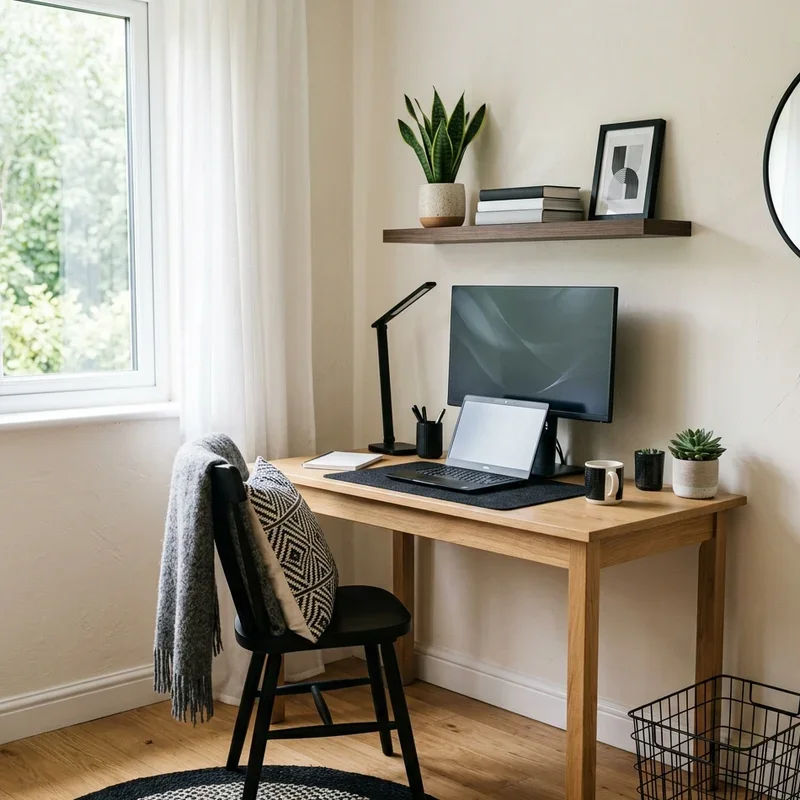
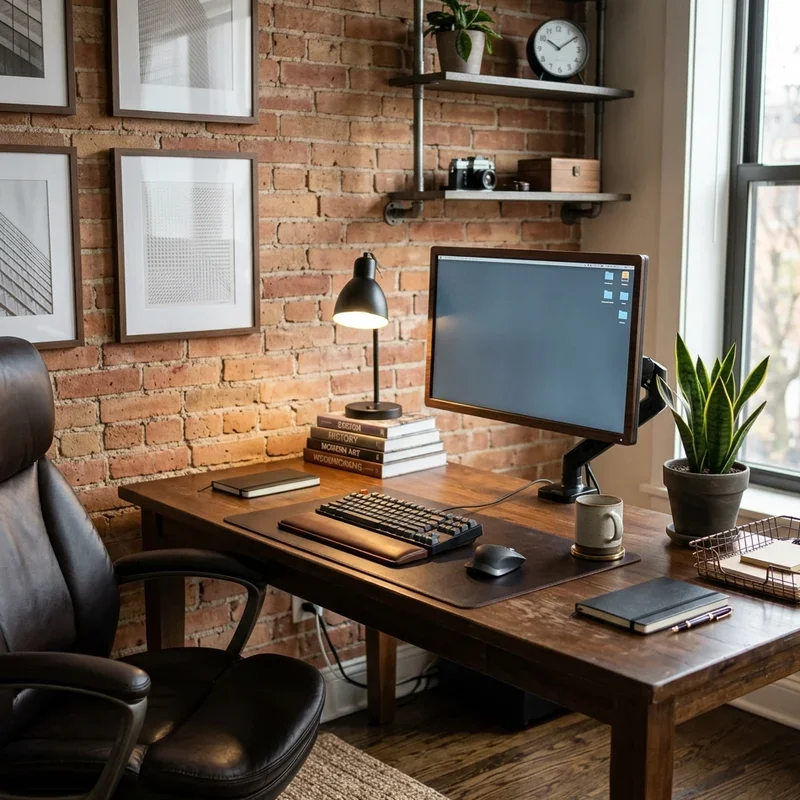
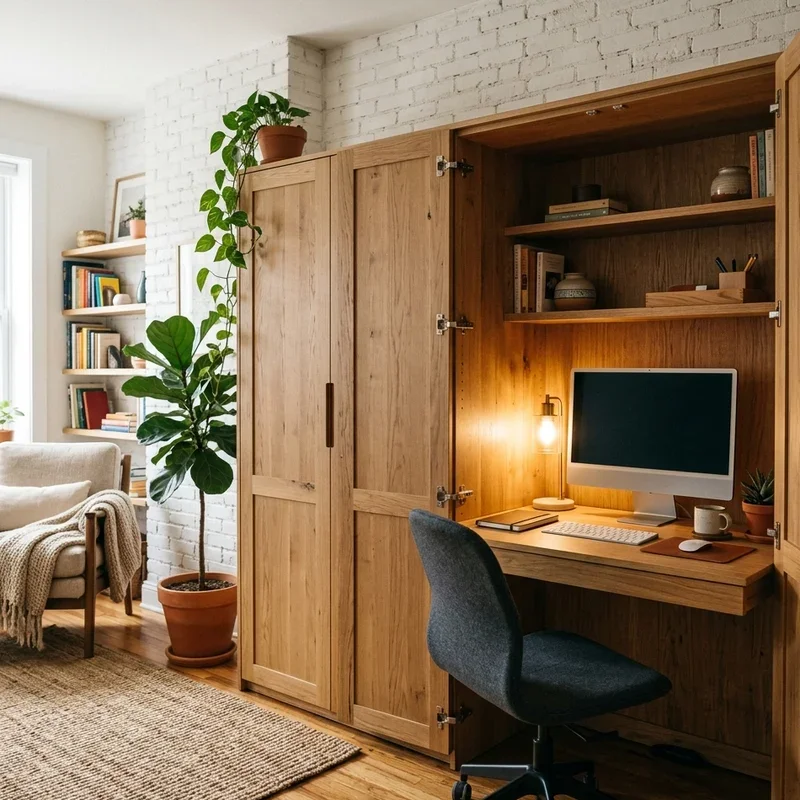
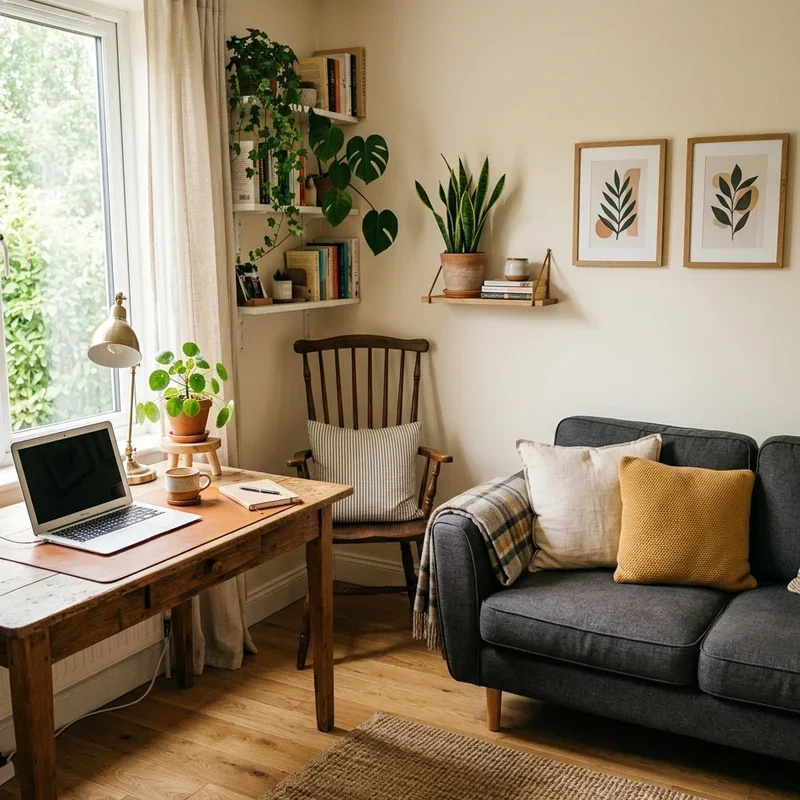
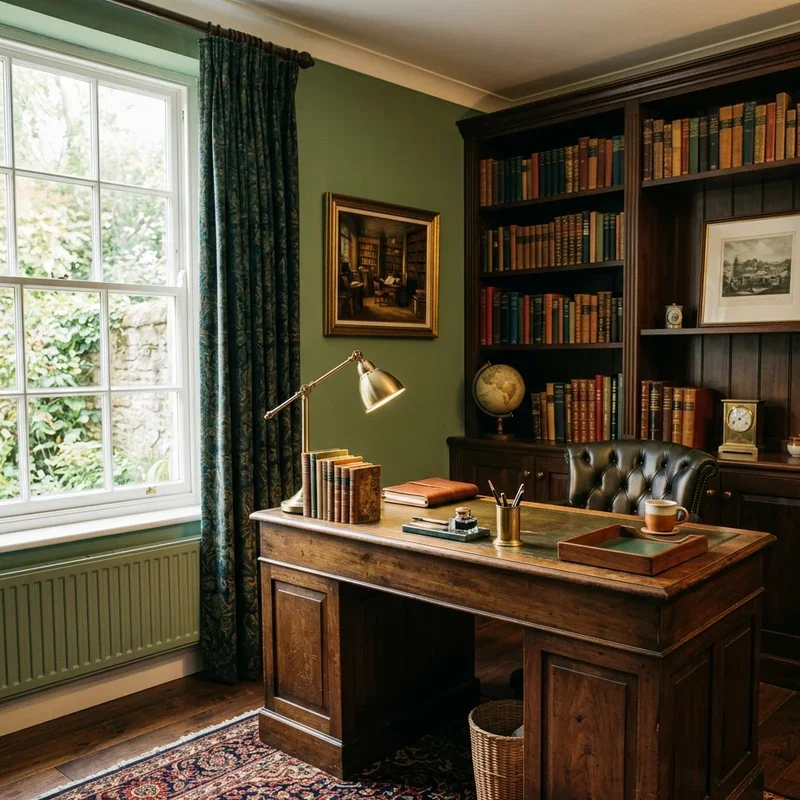
15 Basement Home Office Ideas for Cozy Workspaces
Transform your basement into a productive workspace with these 15 creative home office ideas that combine comfort, style, and functionality.
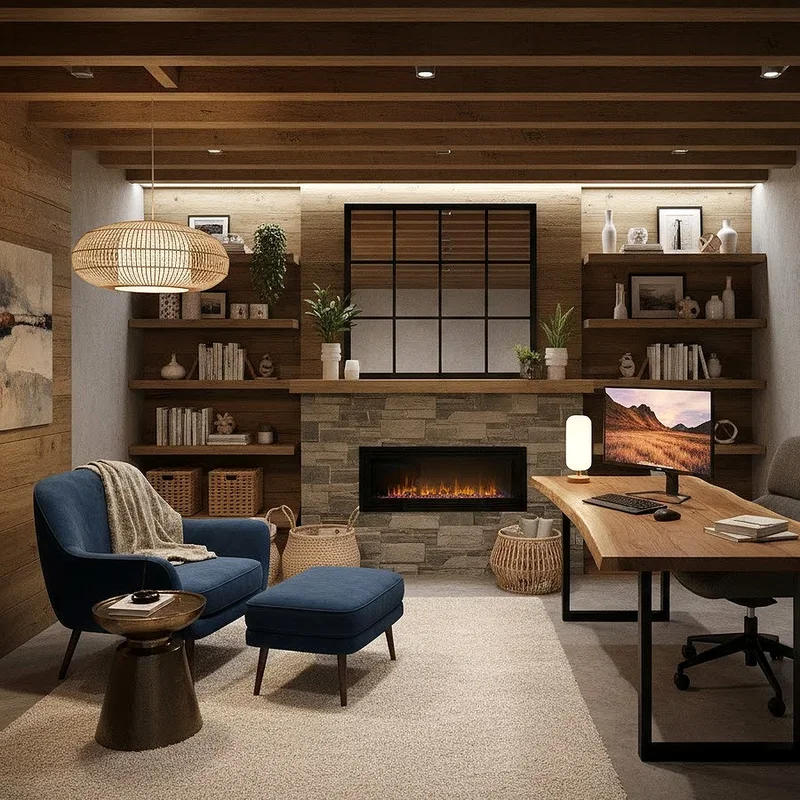
Have you ever looked at your basement and wondered how to turn that underutilized space into something truly special? You're not alone. Many homeowners struggle with transforming their basements from storage dumping grounds into functional, beautiful spaces. The good news is that your basement holds incredible potential as a home office, offering privacy, quiet, and separation from household distractions. Whether you work from home full time or need a dedicated space for side projects, creating a cozy basement office can revolutionize your productivity and work life balance. In this comprehensive guide, we'll explore fifteen innovative ideas that will help you design a basement workspace that's not only functional but also warm, inviting, and inspiring. From lighting solutions to furniture choices, we've got everything you need to create your perfect underground sanctuary.
1. Maximize Natural Light with Egress Windows
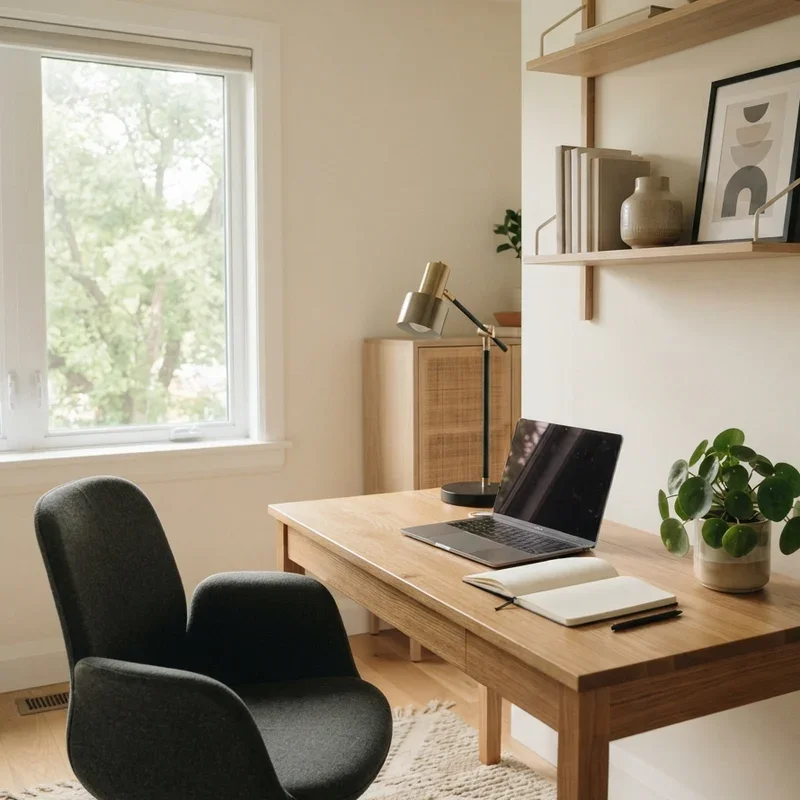
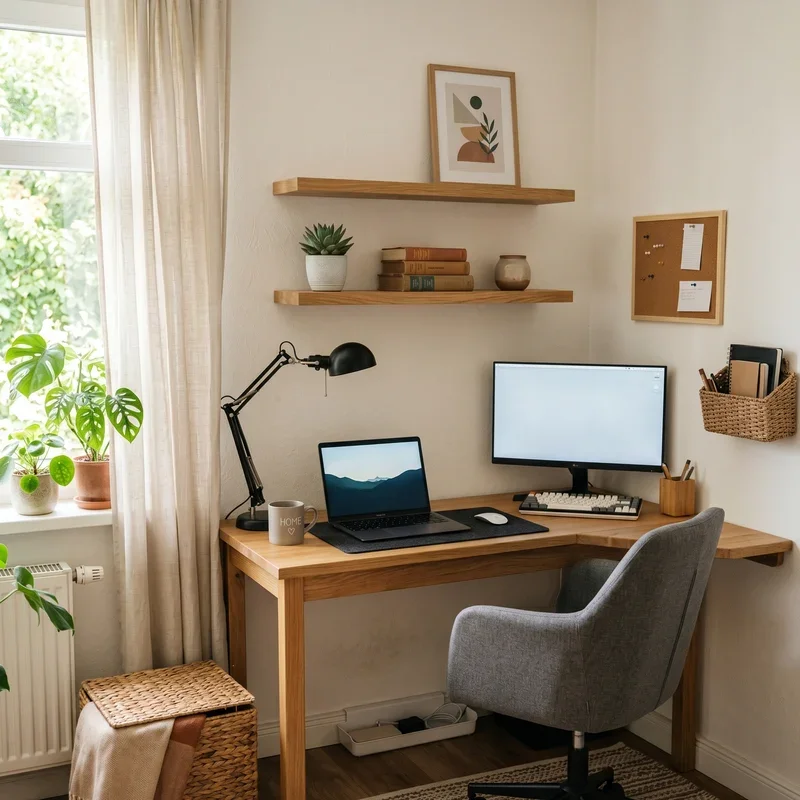
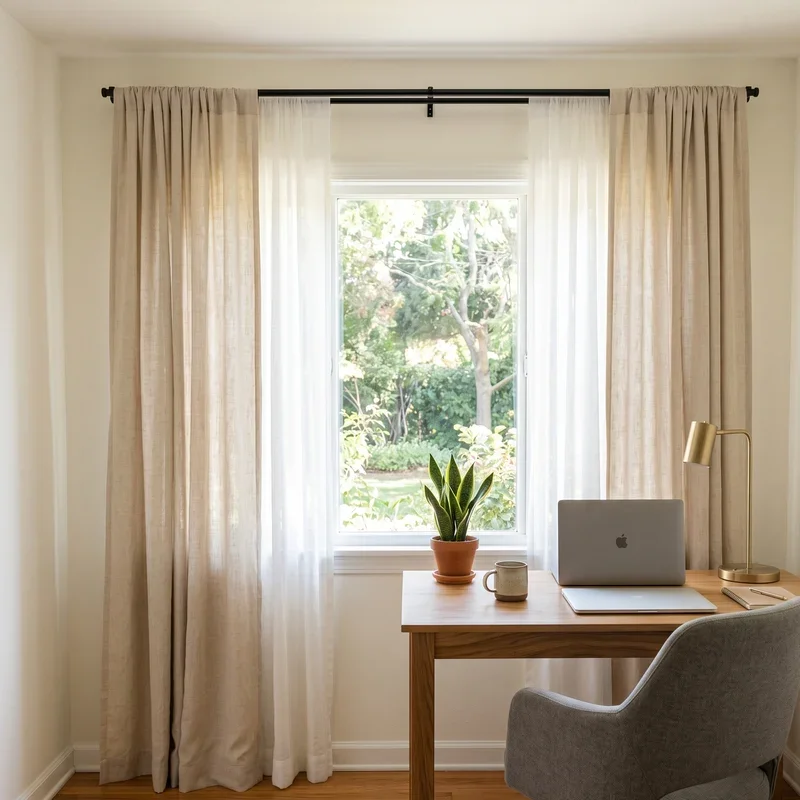
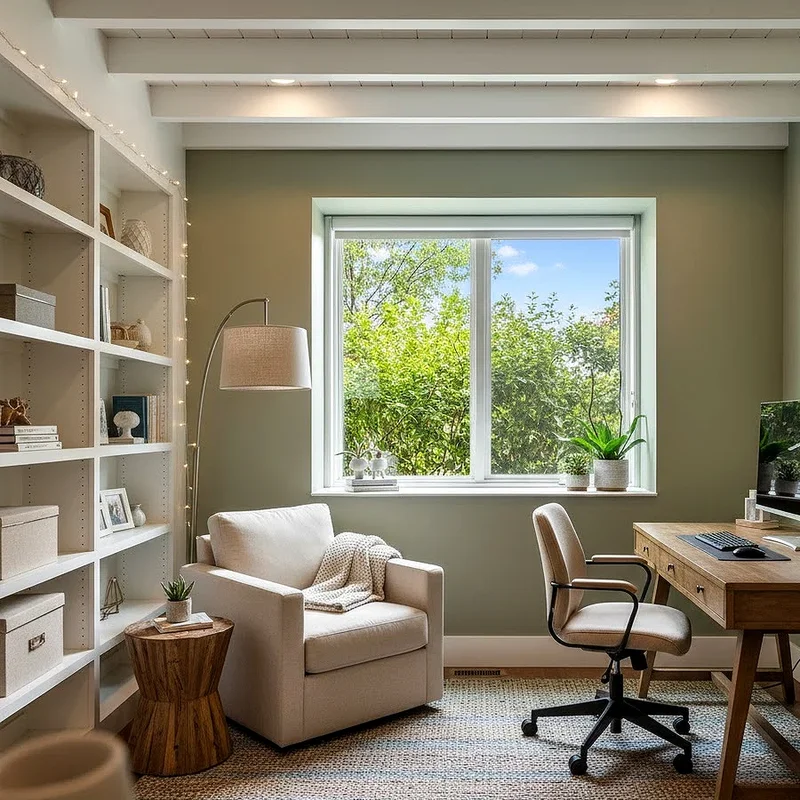
Transforming your basement office starts with addressing the elephant in the room: natural light. Installing egress windows not only brightens your workspace but also meets safety codes and increases your home's value. These larger windows invite sunshine to flood your office, creating an uplifting atmosphere that combats the typical basement cave feeling. Consider positioning your desk near these windows to enjoy views of your garden or yard while working. The psychological benefits of natural light are immense, boosting mood, productivity, and overall wellbeing. If full egress windows aren't feasible, window wells with reflective surfaces can amplify whatever natural light is available. This investment pays dividends in creating a workspace that feels connected to the outside world rather than buried beneath it.
2. Install Layered Lighting for Ambiance
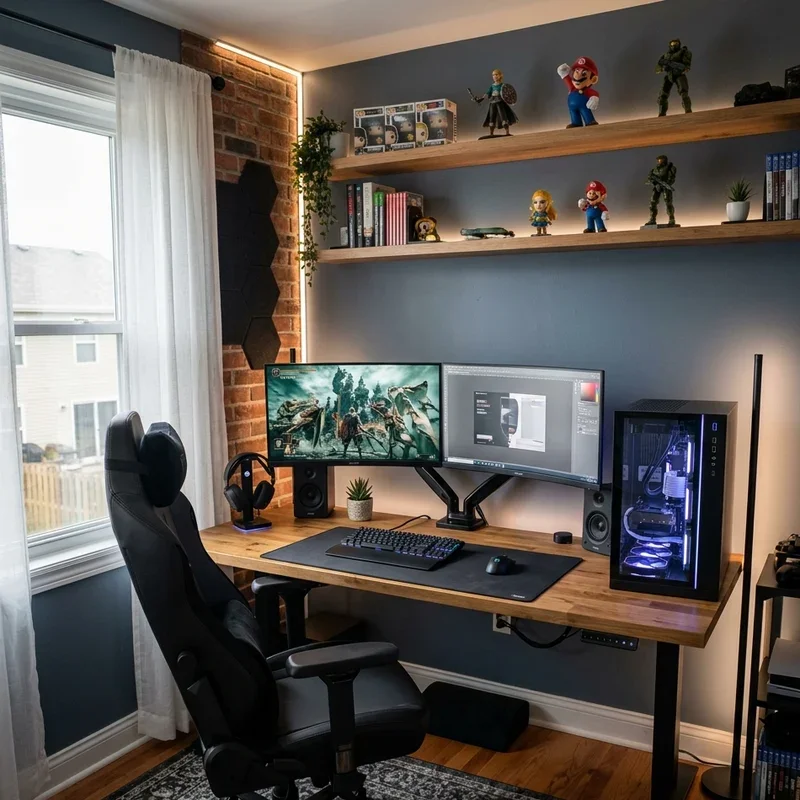
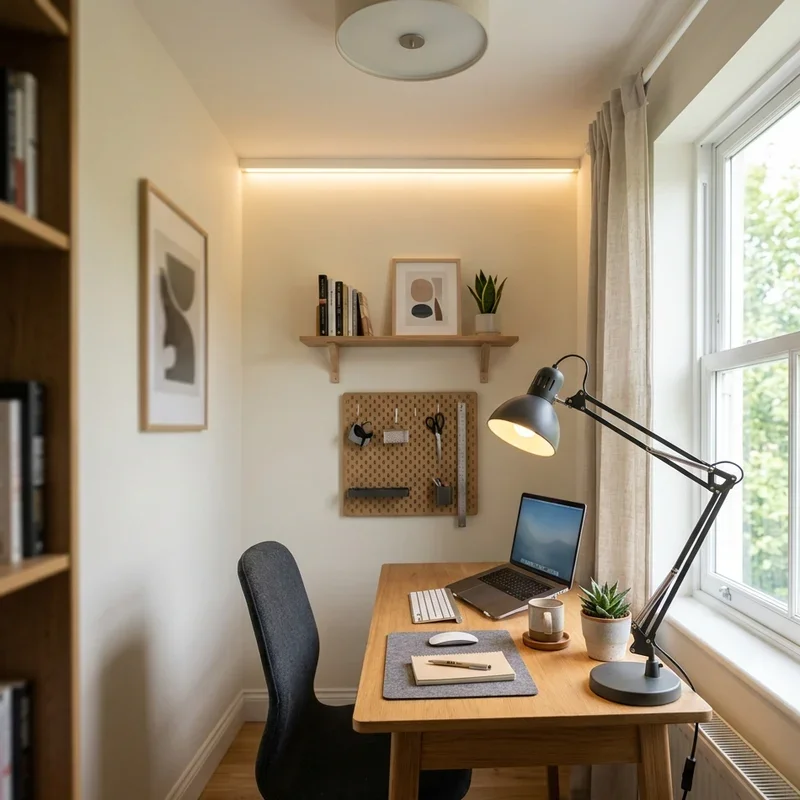
Since basements naturally lack abundant natural light, creating a thoughtful lighting strategy becomes essential for your home office. Layered lighting combines ambient, task, and accent lighting to create depth and flexibility throughout your day. Start with recessed ceiling lights for overall illumination, then add desk lamps for focused work tasks. Don't forget accent lighting like wall sconces or LED strips to highlight architectural features and create visual interest. Dimmer switches give you control over brightness levels, allowing you to adjust the mood from energizing morning light to softer evening tones. This approach prevents the harsh, institutional feeling that single overhead lights create. The right lighting transforms your basement from a dreary dungeon into a warm, welcoming workspace that supports your productivity.

3. Choose Warm Color Palettes
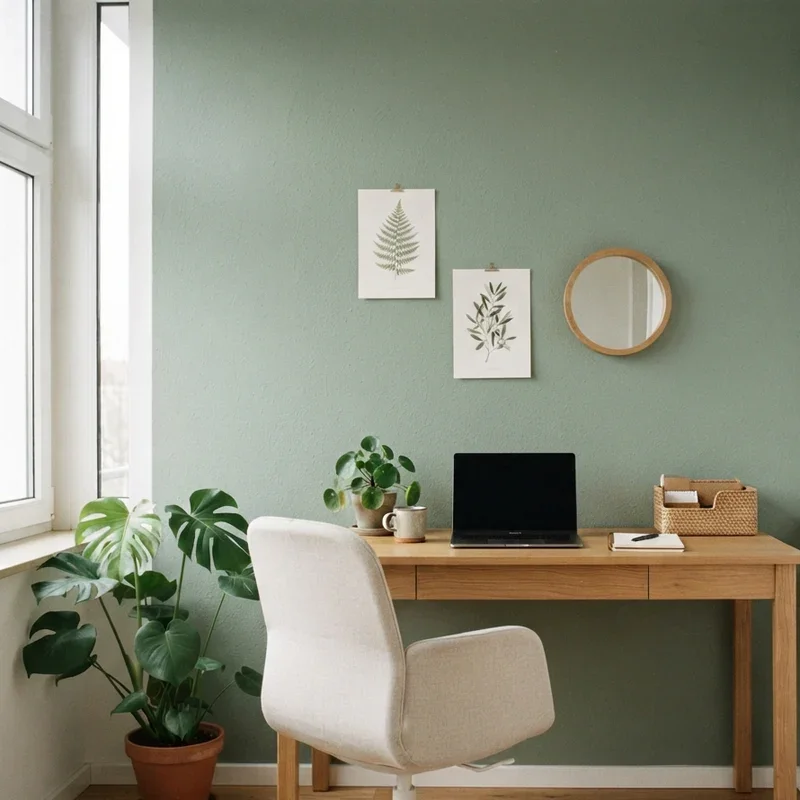
Color psychology plays a powerful role in creating cozy, productive workspaces, especially in basements where natural warmth might be lacking. Opt for warm neutrals like beige, cream, or soft gray as your base, then layer in accent colors like terracotta, sage green, or dusty blue. These hues create a sense of warmth and comfort that cold basements desperately need. Avoid stark white walls, which can feel clinical and amplify the underground feeling. Instead, consider colors that remind you of nature or evoke feelings of calm and focus. Paint isn't your only option either. Removable wallpaper with subtle patterns can add texture and interest without overwhelming the space. The goal is creating an environment that feels inviting enough to spend your entire workday in comfortably.
4. Add Plush Rugs for Comfort
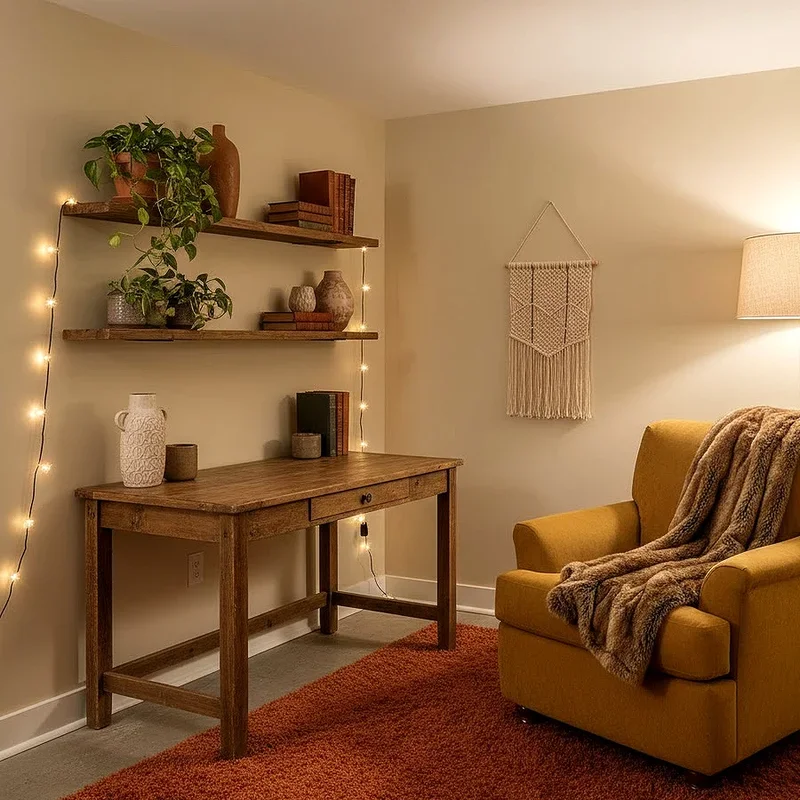
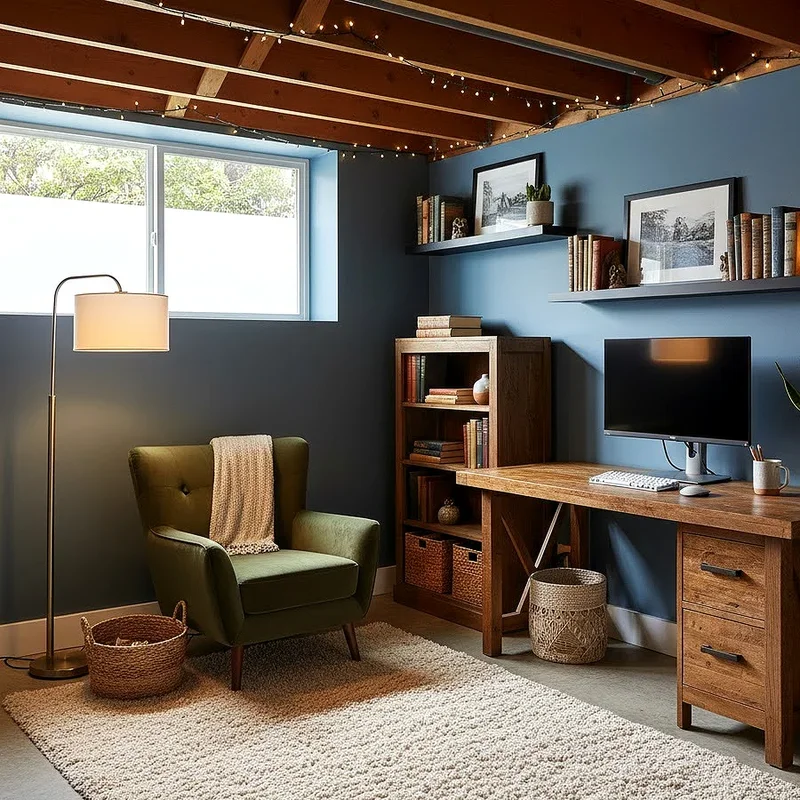
Basement floors are notoriously cold and uninviting, but plush area rugs solve this problem while adding significant coziness to your office. A thick, soft rug under your desk creates a comfortable surface for your feet and helps insulate against cold concrete. Choose rugs in warm textures like wool or high pile synthetic fibers that feel luxurious underfoot. Beyond comfort, rugs define your workspace visually, creating boundaries in an open basement layout. They also absorb sound, reducing echo in spaces with hard surfaces. Consider layering rugs for added warmth and visual interest, mixing patterns and textures that complement your overall design. Don't skimp on quality here as you'll spend hours standing or sitting in this space daily. The right rug transforms cold floors into a cozy foundation.
5. Incorporate Built-In Storage Solutions
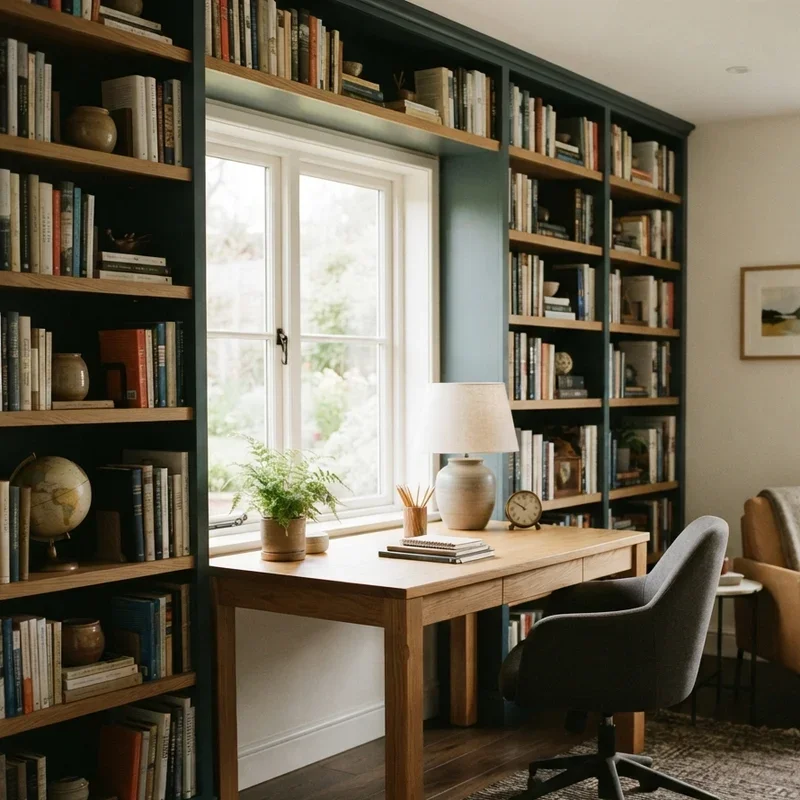
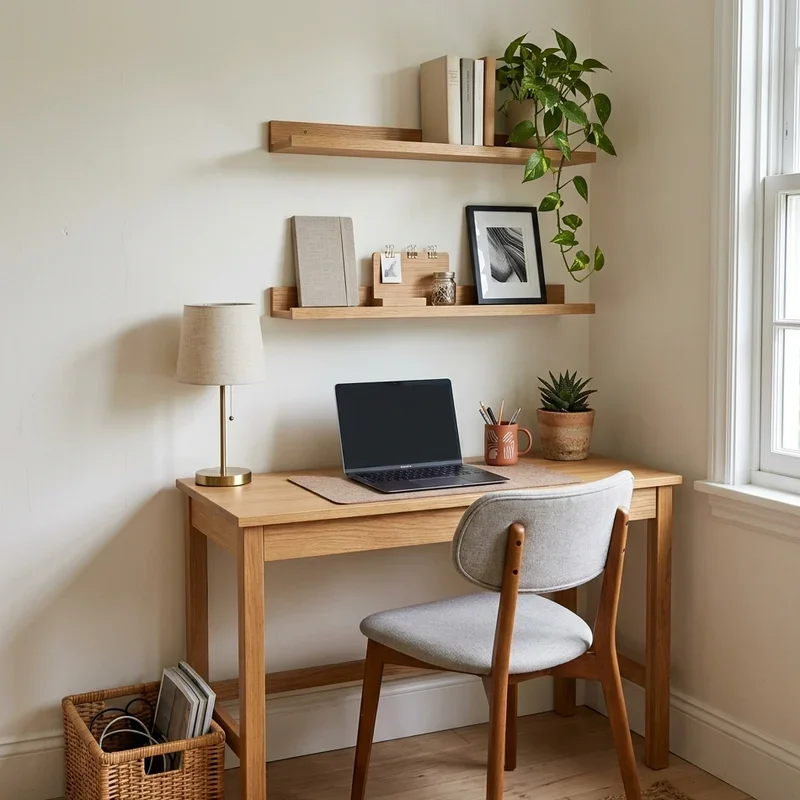
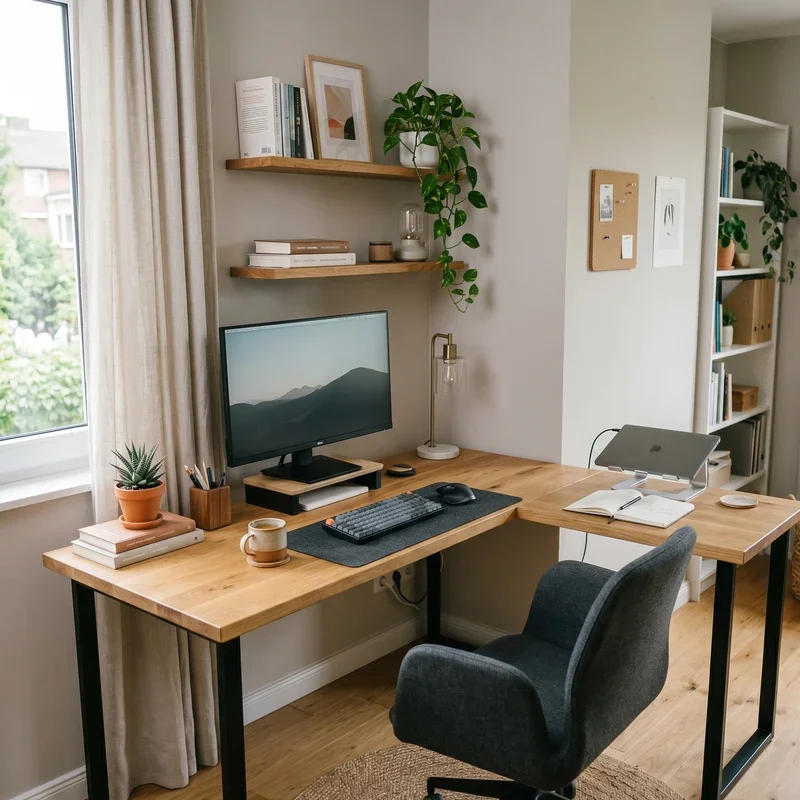
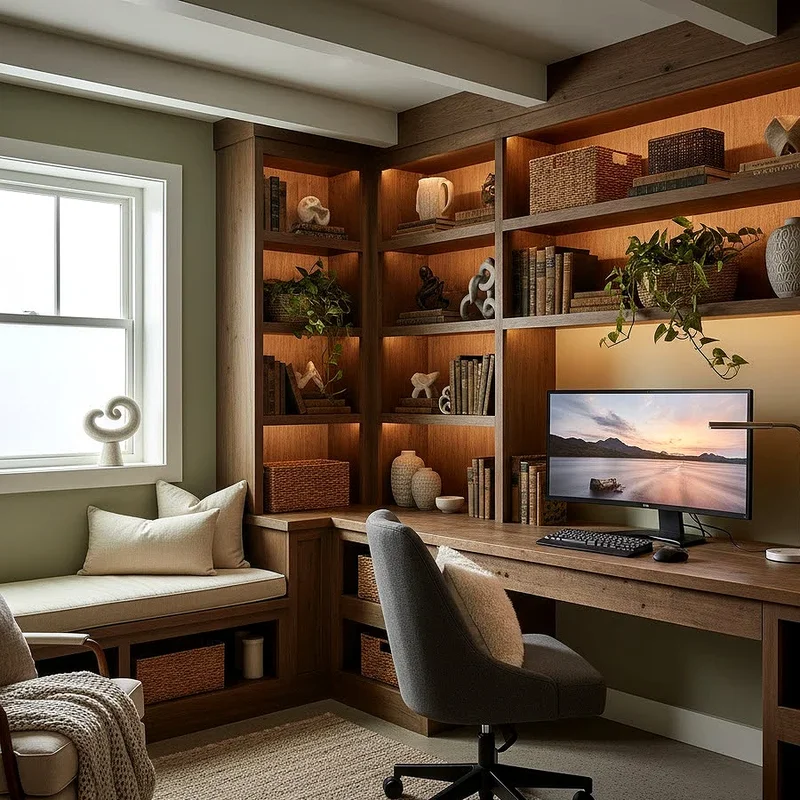
Clutter kills productivity and coziness, making smart storage absolutely essential in your basement office. Built in shelving, cabinets, and drawers maximize every inch of space while keeping supplies organized and accessible. Utilize the unique architecture of basements, like under stair storage or alcoves, to create custom solutions that fit perfectly. Floor to ceiling shelving makes use of vertical space and keeps your desk surface clear for actual work. Consider closed cabinets for items you don't need daily and open shelving for books and decorative objects that add personality. Built ins look intentional and finished, elevating your basement from afterthought to thoughtfully designed workspace. This investment in organization creates the calm, uncluttered environment that supports deep focus and creative thinking.
6. Create a Reading Nook Corner
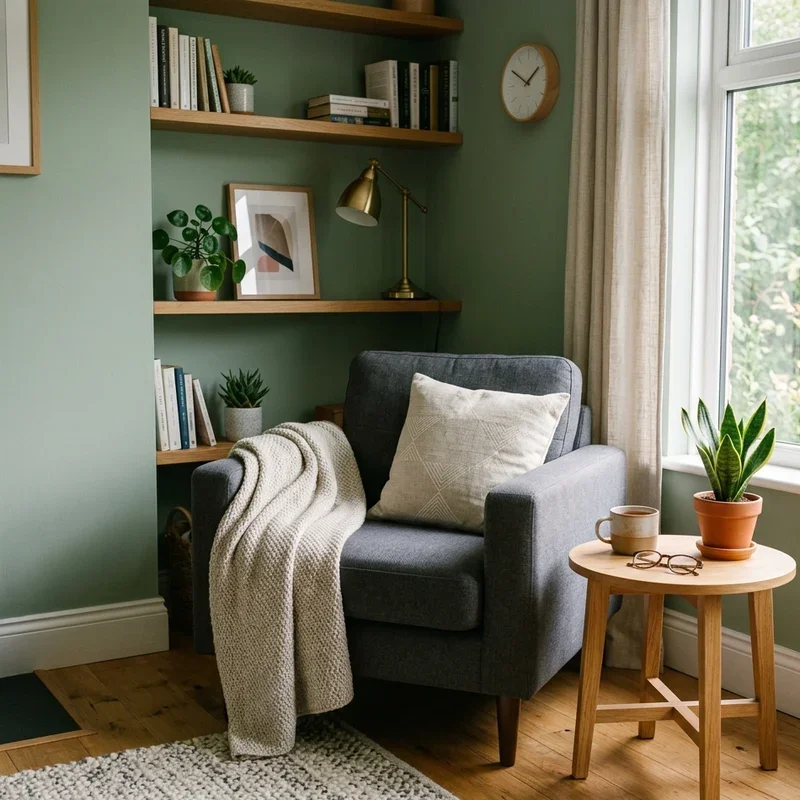
Every productive workspace benefits from a comfortable spot where you can step away from your desk for reading, brainstorming, or just recharging. A reading nook in your basement office provides this essential retreat. Position a comfortable armchair or small sofa in a corner with good lighting, add a side table for your coffee, and layer with throw pillows and a cozy blanket. This designated relaxation zone encourages healthy work breaks and provides an alternative workspace for tasks that don't require your computer. The contrast between your focused desk area and relaxed reading spot creates psychological boundaries that help your brain shift between different types of work. This small luxury transforms your office from a purely functional space into a multidimensional environment that supports your entire workday.
7. Use Moisture-Resistant Materials
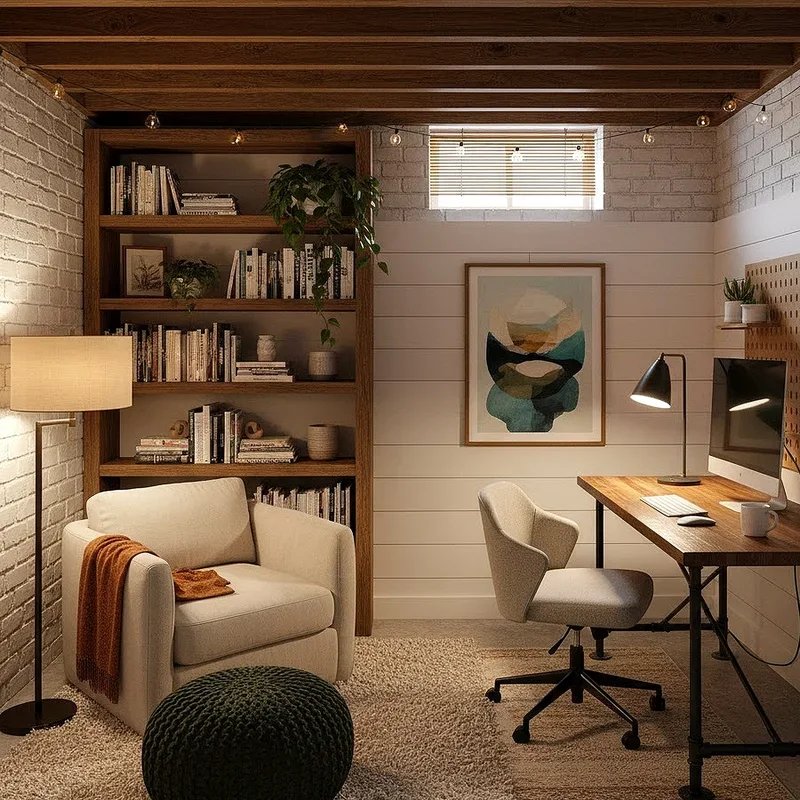
Basements face unique challenges with moisture and humidity that can damage traditional office furnishings and create uncomfortable environments. Selecting moisture resistant materials protects your investment and maintains comfort year round. Choose furniture with metal or plastic components rather than solid wood, or opt for engineered wood products designed to withstand humidity. For flooring, luxury vinyl plank or sealed concrete works better than hardwood or carpet. Paint walls with moisture resistant formulations and consider a dehumidifier to maintain ideal humidity levels. These practical choices don't mean sacrificing style; many moisture resistant options look identical to their traditional counterparts. Addressing moisture proactively prevents musty odors, mold growth, and material damage that would otherwise compromise your cozy workspace. Smart material choices ensure your basement office remains comfortable and healthy for years.
8. Install Proper Insulation and Temperature Control
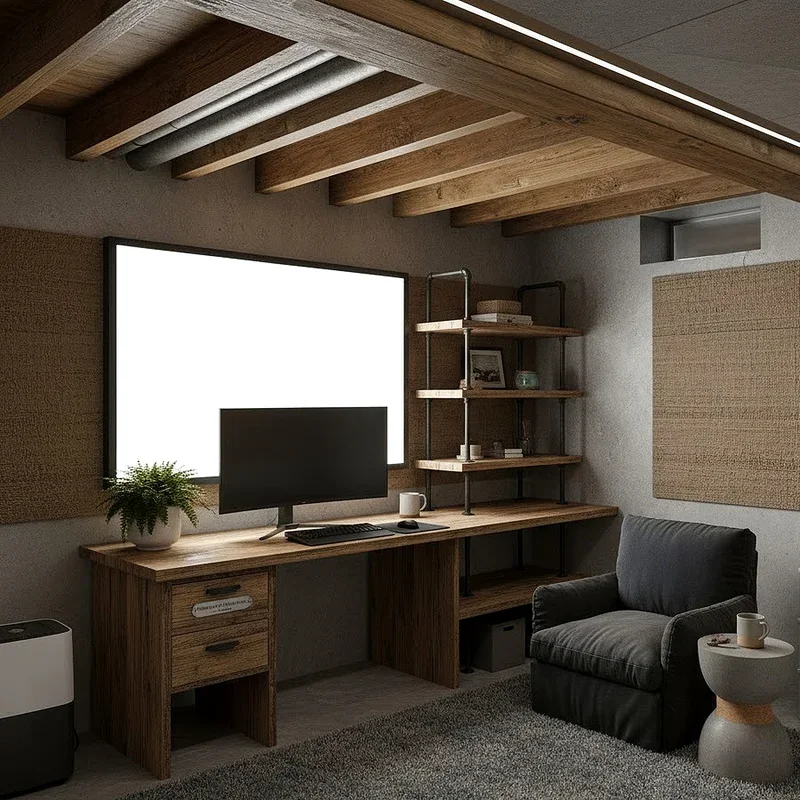
Nothing destroys workplace coziness faster than being too cold or too hot, a common basement struggle. Proper insulation in walls and ceilings regulates temperature and reduces energy costs year round. Consider adding a separate HVAC zone for your basement office, allowing independent temperature control without affecting the rest of your home. Radiant floor heating provides luxurious warmth that rises from below, perfect for cold basement floors. If full HVAC updates aren't feasible, a quality space heater and fan can supplement existing systems. Temperature consistency matters as much as the actual temperature; nobody wants to work in a space that fluctuates wildly throughout the day. Investing in climate control transforms your basement from seasonally unusable to a comfortable year round workspace that rivals any above ground office.
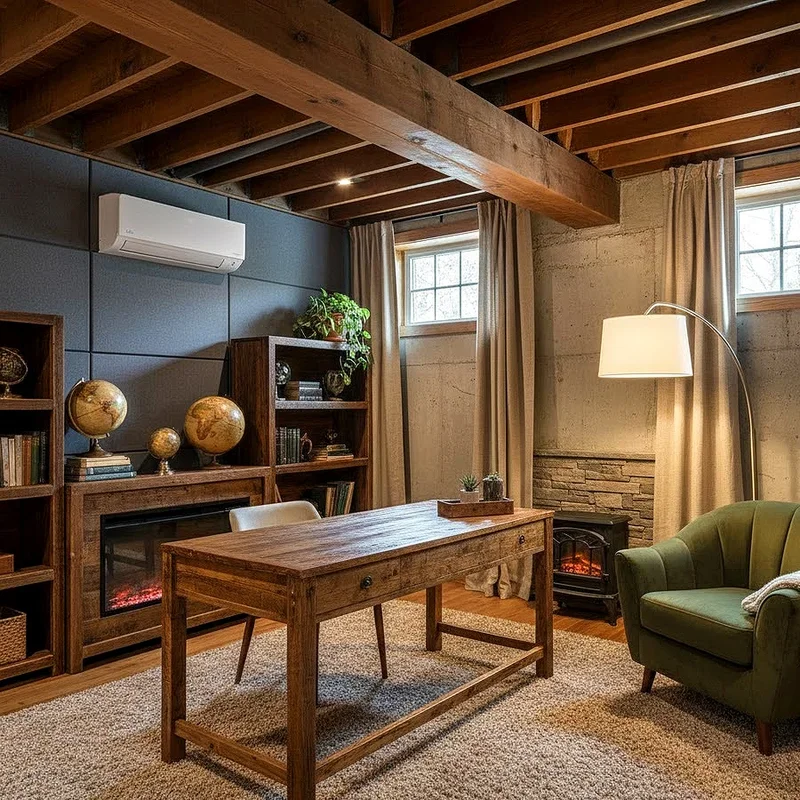
9. Design with Multifunctional Furniture
Basement spaces often serve multiple purposes, making multifunctional furniture essential for maintaining both flexibility and coziness. A Murphy desk folds away when you need the space for other activities, while a daybed provides seating during work hours and accommodates overnight guests. Storage ottomans offer comfortable seating plus hidden organization, and nesting tables adjust to your changing needs throughout the day. These clever pieces maximize functionality without cluttering your space or compromising comfort. Look for quality construction that withstands frequent transformation and mechanisms that operate smoothly for years. Multifunctional furniture allows your basement office to evolve with your needs, supporting focused work when necessary while maintaining the cozy, welcoming atmosphere that makes you want to spend time there. This flexibility represents smart investment in a truly adaptable workspace.
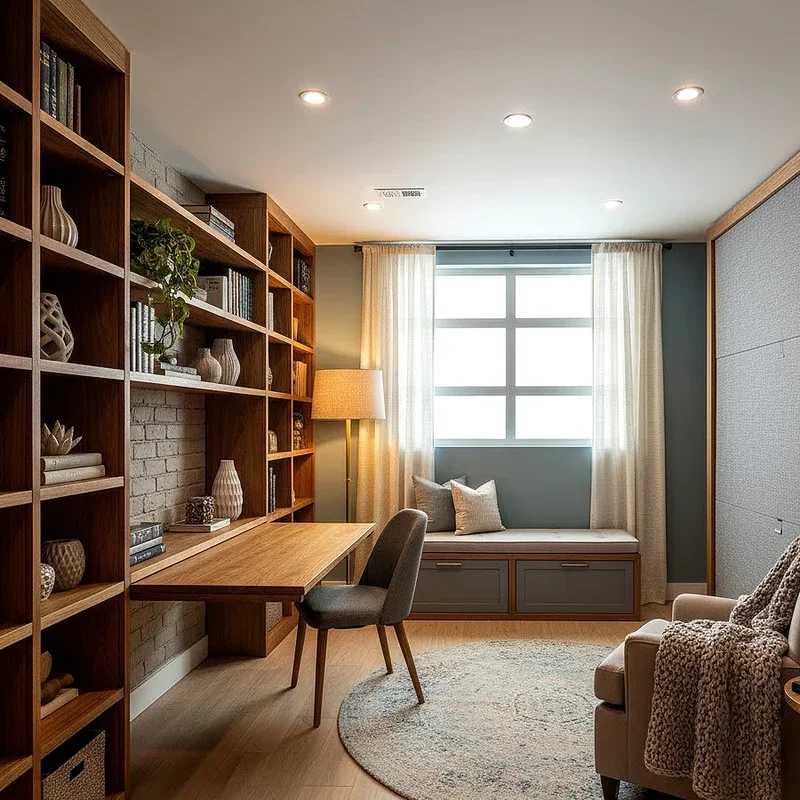
10. Add Plants for Life and Freshness
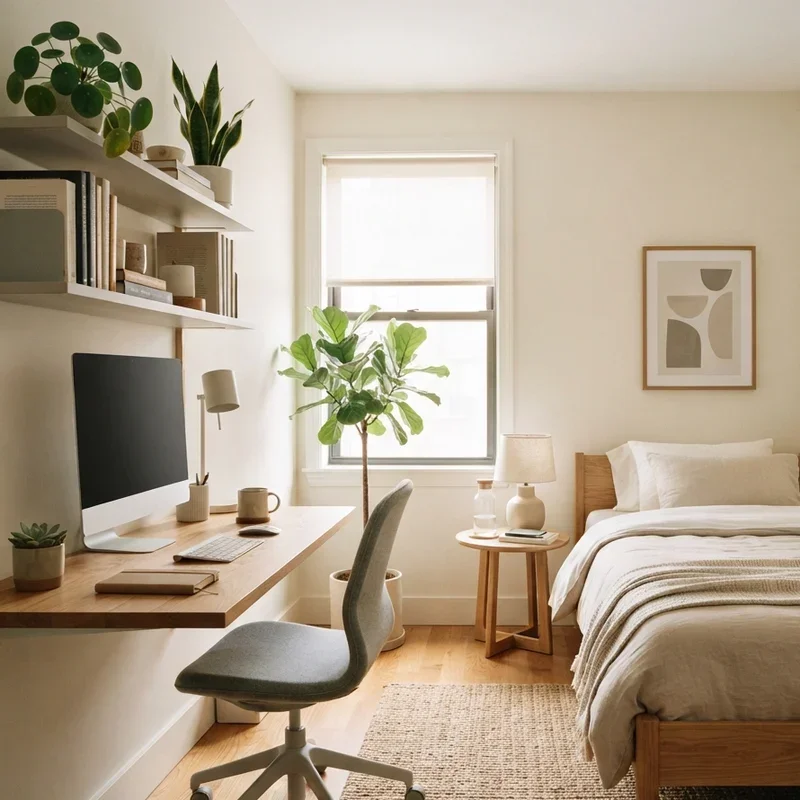
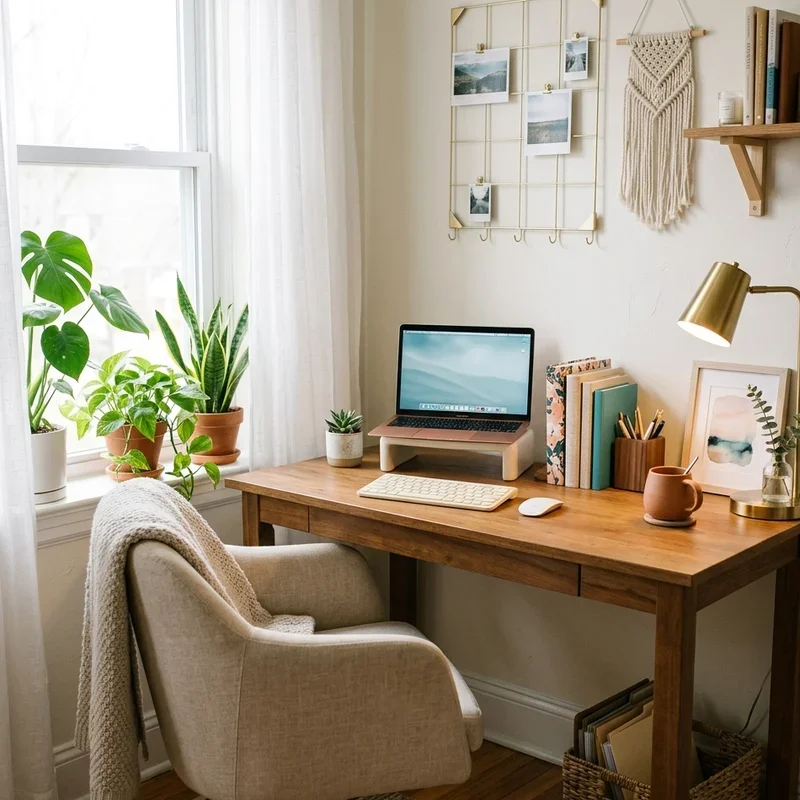
Living plants breathe life into basement offices, quite literally improving air quality while adding natural beauty to underground spaces. While basements present lighting challenges for plants, many varieties thrive in low light conditions. Snake plants, pothos, and ZZ plants all tolerate limited natural light while filtering air and adding greenery. Position plants strategically under grow lights or near windows to ensure their health. The presence of living things creates psychological benefits beyond aesthetics, reducing stress and increasing feelings of wellbeing. Plants also soften hard edges and industrial elements common in basements, contributing to that cozy feeling you're cultivating. Start with easy care varieties if you're new to plant parenthood, gradually expanding your collection as you learn what thrives in your specific conditions. These green companions transform sterile spaces into vibrant, living environments.
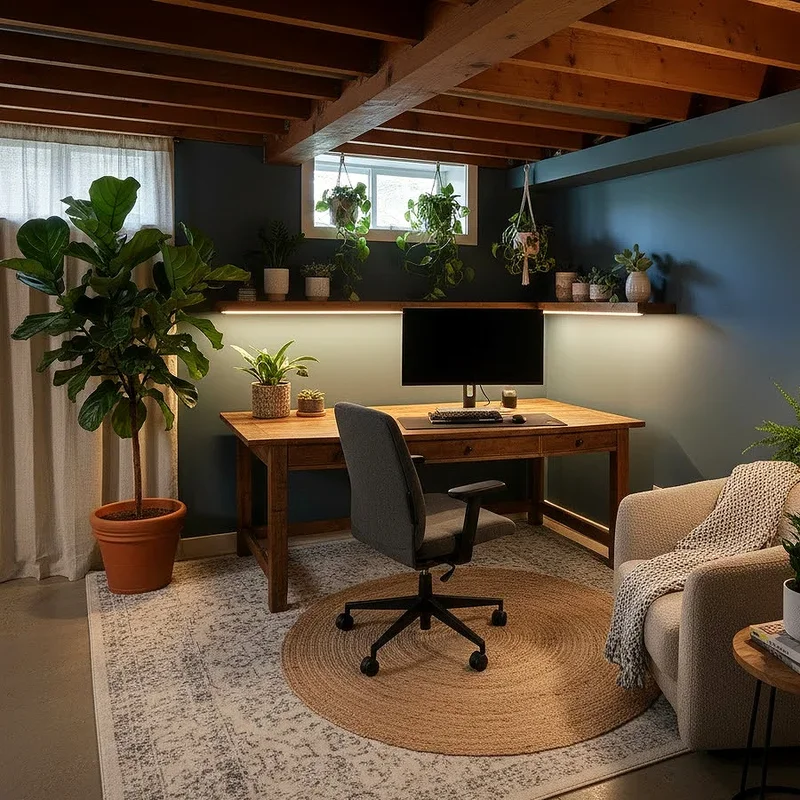
11. Include Personal Touches and Art
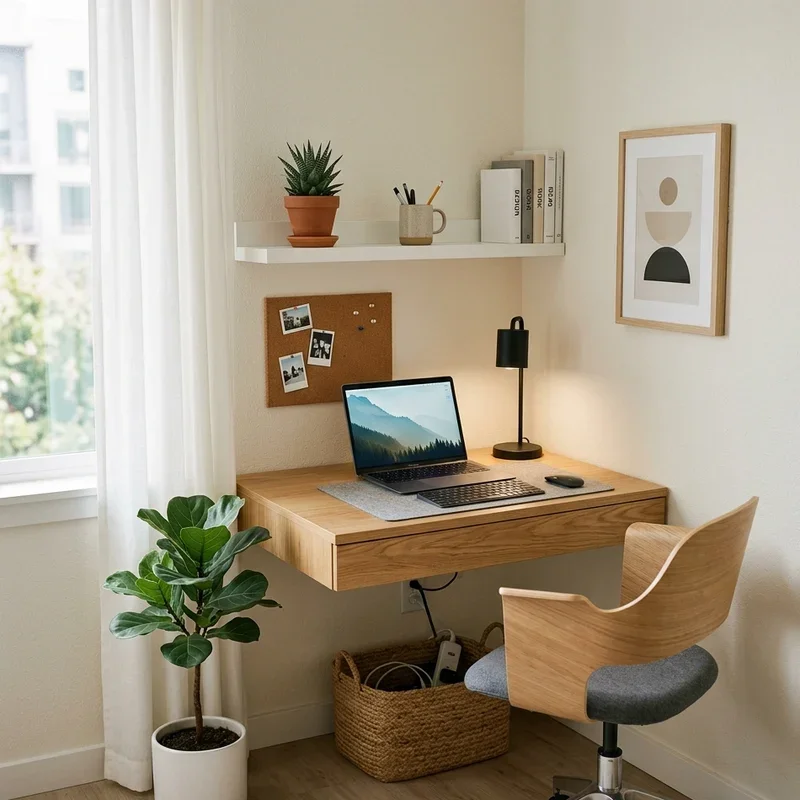
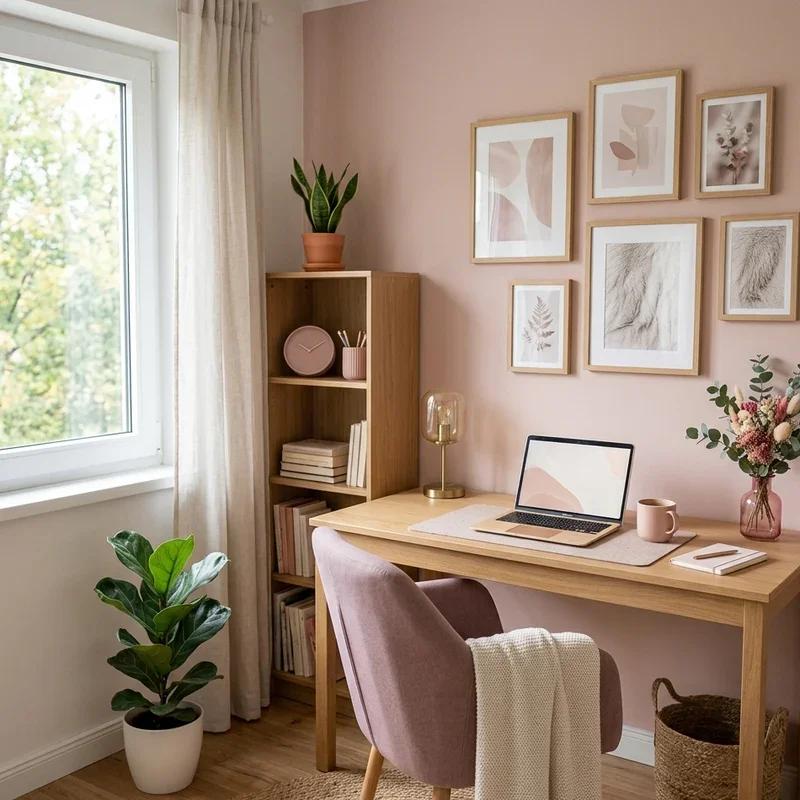
Your basement office should reflect your personality and inspire your best work, making personal touches and artwork essential elements. Display meaningful photographs, travel souvenirs, or collections that spark joy and conversation. Artwork adds color, texture, and visual interest to otherwise plain walls. Choose pieces that resonate emotionally rather than just filling space. Consider a gallery wall showcasing various sizes and styles for dynamic impact. Personal items remind you why you work hard and create connections between your professional and personal life. These touches transform generic office space into your unique sanctuary. Don't overcrowd; edit thoughtfully so each piece stands out and contributes to the overall atmosphere. The goal is creating an environment that feels distinctly yours, supporting both productivity and comfort through meaningful visual elements that inspire and energize your workday.
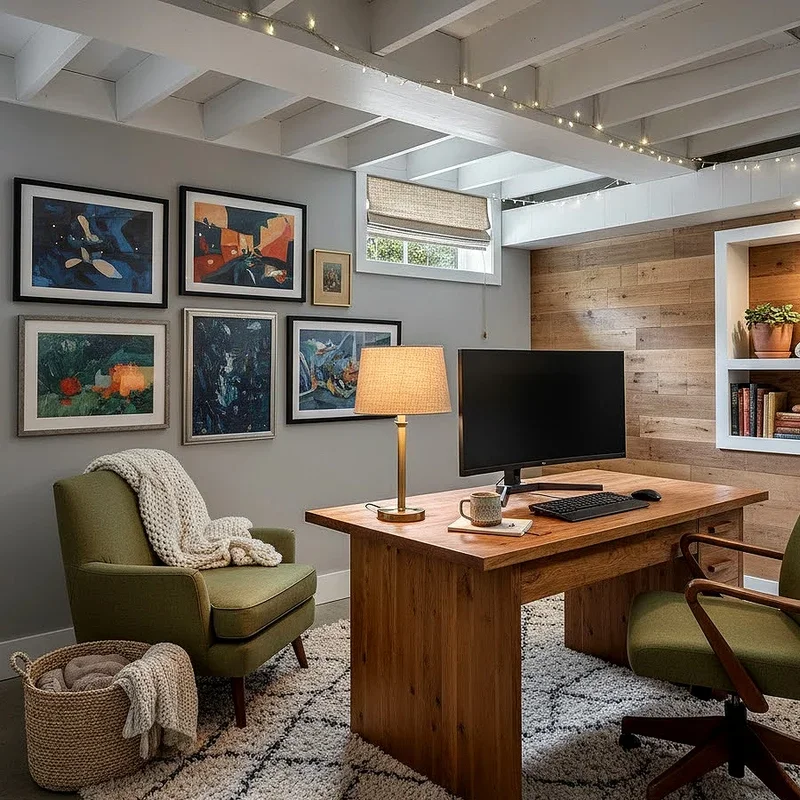
12. Set Up Dedicated Zones
Creating distinct zones within your basement office establishes clear purposes for different areas, improving both functionality and coziness. Designate separate areas for focused computer work, collaborative video calls, creative brainstorming, and relaxation. Physical dividers like bookcases or curtains can separate zones without requiring permanent walls. Different lighting, flooring, or paint colors also visually distinguish spaces. This zoning strategy helps your brain shift between different types of work as you move through your office. It also prevents the monotony of sitting in one spot all day, encouraging movement and varied postures. Even in smaller basements, simple furniture arrangement can create distinct zones. This intentional organization makes your office feel larger and more purposeful while supporting diverse work activities throughout your day. Dedicated zones transform one dimensional spaces into dynamic, multifunctional environments.
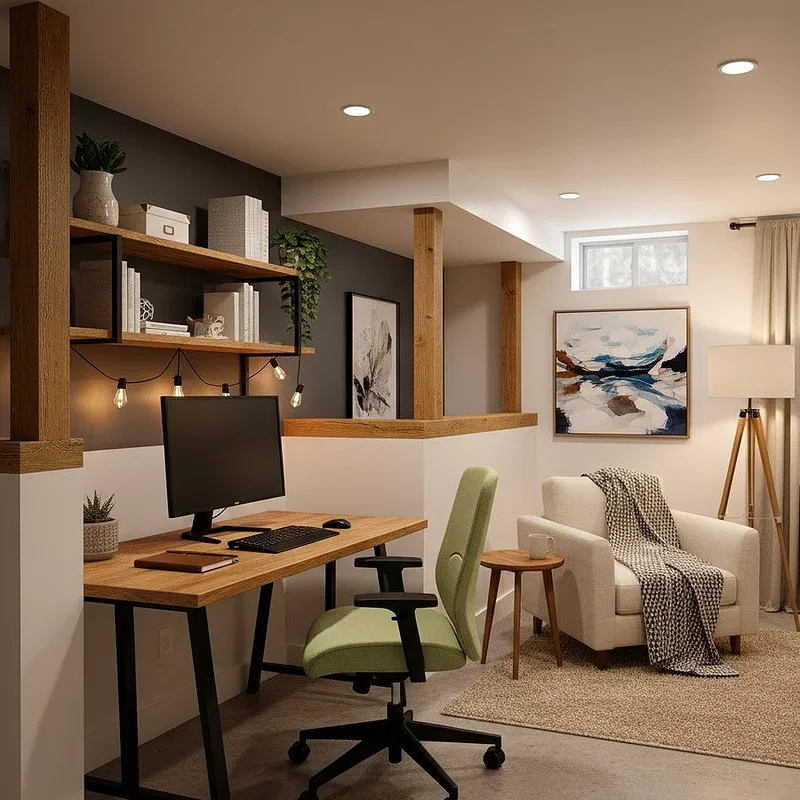
13. Invest in Ergonomic Furniture
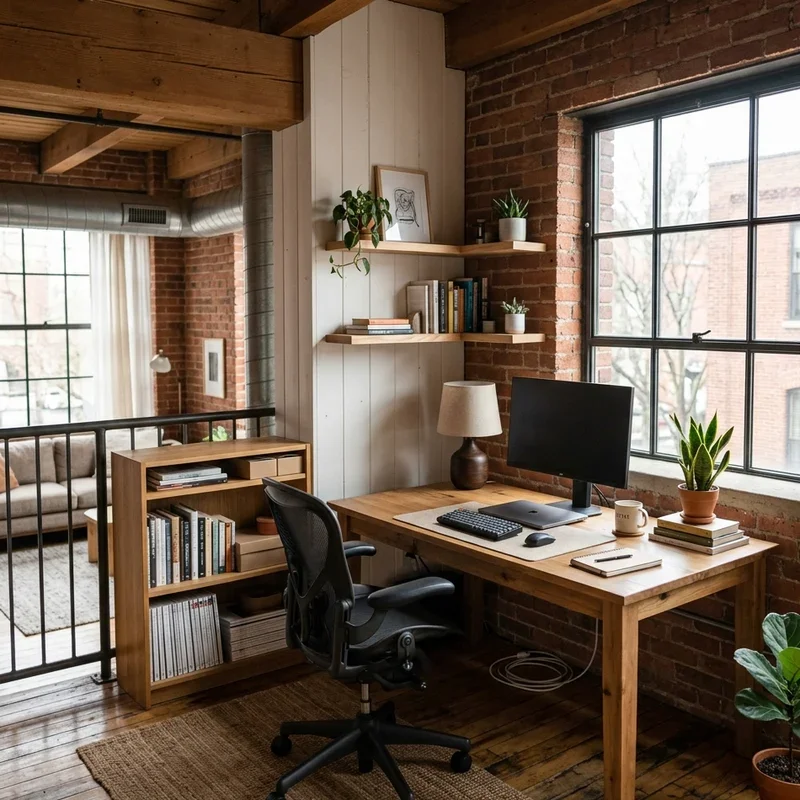
Comfort and health depend heavily on ergonomic furniture choices, especially when you're spending eight plus hours daily in your basement office. An adjustable chair supporting proper posture prevents back pain and fatigue, while a sit stand desk encourages movement throughout your day. Monitor arms position screens at eye level, reducing neck strain. Ergonomic keyboards and mice prevent repetitive stress injuries. These investments pay for themselves through increased comfort, productivity, and avoiding medical issues down the line. Don't compromise here; quality ergonomic furniture makes the difference between loving and dreading your workspace. Test options when possible, as personal fit matters more than brand names. The right ergonomic setup allows you to work longer with less discomfort, maintaining energy and focus throughout your entire day in this cozy basement sanctuary.
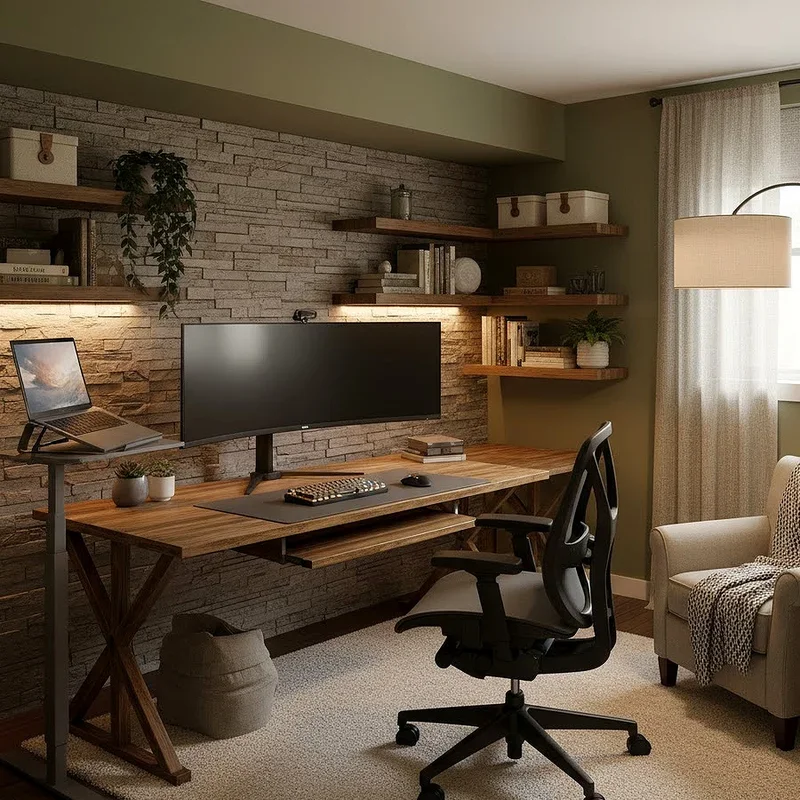
14. Incorporate Sound Absorption Elements
Basements can echo or transmit sound in unexpected ways, making acoustic treatment important for comfortable, focused workspaces. Sound absorbing panels mounted on walls or ceilings reduce echo and create better conditions for video calls. Thick curtains, upholstered furniture, and that plush rug we discussed earlier all contribute to sound dampening. If your basement shares walls with mechanical rooms or other noisy areas, additional soundproofing may be necessary. Acoustic solutions range from decorative fabric panels to foam treatments that also add visual interest. Better acoustics reduce fatigue from constant background noise and create the peaceful environment essential for deep work. These improvements benefit both your concentration during solo work and audio quality during virtual meetings. Proper sound management transforms potentially problematic basement acoustics into a professionally quiet workspace.
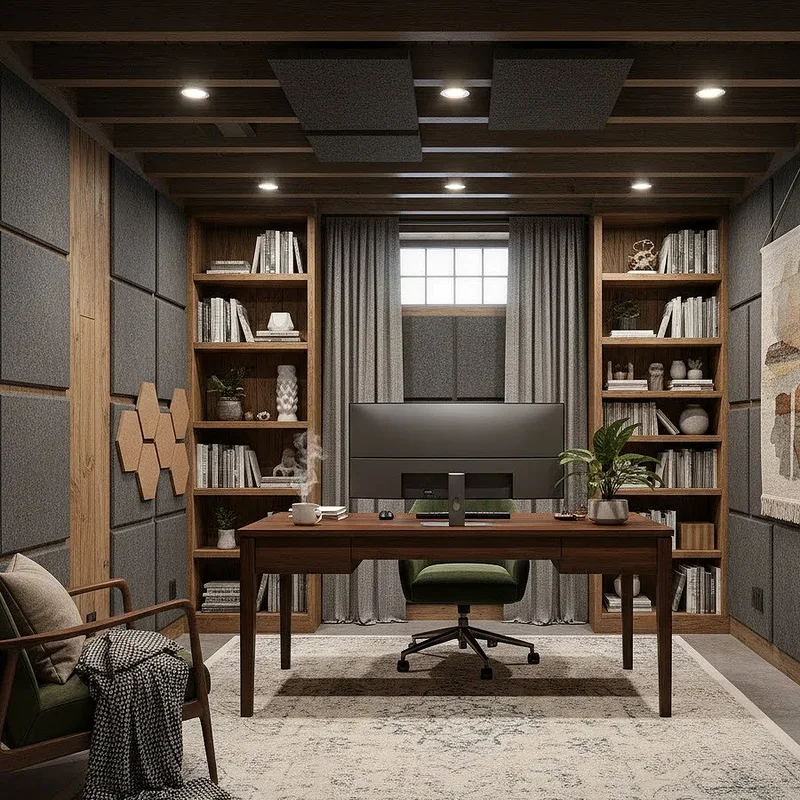
15. Add a Coffee or Refreshment Station
A dedicated refreshment station in your basement office eliminates trips upstairs for coffee or snacks, maintaining workflow while adding convenience and coziness. A small beverage fridge, coffee maker, and storage for mugs and supplies create a mini break room within your workspace. This station encourages regular hydration and provides the perfect excuse for short mental breaks without leaving your productive zone. Stock it with your favorite drinks, healthy snacks, and treats that make your workday more enjoyable. The ritual of making fresh coffee or tea provides natural transition moments between tasks. This small luxury makes your basement office feel complete and self sufficient, almost like having your own private café. The refreshment station transforms your workspace from purely functional to genuinely hospitable, supporting both productivity and wellbeing throughout your day.
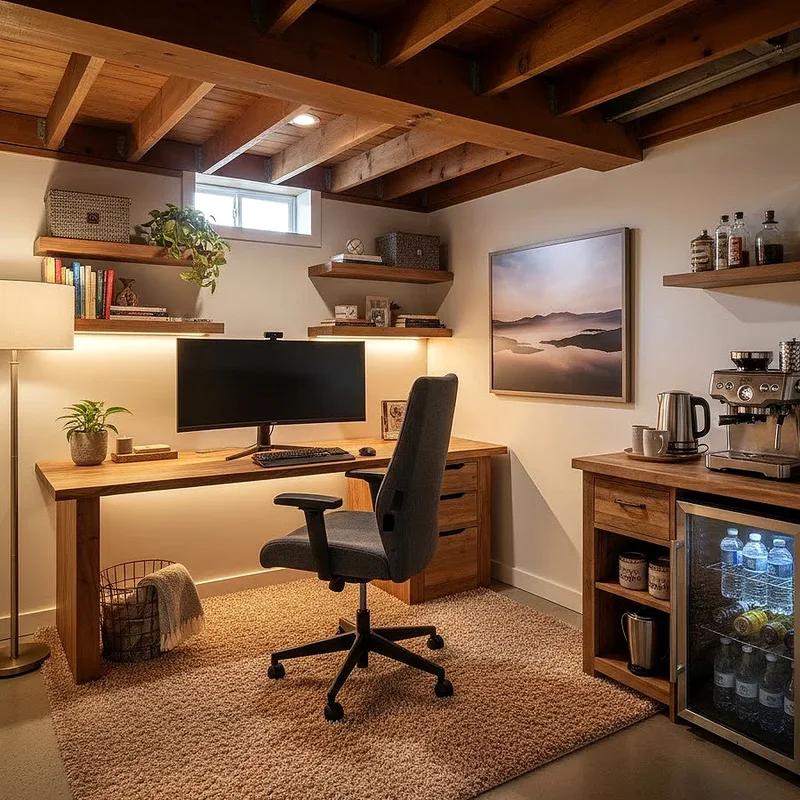
Conclusion
Creating a cozy basement home office requires thoughtful planning and investment, but the rewards are substantial. By implementing these fifteen ideas, you transform underutilized space into a productive sanctuary that supports your professional goals while maintaining comfort and style. From foundational elements like proper lighting and temperature control to finishing touches like plants and personal artwork, each component contributes to an environment where you'll genuinely enjoy spending time. Your basement office can rival any above ground workspace, offering privacy, quiet, and personalized design that reflects your unique needs and preferences. Start with the essentials, then gradually add layers of comfort and personality that make this space truly yours.
Read next: 15 Shed Office Ideas to Create a Cozy Work Retreat
Frequently Asked Questions
Q1. What is the most important feature for a basement home office?
A: Proper lighting is crucial, combining natural light sources with layered artificial lighting for comfort and productivity.
Q2. How do I prevent moisture issues in my basement office?
A: Use moisture resistant materials, install a dehumidifier, and ensure proper ventilation to control humidity levels effectively.
Q3. Can I create a cozy basement office on a budget?
A: Absolutely, prioritize lighting and comfortable seating first, then gradually add rugs, plants, and personal touches affordably.
Q4. What flooring works best for basement home offices?
A: Luxury vinyl plank or sealed concrete with area rugs provides moisture resistance, warmth, and comfort underfoot.
Q5. How much does it cost to convert a basement into an office?
A: Costs vary widely from a few hundred to several thousand dollars depending on existing conditions and desired features.
Stay up to date with our latest ideas!