Discover essential home office setup tips for expats relocating to Bangkok to create a productive, comfortable workspace and adjust smoothly to remote work.

Thailand has rapidly transformed into a premier hub for remote professionals. With the introduction of the Destination Thailand Visa in July 2024 and the continued success of the Long-Term Resident visa programme, thousands of high-earning expats are making the move to Southeast Asia. According to a recent global mobility survey, over 63 percent of the global workforce is open to relocating internationally, with this region acting as a major magnet for remote talent. For those seeking a blend of cultural immersion and modern conveniences, Bangkok stands out as an ideal destination.
While the appeal of vibrant street food, rich culture, and tropical weekends is undeniable, maintaining career productivity requires more than just resting a laptop on a dining table. Creating a dedicated, thoughtfully designed workspace is essential for long-term success. Moving overseas is a major life event, and establishing a comfortable office environment will help smooth the transition into your new life in the Thai capital.
Planning Your Overseas Office Move
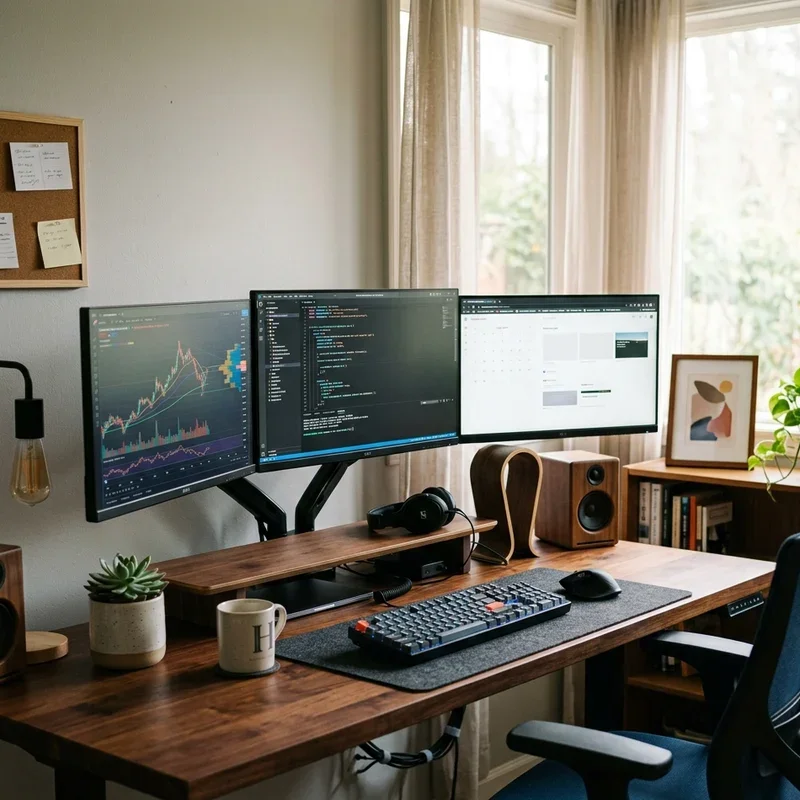
Deciding whether to purchase new furniture in Bangkok or ship your current home office can be challenging for remote workers. Transporting household goods internationally to Thailand via a dedicated ocean freight container generally takes 25 to 35 days. However, for expats only moving a curated home office setup, less than container load shipping provides a highly cost-effective alternative. Navigating international customs regulations and ensuring the safe transit of heavy motorised standing desks and delicate dual-monitor displays requires professional assistance. Taking the time to research the best international relocation companies Bangkok has to offer will guarantee that your valuable equipment is handled with care and arrives at your new apartment without damage.
Properly packing and protecting your workspace investments is a critical part of the moving process. Many professionals invest thousands in their custom desk setups, making secure transport non-negotiable. As noted in various smart strategies for relocating and upgrading your home office, relying on professional movers ensures your heavy-duty ergonomic furniture and fragile tech components arrive securely at your new destination. Taking these precautions removes a significant layer of stress from the relocation experience, allowing you to focus on settling into your new environment.
Prioritising Ergonomics for Long-Term Health
Remote workers are increasingly investing their own capital into health-oriented residential workspaces. The global ergonomic office furniture market was valued at over 22 billion USD recently, driven largely by hybrid and digital professionals. This financial commitment makes perfect sense when you consider the physical toll of poor seating arrangements over a long period. High-quality chairs, monitor arms, and standing desks are no longer considered luxury items but essential tools for sustaining a long and healthy career.
A recent study published in the International Journal of Environmental Research and Public Health highlighted the severe physical consequences of inadequate workspace design. Researchers found that most impromptu remote domestic work posts fail to meet basic ergonomic standards, with a staggering 92 percent of teleworkers operating six to eight hours daily in suboptimal setups. As a result, these individuals face higher risks of dry eyes, chronic fatigue, and elevated blood pressure, which can severely impact both productivity and overall wellbeing.
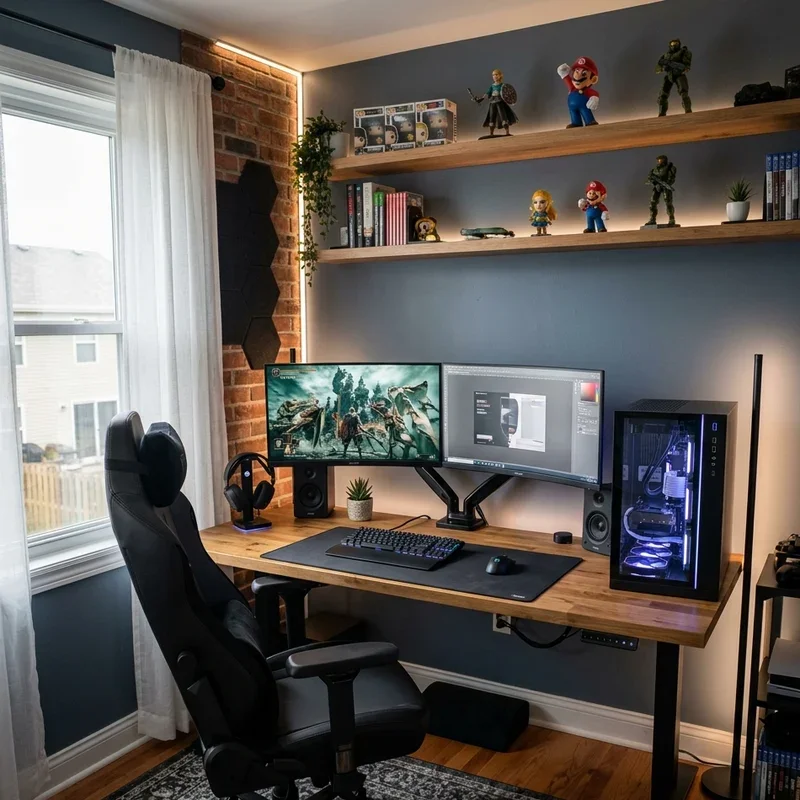
To combat these health risks, modern remote setups heavily feature ergonomic chairs equipped with dynamic lumbar support to prevent musculoskeletal disorders. Additionally, height-adjustable standing desks are currently the fastest-growing product category in the furniture market. If you are planning a move to Thailand, establishing a workspace that actively supports your physical wellbeing should be a central part of your relocation strategy.
Designing Your Bangkok Apartment Office
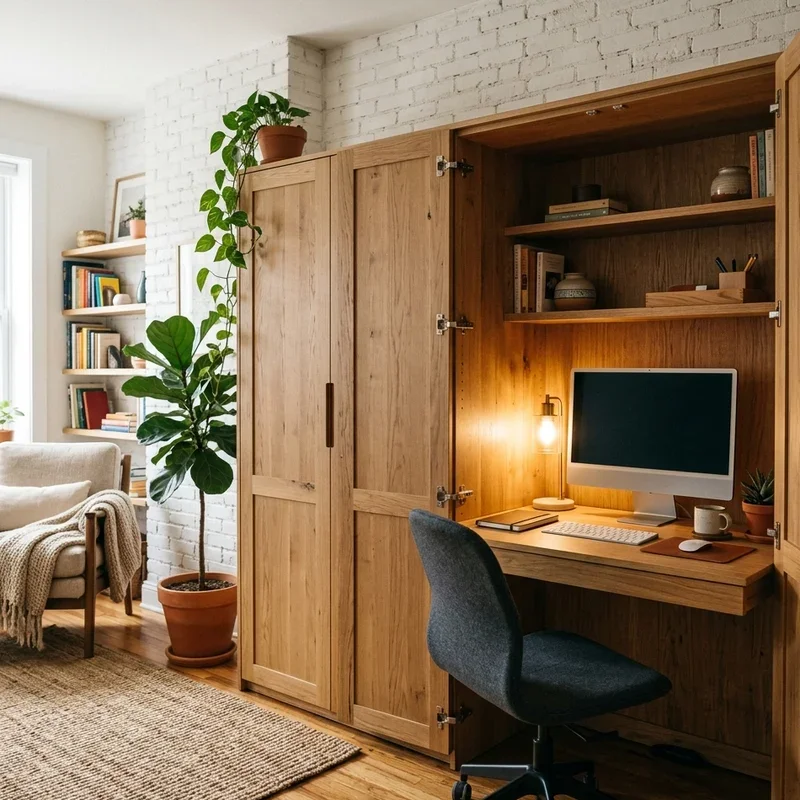
Finding a suitable apartment that accommodates a dedicated workspace is quite manageable in Thailand. Recent expat market data shows that a comfortable remote work lifestyle in Bangkok, including a modern apartment with enough room for a distinct home office, typically requires a baseline budget of 1,500 to 2,500 USD per month. Once you have secured your new flat, it is time to optimise the physical layout to ensure maximum efficiency.
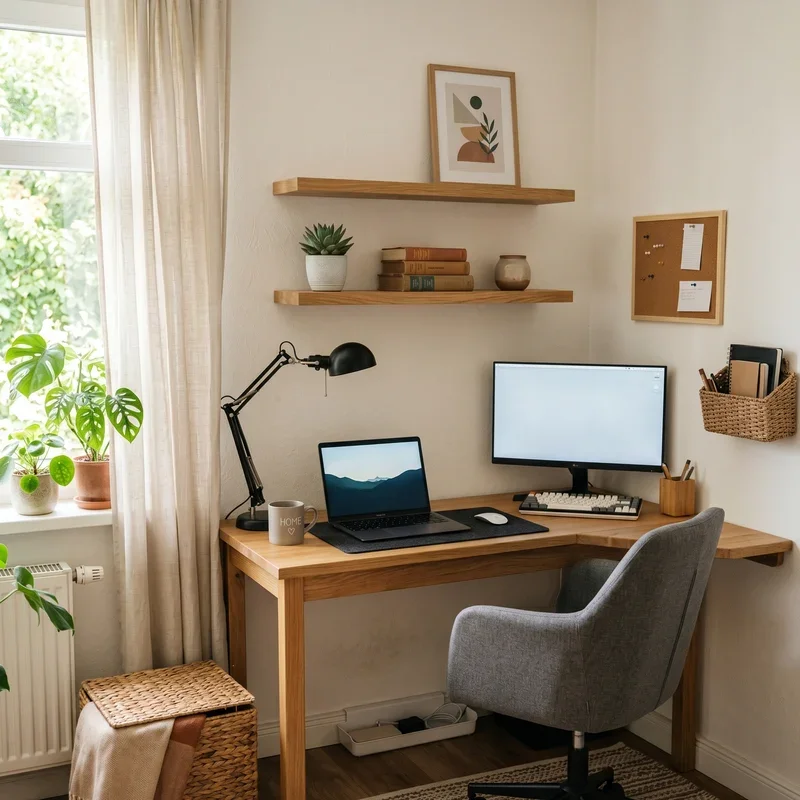
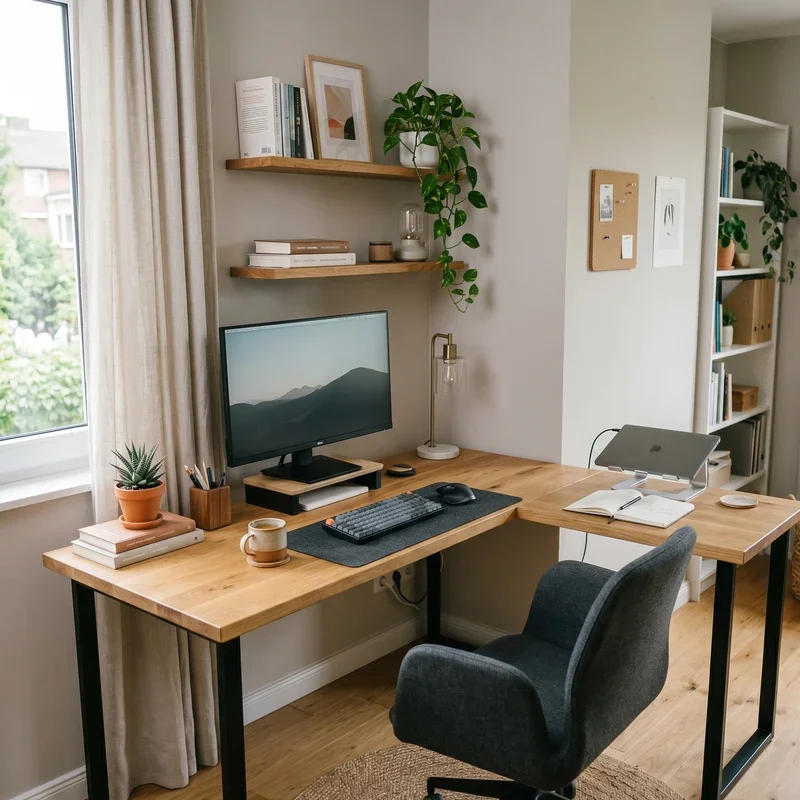
To create an inspiring and productive environment, consider the following layout and design tips:
Assess the digital infrastructure: Bangkok ranks highly for fixed broadband performance, boasting a median download speed of over 237 Mbps. Ensure your primary workspace is close to the main router to fully leverage these speeds for heavy video conferencing and cloud-based work.
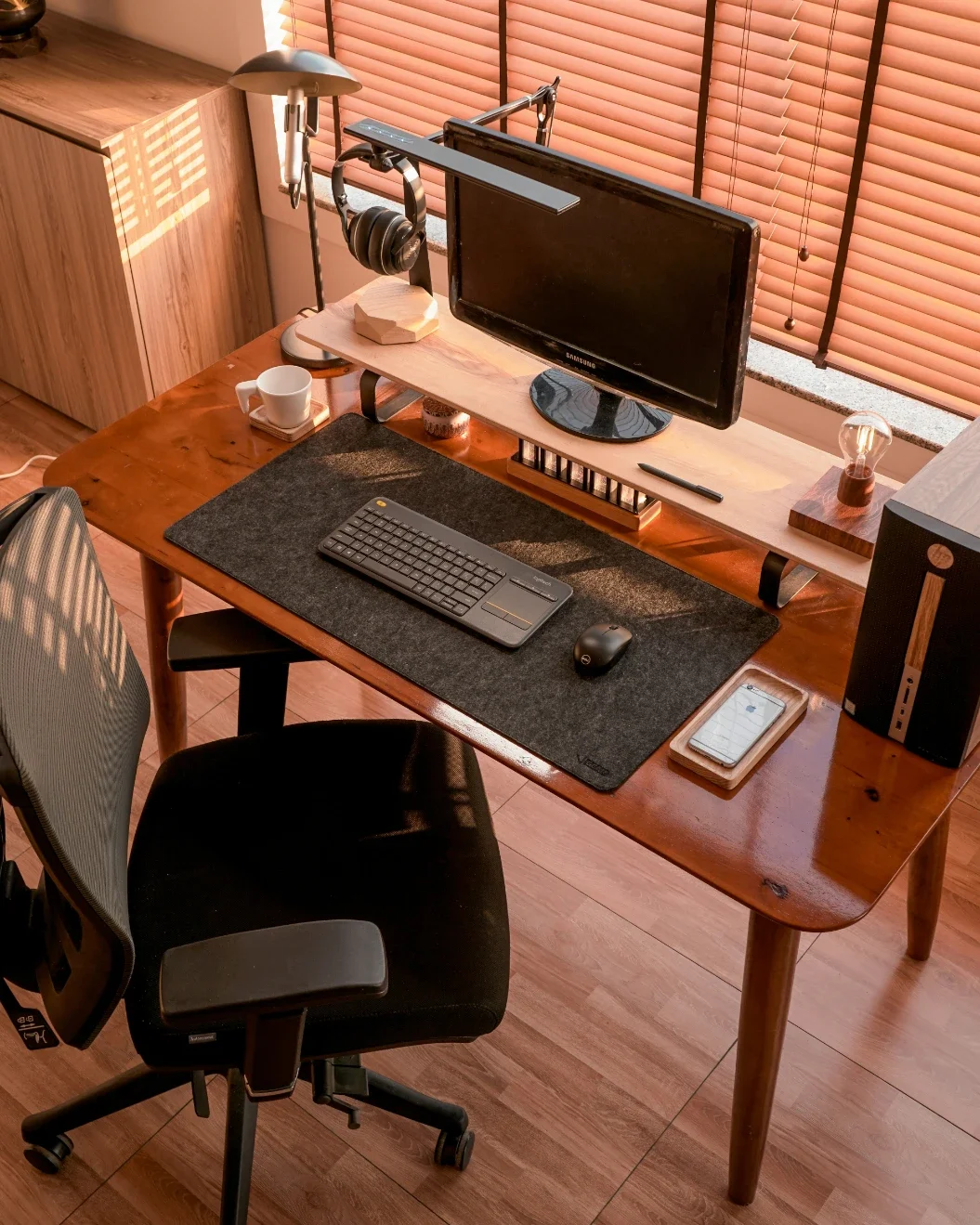
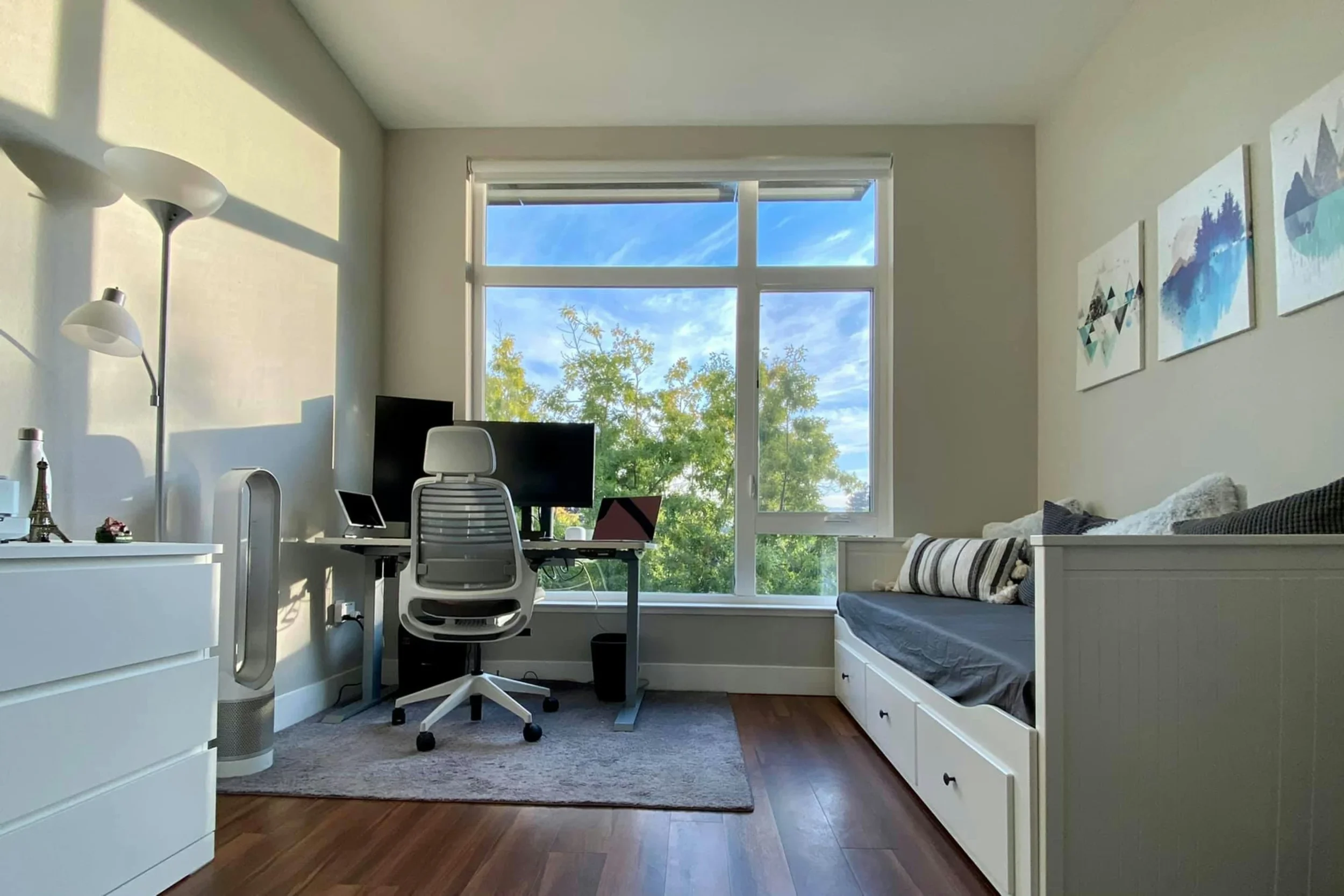
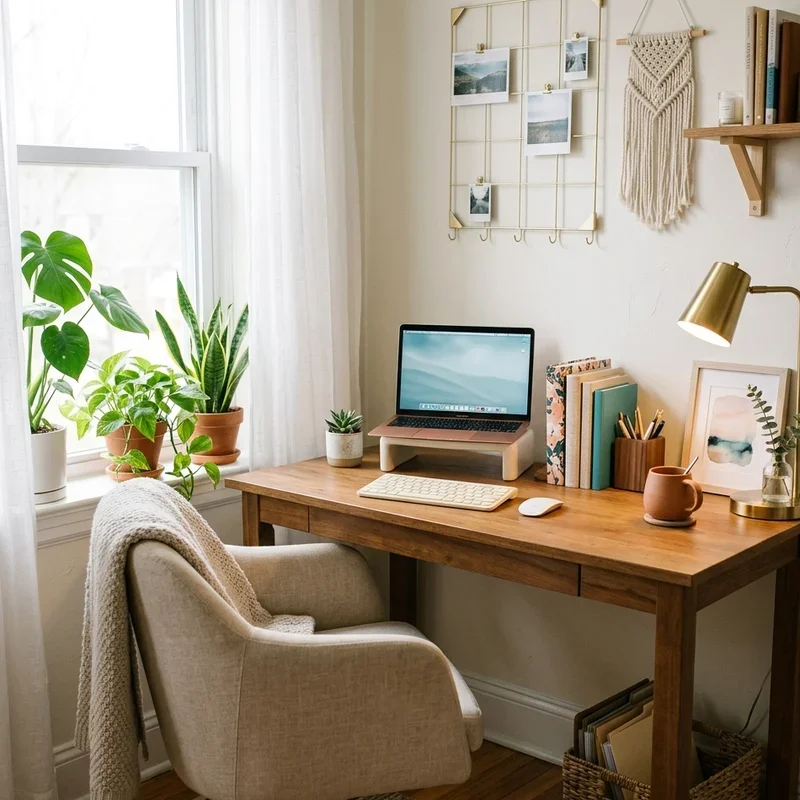
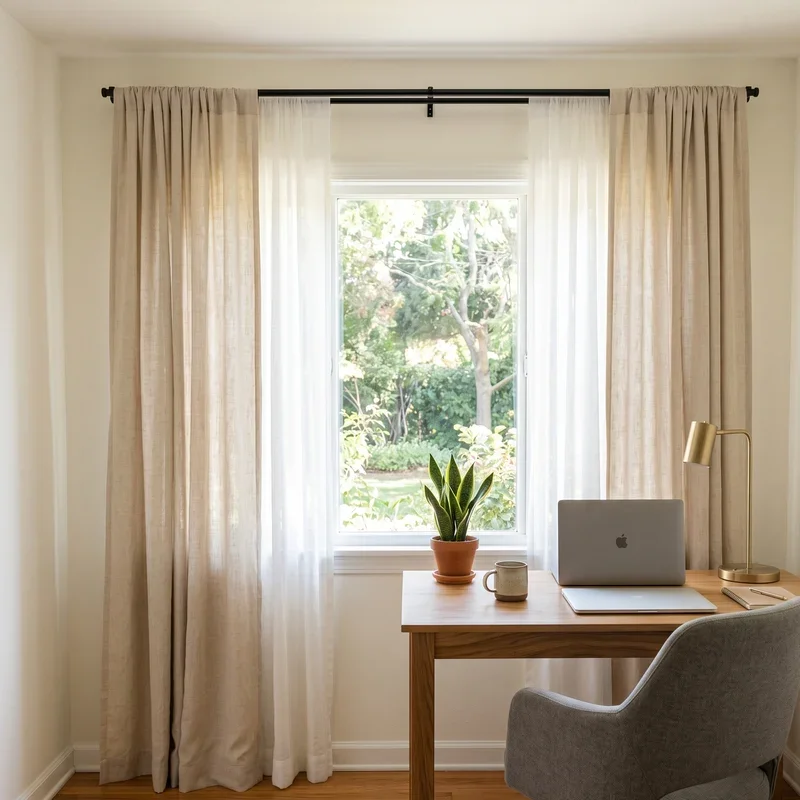
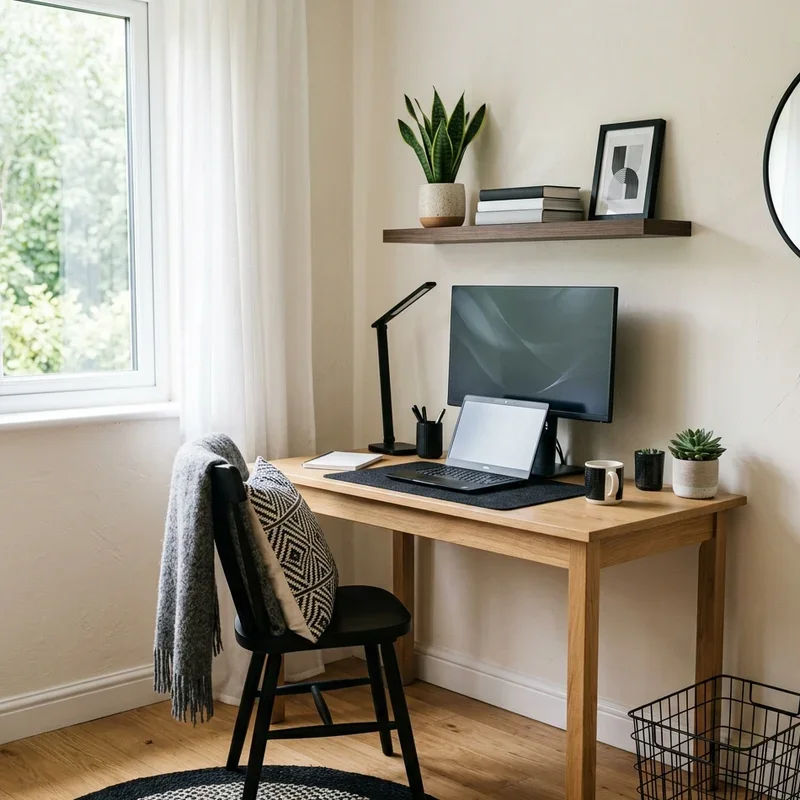
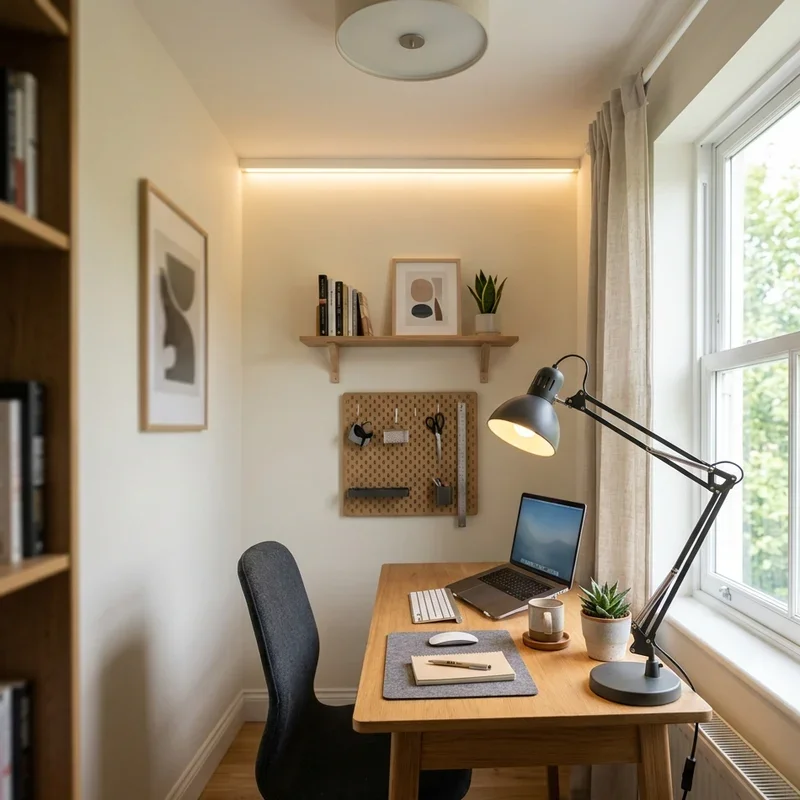
Maximise natural light: Position your desk perpendicular to your windows. This orientation reduces harsh screen glare while allowing you to enjoy the natural sunlight, which is scientifically proven to boost mood and regulate sleep cycles.
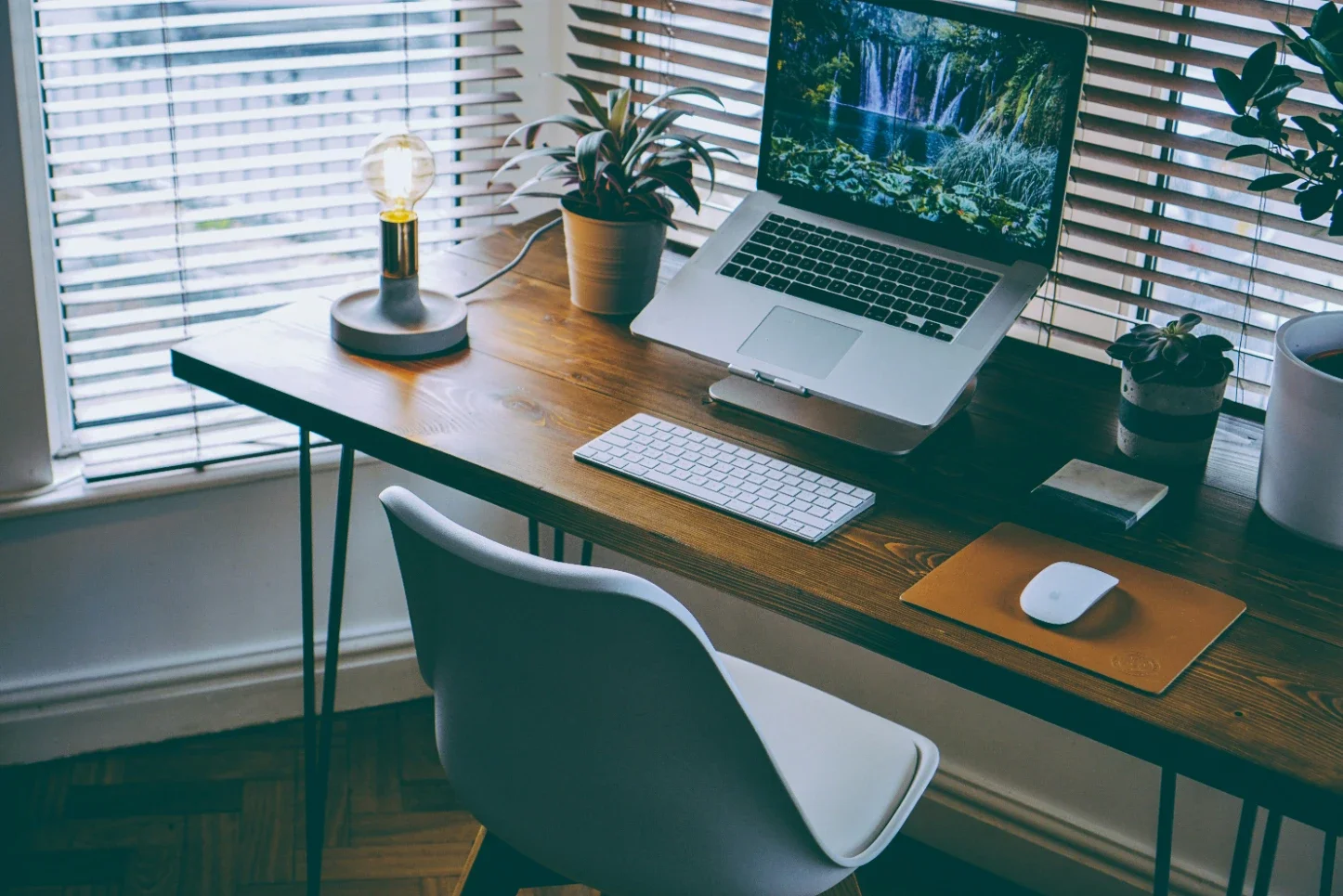
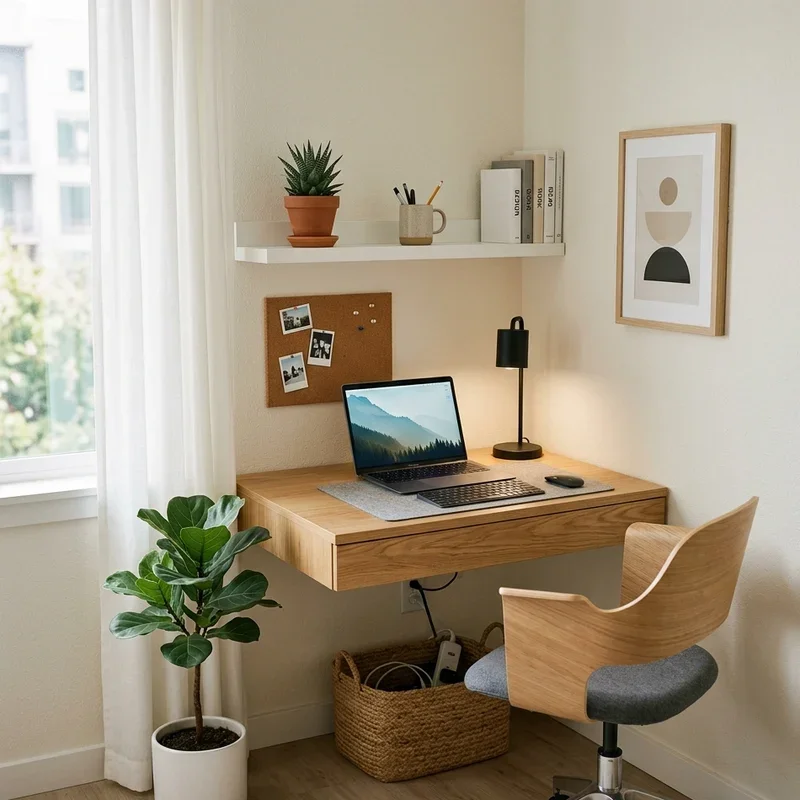
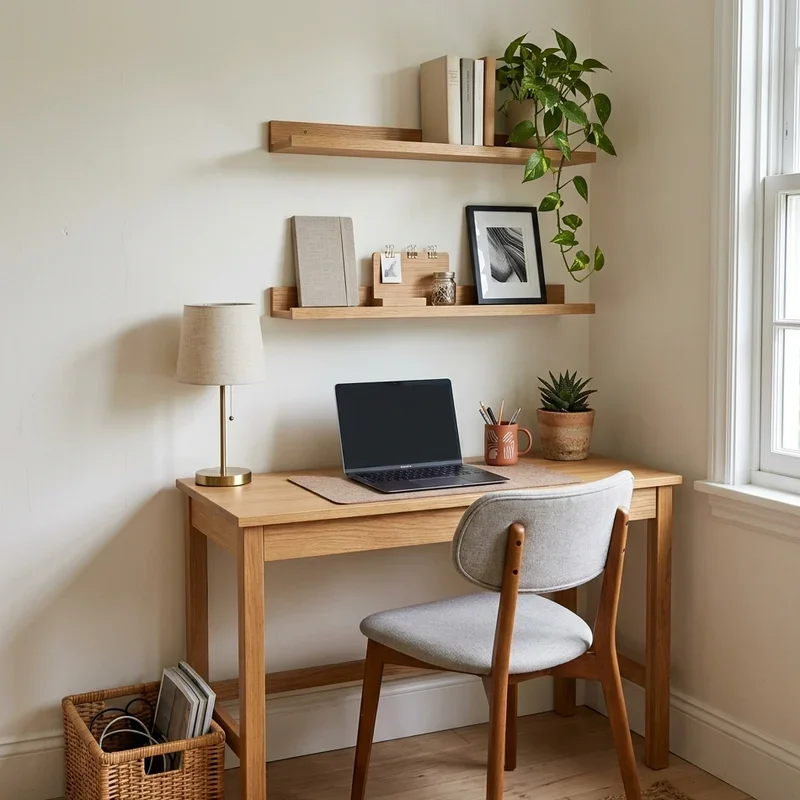
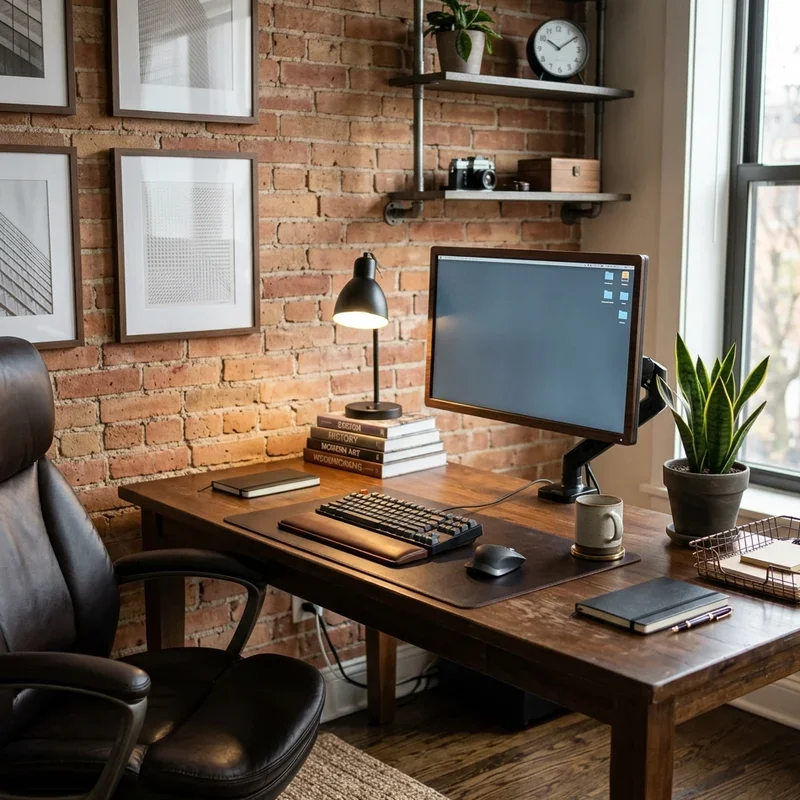
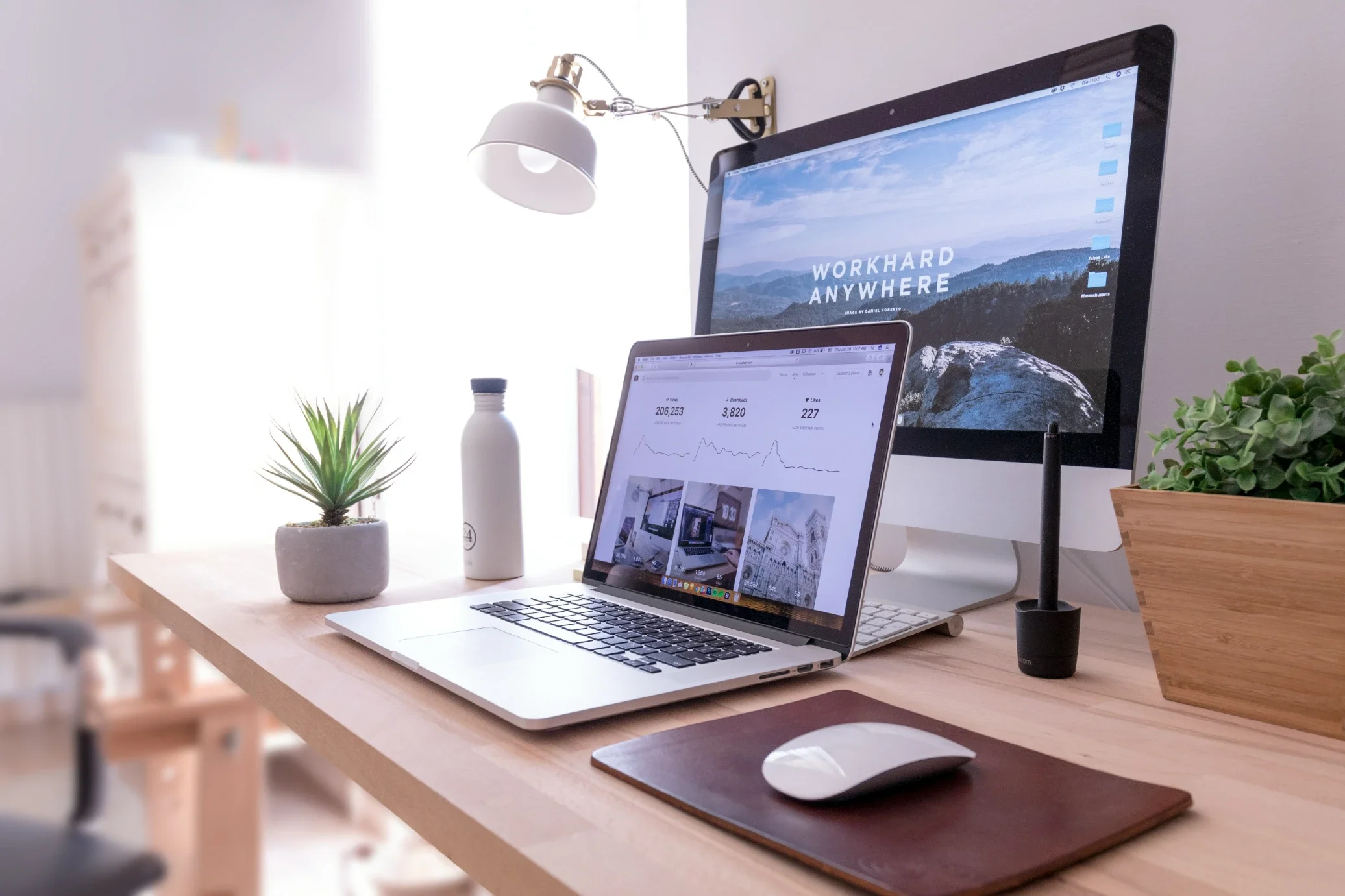
Implement minimalist organisation: Keep your desk clear of unnecessary clutter by utilising smart storage solutions and cable management trays. A minimalist environment helps reduce visual distractions and fosters deeper daily concentration.
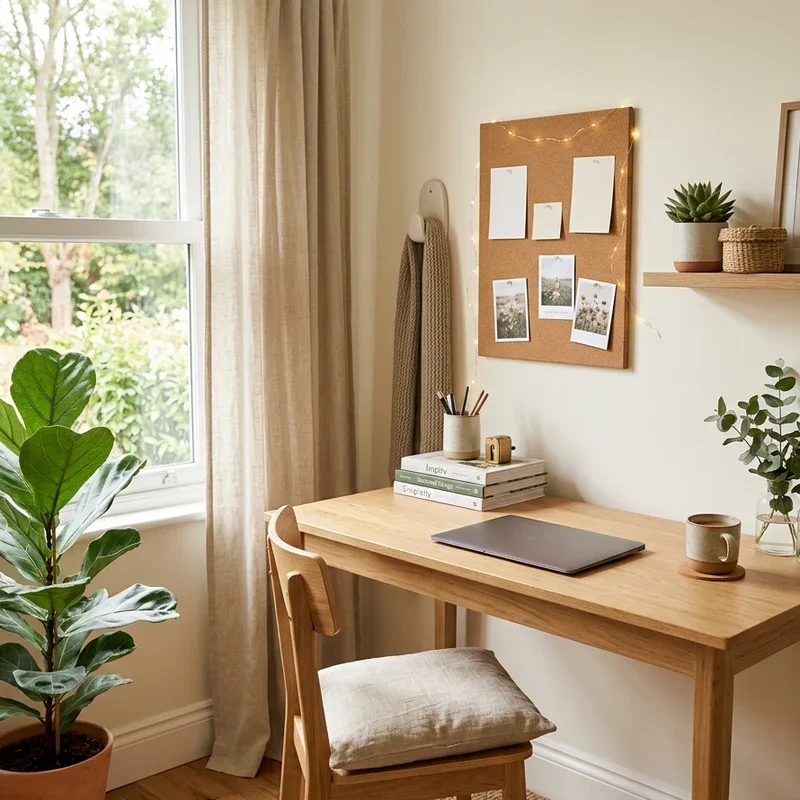
Integrate indoor greenery: As a nod to your tropical surroundings, incorporate resilient indoor plants like snake plants or pothos into your office decor. Indoor greenery improves air quality and adds a calming natural element to a technology-heavy room.
Control the indoor climate: Thailand is notoriously hot and humid year-round. Position your workstation in a room with reliable air conditioning, but avoid placing your desk directly under the vent airflow to prevent neck stiffness and discomfort.
Building your dream office abroad is a vital step in ensuring a successful relocation. By investing in proper ergonomics, managing your moving logistics carefully with professional partners, and designing a visually appealing space that fosters focus, you can fully embrace the remote work lifestyle in Thailand. Your working environment directly shapes your creative output, and a well-planned home office will allow you to thrive both professionally and personally in your exciting new city.
Stay up to date with our latest ideas!