Daily Habits for a Cleaner, More Productive Office
Build simple daily cleaning habits into your office routine to reduce clutter, improve organization, boost focus, and create a more productive workspace.

A clean office does more than improve appearances. It affects how people move through the workspace, find equipment, manage shared areas, and concentrate on tasks. When clutter and dirt build up, small interruptions become part of the workday.
Cleanliness is also easier to maintain when it is treated as a daily process rather than an occasional deep-cleaning project. A few consistent habits can prevent minor messes from becoming larger maintenance problems.
Start With a Clean Desk
The individual workstation is one of the easiest places to establish a cleaning routine. Employees should take a few minutes at the beginning or end of each day to remove unnecessary items, organize paperwork, and wipe frequently touched surfaces.
A useful daily routine includes:
Removing empty cups, food containers, and packaging.
Returning shared equipment to its designated location.
Wiping the desk, keyboard, mouse, and telephone.
Sorting papers and disposing of unnecessary documents securely.
Clearing cables and other objects that create visual or physical clutter.
The goal is not an empty desk. It is a functional workstation where essential items are easy to locate.
For larger offices, managers can use an office cleaning checklist to create consistent cleaning routines and make sure important areas are not overlooked.
Keep High-Touch Areas Under Control
Some surfaces require more attention because many people use them throughout the day. Door handles, light switches, elevator buttons, shared keyboards, refrigerator handles, coffee machines, and printer controls can accumulate dirt and microorganisms through repeated contact.
These areas should be included in the office's routine cleaning schedule. Cleaning frequency should reflect actual use. A lightly used meeting room does not require the same attention as a busy kitchen or shared workstation area.
Cleaning also needs to be done correctly. Removing visible soil and disinfecting are not always the same process. Surfaces should be cleaned according to the product manufacturer's instructions, including the required contact time for disinfectants.
Empty Bins Before They Become a Problem
Waste management is another daily task that is easy to overlook. A bin does not need to be completely full before it is emptied.
Food waste should receive particular attention. Organic material can produce odors and create conditions that attract insects. Office waste can also become a hygiene issue when employees dispose of used tissues or food packaging in shared areas.
High-use areas should have a defined collection schedule. Waste containers should also be cleaned periodically, especially if leaks or spills occur inside them.
Pay Attention to Floors and Air Quality
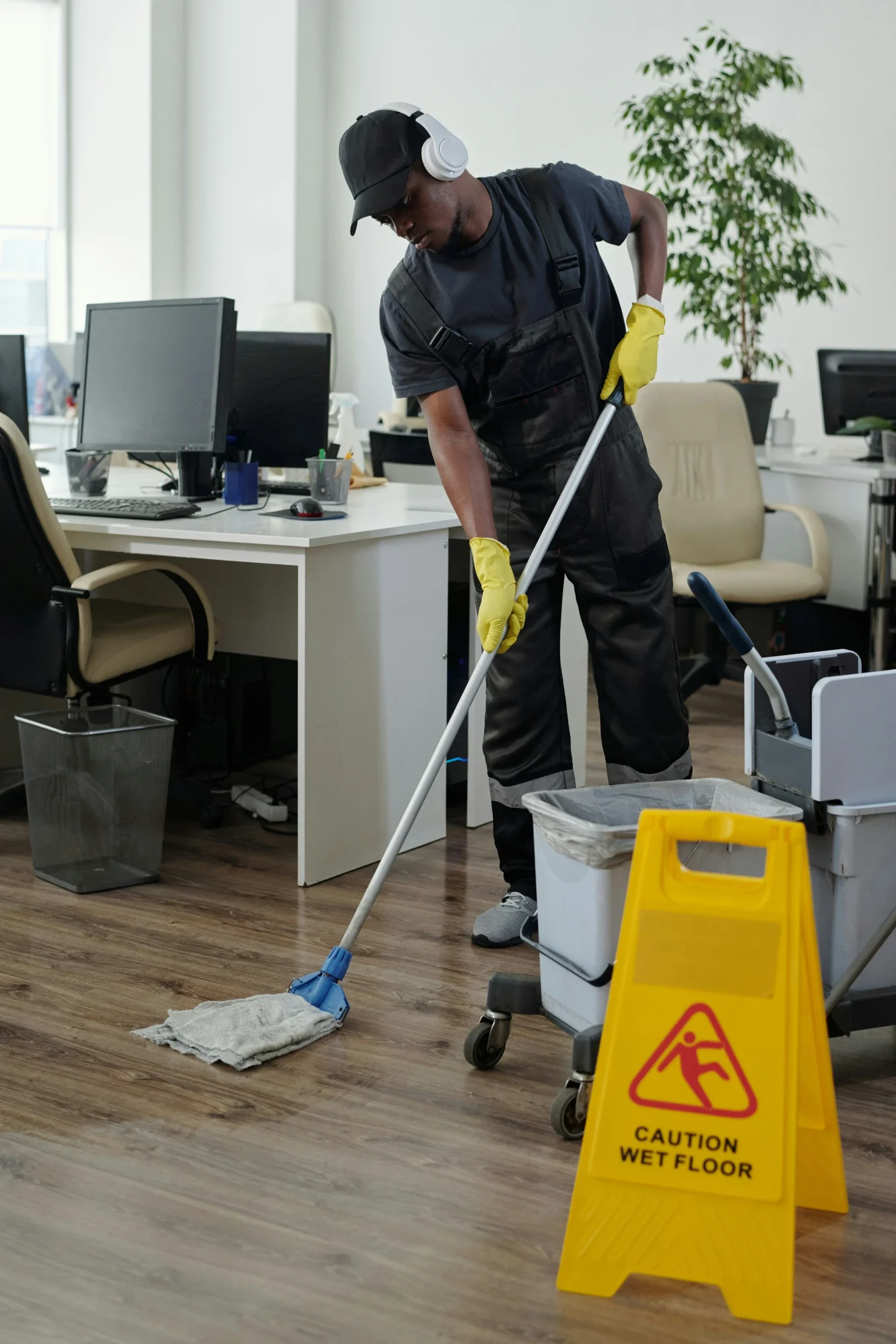
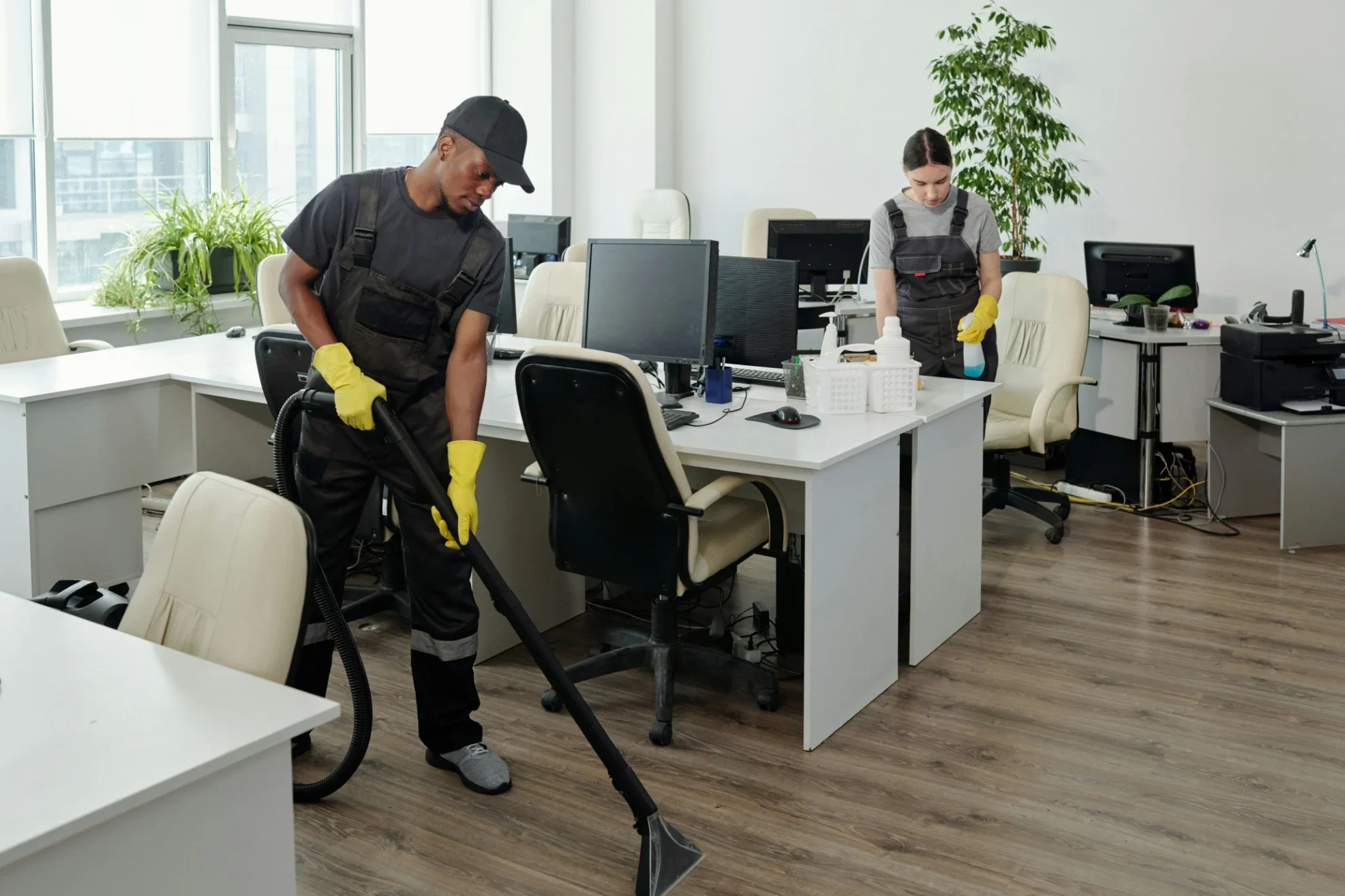
Floors collect dust, dirt, and debris brought in from outside. High-traffic entrances usually require more frequent attention than areas with limited foot traffic.
Vacuuming and mopping schedules should therefore be based on traffic patterns rather than applying exactly the same frequency to every room. Entry mats can also reduce the amount of dirt transferred deeper into the office.
Air quality deserves attention as well. Dust can accumulate on vents, furniture, and other surfaces. HVAC filters and ventilation systems should be maintained according to equipment specifications and building requirements.
A 2018 study published in Facilities examined five non-profit organizations in the Netherlands and found a significant correlation between objectively measured office cleanliness and employees' perceived productivity. The researchers also found relationships between measured cleanliness and work satisfaction. The study was limited to five organizations, so its findings should not be treated as universal, but they provide useful evidence for maintaining regular cleaning routines.
Build Cleaning Into the Workday
The most effective cleaning routine is one people can consistently follow. Trying to handle every task at the end of the week often allows dirt and clutter to accumulate.
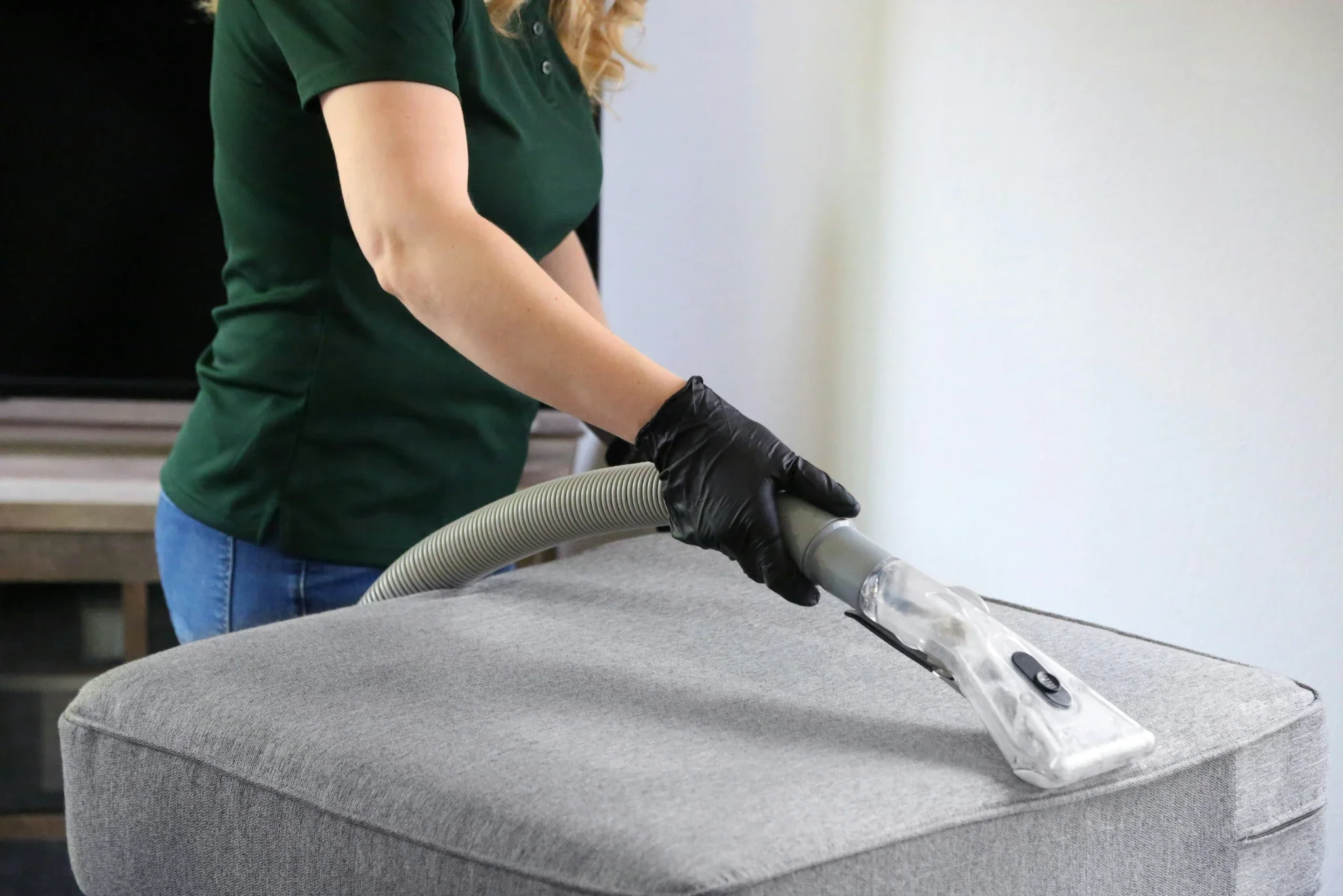
Instead, divide responsibilities by frequency. Daily tasks can cover desks, waste, kitchens, and high-touch surfaces. Weekly tasks can address deeper cleaning. Periodic maintenance can cover carpets, upholstery, vents, and other less frequently serviced areas.
This approach also makes responsibilities easier to track. Employees know what they should handle themselves, while facility teams can focus on tasks requiring specialized equipment, products, or procedures.
Keep the Office Organized After Cleaning
Cleaning and organization work together. A surface that is overloaded with equipment, paperwork, and personal items is harder to clean properly.
Every frequently used item should have a logical storage location. Shared supplies should be labeled. Walkways should remain clear. Documents should be stored using a consistent system.
These practices reduce both cleaning time and unnecessary interruptions. They also make it easier to identify problems before they become expensive repairs.
A productive office does not need to look sterile. It needs to be clean, organized, and easy to maintain. When simple cleaning habits become part of the daily workflow, employees spend less time dealing with clutter and maintenance issues. The result is a workspace that supports concentration, efficiency, and a better overall working experience.
Stay up to date with our latest ideas!