How Often Should an Office Be Cleaned? A Practical Guide
Discover how often your office should be cleaned with our practical guide. Learn daily, weekly, and monthly cleaning schedules for a healthier workplace.
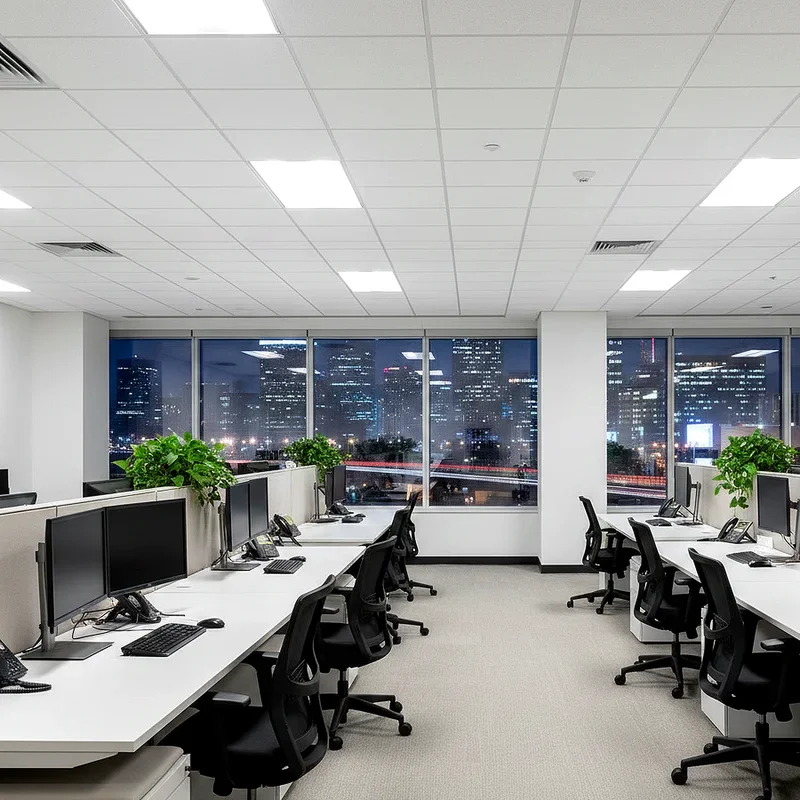
Let me tell you something that might surprise you. The average office desk harbors about 400 times more bacteria than a toilet seat. Yikes, right? If that little nugget of information does not make you reach for the hand sanitizer, I do not know what will. Most business owners find themselves scratching their heads when it comes to figuring out the right cleaning schedule. Well, you have come to the right place because we are about to break down everything you need to know about maintaining a spotless workspace. Whether you run a bustling call center or manage a cozy boutique agency, understanding the proper cleaning frequency can make all the difference. A clean office looks more professional and keeps your employees healthier and more productive.
Understanding the Basics of Office Cleaning in How Often Should an Office Be Cleaned? A Practical Guide
Before we jump into specific schedules, it is worth understanding what office cleaning actually encompasses. There is a big difference between giving things a quick once over and performing a deep sanitization of every nook and cranny. When folks ask about how often should an office be cleaned, they are usually thinking about surface level tidying. However, effective cleaning goes much deeper than just emptying trash cans.
Office cleaning typically falls into three main categories. First, you have got your daily maintenance tasks that keep things looking presentable. Second, there are weekly duties that tackle stuff accumulating over several days. Third, monthly deep cleaning sessions address areas that most people forget about entirely. Think of it like maintaining a car. You would not skip oil changes just because the vehicle seems to be running fine, would you?
Daily Cleaning Tasks That Cannot Wait
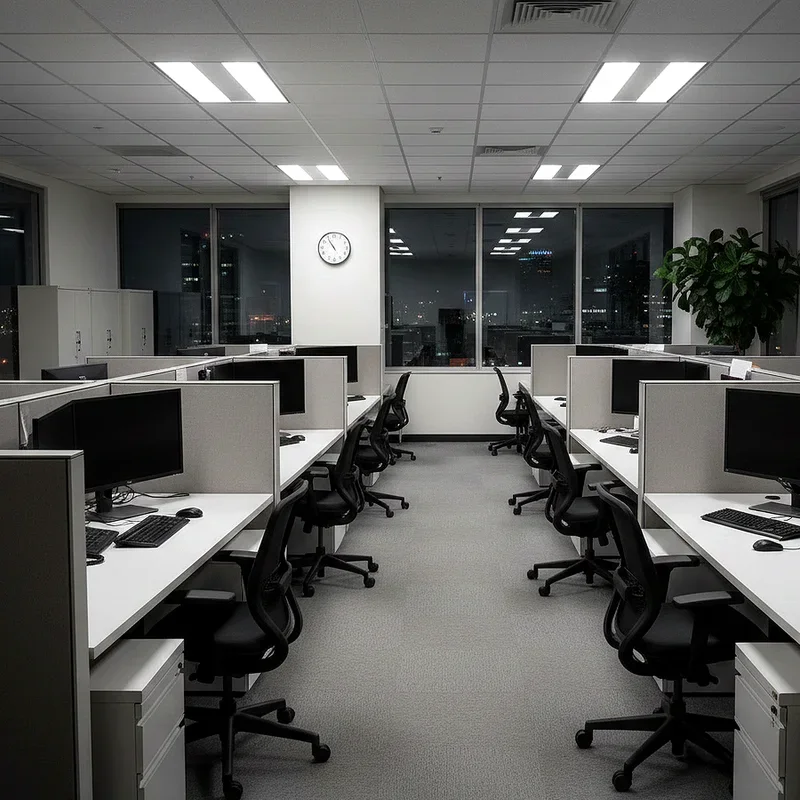
Some cleaning tasks simply cannot be put off until tomorrow. Walking into an office with overflowing trash bins and sticky coffee rings on every surface is enough to kill anyone's motivation. Daily cleaning forms the backbone of any solid maintenance routine.
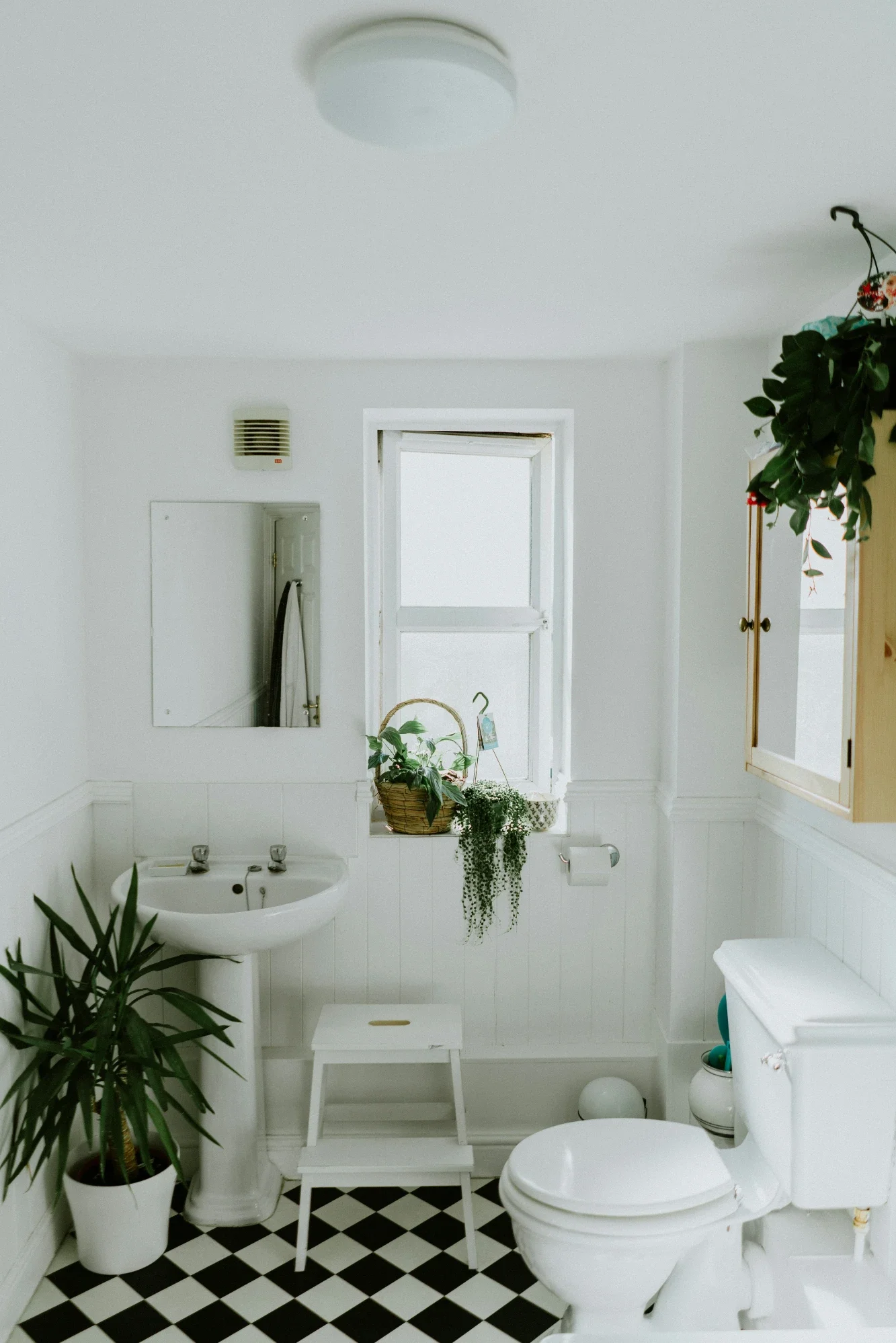
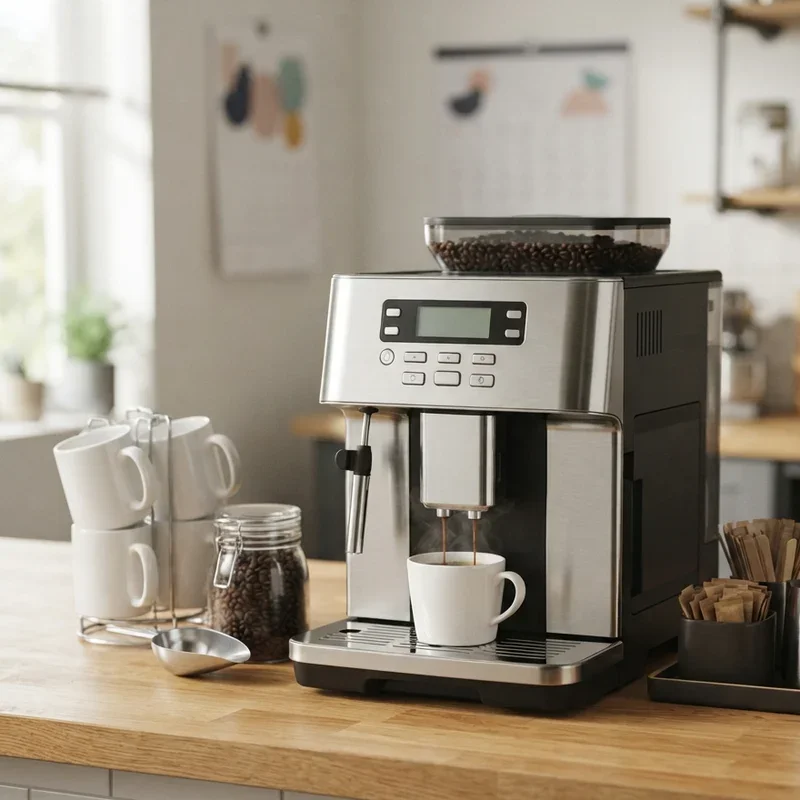
High touch surfaces need attention every single day without exception. We are talking about door handles, light switches, elevator buttons, and shared equipment like printers and coffee machines. These spots become breeding grounds for bacteria faster than you can say hand sanitizer. Restrooms also require daily attention because nothing sends a worse message than a neglected bathroom.
Kitchen and break room areas fall into the daily category too. Dirty dishes in the sink, food crumbs on counters, and mysterious spills in the microwave create an environment where germs thrive. A quick wipe down of surfaces and general tidying keeps these communal spaces inviting rather than revolting.
Weekly Cleaning Requirements for a Healthy Workspace
Once you have got your daily routine humming along nicely, it is time to think about those weekly tasks that prevent buildup from getting out of hand. These duties take more effort than daily maintenance but make a world of difference in overall cleanliness.
Vacuuming or mopping all floor surfaces should happen at least once a week. Carpets act like giant sponges that absorb dust, dirt, and allergens, so regular vacuuming keeps these particles from becoming airborne. Hard floors benefit from mopping because sweeping alone does not remove sticky residues. Do not forget about those corners where dust bunnies love to congregate.
Desk and workstation deep cleaning also belongs on the weekly schedule. Having someone properly sanitize keyboards, phones, and desk surfaces prevents the gradual buildup of germs. Glass surfaces like windows and partition walls should get a thorough cleaning to remove fingerprints. Conference rooms need special attention since so many different people use them throughout the week.
Monthly Deep Cleaning Sessions You Should Never Skip
Here is where things get serious. Monthly deep cleaning addresses all those areas that accumulate grime slowly but surely over time. Ignoring these tasks might not cause immediate problems, but eventually they catch up with you.
Upholstery and fabric surfaces throughout the office need professional attention at least monthly. Office chairs, couches in reception areas, and fabric partitions collect dust and body oils over time. Regular deep cleaning extends the life of these furnishings. Similarly, air vents and ducts benefit from monthly attention because they circulate air throughout the entire office. Dirty vents mean dirty air, and dirty air means sick employees.
Behind and underneath furniture often gets neglected for months at a time. Moving desks and cabinets to clean these hidden areas prevents pest problems and eliminates dust accumulation. Light fixtures also fall into the monthly category since dusty lights produce less illumination and look unprofessional.
Factors That Affect Your Office Cleaning Frequency
Not every office is created equal, and your specific circumstances play a huge role in determining the right cleaning schedule. A medical office with patients coming in and out all day has vastly different needs than a small accounting firm where the same five people work every day.
The number of employees and visitors your office sees directly impacts how often cleaning should occur. More foot traffic means more dirt tracked in, more surfaces touched, and more germs spread around. The type of work being performed matters too. Offices where people eat at their desks need more frequent kitchen area cleaning.
Geographic location and seasonal changes also come into play. Offices in humid climates might battle mold more frequently, while those in dusty environments need extra attention to air filtration. During flu season, you would be wise to increase the frequency of sanitization routines.
How Often Should an Office Be Cleaned? A Practical Guide for Different Business Types

Different industries have different cleaning requirements, and what works for one type of business might fall woefully short for another. Let us break down the specific needs of various business environments.
Healthcare facilities and medical offices sit at one end of the spectrum with the most demanding cleaning requirements. These environments need daily deep sanitization of all patient contact areas and strict protocols for handling biohazardous materials. There is simply no room for cutting corners when patient health is on the line.
Traditional corporate offices typically do well with daily light cleaning and weekly deep sessions. Retail establishments that see heavy customer traffic need daily floor cleaning and frequent attention to fitting rooms. Educational institutions face unique challenges with young people who are not always the most hygienic individuals.
Creating a Customized Cleaning Schedule That Works
Now that you understand the various factors at play, it is time to put together a cleaning schedule tailored specifically to your office. This is not a one size fits all situation, and taking the time to create a customized plan saves money while ensuring nothing important gets overlooked.
Start by conducting a thorough assessment of your office space. Walk through every area and note the specific cleaning needs of each. Pay attention to high traffic zones, areas where food is consumed, and restroom locations. Make a list of all tasks and categorize them into daily, weekly, and monthly buckets. When assessing cleaning needs across high-traffic zones, food preparation or break areas, and restroom facilities, it’s also important to consider how supplies will be maintained and replenished. Working with reliable providers such as Golden Group International for commercial facility products and workplace hygiene/restroom solutions can help businesses streamline cleaning schedules, maintenance planning, and inventory management.
Next, consider your resources and constraints. Do you have an in house cleaning staff, or will you be hiring a professional service? What is your budget for cleaning supplies? Answering these questions helps you create a realistic schedule that you can actually stick to over the long term.
The Hidden Costs of Inadequate Office Cleaning
Some folks try to save money by cutting back on cleaning services, but this approach often backfires in spectacular fashion. The hidden costs of inadequate office cleaning add up quickly and frequently exceed whatever savings you thought you were achieving.
Employee sick days represent one of the most significant hidden costs. When your office is not properly cleaned, germs spread like wildfire and people start calling in sick. Studies have shown that proper office cleaning can reduce sick days by up to 46 percent. Think about what that means for productivity and morale.
Equipment and furniture degradation also costs more than most people realize. Dust accumulates in computer equipment, causing overheating and premature failure. Carpets that are not regularly cleaned wear out years before their expected lifespan. All of these issues require expensive replacements that proper cleaning would have prevented.
Professional Cleaning Services Versus In House Staff
One of the biggest decisions you will face is whether to hire professional cleaning services or handle things with in house staff. Both approaches have their merits, and the right choice depends on your specific situation.
Professional cleaning services bring expertise and specialized equipment to the table. They know exactly which products work best for different surfaces and carry their own insurance. You simply tell them what you need and they make it happen.
In house cleaning staff offers more control and flexibility over your cleaning operations. These employees become familiar with your specific office layout and can address issues as they arise. They may also cost less in the long run for smaller offices. However, you take on the responsibility of hiring, training, and managing these workers.
Say goodbye to recurring infestations with advanced pest control solutions from All American Pest Control.
Green Cleaning Options for Environmentally Conscious Offices
Environmental sustainability has become increasingly important to businesses and employees alike. Keeping your office clean does not have to mean filling the air with harsh chemicals or contributing to plastic waste.
Plant based cleaning products have come a long way in recent years and now rival traditional chemicals in effectiveness. These products use natural ingredients that break down safely in the environment. Many also come in concentrated forms that dramatically reduce plastic waste.
Microfiber cloths and mops reduce the need for paper products and work better than traditional materials anyway. Steam cleaning represents another excellent green option, using nothing but water heated to high temperatures to sanitize surfaces without any chemicals whatsoever.
Training Employees to Maintain Cleanliness Between Professional Cleanings
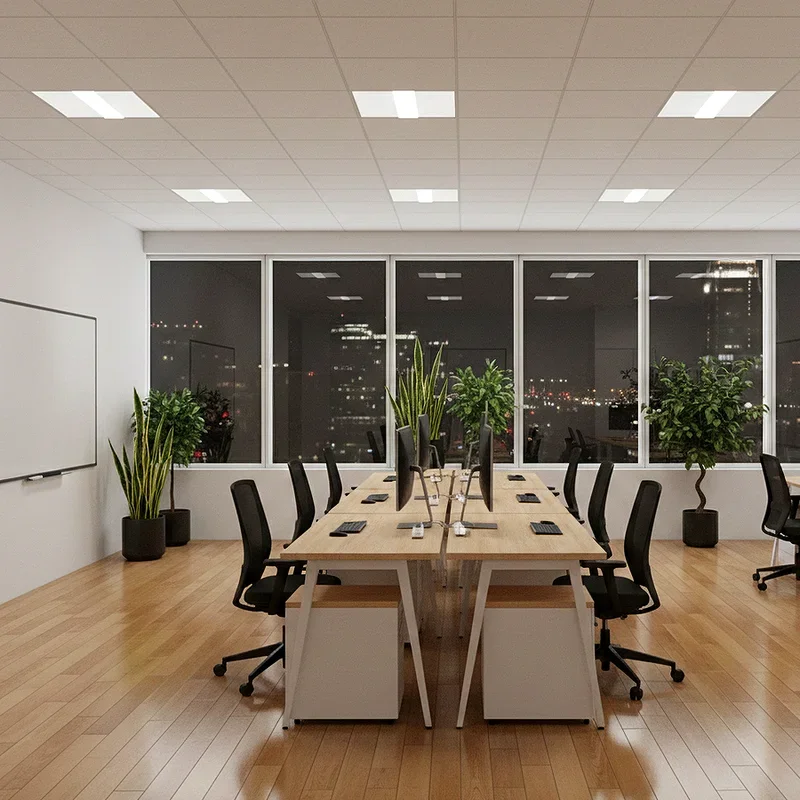
Even the best professional cleaning service cannot be everywhere at once, and employees play a crucial role in maintaining cleanliness between scheduled cleanings. A little bit of effort from everyone goes a long way.
Establishing clear expectations and providing the necessary tools makes employee participation much easier. Stock each workstation with sanitizing wipes and hand sanitizer. Create simple guidelines about cleaning up after yourself in common areas and share them during onboarding.
Lead by example and celebrate good behavior. When managers visibly participate in keeping shared spaces clean, employees follow suit. Creating a culture where cleanliness is valued produces better results than any amount of nagging or rule enforcement.
Handling Special Cleaning Situations and Emergencies
Sometimes the unexpected happens, and you need to respond quickly with specialized cleaning procedures. Being prepared for these situations helps minimize disruption and keeps everyone safe.
Illness outbreaks require immediate and thorough sanitization of affected areas. When multiple employees come down with the same bug, it is time to bring in professional sanitization services that can disinfect the entire office using hospital grade methods.
Spills and accidents need prompt attention to prevent permanent damage. Having the right supplies on hand and training employees on basic spill response procedures keeps minor incidents from becoming major problems.
Conclusion
Keeping your office clean is not just about appearances. It protects employee health, preserves expensive equipment, and creates an environment where people actually want to work. The right cleaning frequency depends on your specific situation, but daily maintenance combined with weekly deep cleaning and monthly intensive sessions provides a solid foundation for most offices. Remember that investing in proper cleaning pays dividends through reduced sick days, extended equipment life, and improved morale. Do not wait for problems to arise before taking cleanliness seriously.
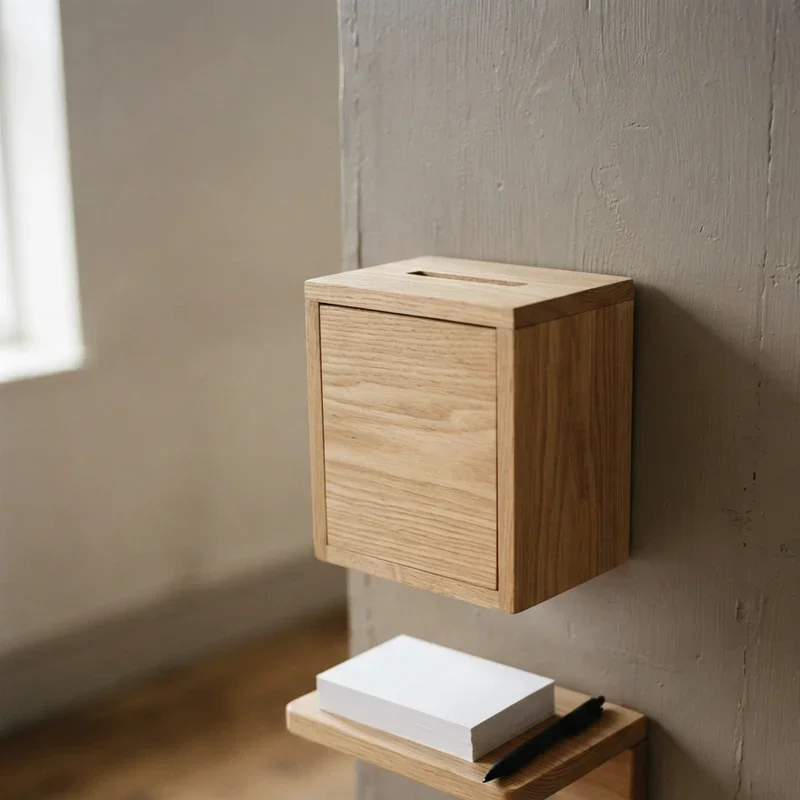
Read next: 15 Office Mailbox Ideas for Modern and Efficient Offices
Frequently Asked Questions
Q1. How often should high touch surfaces be cleaned in an office?
A: High touch surfaces require daily cleaning and sanitization to prevent germ transmission effectively.
Q2. Can poor office cleaning really affect employee health?
A: Yes, inadequate cleaning increases illness rates and can reduce productivity significantly.
Q3. Should small offices follow the same cleaning schedule as large ones?
A: Smaller offices can often clean less frequently, but basic daily tasks remain essential.
Q4. What areas are most commonly overlooked during office cleaning?
A: Air vents, behind furniture, light fixtures, and keyboard surfaces get neglected most often.
Q5. Is professional cleaning worth the cost for small businesses?
A: Professional services often prove cost effective through reduced sick days and equipment preservation.
Stay up to date with our latest ideas!