How Commercial Cleaning Services Transform Nashville Workspaces
Discover how commercial cleaning services transform Nashville workspaces by improving cleanliness, employee comfort, productivity, safety, and professional appeal.
Nashville's business landscape demands more than surface-level tidiness. As companies compete for talent and clients in one of the nation's fastest-growing metros, the condition of their physical spaces has become a strategic asset. Professional commercial cleaning services don't just remove dirt—they create environments where productivity flourishes and first impressions count.
The difference between in-house cleaning and professional services becomes apparent in the details: properly maintained HVAC systems that improve air quality, floors that retain their finish for years rather than months, and restrooms that meet health standards consistently. For businesses navigating Nashville's competitive market, these details matter.
The Business Case for Professional Cleaning Services
The decision to outsource cleaning operations reflects a shift in how companies allocate resources. Rather than managing cleaning staff, supplies, and equipment internally, businesses are discovering that specialized providers deliver better results at lower total costs.
Professional cleaning companies bring several advantages that in-house teams struggle to match:
Specialized Equipment and Training: Commercial-grade equipment and industry-specific training produce results that consumer-grade tools cannot replicate, particularly for challenging surfaces and high-traffic areas.
Reduced Overhead: Eliminating the need to hire, train, and manage cleaning staff removes administrative burden while avoiding costs associated with employee benefits, workers' compensation, and equipment maintenance.
Health and Safety Compliance: Professional services stay current with CDC guidelines for facility cleaning and disinfection, ensuring workplaces meet evolving health standards without requiring internal expertise.
Measurable Productivity Gains: Research consistently shows that clean environments reduce sick days and improve focus, though the impact varies by industry and facility type.
Navigating Service Options in Nashville's Cleaning Market
Commercial cleaning encompasses a broad spectrum of services, each designed for specific facility types and operational needs. Understanding these categories helps businesses select appropriate providers and avoid paying for unnecessary services.
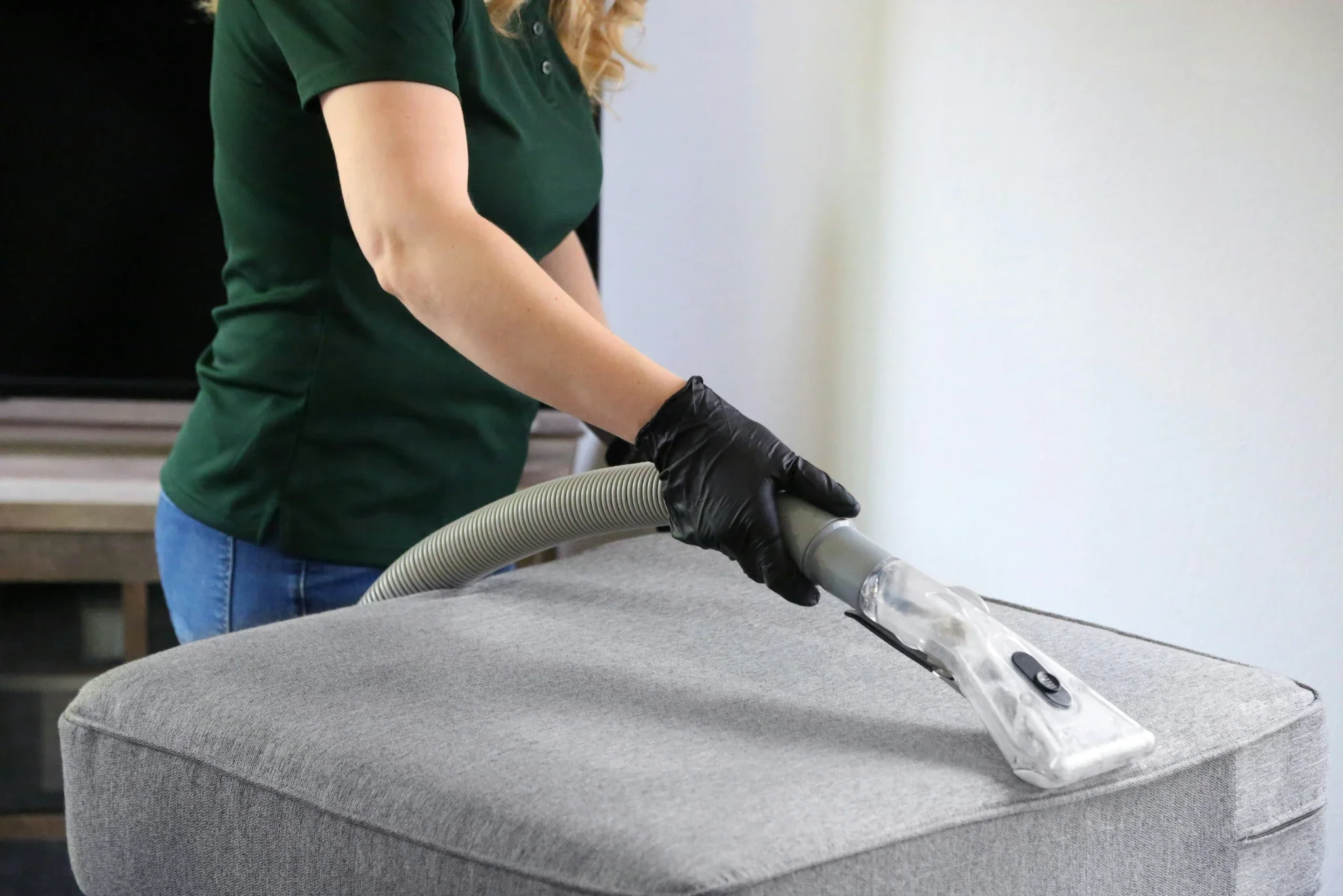
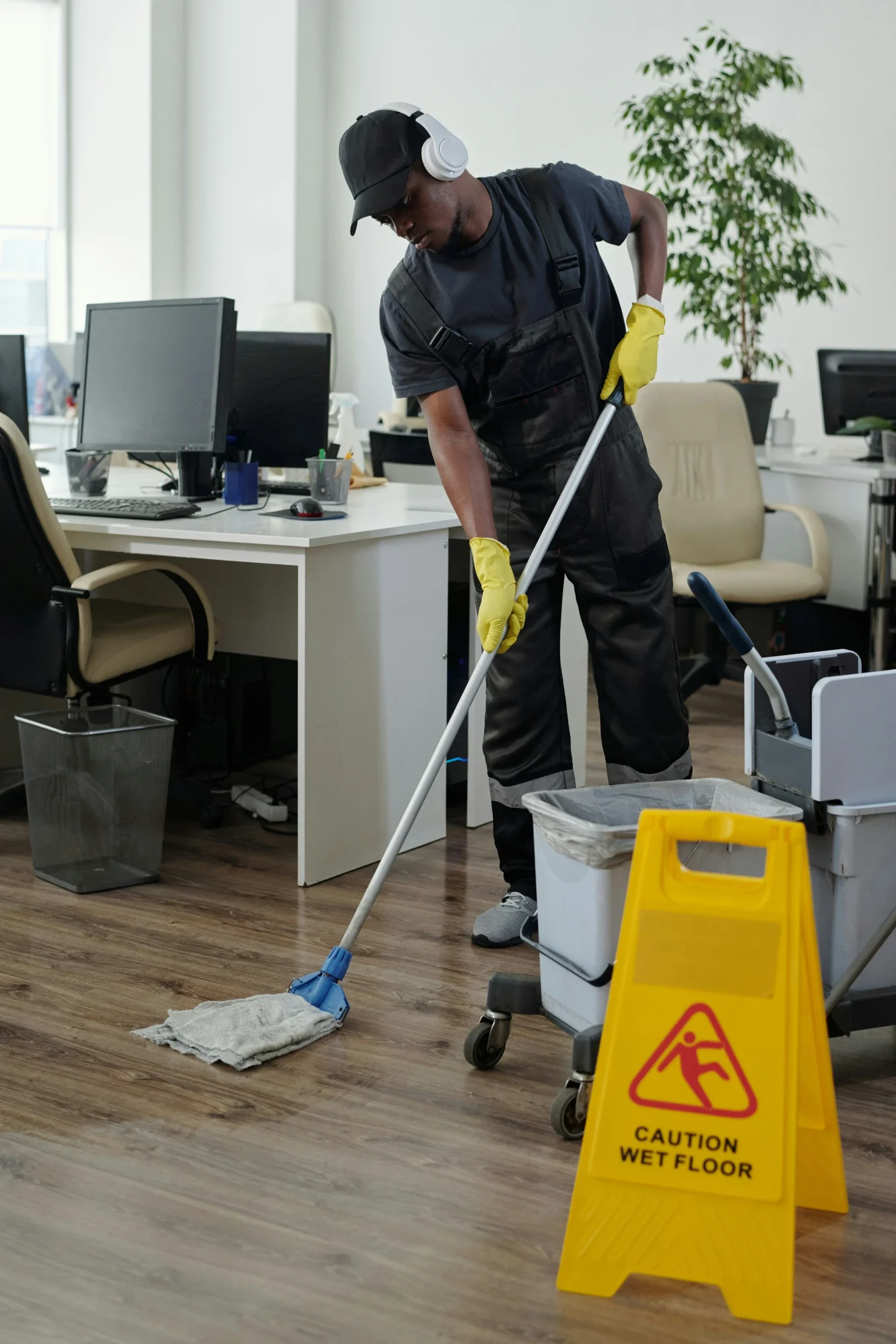
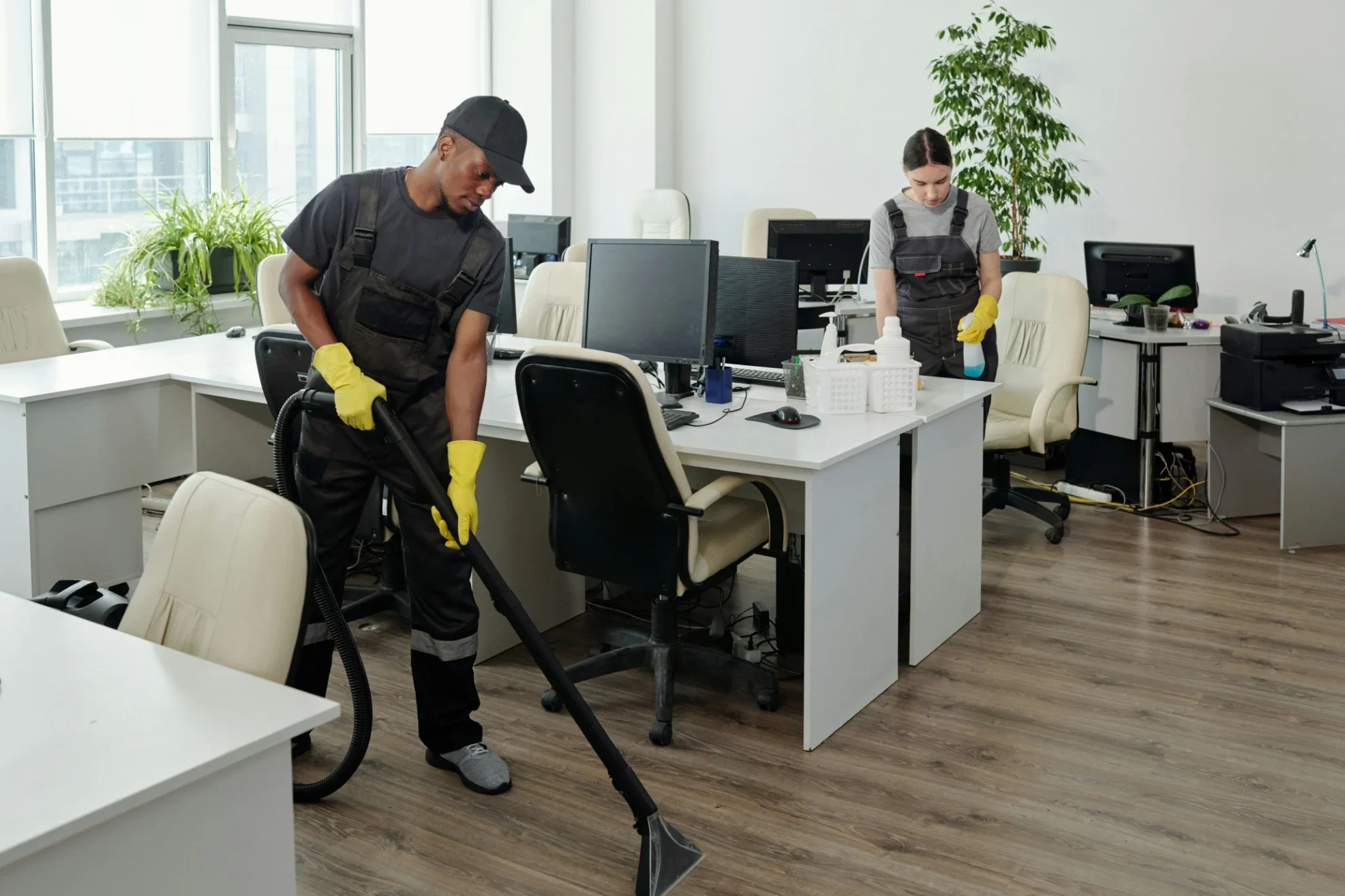
Daily Janitorial Services form the foundation of most commercial cleaning programs. These recurring services maintain baseline cleanliness through trash removal, surface wiping, restroom maintenance, and floor care. The frequency varies based on facility traffic and industry requirements.
Office Cleaning Programs address the specific needs of professional environments, including workstation sanitization, conference room preparation, and break room maintenance. These services typically occur outside business hours to minimize disruption.
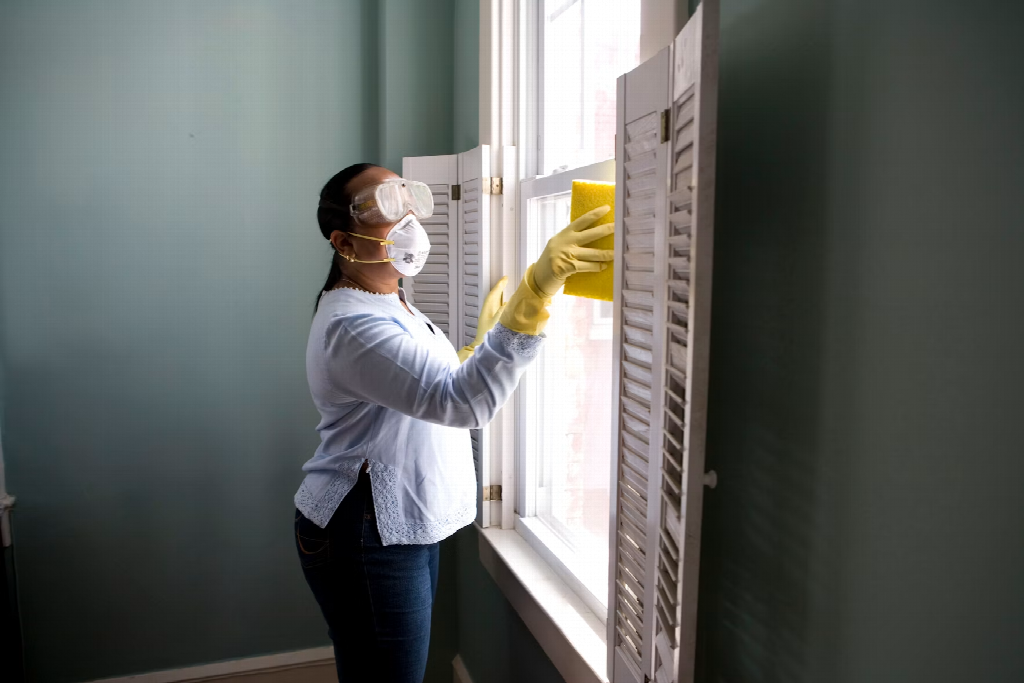
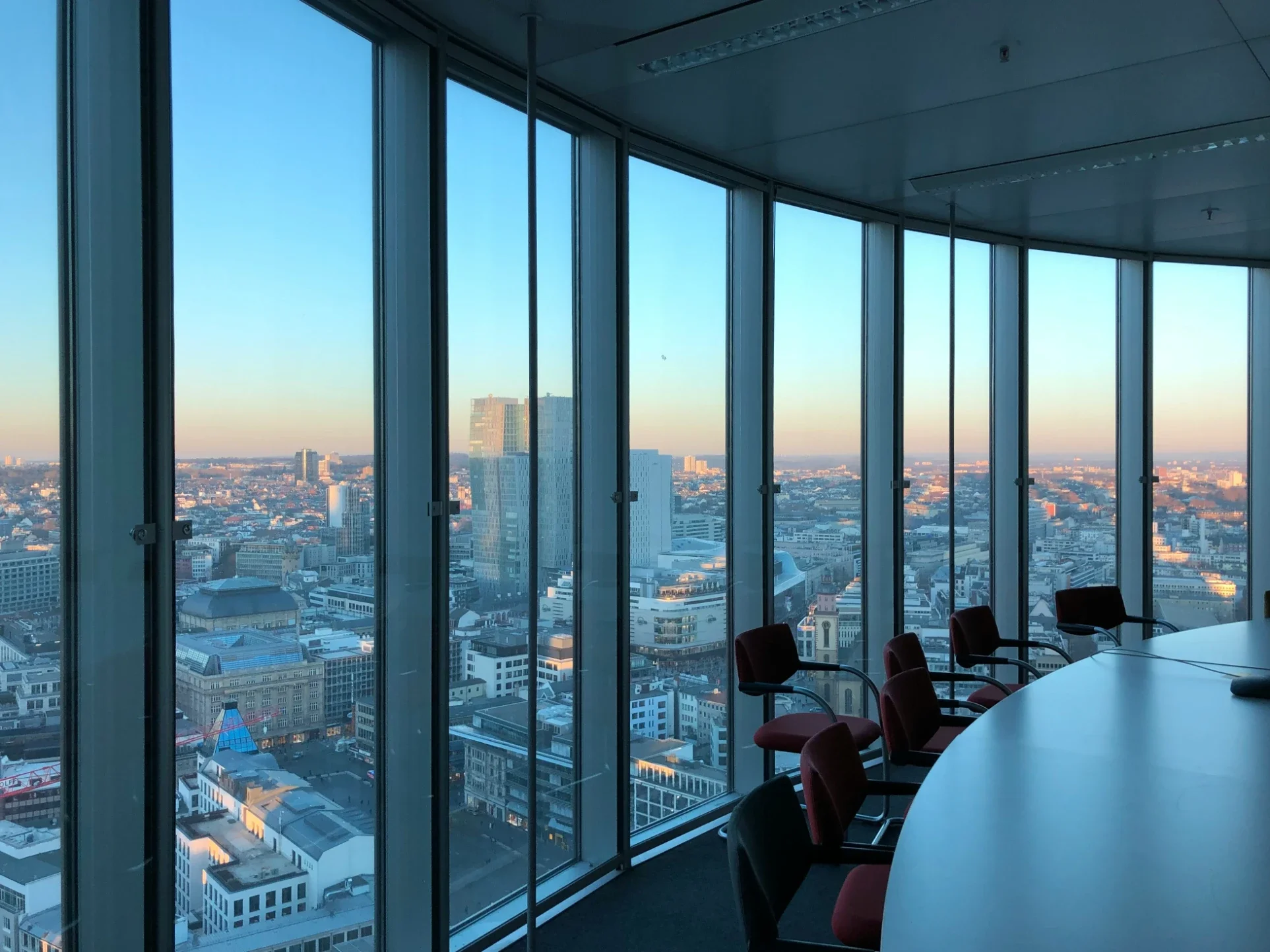
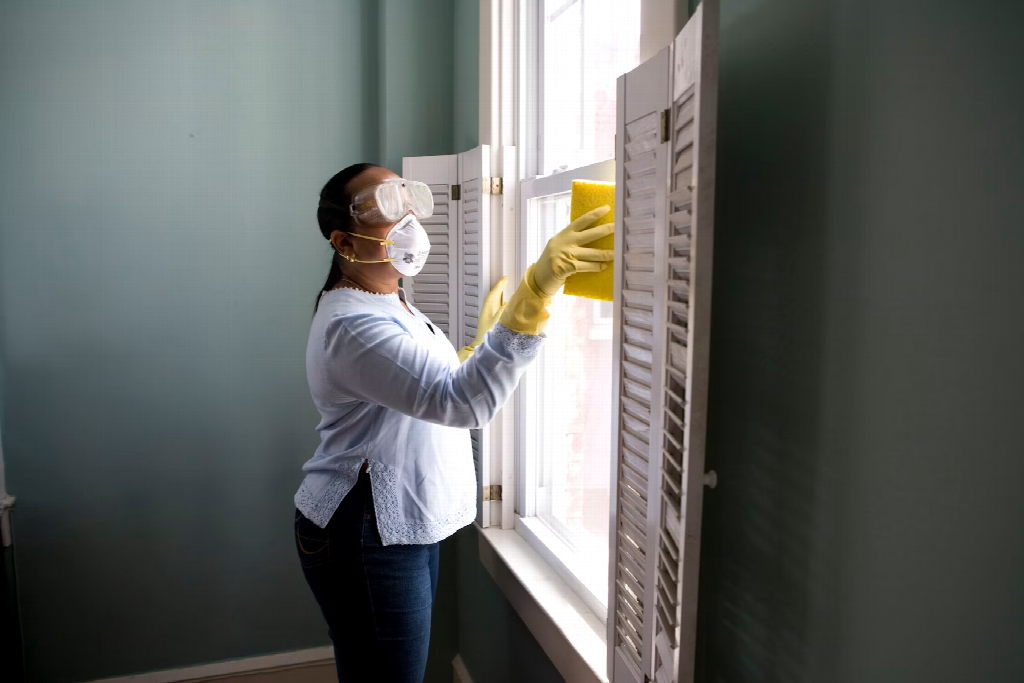
For offices, storefronts, and other customer-facing properties, commercial window cleaning services help maintain clear glass and a polished first impression without disrupting regular operations.
Industrial Cleaning Operations tackle the heavy-duty requirements of manufacturing facilities, warehouses, and distribution centers. This category includes equipment degreasing, high-level dusting, and specialized floor treatments that standard janitorial services cannot handle.
Specialized Services address particular challenges or compliance requirements:
Window cleaning for multi-story buildings requiring safety equipment and specialized techniques
Floor restoration and maintenance programs that extend the life of expensive flooring investments
Disinfection protocols for healthcare facilities, schools, and food service operations
Post-construction cleaning that removes debris and prepares spaces for occupancy
Nashville businesses ranging from healthcare facilities to corporate offices have found that partnering with established commercial cleaning providers like Coverall PCS allows them to maintain consistent standards while focusing internal resources on core operations, much as BHS Solutions and Buildingstars have built their own reputations serving similar facility types across Middle Tennessee.
Environmental Considerations in Commercial Cleaning
The shift toward environmentally responsible cleaning practices reflects both regulatory pressure and changing client expectations. Green cleaning programs have moved from niche offerings to standard practice among leading service providers.
Eco-friendly cleaning delivers tangible benefits beyond environmental stewardship. Products certified by the EPA's Safer Choice program reduce indoor air pollution, minimize chemical exposure for building occupants, and decrease environmental impact without sacrificing cleaning effectiveness.
For businesses pursuing LEED certification or other sustainability credentials, green cleaning programs provide documented environmental benefits that support certification requirements. The practice also resonates with employees and clients who prioritize environmental responsibility.
Implementation requires more than switching products. Effective green cleaning programs include proper dilution systems, microfiber technology that reduces chemical usage, and training that ensures staff understand how to use eco-friendly products effectively.
Technology Reshaping Commercial Cleaning Operations
Automation and data-driven management are transforming how cleaning services operate, improving both efficiency and quality control. These innovations address longstanding challenges in the industry while creating new service capabilities.
Recent technological advances include:
Autonomous Cleaning Equipment: Robotic floor scrubbers and vacuums handle repetitive tasks in large open spaces, freeing human workers for detail-oriented cleaning that requires judgment and dexterity.
IoT Monitoring Systems: Connected sensors track restroom traffic, supply levels, and cleaning completion, enabling data-driven scheduling that aligns service delivery with actual facility usage patterns.
Electrostatic Disinfection: Sprayers that apply electrostatically charged disinfectant particles achieve more complete surface coverage than traditional methods, particularly important for infection control in healthcare and education settings.
Quality Verification Technology: Digital inspection tools and photo documentation create accountability while providing clients with verifiable proof of service completion.
These innovations don't eliminate the need for skilled cleaning professionals—they enhance what those professionals can accomplish within given time and budget constraints.
Selecting a Commercial Cleaning Provider
The cleaning services market includes national franchises, regional companies, and local operators, each with distinct advantages. Making an informed selection requires looking beyond price to evaluate factors that determine long-term satisfaction.
Service Quality and Consistency: Request references from clients with similar facilities and verify how long those relationships have lasted. High client retention typically indicates reliable service delivery.
Insurance and Bonding: Confirm that providers carry adequate general liability and workers' compensation coverage. This protects your business from liability if accidents occur on your property.
Training and Supervision: Ask about employee training programs, background check policies, and supervision structures. The quality of frontline cleaning staff determines service outcomes more than any other factor.
Customization Capability: Effective providers tailor programs to specific facility needs rather than offering one-size-fits-all packages. This flexibility becomes crucial as your business evolves.
During the evaluation process, request detailed proposals that specify service frequencies, tasks included, and performance standards. Vague proposals often lead to mismatched expectations and service disputes.
Specialized Cleaning for Educational and Fitness Facilities
Schools and fitness centers present unique cleaning challenges that require specialized approaches. High occupancy density, diverse surface types, and stringent health requirements demand more than standard janitorial services.
Educational facilities must balance thorough cleaning with budget constraints while meeting health standards that protect vulnerable populations. Effective school cleaning programs address:
High-touch surface disinfection in classrooms, cafeterias, and common areas
Floor care that maintains safety on surfaces subjected to constant foot traffic
Restroom sanitation that meets health department requirements
HVAC system maintenance that improves air quality and reduces allergen circulation
Fitness centers face similar challenges with the added complexity of equipment sanitization and locker room maintenance. Sweat, moisture, and constant use create environments where bacteria and fungi thrive without proper cleaning protocols.
Both facility types benefit from cleaning schedules that include multiple daily service rounds rather than single after-hours cleaning. This approach maintains sanitary conditions throughout operating hours when facilities experience peak usage.
Stay up to date with our latest ideas!