How to Organize a Messy Office Without Stress
Learn how to organize a messy office without stress using practical strategies. Transform your workspace into a productive haven today.
We've all been there. You walk into your office, coffee in hand, ready to tackle the day, and then you see it. Stacks of paper competing for desk space, pens scattered like confetti after a parade, and that mysterious pile in the corner that's been growing since last quarter. The sight alone is enough to make you want to turn around and work from the couch instead.
Here's the truth that nobody tells you about messy offices. The chaos didn't happen overnight, and trying to fix it in one frantic afternoon usually creates more stress than the mess itself. That panicked, throw-everything-in-a-drawer approach might provide temporary relief, but you'll be back at square one within weeks.
The good news? Organizing your workspace doesn't have to feel like climbing Mount Everest in flip-flops. With the right mindset and some strategic approaches, you can transform that disaster zone into a functional, pleasant environment without losing your mind in the process.
Learning how to organize a messy office without stress requires shifting your perspective from overwhelming overhaul to manageable progress. It's not about perfection. It's about creating systems that actually work for your brain and your work style.
Whether you're dealing with years of accumulated clutter or just a few weeks of neglect, this guide will walk you through a calm, methodical approach that respects both your time and your sanity. No marathon organizing sessions required. No guilt trips about how things got this way. Just practical steps that lead to lasting results.
So take a deep breath, maybe grab another cup of coffee, and let's reclaim your workspace together.
Understanding Why Offices Get Messy
Before diving into solutions, understanding the problem helps prevent future messes.
The Psychology Behind Clutter
Clutter accumulates for reasons that make perfect sense in the moment. You're busy, so you set something down "just for now" instead of putting it away properly. That temporary placement becomes permanent through repetition, and suddenly your desk looks like a archaeological dig site.
Decision fatigue plays a huge role too. After making countless decisions throughout your workday, choosing whether to file, trash, or deal with each piece of paper feels overwhelming. So things pile up while waiting for future you to handle them.
Perfectionism ironically contributes to mess as well. When you believe organizing must be done perfectly or not at all, you end up choosing "not at all" more often than you'd like to admit.
Common Office Clutter Culprits
Papers remain the number one space invader in most offices. Documents waiting to be filed, notes you might need someday, and printouts that seemed important at the time all stack up relentlessly.
Supplies multiply mysteriously. Pens breed in drawers. Sticky note pads congregate. Binder clips form colonies. Before you know it, you have enough supplies to outfit a small school.
Sentimental items and "just in case" objects occupy space without earning their keep. That conference swag from three years ago, the broken stapler you'll definitely fix someday, and the mystery cables without matching devices all claim valuable real estate.
How to Organize a Messy Office Without Stress: The Mindset Shift
Your approach matters more than your method.
Embracing Progress Over Perfection
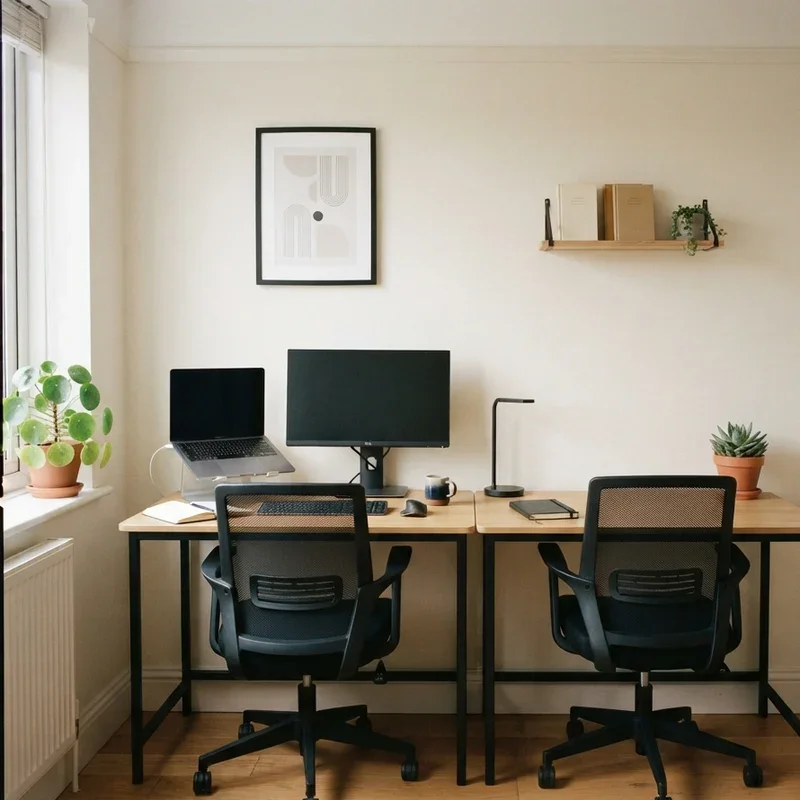
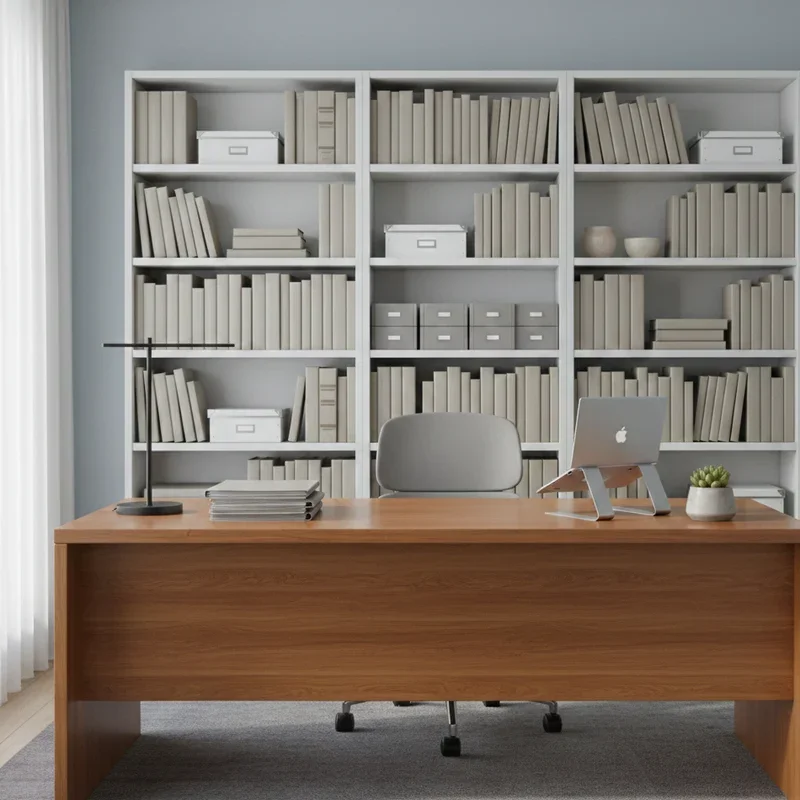
Forget those glossy magazine photos of immaculate offices with nothing but a laptop and a single artfully placed succulent. Real working offices have stuff because real people do actual work there.
Your goal isn't creating a showroom. It's creating a functional space where you can find what you need, focus on important tasks, and feel comfortable spending your working hours.
Small improvements compound over time. A slightly better desk today leads to a somewhat better week, which contributes to a noticeably better month. Celebrate incremental progress rather than holding out for dramatic transformation.
Setting Realistic Expectations
If your office took months or years to reach its current state, expecting to fix it in an afternoon sets you up for disappointment and burnout.
Commit to short, focused organizing sessions rather than marathon clean-ups. Twenty minutes of daily attention accomplishes more than a single eight-hour organizing binge that leaves you exhausted and resentful.
Accept that maintenance is ongoing. Organization isn't a destination you reach and then forget about. It's a practice you maintain, like brushing your teeth or checking email.
Preparing for Your Organizing Journey
A little preparation prevents a lot of frustration.
Gathering Your Supplies
Before starting, assemble basic organizing tools. You'll need trash bags or bins for things leaving the office, boxes or bins for items relocating elsewhere, labels or a label maker for your new systems, and perhaps some cleaning supplies for dusty surfaces.
Resist the urge to buy elaborate organizing products before knowing what you actually need. Expensive filing systems and cute storage containers don't help if they don't match your actual stuff and work patterns.
Creating Your Sorting Categories
Develop a simple system for categorizing items as you encounter them. Four categories work well for most people:
Keep and store properly belongs to items you need and will now give proper homes.
Relocate applies to things that don't belong in your office but have value elsewhere in your home or life.
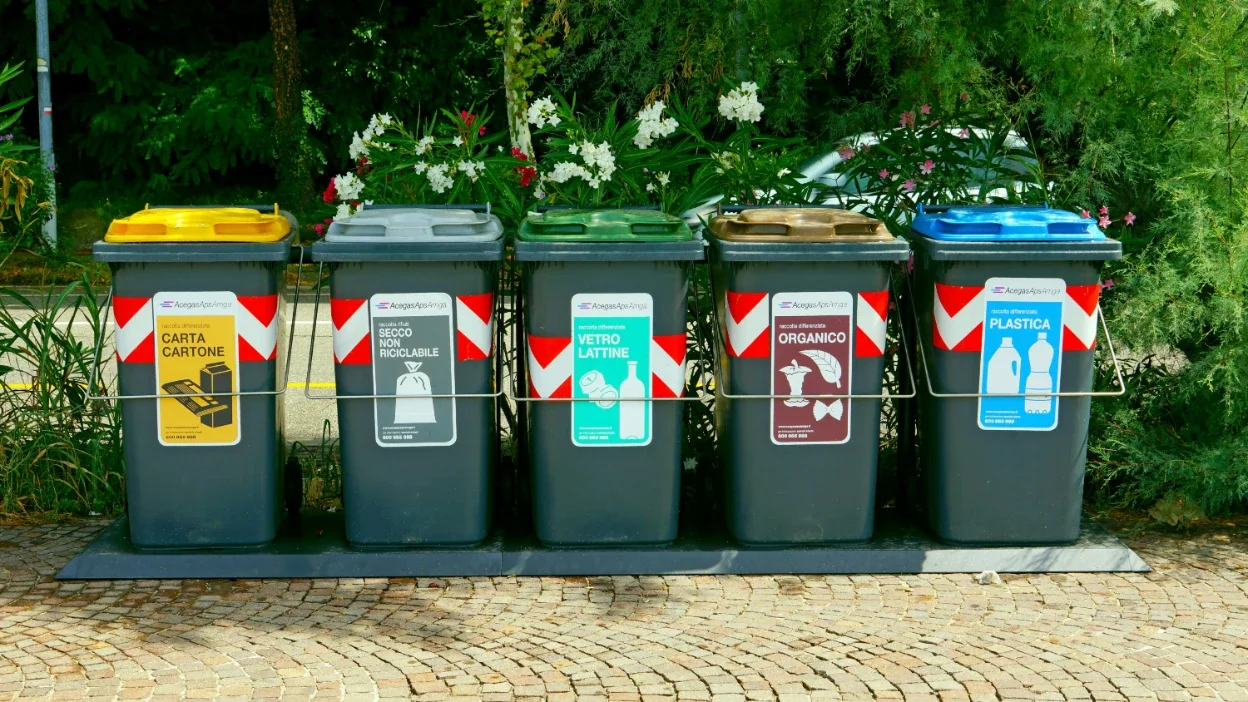
Trash or recycle covers items that no longer serve any purpose and should leave immediately.
Donate or sell includes useful items that deserve homes with people who'll actually use them.
The Calm Organizing Process
Now let's get into the actual work, stress-free style.
Starting Small and Specific
Don't try to tackle everything simultaneously. Choose one small area to begin. Your desk surface makes an excellent starting point since you interact with it constantly and improvements there feel immediately rewarding.
Clear everything off your chosen surface. Yes, everything. Place items temporarily on the floor or another surface so you can see and clean the actual desk.
Work through each item one at a time, making quick decisions about which category it belongs to. Set a timer if helpful, giving yourself perhaps five seconds per item to avoid overthinking.
The Five-Minute Rule
When you encounter something that can be properly handled in five minutes or less, do it immediately rather than creating another pile.
That form that just needs a signature? Sign it now. The receipt that belongs in your files? File it now. The pen that goes in the drawer? Put it away now.
This approach prevents the regeneration of clutter as fast as you clear it.
Processing Paper Piles
Paper deserves special attention since it causes the most office chaos for most people.
Create three physical piles as you sort through accumulated papers. Action items require you to do something. Reference materials need filing for future access. Trash includes everything else, which is usually most of it.
Be ruthless about what truly needs keeping. Most papers can be recycled because the information exists elsewhere, is outdated, or was never that important to begin with.
Scan important documents and store them digitally rather than maintaining extensive physical files. Cloud storage takes up zero desk space.
How to Organize a Messy Office Without Stress: Creating Sustainable Systems
Organization only lasts if your systems match how you actually work.
Designing for Your Brain
Some people think visually and work best when they can see everything. Others feel overwhelmed by visible items and prefer everything hidden behind doors and in drawers.
Neither approach is wrong. The right system is whichever one you'll actually maintain.
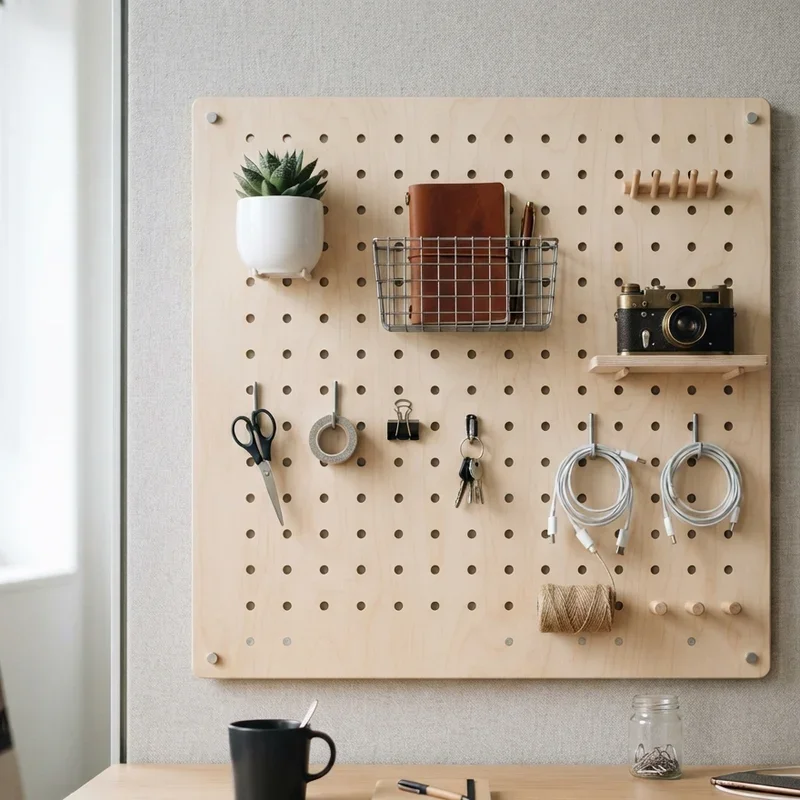
If you're a visual person, clear containers, open shelving, and bulletin boards might work better than traditional filing cabinets. If you prefer minimal visual noise, invest in storage that completely conceals contents.
Creating Homes for Everything
Every object in your office needs a designated home. When items have specific places, putting them away requires zero decision-making, which means you'll actually do it.
Group similar items together in logical locations. Supplies used daily belong within arm's reach. Rarely needed items can live in closets or less accessible spots.
Label everything, even if it seems obvious. Labels reinforce the system and help anyone else who might need to find things in your space.
Building Buffer Zones
Create designated landing spots for incoming items that need processing. An inbox tray for incoming papers, a basket for items that need relocating elsewhere, and a specific spot for things requiring decisions prevents scattered accumulation.
The key is regularly processing these holding areas. Schedule brief daily or weekly sessions to empty your buffers before they overflow.
Zone-by-Zone Organization Strategies
Different office areas require different approaches.
Desk Surface Solutions
Your desk surface should contain only items used daily or the current project you're actively working on. Everything else belongs elsewhere.
Consider the workflow across your desk. Arrange items so you can move through tasks without constantly reaching across your workspace or knocking things over.
Keep one clear zone for active work. This sacred space stays empty except for whatever you're currently doing, providing focus and reducing visual distraction.
Drawer Organization
Drawers become black holes without internal structure. Dividers, small containers, or drawer organizers create compartments that keep things separated and findable.
Apply the same daily-use principle here. Top drawers should hold frequently accessed items, while lower drawers can store less essential supplies.
Don't let junk drawers form. If you can't identify what category a drawer contains, you have a problem needing attention.
Shelf and Storage Management
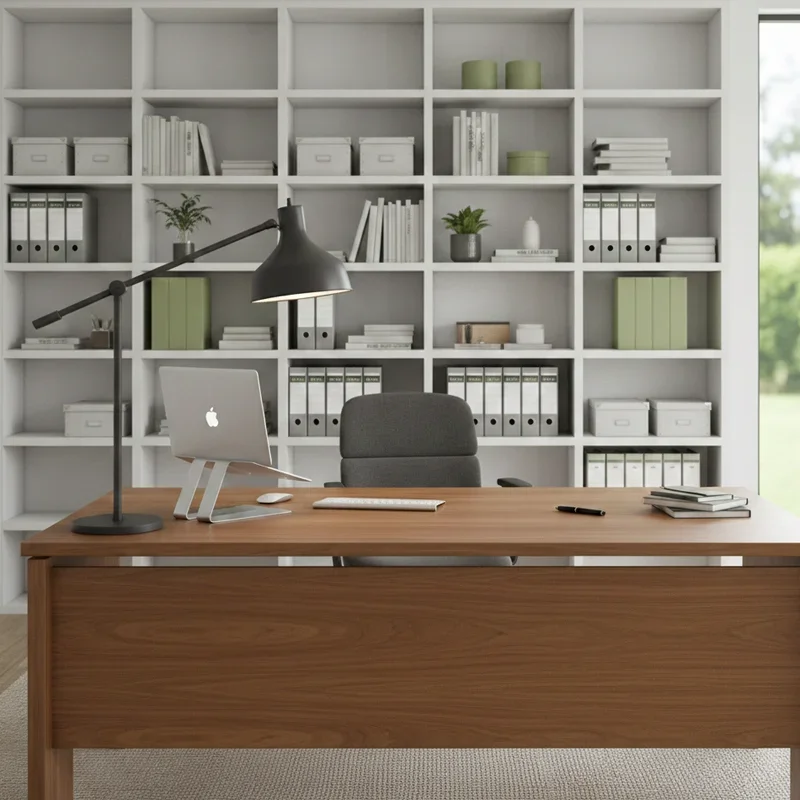
Shelves display what you deliberately choose while concealing what doesn't need visibility. Use this distinction intentionally.
Group items by category rather than size or appearance. All your reference books belong together, even if they're different heights. All your project materials belong together, even if they come in different containers.
Leave some empty space on shelves. Cramming every inch full makes finding things difficult and puts pressure on already tight systems when new items arrive.
Maintaining Your Organized Office
The real challenge isn't organizing. It's staying organized.
Daily Maintenance Habits
End each workday with a five-minute reset. Return wandering items to their homes, clear your desk surface, and process anything that accumulated in your inbox.
This tiny daily investment prevents the gradual slide back into chaos. It's far easier to maintain organization than to repeatedly recreate it.
Make putting things away part of finishing tasks rather than a separate activity. When you complete a project, immediately return materials to their proper locations before starting something new.
Weekly Check-ins
Schedule a brief weekly review of your office systems. Is anything piling up? Are your systems actually working? Does anything need adjustment?
These check-ins catch small problems before they become big ones. A drawer that's getting overstuffed signals a system that needs tweaking, not a personal failure.
Monthly Purges
Once monthly, do a quick sweep for items that no longer earn their space. That project from three months ago that's still taking up shelf space? Time to archive or discard.
Regular purging prevents gradual accumulation from overwhelming your systems. It's much easier to evaluate a few items monthly than to face a major decluttering project annually.
Dealing with Specific Problem Areas
Some office challenges require targeted solutions.
Cable Management
Modern offices generate shocking amounts of cables. Phone chargers, laptop cords, monitor cables, and mystery wires tangle together under desks.
Use cable management solutions like cord clips, cable sleeves, or simple zip ties to keep wires organized and off the floor. Label each cable at both ends so you can identify them without tracing.
When possible, switch to wireless alternatives. Wireless keyboards, mice, and charging pads reduce cable accumulation significantly.
Digital Clutter
Physical organization means little if your digital workspace remains chaotic. Apply similar principles to your computer files and email.
Create folder structures that mirror your physical organization. Delete or archive files you no longer need. Unsubscribe from emails that just create noise.
Treat your desktop like your physical desk surface. Keep only current projects there, moving completed work to appropriate folders.
Conclusion
Mastering how to organize a messy office without stress transforms overwhelming chaos into manageable progress through consistent small actions rather than exhausting overhauls. The key lies in creating personalized systems matching your actual work patterns, building simple daily maintenance habits, and accepting that organization is an ongoing practice rather than a one-time achievement. Start small, celebrate incremental improvements, and remember that functional always beats perfect. Your calmer, more productive workspace awaits.
Read next: 15 Office Wall Storage Ideas to Maximize Space and Organization
Frequently Asked Questions
1.How long should I spend organizing my office each day?
Twenty minutes daily creates lasting results without overwhelming your schedule or energy reserves effectively.
2.What should I do with items I'm unsure about keeping?
Place uncertain items in a dated box and discard if untouched after three months.
3.How do I prevent my organized office from getting messy again?
Consistent five-minute daily resets and weekly check-ins maintain organization better than occasional major cleanups.
4.Should I organize everything at once or work in sections?
Working in small sections prevents burnout and creates sustainable momentum toward your organizing goals.
5.What's the biggest mistake people make when organizing offices?
Buying organizing products before understanding what systems actually match their work style and needs.
Stay up to date with our latest ideas!