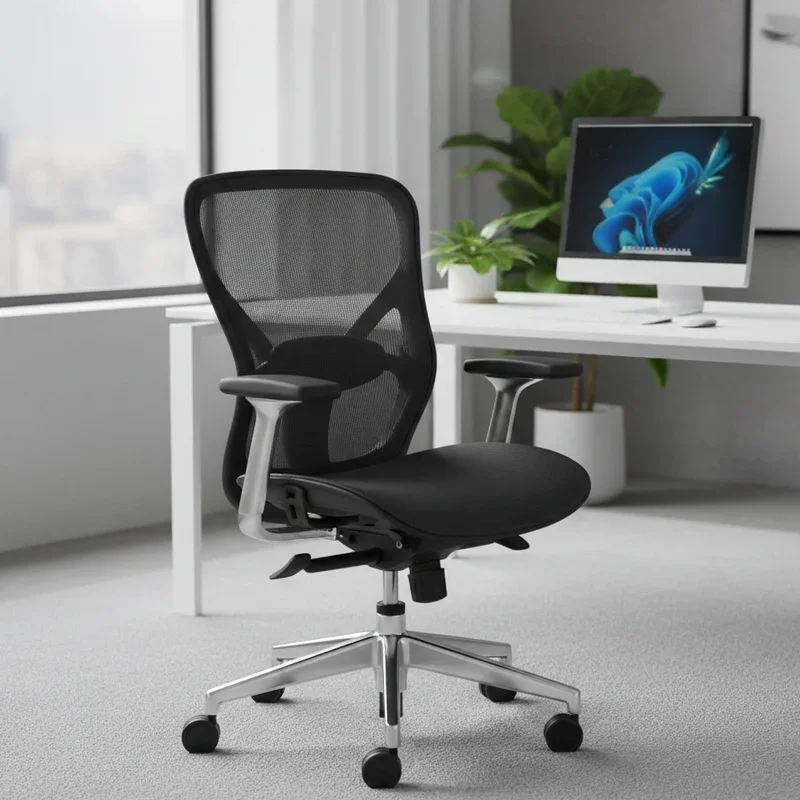
Learn how to stop an office chair from sinking easily with simple DIY fixes. Discover quick solutions and permanent repairs for your chair.
We've all been there. You sit down at your desk, adjust your chair to the perfect height, and start tackling your workload. Everything feels great for about five minutes, and then you notice something unsettling. You're slowly descending toward the floor like you're on the world's slowest, most disappointing elevator ride.
A sinking office chair is one of those frustrations that starts as a minor annoyance and gradually drives you absolutely bonkers. You pump that lever again and again, only to find yourself eye-level with your keyboard ten minutes later. It's exhausting, it's bad for your posture, and honestly, it makes you want to toss the whole chair out the window.
Here's the good news though. You don't need to buy a brand new chair or call in expensive repair services to fix this common problem. Understanding how to stop an office chair from sinking easily can save you significant money while extending the life of furniture you've probably grown quite comfortable in.
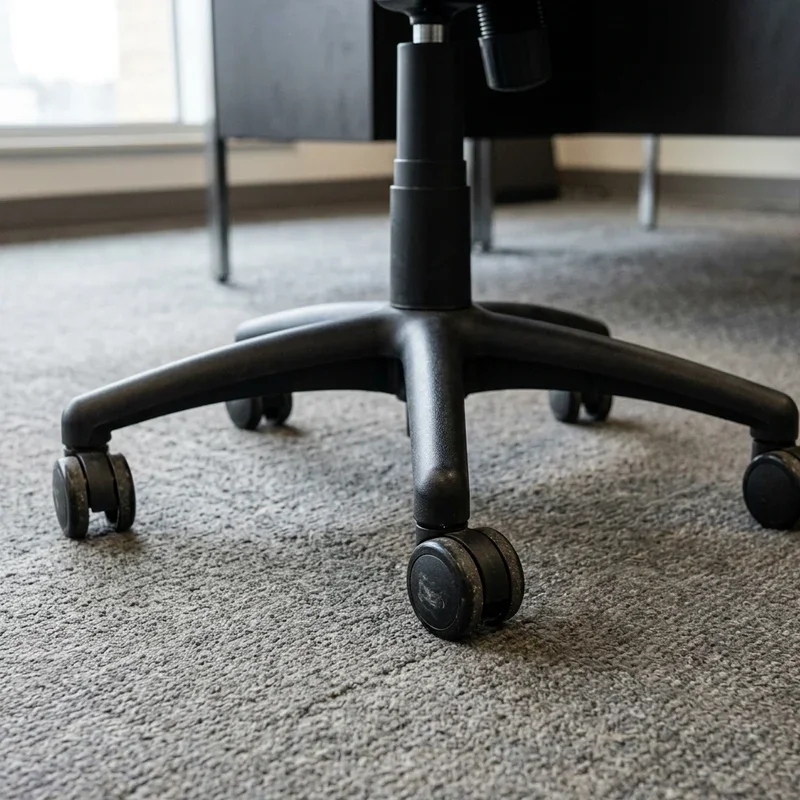
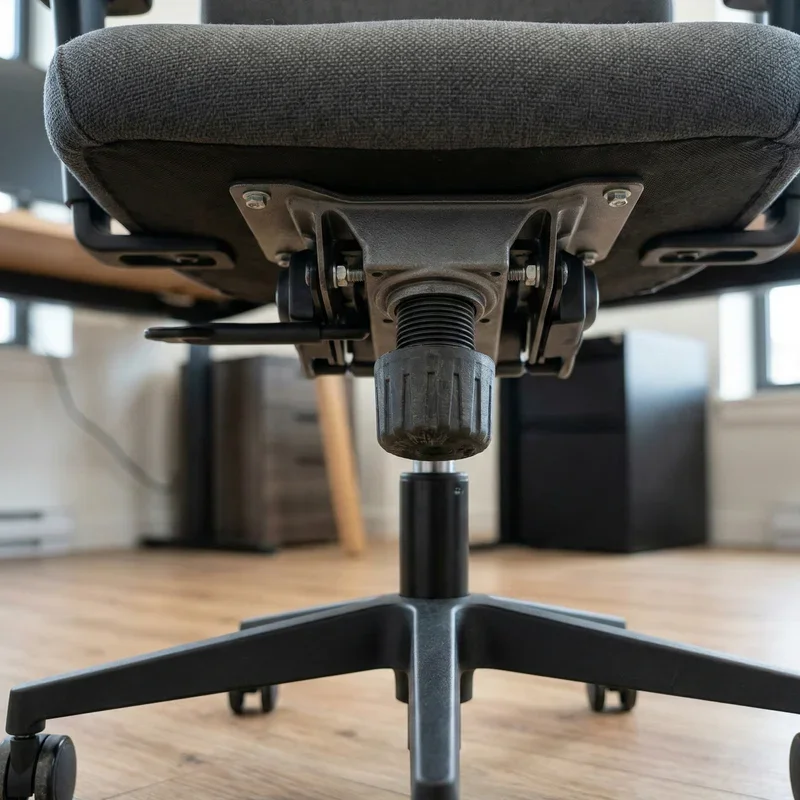
The culprit behind sinking chairs is almost always the pneumatic cylinder, that tube-shaped component connecting your seat to the base. When this cylinder loses its ability to hold pressure, down you go. But fear not, because solutions range from quick temporary fixes you can implement in minutes to permanent repairs that restore full functionality.
This comprehensive guide walks you through every approach to solving your sinking chair woes. Whether you're looking for a fast fix to get through the workweek or want to tackle the problem once and for all, you'll find the answers right here.
Ready to reclaim your proper seating height? Let's get to it.
Understanding Why Chairs Sink
Before fixing the problem, it helps to understand what's actually happening inside that cylinder.
The Pneumatic Cylinder Explained
Your office chair's height adjustment relies on a sealed cylinder filled with compressed gas, typically nitrogen.
When you pull the adjustment lever, you open a valve that allows gas to move between two chambers inside the cylinder. Standing up while pulling the lever lets gas pressure push the seat upward. Sitting down while pulling compresses the gas and lowers you.
The magic happens when you release the lever. A properly functioning cylinder seals off, trapping the gas in whatever position you've chosen. The compressed gas supports your weight and maintains your height.
What Goes Wrong
Like all mechanical components, pneumatic cylinders eventually wear out.
The seals inside the cylinder degrade over time through regular use. Temperature fluctuations, dust, and simple age all contribute to this deterioration. Once seals can no longer maintain an airtight barrier, gas slowly leaks past them.
When gas escapes, the cylinder loses the pressure needed to support your weight. Your body gradually compresses the remaining gas, and down you sink. The cylinder hasn't exactly broken, it's just lost its ability to maintain pressure over time.
Signs of Cylinder Failure
Various symptoms indicate your cylinder is failing.
Gradual sinking over hours or days represents early failure. You might not notice until you realize you're lower than when you started working.
Faster sinking within minutes indicates more advanced seal deterioration. You'll find yourself readjusting frequently throughout the day.
Immediate sinking, where the chair won't hold any height, signals complete failure. At this point, the cylinder offers no resistance whatsoever.
How to Stop an Office Chair From Sinking Easily: Quick Fixes
When you need solutions right now, these methods get the job done fast.
The Hose Clamp Method
This popular fix uses ordinary hardware store clamps to physically prevent sinking.
First, adjust your chair to your desired height. You might need someone to help or use the lever while standing on the seat base to get the cylinder fully extended.
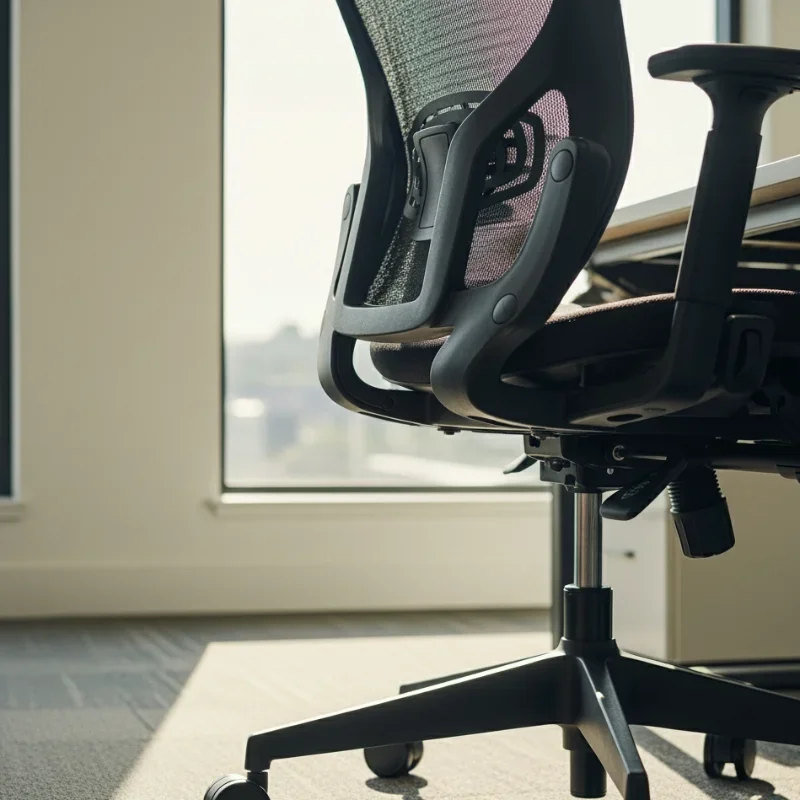
Next, locate the exposed metal cylinder below your seat mechanism. This is the shiny tube that telescopes when you adjust height.
Wrap a hose clamp around this cylinder at the point where it meets the bottom of the seat mechanism. Tighten the clamp firmly using a screwdriver.
The clamp acts as a physical stop, preventing the cylinder from compressing any further. For extra security, add a second clamp directly below the first.
This fix takes about five minutes and costs under five dollars. It's not pretty, but it works remarkably well.
PVC Pipe Solution
A PVC sleeve provides a cleaner-looking version of the clamp method.
Measure your exposed cylinder's length and diameter. Purchase PVC pipe with an inner diameter slightly larger than the cylinder.
Cut the pipe to match the exposed cylinder length. Then cut the pipe lengthwise so you can wrap it around the cylinder like a sleeve.
With your chair adjusted to the right height, position the sleeve around the cylinder. Secure it with zip ties, tape, or hose clamps around the pipe.
The rigid PVC prevents compression while looking more professional than bare metal clamps.
Duct Tape Wrap
In emergencies, duct tape can create enough bulk to prevent sinking.
Build up multiple layers of tape around the cylinder at your desired height point. Keep wrapping until you've created a substantial collar that blocks downward movement.
This isn't a long-term solution since tape deteriorates and can slip over time. But it'll get you through a crisis until you can implement something more permanent.
How to Stop an Office Chair From Sinking Easily: Permanent Solutions
For lasting repairs, these approaches restore proper function.
Cylinder Replacement
The most complete fix involves installing a new pneumatic cylinder.
Replacement cylinders cost between fifteen and fifty dollars depending on quality and specifications. Online retailers and office supply stores stock universal replacements that fit most chairs.
Before purchasing, measure your existing cylinder. Record the total length, piston diameter, and check the attachment style at both ends.
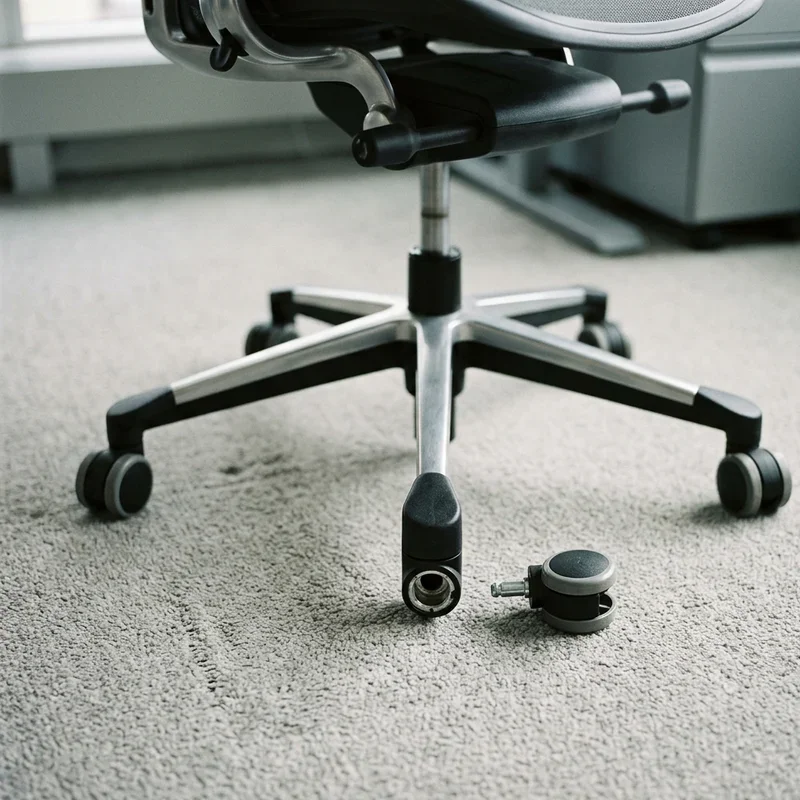
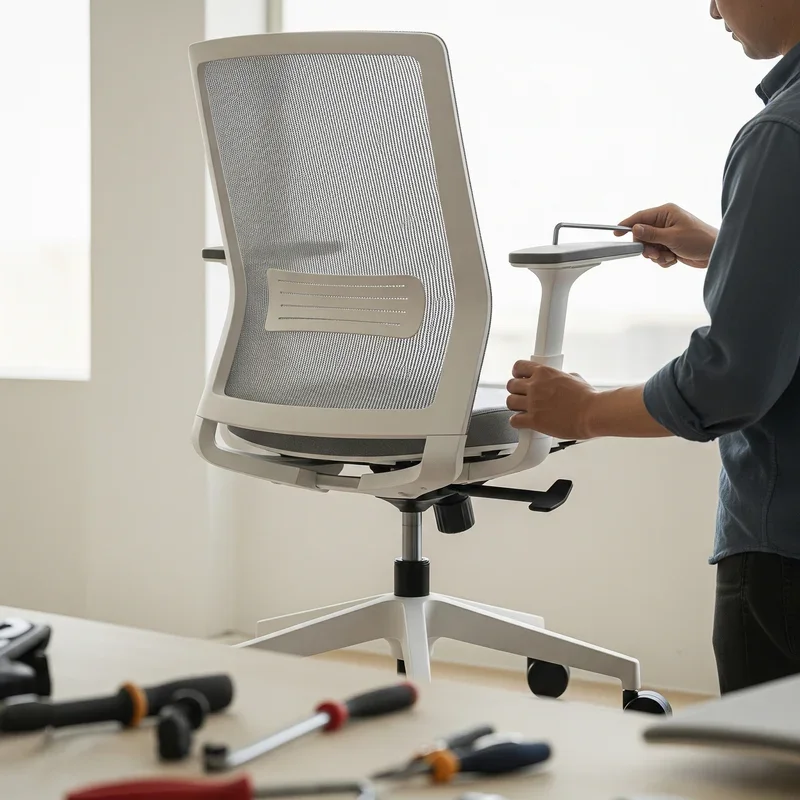
Removal requires separating the old cylinder from both the chair base and seat mechanism. Turn the chair upside down and use a rubber mallet to strike the chair base while pulling on the cylinder. This separates the friction fit at the bottom.
The top connection to the seat mechanism might require a pipe wrench or specialized cylinder removal tool. Some cylinders pull straight out while others need more persuasion.
Install the new cylinder by inserting it into the seat mechanism and pressing the chair base onto the bottom. Body weight typically seats these connections adequately.
Professional Repair Services
If DIY replacement seems daunting, professionals handle this repair routinely.
Office furniture repair companies charge thirty to seventy-five dollars for cylinder replacement including parts and labor. The service typically includes diagnosis of any other issues.
Some office supply retailers offer chair repair services at reasonable rates. Call ahead to confirm availability.
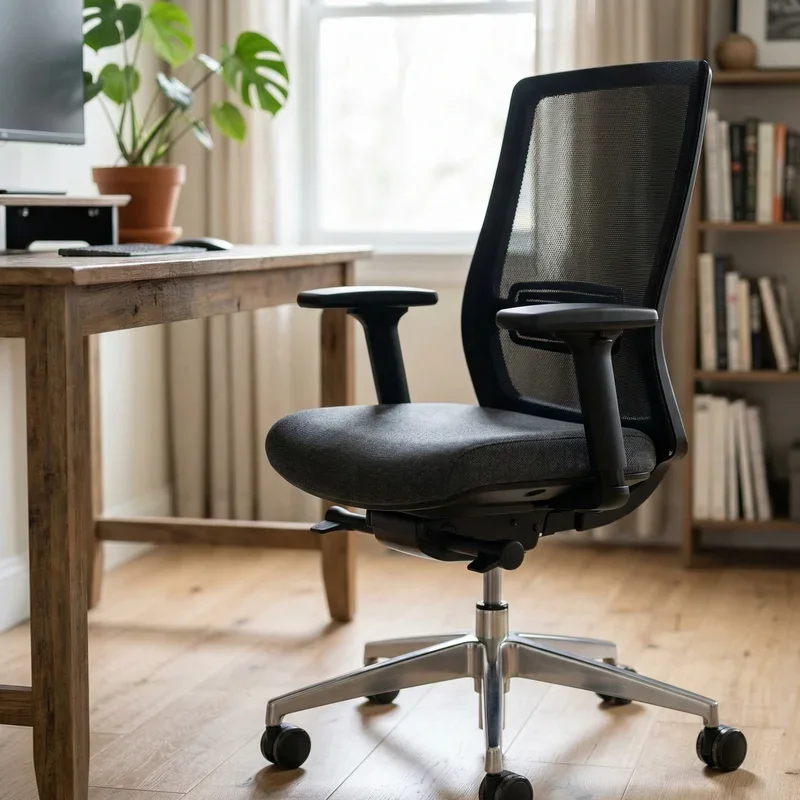
Professional repair makes sense for expensive ergonomic chairs where proper installation matters for warranty and performance.
Temporary Height Boosters
Sometimes you just need to raise your seating position while living with a compromised cylinder.
Chair Riser Platforms
Commercial furniture risers elevate your entire chair by several inches.
These plastic or wooden platforms sit under your chair base, effectively adding height that compensates for a fully sunk cylinder.
Risers come in various heights and weight capacities. Ensure you select ones rated for office chair use, as regular furniture risers may not handle the dynamic loads of sitting and rolling.
Seat Cushions
A thick cushion raises your sitting position without addressing the mechanical issue.
High-density foam cushions add two to four inches of seating height while often improving comfort. Memory foam options provide both height and pressure relief.
Cushions work particularly well if your chair has other minor issues that make replacement or repair questionable investments.
DIY Blocks
Sturdy wooden blocks under the chair base create a makeshift riser system.
Cut blocks from dimensional lumber to a uniform height. Position them under the chair base spokes to elevate the entire assembly.
Ensure blocks are stable and won't shift during use. Connecting them to a plywood base creates a more secure platform.
Maintenance and Prevention
Extending your cylinder's life beats dealing with failures.
Weight Considerations
Exceeding your chair's weight rating accelerates cylinder wear significantly.
Every chair has a rated capacity based on its cylinder and construction. Heavier users should specifically seek chairs with reinforced cylinders designed for higher weight loads.
Staying within rated capacity reduces strain on seals and extends cylinder lifespan.
Usage Patterns
How you use the height adjustment affects longevity.
Constantly adjusting height works the cylinder harder than setting it once and leaving it. Find your optimal position and minimize unnecessary changes.
Dropping heavily into your chair creates impact stress on cylinder seals. Sitting down gently extends component life.
Environmental Factors
Temperature extremes and dust affect pneumatic cylinders.
Very cold environments can cause temporary stiffness while extreme heat may accelerate seal deterioration. Climate-controlled offices are gentler on chair components.
Keep the cylinder area reasonably clean. Dust and debris can work into seals and contribute to leakage.
Regular Inspection
Catching problems early allows proactive maintenance.
Check cylinder function periodically by adjusting height and watching for any sinking over time. Early detection means more options for addressing issues.
Tighten any loose connections between the cylinder, base, and seat mechanism. Loose fittings put additional stress on the cylinder.
Choosing Replacement Cylinders
When purchasing a new cylinder, several factors determine success.
Sizing Specifications
Correct measurements ensure proper fit and function.
Measure your existing cylinder's extended length, collapsed length, and diameter. Match these specifications closely to your replacement.
Universal cylinders often come in multiple size ranges. Select the range matching your measurements rather than assuming one-size-fits-all.
Weight Ratings
Different cylinders support different loads.
Standard cylinders typically handle users up to 250 pounds. Heavy-duty options rated for 300 pounds or more suit larger individuals.
Choosing a cylinder rated well above your actual weight provides safety margin and extended lifespan.
Quality Levels
Price often reflects durability and performance.
Budget cylinders might work but often fail again within a year or two. Mid-range options offer better longevity for reasonable prices.
Premium cylinders from known manufacturers provide the longest service life and often include warranties.
Cost-Benefit Analysis
Deciding between repair and replacement requires honest evaluation.
When to Repair
Repair makes sense for quality chairs with cylinder-only issues.
If your chair is comfortable, ergonomically sound, and otherwise in good condition, spending thirty to fifty dollars on a new cylinder makes obvious sense.
High-end ergonomic chairs costing hundreds of dollars definitely warrant cylinder replacement rather than complete chair replacement.
When to Replace
Sometimes a new chair is the smarter investment.
Budget chairs approaching five years of heavy use may have multiple issues beyond the cylinder. Worn foam, broken armrests, and degraded fabric add up.
If cylinder replacement costs exceed one-third of a new comparable chair's price, replacement might be more economical.
The Middle Ground
Temporary fixes buy time for decision-making.
Hose clamps or PVC sleeves can keep you comfortable for months while you evaluate whether repair or replacement makes more sense.
This approach prevents panic purchases while allowing thoughtful consideration of your options.
Conclusion
Understanding how to stop an office chair from sinking easily transforms a frustrating daily annoyance into a manageable repair project. From quick hose clamp fixes taking minutes to complete cylinder replacement restoring full functionality, solutions exist for every skill level and budget. The key is matching your approach to your chair's overall condition and value. Quality chairs deserve proper repair while aging budget models might warrant replacement. Whatever path you choose, there's no need to suffer through another day of slowly sinking toward the floor.
Read next: 15 Boho Office Ideas for a Relaxed Creative Space
Frequently Asked Questions
1.How much does it cost to replace an office chair gas cylinder?
Replacement cylinders typically cost fifteen to fifty dollars, with installation adding another twenty to forty.
2.Can I fix a sinking office chair without replacing the cylinder?
Yes, hose clamps, PVC sleeves, and other physical stops prevent sinking without cylinder replacement effectively.
3.How long do office chair cylinders typically last before failing?
Quality cylinders last five to ten years under normal use, though heavy use shortens this lifespan.
4.Will a universal replacement cylinder fit my specific office chair?
Most universal cylinders fit standard chairs, though measuring your existing cylinder ensures compatibility first.
5.Is it worth repairing an old office chair or should I buy new?
Repair quality chairs with good frames, but replace budget models where repairs exceed one-third replacement cost.
Stay up to date with our latest ideas!