How to Make an Office Chair Taller Easily
Learn how to make an office chair taller easily with proven methods, quick DIY fixes, and smart upgrades for better posture.
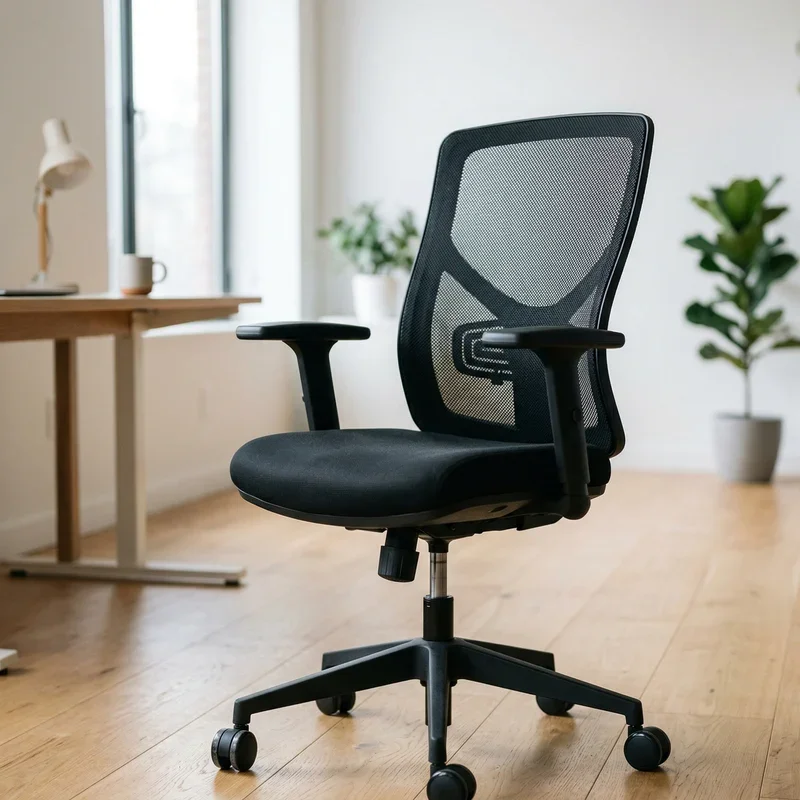
You have settled into your desk, coffee in hand, ready to power through the workday. But something feels off. Your knees are practically touching your chin, your arms reach upward at an awkward angle, and your shoulders hunch forward like you are trying to curl into a ball. That sinking feeling when you realize your chair sits way too low for comfortable work is all too familiar.
This annoying situation affects people in home offices and corporate workspaces alike. Whether you have just moved to a taller desk, grown a few inches during a teenage growth spurt, or simply inherited a chair that was never the right fit, sitting too low creates problems that pile up fast.
Here is the good news though. Most chair height problems have straightforward solutions, many of which you can handle yourself without spending a fortune or calling in a furniture specialist. Knowing what options exist inside that adjustable mechanism and beyond helps you decide whether a quick tweak or a bigger upgrade makes the most sense.
Understanding how to make an office chair taller easily gives you the power to fix your setup and potentially avoid expensive new purchases. From simple adjustments like using the built-in lever to more creative approaches involving cushions and risers, this complete guide walks you through every option worth considering.
Ready to stop slouching and start sitting at the right height? Let us get into it.
Pneumatic Cylinder Adjustments
Standard office chairs have built-in height mechanisms that commonly need attention.
Using the Height Adjustment Lever
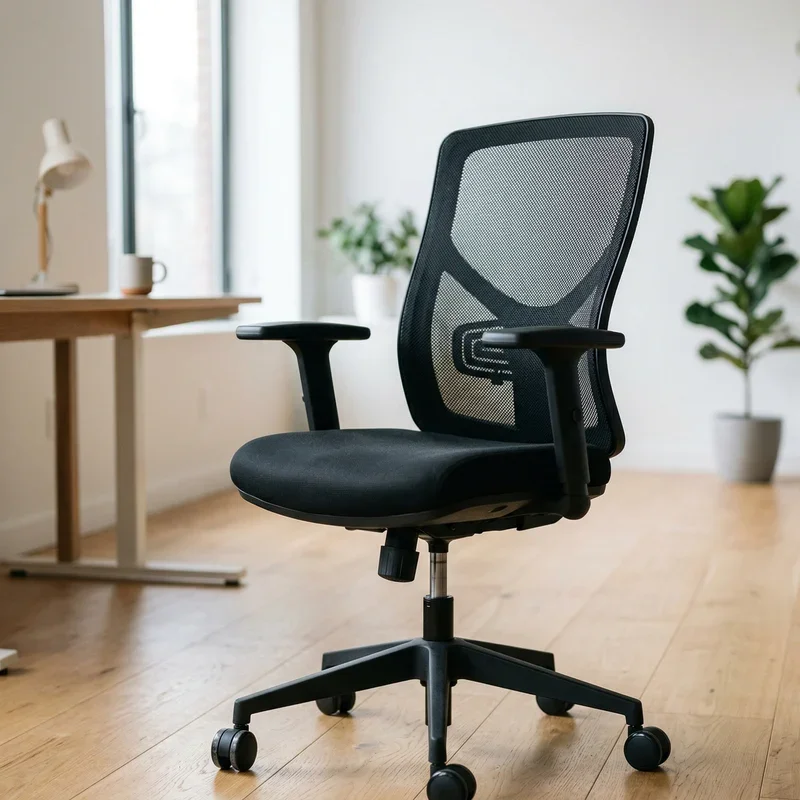
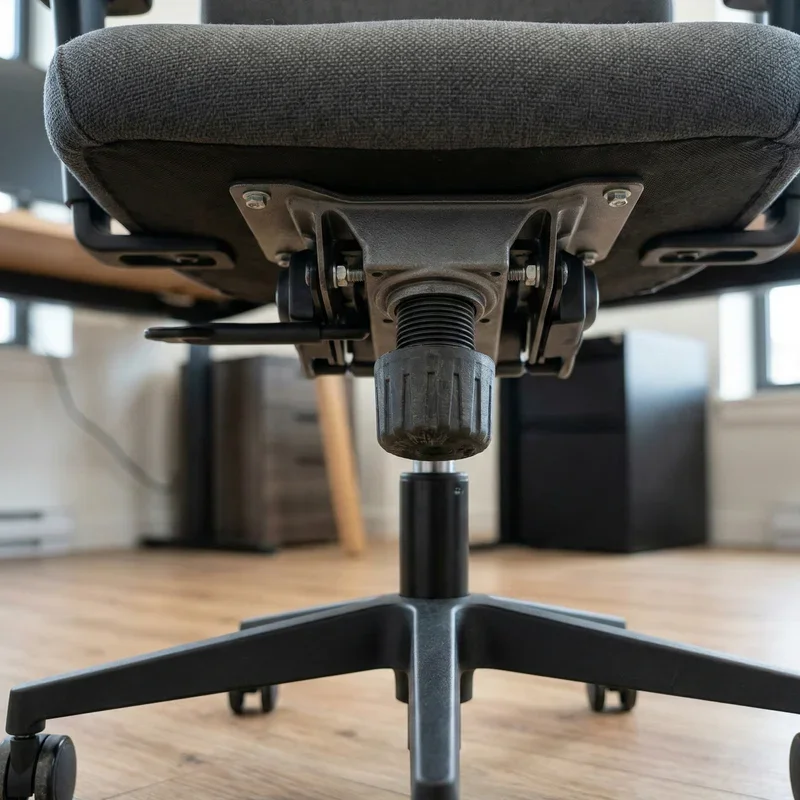
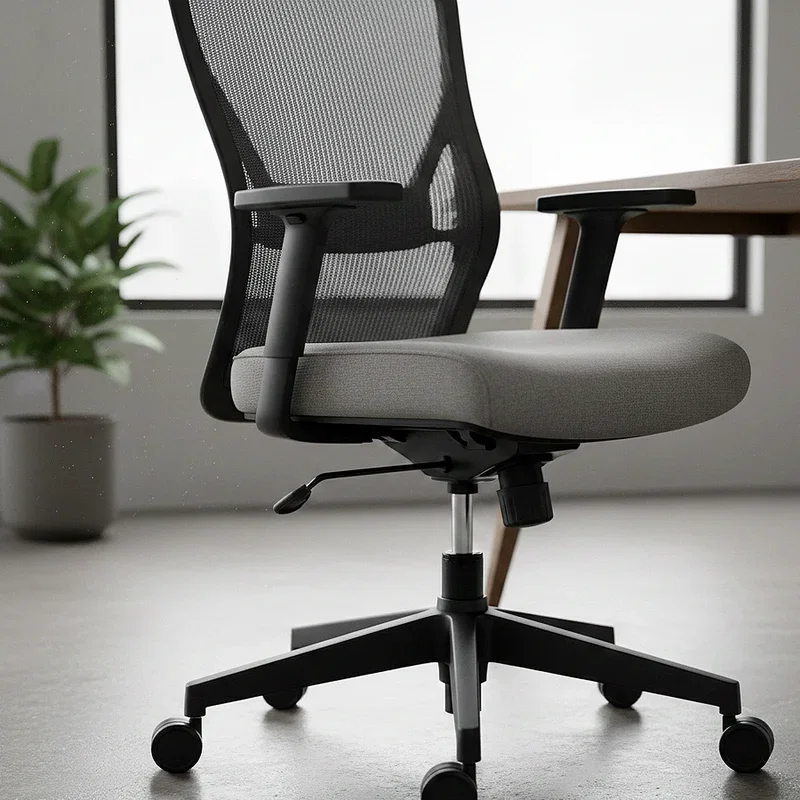
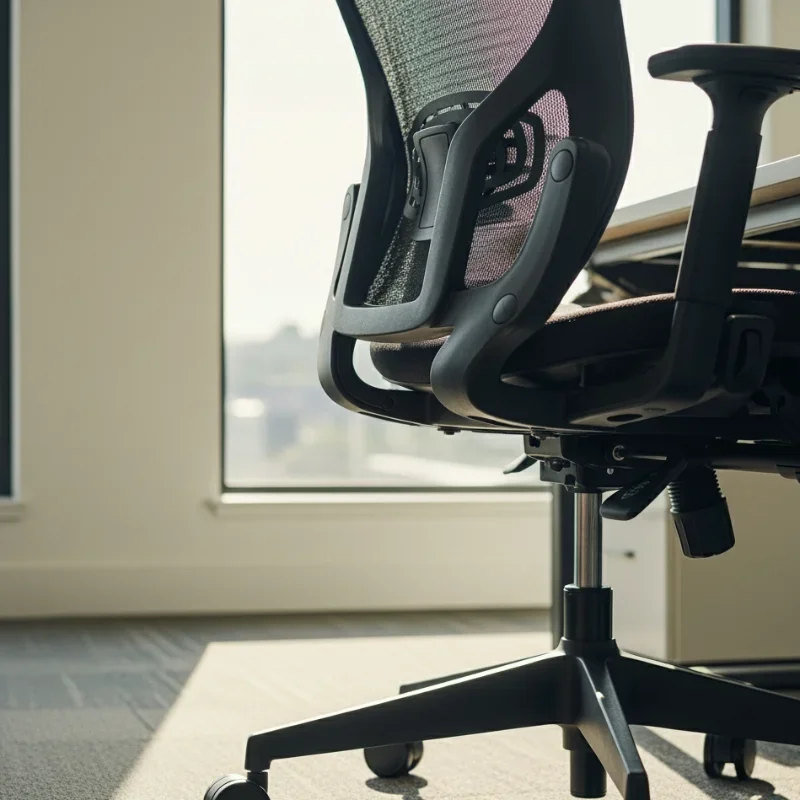
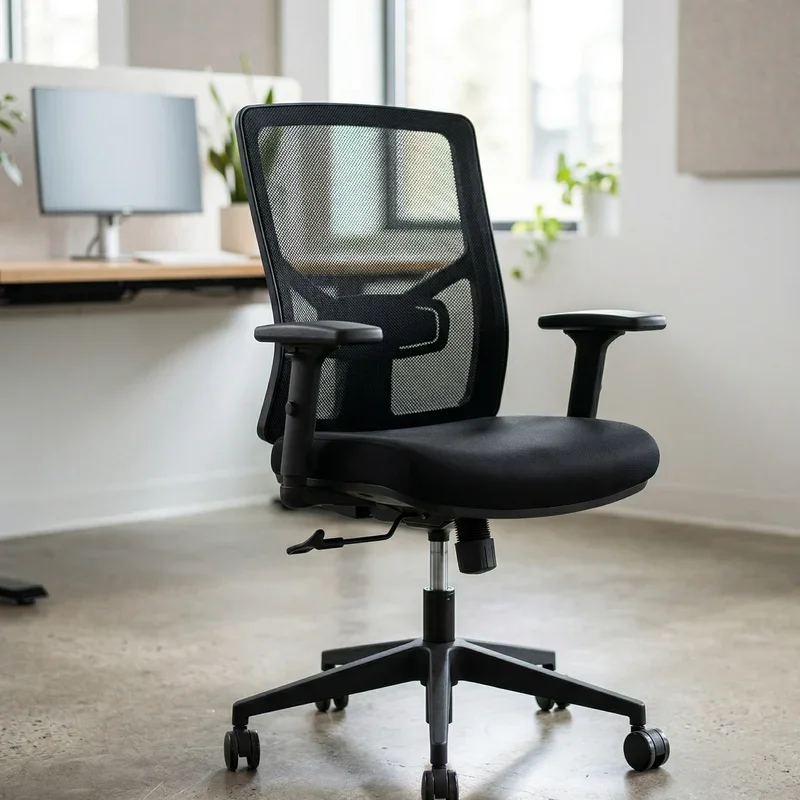
The gas lift lever underneath your seat is the first place to look when your chair feels too short. Pulling this lever while standing allows the pneumatic cylinder to extend, raising the seat height. Most people set their chair once and forget about it, never realizing they have got extra inches available. Check your current setting before assuming you need other solutions. Sometimes a simple lever pull while standing gives you the boost you have been looking for all along.
Replacing a Worn Cylinder
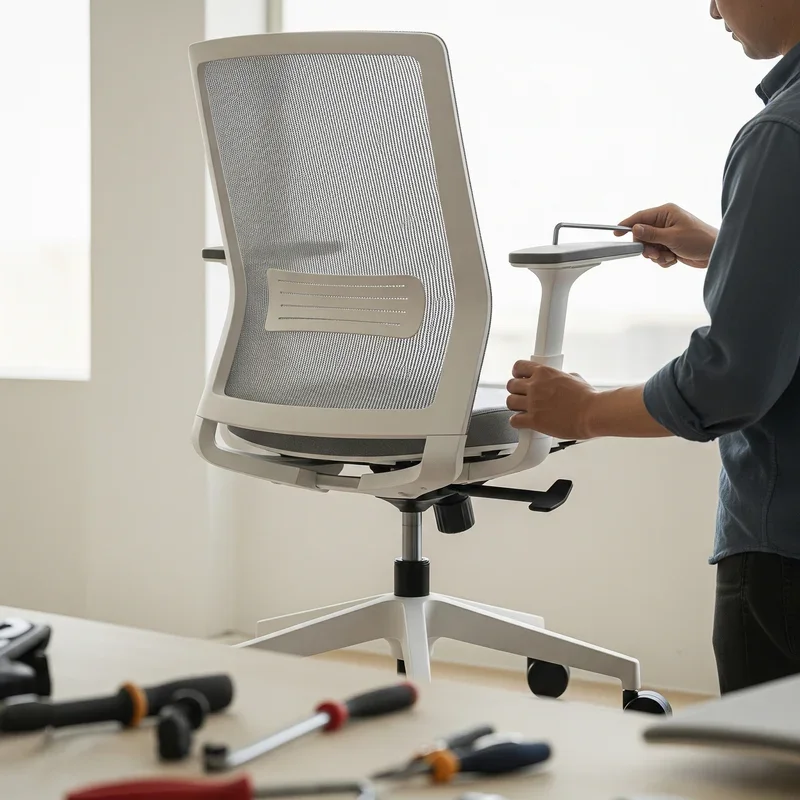
Over time, gas cylinders lose their ability to hold position and slowly sink throughout the day. A replacement cylinder is affordable and comes in various lengths, giving you a chance to upgrade to a taller option. Installation requires basic tools like a rubber mallet and pipe wrench. Match the cylinder diameter to your chair base before purchasing. Most replacement jobs take about twenty minutes from start to finish.
Choosing the Right Cylinder Height
Replacement cylinders come in different stroke lengths, which determines the range of height adjustment. Standard cylinders offer around four to five inches of travel. Heavy-duty and extended versions provide additional range for taller individuals or higher desks. Measure your current cylinder length before ordering. Getting the right fit ensures smooth operation and proper weight support for years of comfortable use.
Cylinder Class and Weight Capacity
Gas cylinders carry different class ratings that indicate their weight capacity and build quality. Class 3 cylinders handle standard use while Class 4 options support heavier loads with greater durability. Choosing the correct class prevents premature wear and the frustrating sinking problem. Check your chair manufacturer's recommendations for compatible cylinder specifications. Investing in a quality cylinder saves you from repeating this fix sooner than expected.
How to Make an Office Chair Taller Easily with Cushions and Pads
Seat cushions offer a simple and effective way to add height without any tools.
Seat Cushion Options
A thick, firm seat cushion can add two to four inches of height instantly. Memory foam options designed specifically for office chairs maintain their shape under daily use and provide genuine ergonomic support. Look for cushions with non-slip bottoms that grip the seat surface and prevent sliding around. Avoid soft decorative pillows that compress quickly and leave you right back where you started within a week.
Wedge Cushion Benefits
Wedge-shaped cushions deserve special attention because they serve double duty. They add height at the back while tilting your pelvis gently forward, which encourages better spinal alignment naturally. This forward tilt reduces pressure on your lower back and promotes an active sitting posture. Wedge cushions come in various thicknesses, making it easy to find one that adds exactly the height you need.
Gel and Hybrid Pads
Gel seat pads combine height addition with superior pressure distribution across your sitting surface. Hybrid designs layer gel over foam for both comfort and structural support throughout long workdays. These options work especially well for people who spend eight or more hours seated daily. Temperature-regulating gel also prevents the heat buildup that pure foam cushions sometimes cause during extended sitting sessions.
Stacking Considerations
Adding too much cushion height can create instability and actually worsen your ergonomic situation. Generally, staying at or below four inches of added cushion height keeps things stable and safe. Wider cushion bases provide better balance than narrow ones at greater heights. If you need more than four inches, consider combining a moderate cushion with other methods described in this guide.
Chair Risers and Platform Solutions
Physical platforms underneath your chair raise the entire setup evenly.
Platform Risers
Platform-style risers sit beneath the entire chair base, lifting everything uniformly by a set amount. They come in wood, heavy-duty plastic, and industrial rubber materials. The advantage here is that your chair maintains its natural balance and feel since every component rises together. Look for risers with edge lips or grooves designed to keep caster wheels from rolling off during use.
Individual Leg Extensions
For chairs without wheels, individual leg extensions slip over or attach to each chair leg separately. These work particularly well for wooden chairs and older models lacking pneumatic adjustment. Ensuring uniform height across all extensions is critical because even small differences create annoying wobble. Measure carefully and test stability before committing to daily use.
Caster Wheel Upgrades
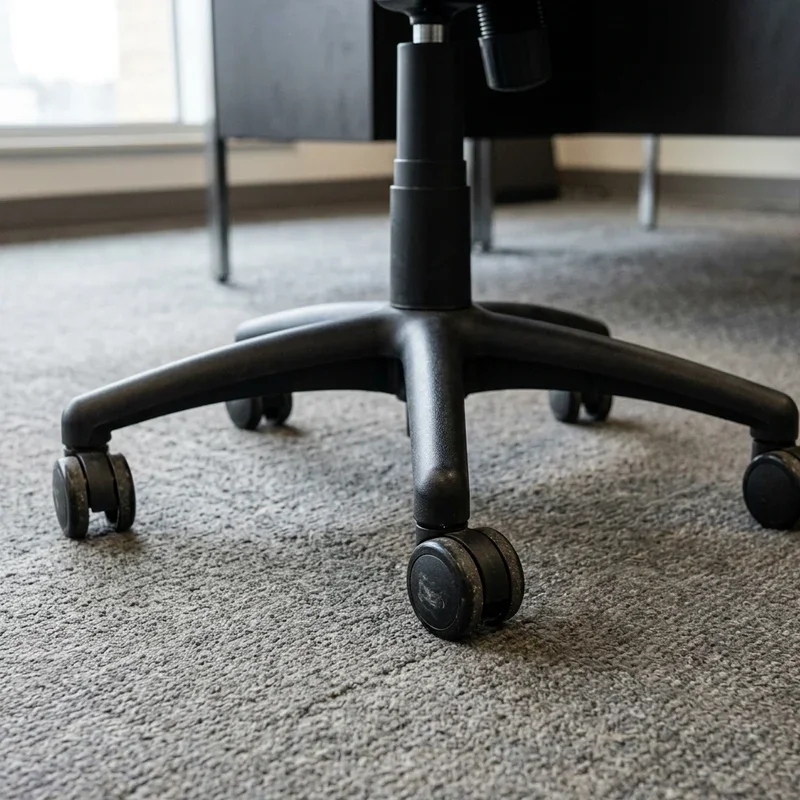
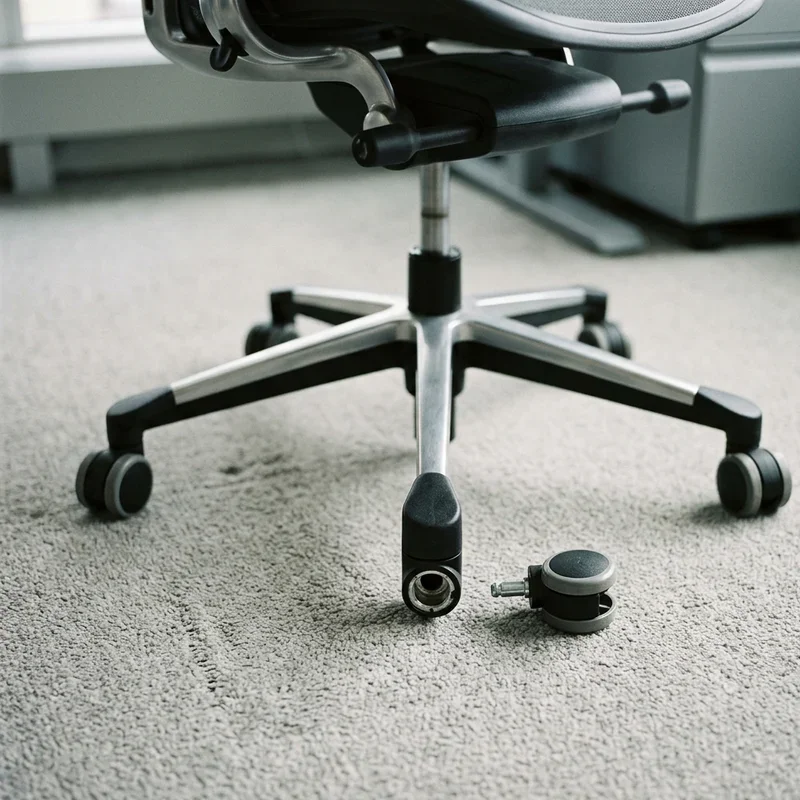
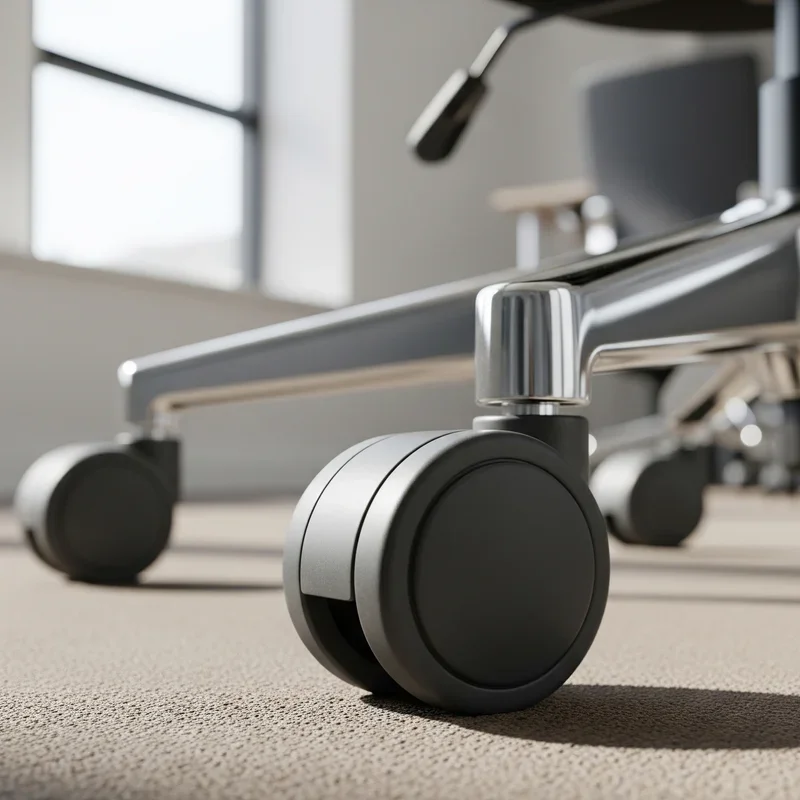
Swapping standard casters for larger diameter wheels is a clever way to gain height while improving chair mobility. Larger wheels roll more smoothly over carpet and uneven flooring surfaces. Rollerblade-style casters are popular upgrades that typically add half an inch to a full inch of height. Check stem size compatibility with your chair base before purchasing replacement casters.
Furniture Risers as Alternatives
Heavy-duty furniture risers designed for beds and couches sometimes work for stationary office chairs too. These are readily available at most home improvement stores and come in stackable designs. They work best for chairs that stay in one position rather than rolling chairs. Stability testing is essential since these products were not originally designed for seating applications.
How to Make an Office Chair Taller Easily Through DIY Methods
Creative homemade solutions can bridge the gap while you search for permanent fixes.
PVC Pipe Extensions
Cut PVC pipe sections to your desired height and fit them snugly over each chair leg for an affordable custom solution. Sand all edges smooth to prevent floor scratching and secure with adhesive or hose clamps. This approach costs almost nothing and gives you precise control over added height. A quick trip to any hardware store gets you everything you need for the project.
Wooden Block Risers
Cut wooden blocks to uniform dimensions and attach them securely to the bottom of chair legs for a sturdy permanent solution. Sand and finish the blocks to protect your flooring surfaces. Wood provides excellent stability and can handle significant weight without compressing over time. This method works especially well for heavy chairs that need solid, reliable support underneath.
Tennis Ball Hack
Cutting tennis balls in half and placing them under each chair leg adds roughly an inch of height in a pinch. The rubber material grips flooring naturally and prevents sliding. This is not the prettiest solution by any stretch, but it works surprisingly well as a temporary measure. Consider it your emergency fix while waiting for something more permanent to arrive.
Desk Adjustments as an Alternative
Sometimes the desk height is the real problem, not the chair.
Adjustable Desk Options
Standing desk converters and fully adjustable desks let you match your work surface to your chair rather than the other way around. Prices have dropped considerably in recent years, making these accessible to most budgets. Electric models allow precise height adjustment at the push of a button. This approach solves the root problem when your desk is simply too tall for any reasonable chair height.
Keyboard Tray Solutions
An under-desk keyboard tray effectively lowers your typing surface by several inches without changing desk height at all. This works beautifully when your chair is close to the right height but not quite there. Installation is straightforward with most models clamping directly to the desk underside. Sliding tray designs also free up valuable desktop real estate.
Setting Up Your Final Configuration
After making height adjustments, fine-tuning the rest of your workspace ensures everything works together properly.
Your monitor's top edge should sit at or slightly below eye level
Elbows should bend at roughly 90 degrees while typing
Feet need to rest flat on the floor or on a supportive footrest
Two to three finger widths of space should exist between your seat edge and the backs of your knees
Lower back support should match the natural curve of your spine
Dialing in all these details transforms a workable setup into one that genuinely supports your health and productivity throughout the entire day.
Preventive Tips for Maintaining Chair Height
Regular attention helps keep your chair at the proper height over time.
Monitor Cylinder Performance
Pay attention to gradual sinking throughout the day, which signals a failing gas cylinder. Catching this early lets you plan a replacement before the chair becomes unusable. Mark your ideal height on the cylinder shaft to track any changes over weeks and months.
Cushion Maintenance
Rotate and flip seat cushions regularly to prevent uneven compression that reduces effective height over time. Replace cushions when they no longer spring back to their original thickness after sitting. Quality cushions typically maintain their height for one to two years of daily use.
Regular Ergonomic Check-ins
Reassess your workspace setup every few months or whenever something feels off. Body changes, new desk accessories, and seasonal footwear differences all affect your ideal chair height. Quick adjustments keep small problems from becoming chronic discomfort issues.
Conclusion
Learning how to make an office chair taller easily opens up a range of practical solutions for anyone dealing with a seat that sits too low. From leveraging built-in pneumatic adjustments and adding quality cushions to installing risers or swapping out gas cylinders, the right fix depends on your specific situation and budget. Regular maintenance and periodic ergonomic assessments keep your setup comfortable long after the initial adjustment, so you can focus on your work instead of your aching back.
Read next: How to Stop Office Chair From Going Down
Frequently Asked Questions
1.Can I replace a gas cylinder on any office chair?
Most standard office chairs accept universal replacement cylinders, but verify diameter compatibility before purchasing.
2.How much height does a seat cushion typically add?
Quality office chair cushions generally add between two and four inches of usable seat height.
3.Will chair risers damage my flooring over time?
Choose risers with rubber or felt padding on the bottom to protect floors from scratches.
4.Is it better to raise my chair or lower my desk?
Both work, but adjusting whichever option costs less and disrupts your setup the least wins.
5.How often should I check my office chair height settings?
Reassess your chair height every three months or whenever you notice discomfort during your workday.
Stay up to date with our latest ideas!