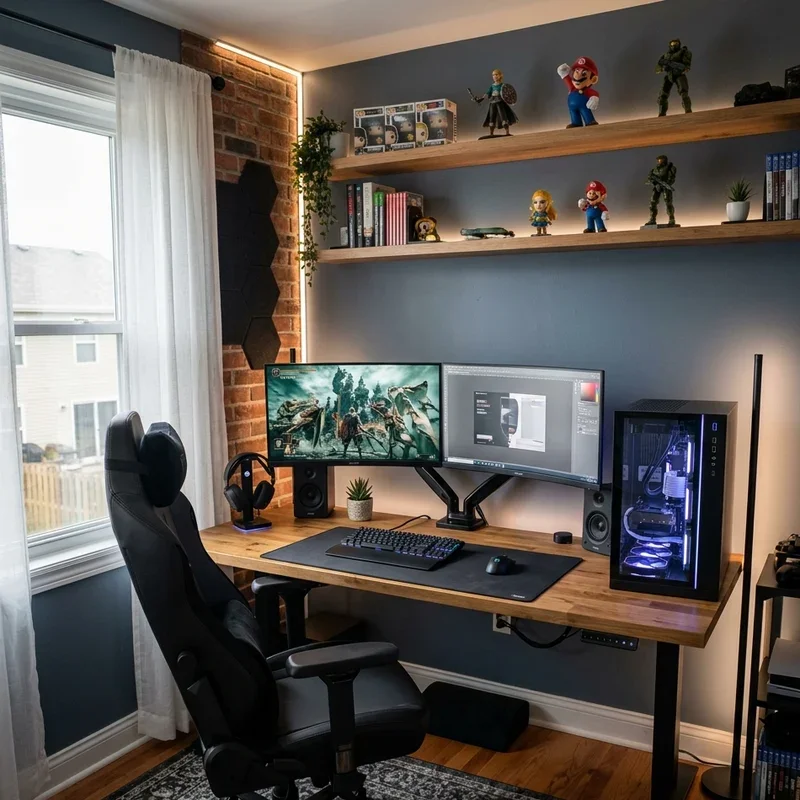
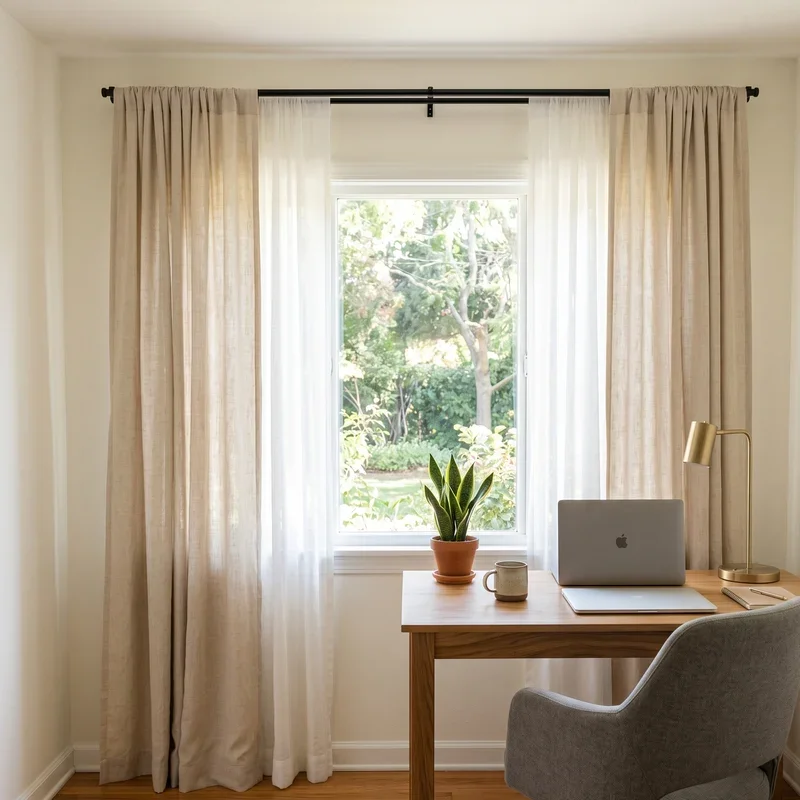
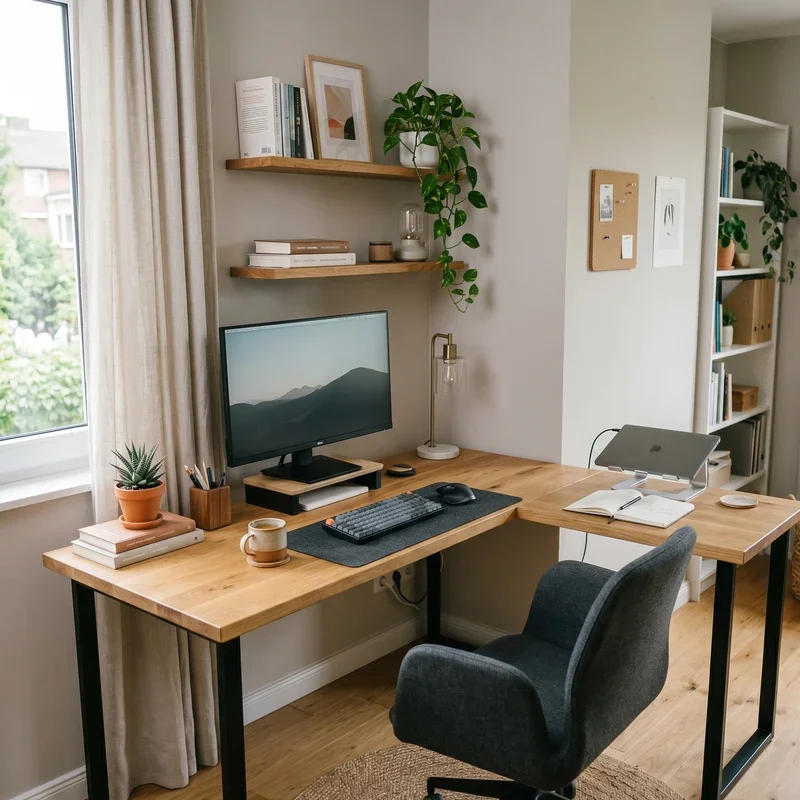
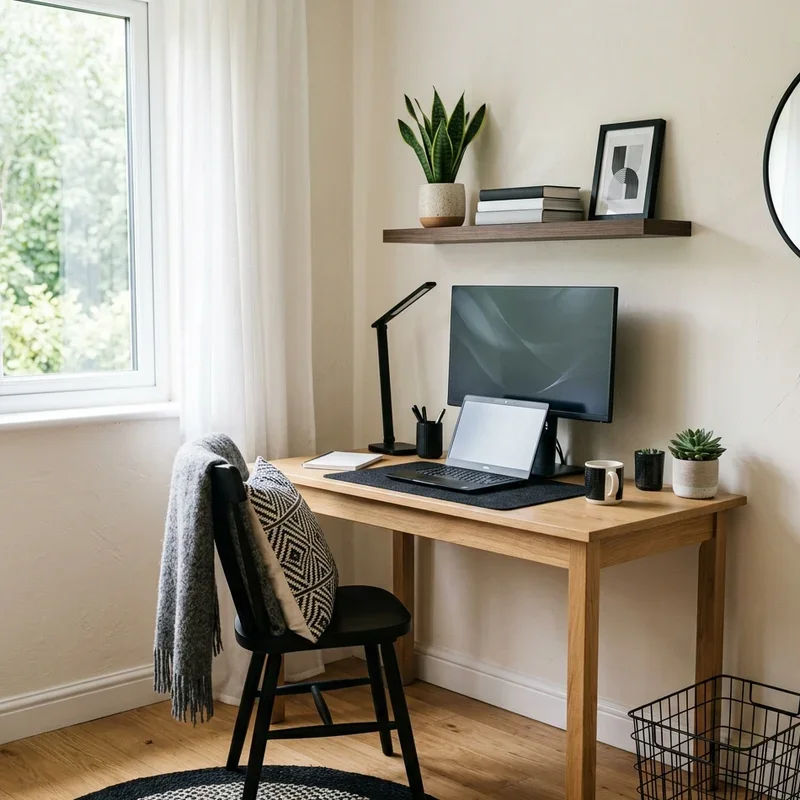
15 Home Office and Guest Room Ideas for a Stylish Hybrid Room
Discover 15 brilliant home office and guest room ideas that create stylish hybrid spaces. Maximize your room's dual functionality!
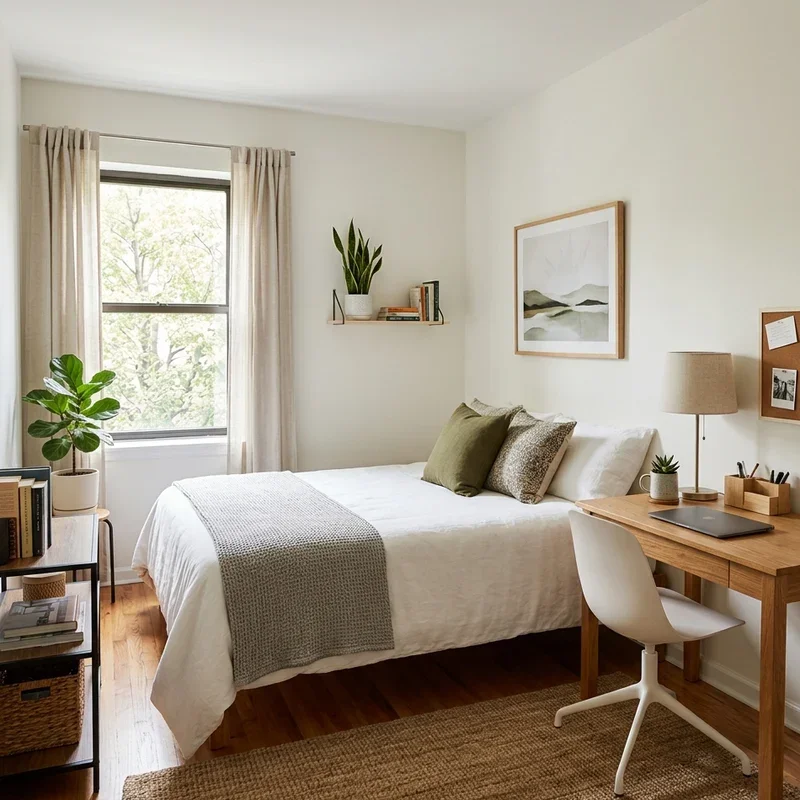
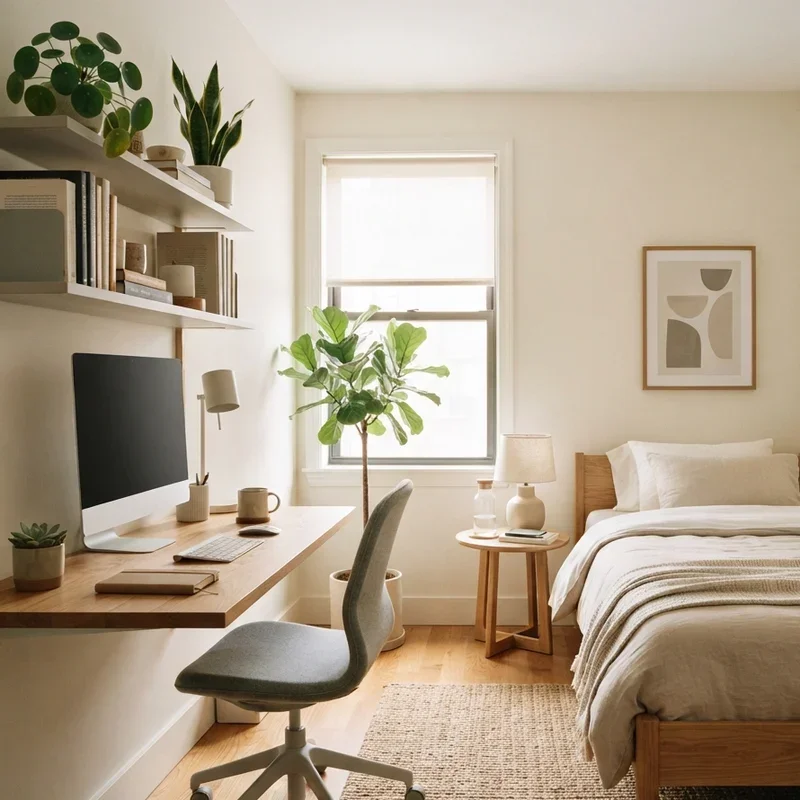
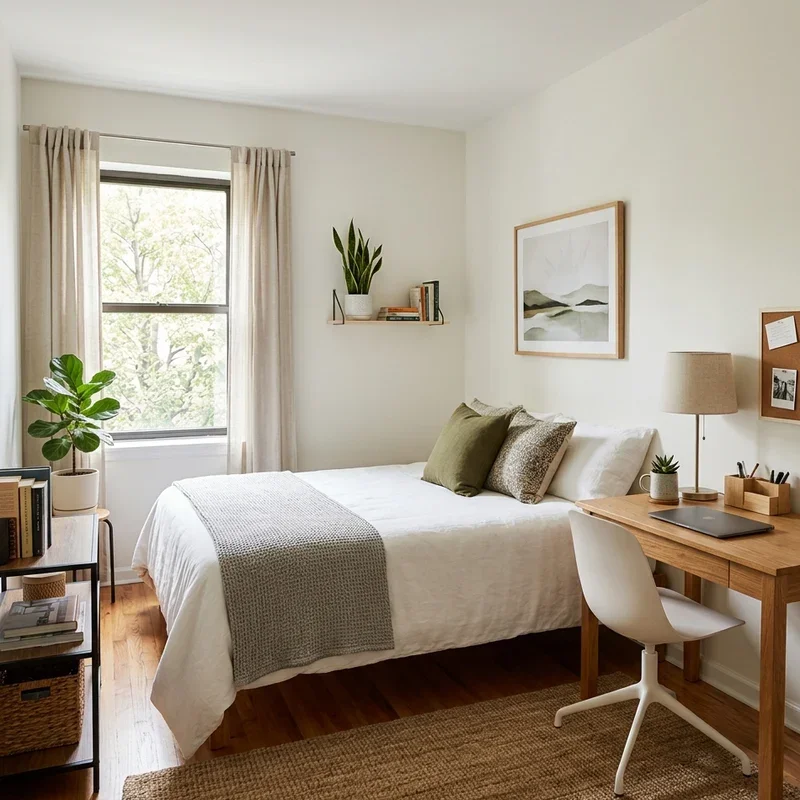
The modern home demands spaces that multitask as efficiently as we do, and nowhere is this more evident than the home office guest room combo that countless homeowners are creating from single spare rooms. This hybrid approach answers a common dilemma: dedicating entire rooms to occasional overnight visitors feels wasteful, yet remote work absolutely requires proper workspace that kitchen tables cannot adequately provide throughout demanding workdays. The secret lies in designing spaces that transition seamlessly between productive work mode and welcoming guest retreat without either function feeling like an afterthought squeezed into leftover corners awkwardly. When done correctly, visitors never feel like they're sleeping in your office, and you never feel like you're working from a bedroom that happens to have a desk crammed in somewhere. The dual-purpose room represents intelligent space utilization that modern living increasingly demands from our homes. Ready to discover how both functions can thrive together beautifully?
1. Murphy Bed Integration
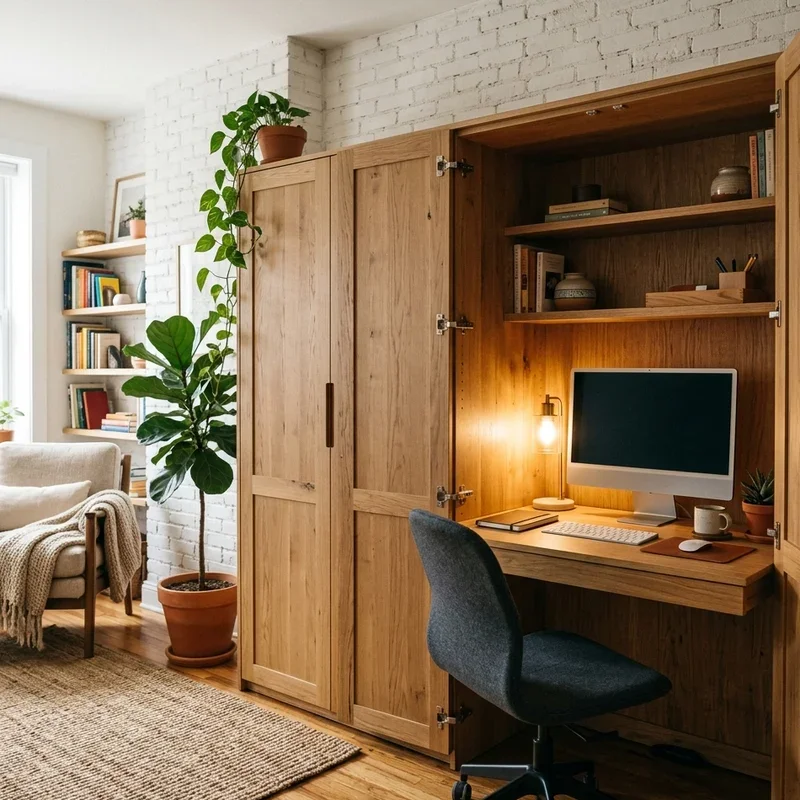
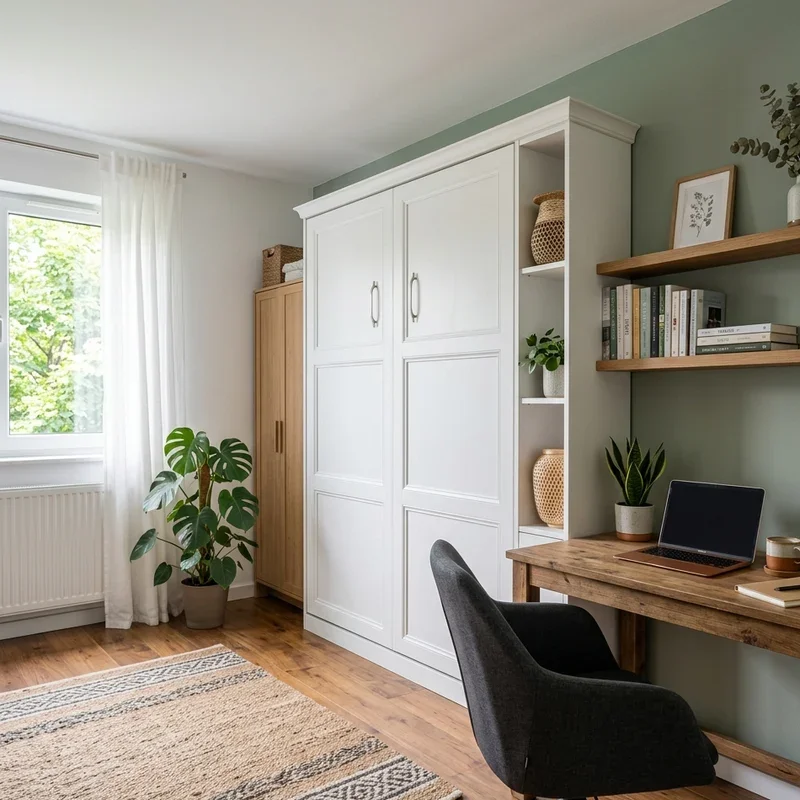
Transform rooms instantly through Murphy bed integration that wall-folding designs provide while reclaiming complete floor space during working hours that traditional beds permanently occupy problematically. The modern Murphy bed has evolved far beyond its utilitarian origins, now featuring built-in shelving, integrated desks, and sophisticated lifting mechanisms that elegant hardware enables through quality engineering advancements. Choose designs incorporating work surfaces that fold away with beds creating seamless transitions that dual-function furniture provides through clever construction. Consider surrounding cabinetry concealing bed mechanisms while providing storage that comprehensive built-ins enable through cohesive design hiding Murphy bed presence entirely when closed. The floor space liberation that Murphy beds provide makes small rooms function as full offices that permanent beds would prevent through their constant footprint occupation throughout workdays.
2. Daybed Dual Purpose
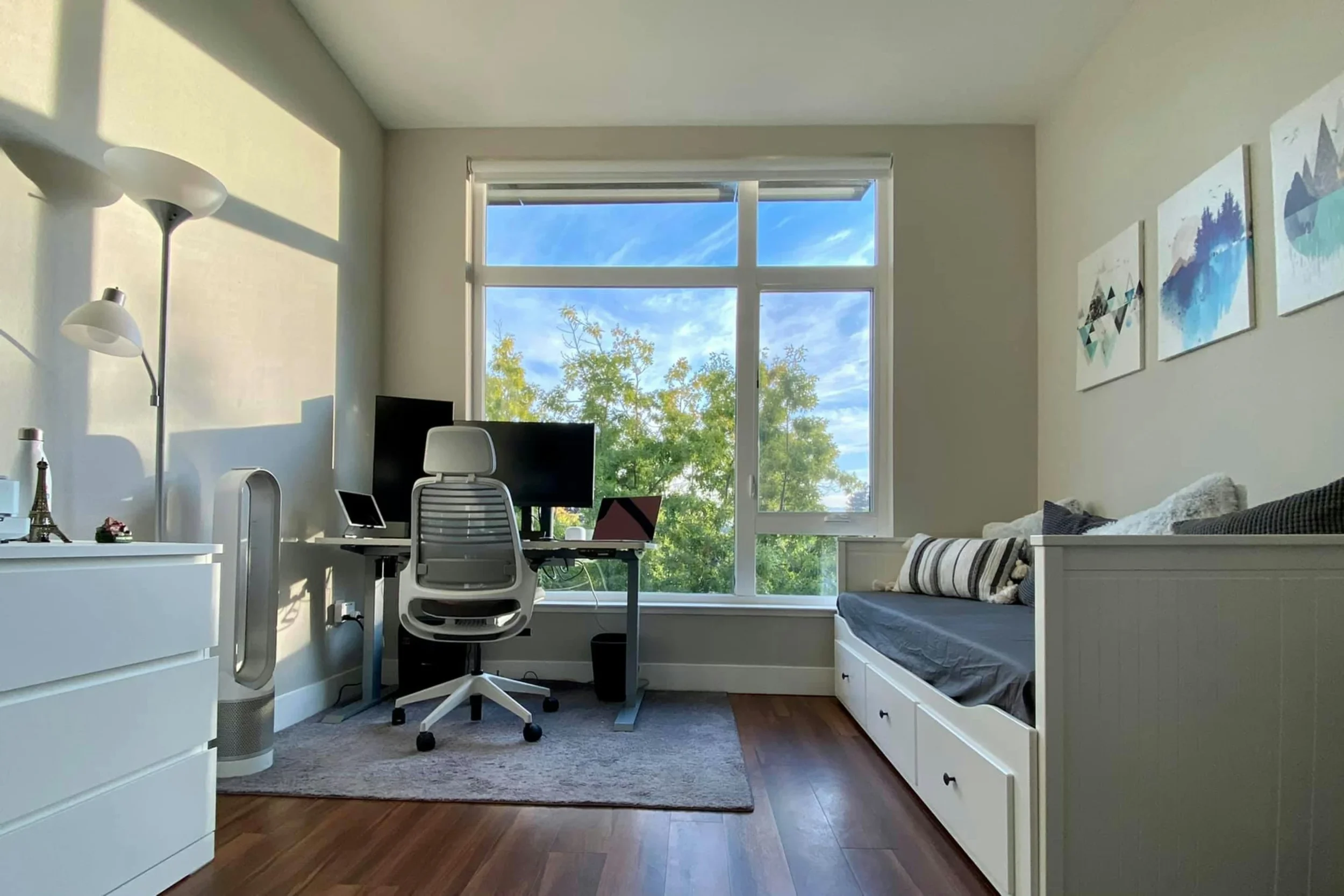
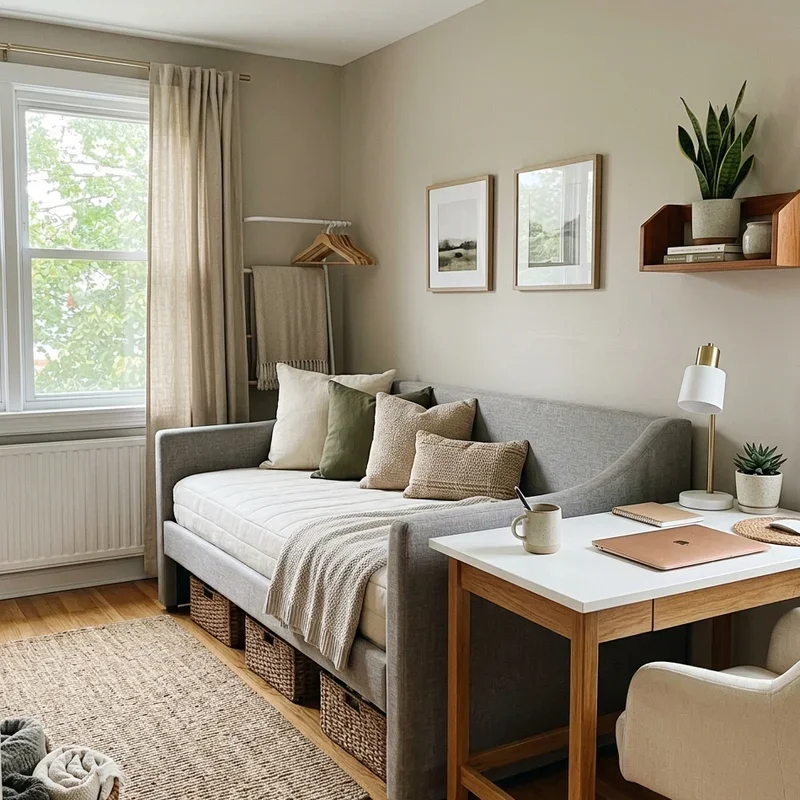
Embrace versatility through daybeds that seating-by-day, sleeping-by-night functionality provides while creating comfortable lounging options that enhance office spaces between guest visits naturally. The sofa-like appearance of daybeds maintains professional office aesthetics that traditional beds would compromise through their obvious bedroom presence throughout working hours visually. Choose daybeds with trundle options accommodating additional guests that expandable sleeping provides through hidden mattress storage beneath primary beds conveniently. Add bolster pillows creating backrest comfort that daytime seating requires through proper support enabling comfortable sitting during reading or casual work activities. Position daybeds against walls freeing floor space that perimeter placement provides through efficient room layout maximizing central area availability for desk positioning and movement throughout workdays.
3. Sleeper Sofa Selection
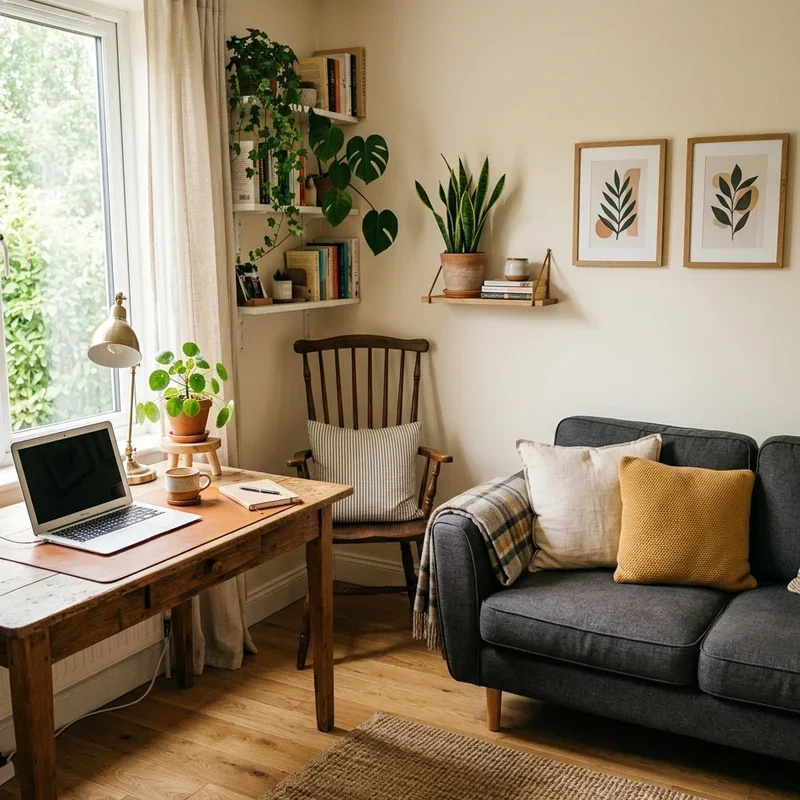
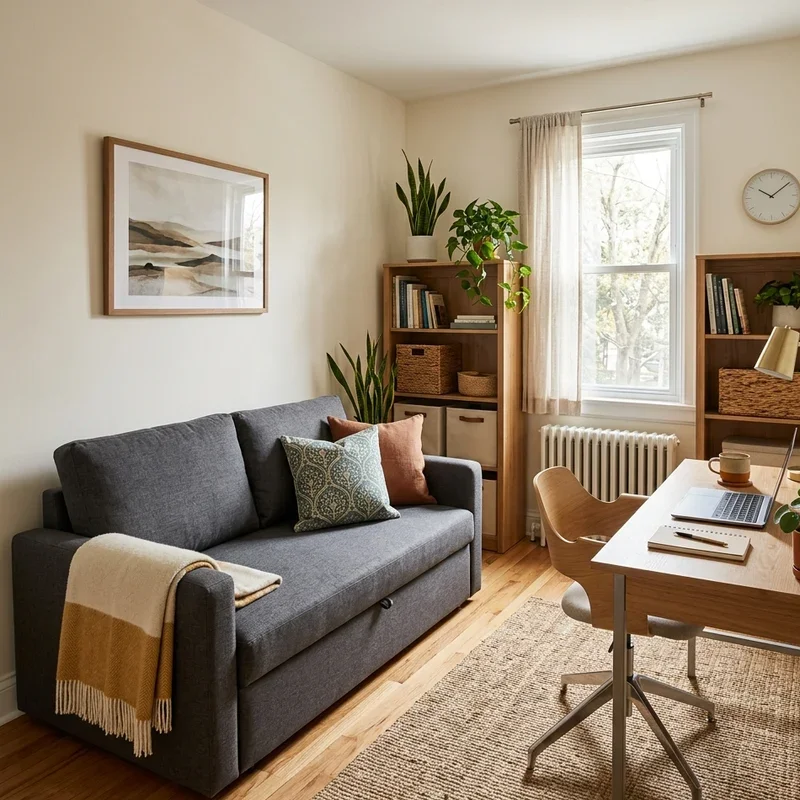
Maximize comfort through quality sleeper sofa selection that genuine sleeping comfort provides while avoiding the torture devices that cheap sofa beds historically represented through their thin mattresses and metal bar backaches. Modern sleeper mechanisms feature memory foam mattresses, easy conversion systems, and comfortable seating that engineering improvements provide through decades of design evolution addressing historical complaints effectively. Choose queen-size sleepers accommodating couples that generous sleeping surface provides through adequate width for two adults sleeping comfortably during visits. Position sleepers facing away from desk areas creating visual separation that furniture orientation provides through distinct zone establishment within single rooms simply. Consider sleeper sectionals providing generous seating that corner configurations enable through L-shaped designs maximizing both seating and sleeping capacity.
4. Room Divider Strategies
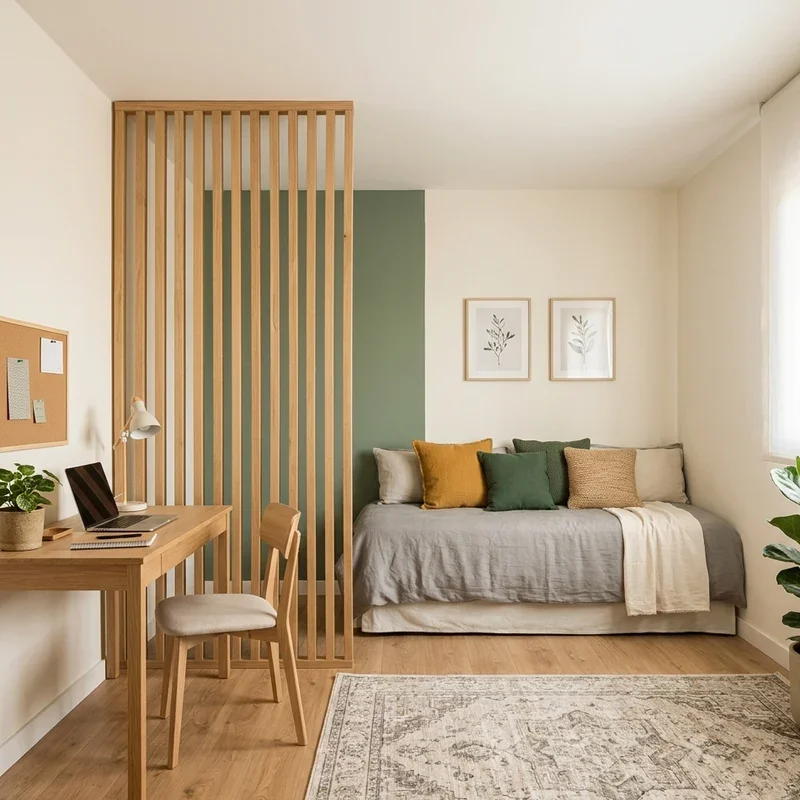
Create distinct zones through room divider strategies that visual separation provides while maintaining openness that solid walls would eliminate through their complete spatial division throughout rooms. Use bookshelf dividers serving dual storage purposes that functional separation provides through shelving accessible from both sides creating practical boundaries between work and sleep zones. Consider curtain dividers enabling quick zone concealment that fabric panels provide through retractable boundaries appearing when privacy matters then disappearing when openness serves better. Choose folding screens offering repositionable division that portable barriers enable through moveable panels adapting to different needs throughout varying situations conveniently. Add plant dividers creating living boundaries that greenery provides through tall plants establishing natural zone transitions while improving air quality and adding visual interest simultaneously throughout spaces.
5. Desk Placement Planning
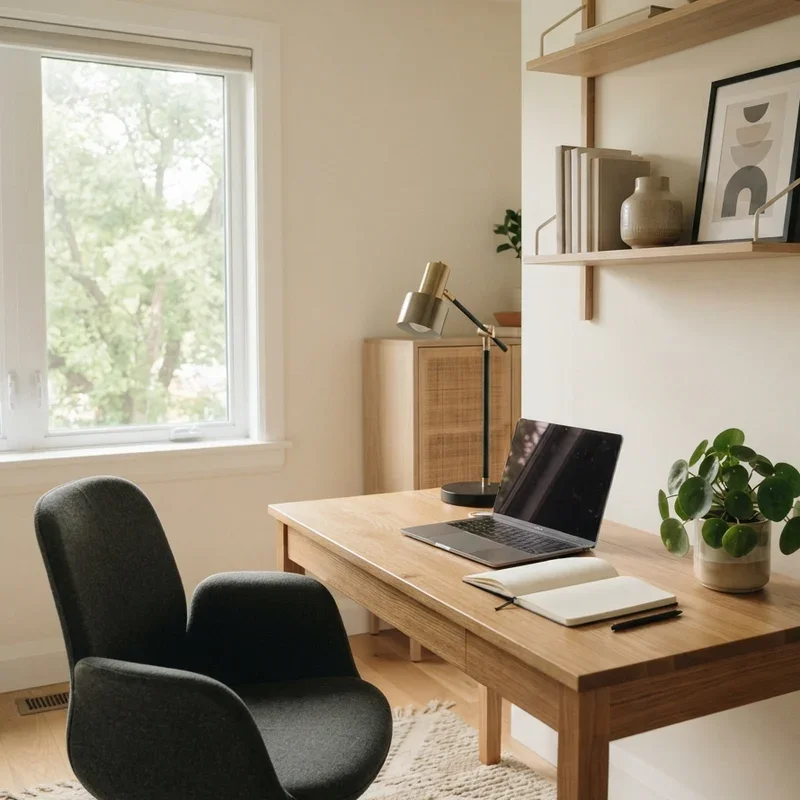
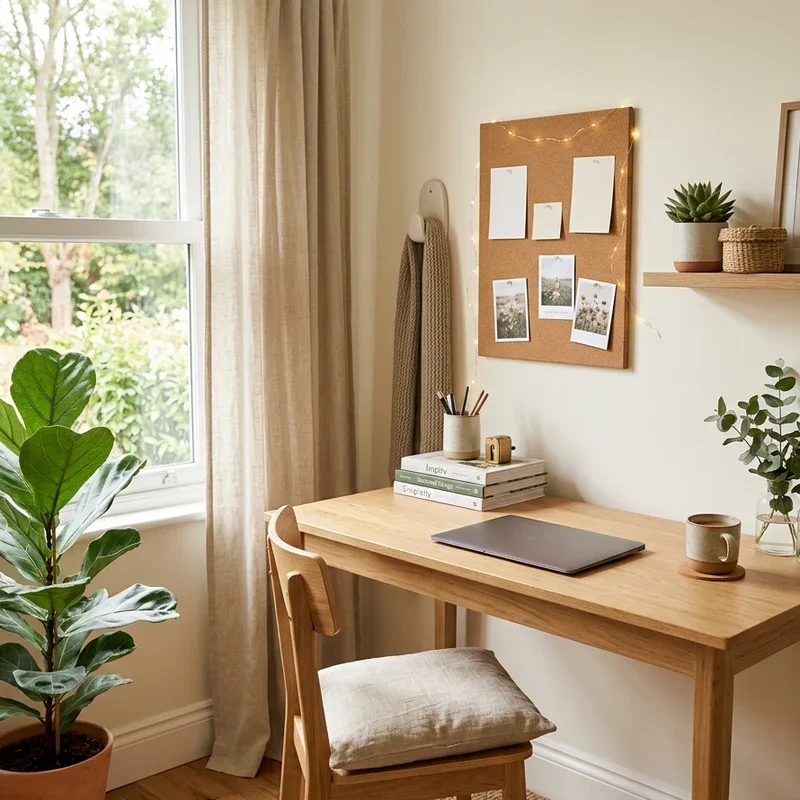
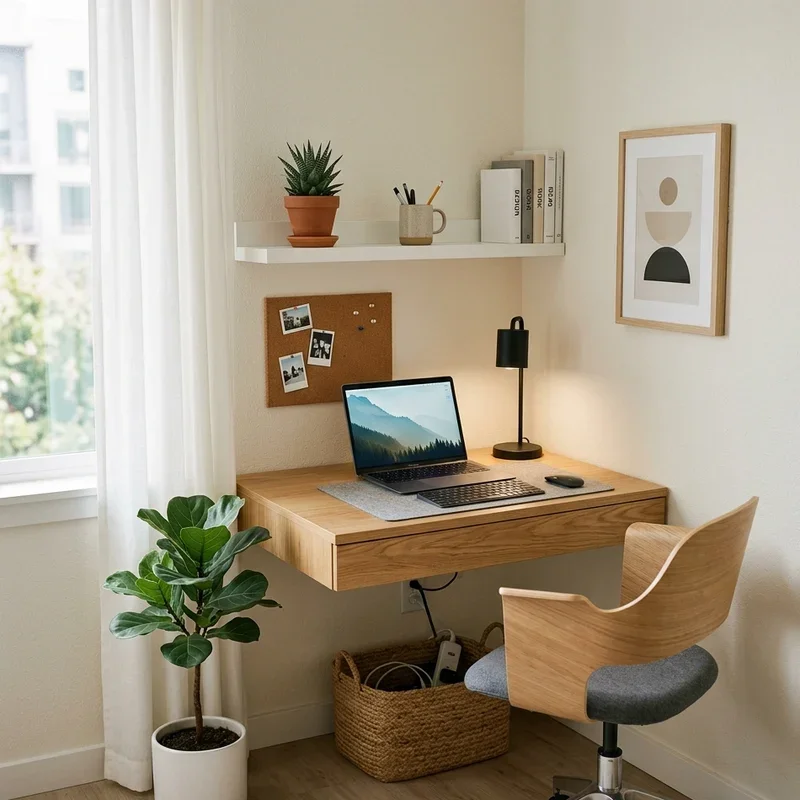
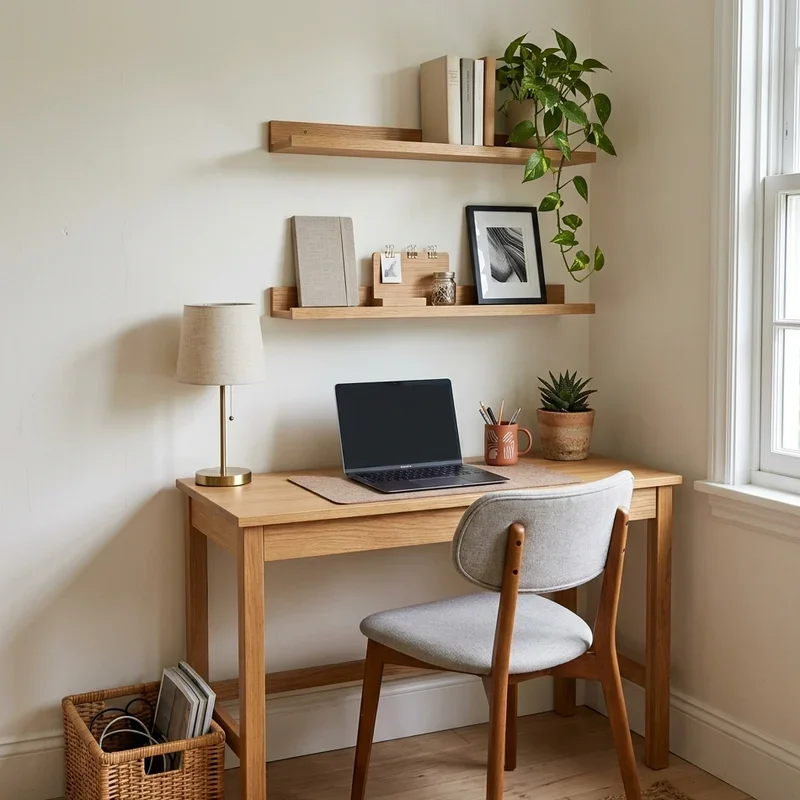
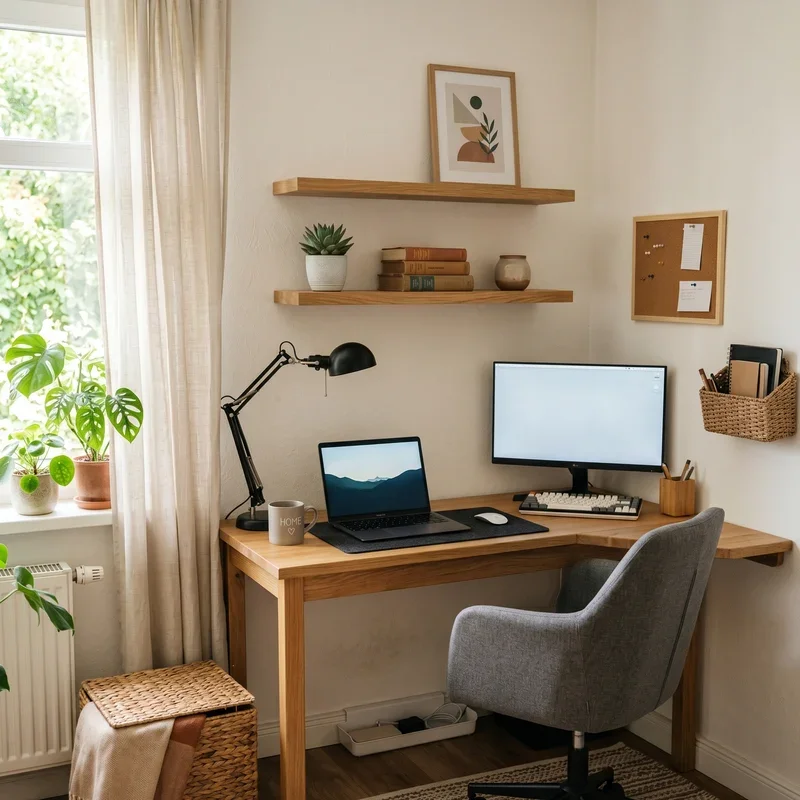
Optimize workflow through strategic desk placement that functional positioning provides while considering both work efficiency and guest comfort when visitors occupy the sleeping area overnight. Position desks facing away from bed areas creating back-to-sleep arrangements that visual separation enables through orientation choices establishing psychological boundaries between work and rest zones. Choose corner desk positions maximizing wall utilization that perimeter placement provides through efficient footprint consumption leaving central floor space available for bed configurations. Consider window-adjacent positioning capturing natural light that daylight access enables through proper desk orientation benefiting both work productivity and room brightness throughout daytime hours. Avoid desk placements blocking bed access that traffic flow requires through thoughtful positioning ensuring easy nighttime navigation for guests unfamiliar with room layouts.
6. Storage Solution Systems
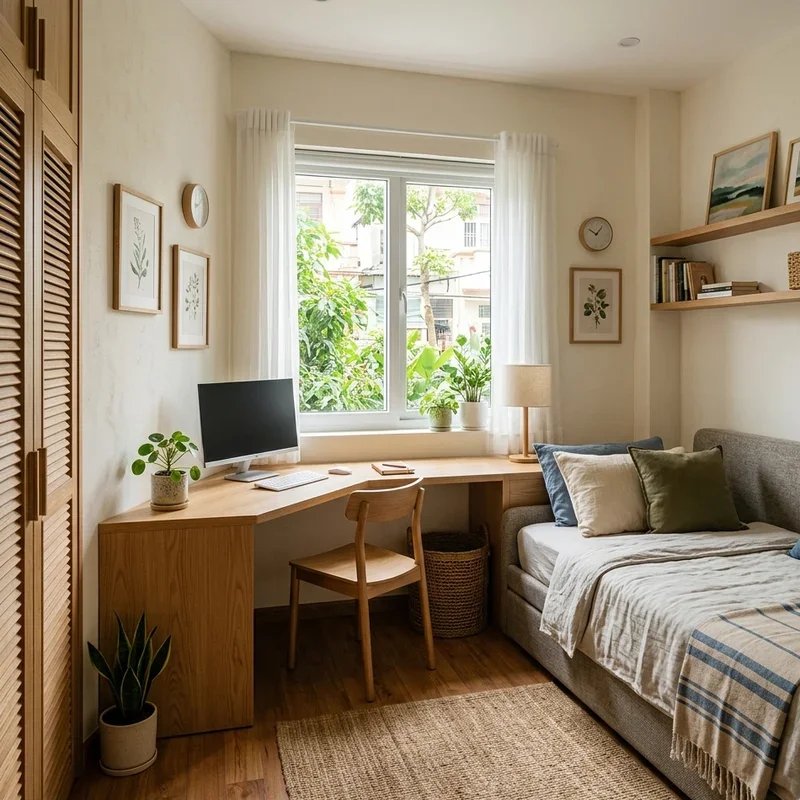
Maximize organization through comprehensive storage systems that dual-purpose needs require while accommodating both office supplies and guest essentials within limited space constraints efficiently. Install floor-to-ceiling built-ins providing extensive storage that vertical utilization enables through height-maximizing construction storing everything from files to fresh linens within reach appropriately. Choose furniture featuring hidden storage that multipurpose pieces provide through ottoman cubes, storage benches, and drawer-equipped surfaces serving both sitting and storing functions simultaneously. Dedicate specific storage zones for each function maintaining organization that clear allocation provides through designated areas preventing office supplies and guest amenities from mixing confusingly. Add closet organization systems maximizing limited hanging space that efficient systems enable through doubled rods, shelf additions, and door-mounted organizers expanding capacity.
7. Color Scheme Cohesion
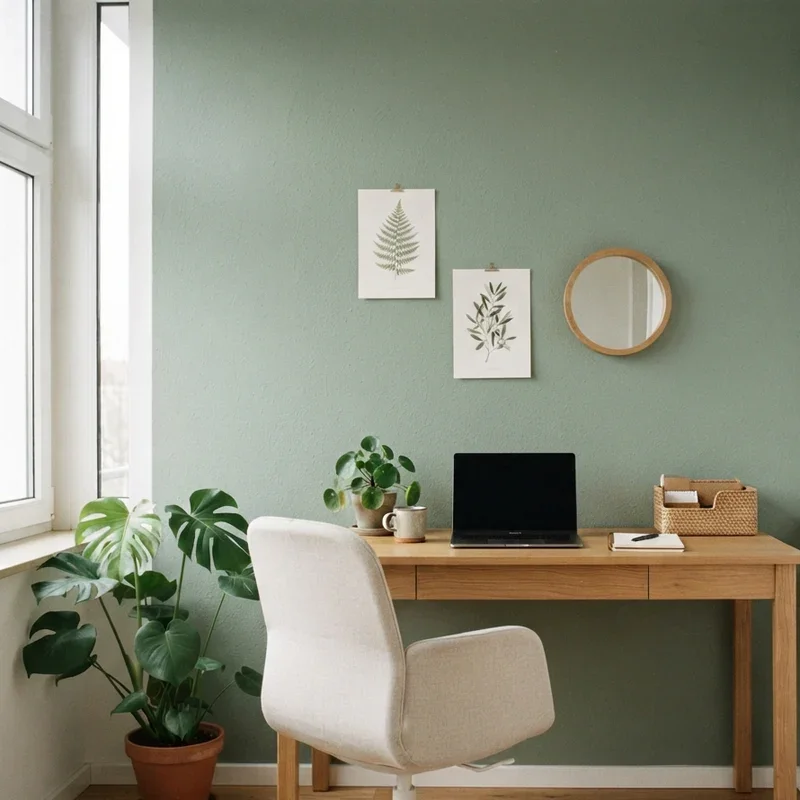
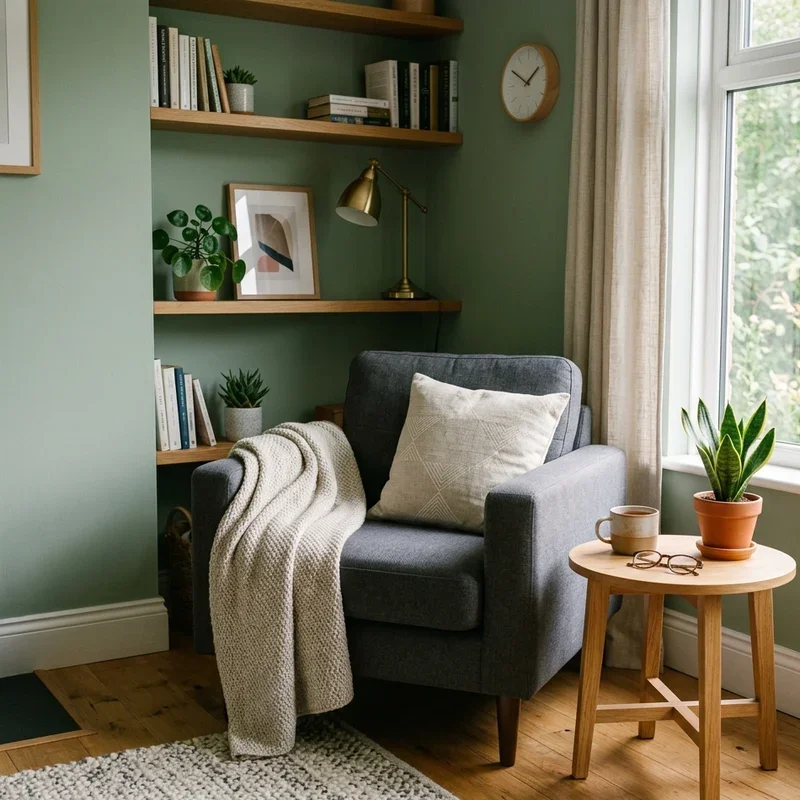
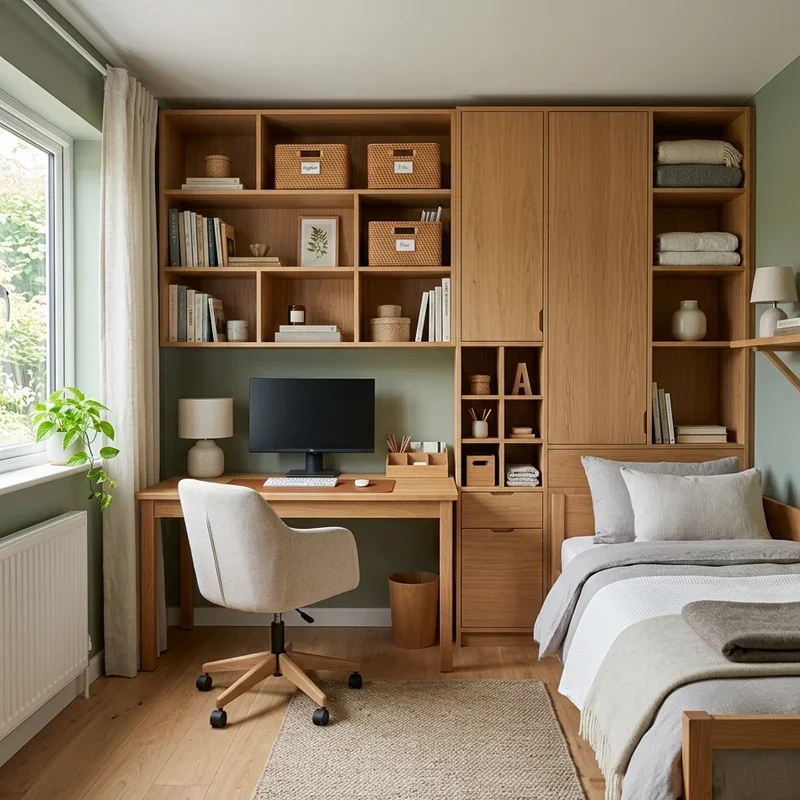
Unify dual functions through cohesive color schemes that visual harmony provides while creating environments that feel intentionally designed rather than awkwardly combined from competing purposes obviously. Choose neutral foundations providing versatility that adaptable bases enable through colors complementing both productive work atmospheres and restful guest environments simultaneously and equally well. Add accent colors tying different zones together that distributed touches provide through coordinated pillows, artwork, and accessories creating visual connections throughout separated areas cohesively. Consider calming tones promoting both focus and relaxation that dual-mood colors enable through shades like sage green, soft blue, or warm gray serving both purposes. Avoid jarring color contrasts between zones that visual conflict creates through mismatched palettes drawing attention to the dual-purpose nature rather than elegant integration.
8. Lighting Layer Design
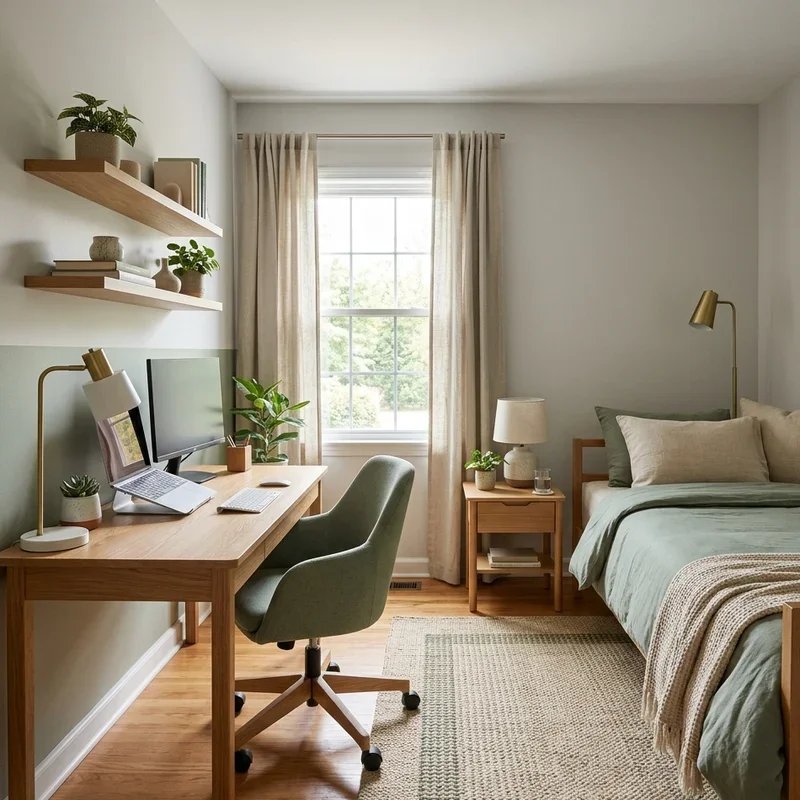
Address varying needs through layered lighting design that multiple sources provide while enabling bright task illumination for work and soft ambient glow for guest comfort through the same system. Install overhead lighting providing general illumination that ambient sources enable through ceiling fixtures brightening entire spaces during cleaning, organizing, or general use throughout daytime hours. Add dedicated desk lighting ensuring proper task illumination that work requirements demand through adjustable lamps directing focused light where detailed activities occur throughout workdays. Include bedside lighting options enabling nighttime reading that guest comfort requires through table lamps, wall-mounted fixtures, or pendant lights accessible from sleeping areas conveniently. Consider dimmer switches allowing brightness adjustment that variable controls enable through adjustable output adapting single fixtures to different functions throughout various activities.
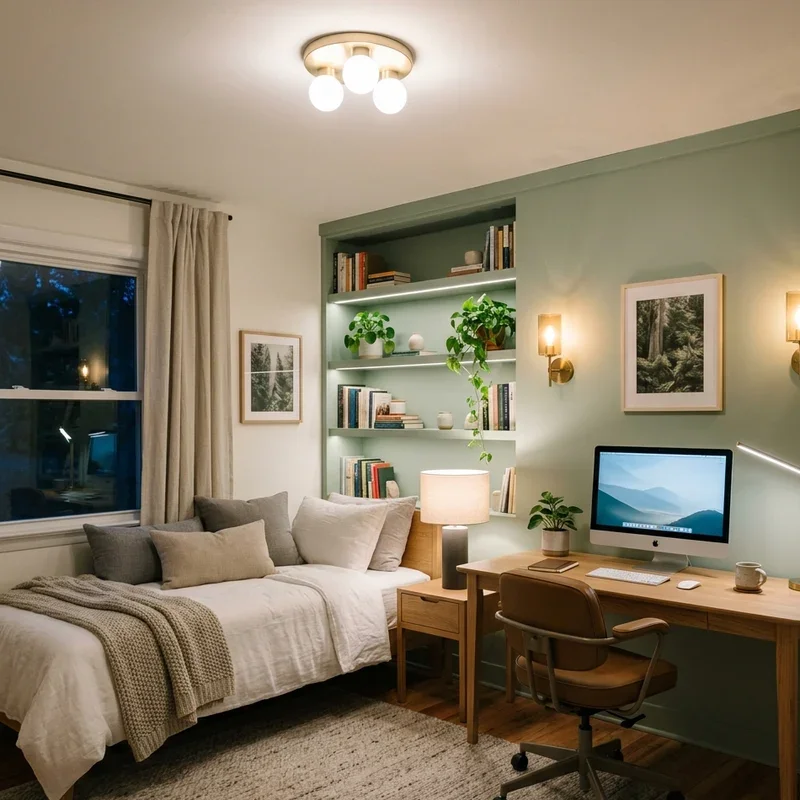
9. Comfortable Seating Options
Provide seating variety through multiple comfortable options that both work and leisure require while ensuring spaces feel welcoming rather than purely utilitarian throughout different use periods. Include ergonomic desk chairs supporting productive work that proper seating enables through quality chairs maintaining comfort throughout extended work sessions without back strain accumulation. Add soft seating for guest relaxation that comfortable alternatives provide through armchairs, reading chairs, or poufs creating lounging options beyond desk chair confines. Choose accent chairs complementing overall design that aesthetic coordination requires through style-matched seating enhancing room appearance while serving functional purposes for guests and workers alike. Consider seating mobility allowing repositioning that lightweight pieces enable through moveable chairs adapting to conversation groupings or solo reading configurations as situations demand.
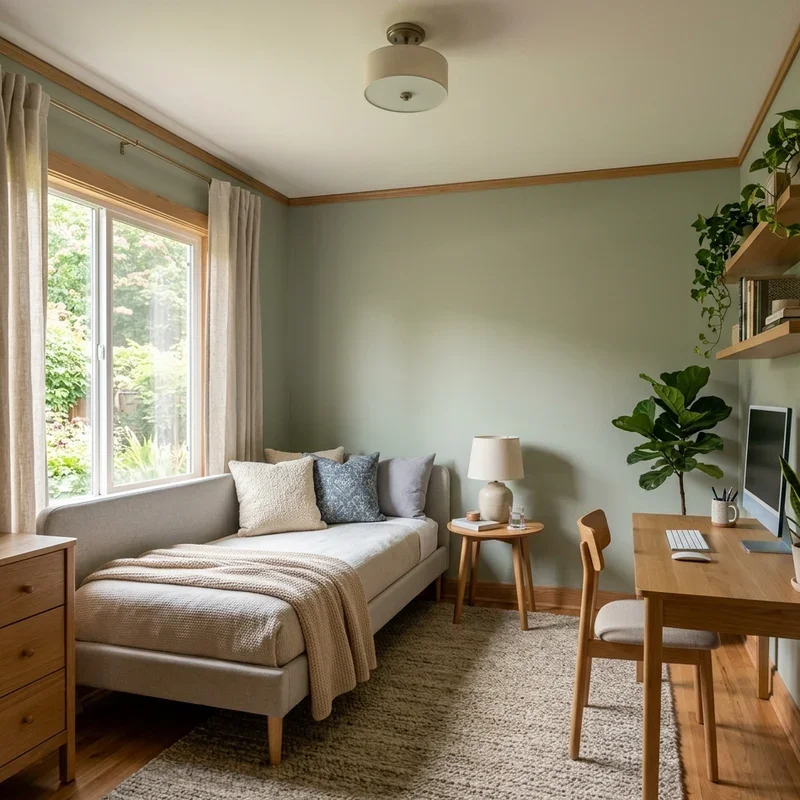
10. Closet Space Sharing
Balance storage needs through closet space sharing strategies that fair allocation provides while ensuring both work supplies and guest belongings have dedicated homes within limited closet capacity. Divide closets into designated sections that clear separation enables through visible or physical boundaries allocating specific areas for office supplies versus guest storage appropriately. Reserve hanging space for guest use that visitor accommodation requires through cleared rod sections available for clothing during stays rather than permanent office storage occupation. Add portable storage options that removable containers provide through bins or baskets emptied before guest arrivals creating temporary hanging space from permanent supply storage areas. Install adjustable shelving accommodating different storage needs that flexible systems enable through reconfigurable shelves adapting to changing priorities between work and guest hosting periods.
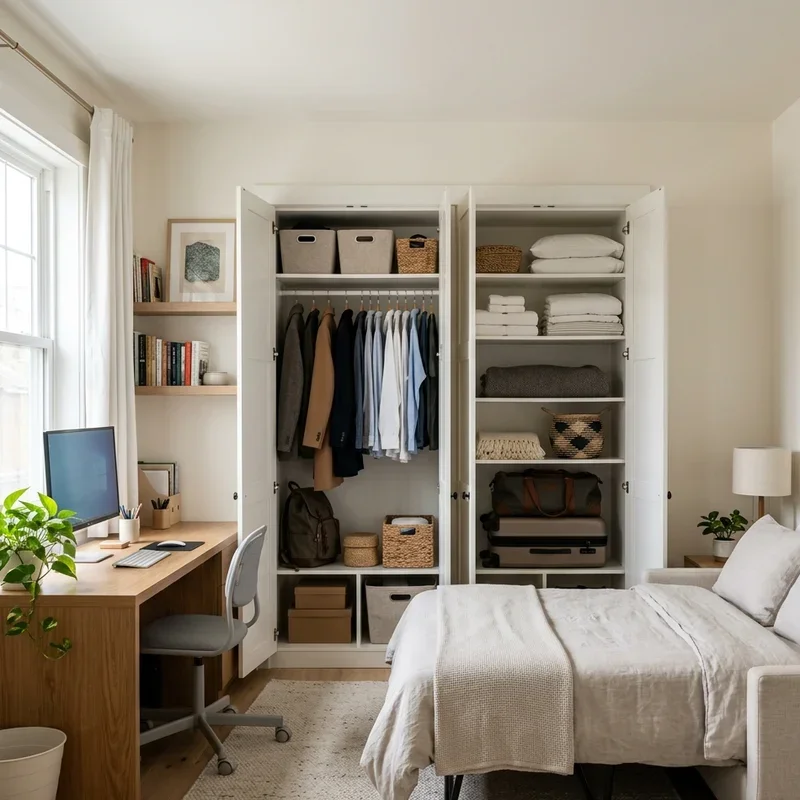
11. Technology Concealment
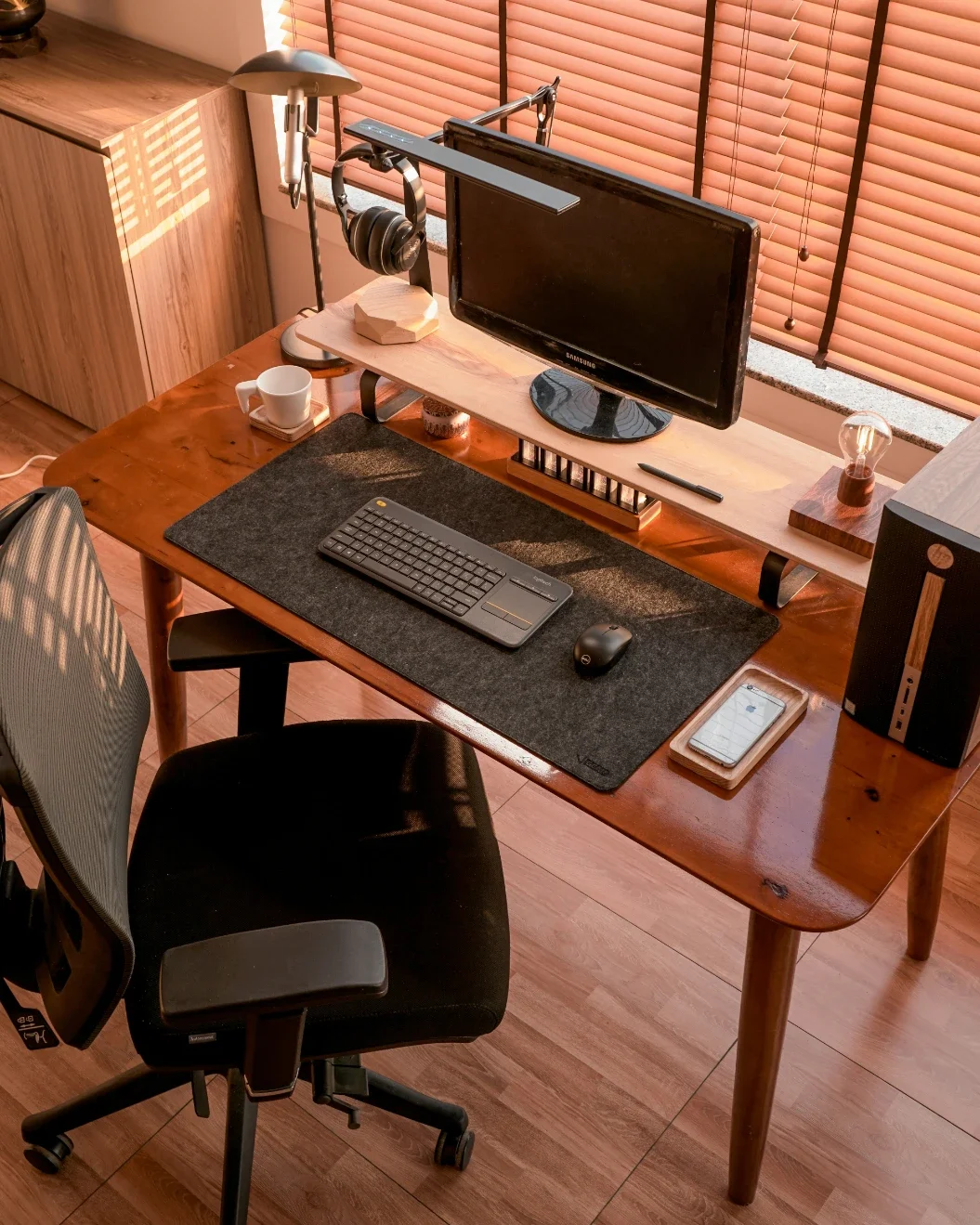
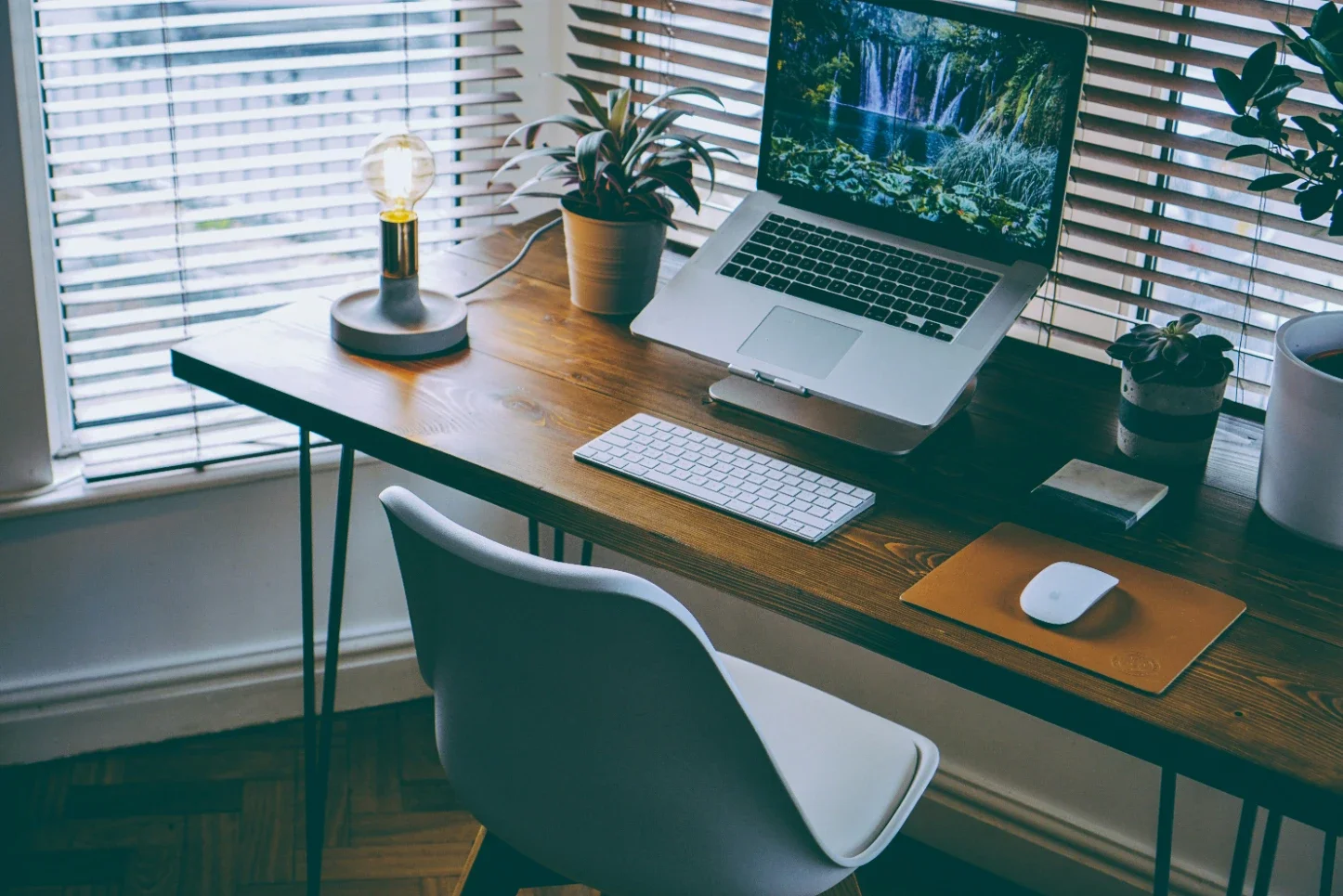
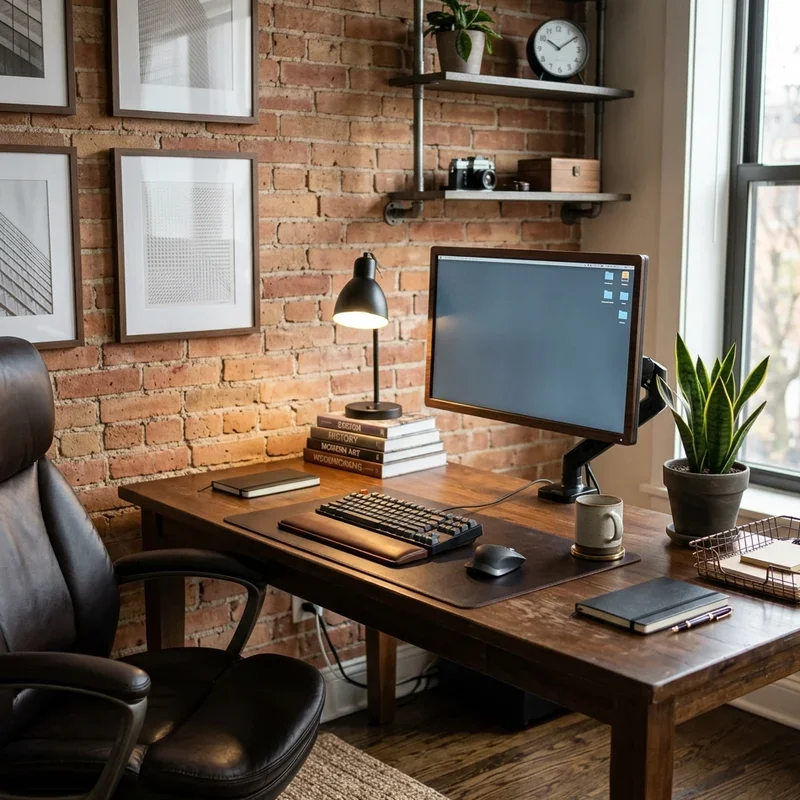
Maintain visual calm through technology concealment strategies that hidden equipment provides while keeping necessary work tools accessible without overwhelming guest spaces with office equipment presence constantly. Use cable management systems hiding cord chaos that organized routing enables through channels, clips, and boxes containing wire tangles that would otherwise create visual clutter throughout spaces. Consider furniture featuring built-in charging that concealed outlets provide through end tables, nightstands, or desks with integrated power hiding cord connections entirely from view. Install monitor arms enabling screen repositioning that adjustable mounts provide through moveable displays pushed aside during guest periods revealing wall space behind. Add decorative boxes or baskets concealing small electronics that attractive storage provides through stylish containers hiding routers, chargers, and accessories from guest view.
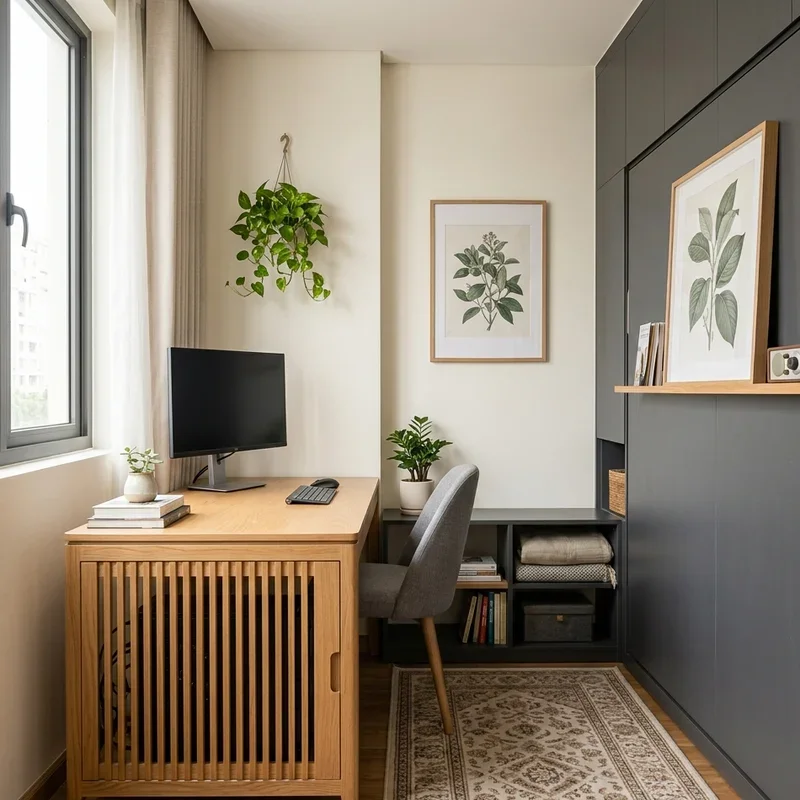
12. Guest Welcome Touches
Ensure visitor comfort through thoughtful welcome touches that hospitality provides while demonstrating that guest needs received genuine consideration despite room's dual-purpose nature throughout planning. Stock fresh linens, extra pillows, and cozy blankets that comfortable sleeping requires through quality bedding treating guests to restful nights despite sleeping in work spaces. Provide bedside essentials including water carafe, tissues, and small clock that thoughtful amenities provide through anticipated needs addressed before guests must ask awkwardly. Clear desk surfaces before arrivals creating available space that tidy presentation provides through cleaned work areas guests can use for personal items during stays. Add fresh flowers or plants welcoming guests visually that natural touches provide through living elements communicating care and attention beyond basic accommodation provision.
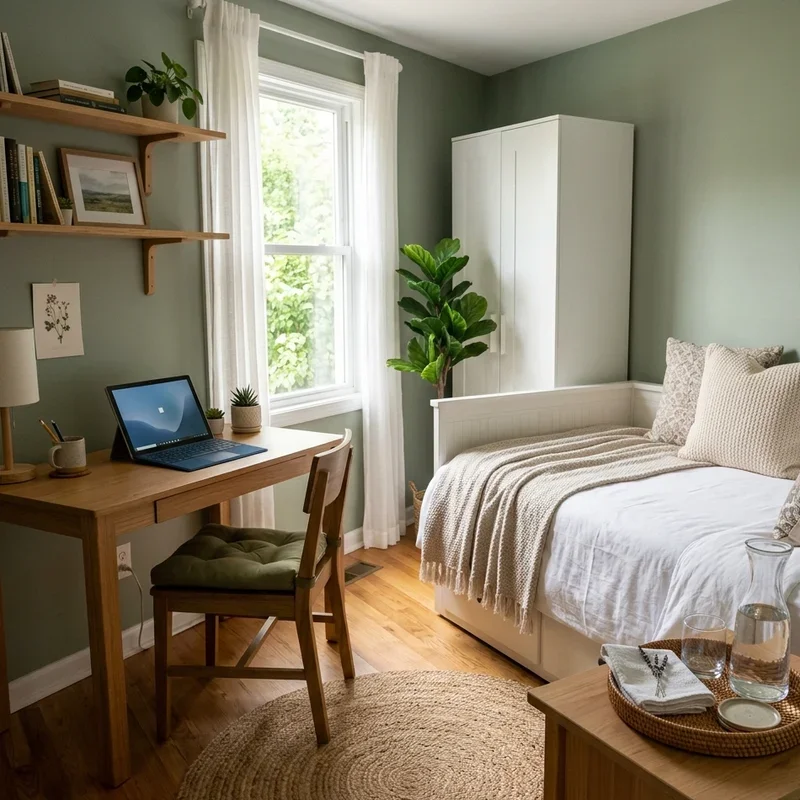
13. Soundproofing Considerations
Address noise concerns through soundproofing considerations that acoustic treatment provides while enabling work calls without disturbing sleeping guests or guest relaxation without interrupting concentrated work sessions. Add soft furnishings absorbing sound that textiles provide through rugs, curtains, and upholstered furniture reducing echo and noise transmission throughout rooms naturally. Consider solid-core doors reducing sound transfer that substantial barriers enable through upgraded door installation blocking noise between hybrid rooms and common areas. Install acoustic panels disguised as art that decorative treatment provides through sound-absorbing materials hidden behind attractive fabric prints maintaining aesthetics while improving acoustics. Use white noise machines masking disruptive sounds that consistent background audio provides through ambient noise covering sudden sounds that might disturb sleep or concentration.
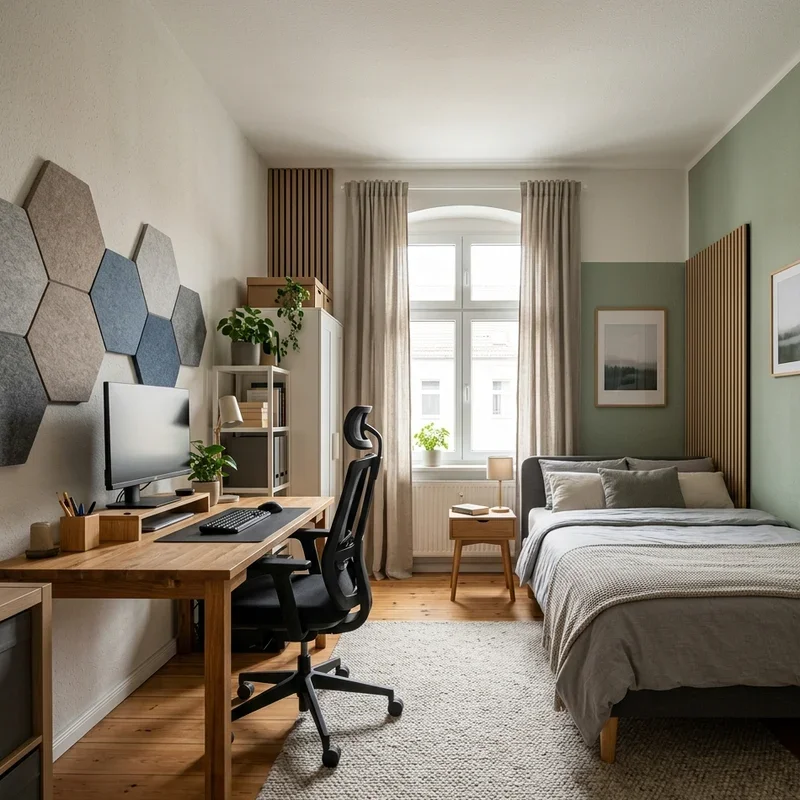
14. Flexible Furniture Choices
Maximize adaptability through flexible furniture choices that versatile pieces provide while enabling quick room transformations that rigid furniture selections would prevent through their fixed configurations permanently. Choose furniture on casters enabling easy repositioning that wheeled pieces provide through mobile desks, chairs, and storage moving aside when guest space expands during visitor stays. Consider nesting tables providing surface flexibility that stackable options enable through additional surfaces appearing when needed then tucking away when floor space takes priority. Add folding furniture supplementing permanent pieces that collapsible options provide through fold-down desks, stacking chairs, or expanding tables adapting capacity to current needs simply. Select modular furniture allowing reconfiguration that adaptable systems enable through pieces combining differently for work versus guest accommodation requirements throughout various situations.
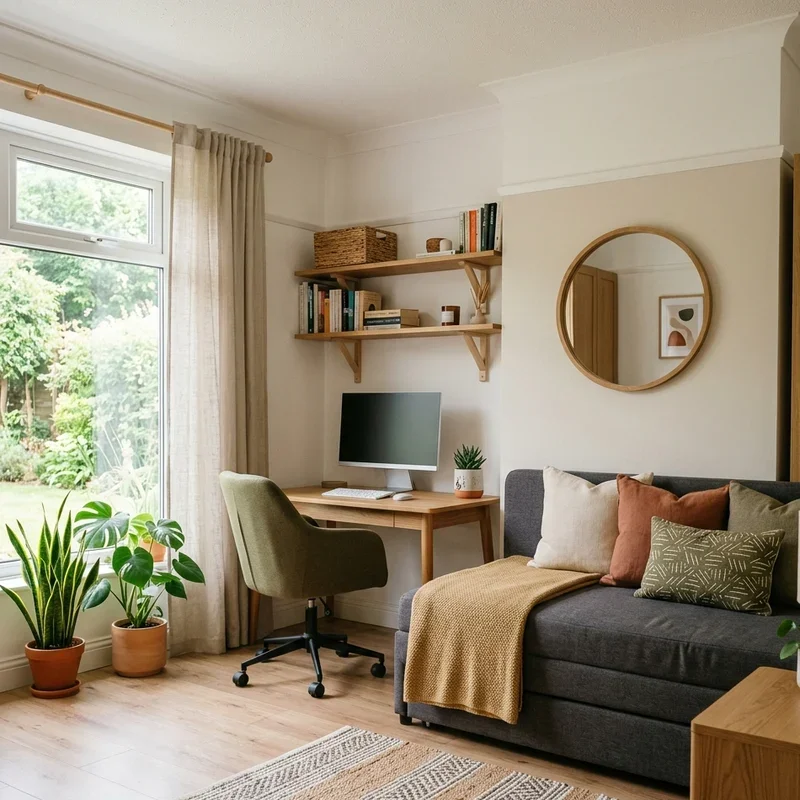
15. Decorative Balance Tips
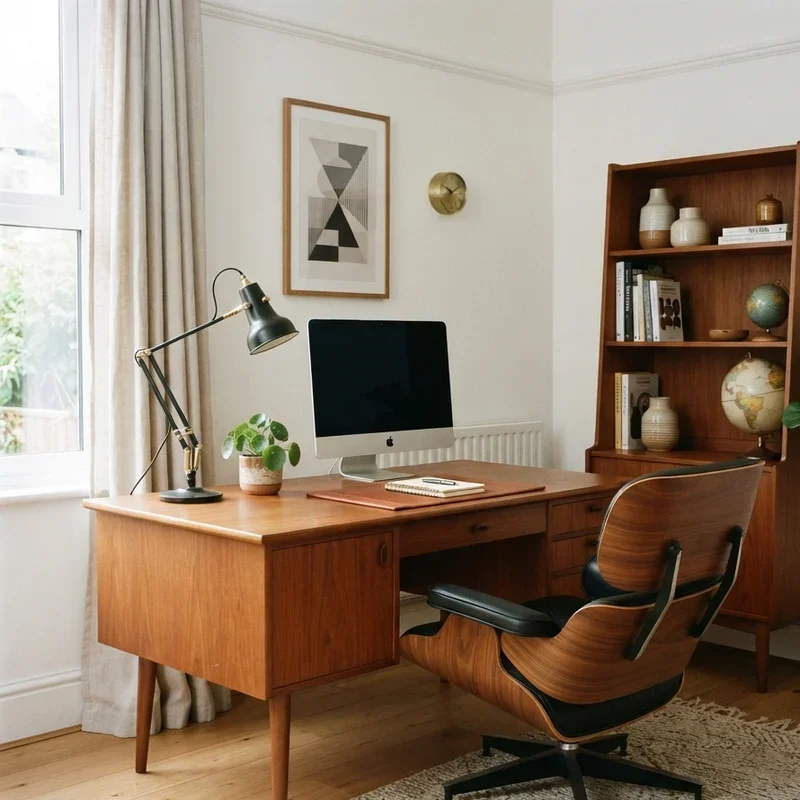
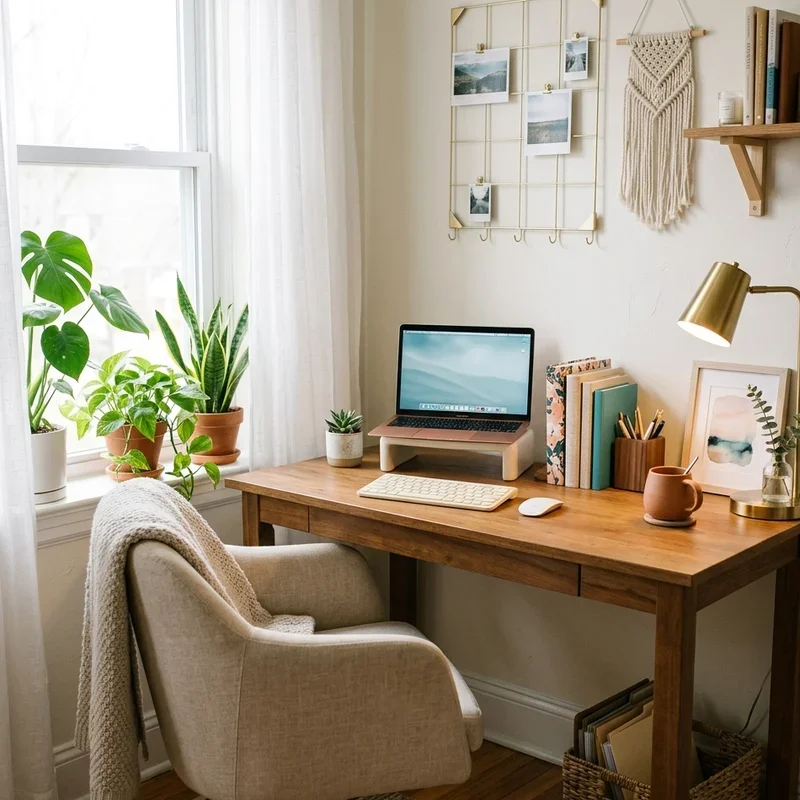
Achieve harmony through decorative balance that thoughtful styling provides while creating spaces feeling neither too office-like nor too bedroom-focused but rather elegantly unified throughout dual-purpose design. Choose artwork resonating across both functions that versatile imagery provides through neutral landscapes, abstract pieces, or photography suiting both productive and restful atmospheres simultaneously well. Add greenery softening office elements that plants provide through natural touches bringing life to workspaces while creating welcoming warmth that guests appreciate throughout stays. Balance practical items with decorative accessories that visual interest requires through attractive objects preventing purely utilitarian appearance while maintaining functional efficiency throughout daily use. Create visual focal points drawing attention away from dual-purpose compromises that deliberate styling provides through statement pieces capturing eyes before noticing hybrid room necessity.
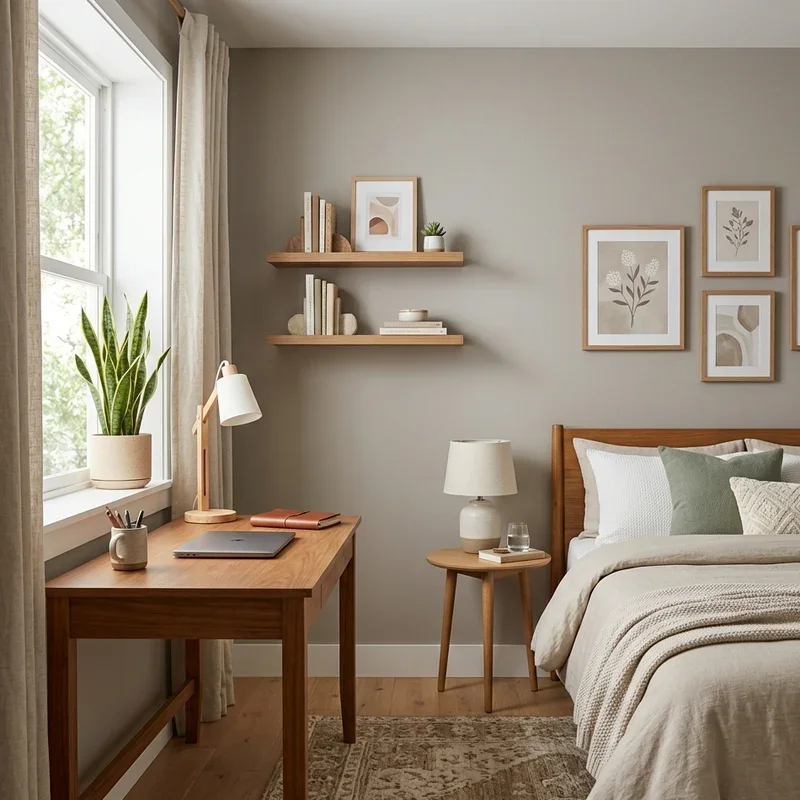
Conclusion
Home office guest rooms represent intelligent space utilization that modern living demands through thoughtful dual-purpose design addressing both productivity needs and hospitality requirements within single rooms efficiently. These fifteen ideas demonstrate remarkable variety within hybrid room design, from Murphy bed integration to flexible furniture choices that different priorities accommodate appropriately throughout various living situations. The key lies in neither function feeling like an afterthought but rather both purposes receiving equal design consideration throughout planning and execution stages. Consider your specific work requirements and guest frequency when selecting approaches that practical hybrid rooms require for genuine success serving both functions beautifully. The investment in quality dual-purpose design pays dividends through maximized space efficiency that modern homes increasingly require. Your hybrid room becomes the versatile space that smart living deserves.
Read next: 15 Office and Playroom Combo Ideas for Family Homes
Frequently Asked Questions
Q1: How do I make guests feel welcome in a home office guest room?
A: Clear work items, add fresh linens, provide bedside essentials, and include welcoming touches like flowers.
Q2: What bed option works best for home office guest room combos?
A: Murphy beds offer maximum space recovery; quality sleeper sofas provide comfortable alternatives for frequent guests.
Q3: Should I prioritize office or guest room function in hybrid spaces?
A: Prioritize whichever function you use most frequently; occasional guest rooms should favor office design.
Q4: How can I hide office equipment when guests stay overnight?
A: Use cable management, furniture with concealed storage, and decorative boxes hiding electronics from view.
Q5: What furniture arrangement works best for dual-purpose rooms?
A: Position desks facing away from sleeping areas; use dividers creating distinct zones within single spaces.
Stay up to date with our latest ideas!