15 Office and Playroom Combo Ideas for Family Homes
Transform your space with these 15 brilliant office and playroom combo ideas that let you work productively while kids play nearby.
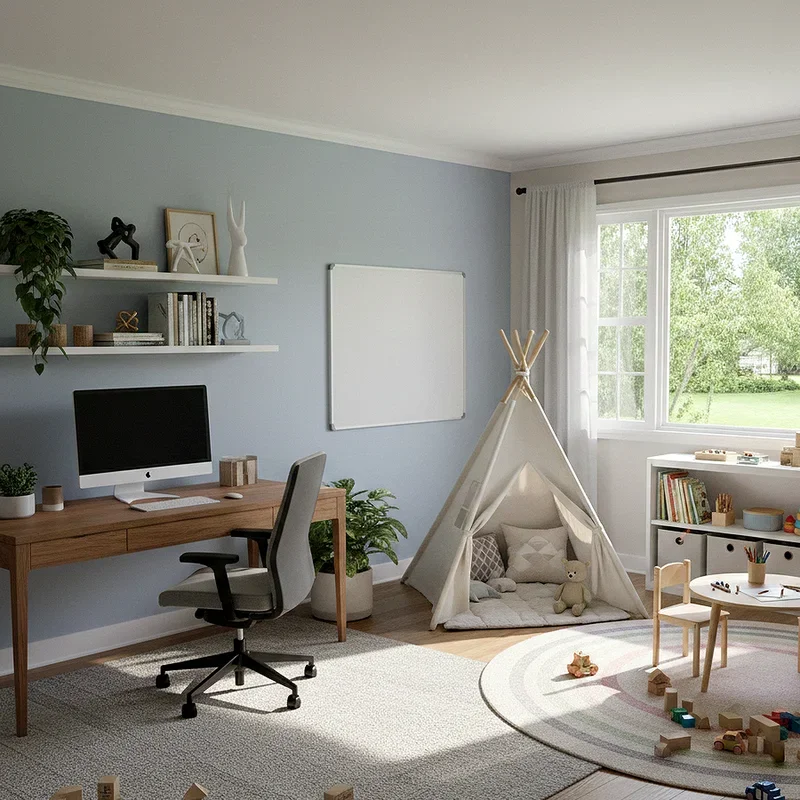
Picture this: you are deep in concentration on an important work call when suddenly, tiny fingers tug at your sleeve asking for a snack. Sound familiar? For many families today, the challenge of working from home while keeping children entertained feels like juggling flaming torches while riding a unicycle. But what if your workspace and their play space could actually coexist harmoniously under one roof? Creating an office and playroom combo is not just a trendy design choice; it is a practical solution that addresses the real struggles of modern parenting. This dual purpose room allows you to maintain productivity while staying connected with your little ones. Throughout this article, we will explore fifteen creative ways to design a space that works for everyone in your household.
1. Zone Your Space with Strategic Furniture Placement
The foundation of any successful office and playroom combo starts with thoughtful furniture arrangement that creates invisible boundaries. Think of your room like a small country with distinct neighborhoods, each serving its own purpose while remaining part of the whole community. Position your desk facing away from the play area to minimize visual distractions while still allowing you to hear your children. A large bookshelf placed perpendicular to the wall acts as a natural barrier without completely closing off either space. You can arrange sofas or armchairs to create a subtle transition zone between work and play. This approach maintains an open feel while psychologically separating adult productivity from childhood creativity. The key is finding furniture pieces that serve dual purposes and contribute to the flow of the entire room without creating a cluttered atmosphere.
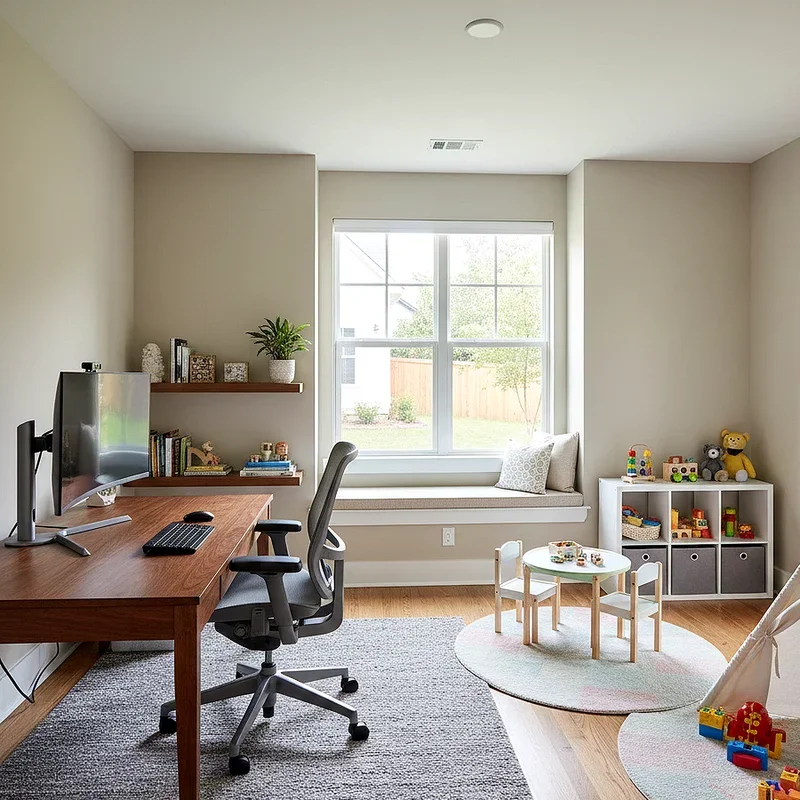
2. Install a Stylish Room Divider
Room dividers have evolved far beyond those flimsy folding screens your grandmother might have used in her bedroom. Today's options include gorgeous wooden slat dividers, hanging macramé panels, and even living plant walls that add oxygen and beauty to your space. A well chosen divider creates privacy during important video calls while still allowing you to monitor little ones through strategic gaps or translucent materials. Consider a bookshelf divider that provides storage on both sides, giving you space for work materials while the opposite shelves hold toys and games. Some modern dividers even incorporate whiteboards or corkboards, adding functionality to their aesthetic appeal. The beauty of a divider lies in its flexibility; most can be moved or adjusted as your needs change over seasons and years.
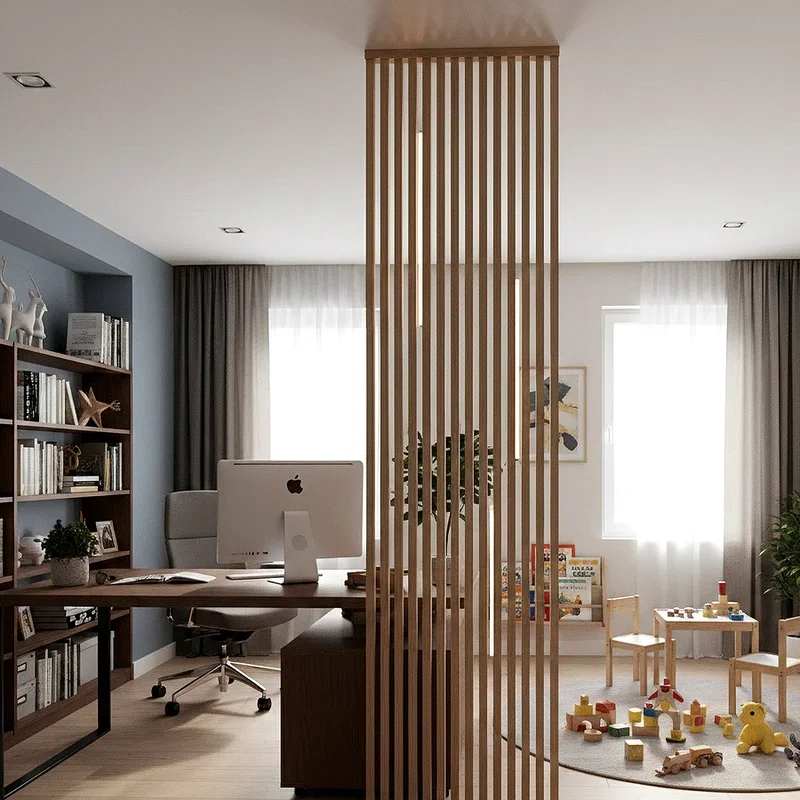
3. Create a Kid Friendly Corner with Low Shelving
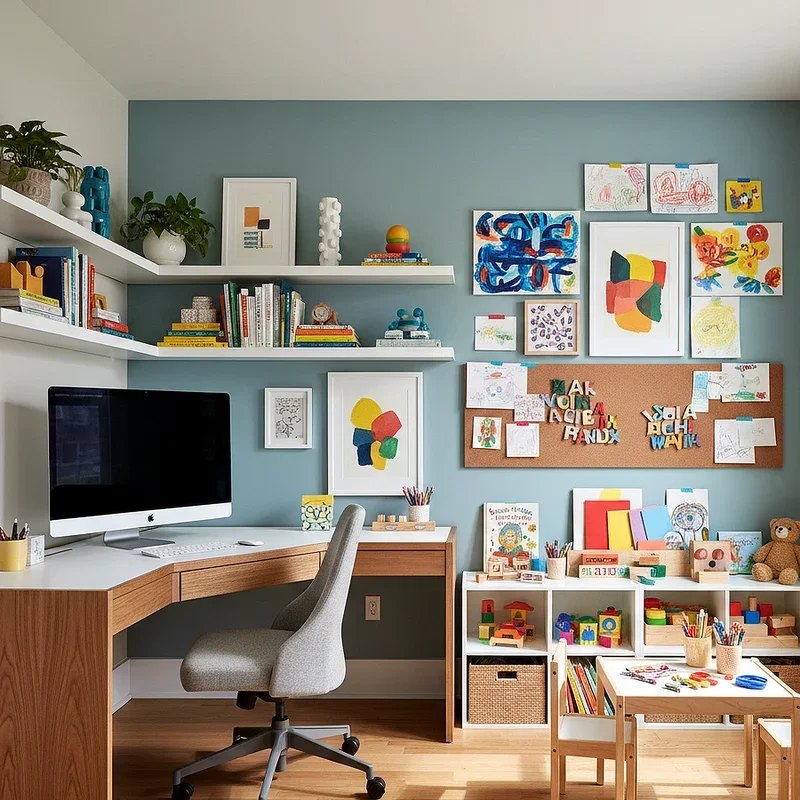
Children thrive when they can access their belongings independently, and low shelving systems make this possible while keeping your workspace organized. Install open cube storage at child height filled with labeled bins containing different activity types like building blocks, art supplies, and puzzles. This Montessori inspired approach encourages kids to choose activities, play independently, and return items to their proper places without constant parental intervention. Position this shelving unit across from your desk area so you can observe play patterns while working on your computer. The visual accessibility of toys actually reduces the constant requests for help finding things because everything has a clear home. Wooden shelves painted in neutral tones keep the overall aesthetic sophisticated while still being completely functional for young family members navigating their daily play routines.
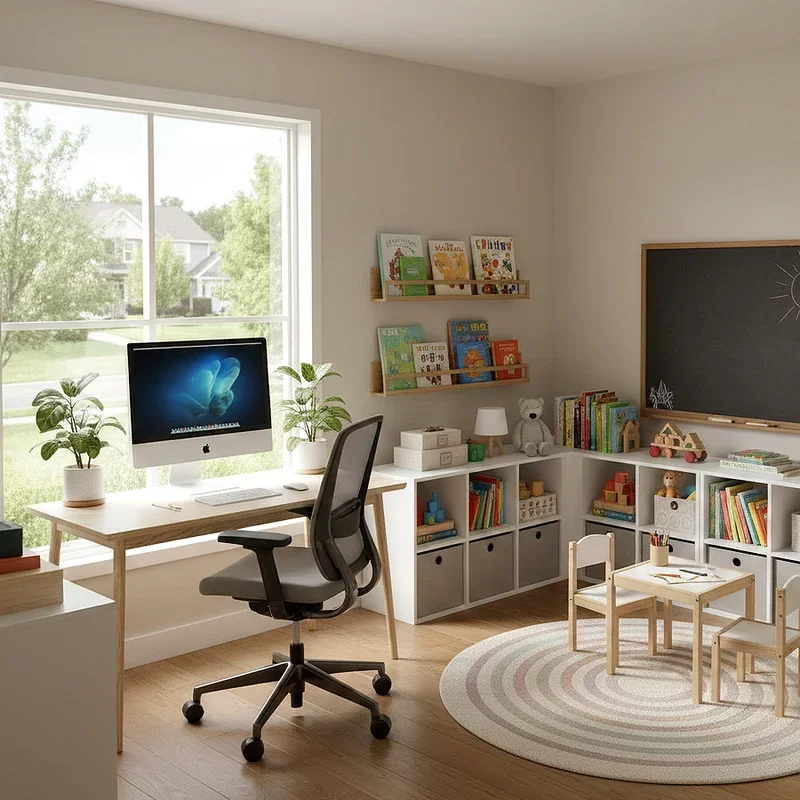
4. Use Color Coding to Define Areas
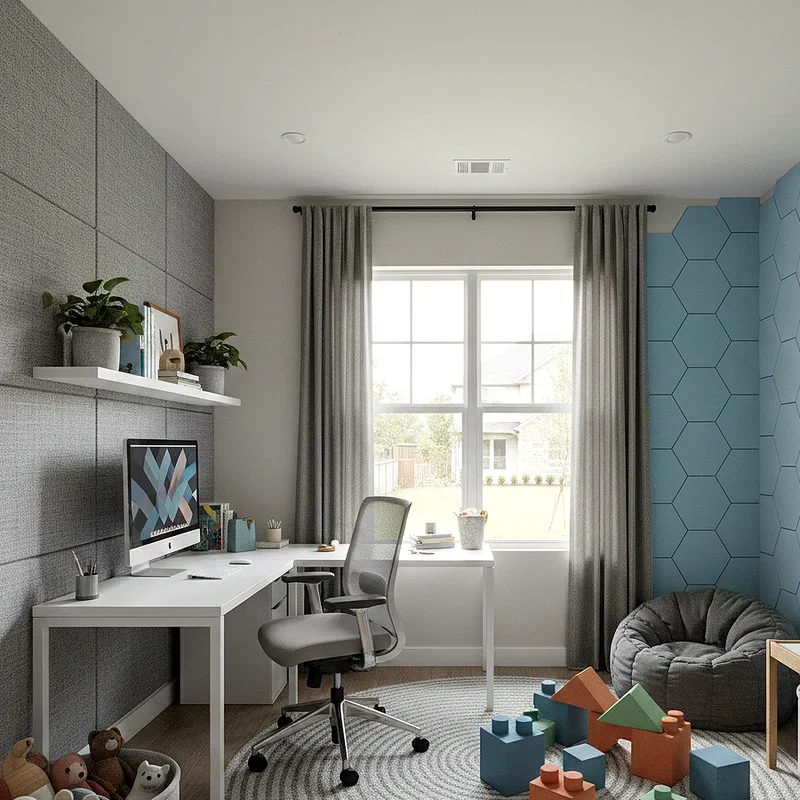
Color psychology plays a powerful role in how we perceive and use different spaces within the same room. Paint the walls behind your office area in calm, focused tones like navy blue, forest green, or sophisticated gray that promote concentration and professionalism. Meanwhile, introduce brighter, more stimulating colors in the play zone through accent walls, colorful storage bins, or vibrant artwork that sparks imagination and creativity. This visual distinction helps children understand which area belongs to work and which invites play without you having to explain it constantly. You might choose a neutral base color throughout and add personality through accessories and textiles that can be easily swapped as kids grow older. The gradual transition between color zones creates a cohesive look while clearly communicating the purpose of each space within your combo room.
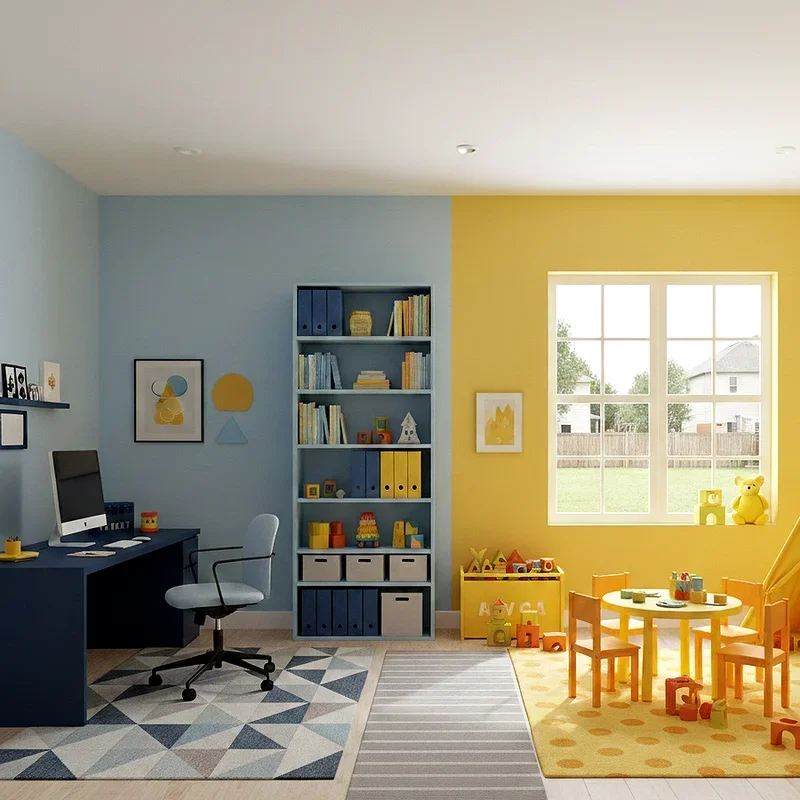
5. Incorporate Hidden Storage Solutions
Clutter is the enemy of both productivity and peaceful parenting, making hidden storage solutions absolutely essential in any dual purpose room. Ottoman benches with interior storage provide seating for visitors while secretly housing toys, blankets, or office supplies you want accessible but not visible during work hours. Consider installing a window seat with built in drawers underneath, creating a cozy reading spot that also contains puzzle boxes, board games, and craft kits. Coffee tables with lift tops reveal organized compartments perfect for coloring books and crayons that disappear when clients join video meetings. Wall mounted cabinets with doors keep technology, important documents, and fragile items safely away from curious little hands exploring their environment. The magic happens when everything has a designated hiding spot, allowing you to transform the room from play mode to professional setting within minutes.
6. Design a Murphy Desk and Play Area Combo
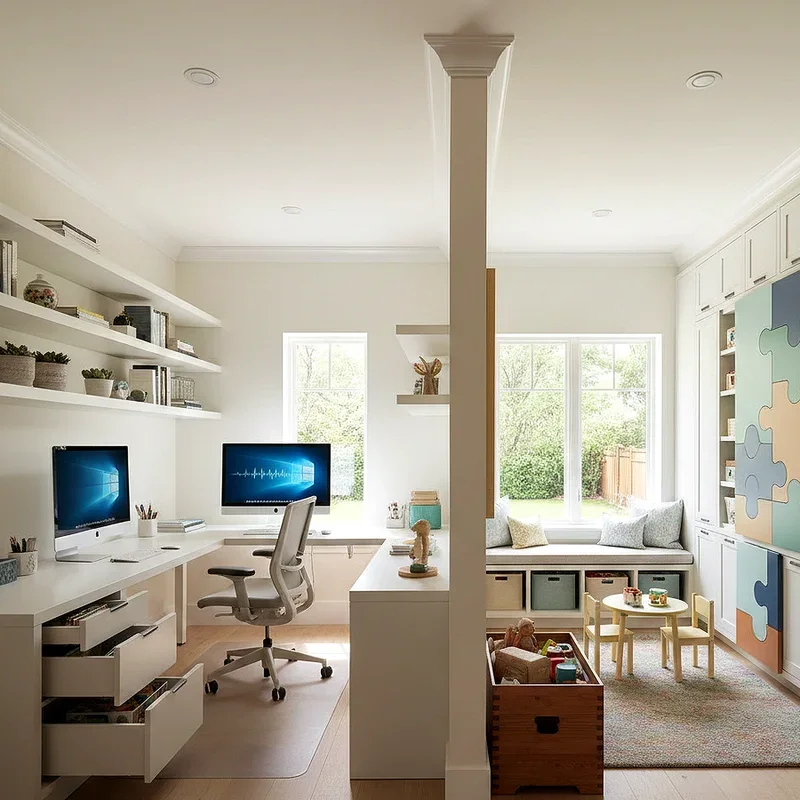
Murphy furniture has experienced a remarkable renaissance, and a fold down desk represents pure genius for families working with limited square footage. Imagine a beautiful wall unit that contains your entire workspace, complete with built in shelves and task lighting, that folds flat against the wall when not in use. This transformation instantly converts your office into additional play space for running, dancing, or building elaborate fort structures. Some designs even incorporate a fold down desk on one side and a fold down play table on the other, creating mirror image functionality for parent and child. When both elements are stored, you have a clean, open room perfect for family movie nights or active indoor play during rainy afternoons. The initial investment in quality Murphy furniture pays dividends in space savings and flexibility for years throughout your work from home journey.
7. Add a Reading Nook That Doubles as Quiet Time Space
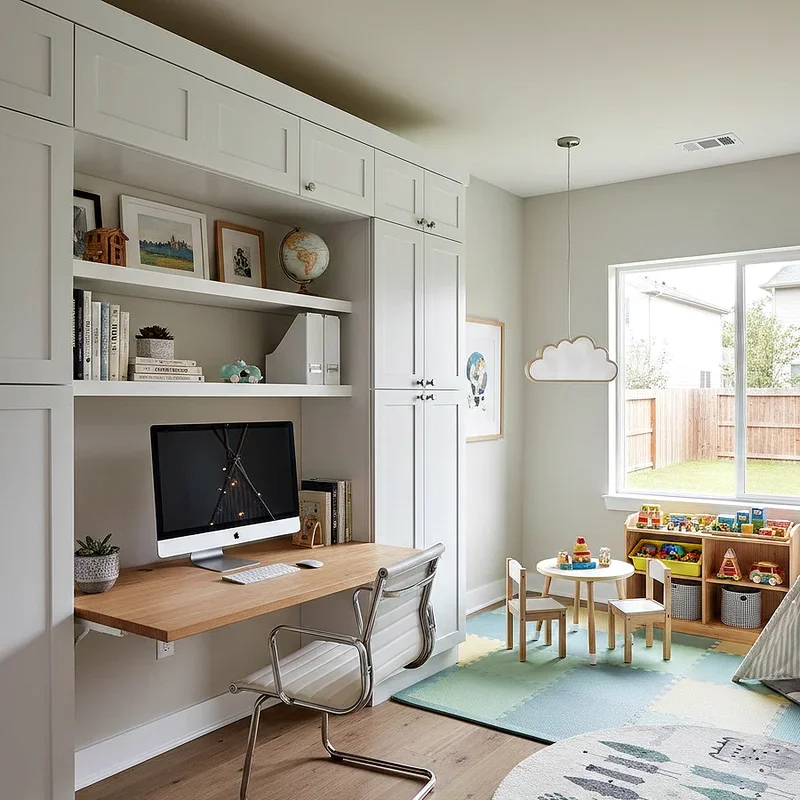
Every child needs a cozy retreat where imagination can flourish, and every parent needs occasional moments of uninterrupted focus. A thoughtfully designed reading nook serves both purposes brilliantly when positioned within sight of your desk area but slightly separated for intimacy. Install a canopy or tent structure filled with plush cushions, soft blankets, and baskets overflowing with age appropriate books that invite hours of quiet exploration. Add battery operated fairy lights to create a magical atmosphere that makes reading time feel special rather than like a punishment for being asked to play quietly. This designated quiet zone becomes invaluable during important phone calls or deadline crunches when you need your child engaged but not actively seeking attention. The reading nook teaches children to enjoy solitude and self entertainment, skills that benefit them throughout their entire lives beyond childhood.
8. Install Magnetic or Chalkboard Walls
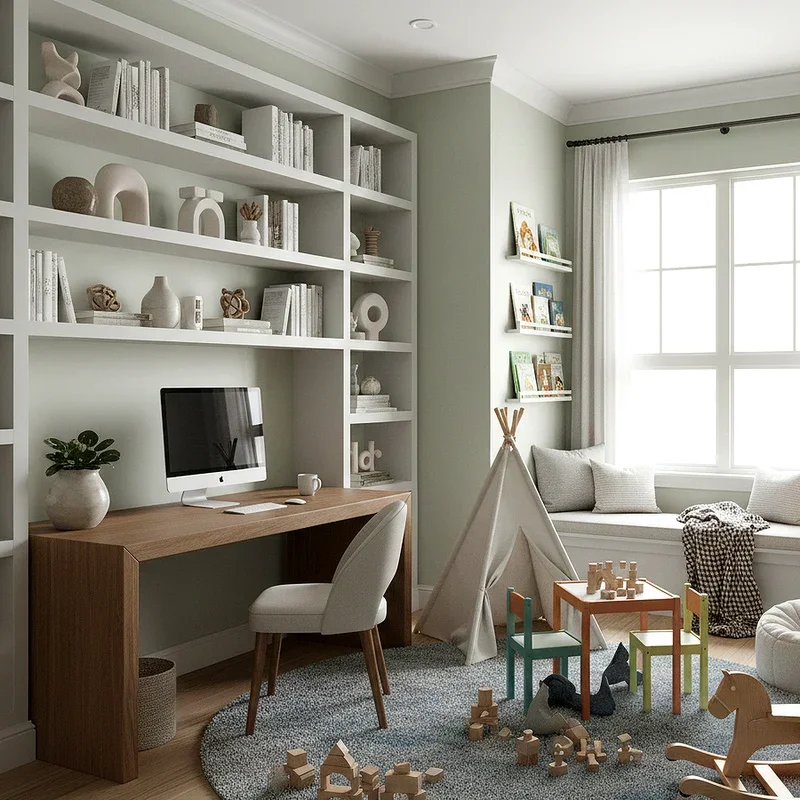
Transform an entire wall into an interactive canvas that keeps children creatively occupied while you tackle your daily work responsibilities. Magnetic paint covered with chalkboard paint creates a surface where kids can draw, write, solve puzzles, and display artwork using magnetic letters and shapes. This vertical play space takes up zero floor area, maximizing your room's usable square footage for other furniture and activities throughout the day. Position the interactive wall directly across from your desk so you can admire artistic creations while maintaining awareness of your child's activities and safety. Chalkboard walls easily wipe clean, and magnetic accessories store compactly in nearby containers when playtime ends each evening. The beauty of this solution lies in its adaptability; as children grow, the wall transitions from finger painting fun to homework help station.
9. Create a Craft Station Near Your Workspace
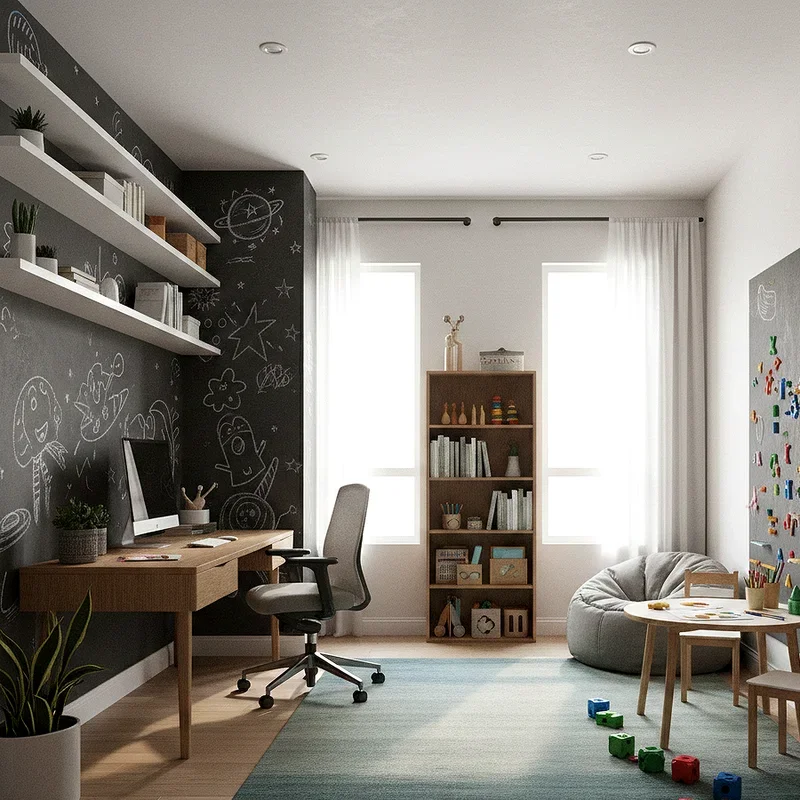
Crafting provides the perfect parallel activity that keeps little hands busy while you work through your inbox or attend virtual meetings. Designate a small table and chair set near your desk where children can create art projects, work on sticker books, or practice cutting and pasting skills independently. Stock nearby drawers with washable markers, safety scissors, glue sticks, and plenty of paper so kids can help themselves without interrupting your workflow constantly. The proximity allows for occasional guidance or admiration of completed masterpieces while maintaining your own productivity throughout the afternoon. A plastic mat beneath the craft table protects flooring from inevitable spills and makes cleanup quick and painless after particularly enthusiastic creative sessions. Consider a tabletop easel that folds flat when not in use, giving young artists a proper workspace that feels special and important.
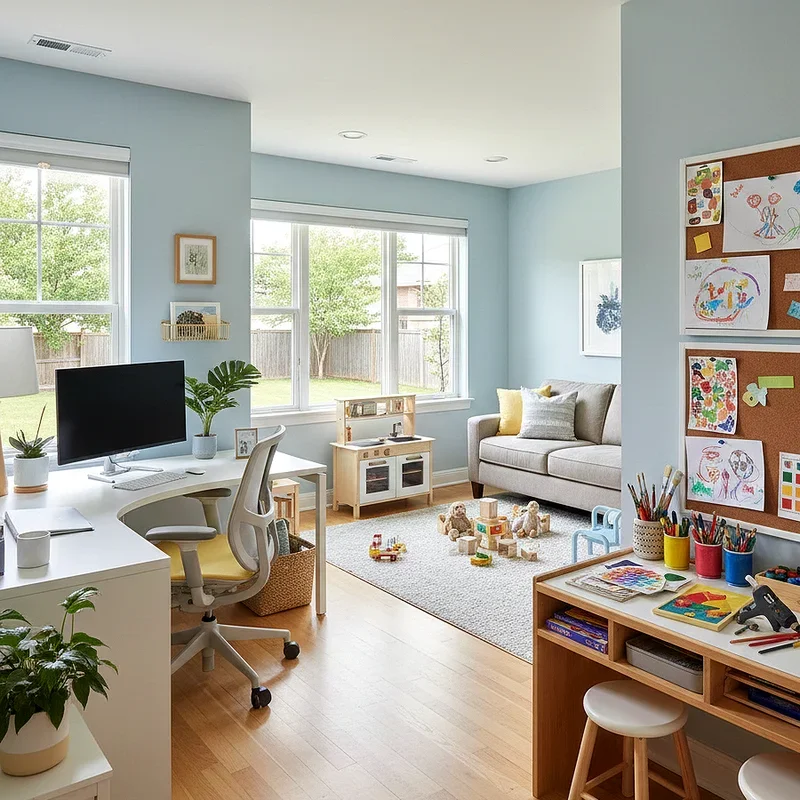
10. Use Rugs to Visually Separate Zones
Rugs serve as visual anchors that define different areas within an open floor plan without requiring any permanent modifications to your space. Place a sophisticated, low pile rug beneath your desk and office chair that communicates professionalism and helps define your work territory clearly. In the play zone, choose a softer, more playful rug, perhaps one with roads for toy cars, educational shapes, or whimsical patterns that inspire imaginative games. The transition between rugs creates a psychological boundary that children naturally recognize and respect with minimal reminders from busy parents working nearby. Beyond aesthetics, rugs also absorb sound, reducing the echo of toy crashes and running feet during your most important conference calls. Selecting washable or stain resistant materials ensures that inevitable juice spills and art accidents do not require expensive replacement of your carefully chosen floor coverings.
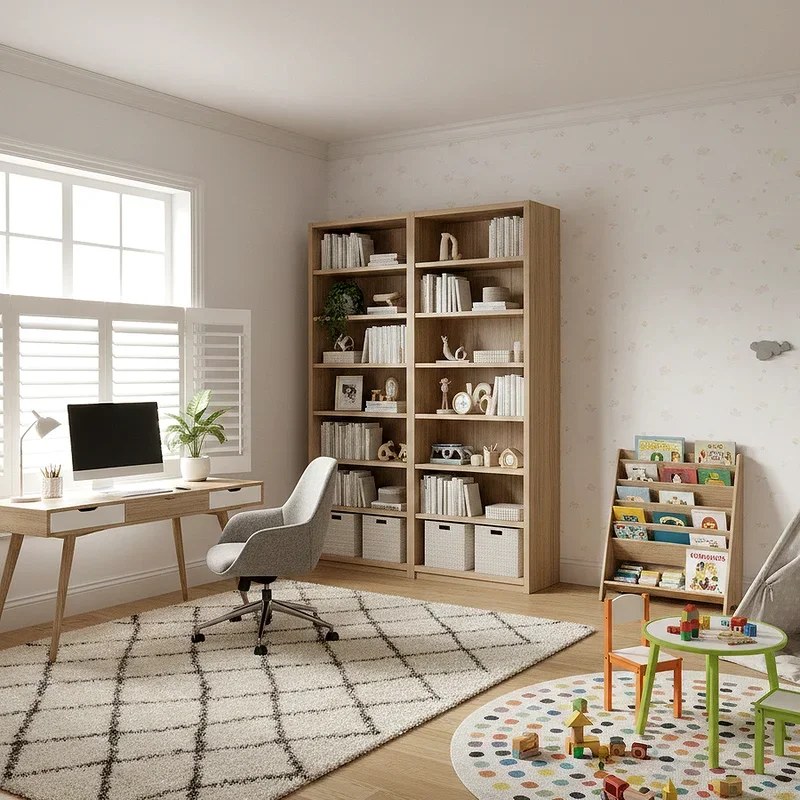
11. Build Custom Built In Units for Both Functions
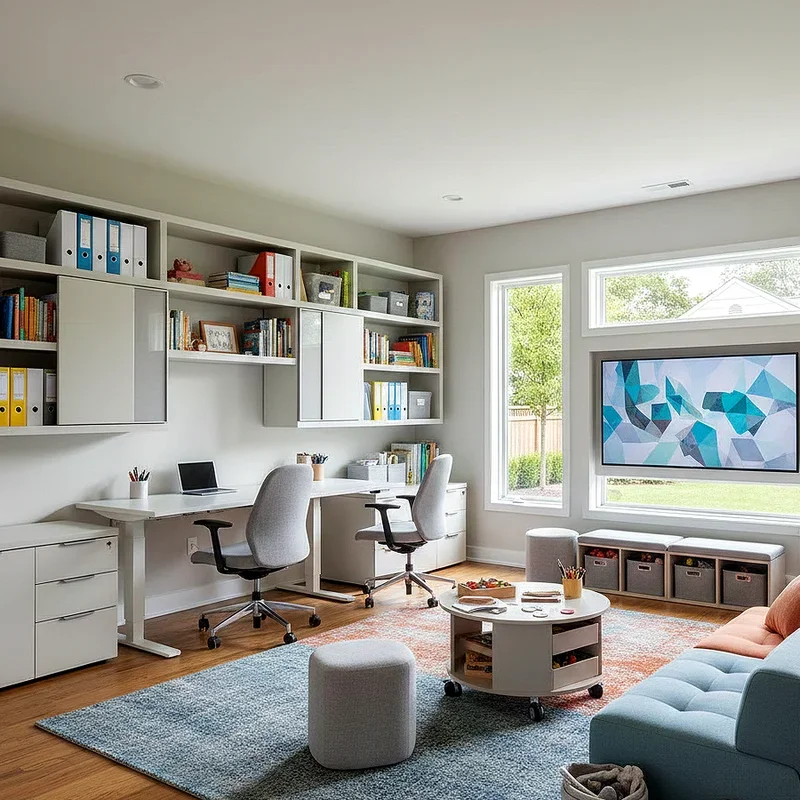
Custom cabinetry represents a significant investment that pays enormous dividends in a room serving multiple purposes simultaneously for your family. Work with a carpenter or skilled installer to design built ins that accommodate your office equipment, filing needs, and decorative items on one section. The adjacent section can feature open cubbies at child height, closed cabinets for toy rotation, and display shelves for showcasing favorite creations and treasures. Unified materials and hardware tie the entire wall together visually, making the room feel intentionally designed rather than awkwardly divided between competing functions. Custom solutions maximize every inch of available wall space, which proves particularly valuable in smaller homes or apartments where square footage comes at premium prices. The result is a streamlined, magazine worthy space that impresses colleagues during video calls while perfectly serving your family's daily practical needs.
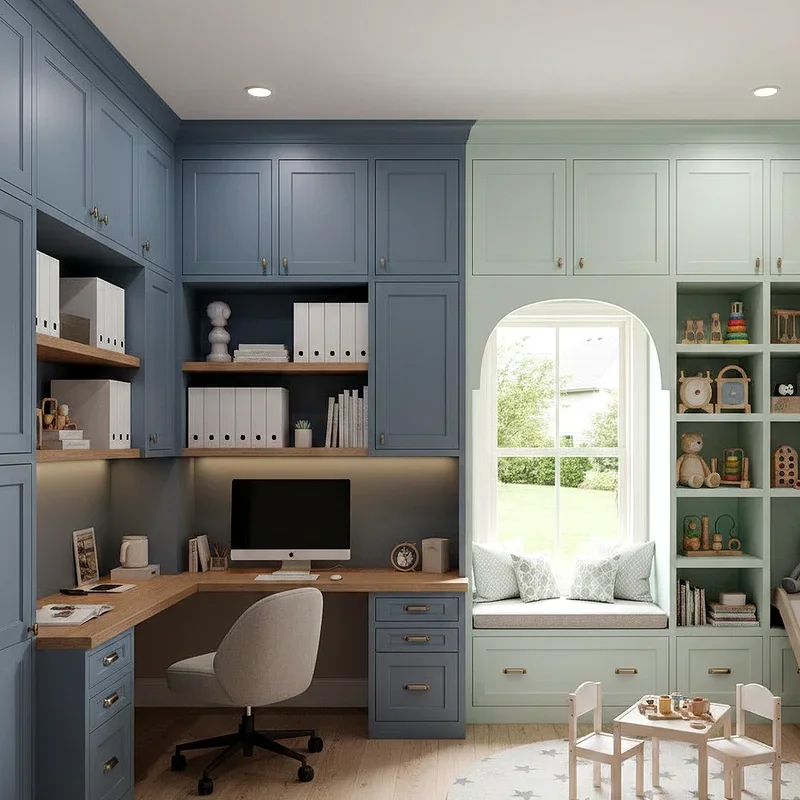
12. Set Up a Tech Free Play Zone
Screens compete for attention in modern homes, making a designated tech free play area increasingly valuable for developing imaginations and family connections. Fill one corner with open ended toys like wooden blocks, play silks, dress up costumes, and dollhouses that encourage storytelling and creative problem solving. This intentional absence of electronic stimulation helps children develop longer attention spans and deeper engagement with physical materials and their own imagination. Position this zone where natural light floods in during afternoon hours, creating an inviting atmosphere that draws kids away from screen temptations naturally. The contrast between your tech filled work area and their screen free play space teaches healthy boundaries around technology from an early age. You model focused digital work while they learn that rich entertainment exists beyond glowing rectangles, a lesson that benefits their entire childhood development.
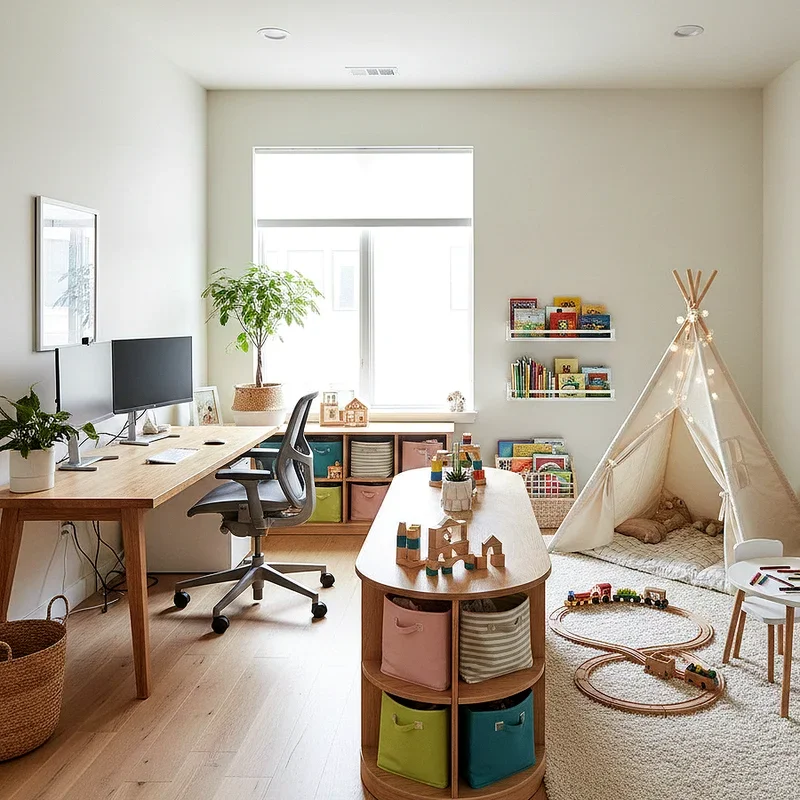
13. Design a Shared Art Wall Display
Creating a gallery wall that celebrates both professional achievements and childhood artwork fosters connection and mutual appreciation within your dual purpose room. Mix framed certificates, diplomas, or inspiring quotes alongside rotating displays of your child's latest artistic creations using clothespin clips or magnetic frames. This visual blend communicates that both work and play hold value in your family, validating everyone's contributions to household life equally. Children beam with pride seeing their finger paintings displayed alongside grown up credentials, building confidence and self worth through recognition. A cohesive gallery arrangement, perhaps using matching frames or a consistent color scheme, prevents the display from looking chaotic or overwhelming on video calls. Update the children's artwork regularly, perhaps monthly, giving them something to anticipate and creating natural opportunities to discuss their creative growth together.
14. Incorporate Sound Absorbing Elements
Noise management presents one of the greatest challenges in any shared space, particularly when your livelihood depends on professional communication and focused concentration. Acoustic panels have become surprisingly stylish, available in various colors and shapes that function as art while dampening sound transmission between zones. Thick curtains, upholstered furniture, and plush carpeting all contribute to sound absorption, softening the acoustic environment throughout your combo room. Consider a white noise machine or fan positioned strategically to mask sudden outbursts or toy crashes during sensitive phone conversations with clients or colleagues. Bookshelves filled with volumes also absorb sound waves, making them doubly valuable as storage and acoustic treatment simultaneously. Teaching children about inside voices and providing visual signals when quiet is needed complements these physical solutions for comprehensive noise management success.
15. Create Flexible Furniture Arrangements
The most successful office and playroom combos adapt easily to changing needs throughout different days, seasons, and years of family life. Choose lightweight furniture on casters that can be repositioned quickly when you need more floor space for active play or larger work projects. Folding tables, nesting stools, and stackable storage cubes allow you to reconfigure the room within minutes for birthday parties, play dates, or extended work sessions. As children grow, their play needs evolve from floor based activities to table games to homework stations, and flexible furniture adapts alongside these developmental changes. Consider investing in a quality folding screen that can be deployed for privacy during specific calls or stored completely when open sight lines matter more.
Conclusion
Creating a successful office and playroom combo requires thoughtful planning, strategic furniture choices, and a willingness to adapt as your family grows. These fifteen ideas provide a roadmap for designing a space that honors both your professional responsibilities and your children's developmental needs simultaneously. Remember that perfection is not the goal; functionality, flexibility, and family connection matter far more than Instagram worthy aesthetics. Start with one or two ideas that resonate most strongly with your current situation and gradually implement others as budget and time allow. Your dual purpose room will evolve alongside your family, becoming a cherished space where memories of parallel productivity and play intertwine beautifully for years ahead.
Read next: 15 Mid Century Modern Office Ideas for Stylish Workspaces
Frequently Asked Questions
Q1. What is the ideal room size for an office and playroom combo?
A: Most families find success with rooms measuring at least 150 square feet or larger.
Q2. How do I keep kids out of my work materials?
A: Install lockable cabinets and use upper shelves to store sensitive documents safely away.
Q3. Can this concept work for families with multiple children?
A: Absolutely, just create individual play zones with personalized storage for each child present.
Q4. What age group benefits most from this room setup?
A: Children aged two through ten typically thrive most in supervised play near working parents.
Q5. How do I handle noise during important video calls?
A: Use noise canceling headphones, acoustic panels, and schedule calls during designated quiet activity times.
Stay up to date with our latest ideas!