How to Plan a Durable Asphalt Paving Project
Learn how to plan asphalt paving projects, choose suitable materials, maintain paved surfaces, and identify when repairs, resurfacing, or sealcoating are needed.
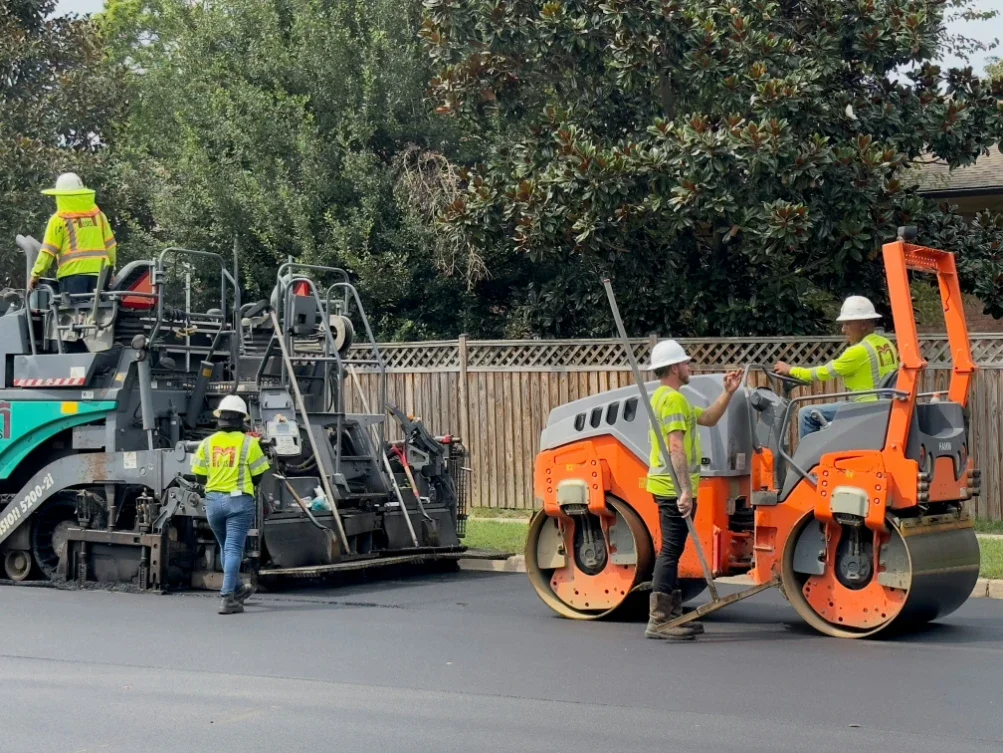
A durable paved surface starts with proper planning, suitable materials, and skilled installation. Whether you are improving a residential driveway, developing a commercial parking lot, or maintaining a municipal pathway, choosing the right Ann Arbor paving contractor can make a significant difference in long-term performance. Sommerset Paving provides commercial, residential, and municipal asphalt solutions, including new installations, repairs, resurfacing, and sealcoating, helping property owners and organizations create durable surfaces with careful workmanship.
Understanding the Different Asphalt Services
Not every paved surface needs to be completely replaced. The appropriate service depends on the condition of the pavement, the extent of damage, and how the surface is used.
New asphalt installation is appropriate when constructing a driveway, parking area, road, or pathway where no suitable pavement currently exists. A proper installation typically involves preparing the underlying surface, establishing appropriate drainage, and applying asphalt in carefully planned layers.
Repair services address localized problems such as cracks, potholes, deteriorated edges, and areas where the pavement has begun to fail.
Resurfacing provides another option when the underlying pavement remains structurally sound but the surface has become worn or damaged.
Why Proper Site Preparation Matters
The quality of asphalt depends heavily on what lies underneath it.
Before installation, the site should be properly graded and prepared. The underlying base must provide adequate support and allow water to move away from the paved surface.
Poor drainage can cause water to collect beneath or around asphalt. Over time, repeated exposure to moisture and temperature changes can contribute to cracking, settlement, and other forms of deterioration.
A professional paving assessment should therefore consider drainage, soil conditions, existing pavement, traffic levels, and the intended use of the finished surface.
Choosing Asphalt for Residential Driveways
A driveway must withstand regular vehicle traffic while also complementing the appearance of the property.
Properly installed asphalt can provide a smooth, practical surface that works well with many residential styles. Homeowners should consider driveway dimensions, drainage, slope, expected traffic, and connections to existing walkways or garage entrances before beginning a project.
Regular maintenance can also help preserve the surface. Keeping the driveway clean and addressing cracks early may prevent minor defects from becoming larger problems.
Commercial Parking Lots Require Careful Planning
Commercial pavement typically experiences more frequent and heavier traffic than a residential driveway.
Parking lots should be designed around vehicle movement, parking layouts, pedestrian access, drainage, and expected traffic loads.
The condition of the pavement can also influence how customers perceive a property. Cracked, uneven, or heavily deteriorated parking areas may create an uninviting appearance and can introduce potential trip or vehicle hazards.
Routine inspections can help property managers identify developing problems before they interfere with normal business operations.
When Asphalt Repairs Are Appropriate
Small pavement defects are easier to manage when addressed promptly.
Common warning signs include:
Narrow or expanding cracks
Potholes
Crumbling pavement edges
Areas of standing water
Uneven surfaces
Small sections showing significant deterioration
The appropriate repair depends on the cause and severity of the problem. Simply filling a surface defect may not solve an underlying drainage or structural issue.
A professional evaluation can help determine whether localized repair is sufficient or whether a larger section requires attention.
When Resurfacing Makes Sense
Resurfacing can restore the appearance and usability of pavement without completely rebuilding the entire surface.
It is generally most appropriate when the existing pavement still has adequate structural integrity but shows widespread surface wear, cracking, or aging.
Before resurfacing, underlying failures should be addressed. Applying a new surface over serious structural problems may only provide a temporary improvement.
Protecting Pavement With Sealcoating
Sealcoating can be part of a long-term pavement maintenance strategy.
It creates a protective layer over asphalt that can help reduce exposure to moisture, sunlight, and everyday wear. However, sealcoating should be performed at an appropriate stage of the pavement's life and applied to a properly prepared surface.
It is not a substitute for repairing significant structural damage. Cracks and other defects should generally be addressed before protective treatments are applied.
Municipal Pathways and Public Areas
Municipal paving projects require additional attention to accessibility, pedestrian safety, durability, drainage, and long-term maintenance.
Pathways may experience foot traffic, bicycles, maintenance equipment, and seasonal weather exposure. A suitable design should account for these conditions while connecting public spaces safely and efficiently.
Consistent inspection and maintenance can help municipalities extend pavement life and plan repair work before problems become more disruptive.
Build a Maintenance Plan From the Start
Asphalt maintenance should not begin only after visible damage becomes severe.
Property owners can periodically inspect paved surfaces, keep drainage systems clear, remove debris, and address cracks or potholes as they appear. Commercial and municipal property managers may benefit from maintaining records of repairs and resurfacing work to anticipate future maintenance requirements.
A proactive approach can make pavement costs more predictable while helping surfaces remain functional and attractive.
Final Thoughts
A successful asphalt project depends on more than the material itself. Proper site preparation, drainage, installation, repair, and ongoing maintenance all influence how well a paved surface performs over time.
Whether the project involves a residential driveway, commercial parking lot, or municipal pathway, understanding the available services helps property owners make informed decisions. With appropriate planning and timely maintenance, asphalt surfaces can provide reliable performance and maintain their appearance for many years.
Stay up to date with our latest ideas!