How Interior Paint Influences Customer Experience and Workplace Productivity
Discover how commercial interior paint choices affect customer perception, employee productivity, maintenance costs, and workplace functionality.

The appearance of a commercial space has a direct impact on how customers, employees, and visitors perceive a business. From office buildings and medical facilities to retail stores and hospitality environments, interior design influences comfort, professionalism, and overall experience. One of the most overlooked yet influential elements in commercial interiors is paint. A carefully planned interior commercial painting project can improve workplace atmosphere, reinforce brand identity, and support long term property maintenance while minimizing disruption to business operations.
Why Interior Paint Matters in Commercial Spaces
Interior paint does much more than refresh walls. It shapes the environment people interact with every day. Color, texture, finish, and overall quality contribute to how a commercial property feels and functions.
For businesses, first impressions matter. Customers often associate a clean and modern interior with professionalism and attention to detail. Employees also tend to feel more comfortable and motivated in well maintained spaces with thoughtful design choices.
Commercial interiors experience constant wear from foot traffic, furniture movement, and daily activity. High quality paint systems help protect surfaces while maintaining a polished appearance over time.
The Connection Between Color and Productivity
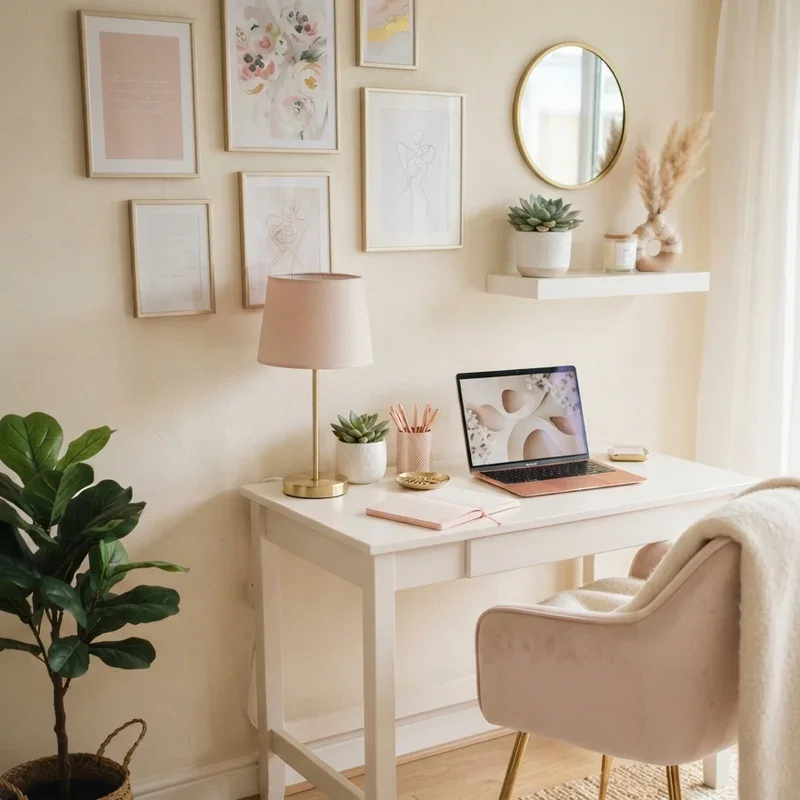
Color psychology plays an important role in workplace design. Different colors can influence mood, concentration, and energy levels.
For example:
Blue tones are often associated with focus and calmness
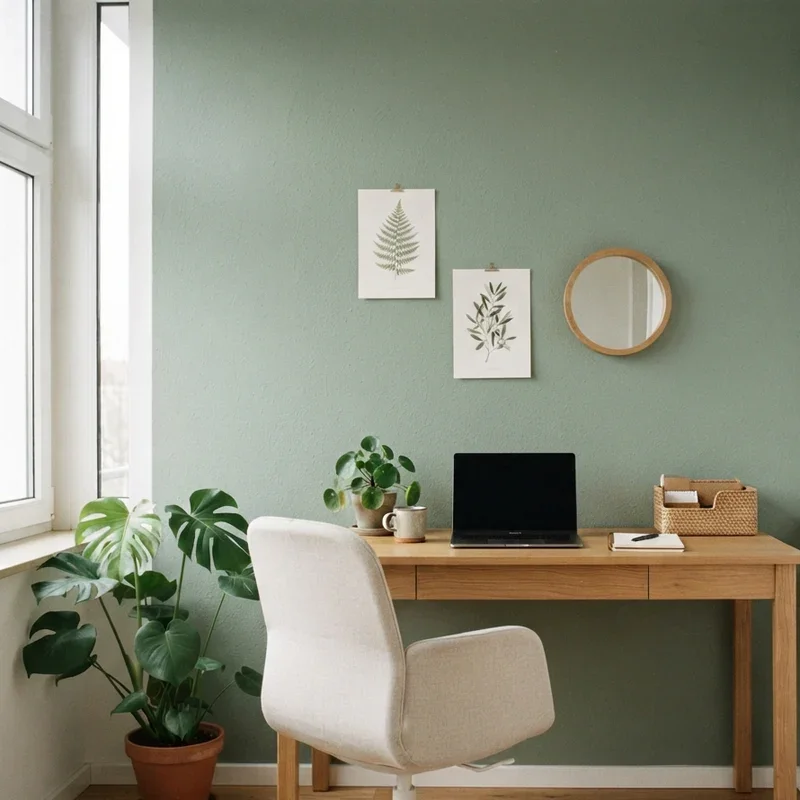
Green shades create a balanced and refreshing atmosphere
Neutral colors support professionalism and flexibility
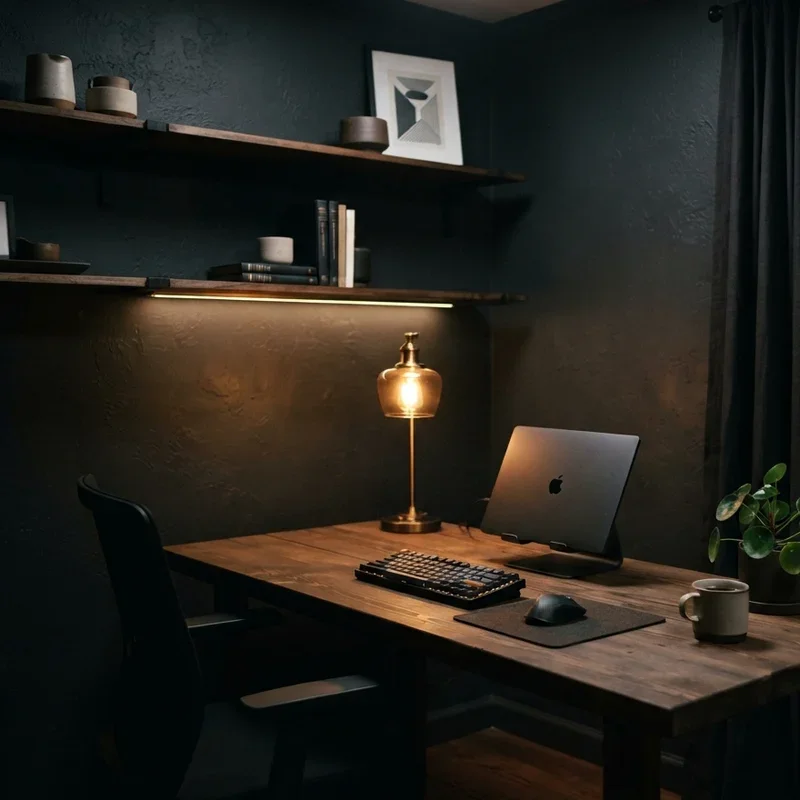
Warm tones can encourage energy and social interaction
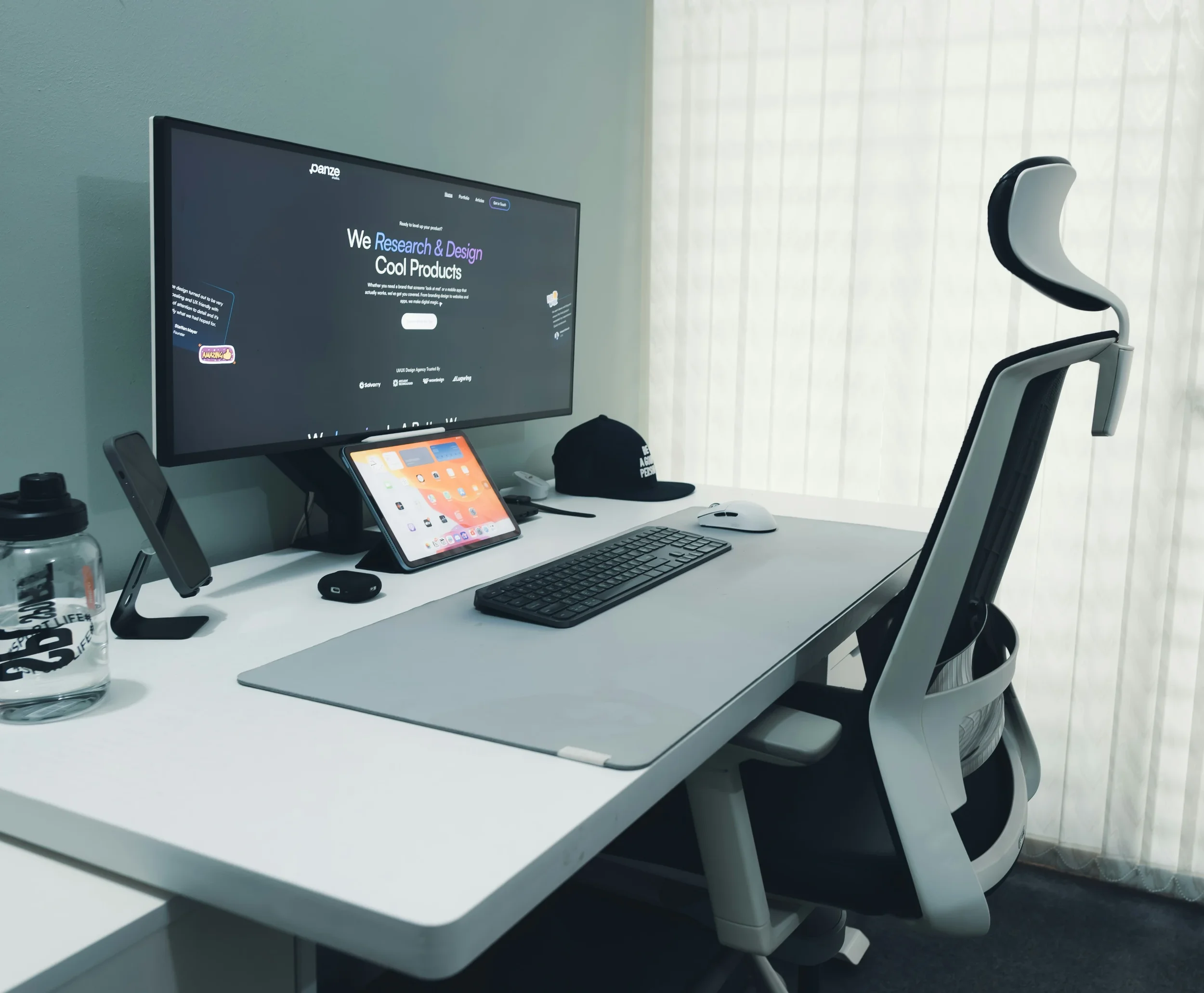
Offices frequently use calming colors to improve concentration, while retail spaces may use more energetic palettes to encourage customer engagement.
Choosing the right color scheme depends on the purpose of the space, the type of business, and the experience the property aims to create.
Creating Positive Customer Experiences
Commercial interiors strongly affect how customers feel when they enter a space. A poorly maintained or outdated environment may create doubts about quality and professionalism.
Fresh paint can help businesses:
Create a welcoming atmosphere
Reinforce brand image
Improve perceived cleanliness
Increase customer comfort
Enhance overall visual appeal
This is especially important in industries such as hospitality, healthcare, and retail, where customer perception directly influences satisfaction and loyalty.
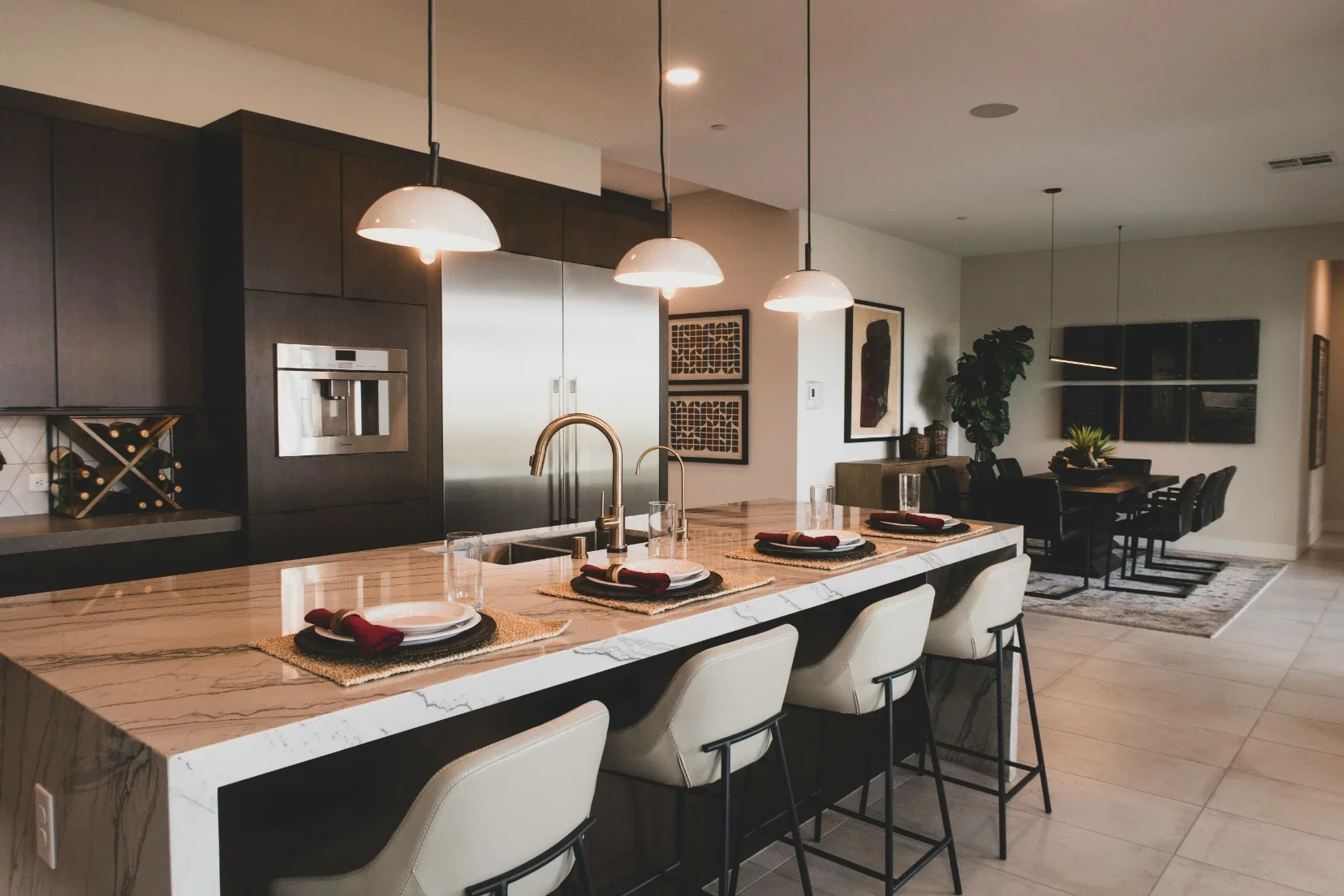
For example, medical offices often benefit from soft and calming colors that reduce stress, while restaurants may choose warmer tones that create a comfortable dining environment.
Durability and Maintenance in High Traffic Areas
Commercial interiors must withstand significantly more wear than residential spaces. Hallways, lobbies, waiting rooms, and common areas are exposed to constant use.
Because of this, durability is a major consideration during painting projects. High quality coatings help resist:
Scuffs and scratches
Moisture damage
Stains and marks
Frequent cleaning and sanitizing
Washable and durable finishes are especially important in healthcare facilities, schools, apartment buildings, and office complexes.
Regular maintenance cycles also help preserve the appearance of the property and prevent larger repair costs in the future.
The Importance of Surface Preparation
A successful painting project depends heavily on preparation. Simply applying paint over damaged or uneven surfaces often leads to poor results and shorter lifespan.
Professional preparation typically includes:
Repairing drywall damage
Filling cracks and holes
Sanding rough surfaces
Removing peeling paint
Cleaning walls thoroughly
This process creates a smooth foundation that improves paint adhesion and overall finish quality.
In commercial environments, proper preparation is especially important because imperfections are often more noticeable under bright lighting and in larger open spaces.
Low VOC Paints and Indoor Air Quality
Indoor air quality has become a major concern for many businesses, especially in offices, healthcare environments, and educational facilities.
Low VOC paints help reduce harmful emissions and odors during and after application. These products offer several advantages:
Better indoor air quality
Reduced odor during renovations
Safer environments for employees and visitors
Faster return to normal operations
Businesses increasingly choose low VOC solutions because they support healthier work environments while meeting modern environmental standards.
Scheduling Around Business Operations
One of the biggest concerns during commercial renovations is minimizing disruption. Businesses cannot always pause operations for large maintenance projects.
Professional painters often work around business schedules by:
Painting during evenings or weekends
Completing projects in phases
Isolating work areas to reduce interference
Coordinating with facility managers in advance
This flexibility helps businesses continue operating while upgrades are completed efficiently.
Clear communication and scheduling are essential for maintaining productivity during renovation work.
Long Term Value of Professional Interior Painting
A well maintained commercial interior contributes to long term property value and operational efficiency. Fresh paint improves aesthetics while also protecting surfaces from daily wear.
Benefits of professional commercial painting include:
Improved workplace appearance
Better customer impressions
Enhanced employee morale
Reduced long term maintenance costs
Increased durability of interior surfaces
For commercial landlords and property managers, maintaining attractive interiors can also help retain tenants and improve occupancy rates.
Choosing the Right Painting Partner
Commercial painting projects require experience, organization, and attention to detail. Businesses should look for contractors who understand commercial scheduling, safety standards, and the demands of high traffic environments.
Key qualities to consider include:
Experience with commercial properties
Knowledge of durable coatings and finishes
Clear project timelines
Strong communication
Ability to minimize operational disruption
Choosing the right professionals ensures the project is completed efficiently and delivers long lasting results.
Final Thoughts
Interior paint has a greater impact on commercial spaces than many people realize. It influences customer perception, employee productivity, maintenance requirements, and the overall atmosphere of a business environment.
By investing in thoughtful color selection, durable materials, proper preparation, and professional application, business owners and property managers can create spaces that feel modern, functional, and welcoming while supporting long term operational success.
Stay up to date with our latest ideas!