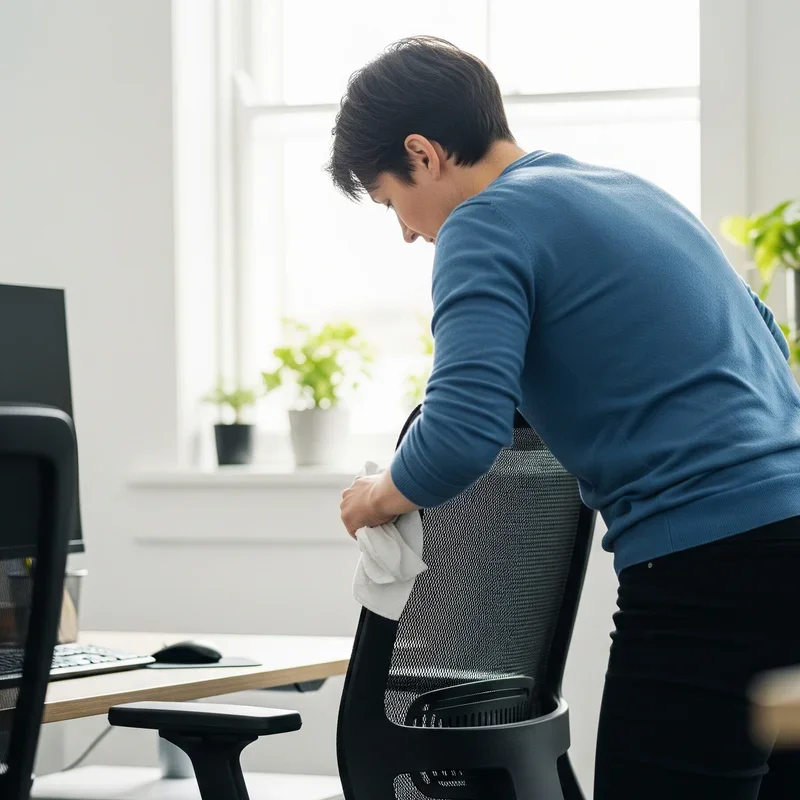
How to Clean Office Chair Smell and Remove Odors
Learn how to clean office chair smell and remove odors effectively. Discover proven methods, products, and prevention tips for fresh seating.
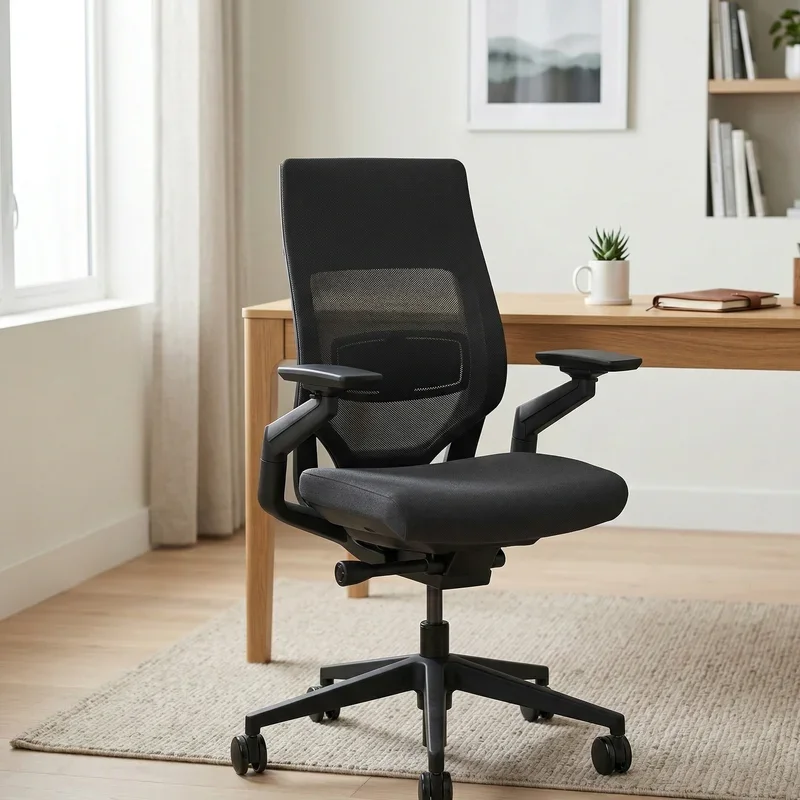
You know that moment when you sit down at your desk and catch a whiff of something that's definitely not your morning coffee? That funky smell wafting up from your office chair has probably been building for months, maybe years, and you've finally reached the point where ignoring it is no longer an option.
Here's the uncomfortable truth. We spend an enormous amount of time sitting in our office chairs, often eight hours or more daily. All that sitting means sweat, body oils, food crumbs, spilled drinks, and who knows what else have been seeping into the fabric, foam, and crevices of our chairs. Over time, this accumulation creates odors that can range from mildly unpleasant to genuinely embarrassing when colleagues stop by your desk.
The good news? You don't need to toss that chair and buy a new one. Most office chair odors can be eliminated with the right approach and a bit of elbow grease.
Understanding how to clean office chair smell and remove odors saves you money while restoring your workspace to a pleasant environment. Whether you're dealing with general mustiness, sweat buildup, food odors, or mystery smells you'd rather not identify, solutions exist for every situation.
This comprehensive guide walks you through everything from identifying what's causing the stink to implementing deep cleaning methods that actually work. We'll cover different chair materials, various odor types, and both DIY solutions and commercial products that get the job done.
Ready to breathe easy at your desk again? Let's tackle this problem head-on.
Understanding What Causes Chair Odors
Before diving into solutions, knowing what you're fighting helps you choose the right approach.
Sweat and Body Oils
The human body is essentially an odor-producing machine, and your chair absorbs it all.
We produce sweat throughout the day, even when sitting in air-conditioned offices. This moisture seeps into chair fabric and foam, creating an environment where bacteria thrive. Those bacteria break down organic compounds and release unpleasant-smelling gases.
Body oils compound the problem. These oils coat fabric fibers and attract dirt and debris, creating a sticky layer that holds onto odors tenaciously.
The seat cushion and backrest areas typically suffer most since they maintain constant contact with your body.
Food and Beverage Spills
That lunch you ate at your desk left more behind than you realized.
Crumbs fall into crevices where they decompose. Spilled coffee, soda, or other drinks soak into padding and create sticky spots that attract more debris. Even small spills that seem to dry quickly leave residue that eventually produces odors.
These organic materials break down over time, releasing smells that mix with other chair odors to create that distinctive funky office chair aroma.
Environmental Factors
Sometimes the chair itself isn't entirely to blame.
Humidity in your office allows mold and mildew to develop in chair materials. Poor ventilation traps odors rather than allowing them to dissipate. Proximity to kitchens or break rooms means your chair absorbs cooking smells.
Smoking residue, pet dander from home clothes, and countless other environmental factors contribute to the overall odor profile of your chair.
Material Breakdown
Older chairs may smell simply because materials are deteriorating.
Foam padding breaks down over years of use, releasing chemical odors as the material degrades. Adhesives used in construction can also produce smells as they age.
Some synthetic fabrics develop unpleasant odors as they wear, particularly lower-quality materials used in budget chairs.
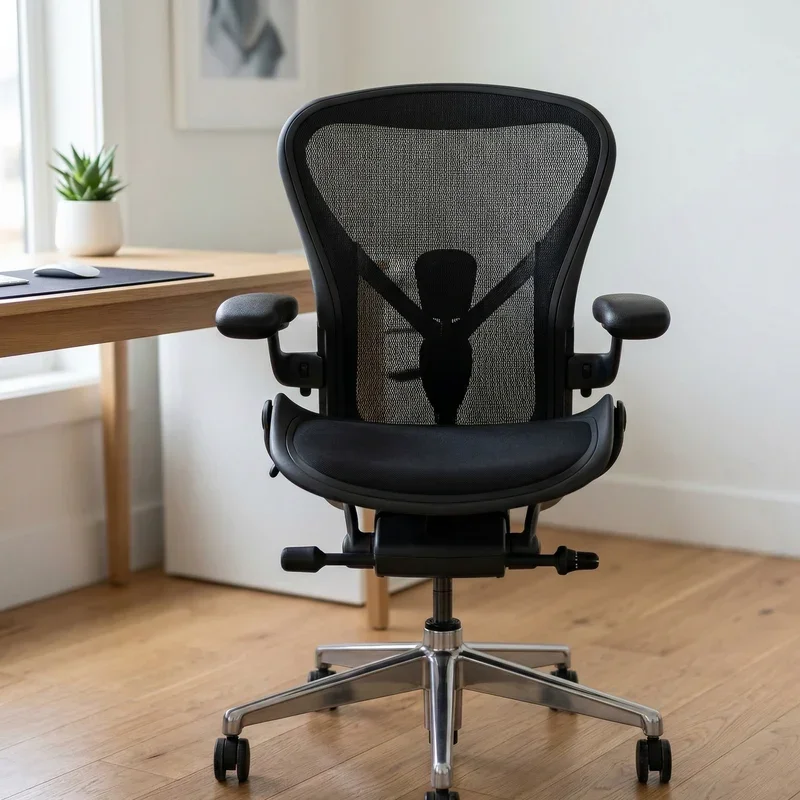
How to Clean Office Chair Smell and Remove Odors: Fabric Chairs
Fabric-covered chairs require specific cleaning approaches.
Basic Surface Cleaning
Start with the fundamentals before moving to deep cleaning methods.
Vacuum your chair thoroughly using an upholstery attachment. Get into every crevice, under armrests, and along seams where debris accumulates. This removes loose particles that contribute to odors.
Wipe down any non-fabric components like armrests and bases with a damp cloth. These areas harbor grime that adds to the overall smell.
This basic cleaning should be performed weekly to prevent odor buildup.
Baking Soda Treatment
This kitchen staple works wonders on fabric chair odors.
Sprinkle baking soda liberally across all fabric surfaces. Don't be shy about the amount. You want a visible layer covering the material.
Let the baking soda sit for several hours, preferably overnight if possible. It absorbs odors and moisture while neutralizing acidic compounds that contribute to smells.
Vacuum up the baking soda thoroughly. You may need multiple passes to remove all residue.
For stubborn odors, repeat this process two or three times.
Deep Cleaning Solutions
Sometimes baking soda alone isn't enough.
Mix a solution of equal parts white vinegar and water in a spray bottle. Lightly mist fabric surfaces, being careful not to oversaturate. The vinegar neutralizes odors and kills bacteria.
Don't worry about the vinegar smell. It dissipates completely as the fabric dries.
For tougher odors, add a few drops of dish soap to your cleaning solution. Apply with a soft brush, working the solution gently into the fabric, then blot with clean cloths.
Steam Cleaning Option
Steam effectively sanitizes and deodorizes fabric materials.
Handheld steam cleaners work well for office chairs. The high temperature kills bacteria and breaks down odor-causing compounds.
Work systematically across all fabric surfaces, allowing steam to penetrate but avoiding prolonged exposure that might damage certain materials.
Allow the chair to dry completely before use. Position it near a fan or open window to speed drying.
How to Clean Office Chair Smell and Remove Odors: Leather and Vinyl
These materials require gentler approaches to avoid damage.
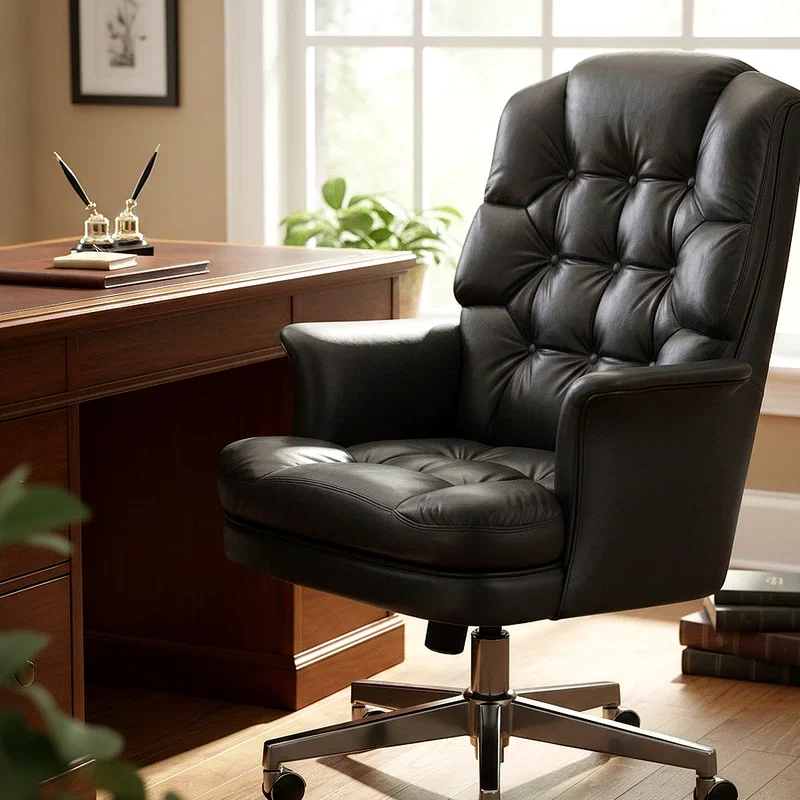
Leather-Specific Cleaning
Genuine leather needs careful treatment to maintain its condition while eliminating odors.
Start by wiping down all surfaces with a slightly damp microfiber cloth. This removes surface dirt and grime without oversaturating the material.
Mix a solution of equal parts white vinegar and water. Apply lightly with a soft cloth, wiping in the direction of the leather grain. This neutralizes odors without harming the leather.
Follow with a quality leather conditioner to restore moisture and protect the material. Conditioning also helps prevent future odor absorption.
Vinyl Cleaning Methods
Vinyl is more forgiving than leather but still requires appropriate care.
Create a cleaning solution using warm water and mild dish soap. Apply with a soft cloth, scrubbing gently to remove grime buildup.
Rinse with a clean, damp cloth to remove soap residue. Soap left on vinyl attracts dirt and can itself develop odors over time.
For stubborn odors, a light application of baking soda left for several hours followed by wiping clean works well on vinyl surfaces.
Tackling Crevices
Both leather and vinyl chairs have seams and crevices where debris accumulates.
Use cotton swabs or soft brushes to clean tight spaces between panels and around stitching. These areas often harbor significant odor sources.
A vacuum with a crevice tool helps remove loosened debris from these hard-to-reach spots.
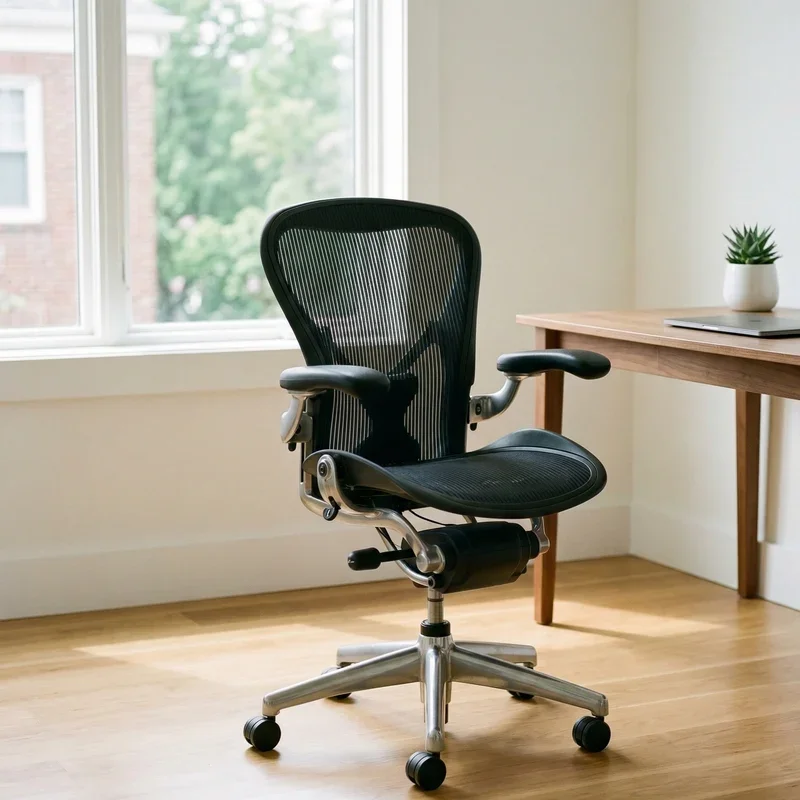
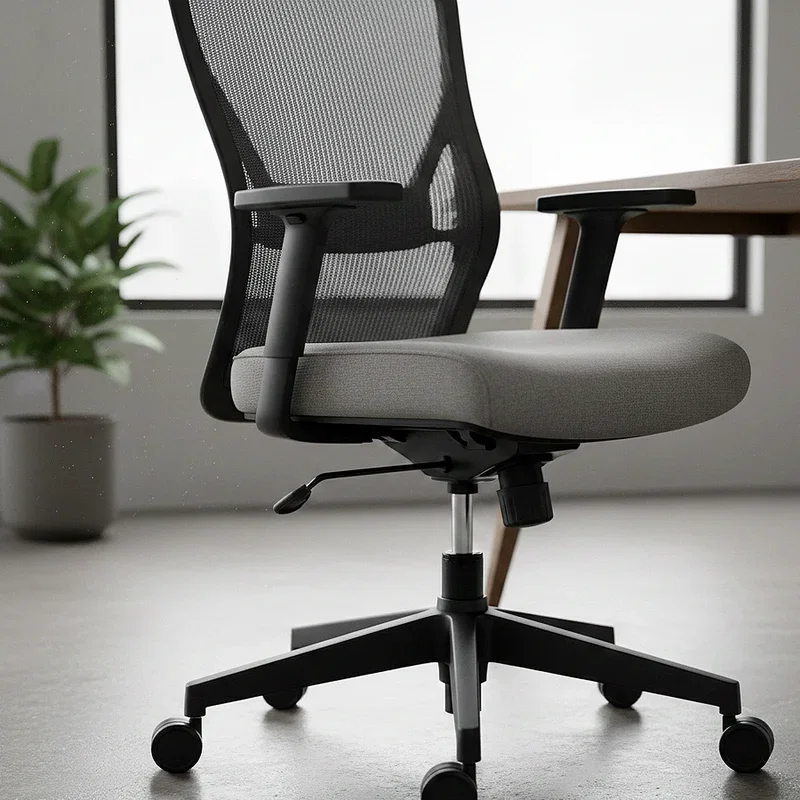
Mesh Chair Considerations
Mesh chairs present unique cleaning opportunities and challenges.
Advantages of Mesh
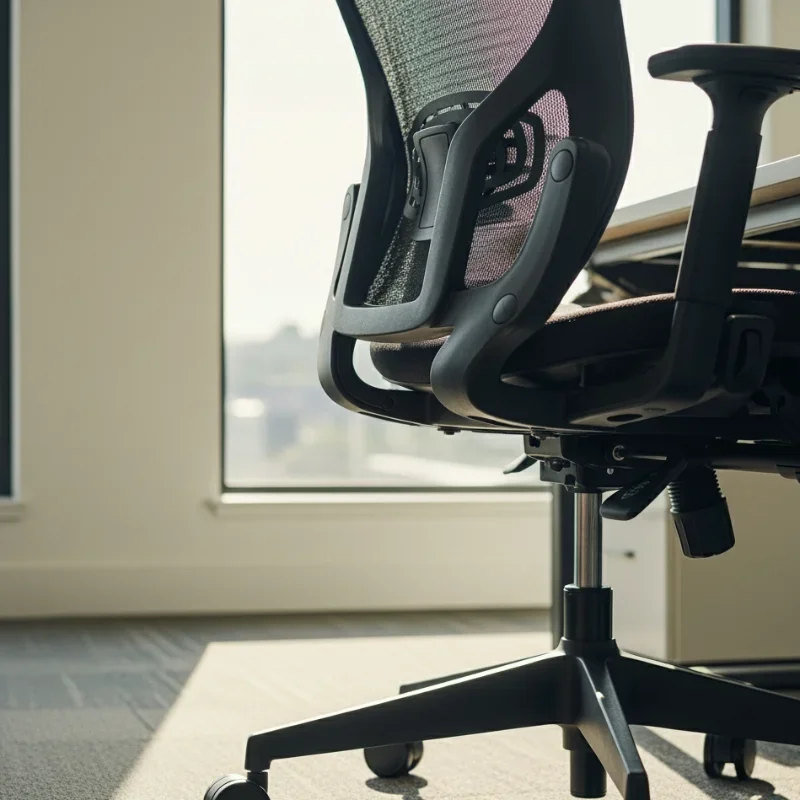
The open weave structure means mesh chairs often develop fewer odor problems than solid fabric.
Air circulates through the material, preventing the moisture buildup that encourages bacterial growth. However, debris can lodge in the mesh weave and create odors over time.
Cleaning Mesh Materials
Vacuum mesh carefully using low suction to avoid damaging the delicate material.
Spray with a vinegar and water solution, then wipe gently with a microfiber cloth. The open weave allows cleaning solution to penetrate and odors to release more easily than solid fabrics.
Allow thorough drying before use. Mesh dries faster than solid fabric, often within an hour or two.
Commercial Odor Elimination Products
Sometimes DIY methods need reinforcement.
Fabric Fresheners
Products like Febreze provide quick odor masking but work best after cleaning rather than as a substitute.
These products neutralize some odors while adding pleasant scents. Use sparingly to avoid chemical buildup on fabric.
Professional-grade fabric fresheners designed for commercial upholstery often outperform consumer products.
Enzymatic Cleaners
For organic odors like sweat and food, enzymatic cleaners work exceptionally well.
These products contain enzymes that break down odor-causing organic compounds at the molecular level. They're particularly effective for stubborn biological odors.
Apply according to product directions and allow adequate time for enzymes to work. Rushing the process reduces effectiveness.
Activated Charcoal
Charcoal absorbs odors passively over time.
Place activated charcoal bags under your chair seat or in a drawer near your workspace. They'll absorb ambient odors and help keep your chair fresher longer.
Replace charcoal bags every few months as their absorptive capacity depletes.
Deep Cleaning for Severe Odors
Some situations require more aggressive approaches.
Removing Cushion Covers
If your chair has removable cushion covers, washing them separately is highly effective.
Check care labels for washing instructions. Most fabric covers can be machine washed on gentle cycles with cold water.
Add baking soda or white vinegar to the wash for extra odor-fighting power. Air dry covers completely before reinstalling.
Addressing Foam Padding
Sometimes odors have penetrated the foam itself.
Remove padding if possible and place it outdoors in direct sunlight. UV light kills bacteria and helps release trapped odors naturally.
Sprinkle with baking soda, let sit for several hours, then shake or vacuum clean before reassembling.
Severely affected foam may need replacement. Upholstery foam is relatively inexpensive and can be cut to fit your chair.
Professional Cleaning Services
When DIY methods fail, professionals have industrial equipment and solutions.
Upholstery cleaning services can deep clean office chairs using specialized extraction equipment. They remove embedded dirt and odors that home methods can't reach.
This option makes particular sense for high-quality chairs worth preserving or when odors have resisted multiple cleaning attempts.
Prevention Strategies
Keeping odors from developing beats fighting them after the fact.
Regular Maintenance Schedule
Consistent cleaning prevents buildup that leads to serious odors.
Vacuum your chair weekly. This simple habit removes debris before it has time to decompose and create smells.
Wipe down armrests and non-fabric surfaces with disinfecting wipes regularly. These high-contact areas harbor bacteria and oils.
Air Flow Considerations
Positioning your chair near air circulation helps prevent odor development.
Don't push your chair against walls or into corners where air stagnates. Let air move around and through your seating.
If possible, periodically leave your chair in a well-ventilated area or near an open window.
Protective Measures
Adding barriers between you and your chair reduces odor buildup.
Seat cushion covers can be removed and washed regularly, protecting the underlying chair material. These are particularly useful for fabric chairs.
Consider changing into different clothes for your commute if you arrive at work sweaty. Fresh office attire means less moisture transferred to your chair.
Food and Drink Policies
Keeping food away from your chair prevents spill-related odors.
Eat at designated areas rather than at your desk when possible. If desk dining is unavoidable, use placemats and be extra careful about crumbs and spills.
Keep drinks in sealed containers to prevent accidental spills that soak into chair materials.
Dealing with Specific Odor Types
Different smells may require targeted approaches.
Smoke Odors
Cigarette or other smoke smells cling tenaciously to fabrics.
Multiple baking soda treatments help, but enzymatic cleaners often work better for smoke odors. The enzymes break down the tar and particulate compounds that carry the smell.
Activated charcoal placed near the chair absorbs ongoing smoke odors from the environment.
Mold and Mildew
These odors indicate moisture problems requiring attention beyond simple cleaning.
Address the moisture source first. A humid office needs dehumidification before chair cleaning will have lasting effects.
Clean affected areas with a vinegar solution, which kills mold spores. Allow thorough drying, possibly using fans or placing the chair in sunlight.
Pet Odors
Animal smells transferred from home clothing can affect office chairs.
Enzymatic cleaners designed for pet odors work well on these smells. They're formulated to break down the specific compounds in animal-related odors.
Keeping work clothes separate from pet-contact clothing at home reduces transfer.
Conclusion
Mastering how to clean office chair smell and remove odors transforms an embarrassing workplace problem into a manageable maintenance task. Regular cleaning prevents odor buildup, while deeper treatments address problems that have already developed. Whether using simple baking soda applications, vinegar solutions, or commercial enzymatic cleaners, effective methods exist for every chair material and odor type. Taking action now and establishing ongoing maintenance habits ensures your workspace remains fresh and welcoming for years to come.
Read next: How to Remove Cylinder from Office Chair for Easy Repair
Frequently Asked Questions
1.How often should I deep clean my office chair to prevent odors?
Deep clean every three to six months, with weekly vacuuming and monthly spot cleaning maintaining freshness.
2.Can I use bleach to remove odors from my fabric office chair?
Avoid bleach on fabric chairs as it damages fibers and causes discoloration while potentially worsening smells.
3.Why does my office chair smell worse after I clean it?
Moisture from cleaning can activate dormant bacteria, so ensure thorough drying after any wet cleaning.
4.Will air fresheners eliminate office chair odors effectively?
Air fresheners only mask odors temporarily without addressing the source, making proper cleaning essential.
5.How long should I let baking soda sit on my chair for best results?
Leave baking soda for minimum four hours, preferably overnight, for maximum odor absorption effectiveness.
Stay up to date with our latest ideas!