How to Stop Office Chair From Going Down
Learn how to stop office chair from going down with simple DIY fixes. Discover repair methods, replacement options, and prevention tips.
There you are, settling into your workday, focused on that important project, when suddenly your chair starts its slow descent toward the floor. You pump the lever a few times, feel triumphant for about thirty seconds, and then down you go again. It's like playing some kind of frustrating game where gravity always wins.
A sinking office chair ranks among the most annoying workplace nuisances out there. It messes with your posture, forces constant readjustment, and honestly just kills your concentration. One minute you're typing away at a comfortable height, the next you're practically staring up at your monitor like a kid at an adult's desk.
Here's the thing about this problem. It happens to virtually every office chair eventually. That pneumatic cylinder that controls your chair's height isn't designed to last forever, and over time it loses its ability to hold pressure. The good news? You don't necessarily need to toss the whole chair and buy a new one.
Learning how to stop office chair from going down can save you significant money while extending the useful life of furniture that might otherwise end up at the curb. Whether you're dealing with a slow sink that takes hours or a rapid drop that happens every few minutes, solutions exist for just about every situation and budget.
This comprehensive guide walks you through everything from understanding why chairs sink to implementing various fixes ranging from simple temporary solutions to permanent repairs. By the time you finish reading, you'll have multiple approaches to try and the knowledge to choose the right one for your particular situation.
Let's get that chair sitting at the proper height where it belongs.
Understanding Why Office Chairs Sink
Before diving into solutions, understanding the problem helps you choose the right fix.
The Gas Cylinder Explained
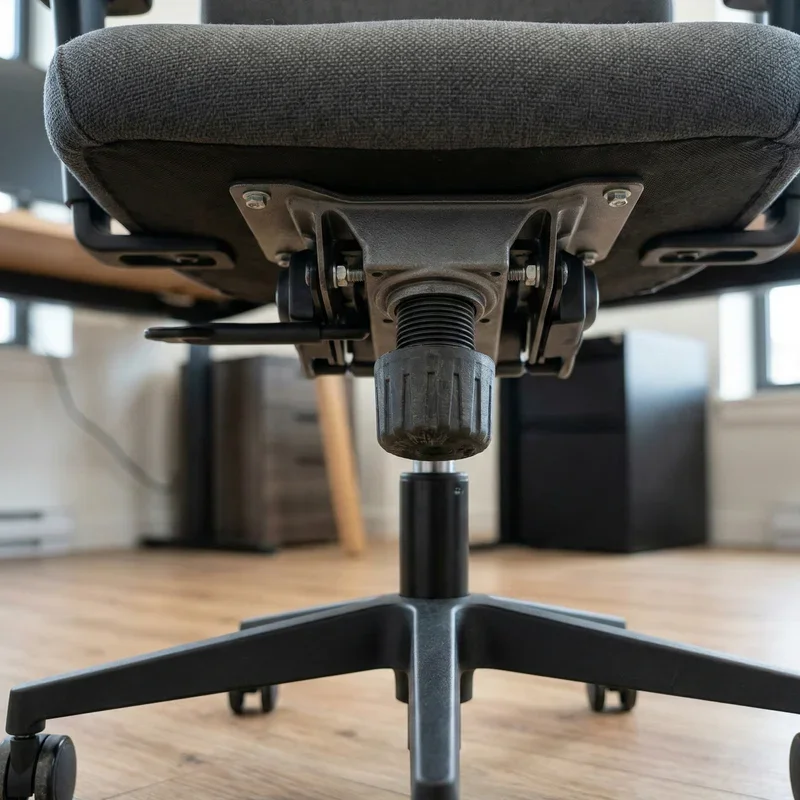
That tube running from your seat to the chair base contains a pneumatic cylinder, sometimes called a gas lift or gas spring. This cylinder uses compressed nitrogen gas to support your weight and enable height adjustment.
When you pull the lever, you're opening a valve that allows gas to move between chambers inside the cylinder. Standing up while pulling the lever lets the gas push the seat up. Sitting down while pulling compresses the gas and lowers the seat.
A properly functioning cylinder holds its position when the valve closes. But over time, seals within the cylinder wear out, allowing gas to leak slowly. When this happens, your weight gradually forces the seat down as gas escapes past failing seals.
Common Failure Patterns
Chair sinking manifests in different ways depending on how far the cylinder has deteriorated.
Slow sinking takes hours or even overnight before becoming noticeable. You might arrive at work finding your chair lower than you left it, or notice gradual descent during long sitting sessions.
Moderate sinking becomes obvious within fifteen to thirty minutes of sitting. You'll find yourself readjusting multiple times throughout a workday.
Rapid sinking happens almost immediately after adjustment. The chair essentially refuses to hold any height above its minimum position.
Signs Your Cylinder Is Failing
Beyond obvious sinking, watch for these indicators of cylinder problems.
Squeaking or hissing sounds when adjusting height suggest air escaping where it shouldn't. Uneven descent, where the chair drops slightly when you shift your weight, indicates inconsistent seal function.
Resistance changes during adjustment also signal problems. A cylinder that suddenly adjusts too easily has likely lost significant internal pressure.
How to Stop Office Chair From Going Down: Quick Temporary Fixes
When you need immediate solutions without special tools or parts.
The Hose Clamp Method
This popular temporary fix uses ordinary hose clamps to prevent the cylinder from compressing.
First, adjust your chair to the desired height. You might need to stand on the seat momentarily to get the cylinder fully extended.
Next, wrap a hose clamp around the exposed metal cylinder below the seat mechanism. Tighten it firmly. The clamp creates a physical barrier preventing the cylinder from telescoping downward.
For additional security, add a second clamp directly below the first. Two clamps distribute pressure better and provide backup if one slips.
This fix works well but has limitations. The clamps may gradually slip down the cylinder's smooth surface. Periodic retightening might be necessary.
PVC Pipe Sleeve
A sleeve solution provides a cleaner appearance while serving the same purpose as clamps.
Measure the exposed cylinder length and diameter. Purchase PVC pipe with an inner diameter just slightly larger than the cylinder.
Cut the pipe to length, then cut it lengthwise so you can open and wrap it around the cylinder. Position the sleeve with the chair at your desired height.
Secure the sleeve using strong tape, zip ties, or hose clamps around the pipe. The rigid sleeve prevents compression while looking more professional than bare clamps.
Duct Tape Wrap
In a pinch, wrapping the cylinder with multiple layers of duct tape creates enough thickness to prevent sinking.
Build up substantial tape layers around the cylinder at your desired height point. The accumulated tape thickness physically stops the seat mechanism from sliding down.
This isn't pretty, and tape deteriorates over time, but it works in emergencies when you need a same-day solution.
How to Stop Office Chair From Going Down: Permanent Repairs
For lasting solutions that restore proper function.
Replacing the Gas Cylinder
The most complete fix involves replacing the failed cylinder entirely. New cylinders cost between fifteen and fifty dollars depending on quality and specifications.
Before purchasing, measure your existing cylinder's dimensions. Key measurements include total length, piston diameter, and connection type at both ends.
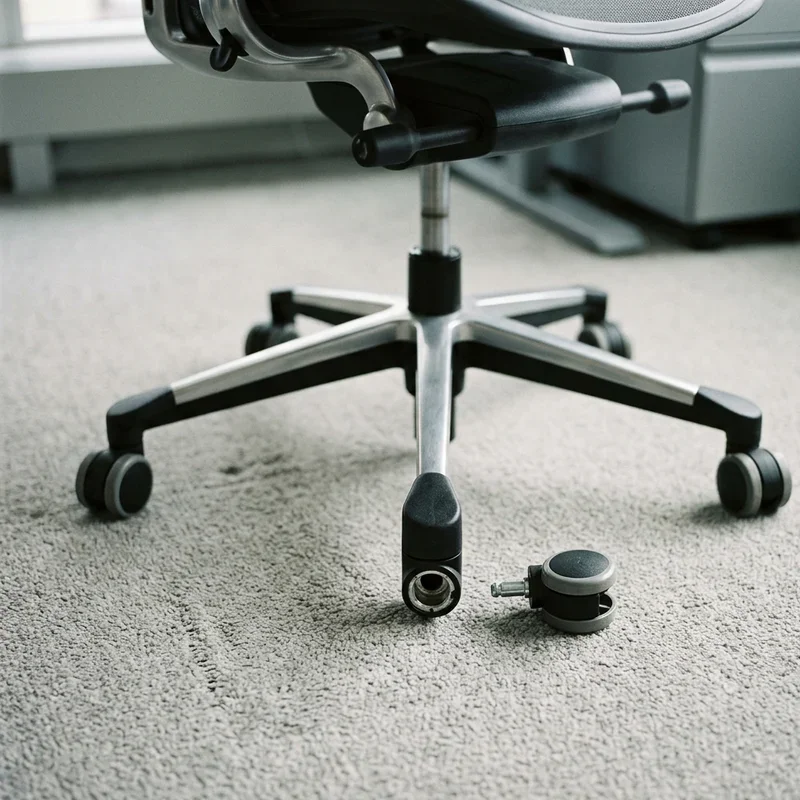
Removing the old cylinder requires some force. You'll need to separate the cylinder from both the chair base and the seat mechanism.
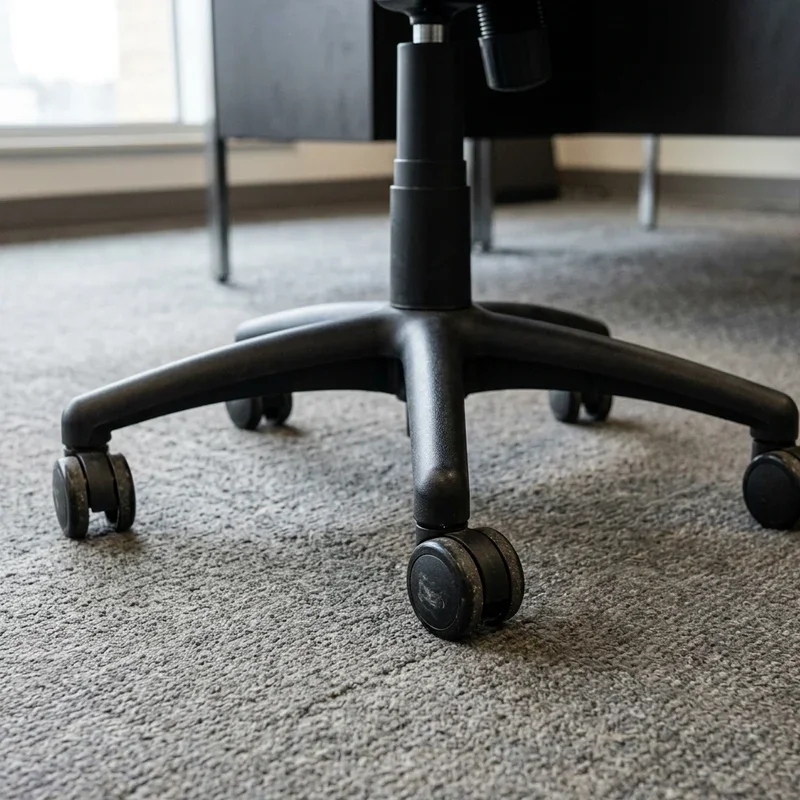
Turn the chair upside down. Use a rubber mallet to strike the base of the chair star while someone holds the cylinder. This separates the cylinder from the base.
For the seat mechanism connection, you may need a pipe wrench or cylinder removal tool. Some cylinders simply pull out once freed from the base, while others require additional persuasion.
Install the new cylinder by inserting it into the seat mechanism and pressing the chair base onto the cylinder's bottom end. Body weight usually provides sufficient force for seating the connections.
Professional Repair Services
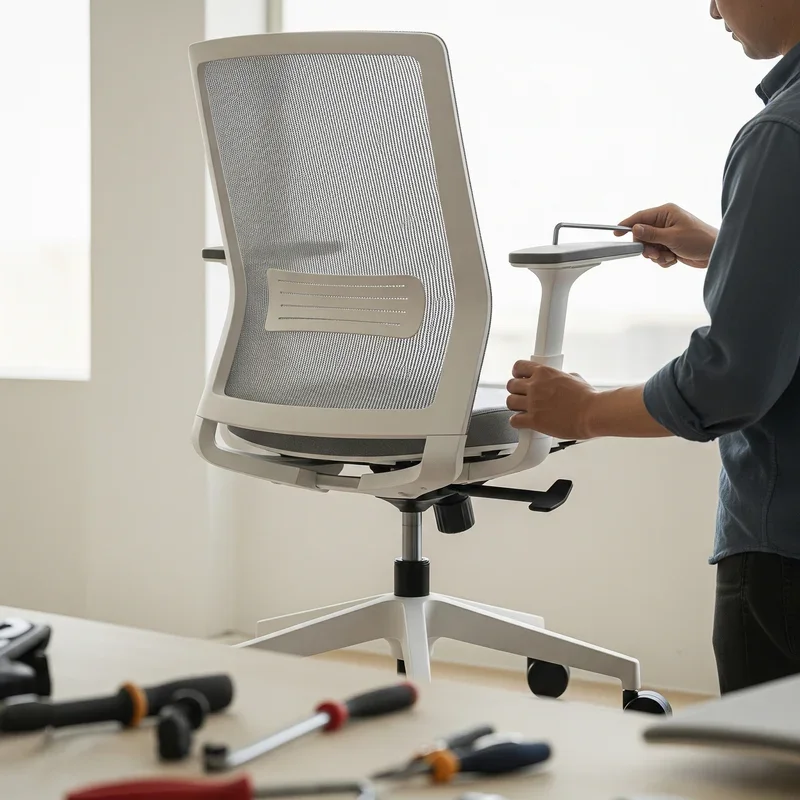
If DIY cylinder replacement seems daunting, office furniture repair services handle this job routinely.
Costs typically run thirty to sixty dollars including parts and labor. The service makes sense for high-quality chairs where professional installation ensures proper function.
Some office supply stores offer chair repair services. Call ahead to confirm availability and pricing.
Retrofit Kits
Several manufacturers produce retrofit kits specifically designed for sinking chair repair.
These kits include replacement cylinders along with any adapters needed for common chair types. They simplify the purchasing process by bundling everything required.
Some kits include specialized tools for cylinder removal, making the job easier for first-timers.
Alternative Solutions Worth Considering
Beyond cylinder repair, other approaches might suit your situation.
Chair Riser Blocks
If your chair sinks to a consistent low height, risers under the chair base can compensate.
Commercial furniture risers elevate the entire chair by two to four inches. This doesn't fix the sinking but restores usable height.
DIY versions using sturdy wooden blocks work equally well for those handy with basic tools.
Seat Cushion Addition
A thick seat cushion effectively raises your sitting height without addressing the mechanical issue.
High-density foam cushions provide both height boost and comfort improvement. Some cushions add three to four inches of sitting height.
This approach works particularly well if your chair has other issues beyond sinking that might warrant eventual replacement anyway.
Chair Replacement Timing
Sometimes the most practical solution is accepting that your chair has reached end of life.
Chairs with multiple issues beyond sinking, such as worn fabric, broken armrests, or damaged bases, may not warrant repair investment.
If your chair is relatively new or particularly high-quality, repair makes more sense. Budget chairs approaching five years of heavy use might be better replaced.
Prevention Strategies
Extend your next cylinder's life with these preventive approaches.
Weight Considerations
Gas cylinders have rated weight capacities. Exceeding these limits accelerates wear significantly.
Check manufacturer specifications and choose chairs rated for your body weight plus a reasonable margin. Heavier users should select heavy-duty chairs with reinforced cylinders.
Usage Patterns
How you use the height adjustment affects cylinder longevity.
Constantly raising and lowering the seat works the cylinder harder than setting it once and leaving it. Find your optimal height and minimize unnecessary adjustments.
Sitting down heavily rather than settling gently creates impact stresses that wear seals faster. Treat your chair gently.
Environmental Factors
Extreme temperatures and humidity affect pneumatic cylinders.
Very cold environments can cause temporary stiffness. Very hot conditions may accelerate seal deterioration. Climate-controlled offices are ideal.
Dust and debris around the cylinder can contaminate seals. Periodic cleaning of the cylinder exterior helps prevent contamination.
Evaluating Your Options
Choosing the right approach depends on several factors.
Cost-Benefit Analysis
Consider what makes financial sense for your specific situation.
A temporary clamp fix costing five dollars makes sense while you wait for replacement parts or decide whether the chair warrants investment.
Replacing a thirty-dollar cylinder in a three-hundred-dollar ergonomic chair makes obvious financial sense. The same repair in a fifty-dollar chair requires more careful consideration.
Time and Skill Requirements
Honest assessment of your mechanical abilities helps choose appropriate solutions.
Hose clamp installation requires minimal skill. Anyone can manage this fix with basic instructions.
Cylinder replacement demands moderate mechanical aptitude and willingness to apply significant force to stubborn connections. It's not complicated but does require commitment.
Chair Value Assessment
The overall condition and remaining useful life of your chair should influence repair decisions.
Examine the chair comprehensively. Check the caster wheels, armrest attachments, seat foam condition, and frame integrity.
A chair with multiple issues might not warrant cylinder repair. A chair with only cylinder problems and otherwise excellent condition deserves proper fixing.
Tools and Materials Summary
Having the right supplies makes repairs go smoothly.
For Temporary Fixes
Hose clamps require only a screwdriver for tightening. Purchase clamps sized to fit your cylinder diameter with some adjustment range.
PVC pipe solutions need measuring tape, pipe cutter or hacksaw, and fastening materials like zip ties or additional clamps.
Duct tape requires only the tape itself, though quality matters. Stronger tapes hold up better and longer.
For Cylinder Replacement
Essential tools include a rubber mallet, pipe wrench or large adjustable wrench, and possibly a cylinder removal tool for stubborn connections.
The replacement cylinder must match your chair's specifications. Measure carefully before purchasing.
Lubricants like WD-40 can help loosen stuck connections. Have some available.
Safety Considerations
Work on stable surfaces when turning chairs upside down. Secure the chair to prevent rolling.
Wear eye protection when hammering connections apart. Flying debris can cause injury.
Use appropriate force with mallets and wrenches but avoid excessive violence that might damage other chair components.
When to Seek Help
Some situations warrant professional assistance.
Specialty Chairs
High-end ergonomic chairs with complex mechanisms may require specialized knowledge for proper repair.
Manufacturer authorized service ensures warranty preservation and correct part matching.
Stubborn Cylinder Removal
Cylinders that refuse to separate despite proper technique might need professional attention.
Forcing stuck connections risks damaging the chair frame or seat mechanism. Sometimes letting a professional apply their experience saves money overall.
Uncertainty About Diagnosis
If you're not confident the sinking problem actually stems from cylinder failure, professional diagnosis prevents wasted effort.
Rare mechanical issues unrelated to the cylinder occasionally mimic sinking symptoms. Expert evaluation catches these unusual situations.
Conclusion
Understanding how to stop office chair from going down empowers you to solve one of the most common office furniture frustrations without unnecessary expense. From simple hose clamp fixes taking minutes to complete cylinder replacement restoring full function, options exist for every skill level and budget. Temporary solutions buy time while you evaluate whether permanent repair makes sense for your particular chair. Taking action quickly prevents the ergonomic problems and productivity losses that come from working at improper desk heights.
Read next: How to Raise an Office Chair Safely and Correctly
Frequently Asked Questions
1.How long do gas cylinders in office chairs typically last?
Quality gas cylinders typically last five to ten years with normal use before developing leaks.
2.Can I use any replacement cylinder or must it match exactly?
Replacement cylinders must match diameter and length specifications to fit and function properly in your chair.
3.Is it safe to use a sinking chair while waiting for repair parts?
Using a sinking chair is safe but may cause poor posture and discomfort during extended work periods.
4.Why does my new chair already sink after just a few months?
Early failure usually indicates manufacturing defects or exceeding the chair's weight capacity rating significantly.
5.Can sinking chairs be fixed permanently or will they always eventually fail?
Properly replaced cylinders restore full function and typically last years before requiring future attention.
Stay up to date with our latest ideas!