Should Businesses Choose One Large Office or Several Smaller Units?
Compare the pros and cons of one large office versus several smaller units, considering costs, collaboration, flexibility, location, operations, and future growth.

Businesses can decide between one large office and several smaller units by comparing how teams interact, how much separation different functions require, rental efficiency and future property needs. When planning to rent office space (this is commonly referred to as เช่าพื้นที่ออฟฟิศ in Thai), the cheapest or largest option is not automatically the most suitable. A single floor can create a unified workplace, while separate units may offer greater control over departments, privacy and expansion. The right real estate choice depends on how the company intends to use every part of the premises.
Look at How Teams Actually Work Together
Start with the relationship between departments. Businesses where employees collaborate throughout the day may benefit from having everyone within one larger office.
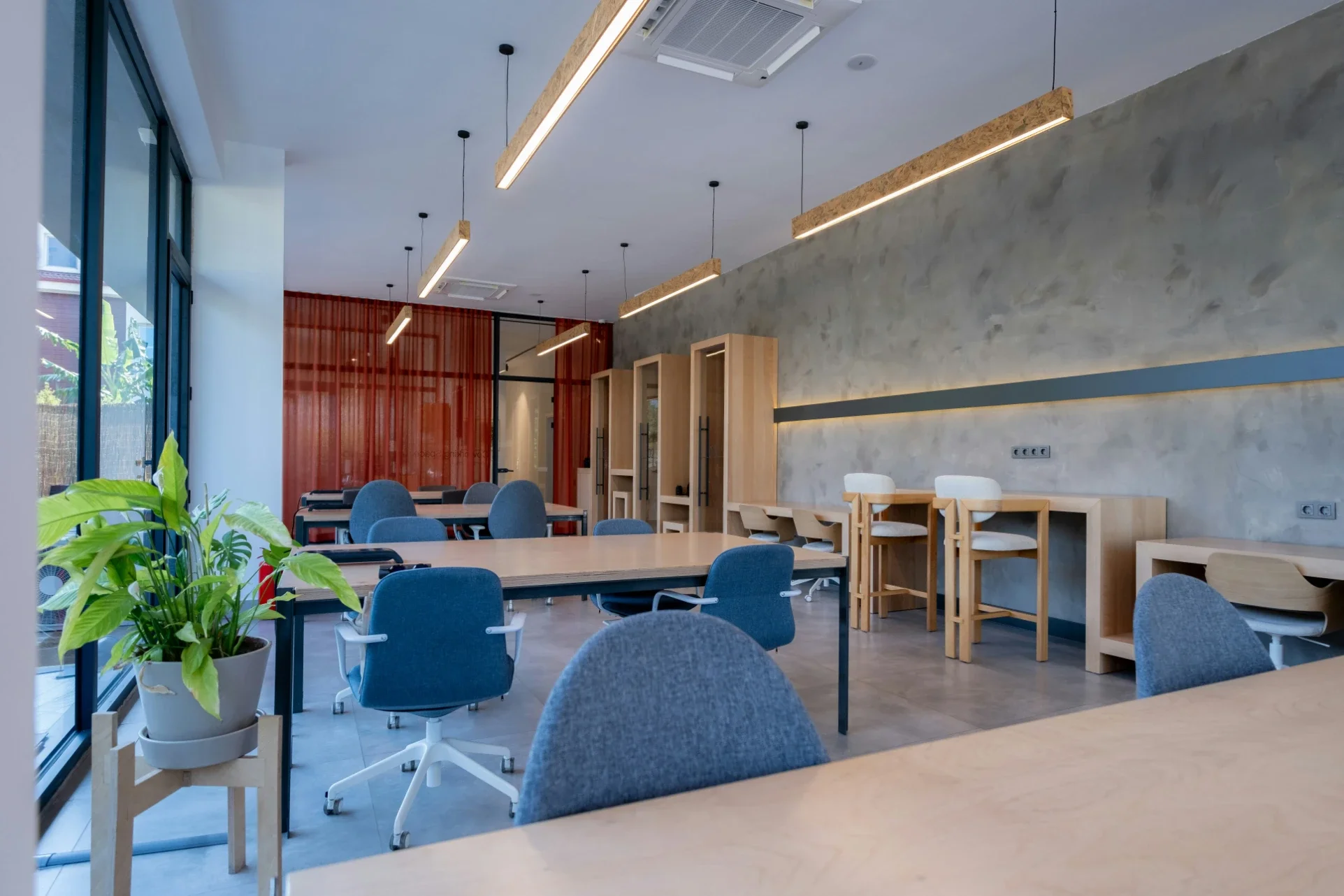
Keeping teams together can reduce unnecessary movement between units and make shared facilities easier to manage. Reception areas, meeting rooms and break spaces can serve the entire workforce rather than being duplicated.
Separate units can make more sense when departments operate independently. A company might want its customer-facing team in one unit while keeping finance, administration or technical operations elsewhere.
Compare the Real Cost of Each Layout
Total floor area does not tell the complete financial story. Businesses should compare how efficiently each property configuration can be used.
Several smaller units might require duplicated kitchens, storage areas, entrances or meeting facilities. Those spaces occupy square metres that could otherwise be used for employees.
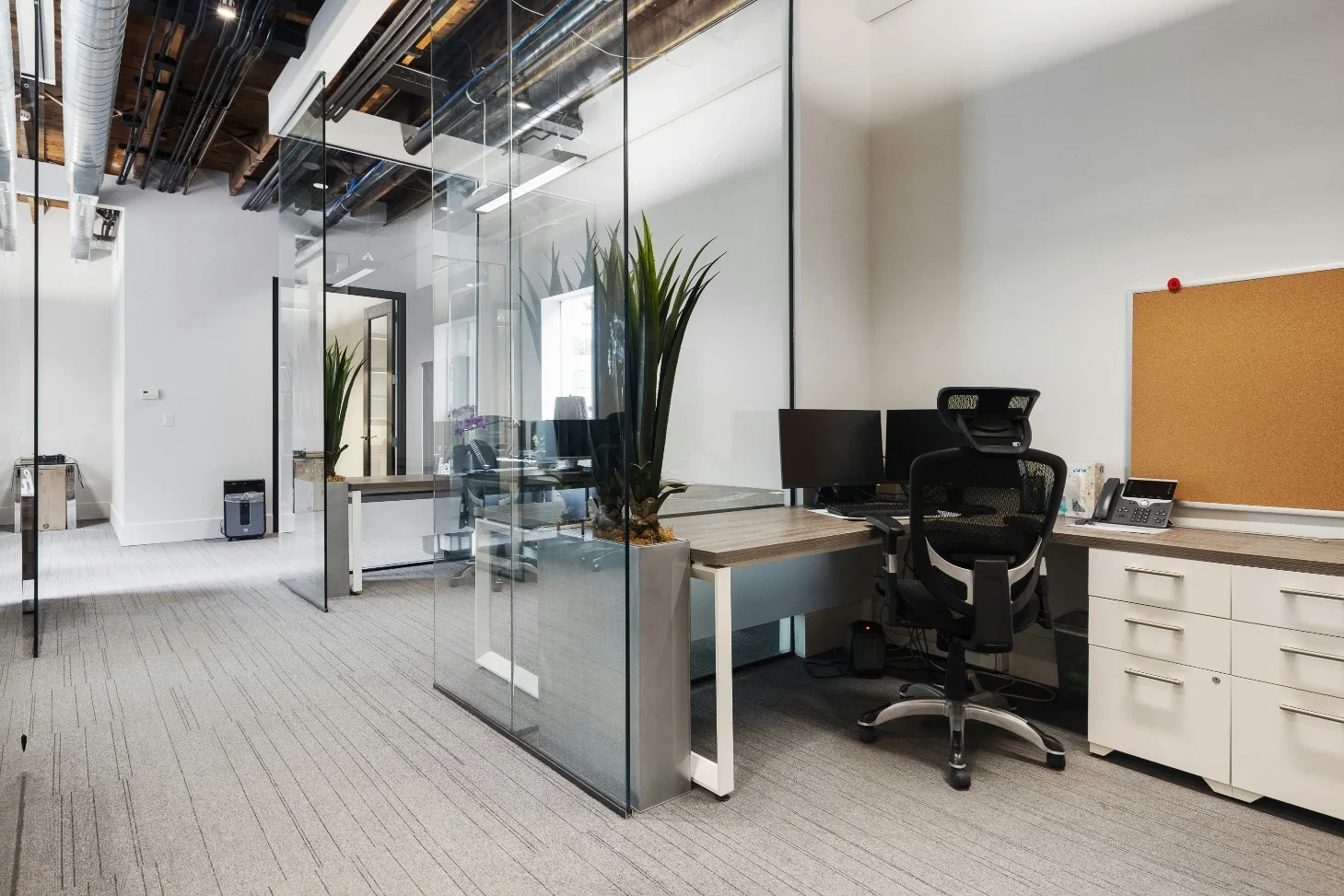
A large office may consolidate these facilities, but it could also leave unused corners if the floor plate does not match the company's requirements. Reviewing usable areas alongside rent provides a clearer picture of property value.
Consider Privacy and Operational Separation
Some business functions naturally require greater separation. Human resources teams may handle confidential discussions, while creative or sales departments might work in busier environments.
Smaller units can create physical boundaries without requiring extensive internal construction. They may also suit companies operating multiple brands or divisions from the same commercial property.
One larger office can achieve similar separation through careful fit-out, although this may involve additional planning and costs.
Think About Expansion in Stages
Future growth can change which arrangement makes sense.
A business renting one large office may have room to add employees without immediately searching for another property. However, paying for unused space while waiting for that growth can increase occupancy costs.
Several units can provide a different route. A company may occupy the space it currently requires and add another suitable unit when operations expand, subject to availability. This approach can make property growth more gradual.
Examine Building Access and Movement
Separate units need to work practically within the building. Businesses should consider lifts, entrances, security arrangements and the distance employees must travel between spaces.
If staff regularly move between units, an arrangement that looks efficient on a floor plan may become frustrating in daily use. Viewing the property while imagining actual employee and visitor movement can expose these issues before signing a rental agreement.
Choose Space Around the Business, Not the Other Way Around
The best configuration is the one that reflects how a company operates today while leaving sensible options for tomorrow. One large office can offer cohesion and shared facilities, whereas several smaller units can provide separation and phased expansion. Comparing usable area, operational flow, privacy and future requirements helps turn the choice into a practical commercial real estate decision.
Businesses weighing different office configurations can explore Rangsit Business Park and consider available spaces based on their team structure and operational requirements. Choosing a property that fits the way your company actually works can make every square metre more purposeful.
Stay up to date with our latest ideas!