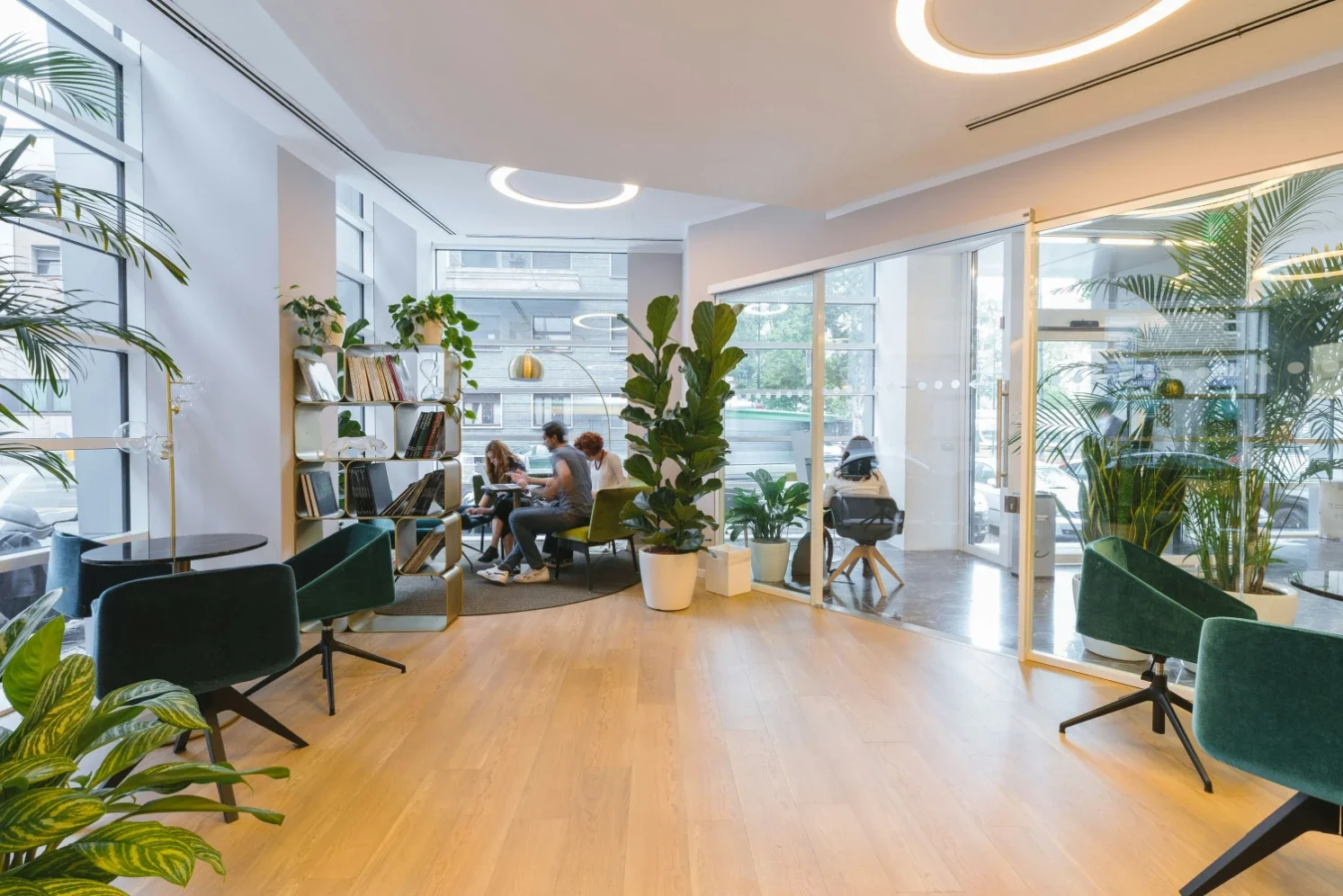
What Is a Pocket Office? Meaning, Benefits, and Examples
Discover what is a pocket office including meaning, benefits, and examples. Learn how this compact workspace solution transforms any home.
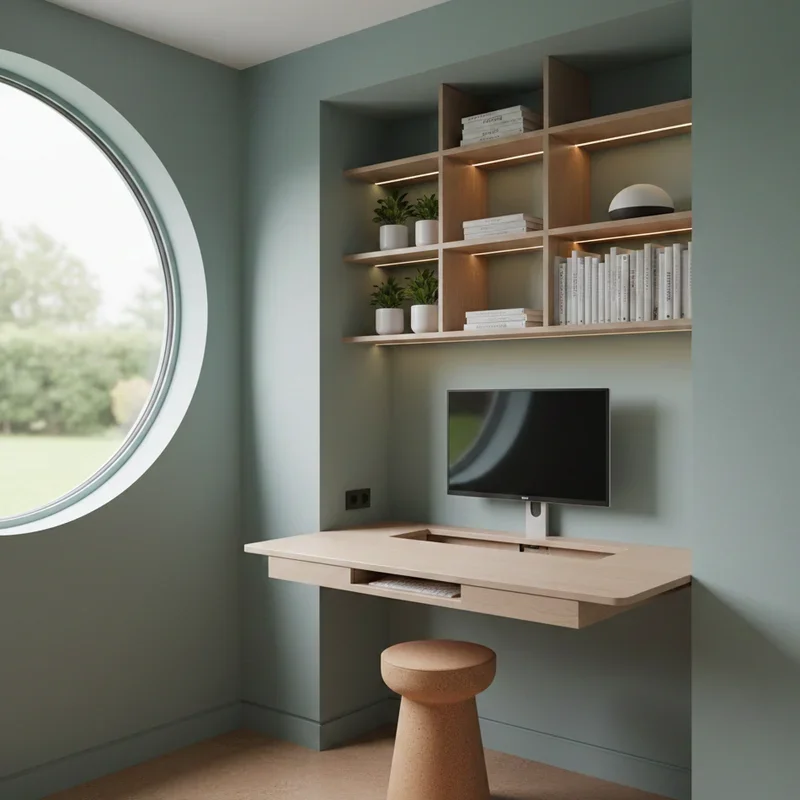
Working from home has gone from occasional luxury to everyday reality for millions of people, and let's be honest, not everyone has a spare room just waiting to become a dedicated office. Kitchen tables have doubled as conference rooms, bedrooms have morphed into workspaces, and closets have taken on entirely new purposes.
Enter the pocket office, a brilliant solution that's been gaining serious traction among homeowners, apartment dwellers, and interior designers alike. This clever concept proves you don't need a massive square footage to carve out a functional, attractive workspace that actually works for your professional needs.
The beauty of a pocket office lies in its ability to exist within spaces you never thought could accommodate work-related activities. That awkward corner you've been ignoring? Perfect candidate. The hallway nook that's been collecting dust? Absolutely ideal. Even the area under your stairs that's been serving as a forgotten storage zone could transform into your new productivity headquarters.
Understanding what is a pocket office opens up possibilities you might never have considered. These compact workstations are revolutionizing how we think about home design, challenging the traditional notion that offices require entire rooms dedicated solely to work activities.
Whether you're a remote worker seeking separation between work and home life, a student needing a focused study area, or simply someone who wants an organized spot to handle household administration, a pocket office might just be the answer you've been searching for.
This comprehensive guide explores everything you need to know about this innovative workspace concept, from the basic definition to real-world examples that'll inspire your own creation.
What Is a Pocket Office? Meaning, Benefits, and Examples Defined
Let's start with the basics and really nail down what we're talking about here.
The Core Definition
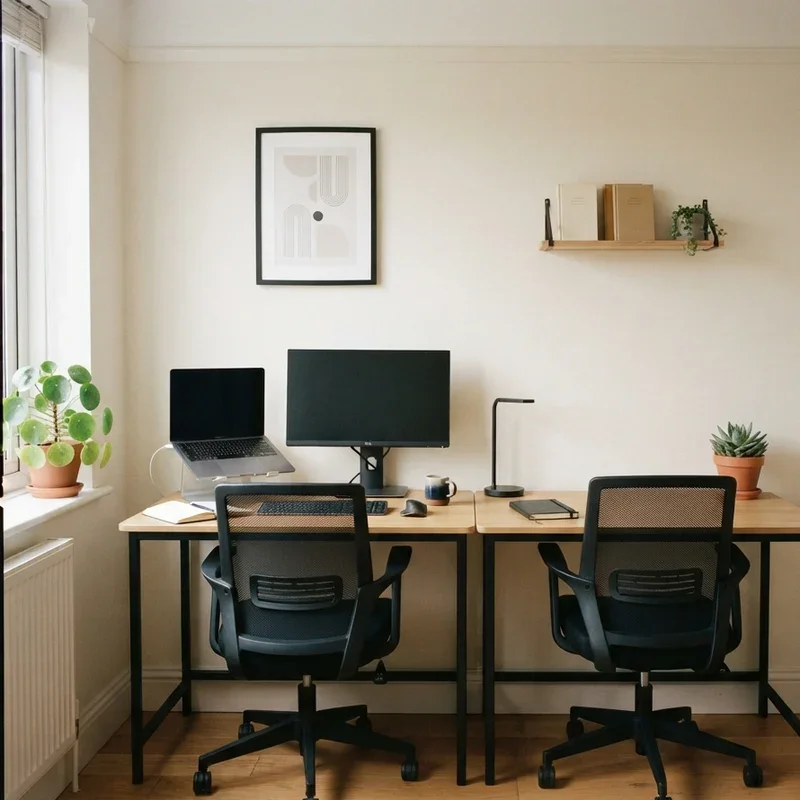
A pocket office is a compact, self-contained workspace designed to fit within a small, often unconventional area of your home. Think of it as a mini office that tucks away neatly, sometimes even hiding behind closed doors when not in use.
The name itself tells the story. Just like a pocket holds essential items in minimal space, a pocket office contains everything you need for productive work within a surprisingly small footprint. We're typically talking about spaces ranging from three to thirty square feet, though some creative interpretations stretch these boundaries.
Unlike traditional home offices that occupy entire rooms, pocket offices maximize vertical space, employ clever storage solutions, and often feature the ability to close off completely, visually disappearing when your workday ends.
How It Differs from Traditional Home Offices
Traditional home offices assume you have an entire room to dedicate to work. They include full-size desks, office chairs, filing cabinets, and plenty of room to spread out. For many homeowners, this simply isn't realistic.
Pocket offices reject this all-or-nothing approach. They acknowledge that work needs to happen but that dedicated square footage isn't always available. Instead of requiring a room, they utilize corners, closets, alcoves, and other underutilized spaces.
The key distinction lies in integration rather than separation. A pocket office becomes part of another space while maintaining its own identity and function.
The Evolution of Compact Workspaces
Understanding where pocket offices came from helps explain why they've become so popular.
Historical Context
The concept of working from small, dedicated spaces isn't entirely new. Secretary desks from the 18th century operated on similar principles, providing a workstation that could close up and blend into domestic surroundings.
Writing nooks in Victorian homes served comparable purposes, offering private corners for correspondence and household management. These historical precedents show that humans have always sought ways to incorporate work into living spaces without letting it take over.
The Remote Work Revolution
The massive shift to remote work accelerated pocket office adoption like nothing before. Suddenly, millions of people needed workspaces at home but didn't have spare rooms to convert.
Designers and homeowners got creative, reimagining unused spaces throughout their homes. What started as pandemic necessity has evolved into a legitimate design trend that shows no signs of slowing down.
Real estate listings now frequently highlight pocket offices as desirable features, recognizing that today's buyers value functional workspaces regardless of overall home size.
Benefits of Creating a Pocket Office
Why are so many people jumping on this trend? The advantages are pretty compelling.
Space Optimization
The most obvious benefit involves making the absolute most of your available square footage. Instead of lamenting your lack of a spare room, you're transforming overlooked areas into productive zones.
Unused closets, awkward corners, landing areas, and even spaces under stairs suddenly have purpose. This approach respects the reality that most homes contain wasted space that could serve better functions.
Work-Life Boundaries
One of the biggest challenges of working from home involves separating professional and personal life. When your office is also your living room, mentally clocking out becomes nearly impossible.
Pocket offices, especially those that close with doors or curtains, provide psychological boundaries. Closing that door at day's end signals to your brain that work is over, helping you transition to personal time more effectively.
Cost Efficiency
Converting a closet into a pocket office costs significantly less than adding a room or renovating a basement. You're working with existing space and typically need only furniture, lighting, and organizational accessories.
This accessibility makes pocket offices particularly appealing for renters, first-time homeowners, and anyone working with tight budgets.
Aesthetic Integration
Well-designed pocket offices blend seamlessly with surrounding décor. When closed or not in use, they don't announce "this is where I work" to everyone who enters your home.
This integration matters for people who entertain frequently or simply prefer their homes to look like homes rather than offices.
What Is a Pocket Office? Meaning, Benefits, and Examples in Real Homes
Let's explore actual pocket office implementations that demonstrate this concept's versatility.
The Closet Conversion
Perhaps the most popular pocket office variation involves transforming a closet into a complete workstation. Standard reach-in closets typically measure around six feet wide and two feet deep, providing adequate space for a desk surface, shelving, and lighting.
Sliding barn doors or bifold doors maintain the ability to hide everything when not working. Inside, floating desks maximize floor space while wall-mounted shelving provides storage without bulk.
One particularly clever example features a murphy-style desk that folds up when not in use, allowing the closet to resume its original storage function during non-working hours.
Under-Stairs Solutions
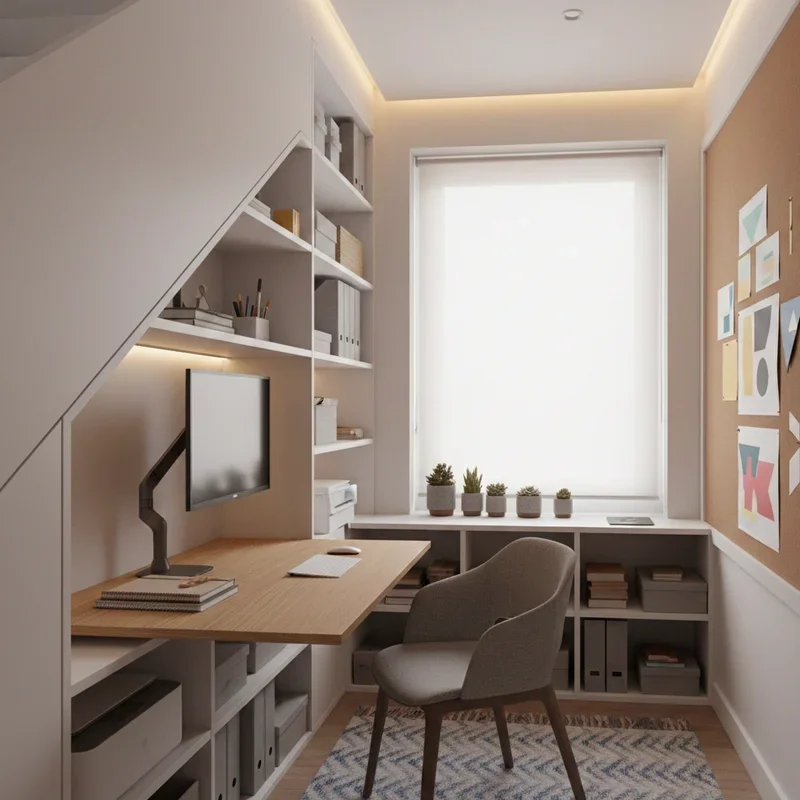
The triangular space beneath staircases often goes completely unused or becomes a catchall for random items. Pocket offices transform this awkward area into surprisingly functional workspaces.
Built-in desks follow the staircase angle, with shelving and storage customized to fit the unique geometry. The enclosed feeling can actually enhance focus, creating a cozy nook that feels separate from the rest of the house.
Kitchen Nooks
Many kitchens contain small alcoves or unused corners that can accommodate compact workstations. These kitchen pocket offices work particularly well for managing household tasks, meal planning, and brief work sessions.
A small desk, charging station, and minimal shelving create a command center that keeps important papers and devices organized without cluttering kitchen surfaces.
Hallway Havens
Wide hallways sometimes offer enough depth for narrow desk installations. Wall-mounted fold-down desks work beautifully in these spaces, providing a work surface when needed and folding flat against the wall when not in use.
These hallway offices benefit from natural traffic patterns that discourage overly long work sessions, potentially helping maintain healthier work-life balance.
Bedroom Corners
Small bedroom corners can accommodate compact pocket offices when designed thoughtfully. The key involves choosing furniture that doesn't overwhelm the sleep environment and potentially using screens or curtains to visually separate work and rest areas.
A floating desk in a corner, complemented by wall-mounted storage and good task lighting, creates a functional workspace that doesn't dominate the bedroom aesthetic.
Designing Your Own Pocket Office
Ready to create your own compact workspace? Here's how to approach the project.
Assessing Available Spaces
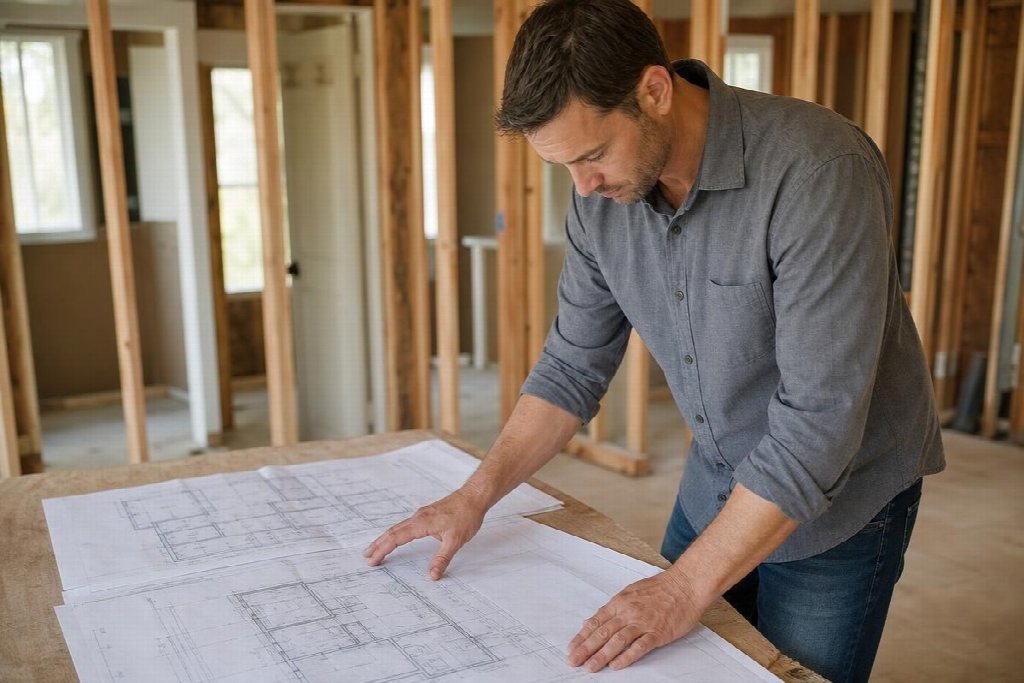
Walk through your home with fresh eyes, looking for underutilized areas. Consider spaces you've dismissed as too small, too awkward, or too specific for other purposes.
Measure potential spots carefully, noting not just floor dimensions but also ceiling height, nearby electrical outlets, and available lighting. Even spaces as small as three feet wide can potentially work for pocket office applications.
Essential Elements to Include
Every effective pocket office needs certain core components:
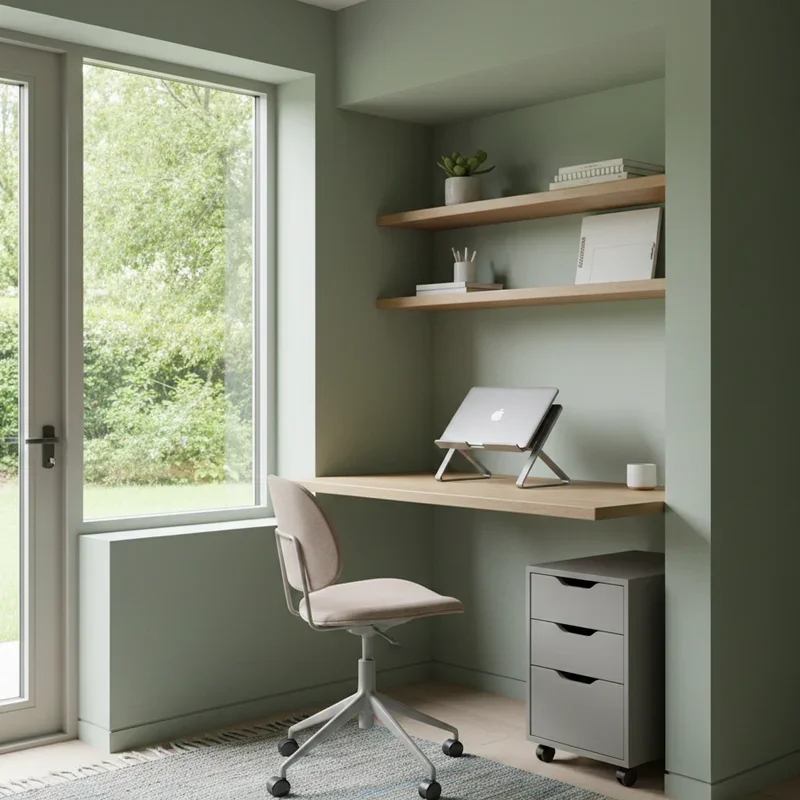
A work surface appropriate to your tasks provides the foundation. This might be a traditional desk, floating shelf, fold-down surface, or custom-built installation.
Adequate lighting prevents eye strain and creates a professional atmosphere. Task lighting works better than relying solely on overhead fixtures.
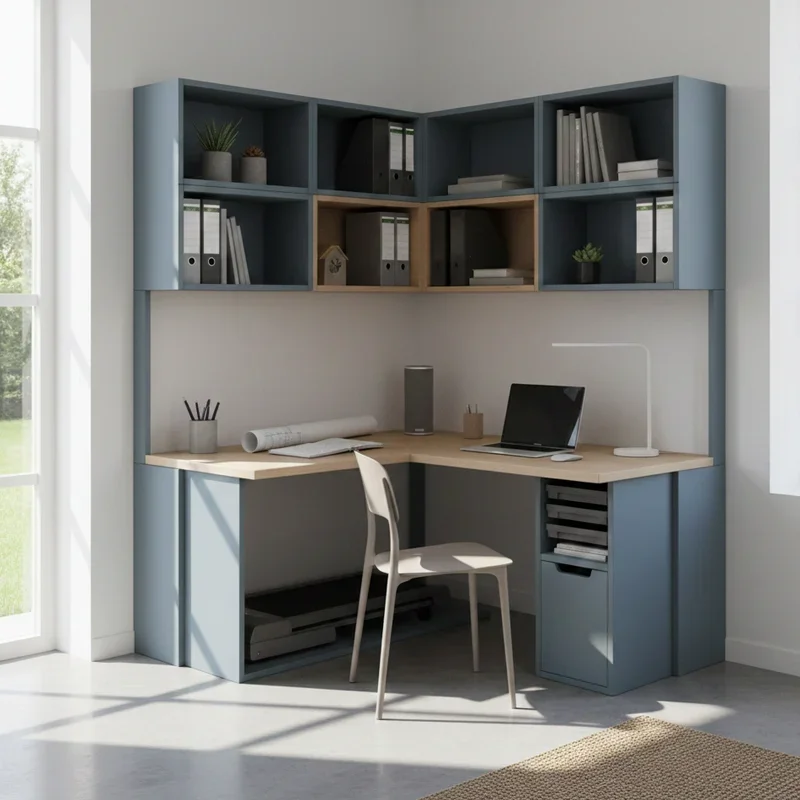
Storage solutions keep supplies organized and accessible. Wall-mounted shelving, drawer units, and vertical organizers maximize limited space.
Power access for devices requires planning. Consider whether existing outlets suffice or if additional electrical work is needed.
Maximizing Vertical Space
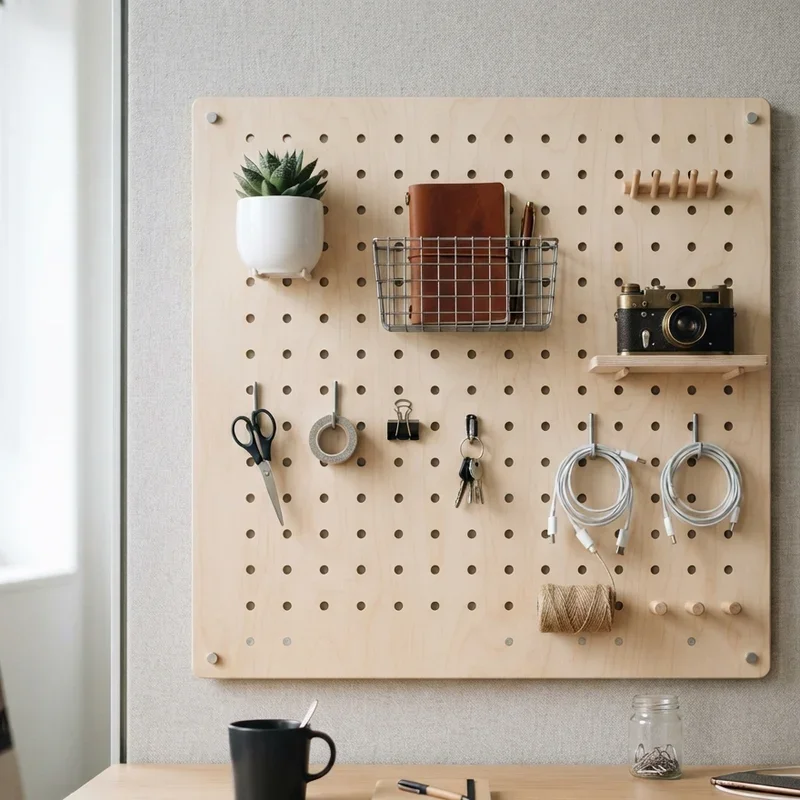
Limited floor area means thinking upward. Tall shelving units, wall-mounted storage, pegboards, and overhead cabinets extend your functional space without expanding your footprint.
Floating shelves at various heights accommodate different items while keeping the floor clear. Hooks and magnetic strips provide additional organizational options that don't consume shelf space.
Creating Visual Separation
Even without walls, you can create boundaries between your pocket office and surrounding spaces. Curtains, sliding panels, decorative screens, or even strategically placed furniture establish zones that feel distinct.
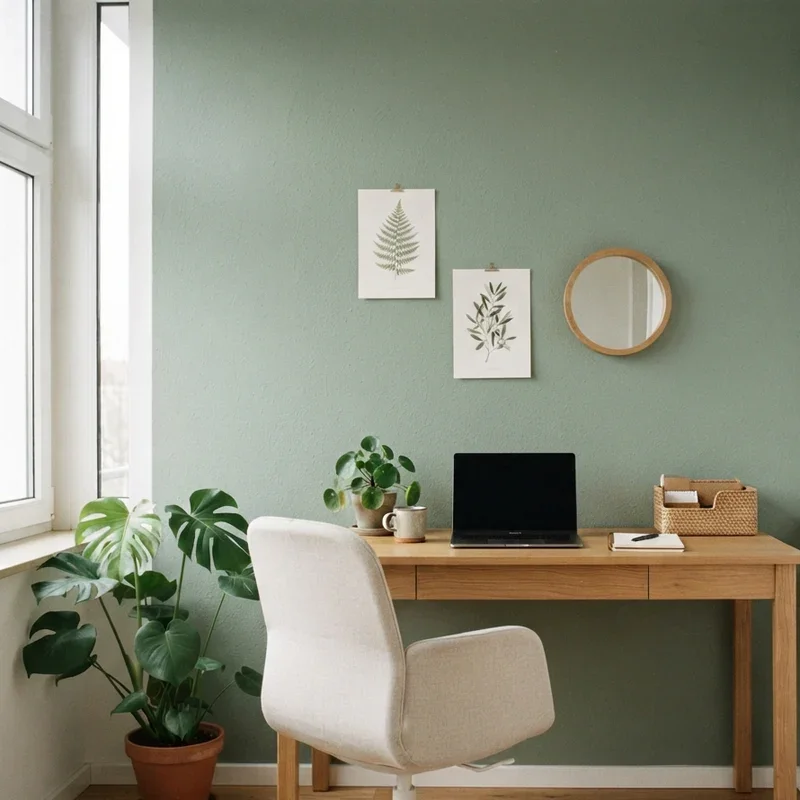
Color choices can also differentiate your workspace. A accent wall or contrasting color scheme subtly signals this area serves a different purpose.
Technology Considerations
Modern work requires modern tech integration, even in small spaces.
Power Management
Multiple devices mean multiple charging needs. Cable management becomes crucial in tight quarters where cord chaos creates visual and practical problems.
Desk grommets, cable channels, and wireless charging pads help maintain organization. Power strips with USB ports consolidate charging into single points.
Connectivity Requirements
Strong internet connectivity matters for video calls and file transfers. Ensure your pocket office location receives adequate WiFi signal, adding range extenders if necessary.
Consider how video call backgrounds will appear. You might want to position your workspace with an attractive background or plan for virtual background use.
Ergonomic Challenges
Small spaces create ergonomic difficulties. Monitor positioning, keyboard height, and seating comfort all matter even in compact workstations.
Adjustable monitor arms save desk space while enabling proper screen positioning. Compact ergonomic chairs designed for small spaces exist for those who can fit them.
Common Mistakes to Avoid
Learn from others' experiences and sidestep these frequent errors.
Insufficient Lighting
Dark corners become even darker when filled with furniture. Plan lighting carefully, combining ambient, task, and potentially natural light sources for comfortable work conditions.
Ignoring Ventilation
Enclosed spaces like closets can become stuffy during long work sessions. Ensure adequate air circulation, potentially adding small fans or keeping doors partially open when possible.
Overcomplicating Design
The temptation to cram every possible feature into a small space leads to cluttered, uncomfortable results. Prioritize essential elements and resist adding anything that doesn't directly support your work activities.
Forgetting Personalization
Functional doesn't mean sterile. Small touches like plants, artwork, or meaningful objects make your pocket office feel like a space you actually want to spend time in.
Future Trends in Pocket Office Design
The pocket office concept continues evolving as designers and homeowners push boundaries.
Modular Solutions
Furniture manufacturers are developing increasingly sophisticated modular systems specifically designed for pocket office applications. These systems offer flexibility and customization previously available only through custom built-ins.
Smart Integration
Voice-controlled lighting, automated charging stations, and integrated smart displays are becoming standard pocket office features. Technology enables even more functionality within minimal footprints.
Sustainable Materials
Environmentally conscious design extends to pocket offices, with recycled materials, sustainable wood sources, and low-VOC finishes becoming preferred choices.
Conclusion
Understanding what is a pocket office empowers you to create functional workspaces regardless of your home's size or layout. These compact solutions transform overlooked corners, underutilized closets, and awkward nooks into productive professional environments that close away when your workday ends. The benefits extend beyond mere space savings to include improved work-life balance, cost efficiency, and aesthetic integration. Whether you're working with a tiny apartment or a home lacking spare rooms, pocket offices prove that great work happens in all sizes of spaces.
Read next: 15 Rustic Office Ideas for a Warm and Inviting Workspace
Frequently Asked Questions
1.How much space do you need to create a pocket office?
Most pocket offices require between three and thirty square feet, though creative designs work with less.
2.Can renters create pocket offices without permanent modifications?
Yes, freestanding furniture, temporary shelving, and removable hooks enable renter-friendly pocket office installations easily.
3.What is the average cost to build a pocket office?
Basic pocket offices cost between $200 and $2,000 depending on furniture choices and customization levels required.
4.Do pocket offices add value to homes?
Yes, real estate professionals report pocket offices increasingly attract buyers seeking functional home workspaces.
5.Can pocket offices work for jobs requiring video calls?
Absolutely, proper lighting and background planning make pocket offices perfectly suitable for professional video meetings.
Stay up to date with our latest ideas!