Discover common household habits that can increase cooling costs and learn simple ways to improve energy efficiency while keeping your home comfortable.
Most homeowners assume their cooling bills come down to the age of their system or the size of their property, but daily routines inside the home often play a much larger role. Small choices repeated every day quietly push energy use higher without anyone noticing until the monthly bill arrives. Households in Odessa feel this especially during the long stretch of warm weather, when even minor inefficiencies add up fast. Recognizing the habits behind rising costs is the first step toward keeping a home comfortable without paying more than necessary.
When Your AC Struggles to Keep Up
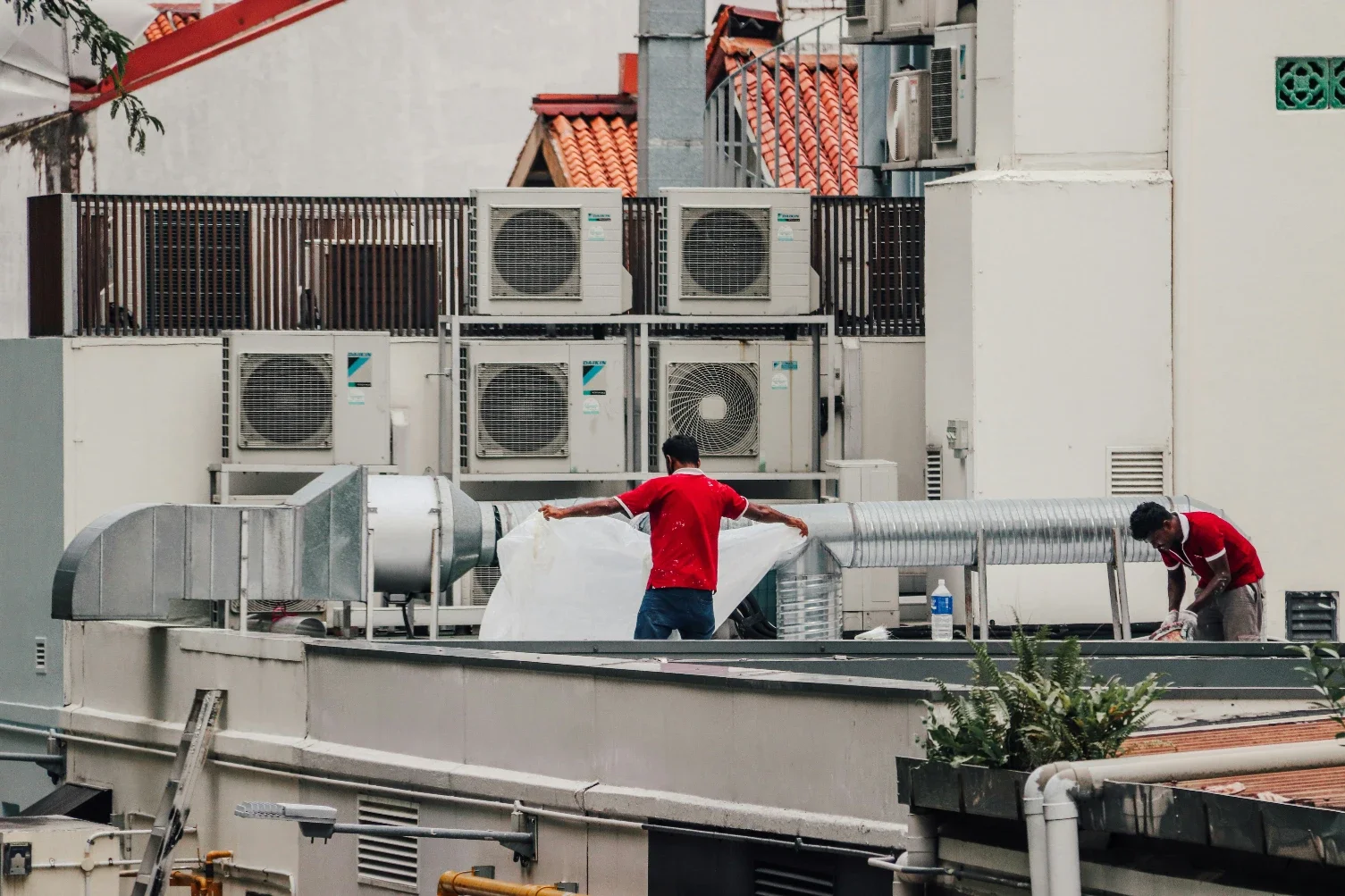
A cooling system that runs constantly without reaching the set temperature is one of the clearest signs that something is wrong inside the unit. Ignoring this kind of performance drop usually leads to higher energy use, worn components, and eventually a full breakdown during the hottest part of the year. Homeowners who want to avoid that outcome should reach out to a trusted AC repair company in Odessa the moment they notice weak airflow, longer run times, or warm air coming through the vents. Catching repair needs early restores proper cooling output and keeps the household running smoothly through the warmest months.
Setting the Thermostat Too Low
Many households assume that lowering the thermostat will cool the home faster, but the system actually delivers air at the same rate regardless of the setting. Pushing the temperature far below what the household actually needs only forces the unit to run longer, which raises energy use without offering any real comfort benefit. A steady, moderate setting allows the home to cool evenly and gives the system time to rest between cycles. Adjusting the temperature slightly higher when no one is home also makes a noticeable difference over the course of a month.
Leaving Doors and Windows Open
Cool air escapes faster than most people realize, especially when interior doors are propped open or exterior doors are used frequently throughout the day. Every time conditioned air leaves the space, the system has to work harder to replace it, which translates directly into higher energy use. Windows that are cracked open while the cooling system is running create the same problem on a larger scale. Keeping the home sealed during peak heat hours helps the system maintain temperature without overexerting itself.
Blocking Vents With Furniture
Air vents need clear space around them to distribute cool air evenly throughout the room. When sofas, beds, bookshelves, or curtains sit directly in front of supply vents, airflow gets restricted, and certain areas of the home stay warmer than others. The thermostat then reads the warmer rooms and keeps the system running longer in an attempt to balance the temperature. Rearranging furniture so that vents remain unobstructed is a simple change that improves efficiency without any cost.
Skipping Filter Changes
Air filters trap dust, pet hair, and other particles that would otherwise circulate through the home. As they fill up, airflow slows down, and the cooling system has to push harder to move air through the ducts. A clogged filter can raise energy use significantly and shorten the lifespan of the equipment. Replacing filters every one to three months, depending on household conditions, keeps the system breathing properly and reduces strain on internal components.
Using Heat-Producing Appliances During Peak Hours
Ovens, stoves, dryers, and dishwashers all release heat into the home while they run. Using them during the warmest part of the day forces the cooling system to compete with the extra warmth they generate. Shifting these tasks to early morning or late evening hours allows the home to stay cooler naturally and reduces the load on the system. Even small changes, like air-drying dishes or grilling outside, help keep indoor temperatures more stable. Batch cooking once or twice a week also limits how often the oven and stove need to run during warmer hours. Households that plan meals around cooler parts of the day often notice a real difference in how comfortable the kitchen and surrounding rooms feel.
Ignoring Window Coverings
Sunlight streaming through uncovered windows raises indoor temperatures quickly, especially on south and west-facing sides of the home. Drawing blinds or curtains during the brightest part of the day blocks much of that heat before it ever enters the room. Households that leave windows fully exposed often see warmer interiors and longer cooling cycles. Light filtering shades or thermal curtains offer an easy way to reduce solar heat gain without making rooms feel dark.
Forgetting About Ceiling Fans
Ceiling fans do not lower the actual temperature of a room, but they make the space feel cooler by moving air across the skin. When fans run alongside the cooling system, the thermostat can be set a few degrees higher without sacrificing comfort. Households that rely solely on the AC miss out on this easy efficiency boost. Running fans only in occupied rooms also prevents wasted energy in unused parts of the home.
Overlooking Small Leaks Around the Home
Gaps around windows, doors, attic hatches, and electrical outlets allow conditioned air to escape and warm outdoor air to seep in. These leaks may seem minor on their own, but together they create a steady drain on cooling performance. Weatherstripping, caulking, and basic sealing materials handle most of these problem areas affordably. Taking time to inspect the home for drafts once a year keeps the cooling system from working against constant air loss.
Building Better Habits
Lowering cooling costs rarely requires major upgrades or expensive equipment. The biggest gains come from paying attention to daily routines and adjusting the ones that quietly waste energy. A household that closes doors, manages sunlight, runs appliances at smarter times, and stays on top of basic upkeep will see steadier temperatures and lower bills throughout the warm season. Comfort and savings often come from the same place, which is simply being more mindful about how the home uses energy each day.
Stay up to date with our latest ideas!